Wood in the bathroom
Natural and durable
Which types of wood to use in the bathroom?
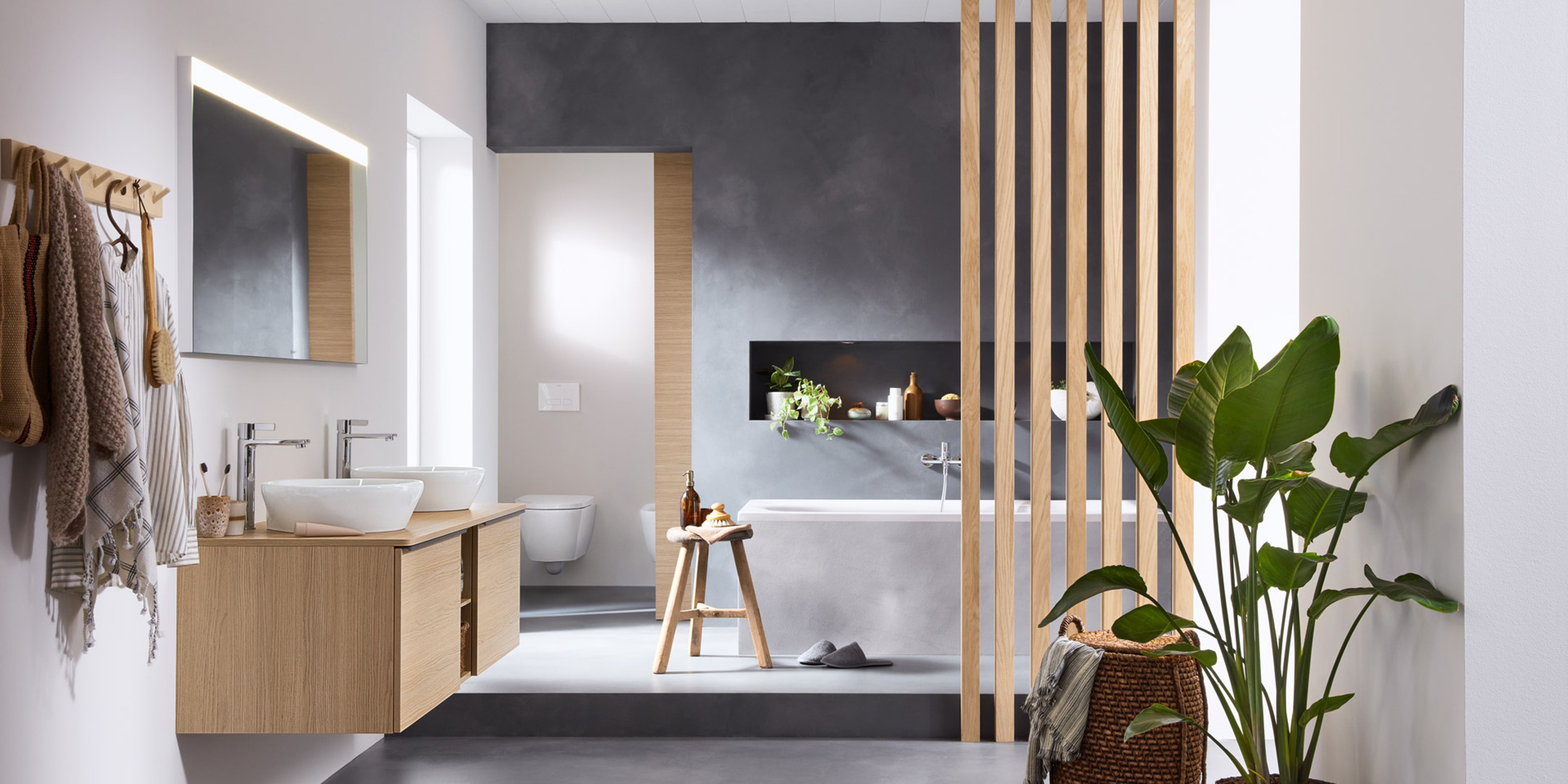
Being a dynamic material, wood naturally responds to its environment. In the bathroom, these factors are mainly moisture and heat. That’s why it's important to choose the right type of wood while also keeping key design aspects in mind, of course. Below is an overview of types of wood that work especially well in the bathroom.

Dark woods
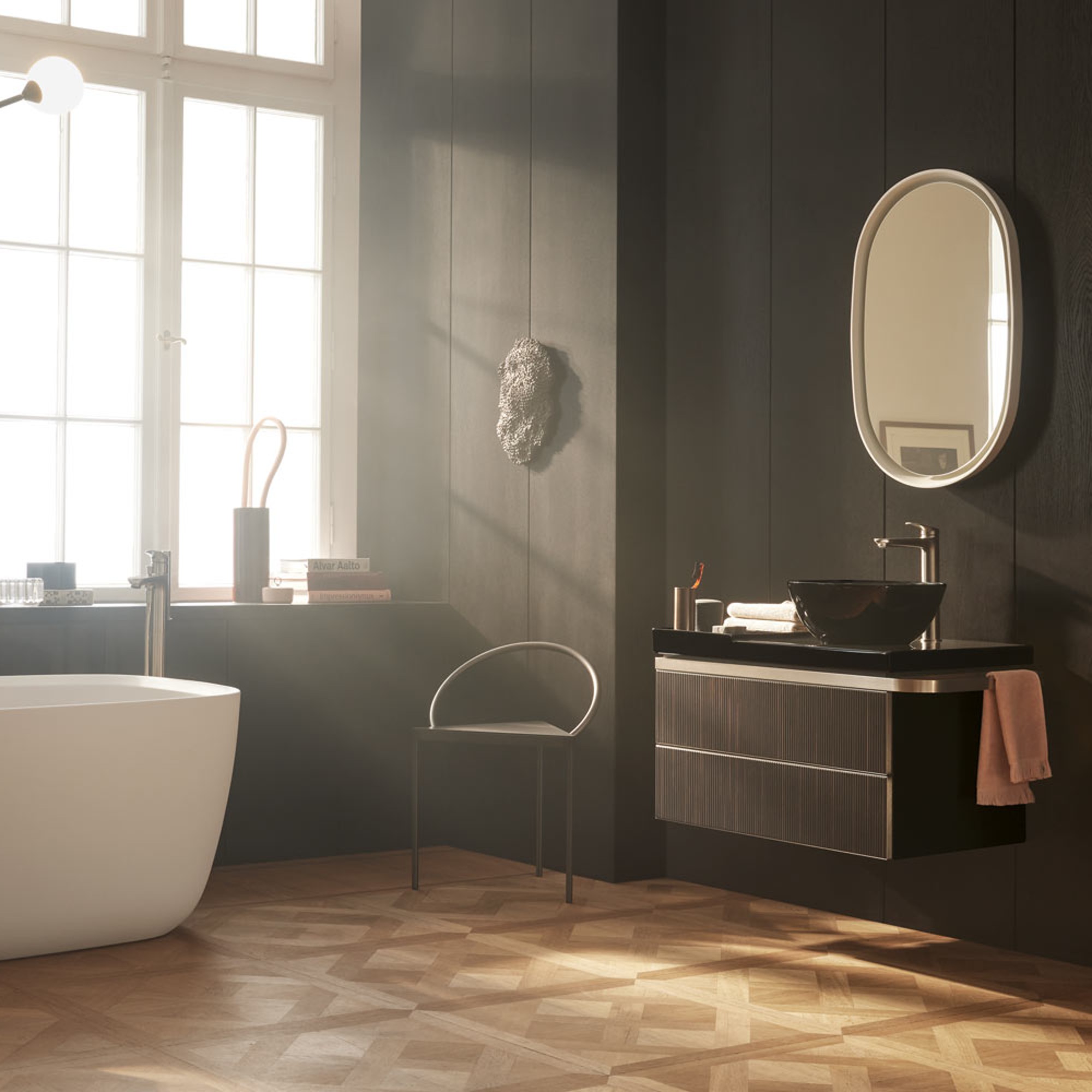
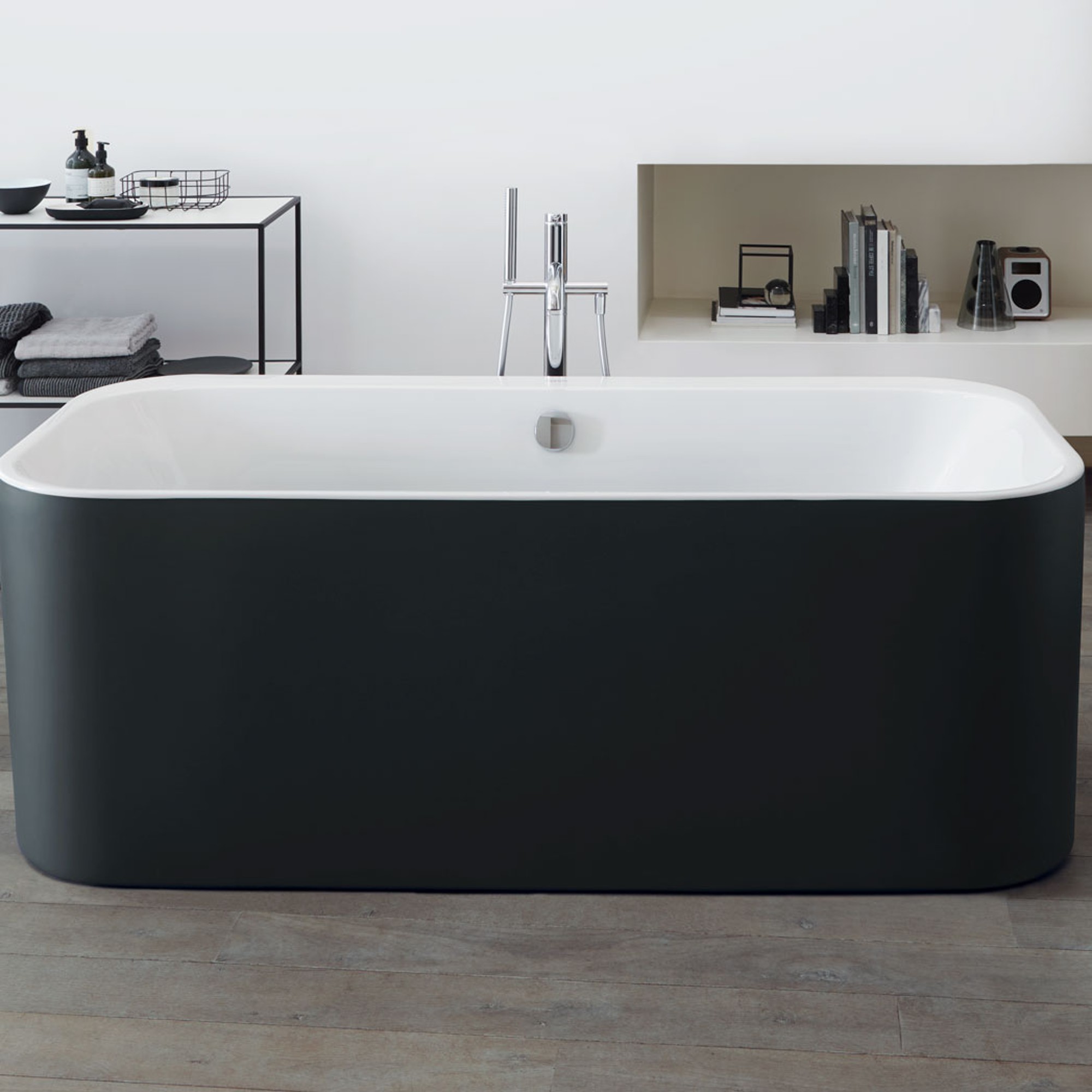
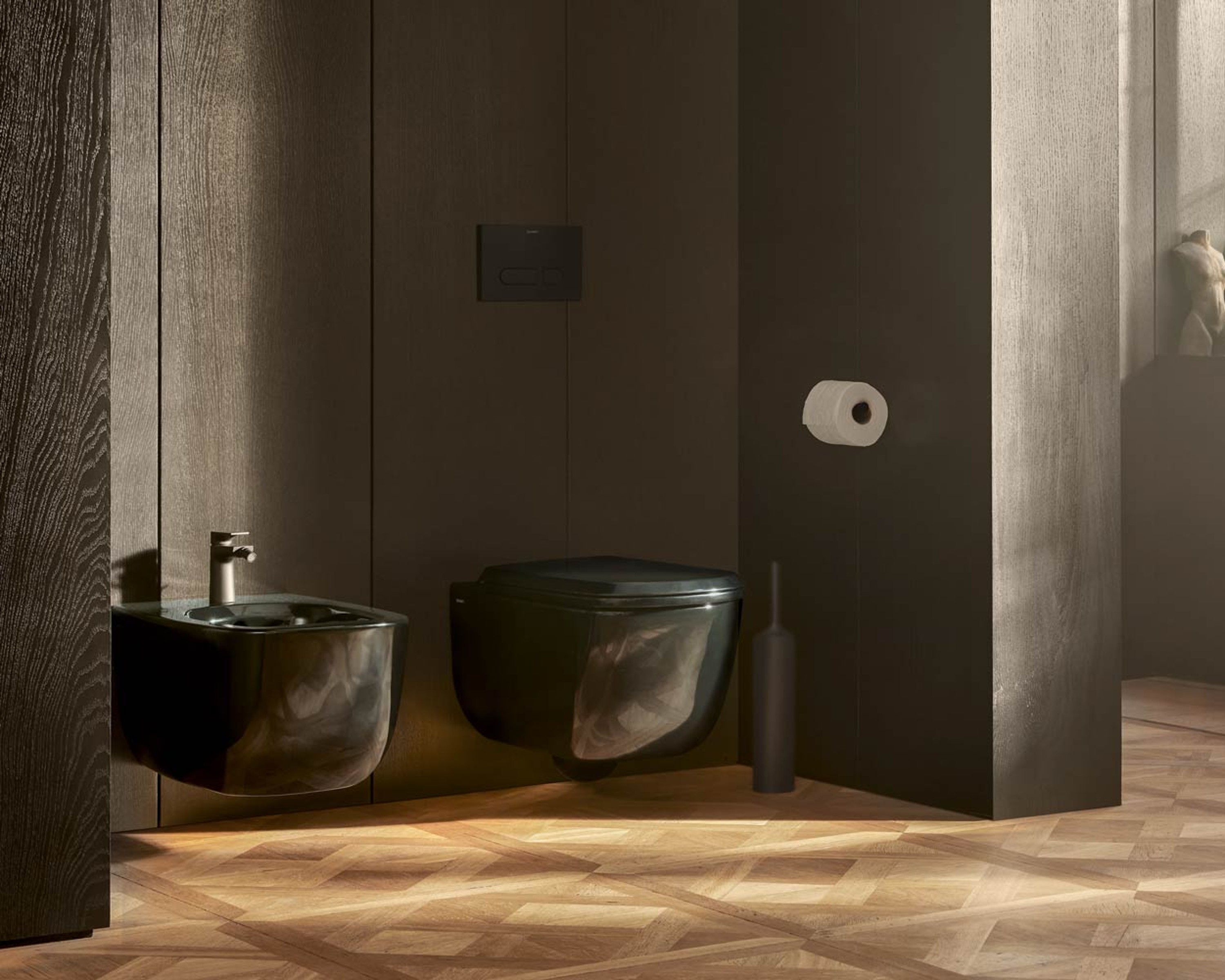
Dark wood creates a luxurious impression, especially when types such as teak and mahogany are involved. These woods are ideal for humid spaces and can quickly turn your wood bathroom into a true luxury bathroom retreat. But woods such as walnut, American walnut, or thermally treated ash are also perfectly suitable for use in the bathroom. These types of wood have a bit more of a rustic character than the others, which makes them perfect for use in a darker, natural bathroom design.

Light woods
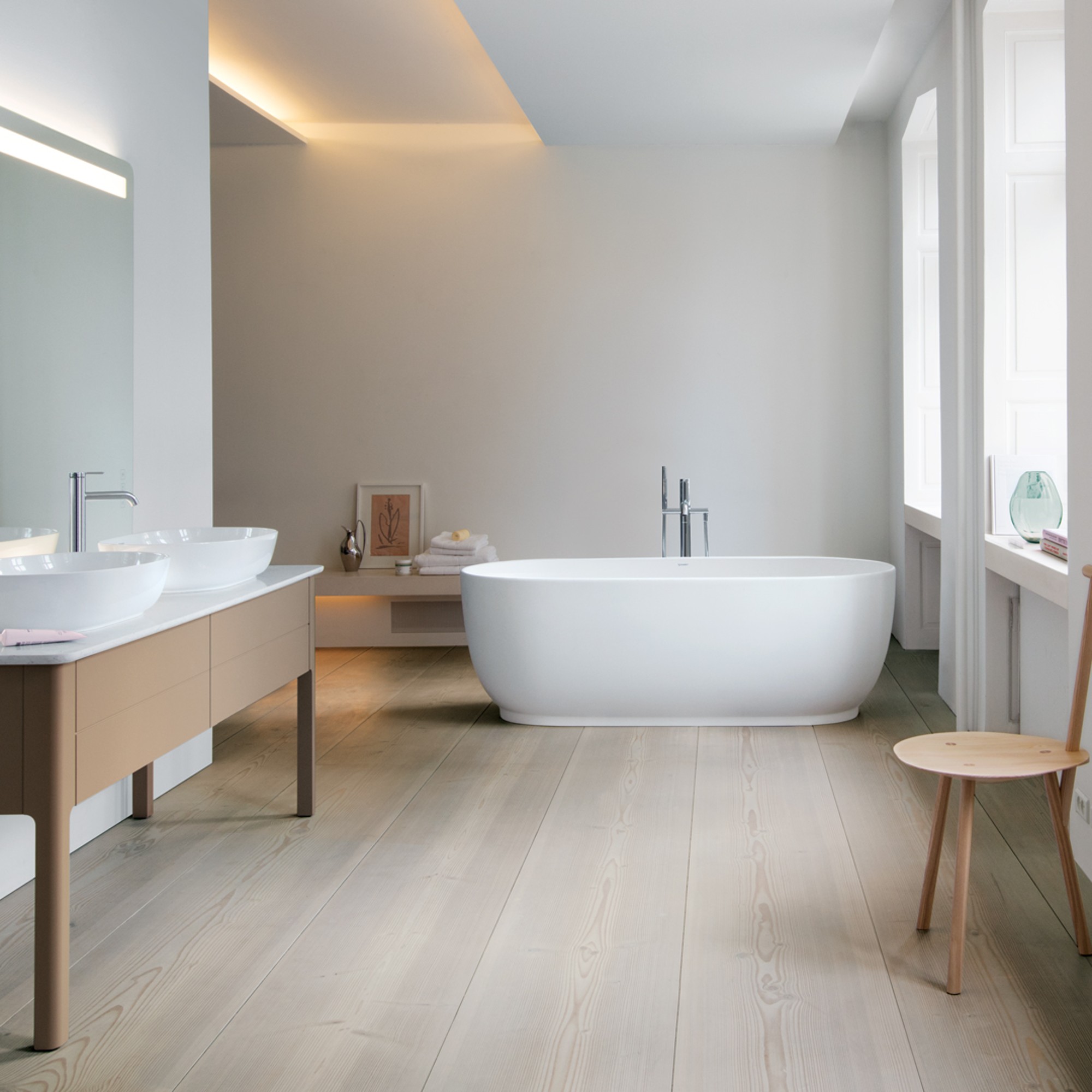
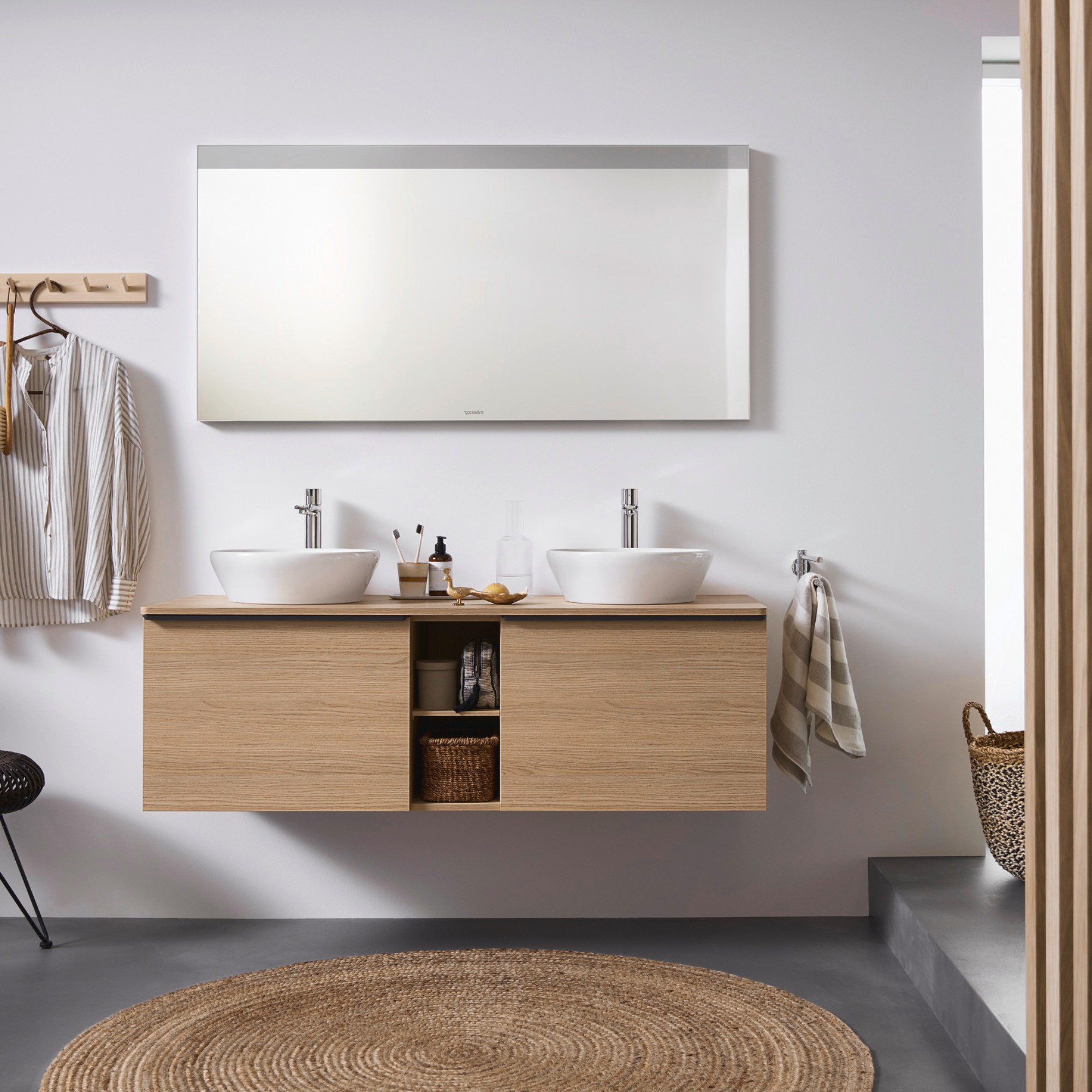
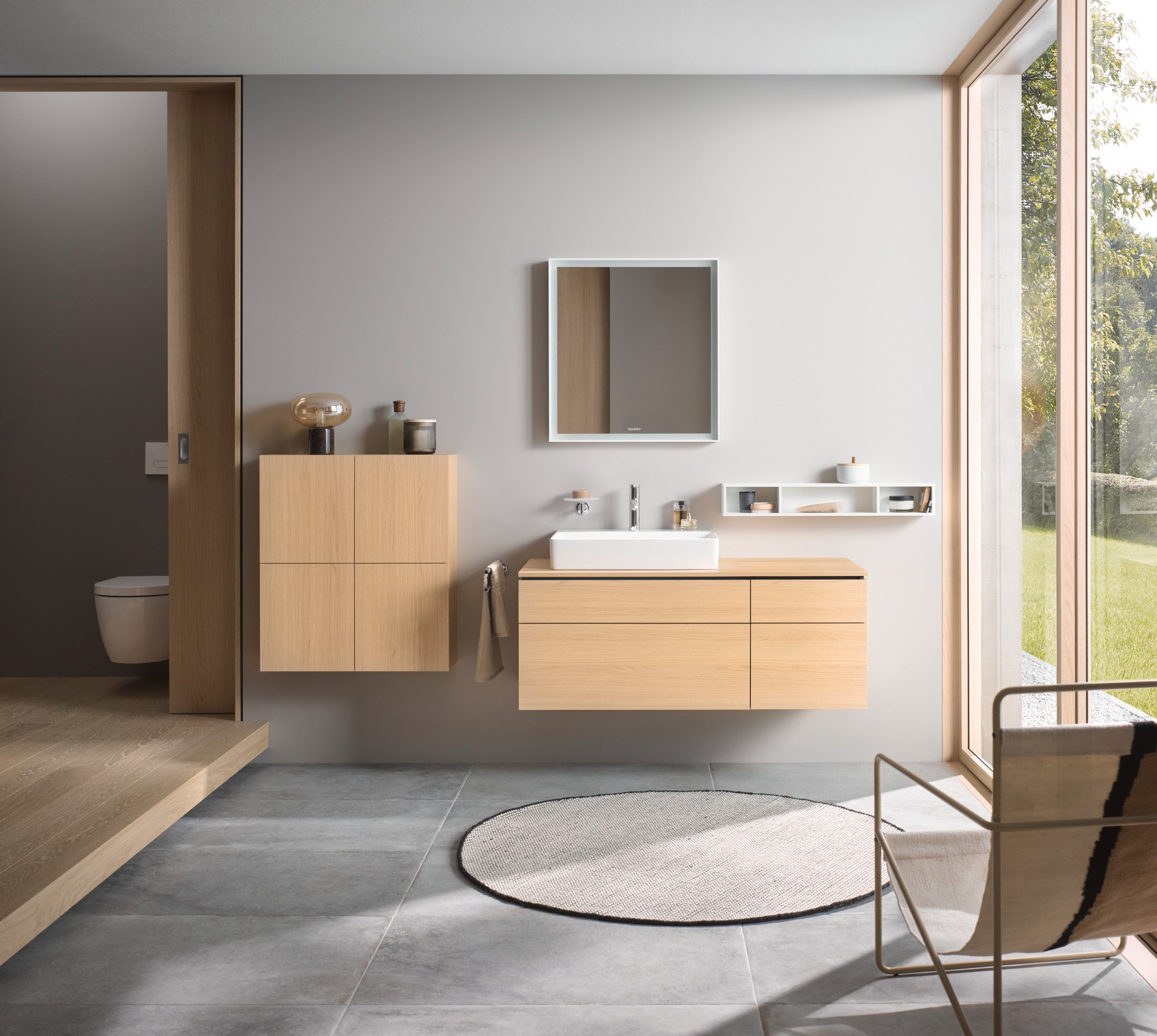
If you prefer a brighter bathroom, you also have plenty of options. Oak, beech, and maple, along with softwoods like spruce and pine, are all ideal woods for use in the bathroom. Bear in mind that pine wood, in particular, shouldn't be exposed to direct contact with splashing water. Birch is practically essential in every Scandinavian bathroom, though it works beautifully in other bathroom styles as well. If you prefer adding a tropical touch, consider using mango wood instead. It can create a truly striking accent, especially in a natural stone bathroom.
Care and longevity
Untreated wood in the bathroom can pose challenges, but with proper installation and a good maintenance routine, it’s extremely durable and handles moisture without any issues. Keep the following in mind:
Applying oil or varnish
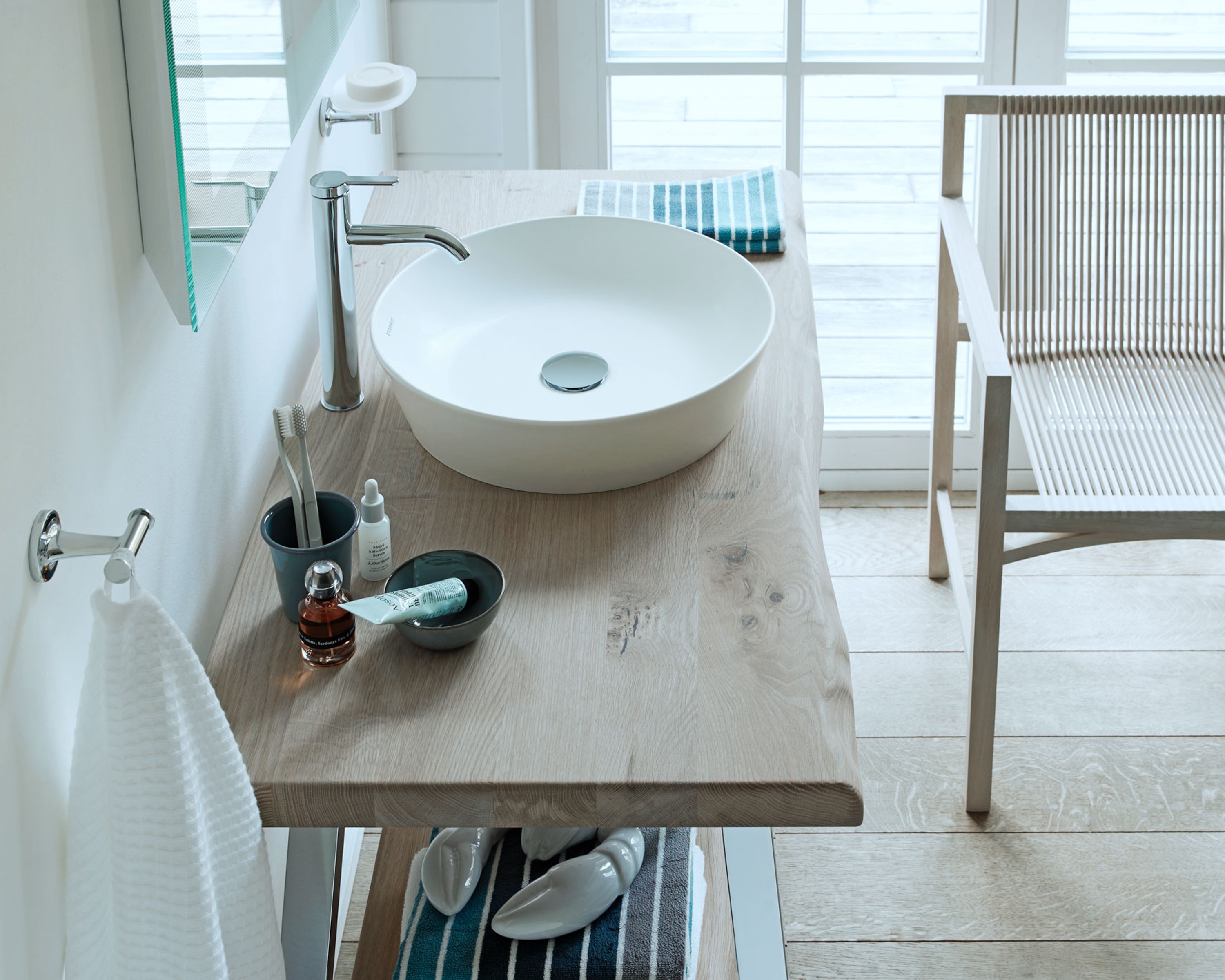
First of all, start by oiling or varnishing wood in the bathroom if it is untreated. Either method works well, but you shouldn’t switch back and forth between the two.
Hard wax oil is a great option for sealing wood in the bathroom. For lasting protection, this treatment will need to be repeated about two or three times per year. The more oil you apply, the less moisture the wood will absorb and release.
Using a varnish, on the other hand, prevents the wood from absorbing any moisture at all. It’s an especially good way to make wood in the bathroom waterproof. If you notice any minor cracks, they should be repaired right away to prevent moisture from penetrating into the wood.
Underlying framework (walls and floors)
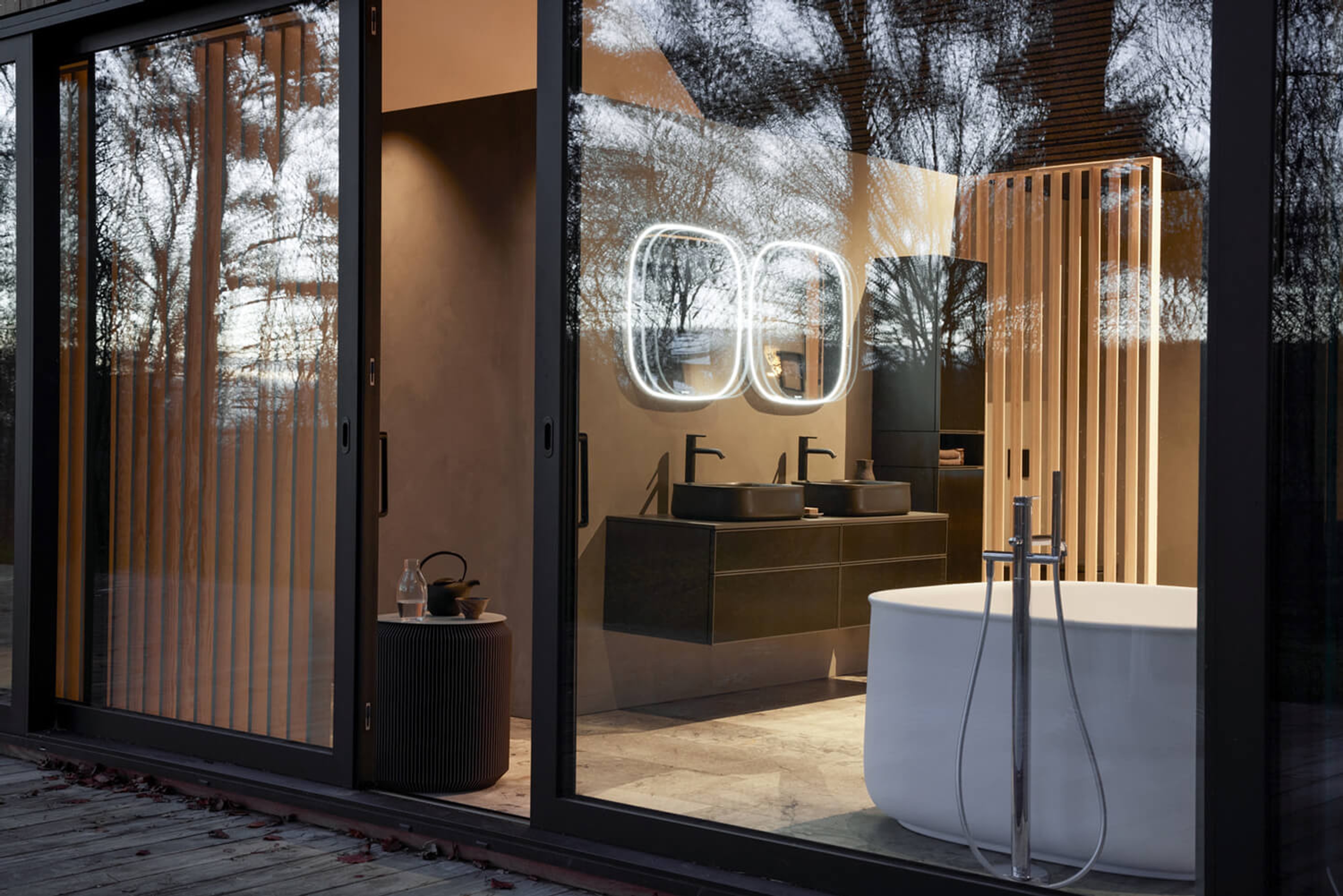
If you’re using either bathroom furniture made of wood or any wood tiles or wood paneling in the bathroom, make sure the wood isn’t installed directly on or against any concrete. A proper base framework with a vapor barrier is essential here. This prevents moisture from accumulating under or behind the wood, helping to prevent bathroom mold.
Proper ventilation and heating
Proper ventilation and heating are especially important for protecting wood in the bathroom. Warm, humid air shouldn’t be left in the room for too long. This is also true even for baths without any wood. Ventilate the space regularly to give the wood in your bathroom enough air to breathe.
Design ideas
With the right maintenance, creating a bathroom with wood is easy. But how can you make the most of this natural material?

Bathroom furniture
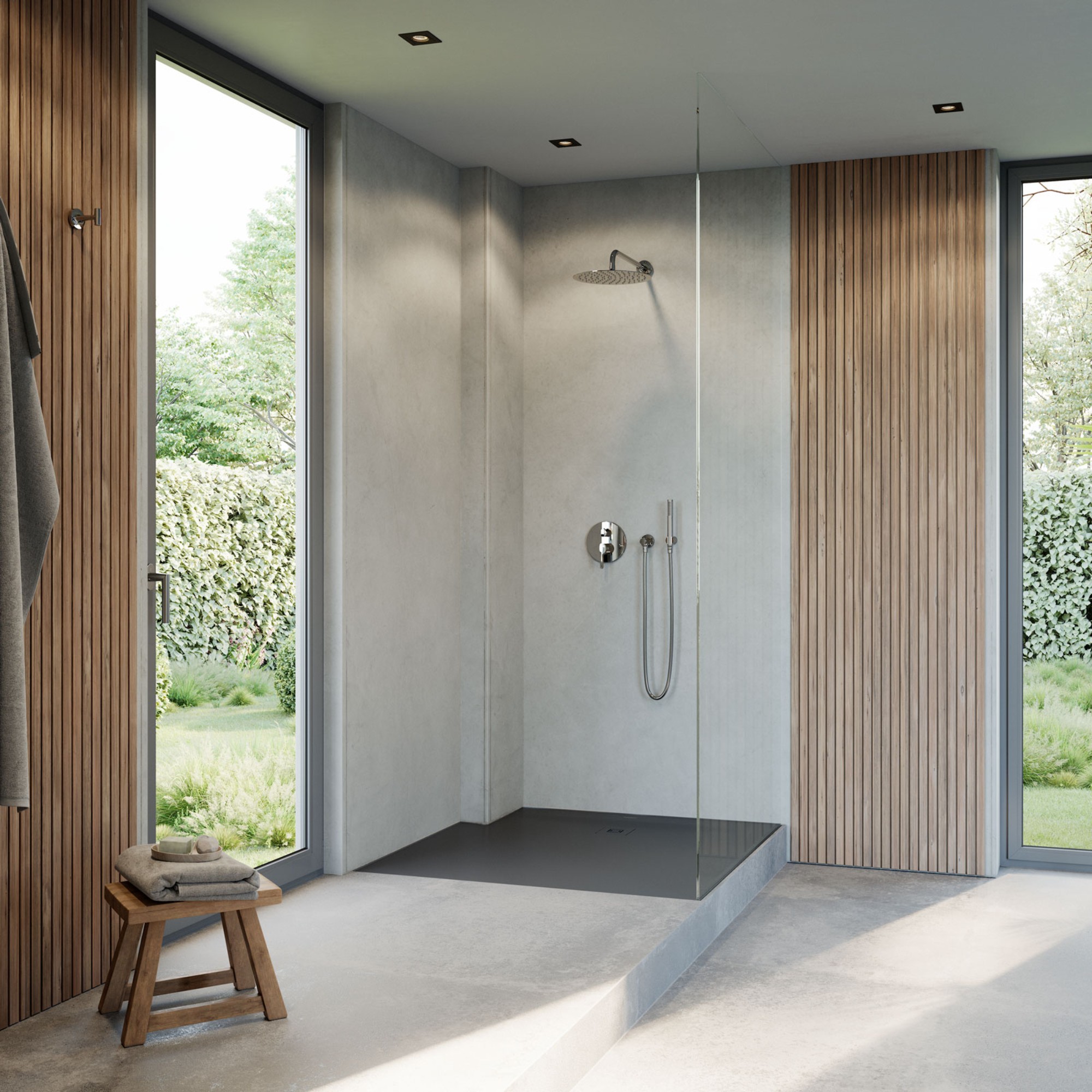
Wood bathroom furniture is a natural starting point. There’s a broad range of options here, including bathroom cabinets, shelving, and vanity units. Make sure to choose the right type of wood to enhance the overall aesthetic concept in your bathroom.

Wood paneling
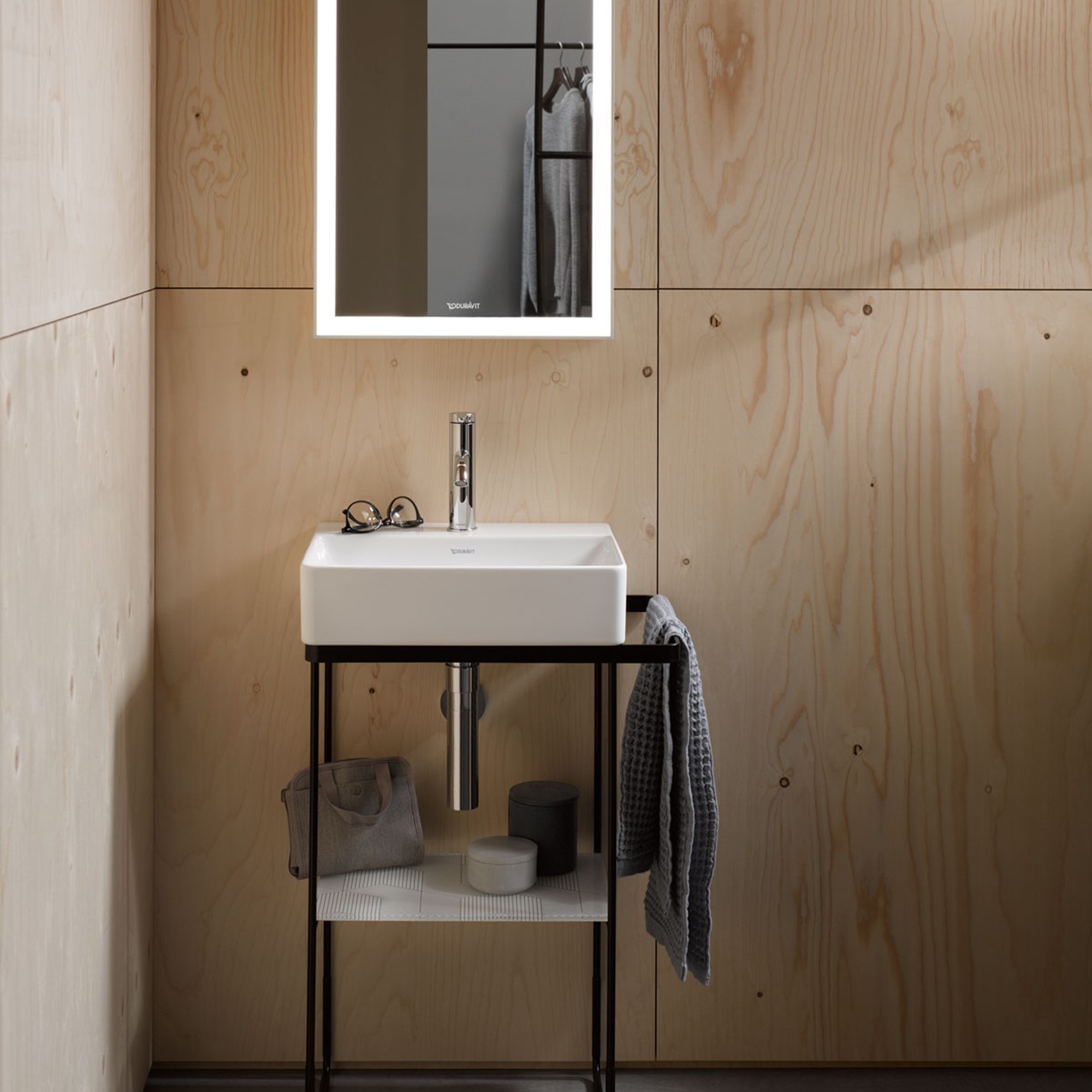
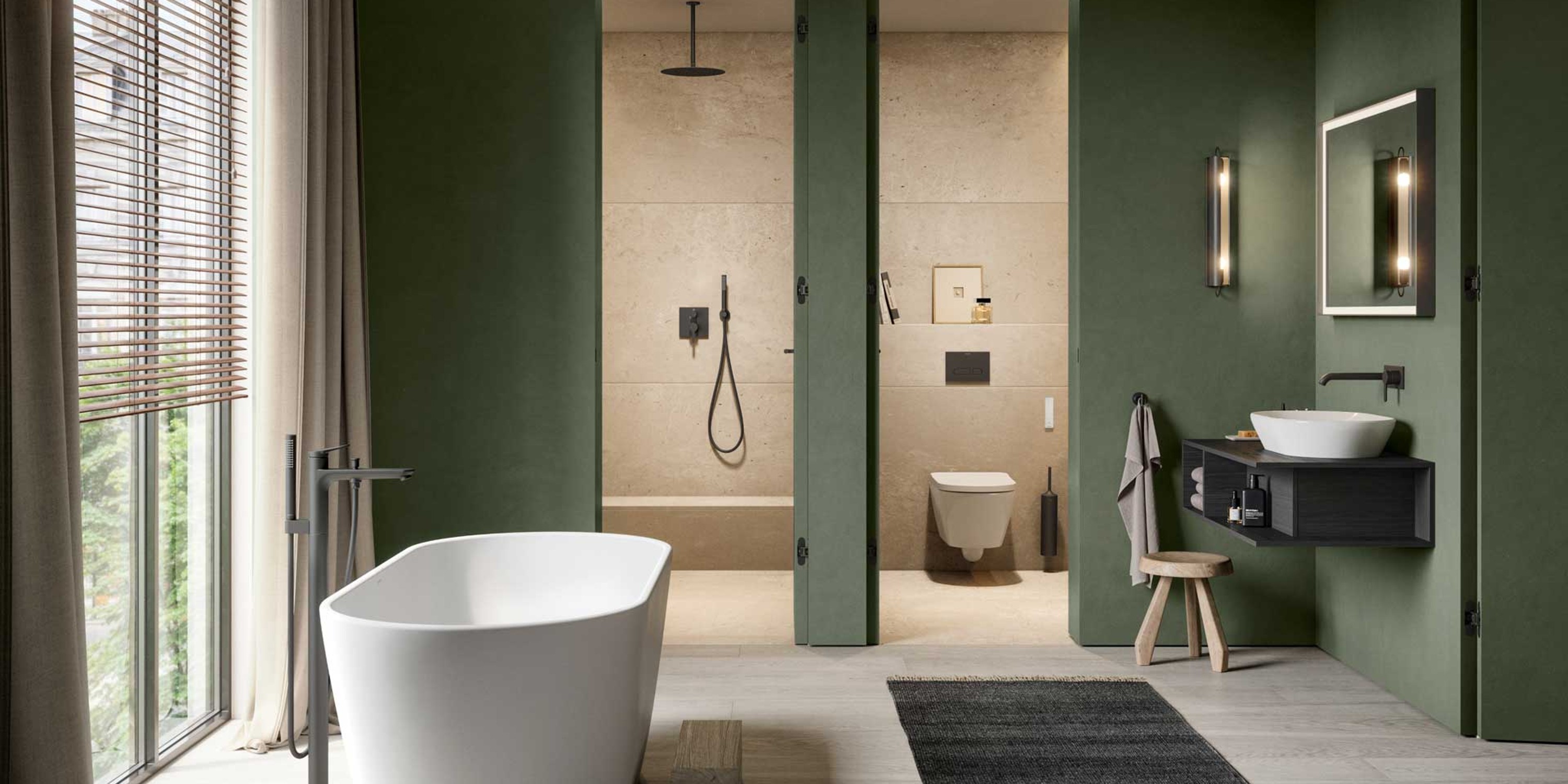
Wood paneling is becoming increasingly popular in modern bathrooms. Whether for accent walls, room dividers, or for covering the entire floor: The material will provide an irresistibly lively yet relaxed character for your bathroom.

Accessories
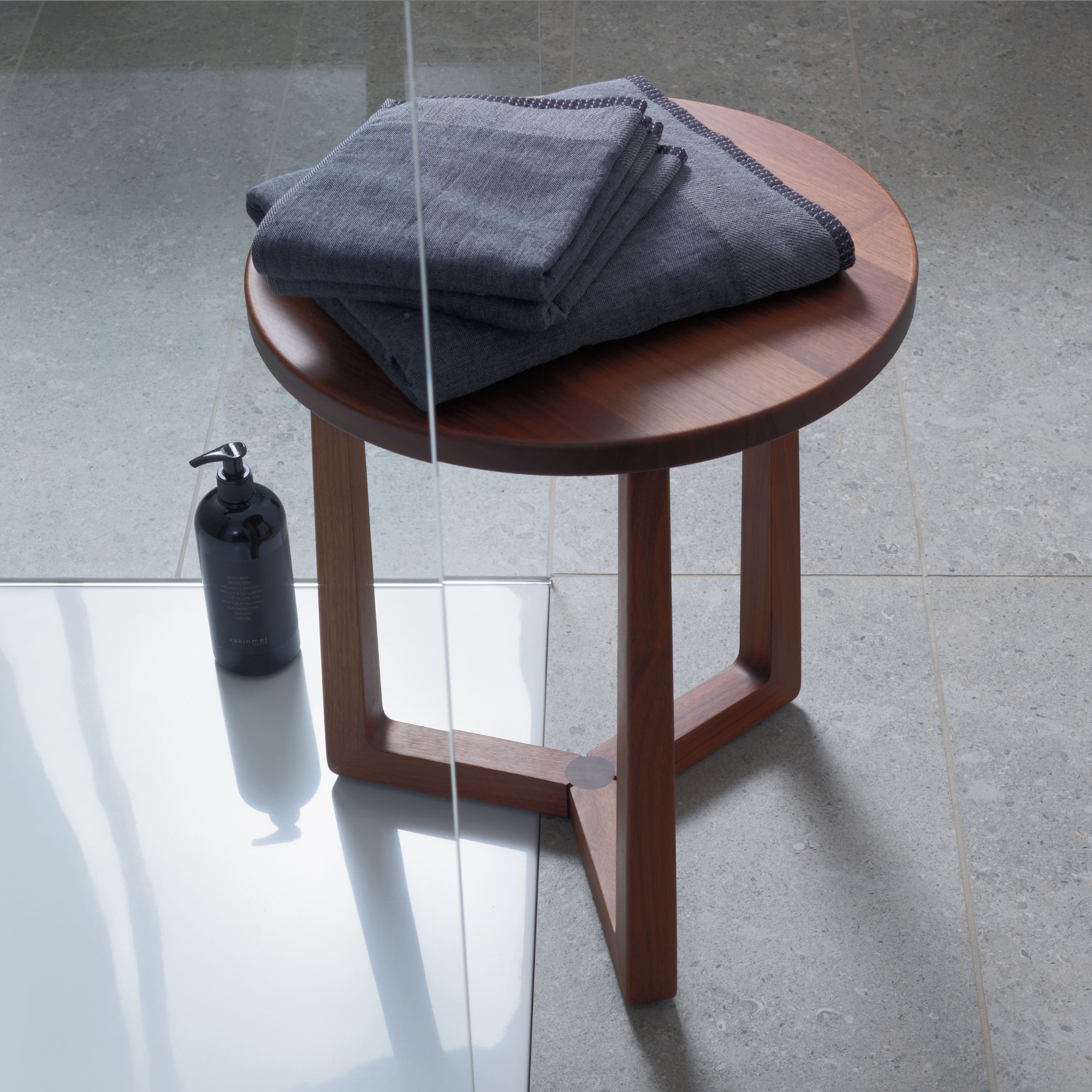
If you’re looking to create smaller accents, wood bathroom accessories can make a big impact. From soap dispensers with a wood finish to stools that are made to look like tree trunks, a single accessory can completely transform the feel of your bathroom.

Elements with a wood look
If you prefer not to use real wood, many elements, such as tiles, are also available with a wood-look finish. These materials may be easier to maintain, but they don’t have the same natural effect on the climate of the room. But they can be a real alternative, especially as a substitute for more expensive woods.
Design styles with wood
Certain design styles also make extensive use of wood in the bathroom.
Natural bathrooms
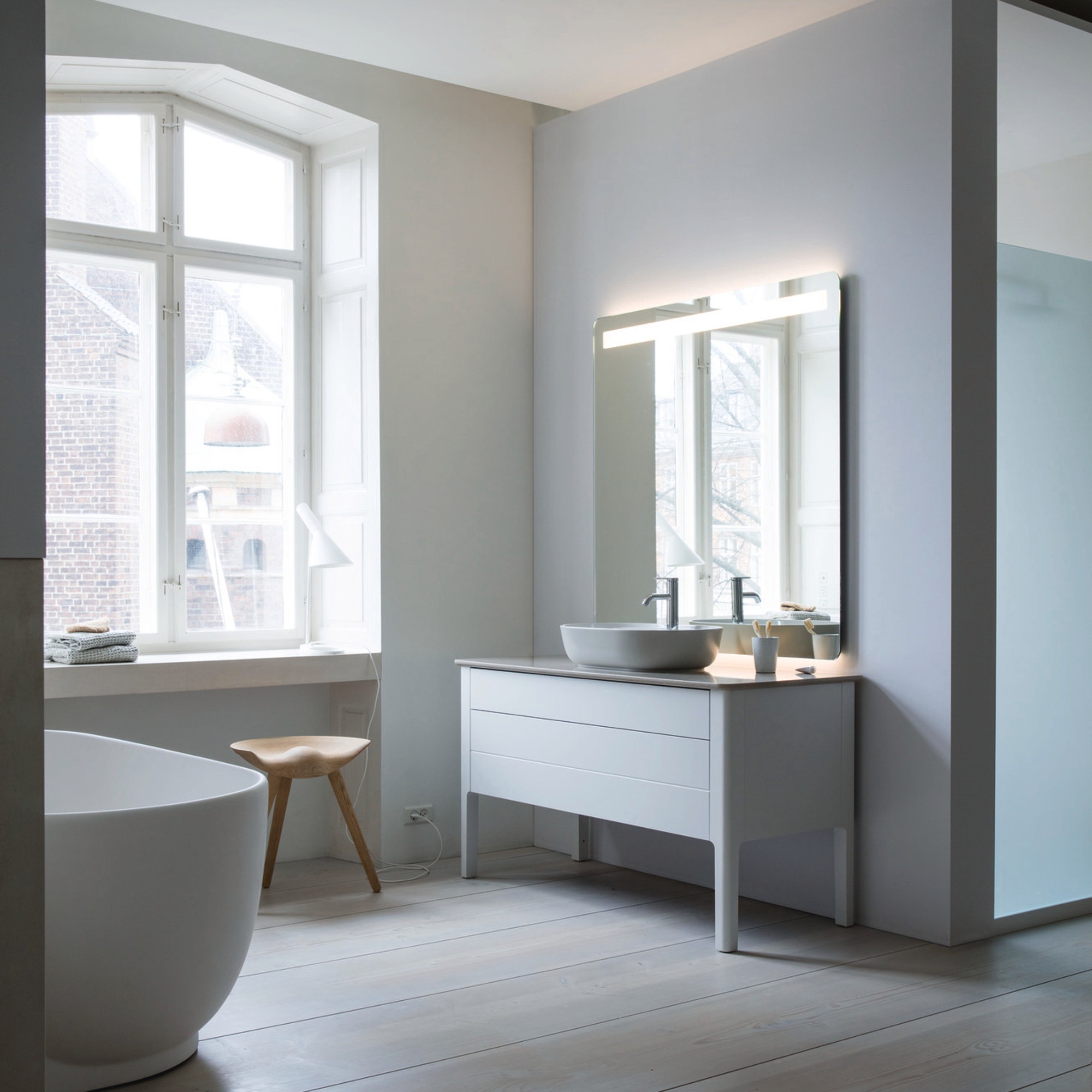
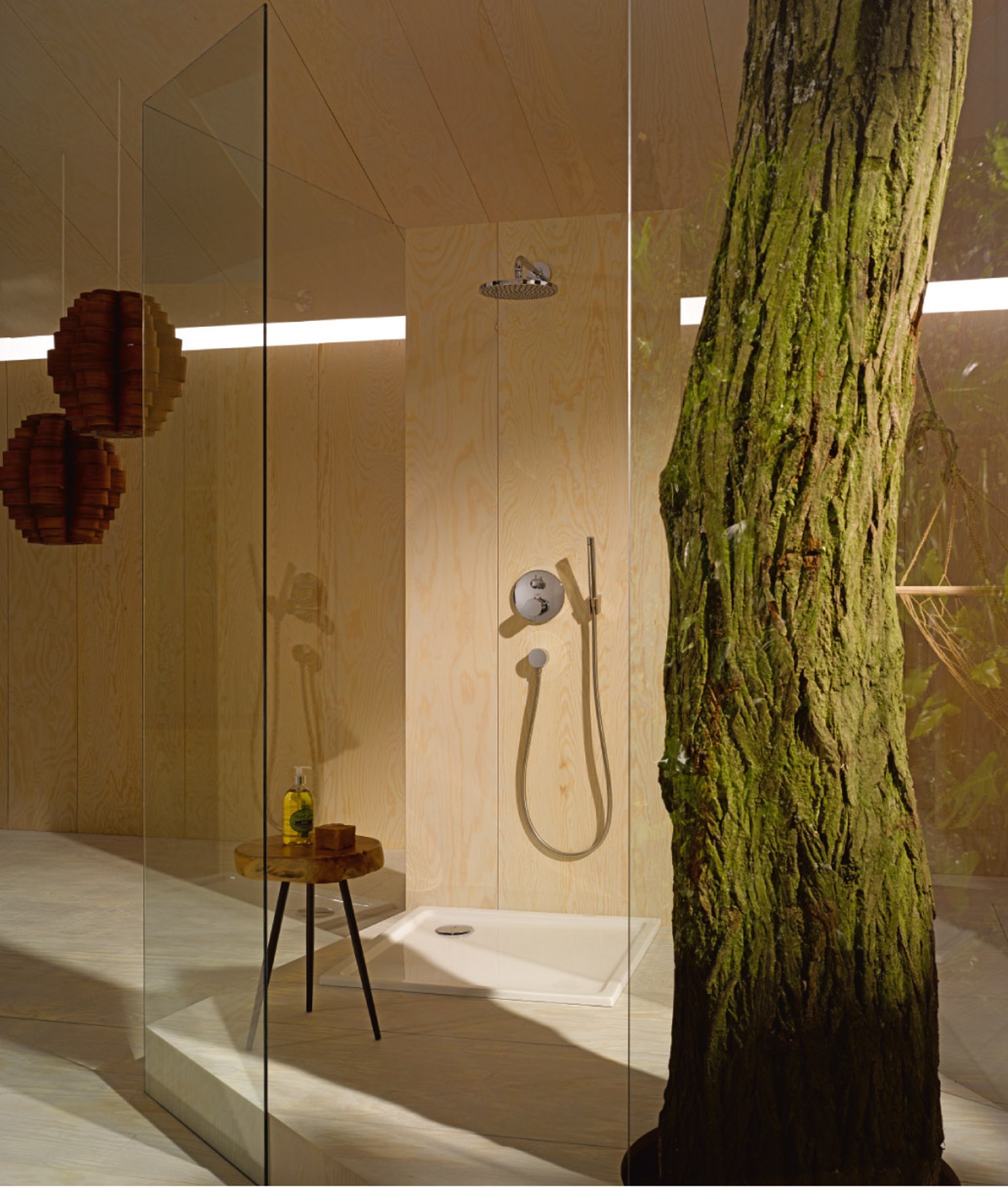
The most obvious option is to use wood in a natural bathroom. When combined with the right plants for the bathroom, you can create a real wellness oasis.

Scandinavian bathrooms
Wood is essential in Scandinavian bathrooms. Using lighter woods in particular will highlight the warm, naturally relaxed overall concept. Native birch wood usually takes center stage here.

Japanese bathrooms
Wood is also an essential element in the Japanese bathroom. The ofuro (wooden soaking tub) is typically the focal point. Of course, wood also plays a major role in the blend of Japanese and Scandinavian styles – Japandi.

Country house style
Plenty of wood should also be used in a country-style bathroom. Whether it’s French, English, or another style of country house, the warmth and natural quality of the material are essential to the overall design.