
Removing and preventing mold in the bathroom
Is mold in the bathroom dangerous?
Are common types of mold such as red or black mold in the bathroom dangerous? At least in the medium term, mold infestation can have a negative impact on health. It can particularly promote or exacerbate respiratory diseases and allergies. Therefore, people who already suffer from these diseases, the elderly, people with weakened immune systems, and children should not be exposed to mold for long periods of time. However, even healthy adults are advised to take swift action. It makes no difference whether the mold in the bathroom is black or red. All other types should also be removed as quickly as possible.
Removing mold in the bathroom yourself: How it works
Of course, you can always hire professionals to deal with mold in the bathroom. However, smaller areas can also be tackled yourself using household products or special cleaners. As a rule of thumb, areas up to a total size of 0.5 m² can be dealt with on your own. Larger areas should definitely be removed by professionals. If you decide to remove mold stains in the bathroom yourself, please note the following:
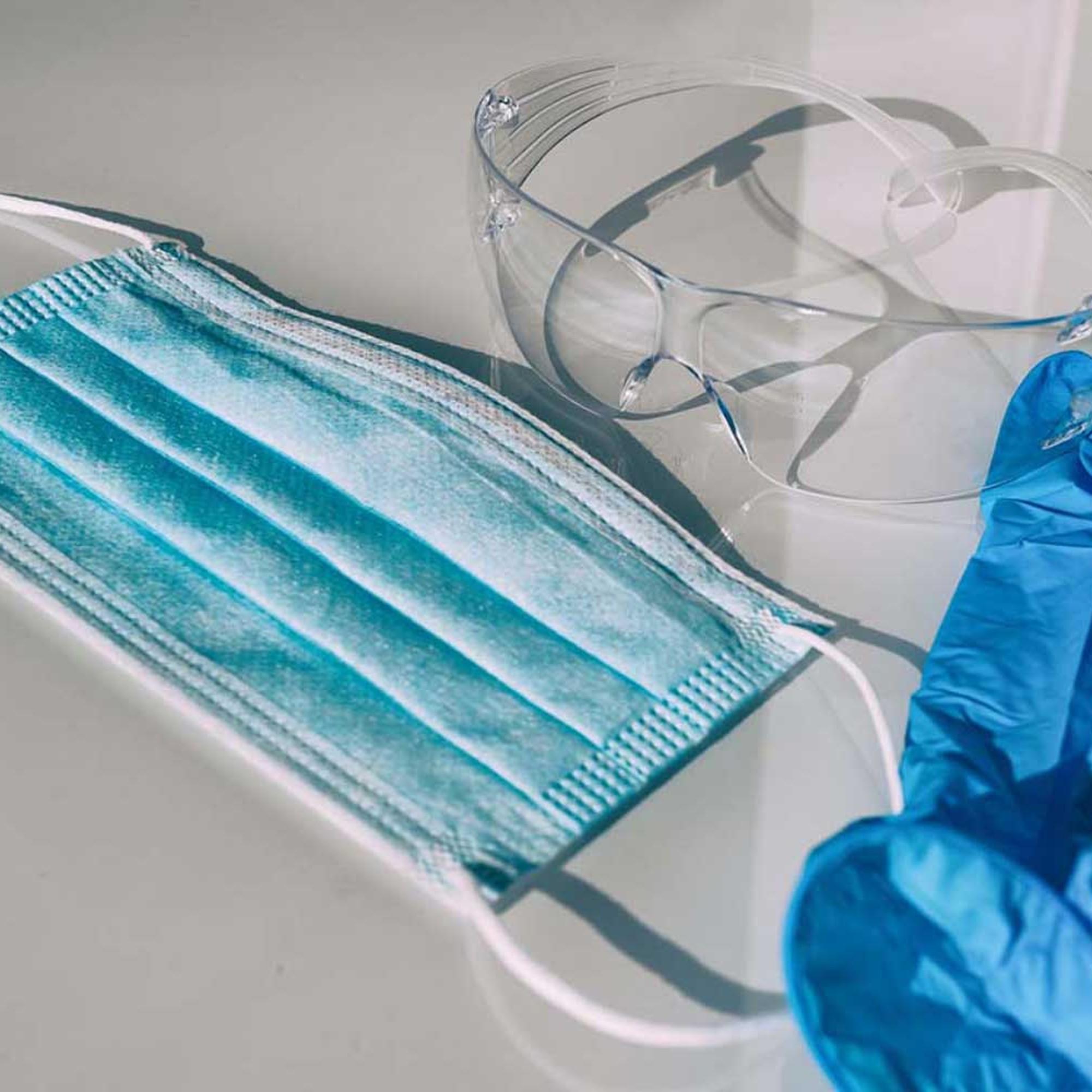
Proper protective clothing
Ventilation
Smooth surfaces
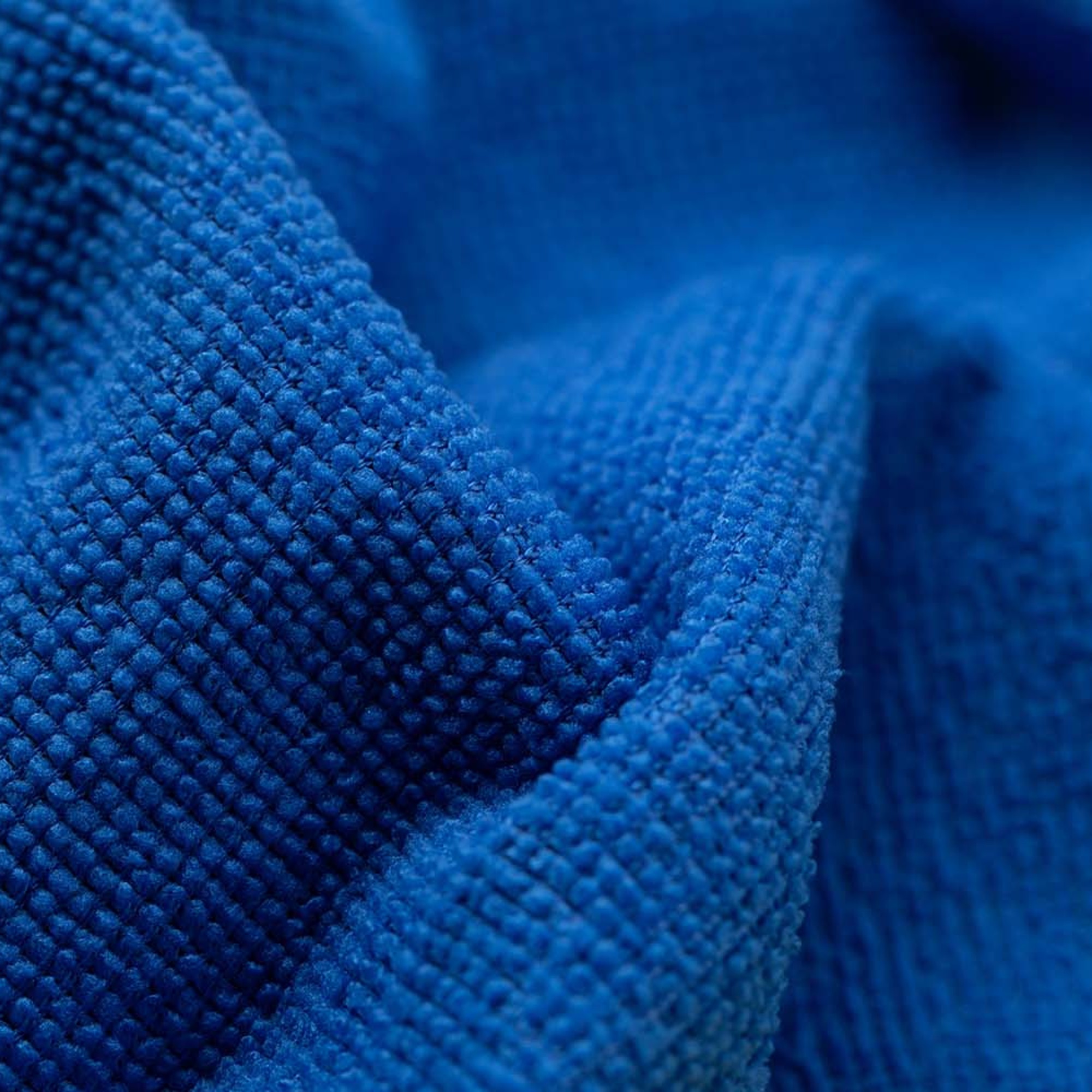
Rough surfaces
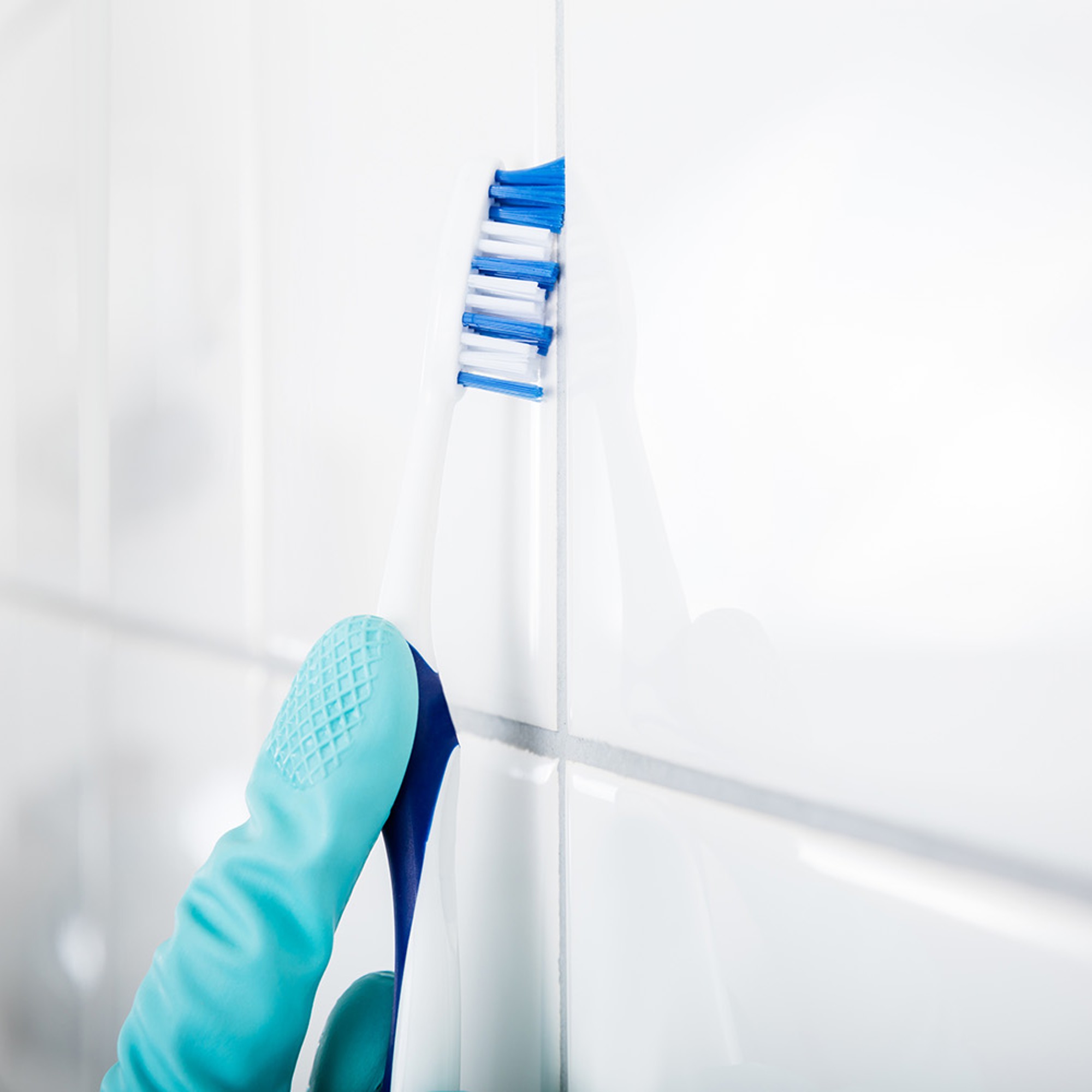
Silicone joints
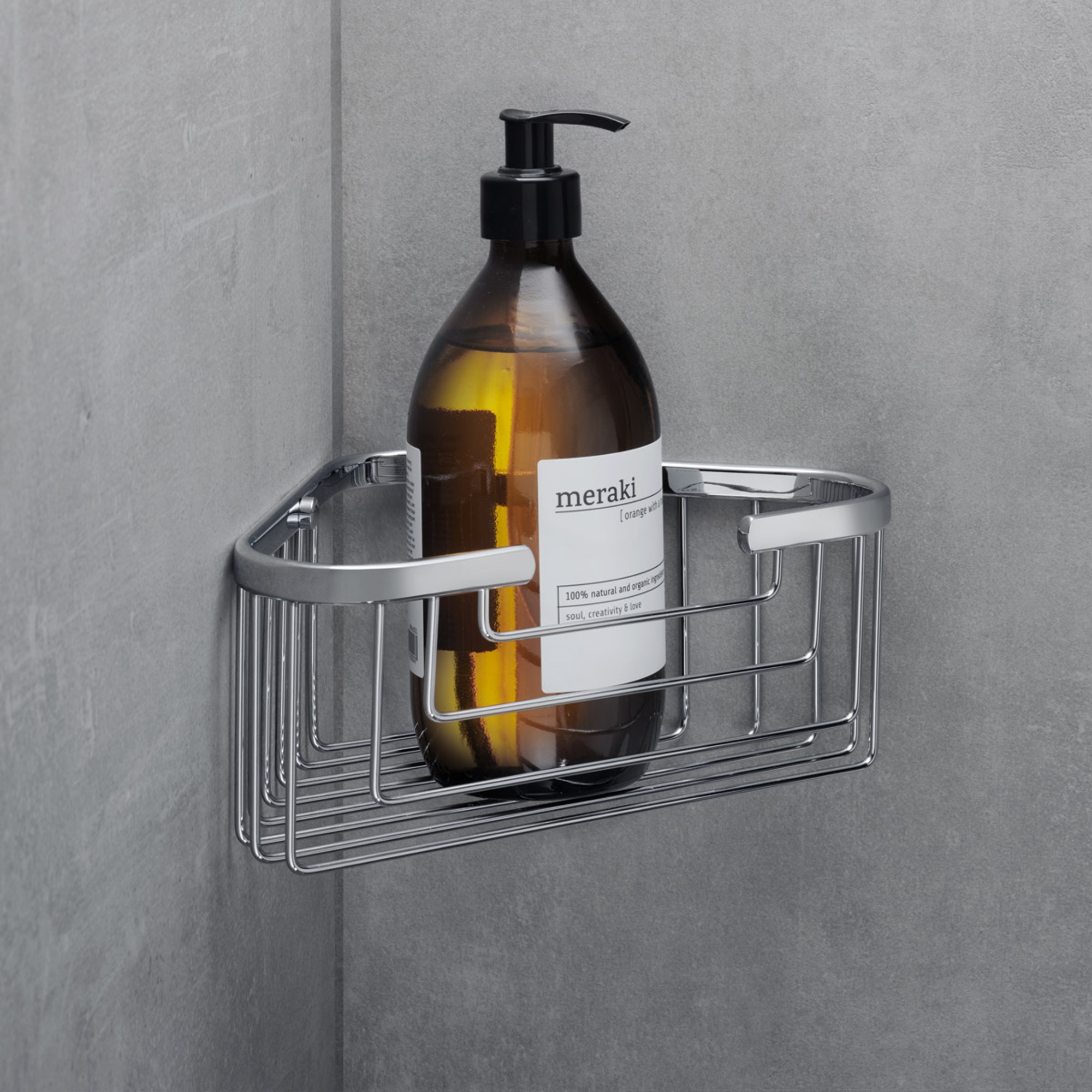
Bathroom furniture & accessories
Useful household remedies & cleaners for mold in the bathroom
Both common household remedies and chemical cleaners can be used to remove mold in the bathroom. This always depends on the exact location and extent of the infestation. As a general rule, the cleaned areas should be rinsed with water and dried immediately afterwards. The following agents are suitable for mold control:
Alcohol or methylated spirits
High-proof alcohol (70%) or methylated spirits can be used with a cloth or brush to reliably remove mold in the bathroom. Alcohol has the advantage of being environmentally friendly and does not produce toxic fumes. However, it should be noted that neither alcohol nor methylated spirits can help with the aesthetic side of things—the mold is killed, but the stains often remain, at least partially. When using either of these agents, care should also be taken to ensure that there is no source of fire nearby.
Baking soda or baking powder
When mixed with water, baking soda or baking powder forms a paste that can be applied to affected areas using an old toothbrush, for example, to combat mold in the bathroom. However, you should be careful here, as certain materials, such as marble, can be damaged by this mixture.
Hydrogen peroxide
When mixed with water in a low concentration (approx. 3%), hydrogen peroxide is a reliable mold remover in the bathroom. To ensure the necessary exposure time, you can apply the solution to a strip of kitchen paper, for example, and place it over the affected areas in the plaster or grout for half an hour. The mold residue should then be brushed or rinsed off.
Special chemical cleaners
There is also a whole range of special chemical cleaners available, which often achieve very good results as they sometimes use chlorine as a bleaching agent. However, it is essential to follow the manufacturer's instructions to prevent dangerous chemical reactions with other cleaners. In addition, it is particularly important to ensure good ventilation and to wear protective clothing.
Preventing mold in the bathroom
The most effective way to combat mold in the bathroom is to prevent it from forming in the first place. However, due to the high humidity, this is usually easier said than done. The following measures can help prevent mold in the bathroom:
Ventilation
Heating correctly
Wipe off moisture

Draughts & leaky pipes