Zaha Hadid's One Thousand Museum
Living in an exoskeleton
Since 2019, the luxury residential tower One Thousand Museum has been towering over southern Miami, captivating onlookers with its extraordinary shape. Zaha Hadid, also known as the "Queen of Curves," designed a breathtaking exoskeleton for the skyscraper that wraps around the building's exterior façade like calligraphic handwriting. Or like a scorpion whose shell protects the interior – which is why the tower is also colloquially known as the "Scorpion Tower." "The design represents both structural and architectural fluidity," explains Chris Lepine, project manager at Zaha Hadid Architects. "The structure becomes thicker or thinner as needed, creating continuity between architecture and construction."

Queen of the curves
It is the last project by the Iraqi-British architect, as Zaha Hadid died suddenly of a heart attack in Miami in March 2016 at the age of just 65. Only a few days earlier, she had visited the construction site of the One Thousand Museum; she did not live to see its completion. Hadid was an extraordinary architect: she was the first woman to win the prestigious Pritzker Prize for Architecture. Her futuristic designs, such as the Olympic Aquatics Centre in London, the Heydar Aliyev Centre in Baku, Azerbaijan, and the Galaxy SOHO complex in Beijing, are characterised by organic forms that continually push the boundaries of engineering.

Spacious floor plans
The One Thousand Museum is one of the most expensive places to live in Miami. Apartments ranging in size from 430 to 920 square meters are available to rent or buy. The residential tower offers luxury at the highest level. Residents can enjoy an indoor pool on the top floor, a spa, and a helipad on the roof. The interiors are also spectacular because the load-bearing structure of the exoskeleton means that there are no load-bearing columns or walls in the apartments except for the cores. This allows for spacious floor plans. Each apartment has generous balconies offering magnificent views of Miami and Biscayne Bay.

High-quality equipment
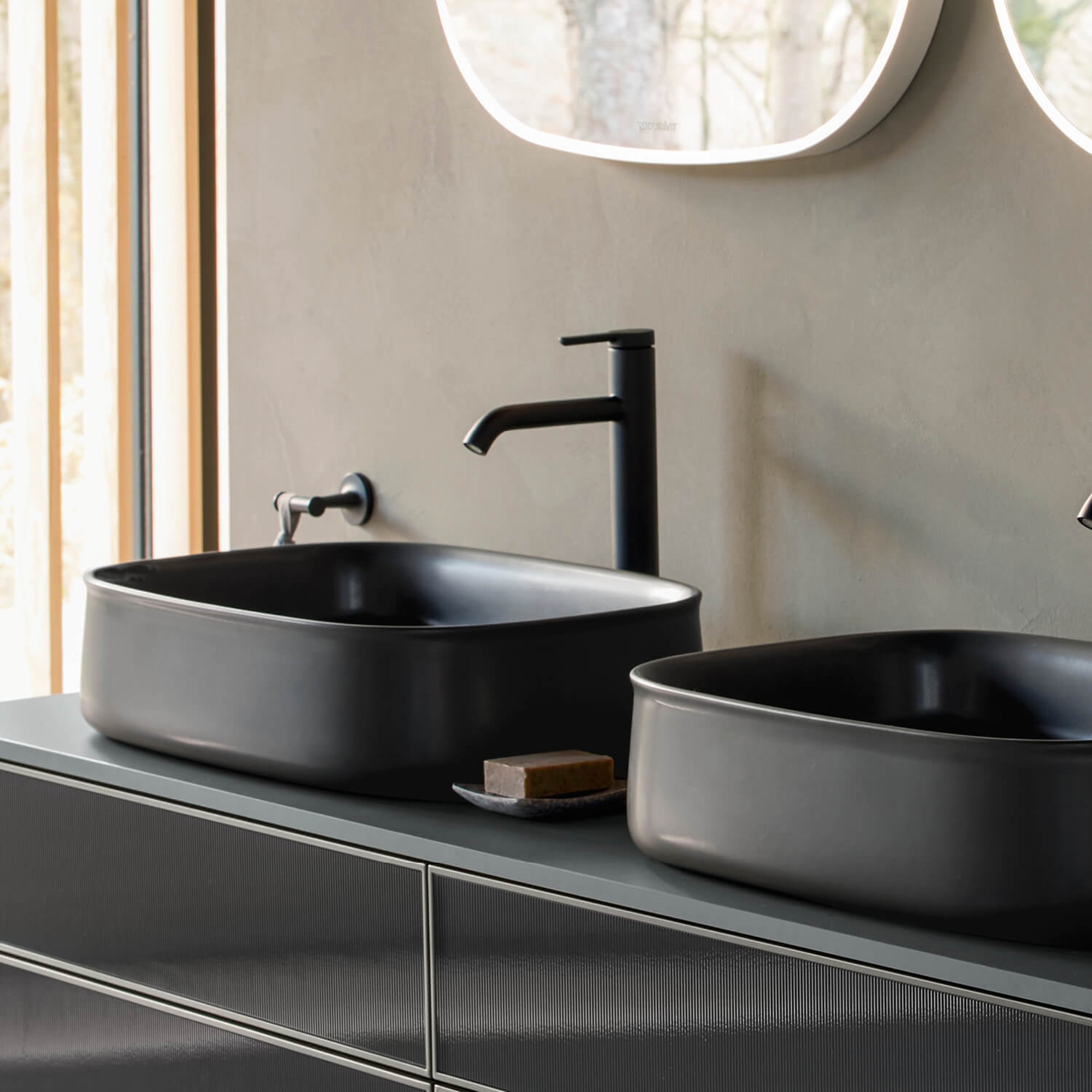
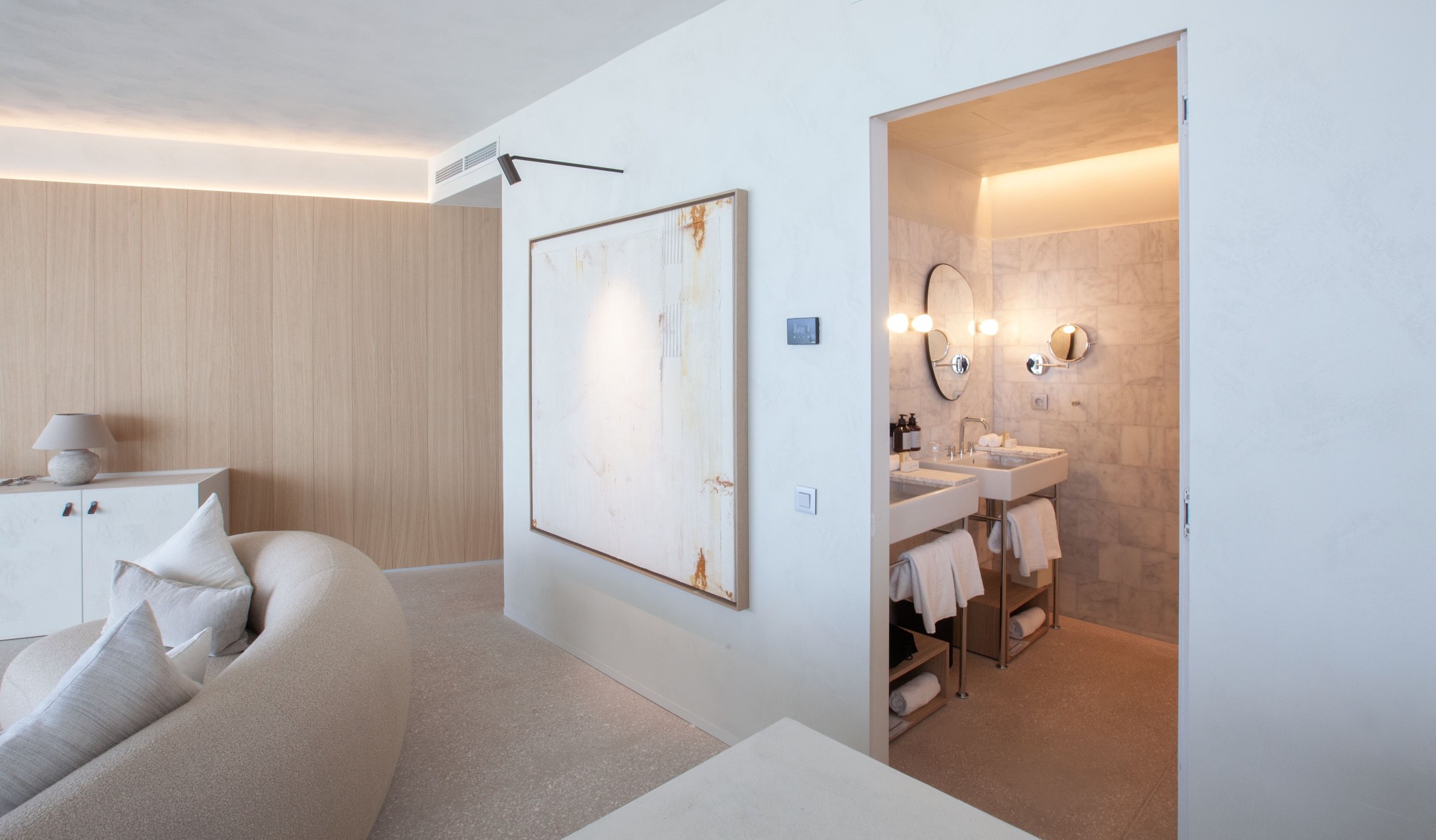
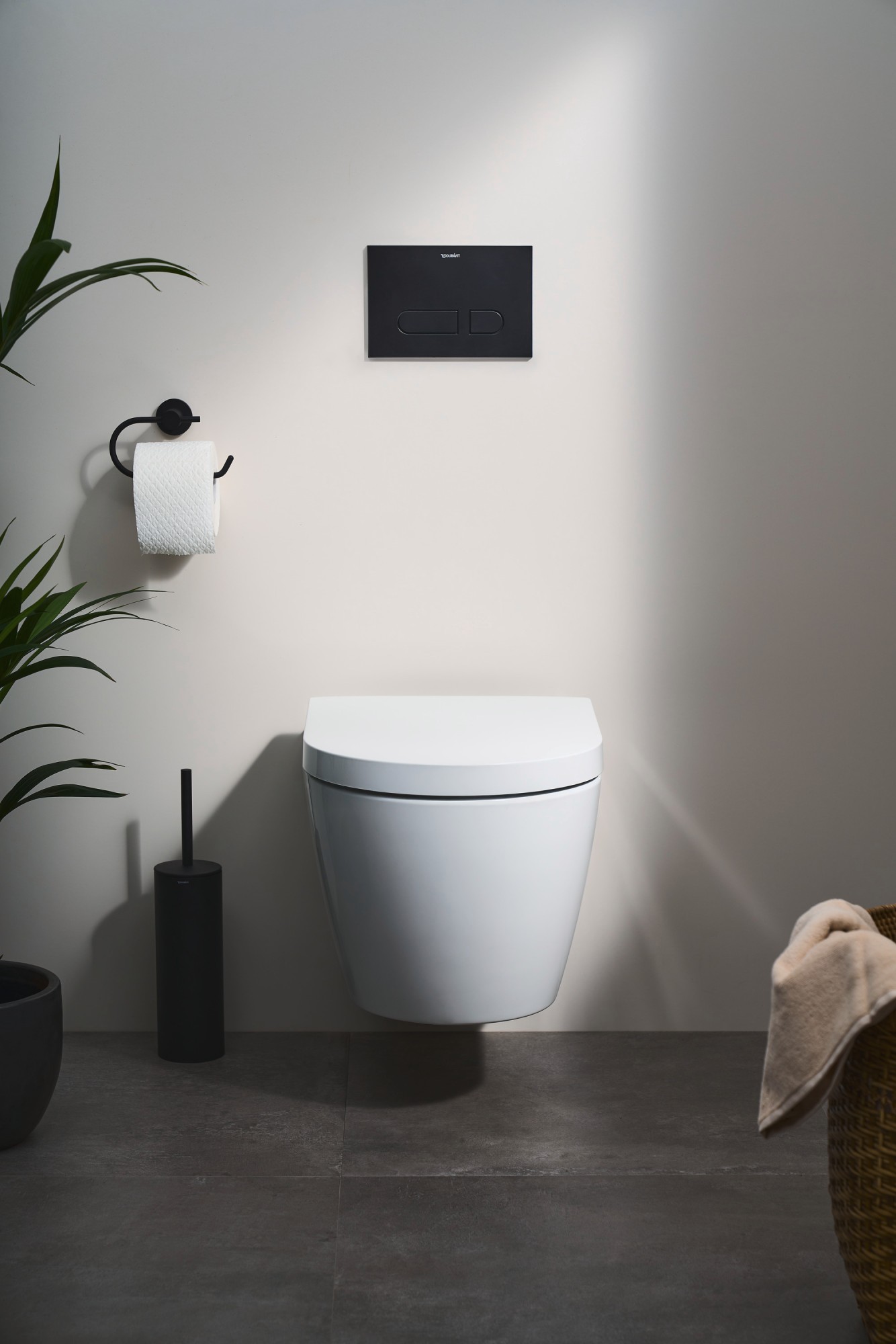
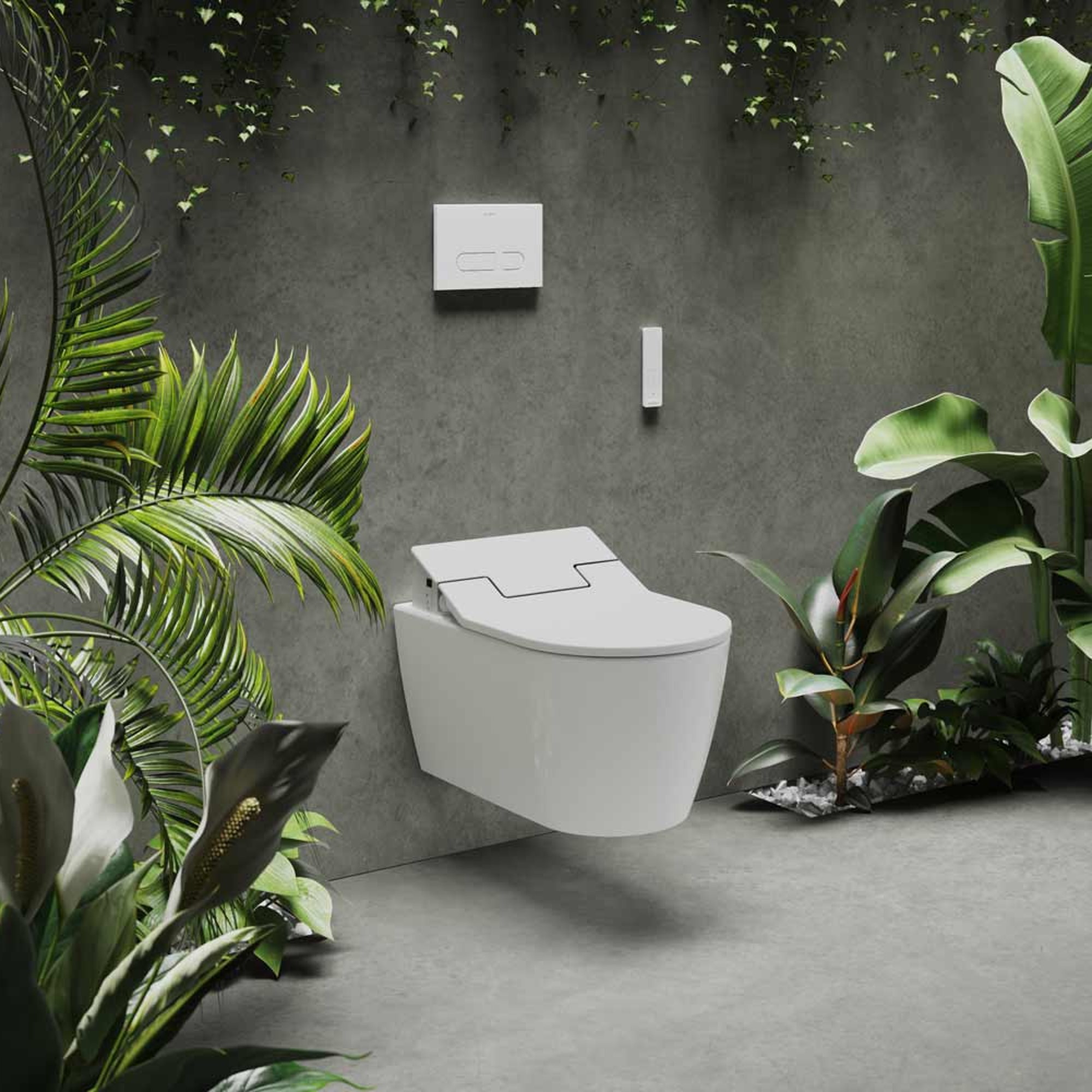
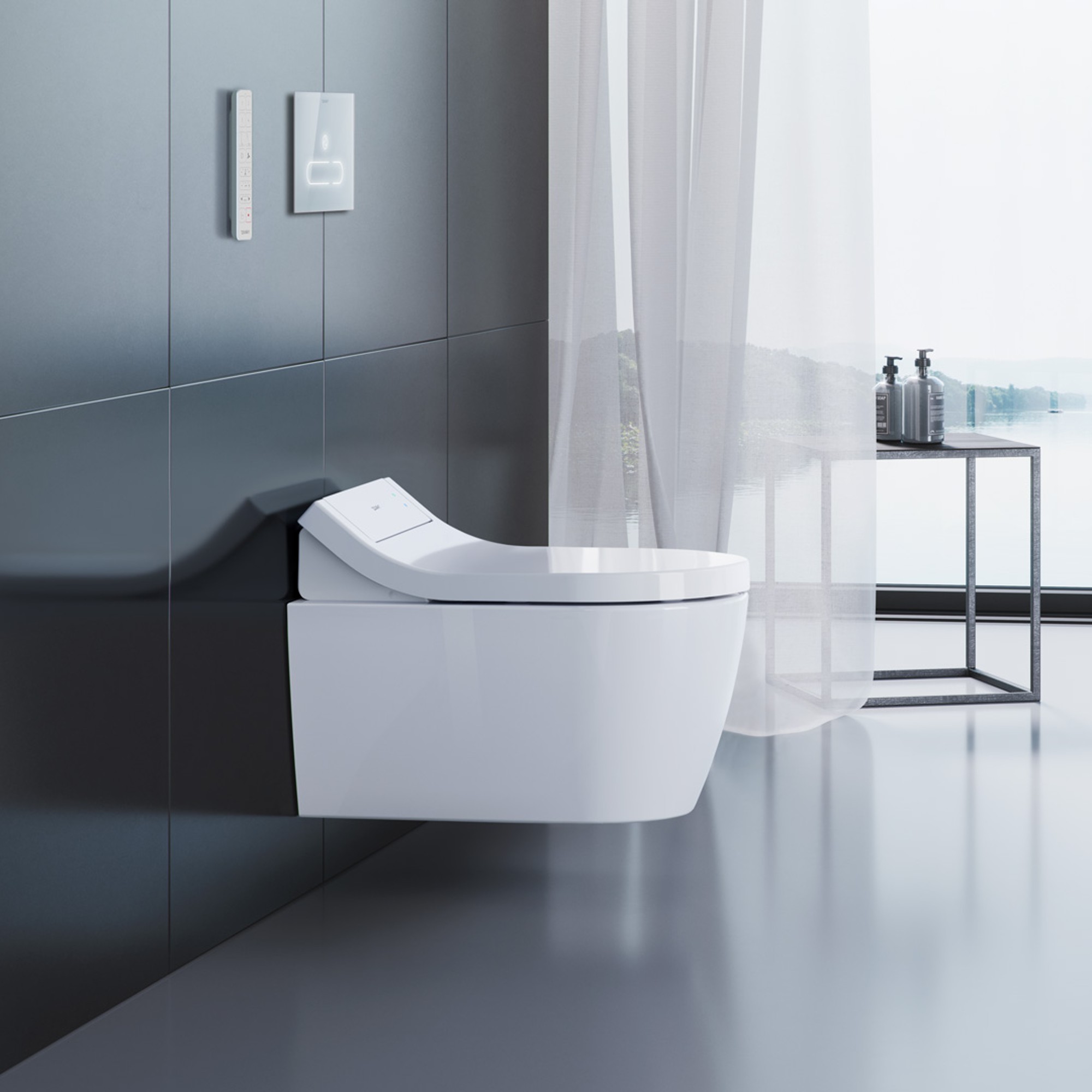
The interiors of the 83 apartments are clean and minimalist, characterized by the exceptional views and the exoskeleton, which defines the space like the frame of a work of art. Some of the bathrooms also feature floor-to-ceiling panoramic windows and breathtaking views. These have been fitted with high-quality sanitary ceramics from Duravit – including the DuraStyle, Starck 3, and Starck 2 series, which underline the modern design. In the master bathrooms, for example, the simple, minimalist forms of the Starck 3 built-in basins emphasize the high-end look, while the Starck 2 wall-mounted Toilets adorn the upscale guest bathrooms.
Glass fiber reinforced concrete
A particular challenge for the One Thousand Museum was the exoskeleton support structure, which was used at this height for the first time in this project. All loads are transferred via the external support frame and the core. For the exoskeleton, which can withstand extreme wind loads, Zaha Hadid Architects and DeSimone Consulting Engineers chose a special material: glass fiber-reinforced concrete. From the 15th floor upwards, the concrete columns were no longer cast, but prefabricated shells made of glass fiber-reinforced concrete were used, which were placed around the reinforcement like a tube and filled with concrete. The construction workers on site worked closely with the engineers from Dubai who manufactured and delivered the prefabricated parts. Each individual part is unique – just as each apartment is unique due to the fluid form of the building and the exoskeleton visible in the room.