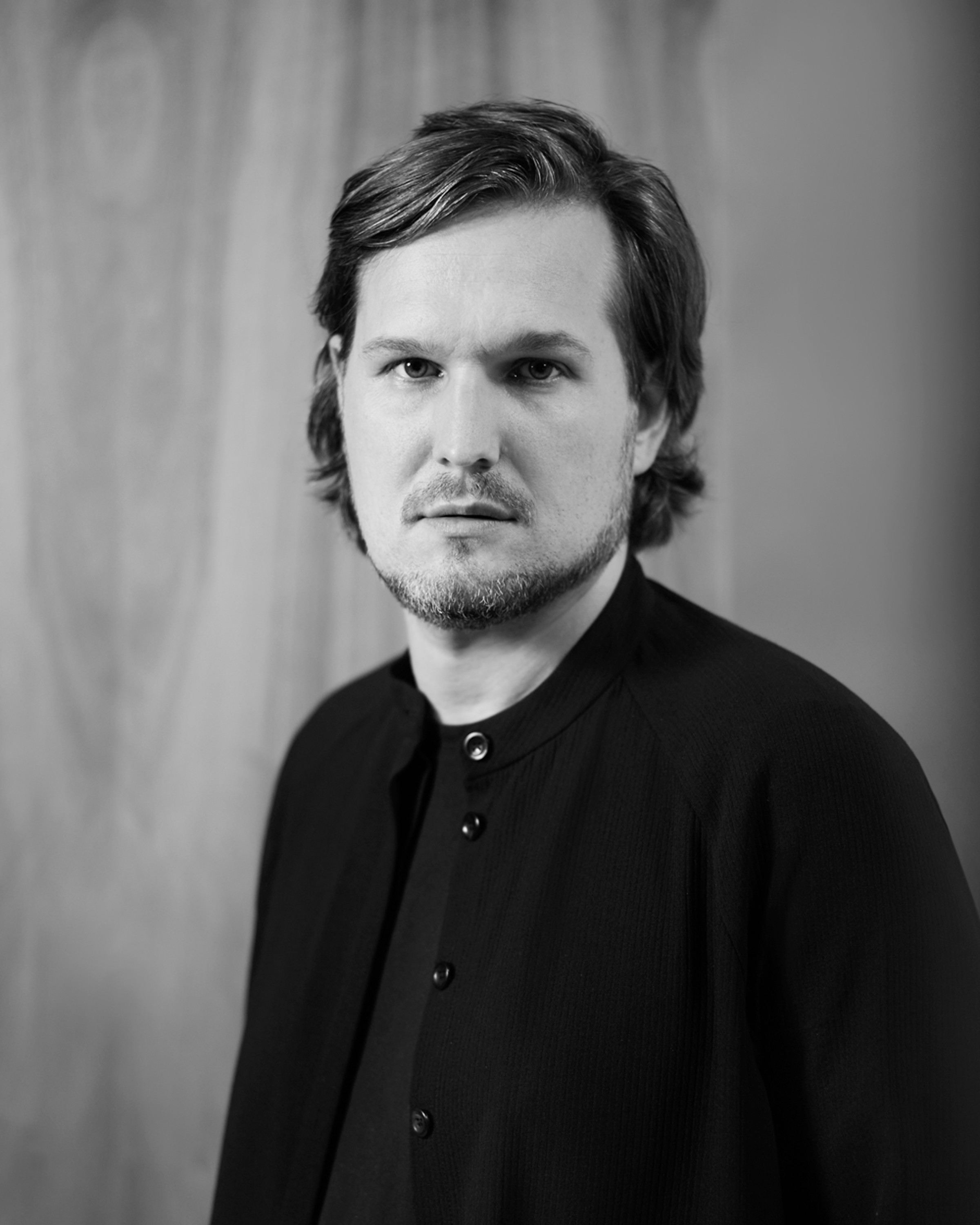
In an interview with Sebastian Herkner
In the spirit of Japan: Designer Sebastian Herkner on the "fascination of bathrooms"
The bathroom is about feeling, smelling, and the sound of water.
What current trends are you observing in bathroom design?
Sebastian Herkner: We all grew up in our parents' and grandparents' bathrooms, which were mostly tiled in shades of green, light blue, or pink. At our grandparents' house, the toilet was partially covered with faux fur. The bathroom was pragmatic and functional. In our house, it was even windowless, located in the middle of the house, with ventilation. And then you look at bathrooms today and realize that a lot has changed. There is a variety of materials and finishes, including ceramics, glass, marble, and wooden bathtub cladding, for example. The bathroom has evolved to become more emotional and comfortable.

How much do you deal with bathrooms in your work as a designer?
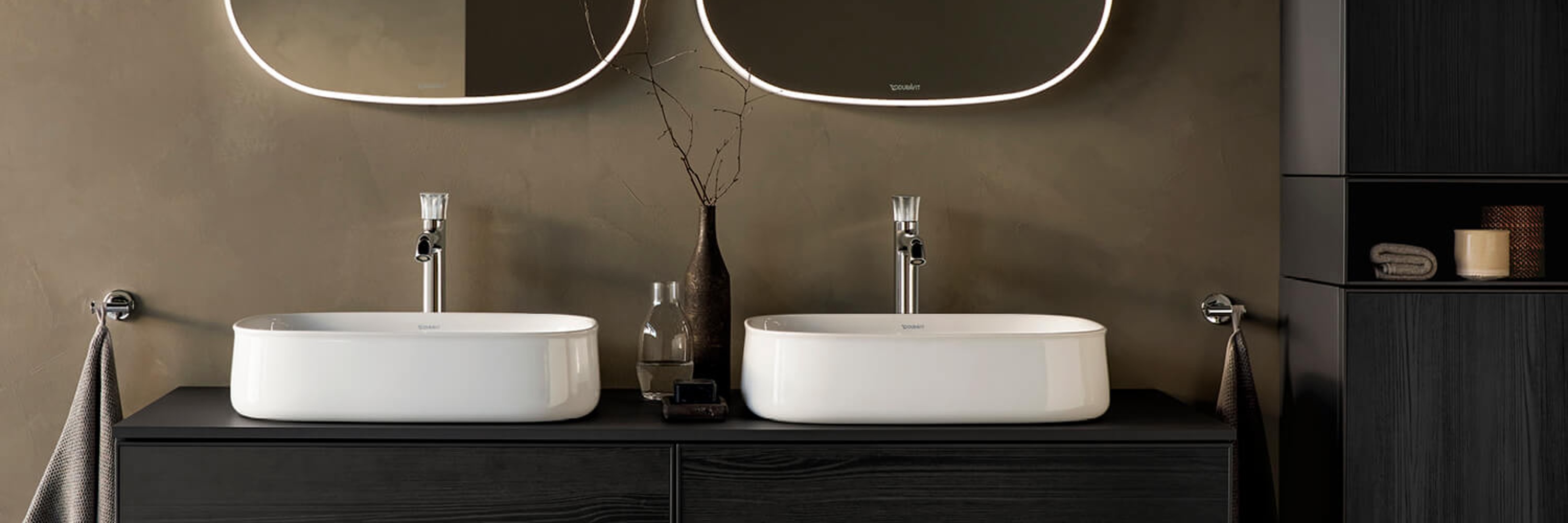
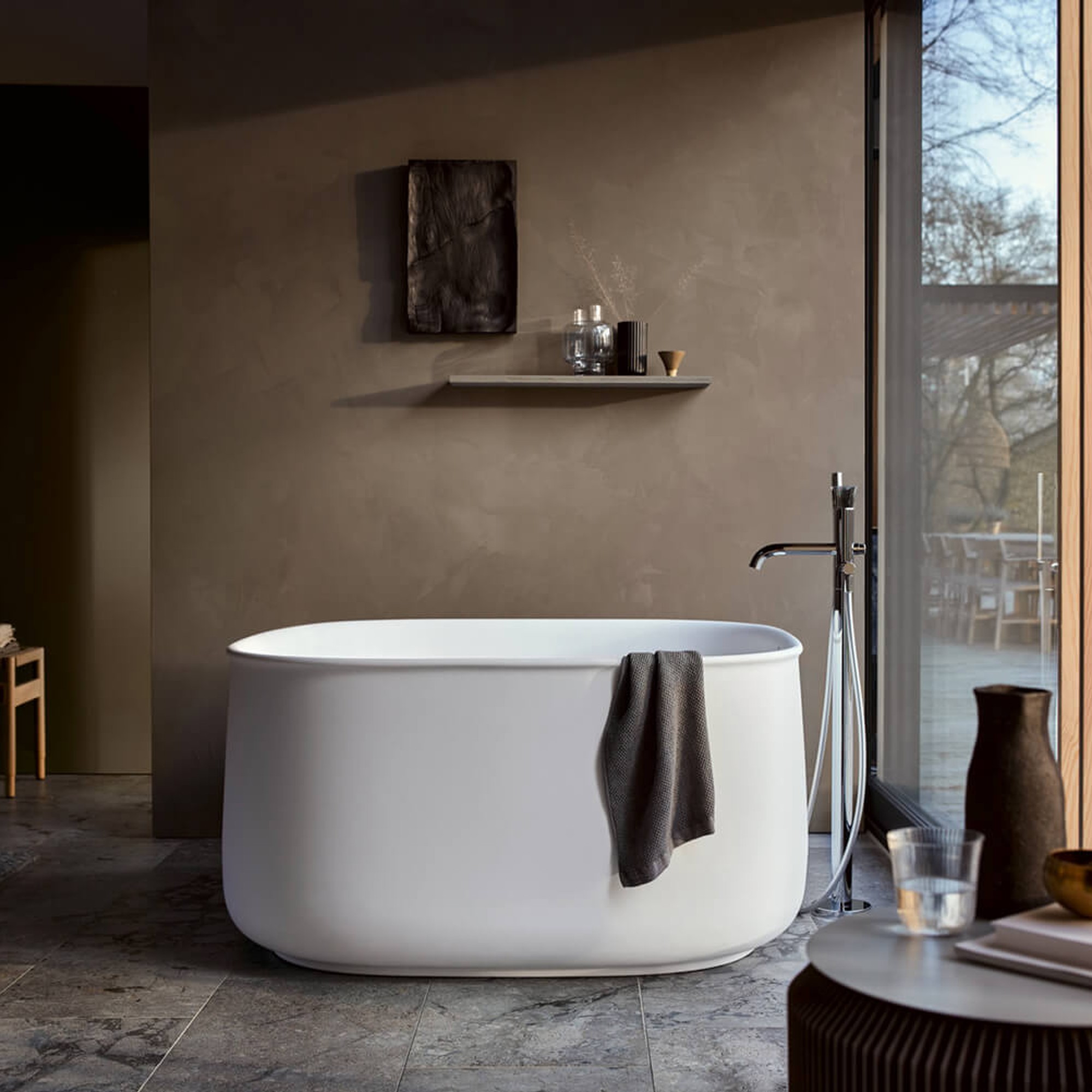
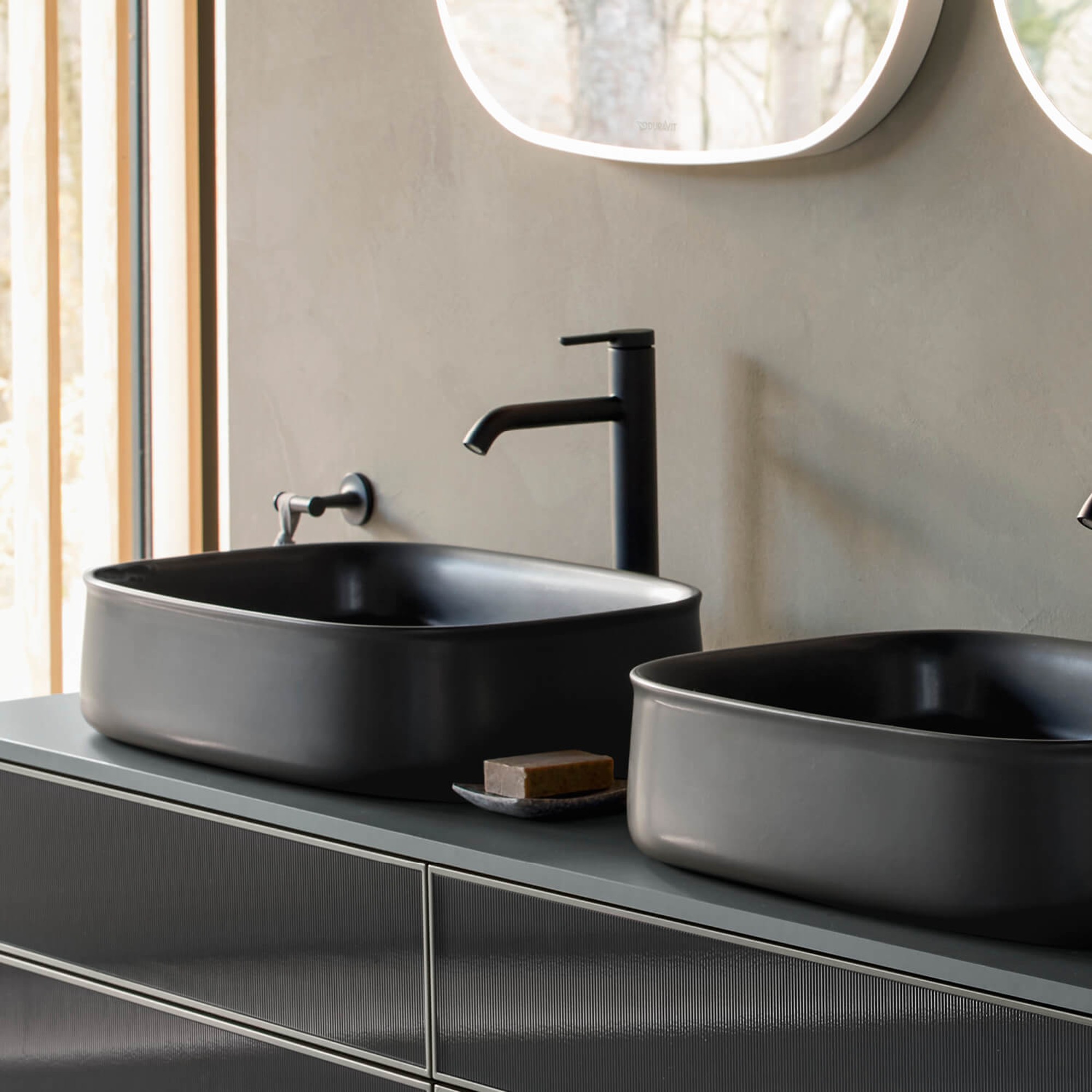
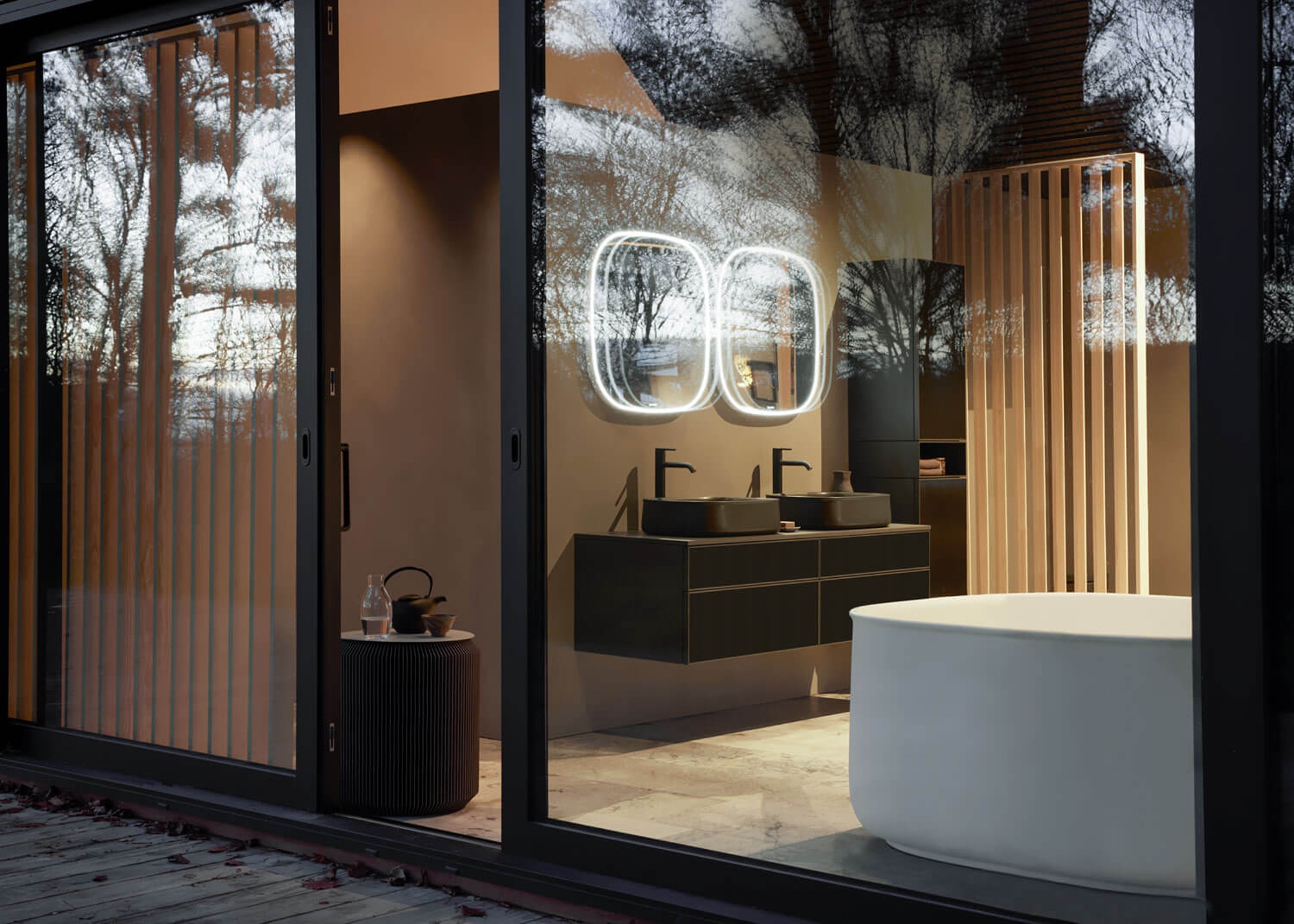
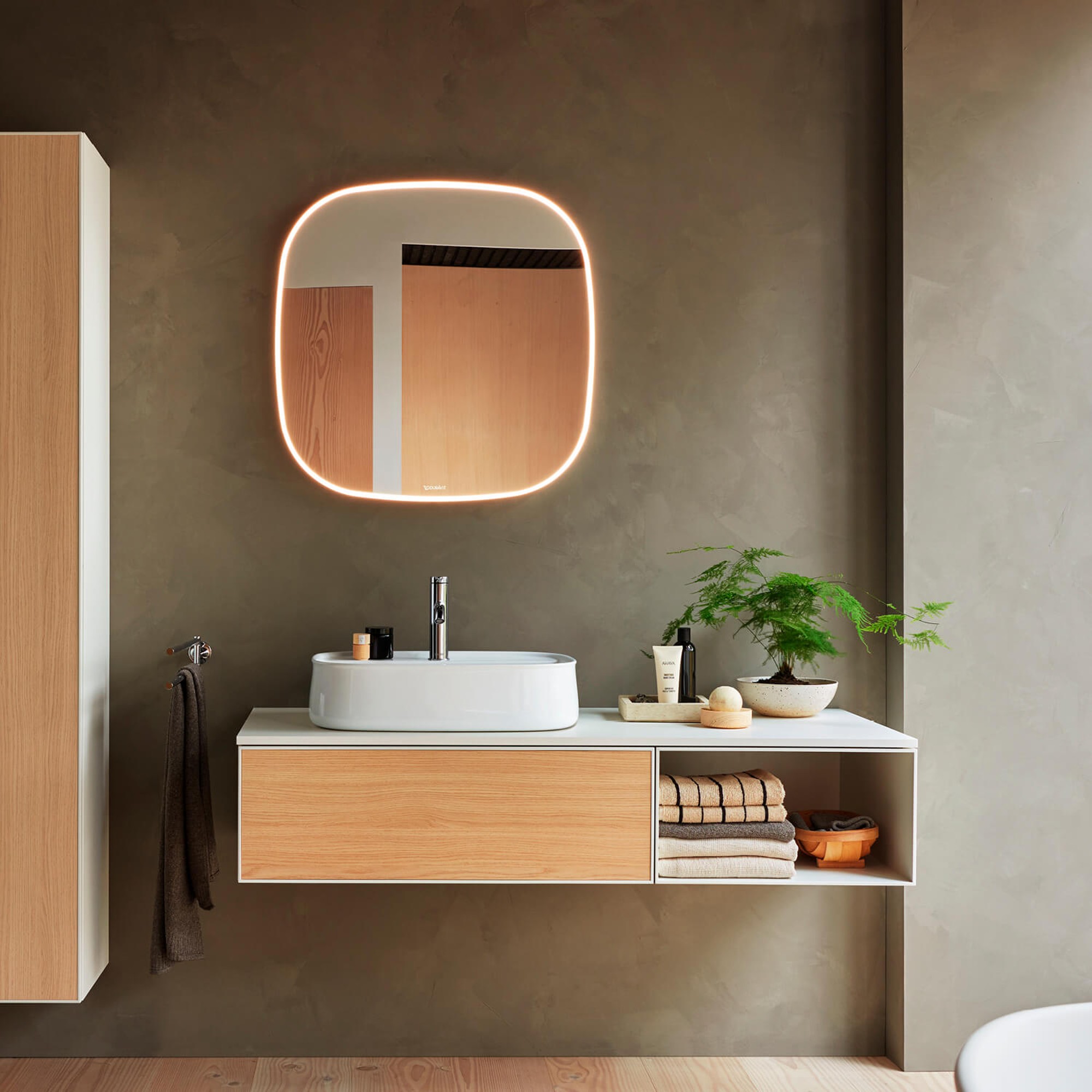
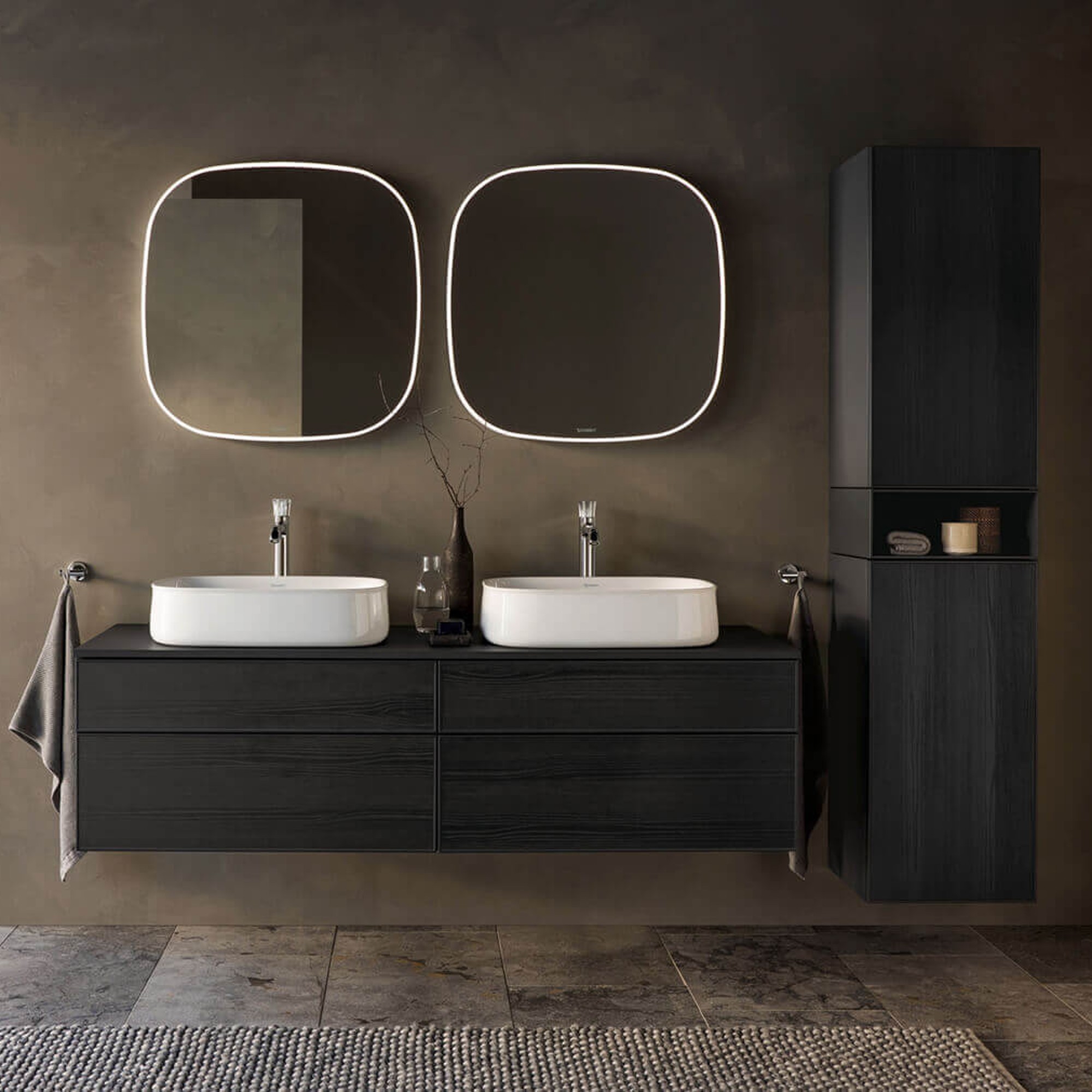
Sebastian Herkner: I work with a few manufacturers in the bathroom sector, such as Decor Walther and Duravit. My previous experience with ceramics through my designs for Rosenthal was naturally helpful in my work with Duravit. Duravit has a wealth of expertise in this area, and it's great to work with a company that operates on a global scale. The Zencha line I designed for Duravit—sinks, bathtubs, and furniture—includes objects that are technically challenging to produce, which is why they are also featured in the Artisan Lines.

You travel a lot and get around the world. What impressions have you gained of bathroom cultures in different countries?
Sebastian Herkner: InnullTokyo, we stayed at the Hoshinoya Hotel near Tokyo Station, which is run in the spirit of Zen. There is an onsen on the top floor of the high-rise building. This typical Japanese thermal bath, fed by hot springs, is separated by gender: you undress down to a loincloth and enter a room with small wooden stools on which you sit. The materials are exquisite, the ladle is made of bamboo, and the wall paneling is black natural stone. I imitated what my neighbors were doing: dabbing myself with a sponge and pouring water over myself. This washing is a ritual. And then you immerse yourself in this magnificent large pool, from where you can see the starry sky above Tokyo. In Japan, we also attended tea ceremonies. Just the act of making tea, brewing it, letting it steep... a small sip of it is a special moment. This ceremony contributes to a complete slowdown.
Let's talk about Zencha. What exactly inspired you to create it?
Sebastian Herkner: The ceremonial aspect , the enjoyment, the relaxation, the emotional and sensory elements, the design, the attention to detail – that was the starting point for the Zencha line for Duravit. Through my experiences in Japan, I realized that I had always just rushed in and out of the bathroom. Ultimately, the bathroom is about the sensory experience. It's about the feel, the genuine sensation that we are increasingly losing in our everyday lives due to the digital world. That was a great inspiration for me and my team. We spent several weeks working on finding the right silhouette and curve with this delicate lip at the top, which is also a gesture, as if you wanted to pick up a tea bowl.

In addition to sinks and bathtubs, you have also designed furniture for Zencha...
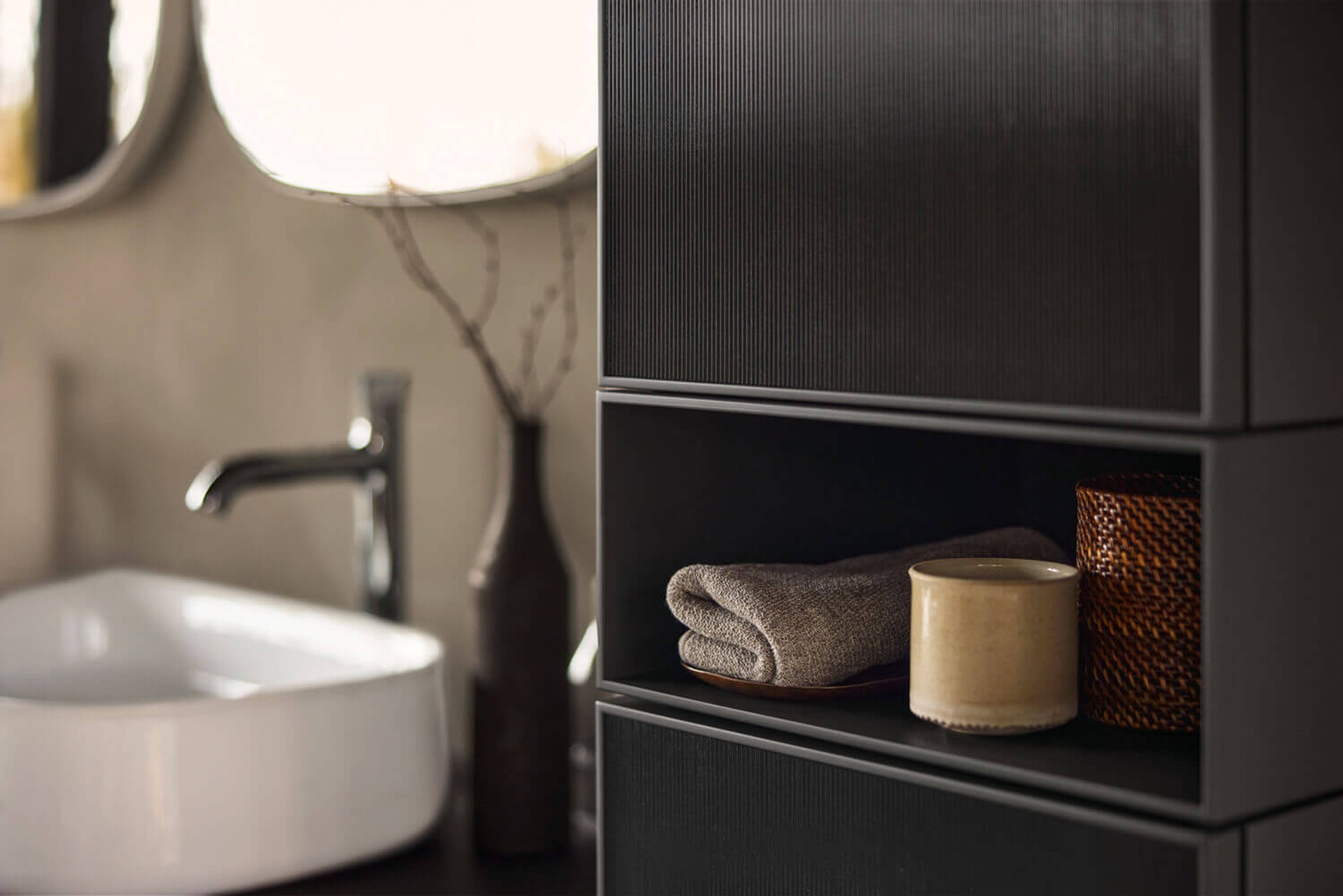
Sebastian Herkner: It's important to menullto use authentic materials, such as wood, ceramics, and glass. In this case, I also used textured glass for the furniture, which plays with light and shadow and reflections. I believe that this authenticity is part of the harmony of the entire creation of this line. And I think everyone can interpret Zencha for themselves. As a designer, I naturally provide a stage, but how you ultimately dance on it is up to you.
What advice would you give people when they are planning a bathroom?
Sebastian Herkner: Inullthink generosity is very important. A walk-in shower is great when it's large. Or a rain shower from which the water gently splashes down... And you need decent storage space. Everything has to be well thought out. If there's no towel hook, you end up hanging your bathrobes and towels over the door or over a chair, which shouldn't be the case. You can also have a nice chair or armchair in the bathroom. And you can use textiles to emphasize the cozy feel.