

Checklists
Checklists for your planning
From durable materials in public buildings to smart water-saving solutions in sustainable projects to comfort-oriented details in hotel bathrooms—each category requires its own approach. Here you will find practical checklists that serve as a guide for optimal planning.
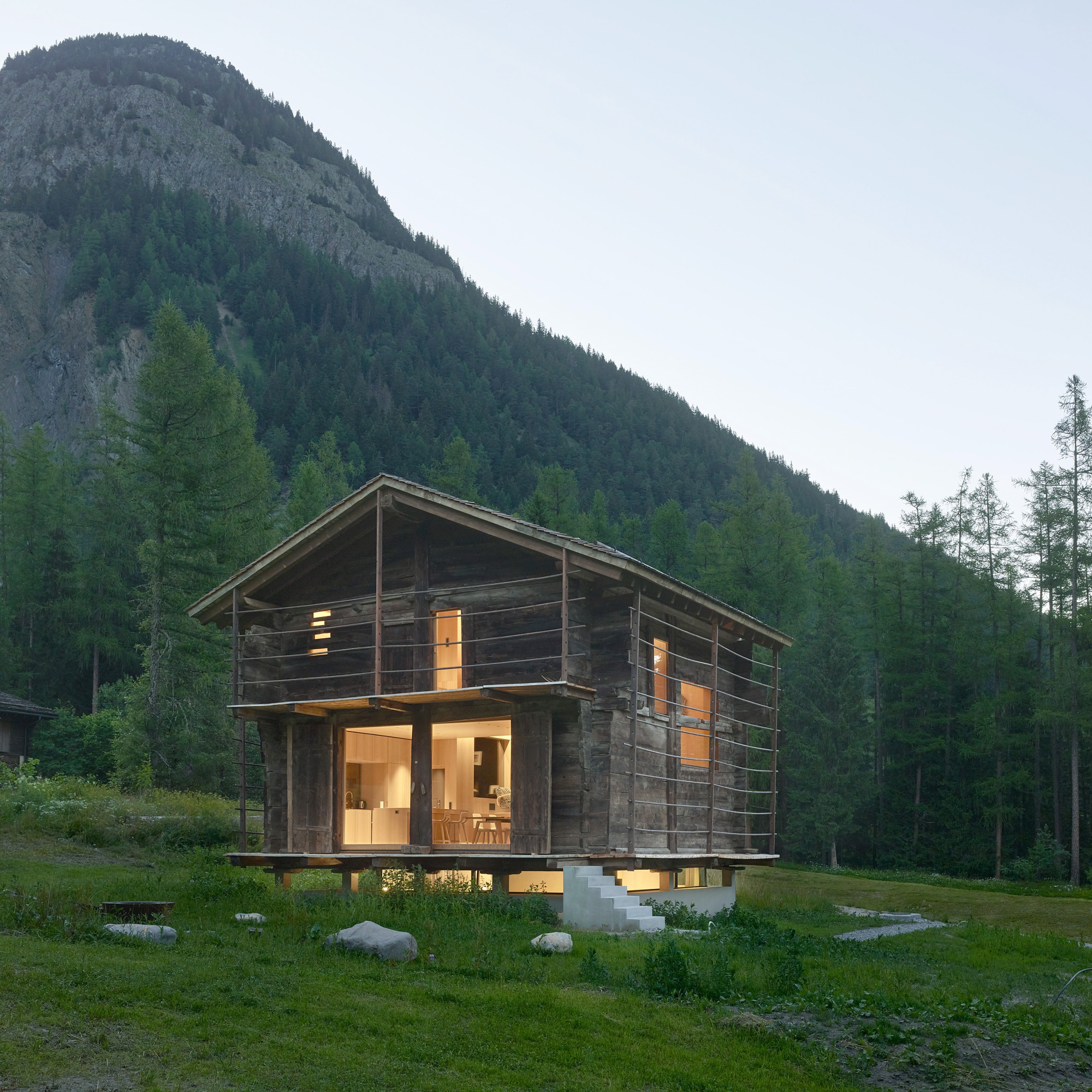
Residential buildings
Combines functionality and individuality
From setting objectives and taking current trends into account to barrier-free design and lighting planning—careful bathroom planning for private homes is crucial in order to meet the individual needs of users and create a modern, comfortable bathroom.
- Individual interior design – tailored to personal needs and design preferences
- Flexible zoning – plan open or closed solutions depending on your living situation
- Material selection with a feel-good factor – high-quality, durable, and easy-care materials for the best results
- Personal style – free choice of colors, finishes, and shapes supports individuality
- Comfort-oriented technology – rain shower, bathtub, and optional smart control system for greater well-being
- Lighting concept for different moods – combining work lighting and relaxation lighting
- Sufficient storage space and organization systems – consider integrated solutions for long-term use
- Sustainability and energy efficiency – water-saving fittings, heating concepts, and insulation
- Durability and ease of maintenance – high-quality installations and easily accessible technology for effective maintenance
_1_1.jpg)
Hospitality
Comfort and aesthetics for guests
The bathroom in a hotel room is of utmost importance, as it greatly contributes to guest satisfaction during their stay. In addition to the mandatory requirement of cleanliness, however, it is above all a matter of modern design, which allows accommodations to clearly stand out from the competition.
- Efficient room layout – compact, functional planning with clearly defined areas is required
- Aesthetics and design – a high-quality appearance should be appropriate for the hotel category
- Easy-care materials – robust, hygienic, and easy-to-clean finishes for good results
- Water and energy saving technology – sustainable faucets and flushing systems are essential for this.
- Comfort features – amenities such as towel warmers, underfloor heating, or optional smart controls enhance comfort.
- Long-lasting quality – durable sanitary ceramics and faucets withstand frequent use
- Space for guest amenities – shelves, clever storage solutions, hooks, and mirrors make guests' bathroom visits easier.
- Accessibility as needed – flexible concepts can be adapted to different hotel standards
- Hygiene concepts – touchless faucets and antibacterial finishes support health
- Easy maintenance and interchangeability – standardized, durable products support building management
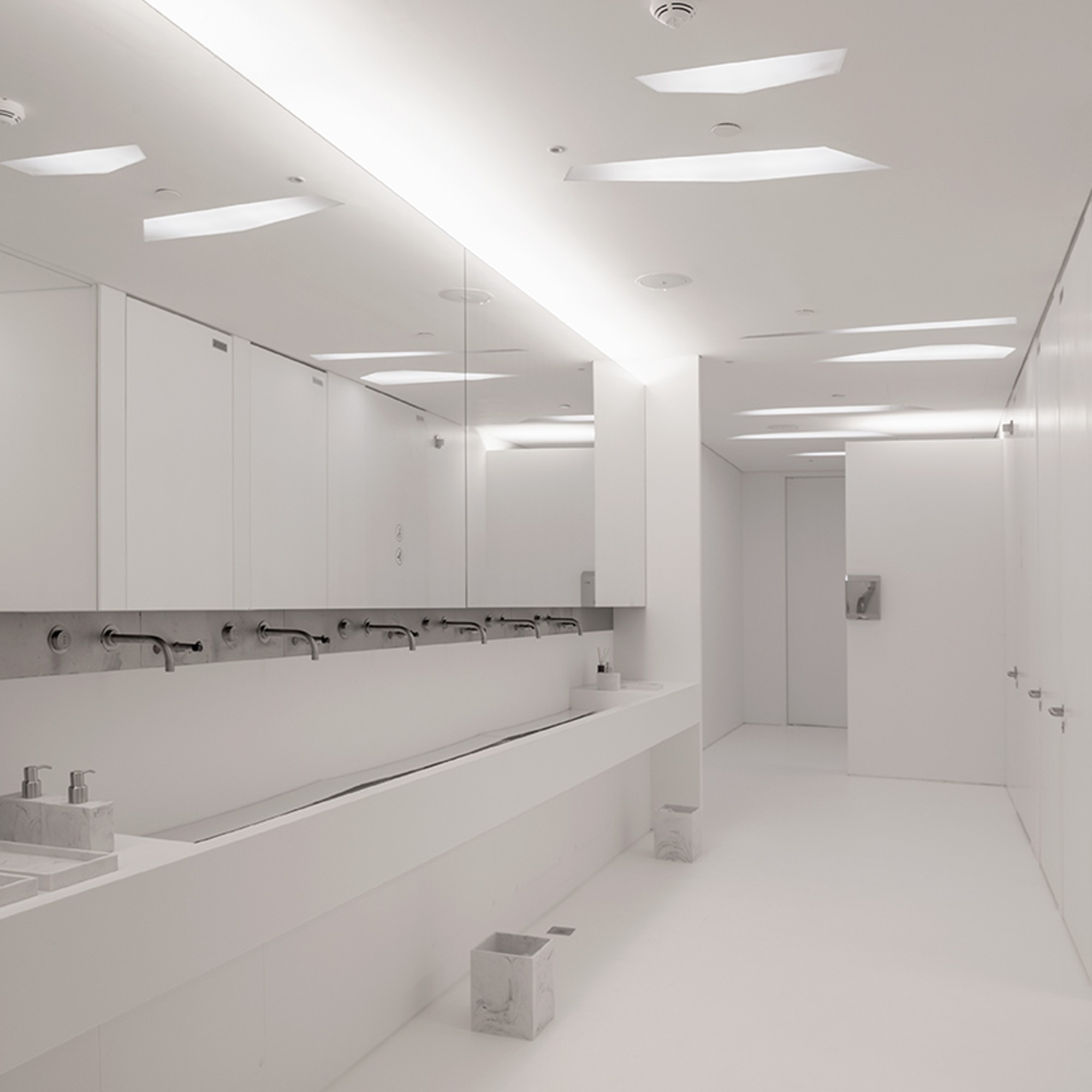
Industry and commerce
Efficiency and durability
Clear guidelines for the design and furnishing of sanitary facilities in industry and commerce ensure hygiene and comfort for employees. Sufficient toilets, compliance with hygiene regulations, and accessibility are key factors here.
- High resistance – use robust materials for intensive use
- Efficient and space-saving planning – designing optimized sanitary facilities for many users
- Easy-care, hygienic solutions —more cleanliness thanks to low-joint, easy-to-clean finishes
- Water-saving technology – automatic flushing systems and sensor fittings reduce operating costs
- Safety standards —non-slip floors and emergency solutions in the event of failures protect employees
- Sound insulation and privacy – Acoustically separate multi-person sanitary rooms
- Intuitive and fast to use—clear operation and the avoidance of unnecessary features increase user satisfaction.
- Long-lasting installation – low-maintenance products and easy-to-replace components support building management and sustainability
- Comfort for employees and guests – thanks to a pleasant indoor climate and lighting
- Flexibility for different businesses – plan adaptable solutions for offices, factories, etc.
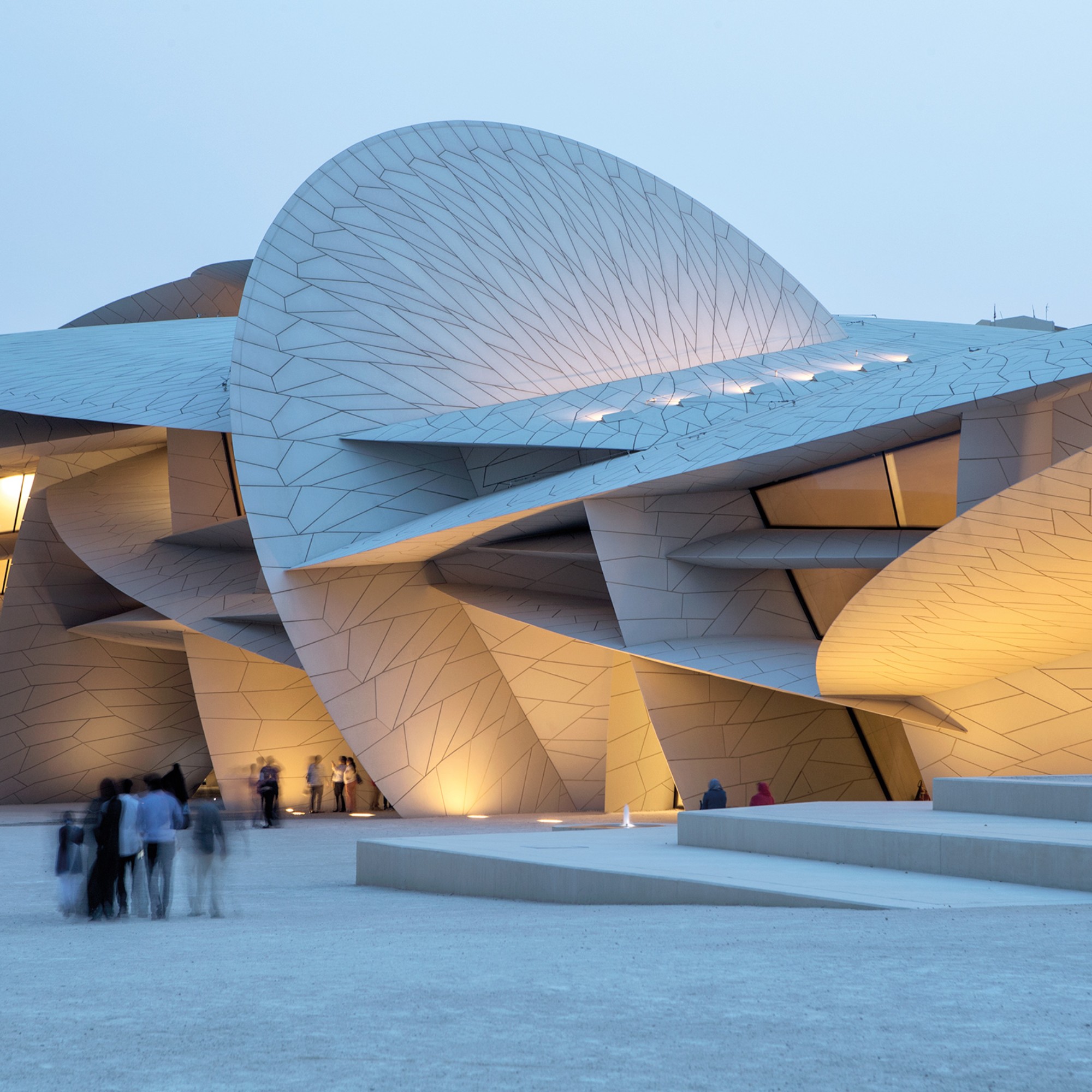
Public buildings
Accessibility and durability
In public buildings, sanitary facilities are more than just functional spaces—they are a crucial part of the user experience. The design of these bathrooms and toilets requires careful planning that focuses on hygiene, safety, accessibility, and aesthetics.
- High durability – robust, vandal-proof materials should be used for high frequency of use.
- Hygienic fittings – touch-free faucets and antibacterial finishes promote cleanliness
- Barrier-free concept – inclusive planning for all users is crucial here
- Energy and water efficiency – sustainable technology achieves low operating costs
- Easy maintenance and cleaning – thanks to standardized, easy-care products for quick results
- Intuitive use—clear operation and easily understandable systems are the benchmark here.
- Privacy and sound insulation – acoustically optimized sanitary rooms provide a pleasant background noise level
- Flexibility for different uses – products and systems can be adapted to various public facilities
- Safety standards – non-slip floors and adequate lighting are mandatory here.
- Aesthetic integration – the bathroom concept and products should match the architecture of the building
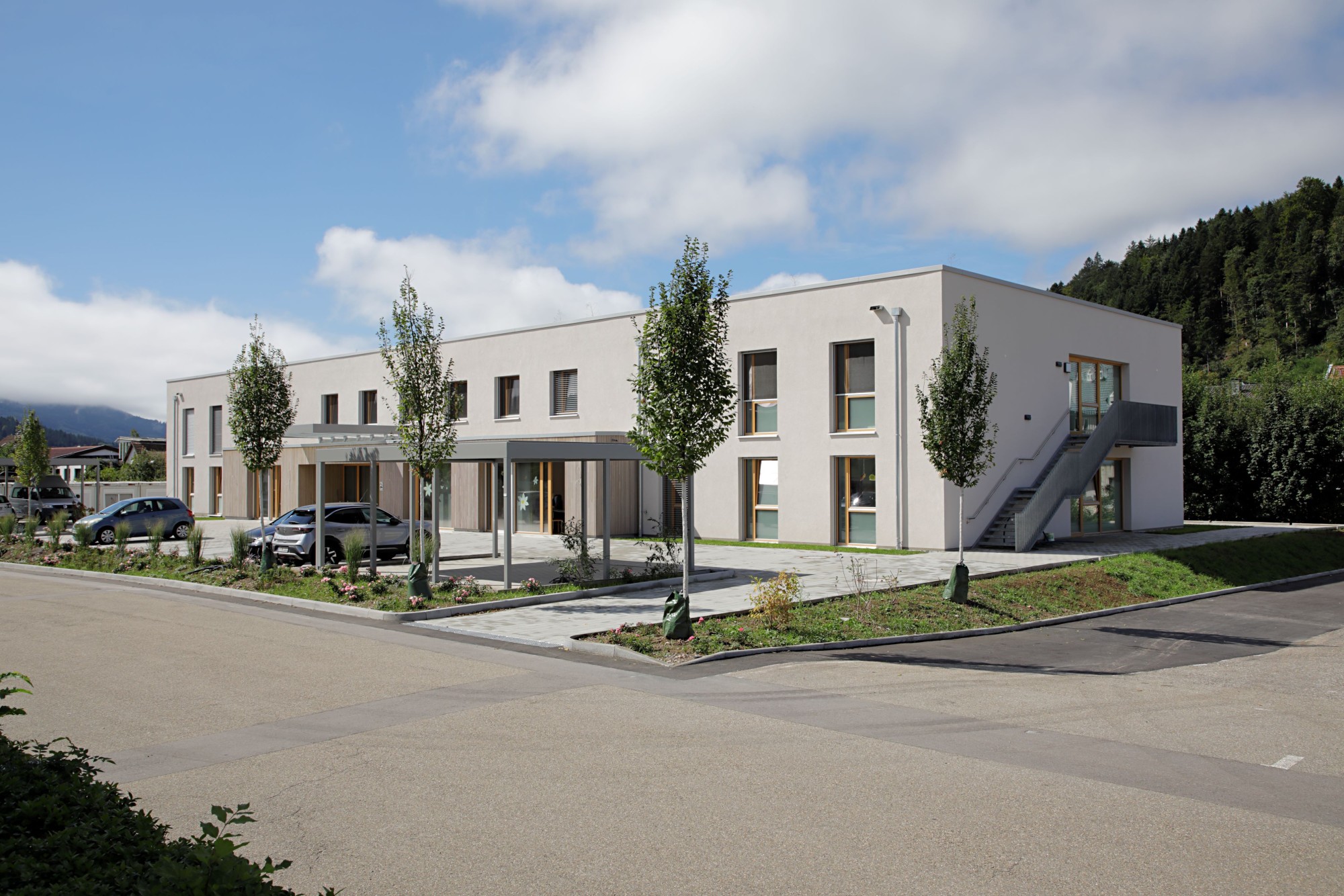
Healthcare
Focus on safety and hygiene
When designing bathrooms in healthcare facilities, the needs of patients and nursing staff should be carefully analyzed. In addition to complying with legal requirements and hygiene standards, a well-thought-out design can support patient recovery.
- Hygiene and safety – touchless faucets and antibacterial finishes support health
- Barrier-free design – DIN-compliant fittings, floor-level showers, and grab rails provide safety
- Resilient materials – cleaning agent-resistant, durable ceramic is particularly robust
- Easy cleaning – with fugenarmen finishes and quick-drying materials for the best results
- Ergonomic use – easily accessible, intuitive controls make your stay more comfortable
- Water efficiency – automatic saving functions ensure sustainable water consumption
- Ventilation and humidity management – preventing mold growth effectively
- Durability and maintenance – easy replaceability and standardized connections for effective building management
- Adaptable solutions – planning flexibility for different care facilities
- Sound insulation and discretion – implementing measures against noise transmission in sensitive areas
_1_1.jpg)
Sustainable projects
Environmentally conscious planning
A sustainable bathroom combines smart, resource-saving products with environmentally friendly production and durable design. Thanks to sustainable materials, intelligent technologies, and forward-thinking planning, bathrooms today can make an important contribution to environmental protection.
- Water and energy saving systems – efficient faucets and flushing systems are recommended here.
- Sustainable materials – environmentally friendly, recyclable products promote resource and climate protection
- Long-lasting quality – a long service life reduces resource consumption
- Low-maintenance and repair-friendly solutions – manage your building efficiently thanks to the modular design of the products and a comprehensive range of spare parts.
- Resource-efficient production – focusing on CO₂-reduced manufacturing and environmentally friendly processes
- Natural ventilation and humidity control – help prevent mold and create a pleasant indoor climate
- Environmentally friendly cleaning options – promoting biodiversity through low-chemical care
- Regional availability – reduced transport distances result in lower CO₂ emissions
- Healthy indoor climate – low-pollutant materials and finishes are essential here
- Certification options – officially declare the building sustainable through labels such as LEED, DGNB, and other sustainability standards