
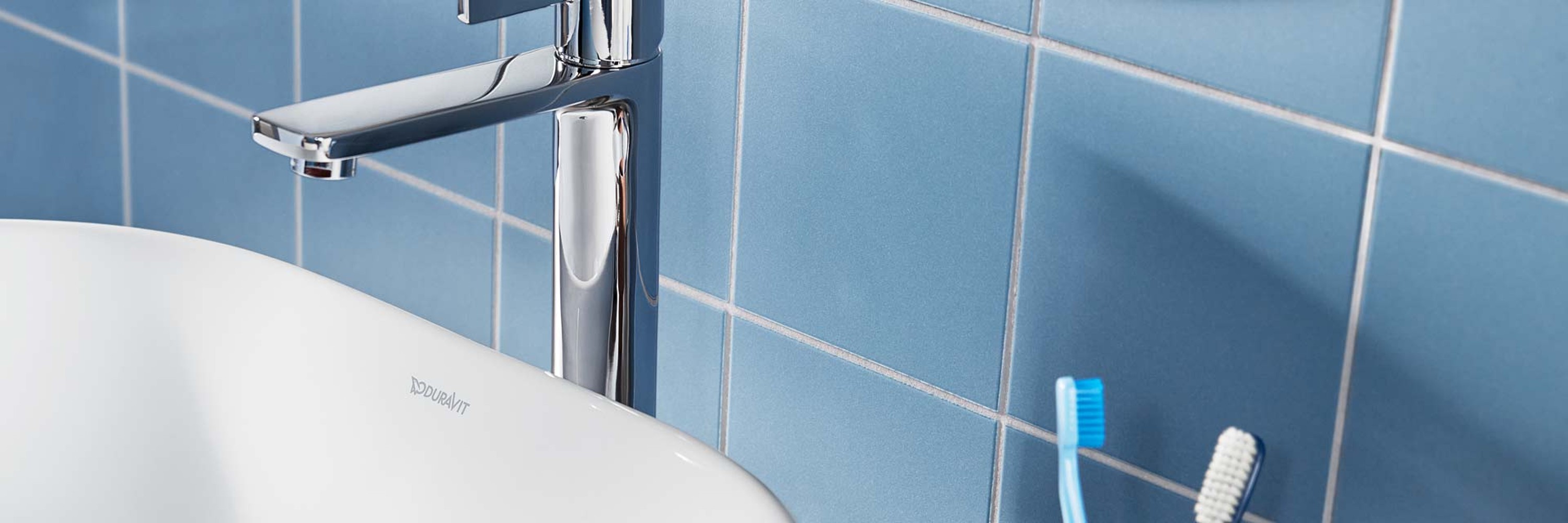
Cleaning joints in the bathroom
Here's how to do it right

Cleaning agent for ordinary joints
If you want to clean the grout in your bathroom, the first thing to do is choose the right cleaning product. For ordinary tile grout—not silicone grout!—you can use tried-and-tested household remedies. Chemical cleaners can and should generally be avoided. The following list contains grout cleaners that are particularly useful in the bathroom—and explains which ones are best avoided:
Recommended: Clean joints with baking powder
Baking powder is indeed a proven remedy for cleaning bathroom grout. First, it should be mixed with water to create a thick paste. This is applied to the grout and should be left to work for around an hour. It can then be rinsed off with water, and any remaining dirt can be wiped off with a cloth. Baking powder is therefore an inexpensive, sustainable, and readily available option for cleaning tile grout in the bathroom.
Recommended: Clean joints with baking soda
Similar to baking powder, baking soda can also be used to clean tile grout in the bathroom. The procedure is the same: first, mix the powder with water to form a paste (a ratio of three parts water to one part baking soda is generally recommended), then apply it to the grout and rinse it off after it has taken effect. By the way: soda can also be used to clean grout in the same way as baking soda and baking powder.
Recommended: Steam cleaner
If you don't want to scrub, it's best to choose a steam cleaner to clean the joints in the bathroom. The hot steam penetrates the gaps and reliably removes dirt. You can then wipe them down again with a cloth. The steam cleaner is also environmentally friendly, as it can kill bacteria and fungi without the use of chemicals.
Neutral: Chemical cleaning agents
Chemical joint cleaners for bathrooms can also be purchased from most specialist retailers. These usually do the job, but are not essential. The household products listed above are perfectly adequate for normal dirt, but for more stubborn stains, it is easier to clean the joints in your bathroom with a steam cleaner. These products are also more environmentally friendly.
Not recommended: vinegar or citric acid
These household remedies are not particularly suitable for cleaning bathroom grout. This is because vinegar and citric acid attack the mortar due to their corrosive effect and can make it porous over time. If the dirt has already penetrated so deeply that the recommended cleaning agents are not sufficient, it is time to regrout the tiles.
Not recommended: Alcohol or nail polish remover
Although they are often recommended, alcohol and nail polish remover are not suitable household products for cleaning bathroom grout. Unlike baking soda or baking powder, they usually do not work long enough to really remove the dirt in the grout.
Cleaning agent for silicone joints
In addition to conventional joints, silicone joints are often found in bathrooms, especially around the sink or shower. These can be cleaned in a slightly different way, as some household remedies do not achieve the desired effect. Instead, diluted vinegar essence or a special chemical cleaner can be used. As a general rule, silicone joints are somewhat more susceptible—once dirt or even mold has penetrated, often the only solution is to remove and then replace them. Silicone joints should be completely replaced every few years, even if they are not excessively dirty.
Tip: Under no circumstances should a steam cleaner be used to clean silicone joints in the bathroom. The hot steam can damage the silicone.
The right cleaning tools
Once you have chosen your cleaning product, you still need the right cleaning tools. Here too, household remedies are an excellent choice for cleaning bathroom grout. Unless you are using a steam cleaner, the following items will suffice:
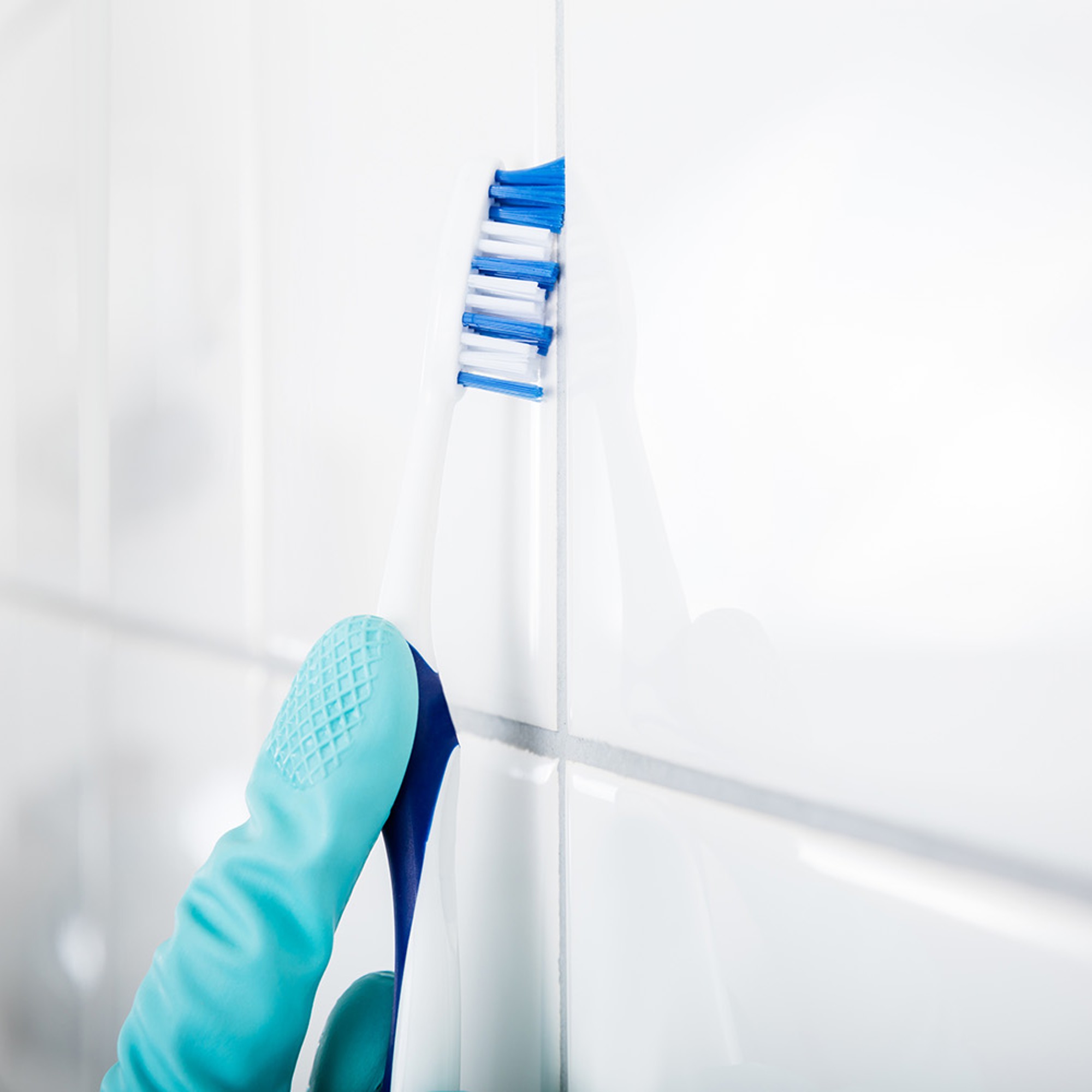
Toothbrush
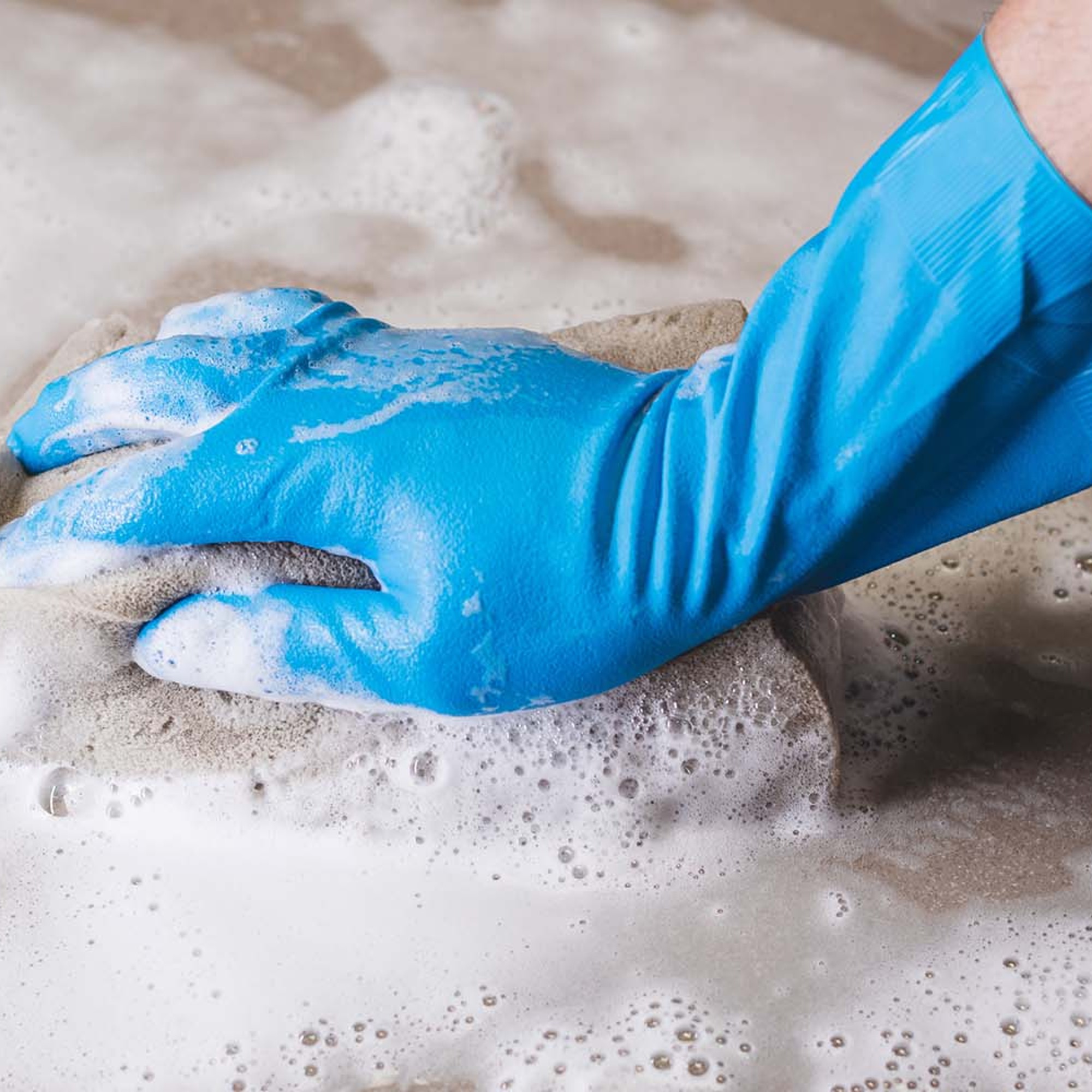
Gloves
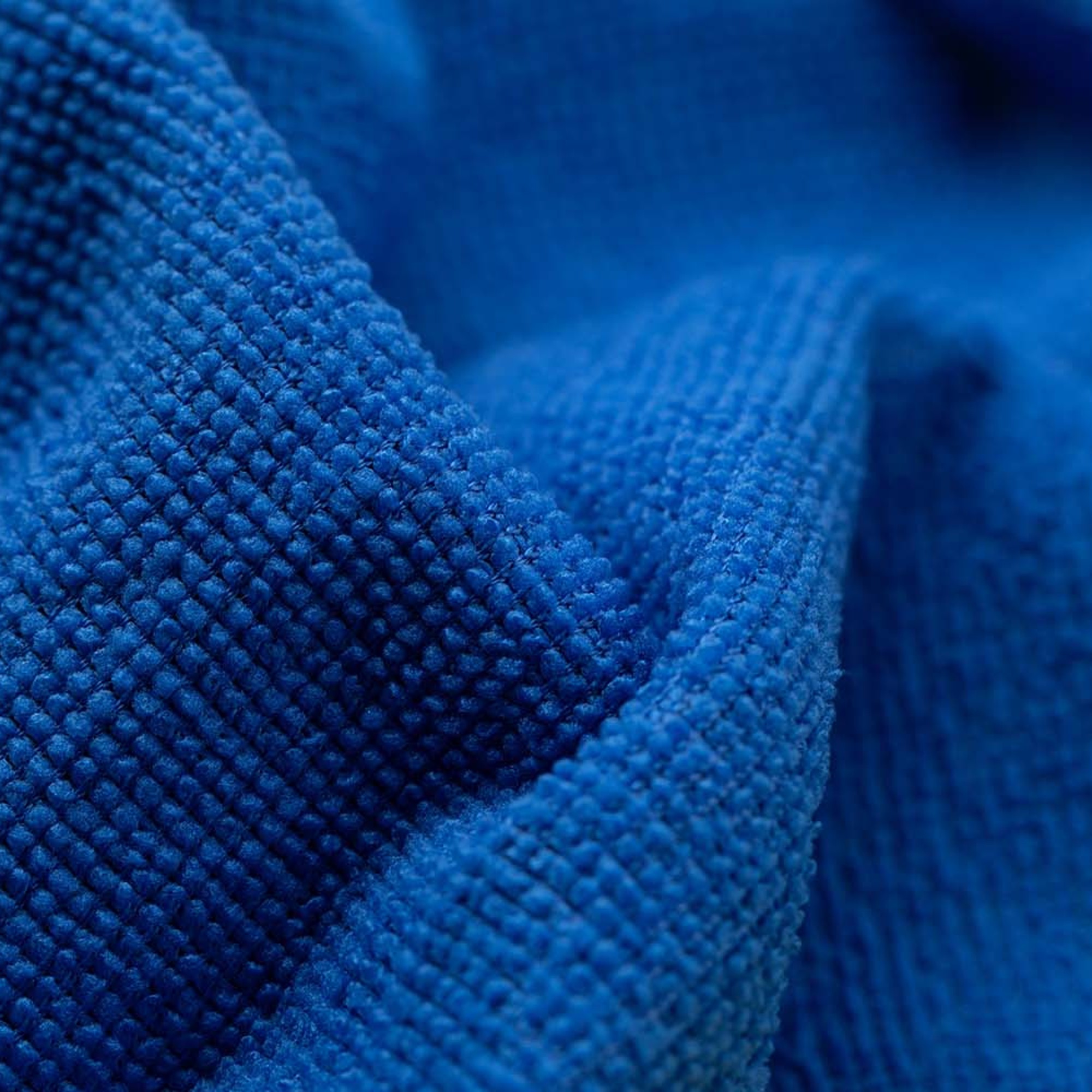
Soft cloths
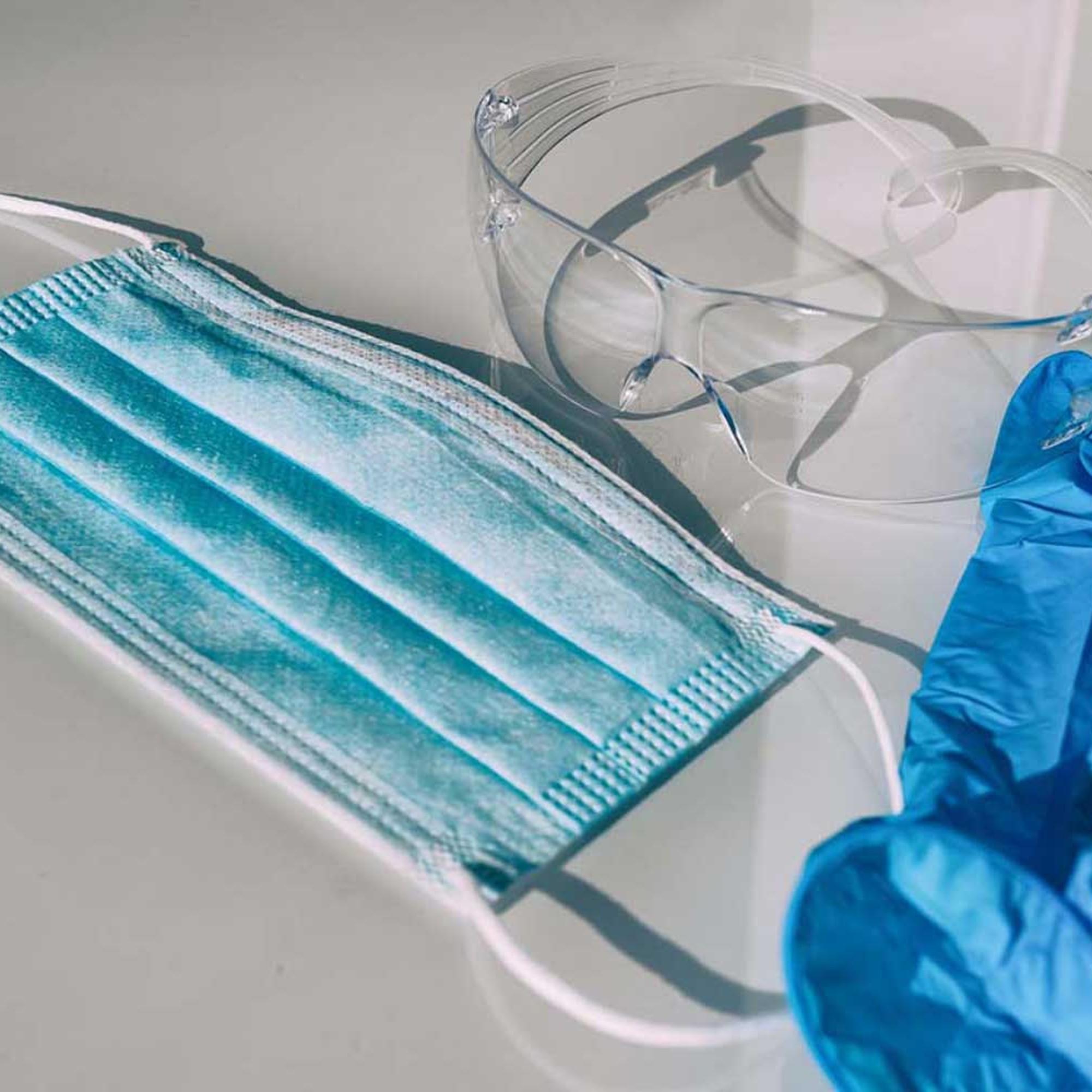
Protection for eyes and mouth