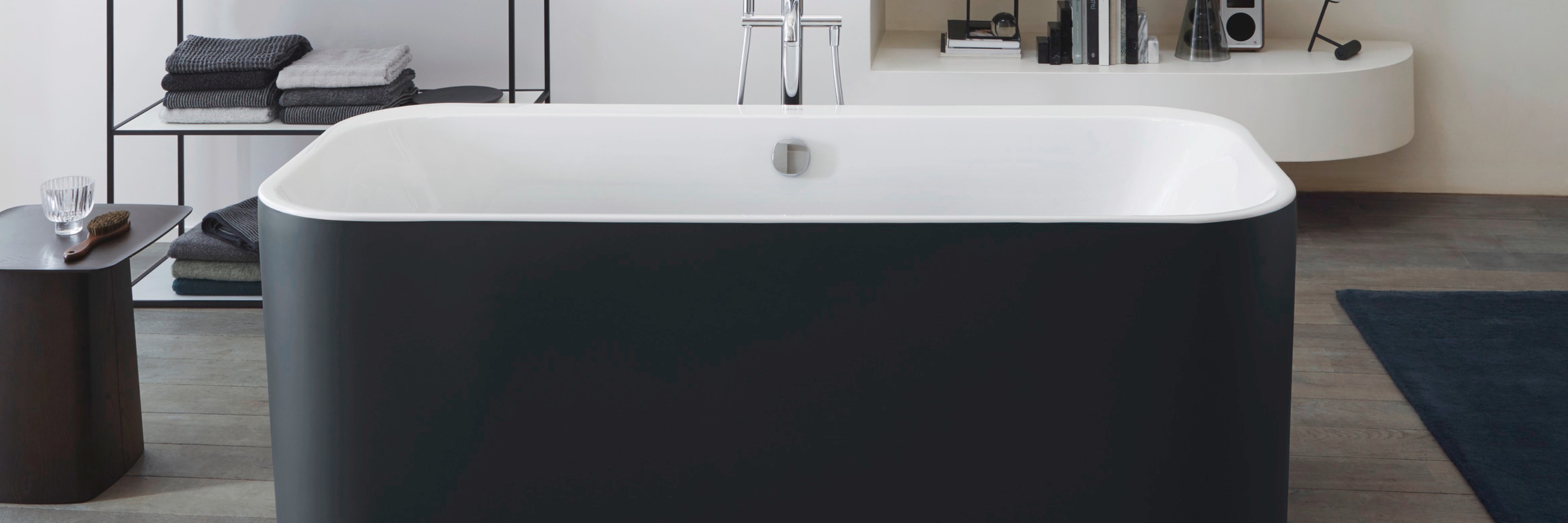
Tile a bathtub
Stylish Ideas & Practical Tips
Key points at a glance:
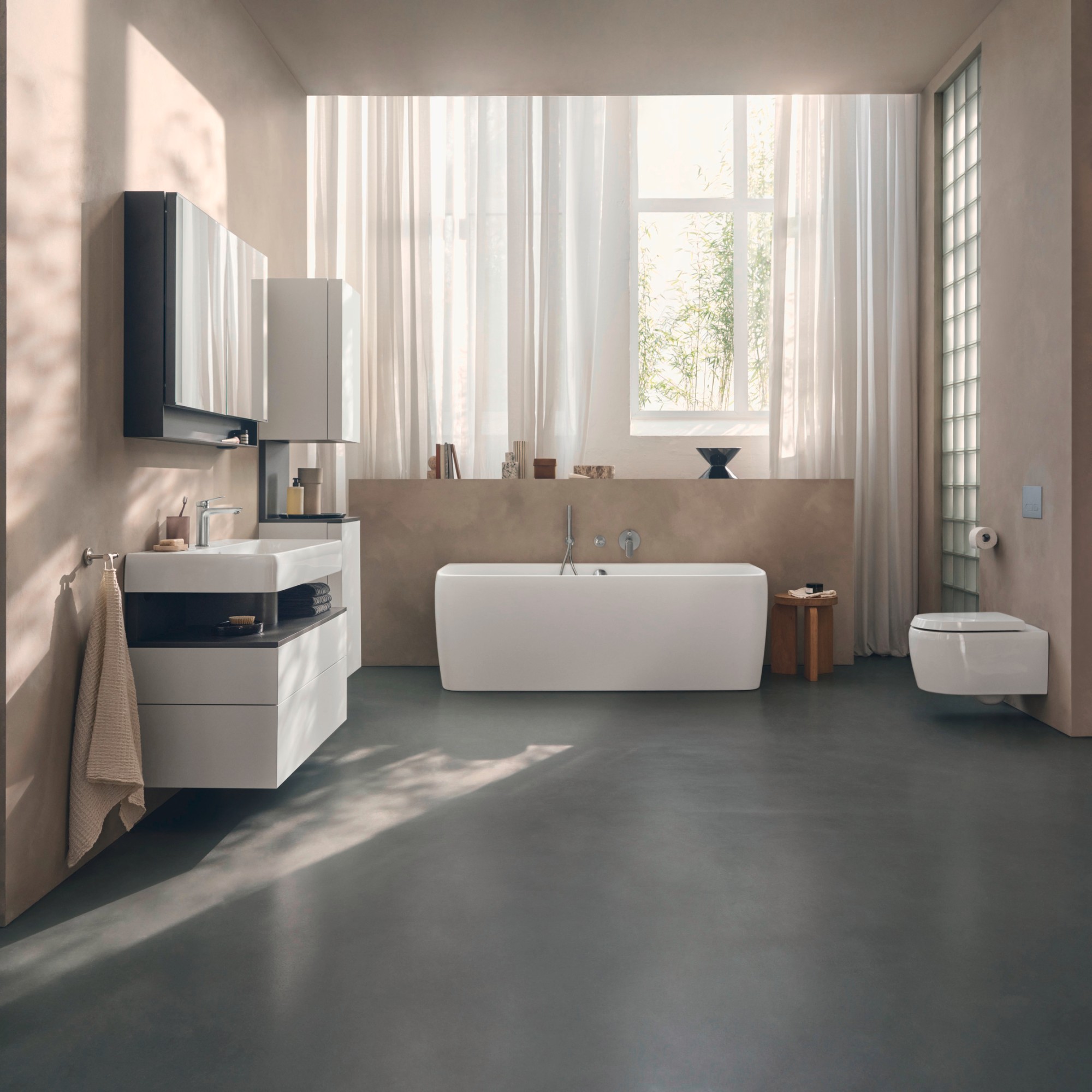
- Bathtub surrounds combine style and functionality: they seamlessly integrate the tub into the bathroom, make cleaning easier, and can be customized to suit any style or room layout.
- Use a variety of materials: Tiles, vinyl, wood-look flooring, and natural stone offer a wide range of options—from low-maintenance and modern to warm and natural.
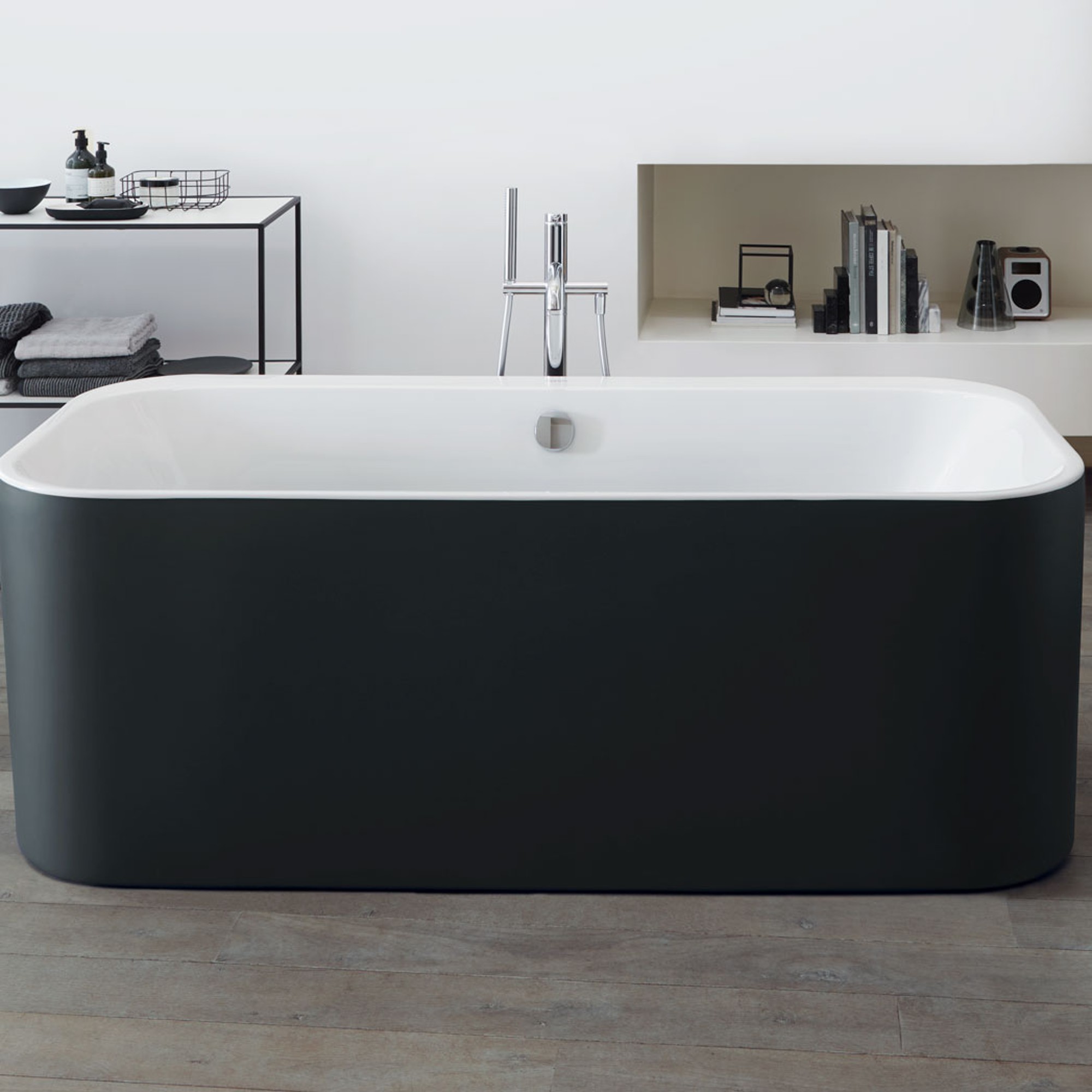
- The design defines the bathroom's style: whether it's an industrial look, Scandinavian minimalism, or a luxurious marble finish—the right cladding turns the bathtub into a stylish focal point.
Installing a bathtub surround
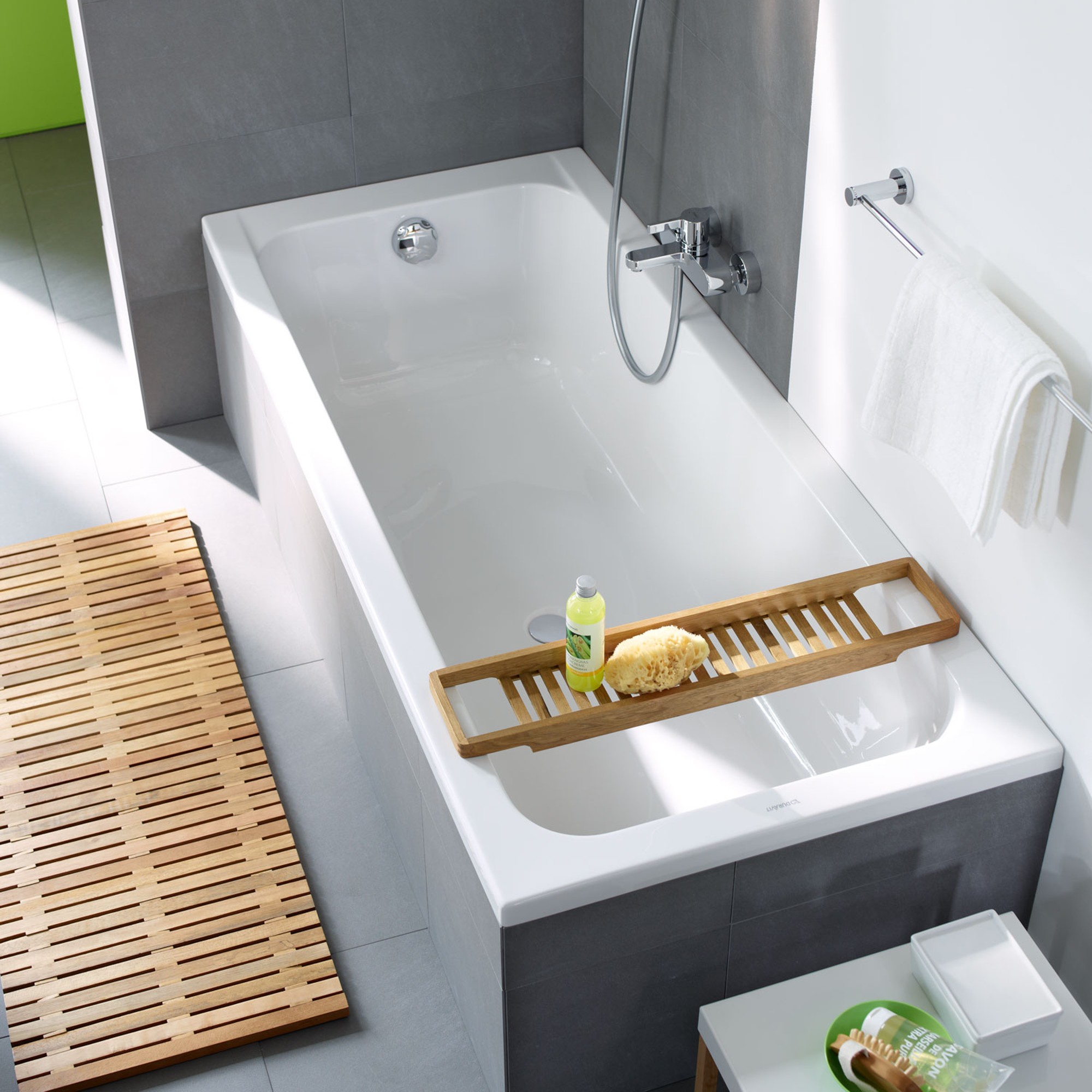
How to properly install a bathtub cover also depends on the type of bathtub you have. If your bathtub has a support frame, the cover can be attached directly to it. If, on the other hand, your bathtub has legs, there are two particularly common methods:
Bath mat
Installing a bathtub skirt is a particularly easy way to cover your bathtub. Since these are sold ready-made, you just need to make sure it’s compatible with your existing bathtub. Installation is then carried out according to the manufacturer’s instructions.
Paving blocks
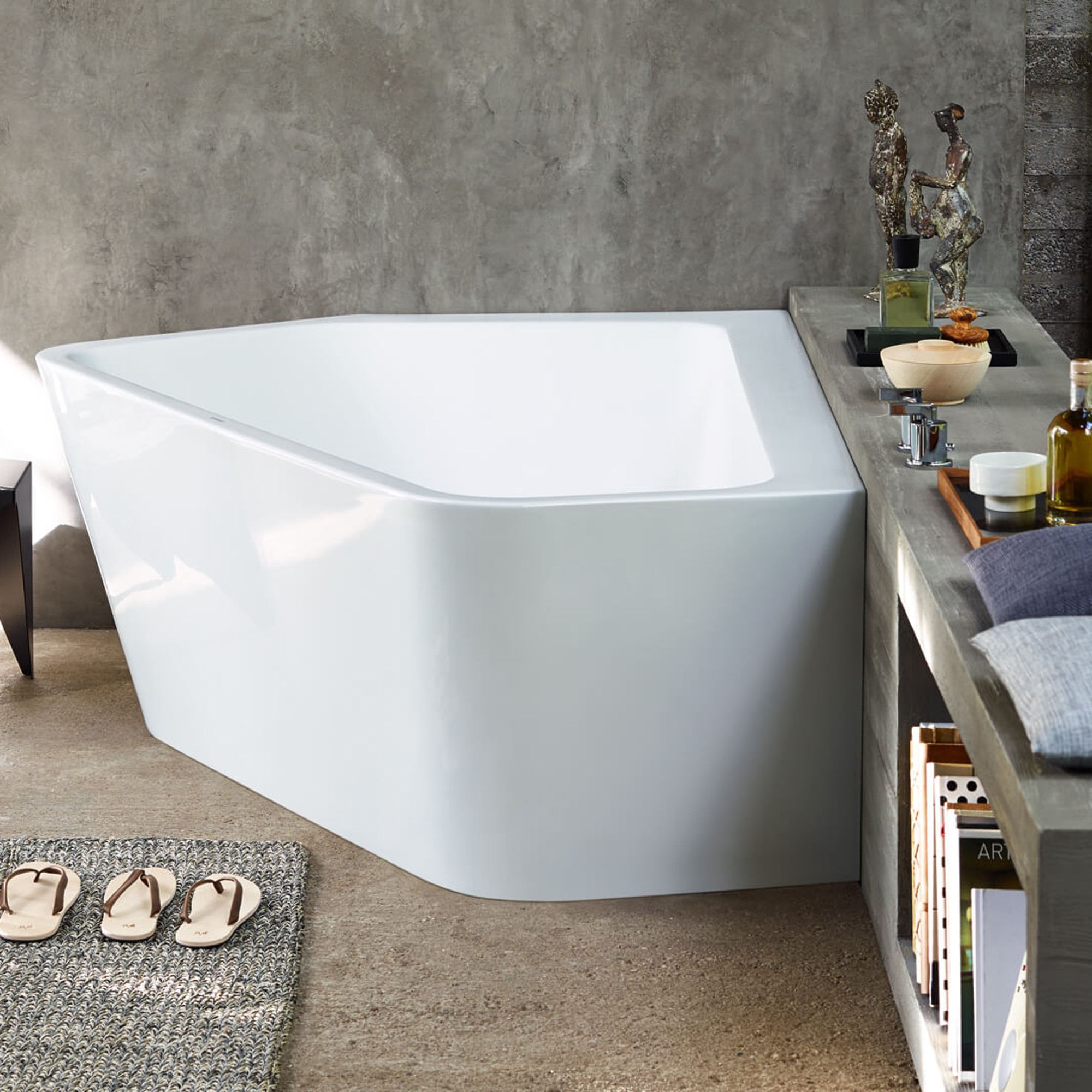
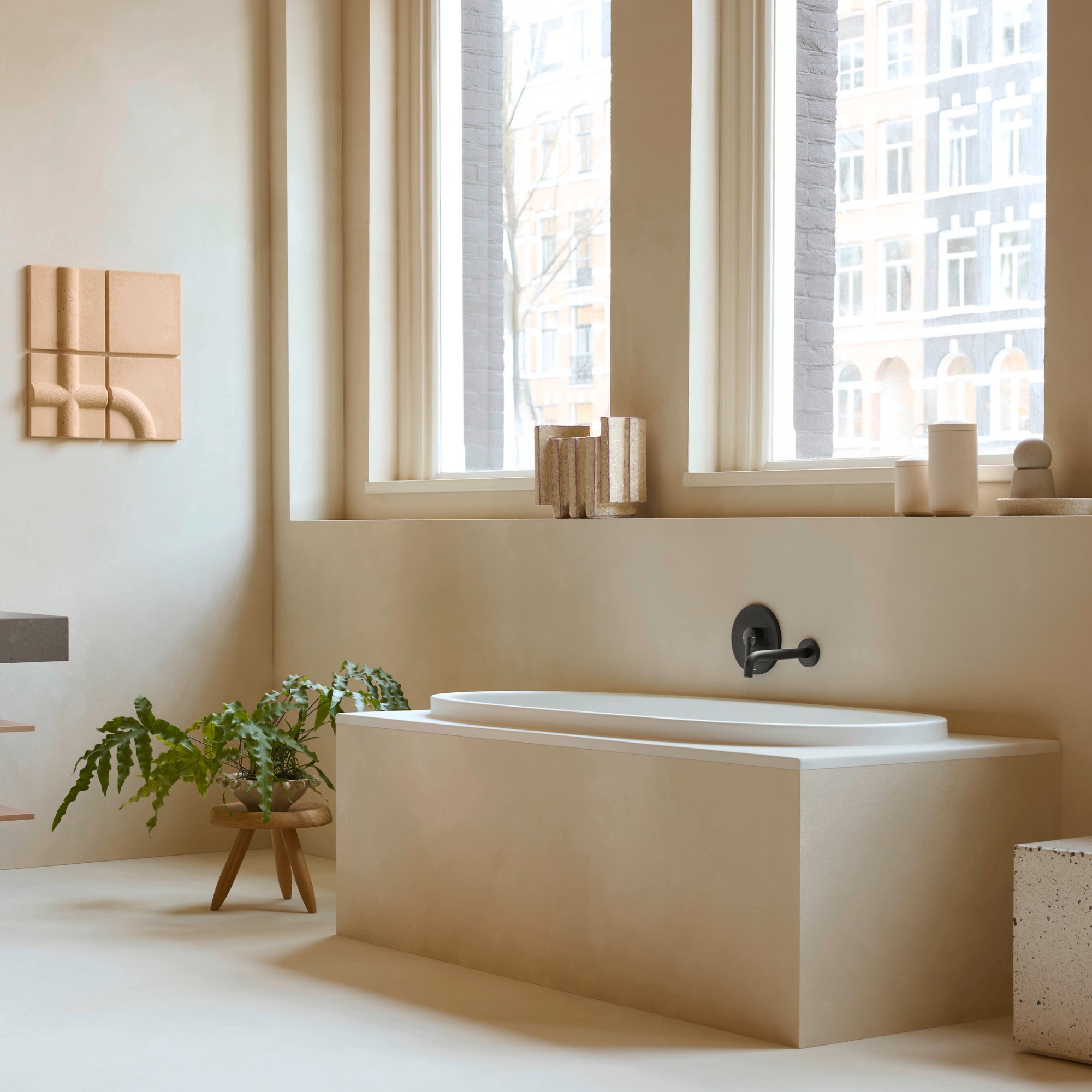
Planblock tiles offer a durable solution. The advantage here is that you can customize them to fit your tub and the specific conditions perfectly. If, for example, you’re planning to tile a corner bathtub that’s set into a niche, this custom solution is often the best option. Here’s how to proceed:

Step 1
Step 2

Step 3
Overview of Materials
Once the foundation for the bathtub surround has been laid, the question arises as to which material is best suited. There are quite a few options to choose from:

Tiles

Vinyl
Wood and wood-look finishes
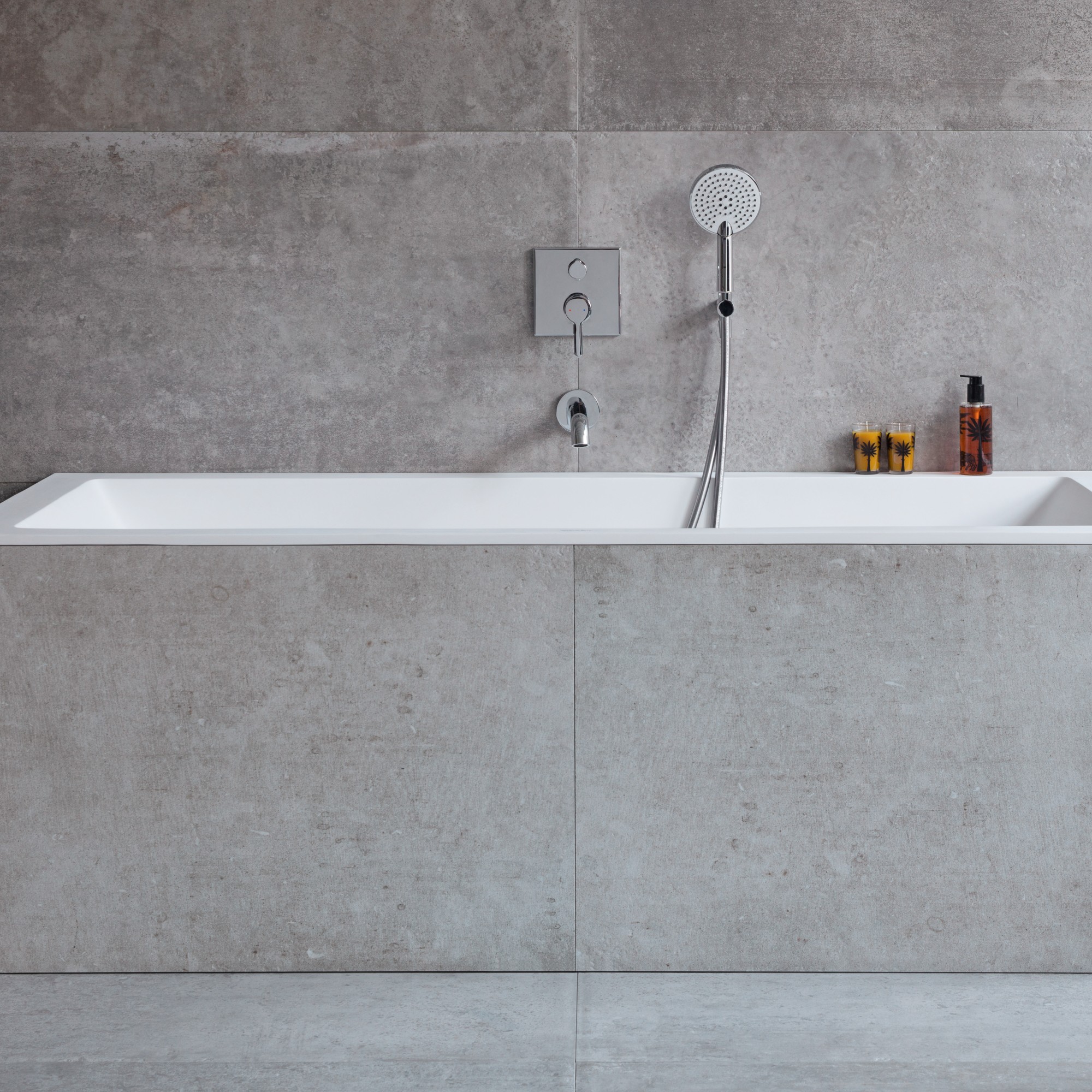
Natural stone
Style worlds – ideas and inspiration
The right material should be chosen not only for practical reasons but also for aesthetic ones. There are numerous ideas for cladding a bathtub. The following are particularly effective:
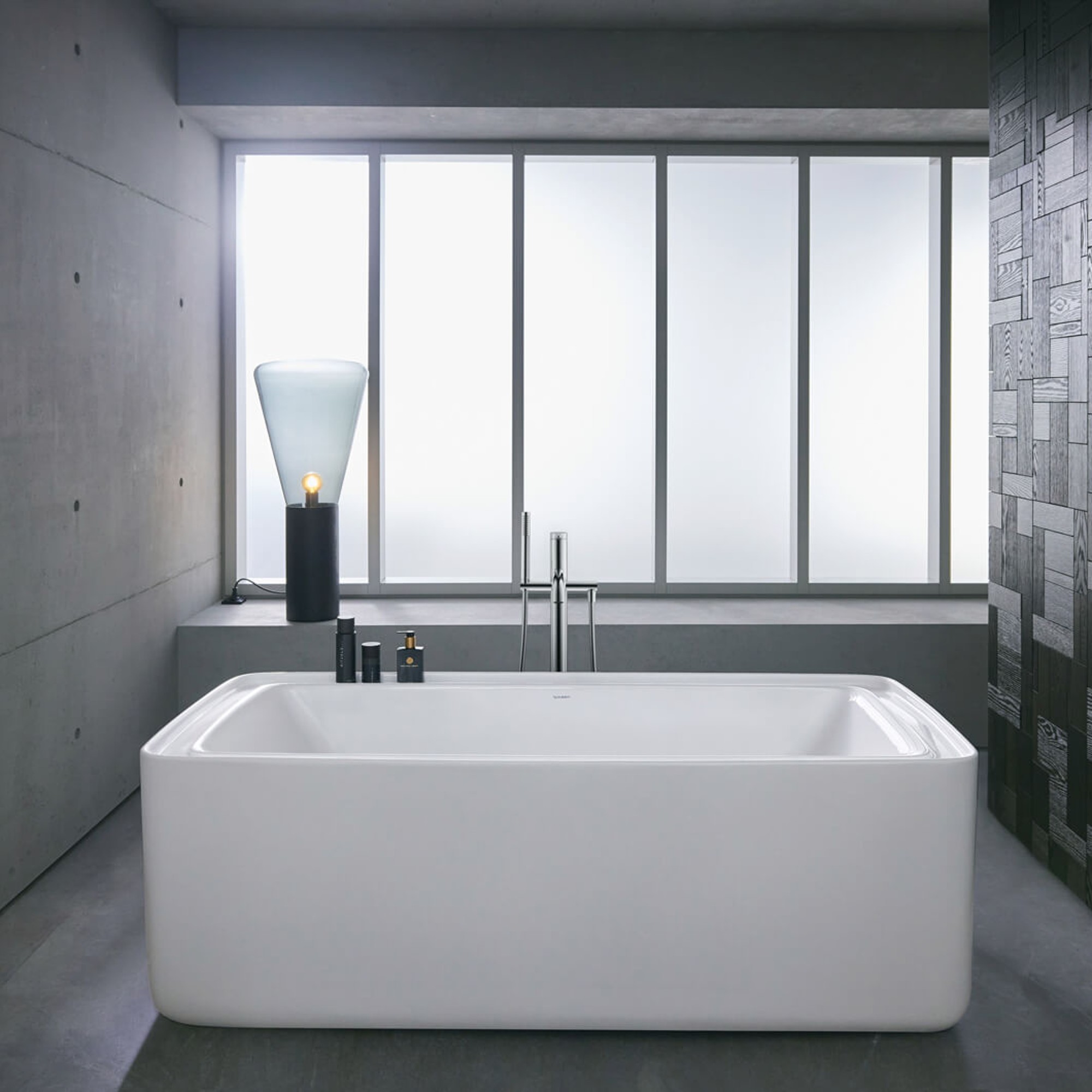
Industrial style
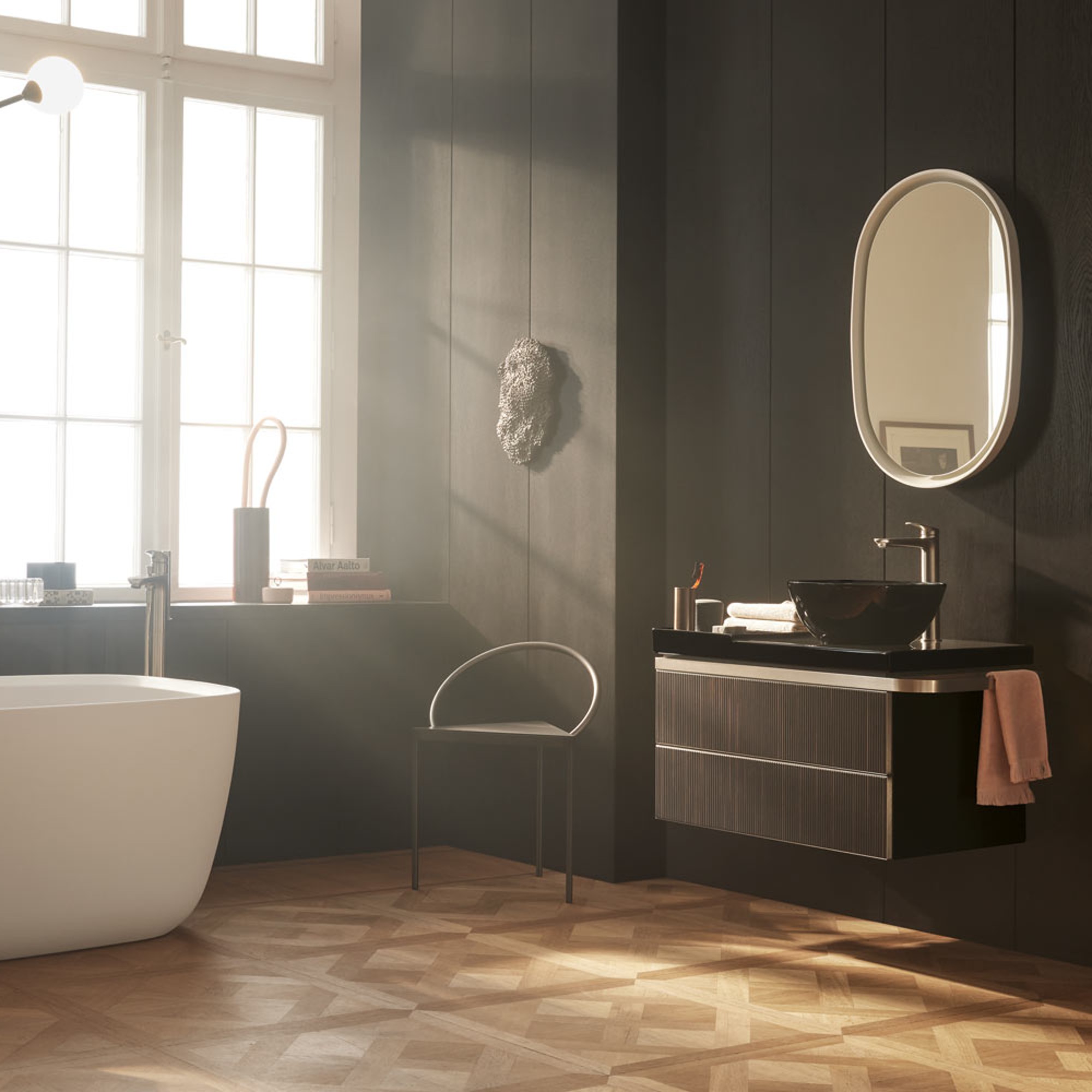
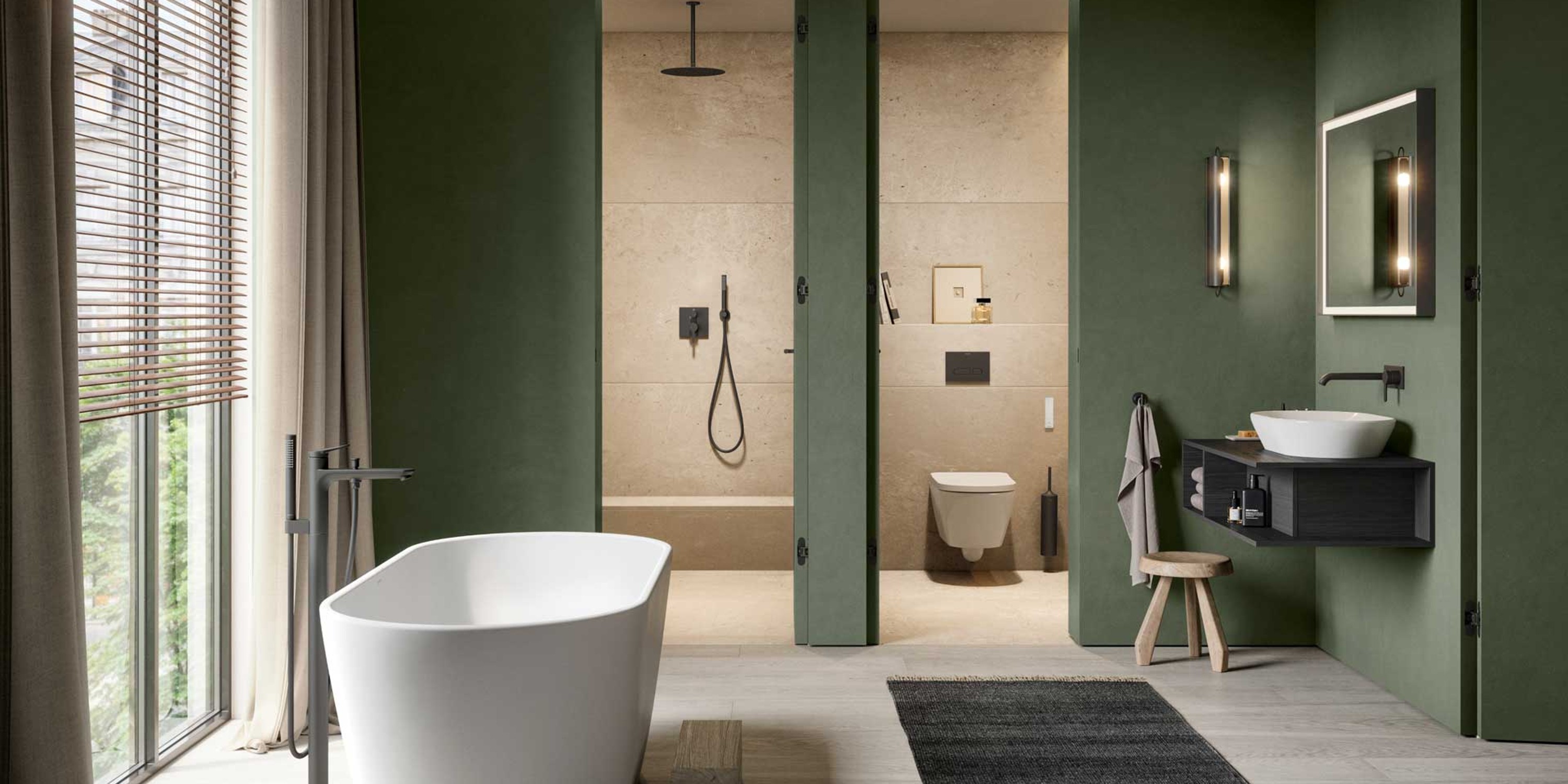
Combined with dark faucets and metal accents, the bathtub can become a real eye-catcher in an industrial-style bathroom. A concrete-look finish is a great choice for the tub surround. For a loft-style look, a brick-look finish is also a good alternative.
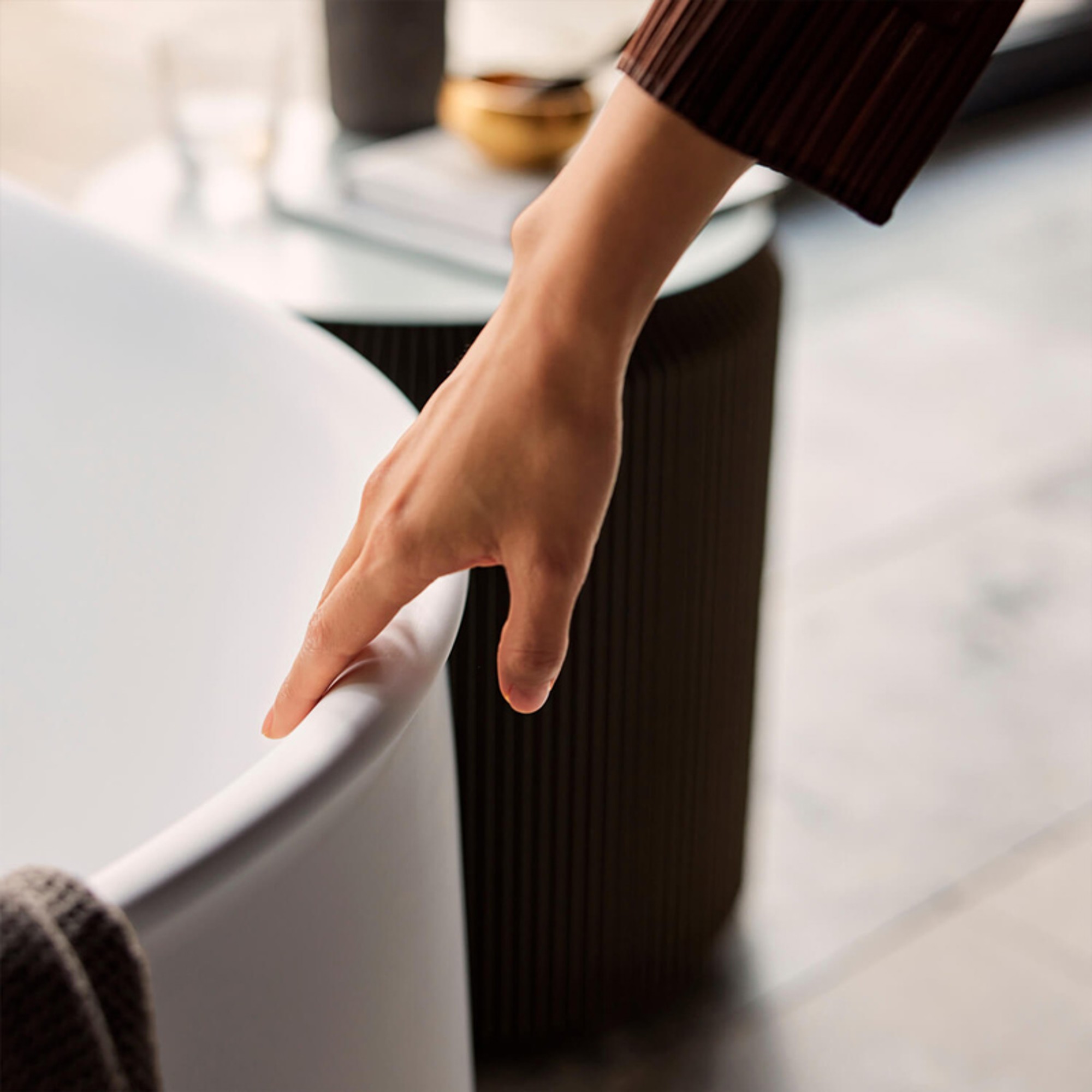
Natural and warm
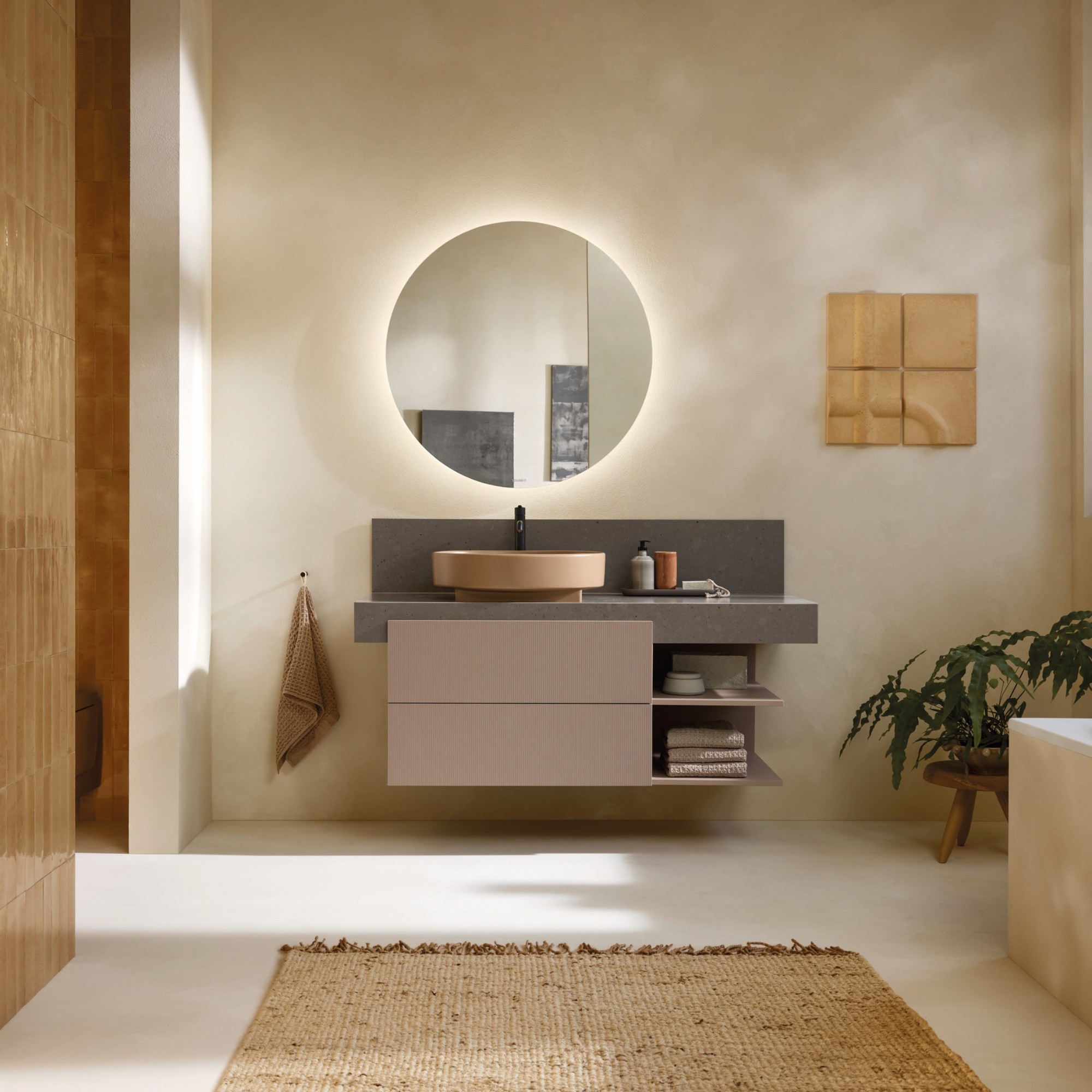
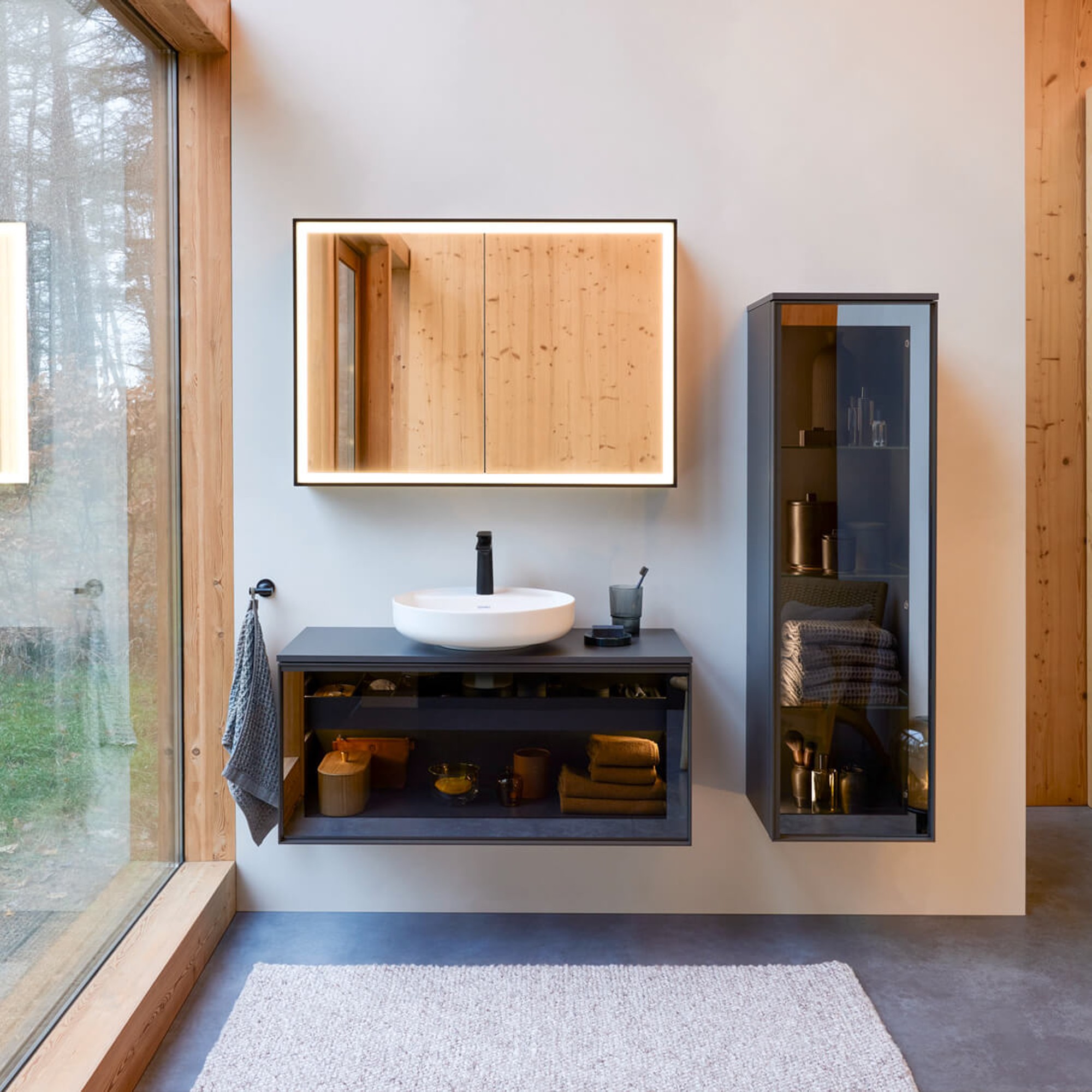
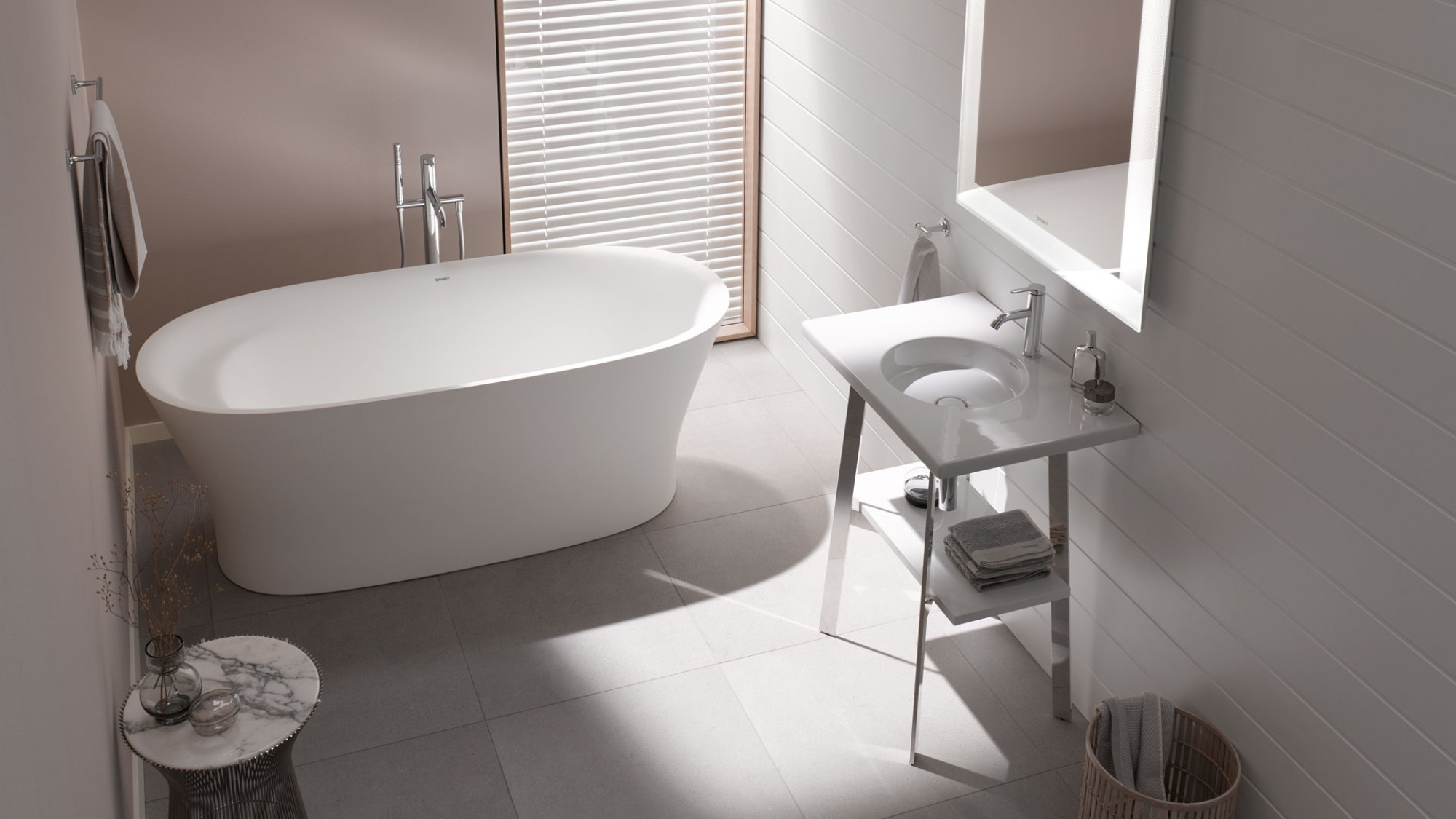
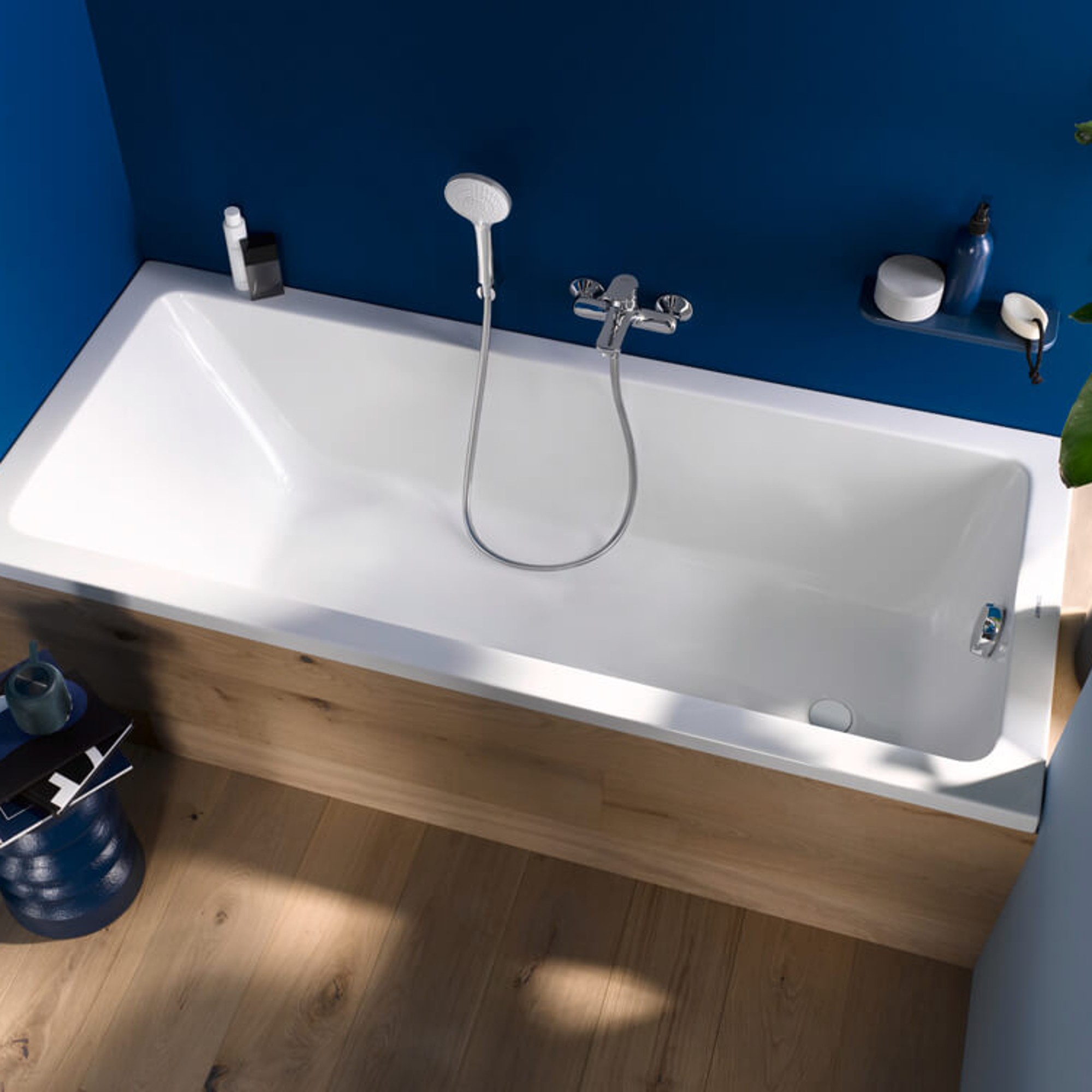
Wood and organic shapes give the tub surround a cozy charm, making it a perfect fit for a Japanese or Scandinavian bathroom.

Luxurious
If you're looking for a bathtub surround for a luxury bathroom, marble is a classic choice. In addition to the material, you should also consider incorporating additional features such as niches and built-in lighting to make the tub a visual focal point.