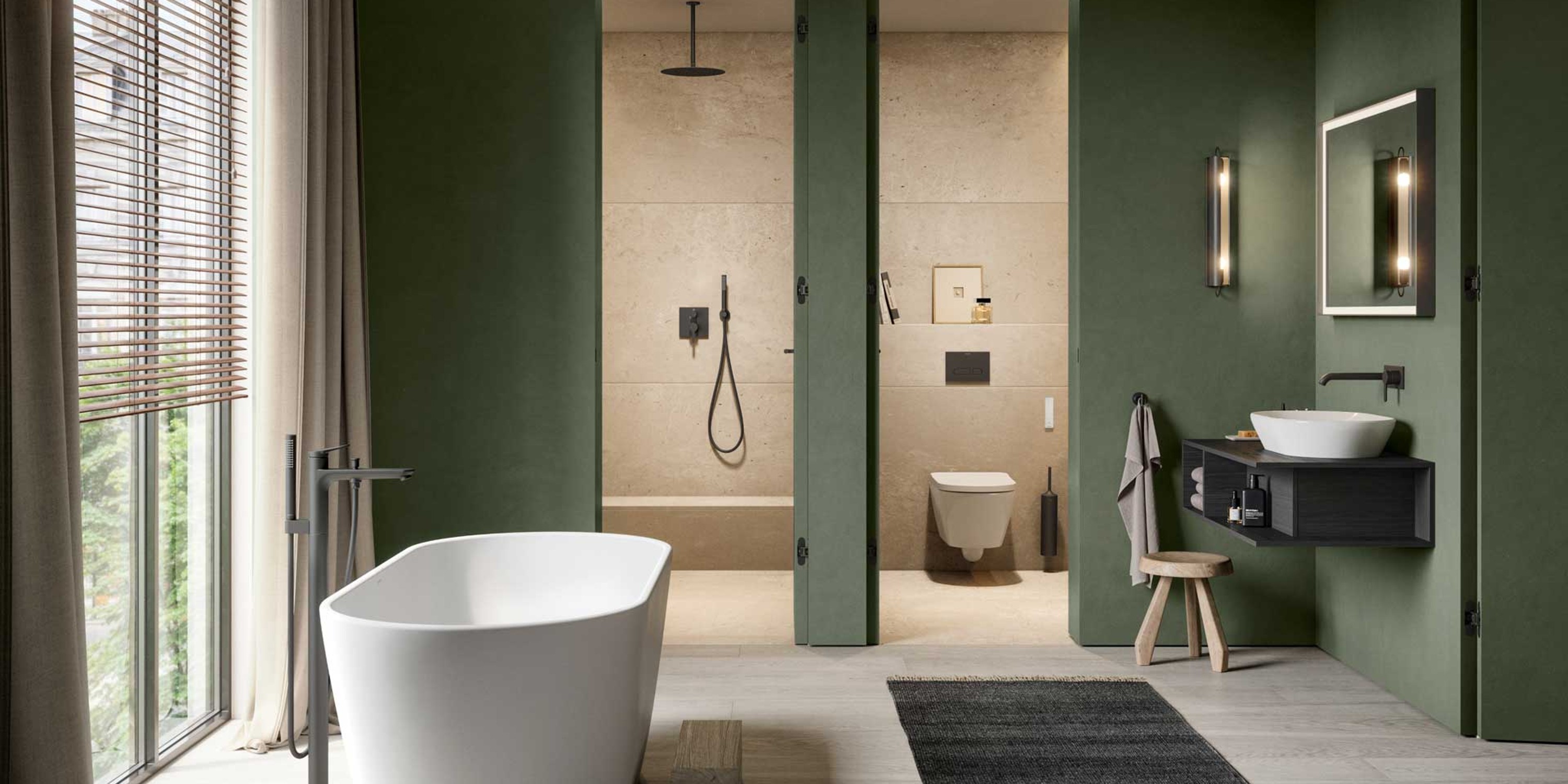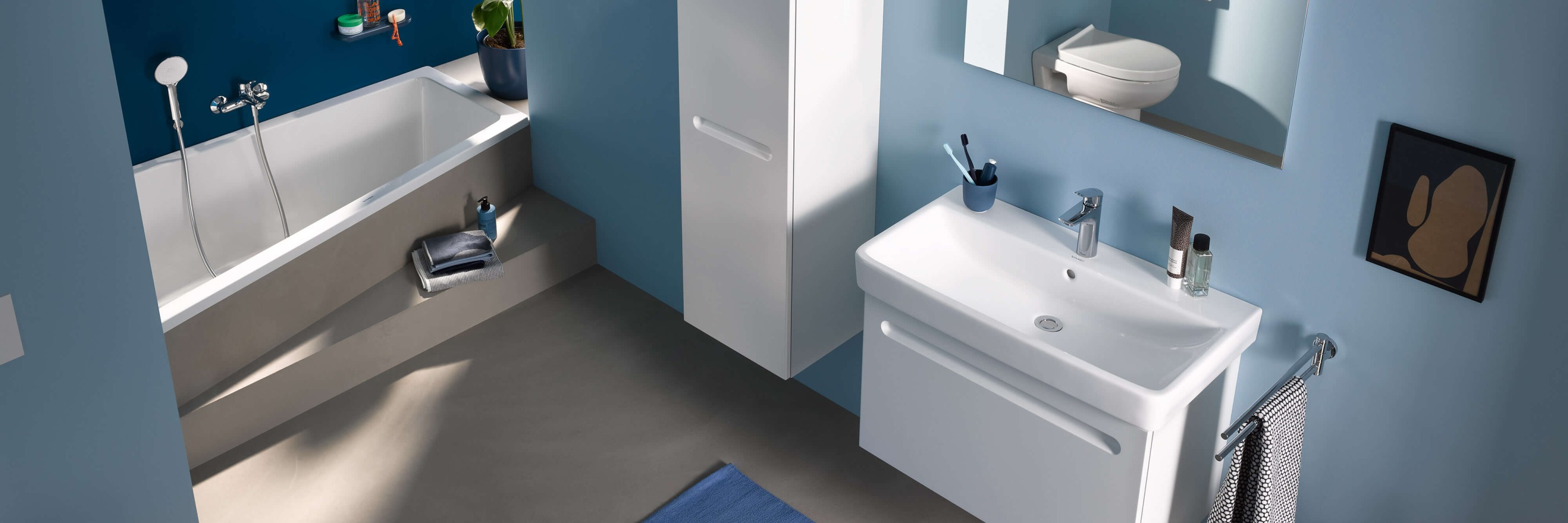
Modern bathroom with a Duravit No. 1 vanity

Seamless bathroom

No tiles—and totally on trend

Whether on the floor or the walls, it’s hard to imagine a bathroom without tiles. Yet a tile-free bathroom is entirely possible and offers practical advantages as well. A seamless bathroom like this provides significantly less surface area for dirt and mold to accumulate and is also easier to clean. The aesthetic aspect should not be overlooked either.

Key points at a glance:

  • Seamless bathrooms promote hygiene: Continuous finishes reduce the likelihood of dirt and mold buildup and make cleaning easier.
  • There are many material options to choose from: concrete ciré, lime plaster, wood, or synthetic resin offer a variety of looks and design possibilities for a tile-free bathroom.
  • Requires careful planning: Waterproofing, sealing, and proper installation are crucial for a durable, seamless bathroom.

Advantages of a seamless bathroom

The benefits of a seamless bathroom should not be underestimated. After all, aside from its practical advantages, a seamless bathroom also has a lot to offer visually:
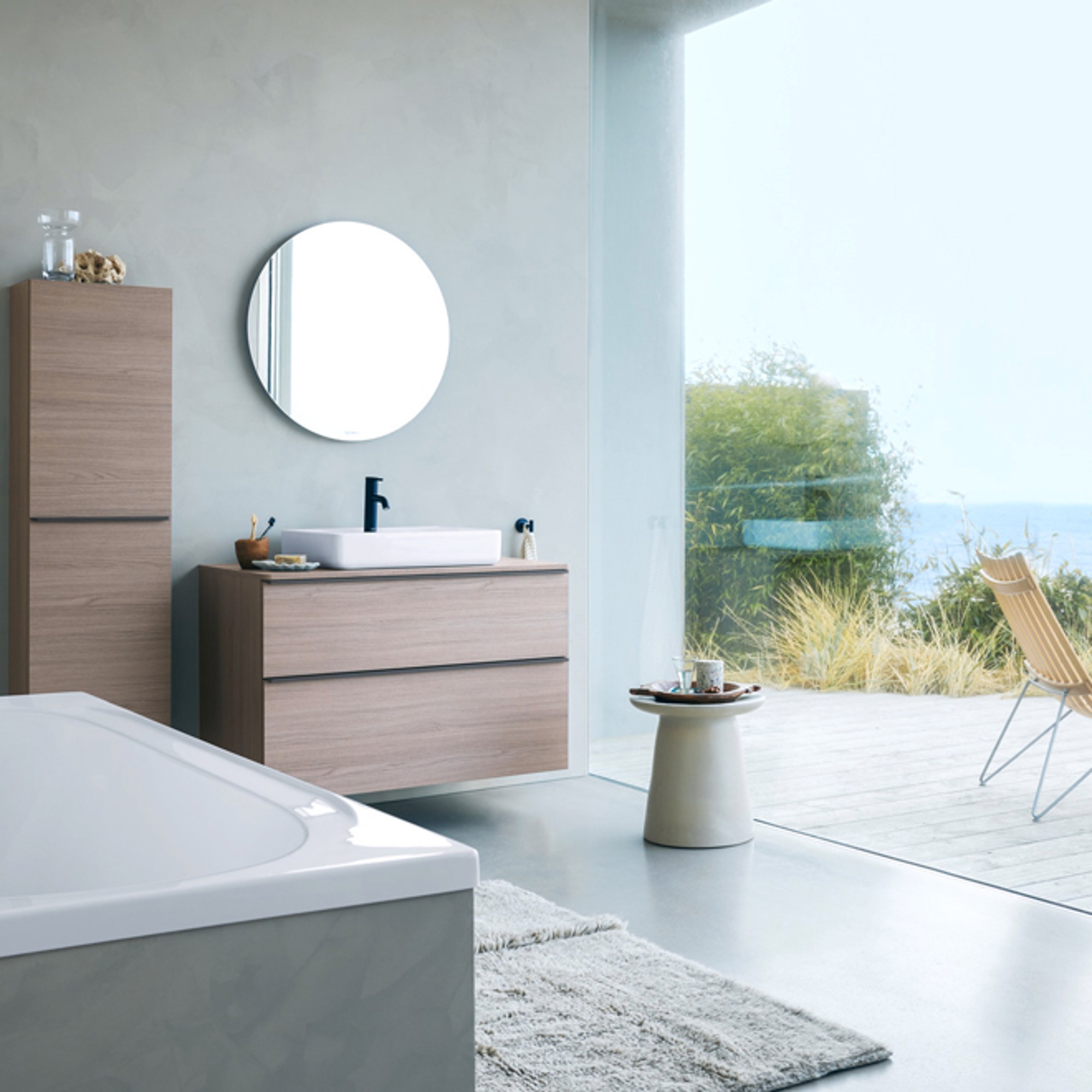
Bathroom with ocean view and Soleil bathtub

Hygiene

Grout lines are a natural breeding ground for mold. This is because debris and/or moisture often accumulate in the gaps, creating the ideal conditions for mold growth. In a grout-free bathroom, there are no such areas.

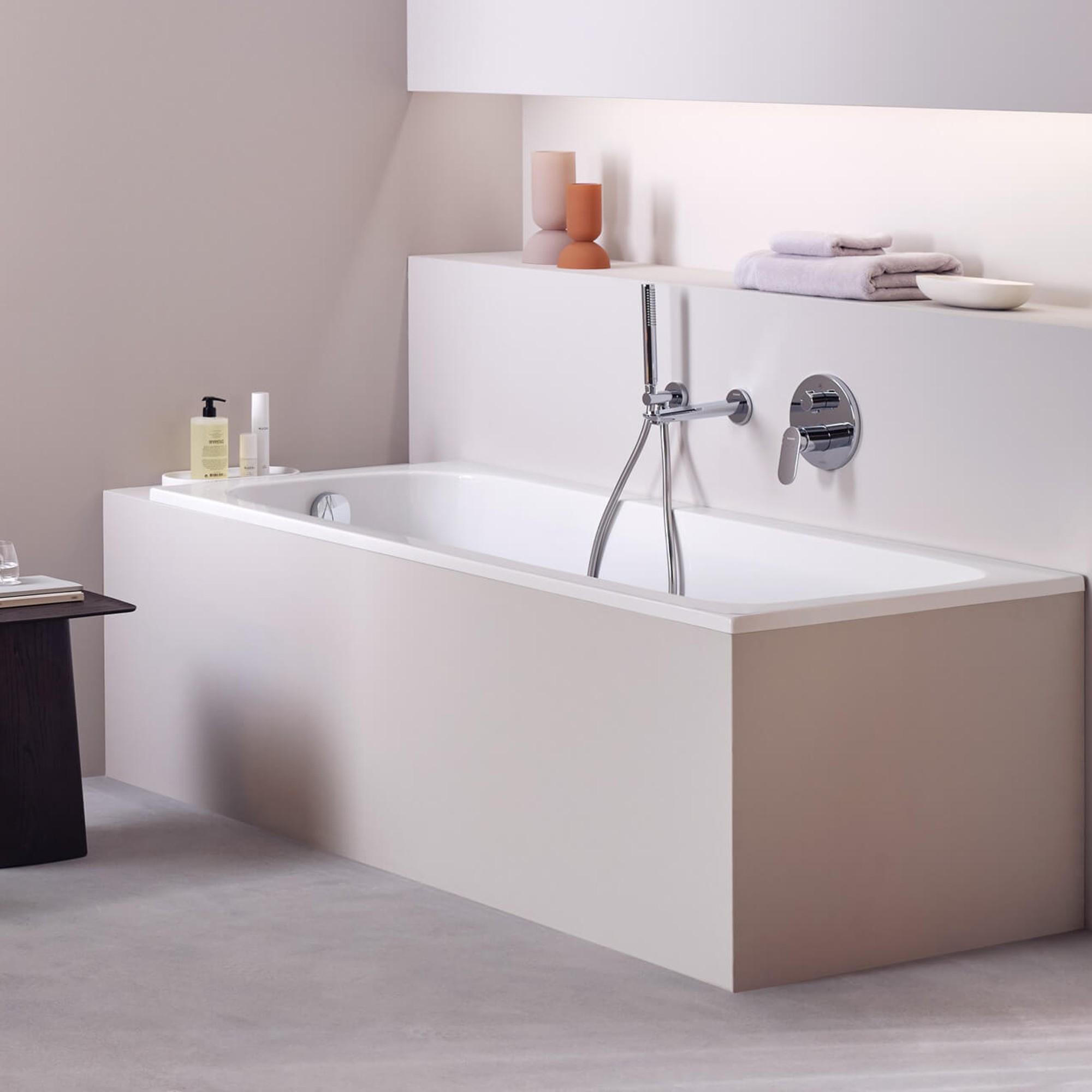
Duravit Qatego Built-in Bathtub

Easier to clean

Even if mold doesn't form, grout is often difficult to clean and can become discolored over time. In a bathroom without tiles, on the other hand, the finishes can simply be wiped down.

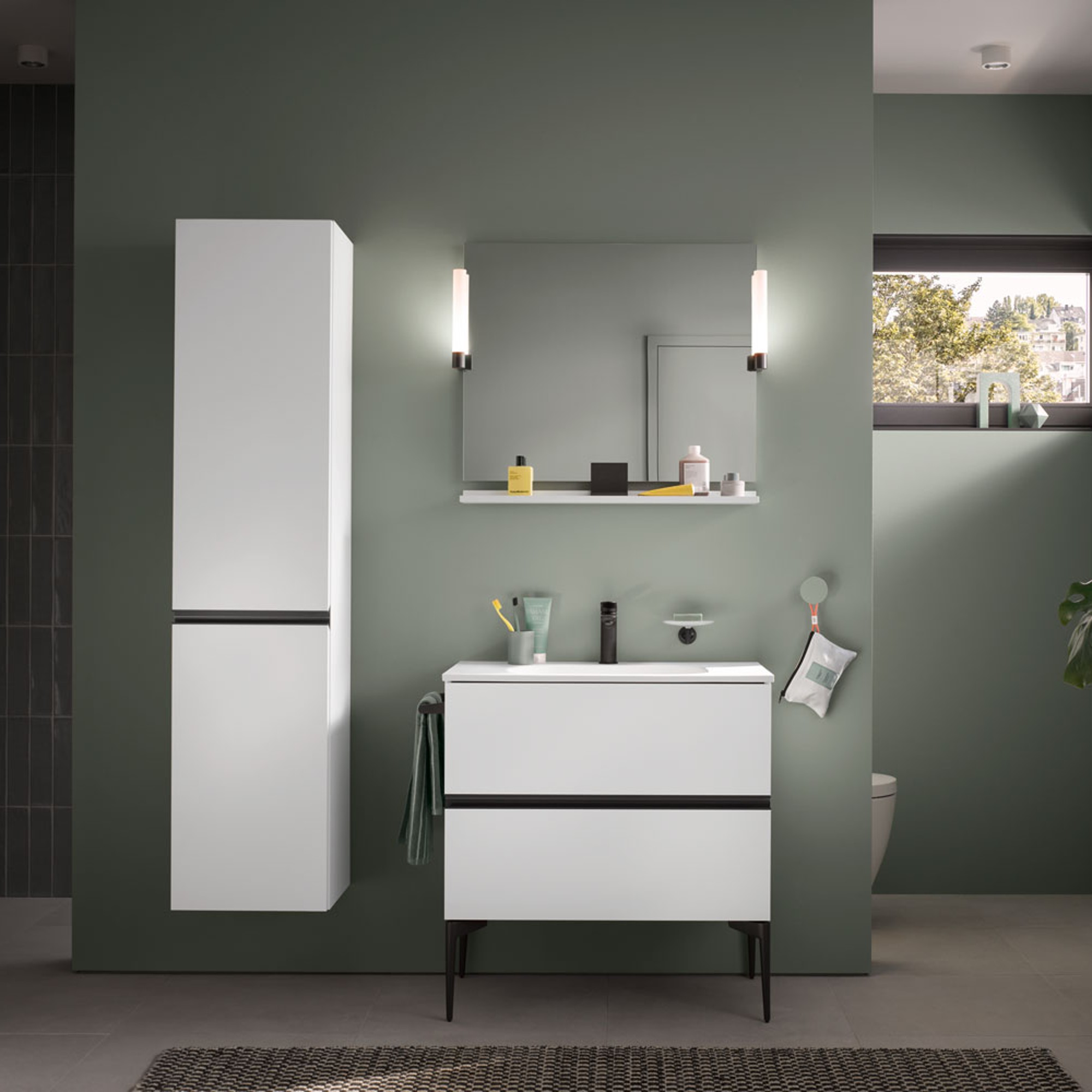
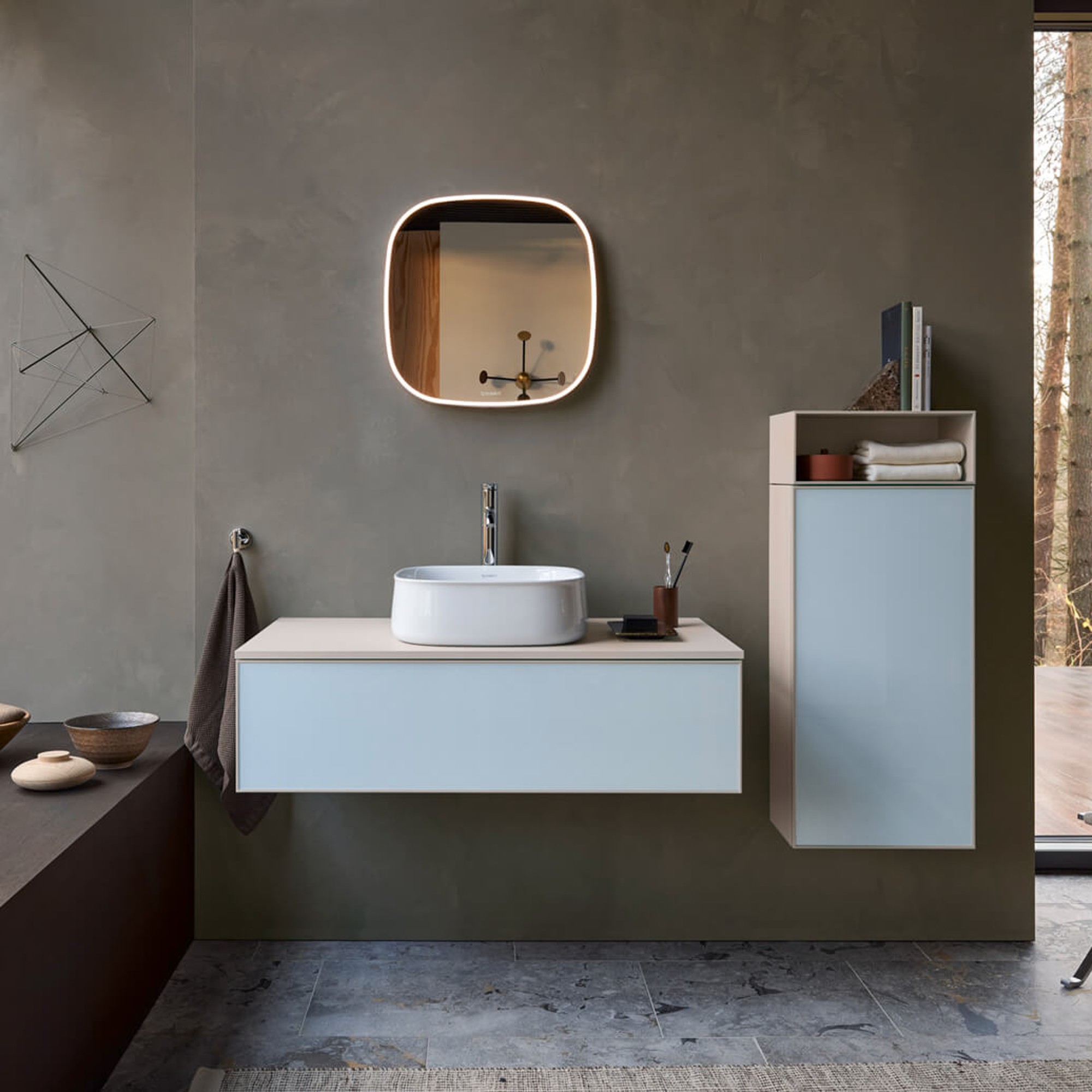
Duravit Sivida sink area and bathroom furniture in a seamless bathroom

Spacious feel

Rooms without joints and with seamless finishes automatically appear larger to the eye. That’s why a small bathroom in particular benefits from this look.

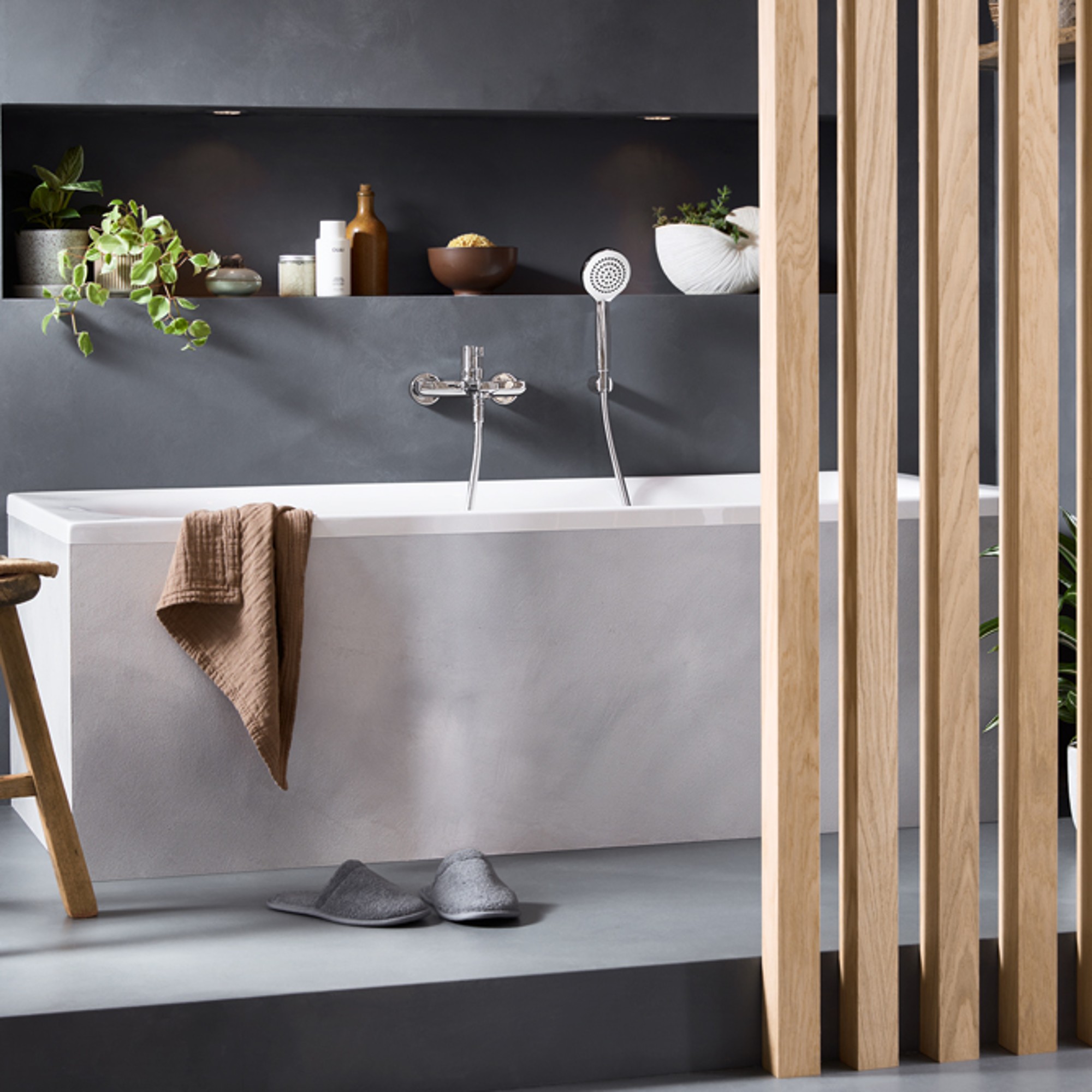
Duravit D-Neo bathtub in front of a seamless wall

discretion

A seamless bathroom allows for the use of materials such as wood or continuous natural stone, which are difficult to achieve with tiles. Even if you want a tiled look, it can be easily replicated in a seamless bathroom—essentially, seamless tiles.

Possible materials for a seamless bathroom

Since tile is not used in a seamless bathroom, the question arises as to what would be a suitable alternative. When it comes to materials, there are a wide variety of options, each with its own unique charm, that can create a completely different atmosphere in the bathroom.
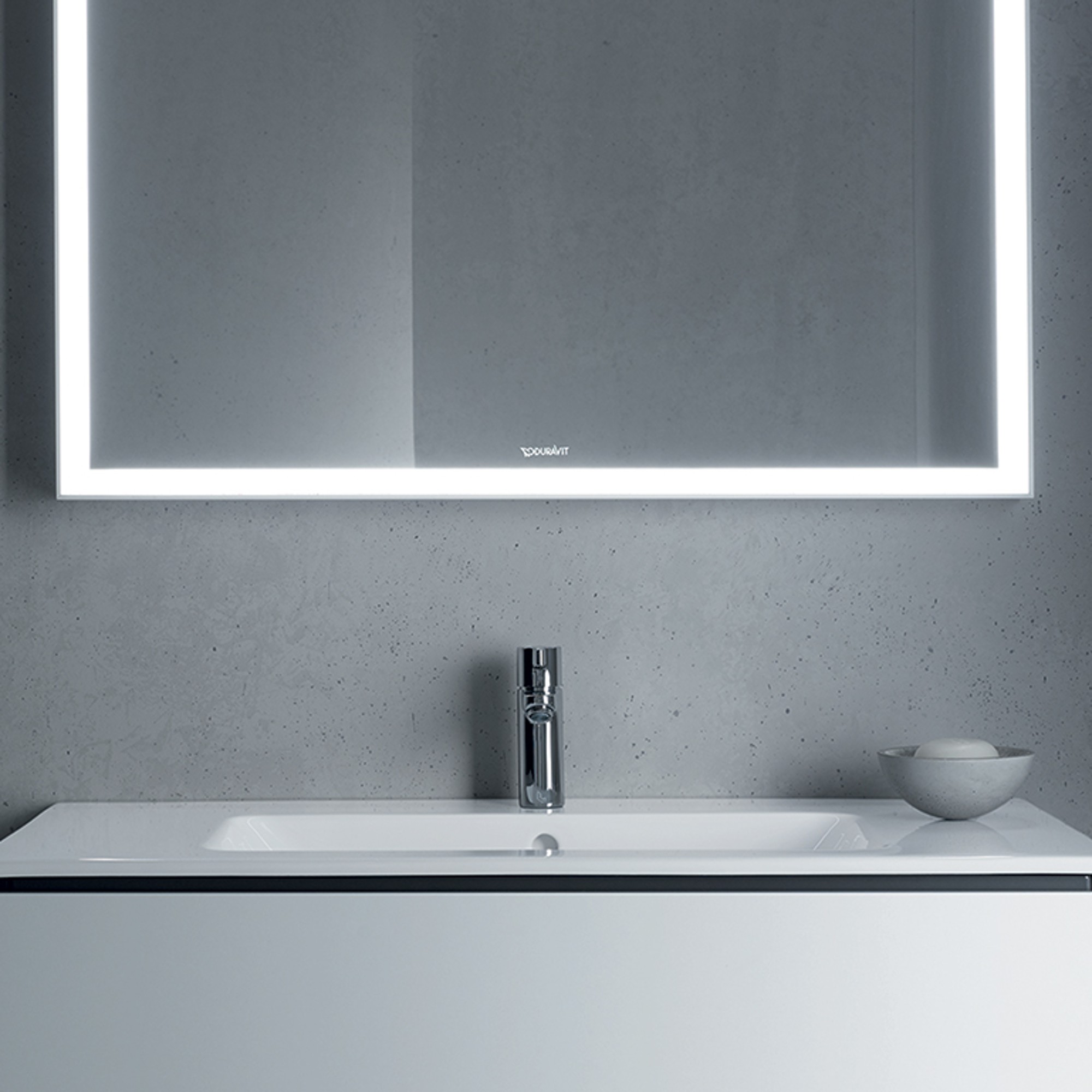
Duravit sink area in front of a concrete-finish wall

Wash-Coat

Although the name might suggest otherwise, this isn’t actually concrete, but rather a waterproof fine plaster that is therefore ideal for a seamless bathroom. Visually, Beton Ciré complements a bathroom with a modern industrial look.

But it also pairs perfectly with other styles as part of a gray bathroom.

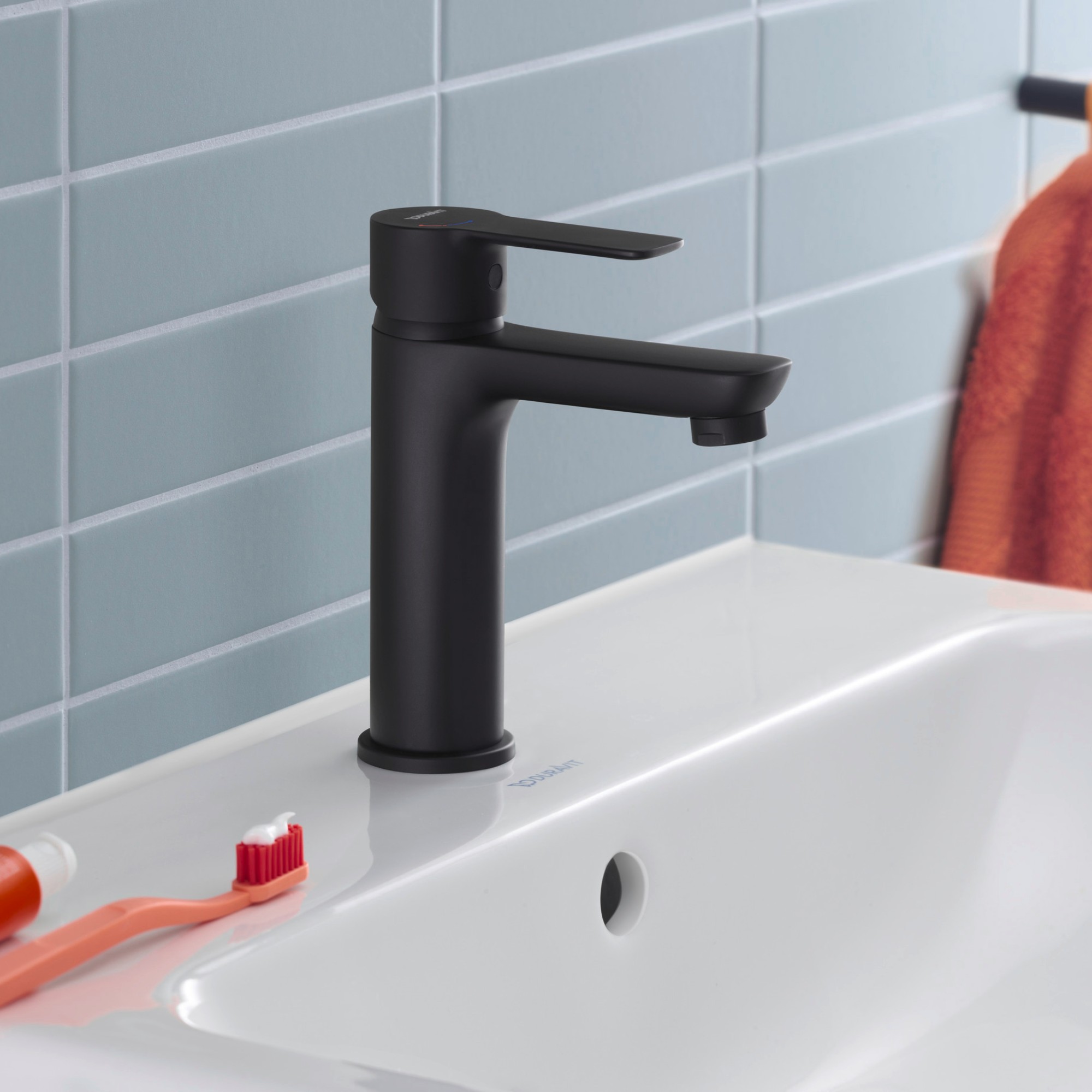
Countertop sink with single-lever mixer

Lime plaster

This type of seamless bathroom is both traditional and sustainable. The technique used dates back to ancient times, and the natural material hardens completely without any additives. Water rolls right off the surface, and the wall itself can be painted any color you like.

With the right mixture, you can even create a marble-effect lime plaster that gives your bathroom the perfect marble look.

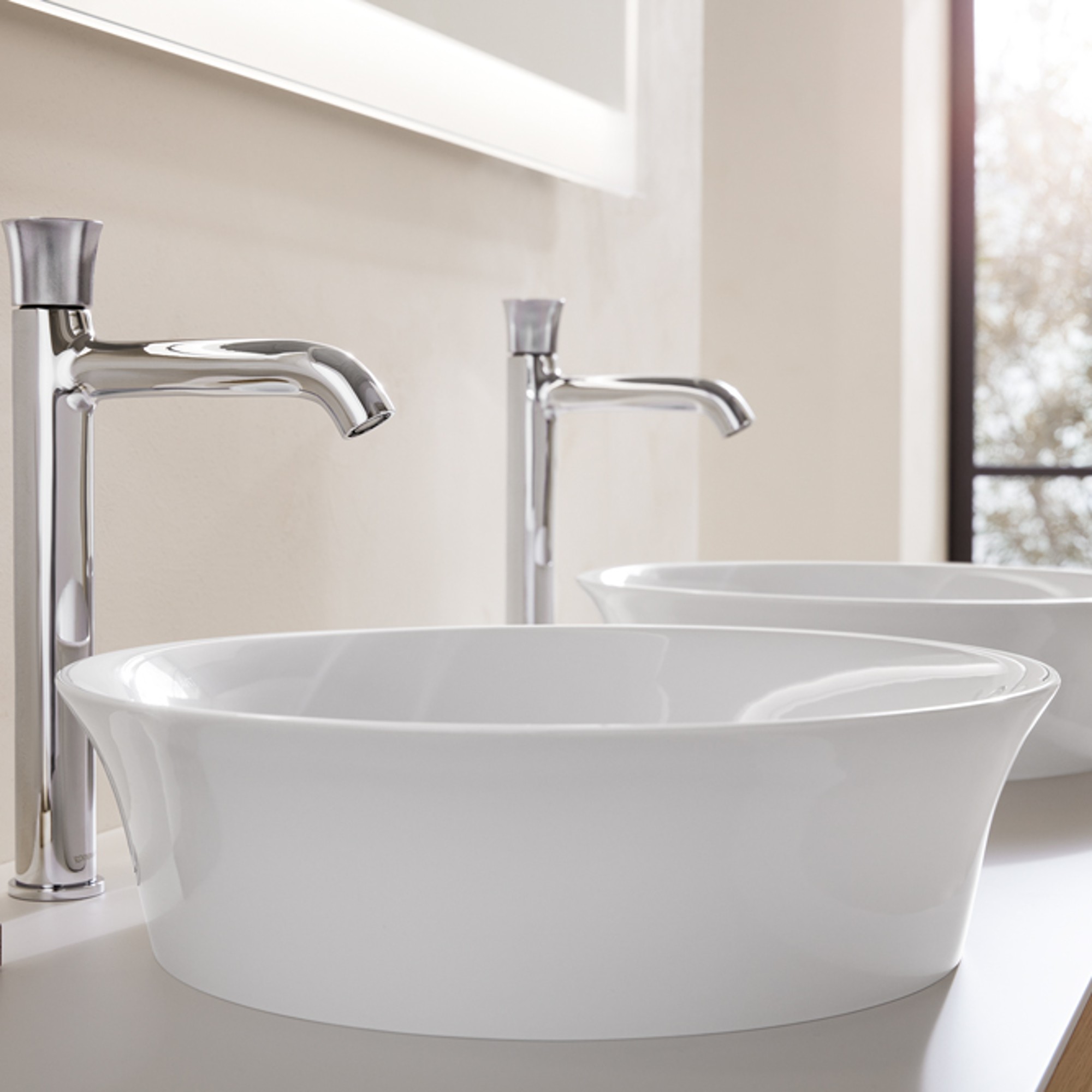
Vitrium countertop sink paired with Tulum faucet in chrome

Wood

Thanks to its natural, warm feel, wood is a popular choice for interior design and can also be used in the bathroom. If you’re looking for real wood, we recommend types that absorb little moisture, such as oak or teak.

Nevertheless, proper sealing is required here, and especially in areas near standing water or where splashing water is likely, using wood can quickly lead to problems. Alternatively, for a seamless bathroom with a wood-look finish, more water-resistant materials such as laminate or vinyl are also an option.

Bright bathroom with a Zencha countertop sink and mirror

Synthetic resin

Resin is a good option for a seamless bathroom, as it does not react with water and is generally durable and easy to maintain. The material is also available in a wide variety of colors and patterns, offering great design flexibility. Unlike other options, however, resin is entirely synthetic.

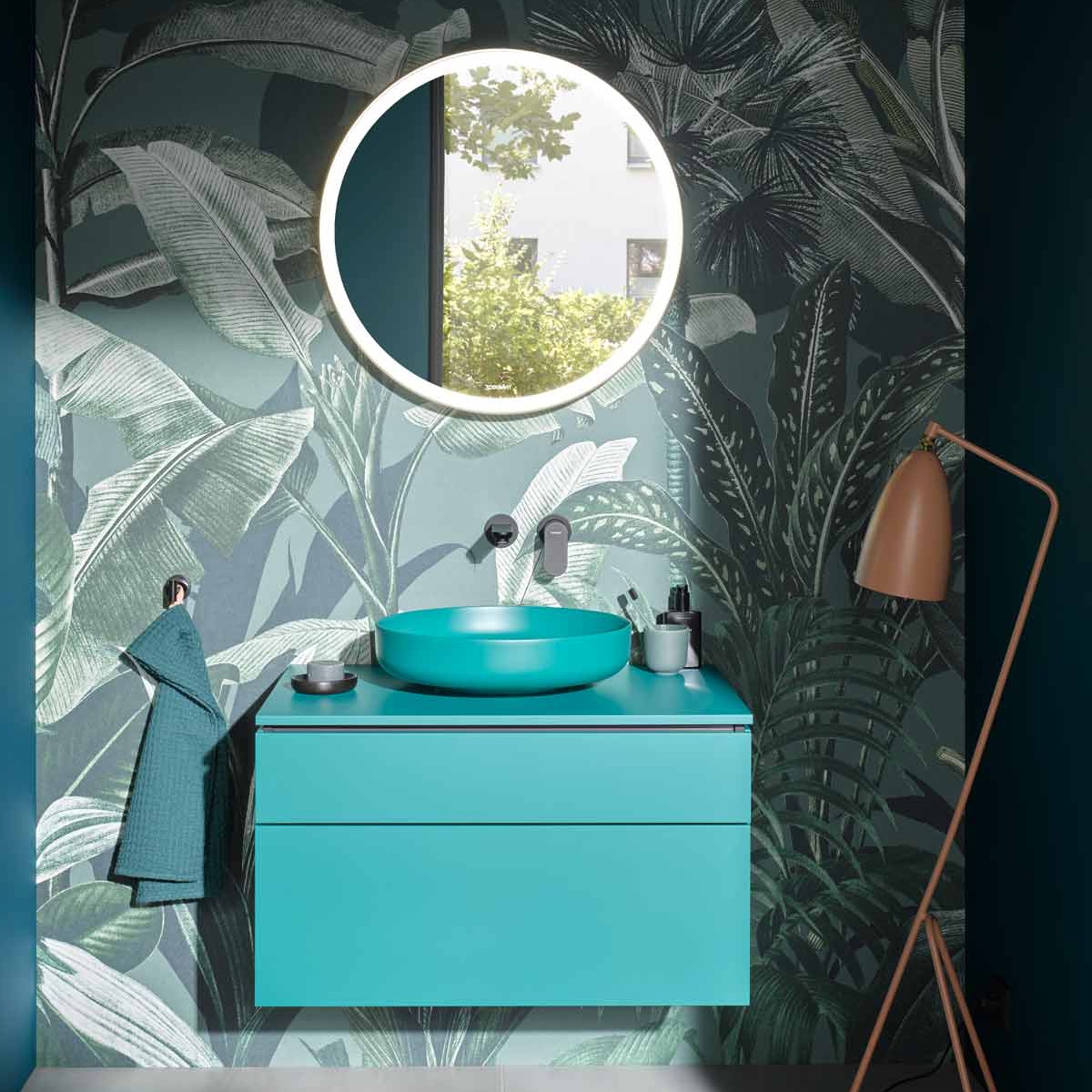
Duravit Vitrium Color countertop sink and vanity unit against floral wallpaper

Wallpaper

Wallpaper can also be used in a seamless bathroom, provided you choose a type that is water- and steam-resistant. It is also important to use a suitable adhesive designed for moisture-resistant wallpaper. With a wide range of colors and patterns—including photo wallpaper—this offers particularly personalized design options for a seamless bathroom.

However, just like wood, even moisture-resistant wallpaper is not suitable for constant contact with water—such as in a shower area.

The seamless shower

More than any other part of the bathroom, the shower area is exposed to the harsh effects of water. This is because the walls here come into contact with water and steam most frequently, and small puddles often form around the shower. Nevertheless, it is perfectly possible to install a shower without tiles.
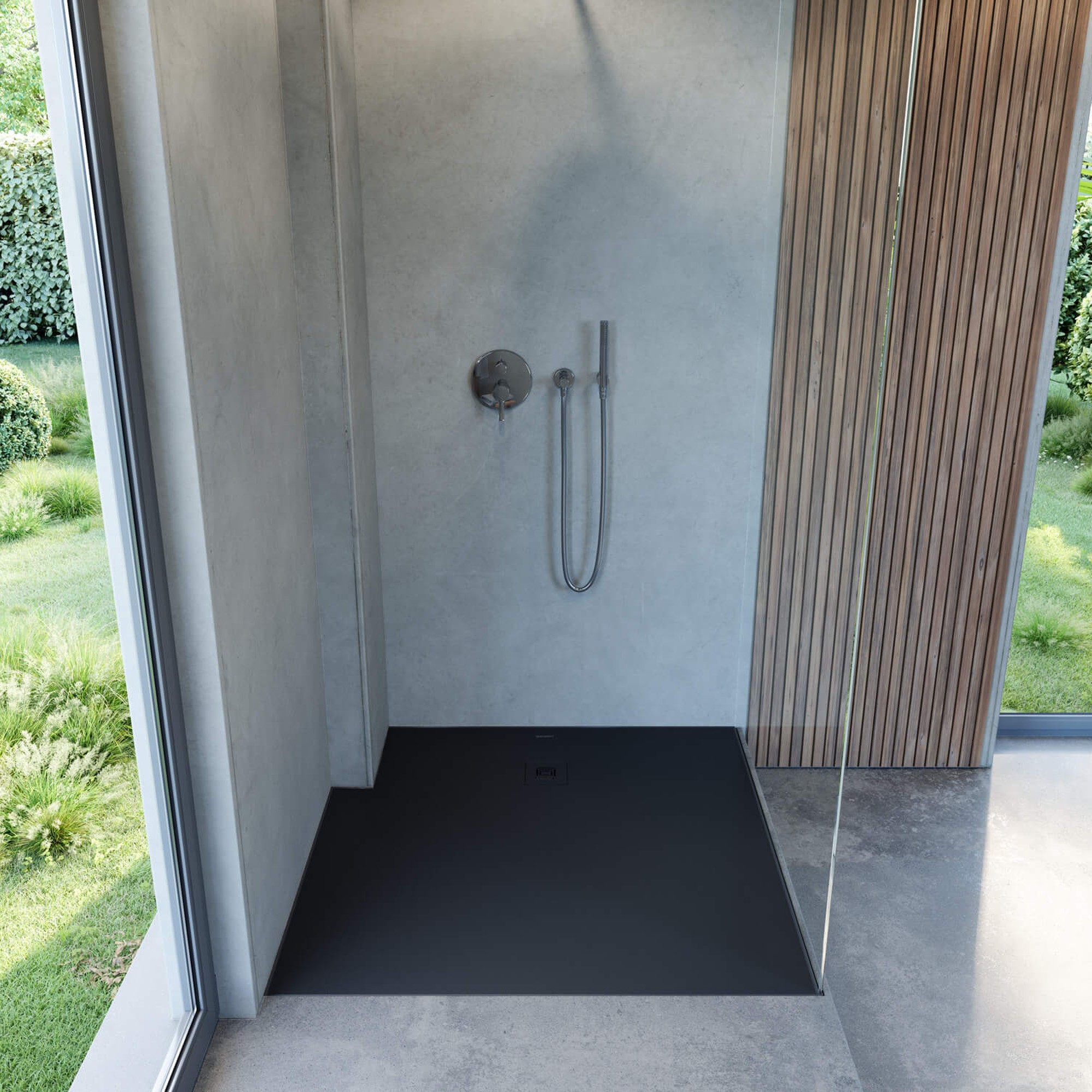
Duravit Sustano Shower Tray

Shower screen

In addition to the materials mentioned above for a grout-free bathroom—which are also suitable for the shower—complete shower back panels are also available. The practical advantage here is that they can be adapted relatively easily to the layout of your bathroom. Sloped ceilings, for example, are no problem. They can also be installed quickly during a renovation without the need for lengthy tiling work. A variety of finishes and printable finishes provide the right aesthetic.

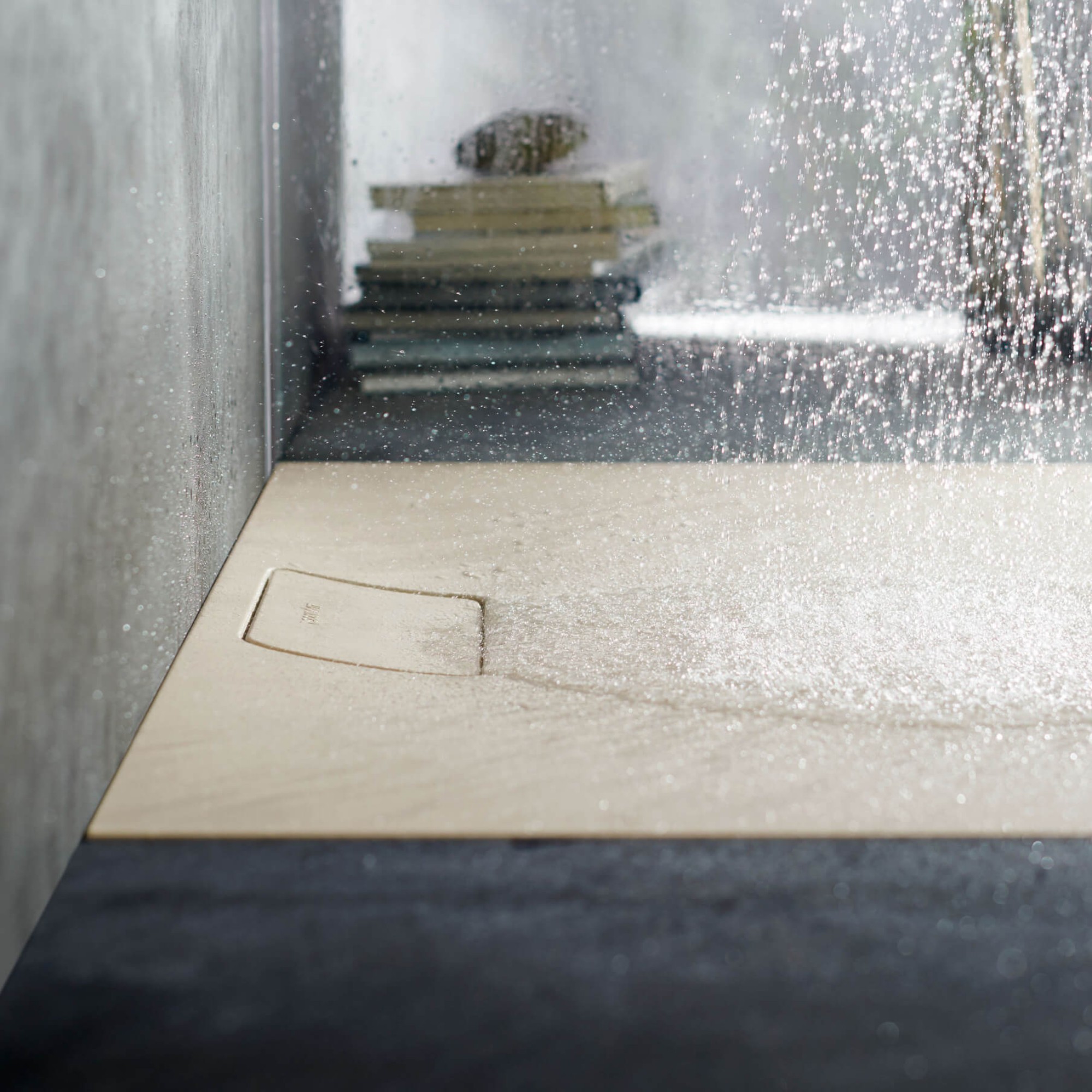
Duravit Stonetto shower tray with cascading water

Shower tray

For the seamless transition that defines the look of a jointless bathroom, floor-level shower trays are highly recommended. This allows the shower to blend seamlessly into the overall design of the bathroom and ensures good hygiene without any vulnerable joints.

Planning a Seamless Bathroom

If you’re renovating your bathroom without tiles or want to install a seamless bathroom yourself in a new home, it’s definitely a good idea to plan ahead. That’s because many of the materials require specific installation and/or sealing techniques to ensure that moisture doesn’t seep into the gaps.

If there is one drawback to a seamless bathroom, it is the slightly greater effort required to install it. Accordingly, the initial costs for a seamless bathroom may also be higher if you need to hire professionals. Ultimately, however, this depends heavily on the materials you choose for your seamless bathroom. It’s helpful to get detailed information from a specialty retailer in advance to determine what requirements apply.
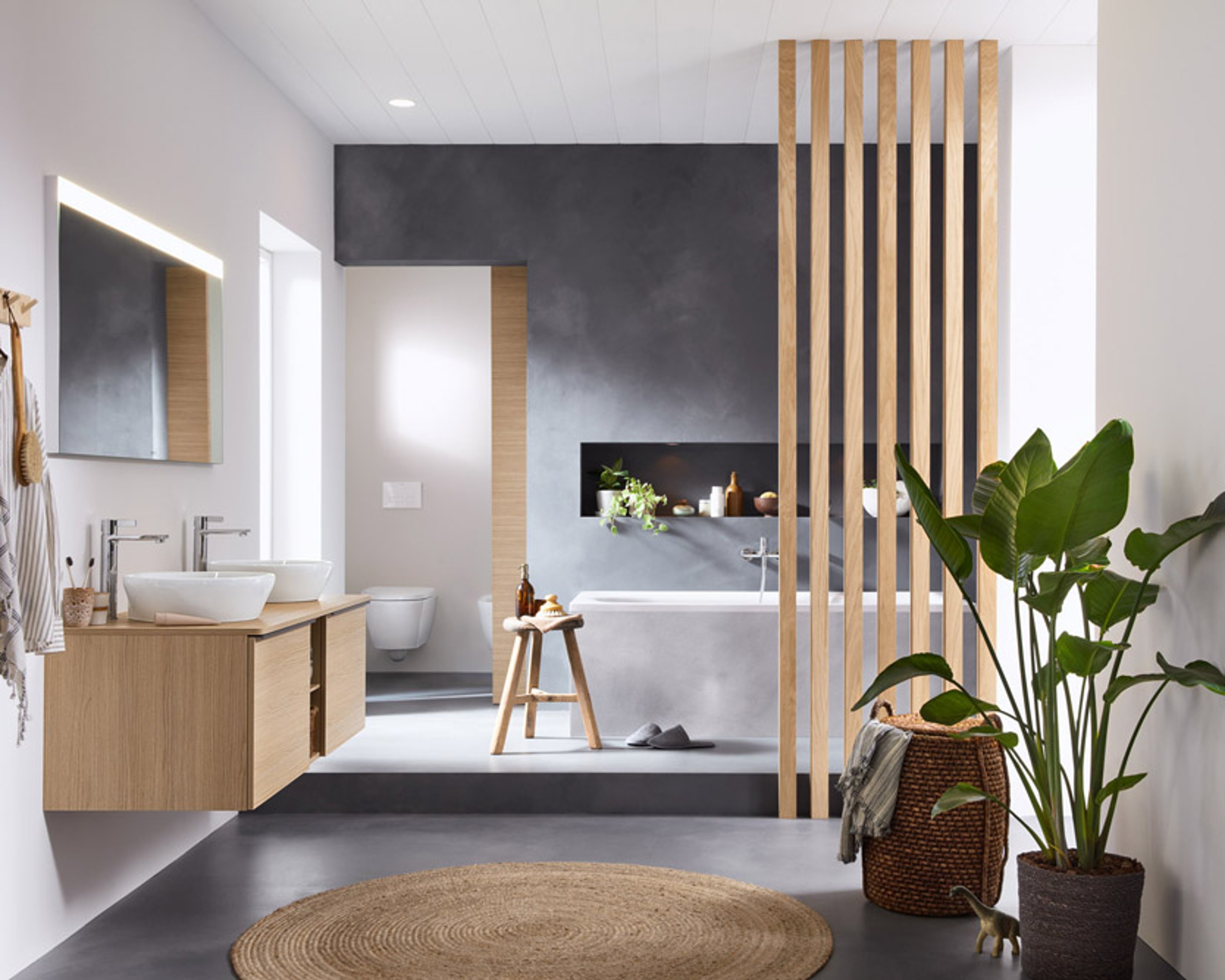
Bathroom with Duravit D-Neo bathroom furniture and bathtub