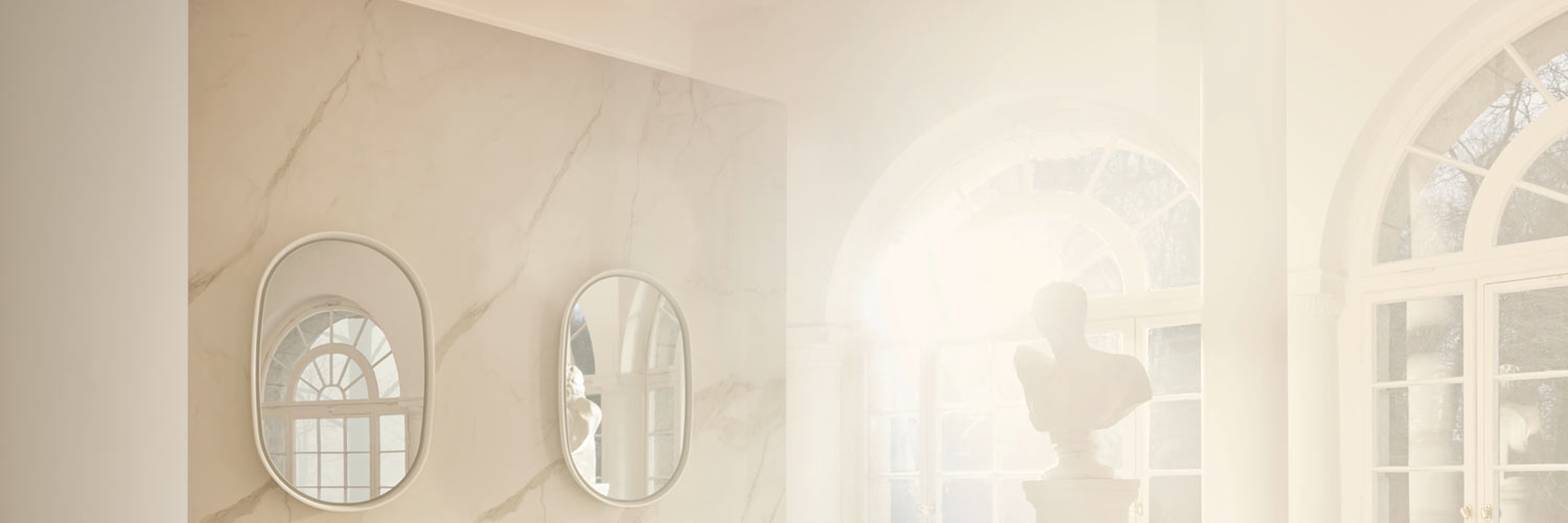
Marble bathroom
Classic aesthetics with a fresh new look
Key points at a glance:
- Choosing the right type of marble: Different types of marble come in different colors—each giving the bathroom its own unique look.
- Balancing aesthetics and practicality: Real marble stands out for its exclusivity and natural beauty, while marble-look tiles are easier to maintain and better suited for the bathroom.
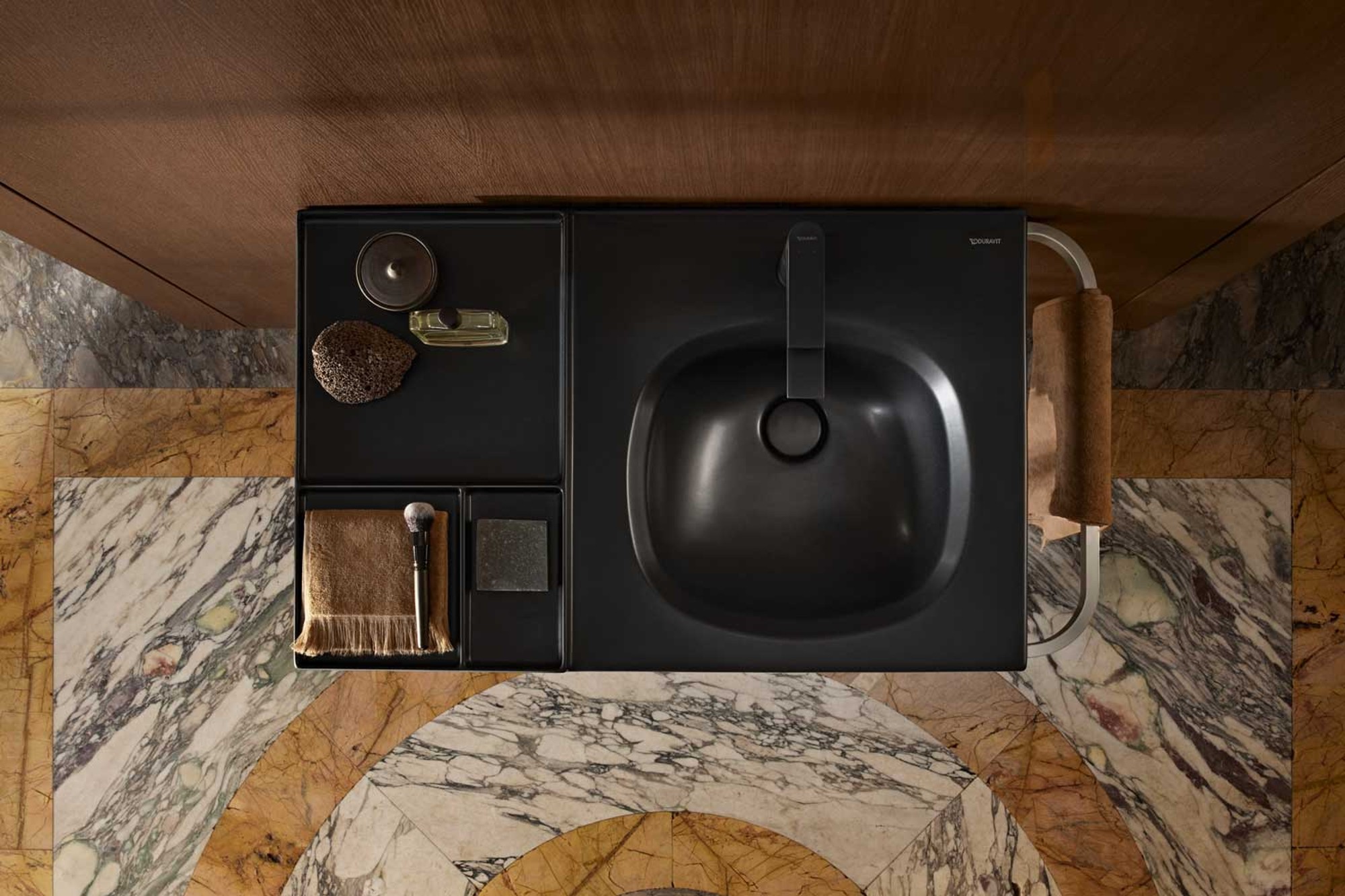
- Harmoniously combining materials: Wood, metal, and ceramic complement marble beautifully, creating modern yet cozy bathroom designs.
The most common types of marble
Not all marble is created equal. This exquisite stone comes in various types, each of which is quarried in a specific region. A marble bathroom can be both modern and affordable. While genuine marble isn’t cheap, those who don’t want to compromise on aesthetics can also consider a bathroom with a marble-look finish. High-quality alternatives, such as porcelain tile, often offer practical advantages as well. Visually, these typically mimic the appearance of real marble. The easiest way to distinguish them is by color.
By the way: We can also tell you which colors in the bathroom work particularly well with it.
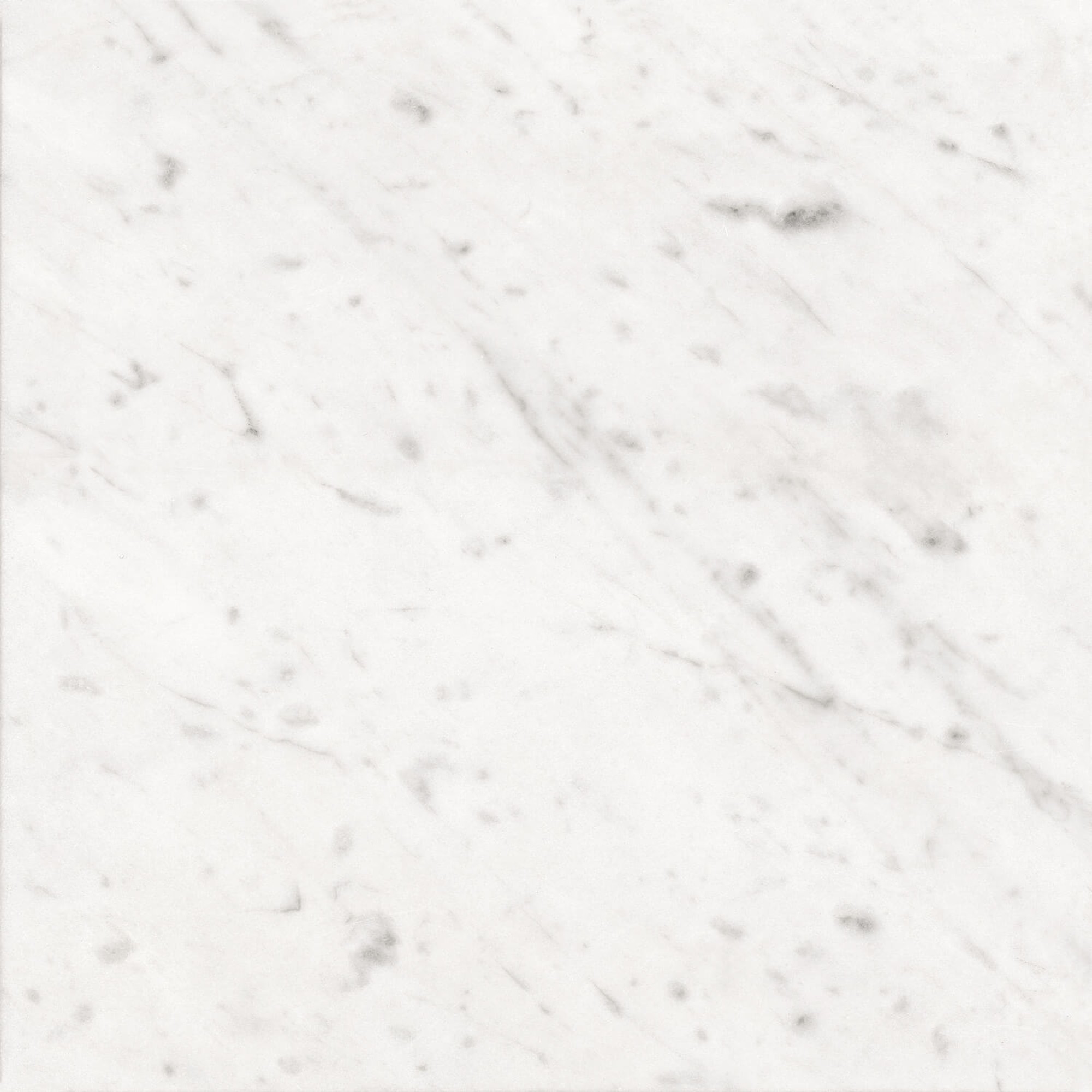
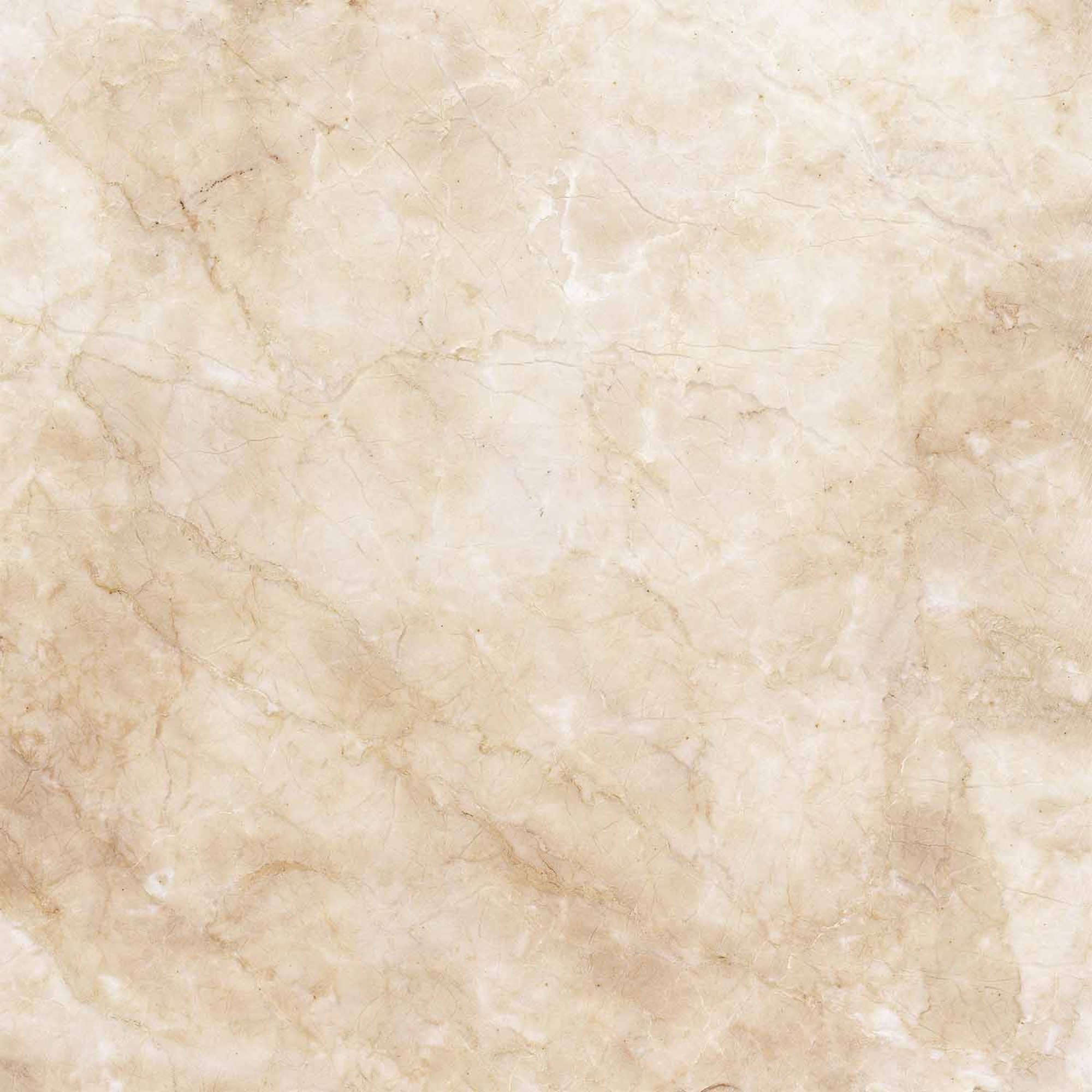
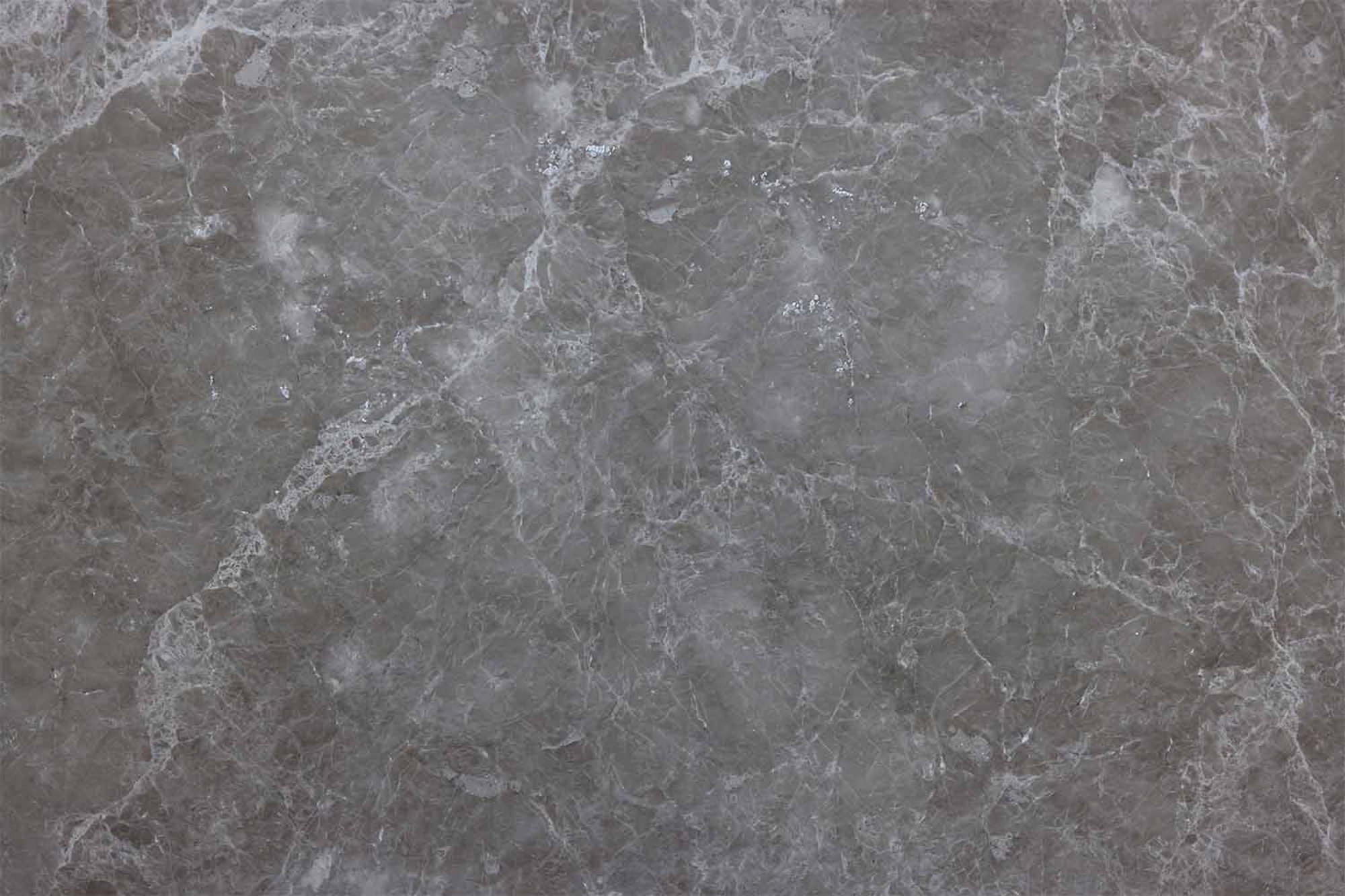
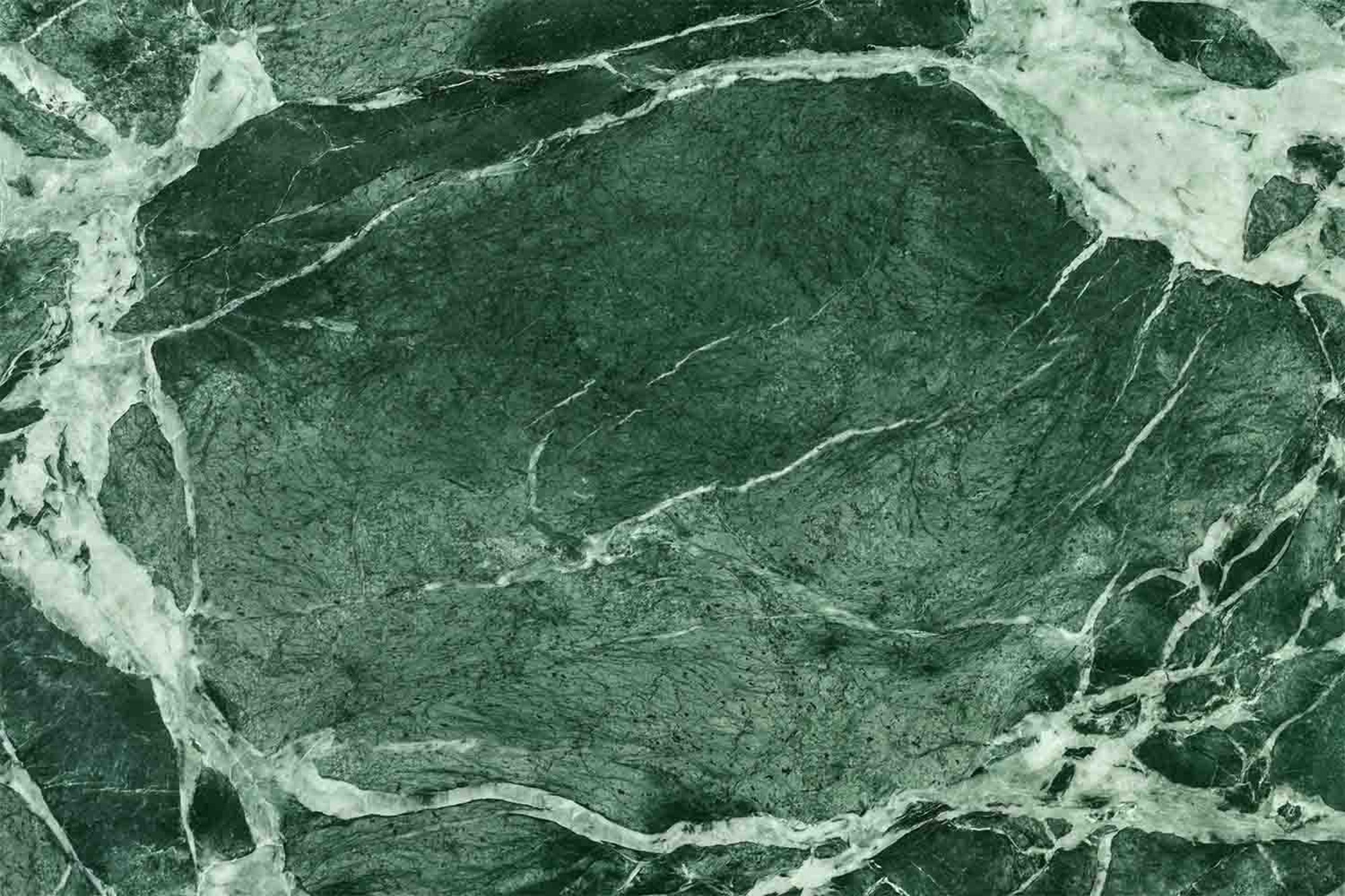
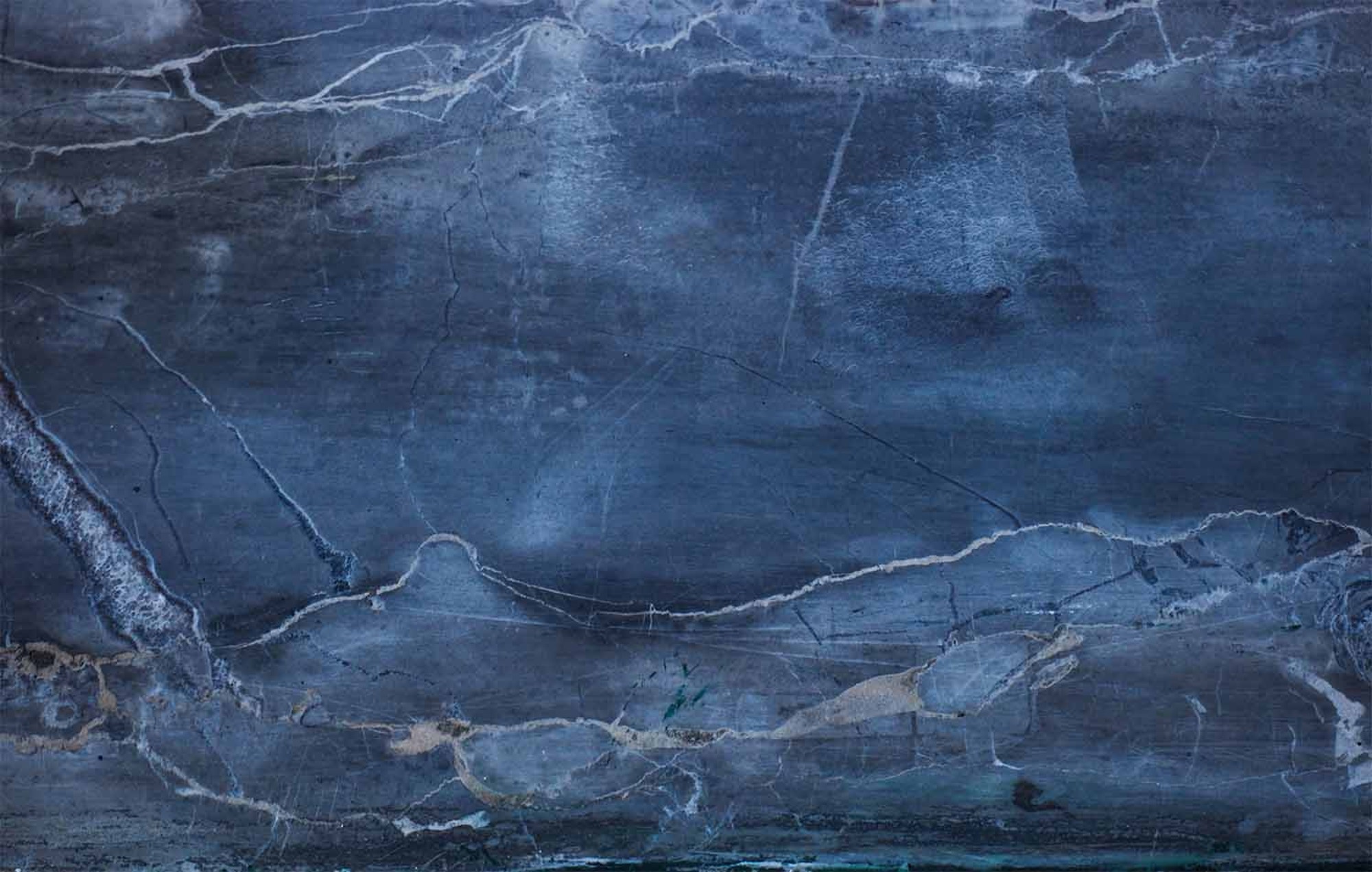
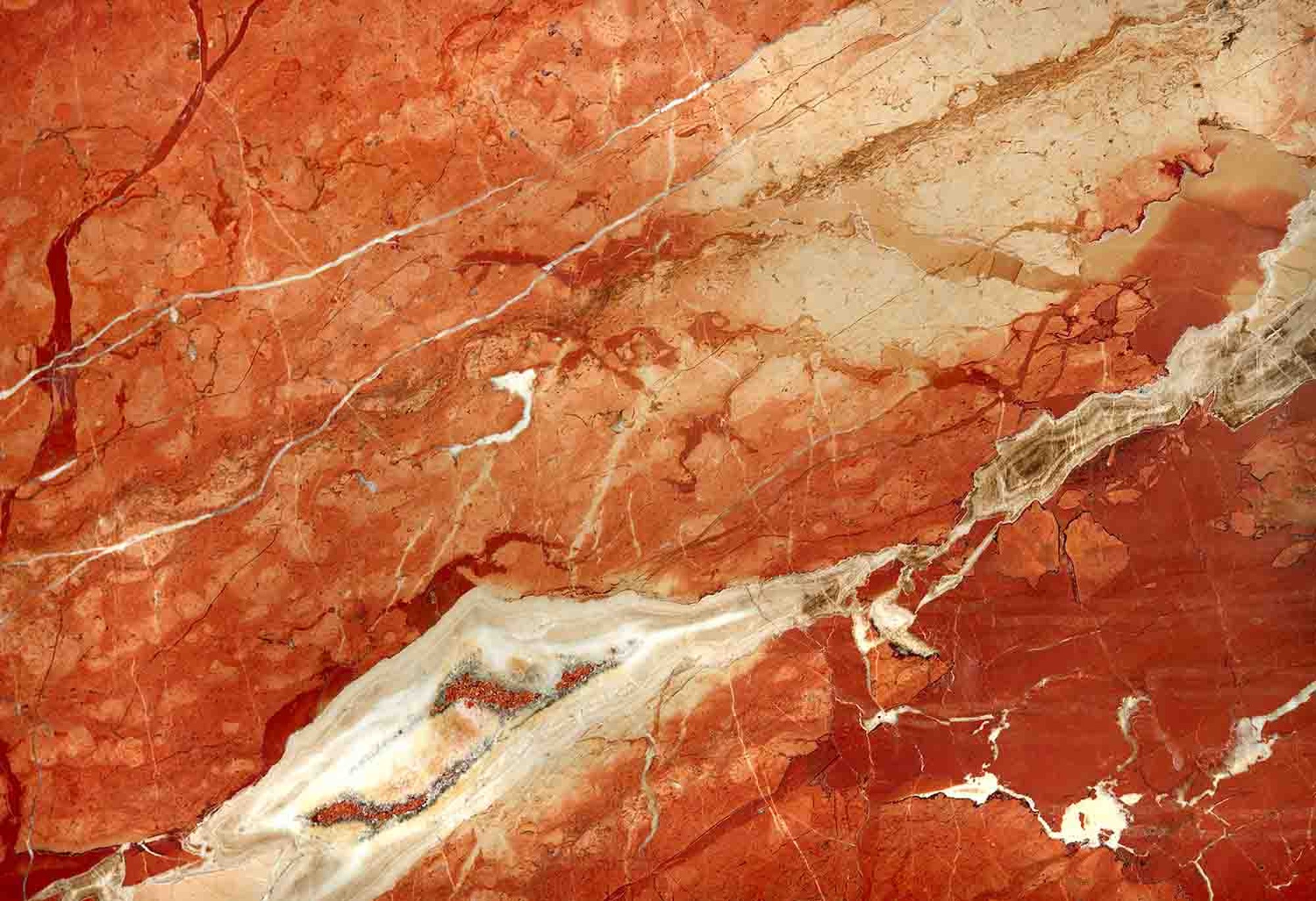

Marble vs. Marble-Look
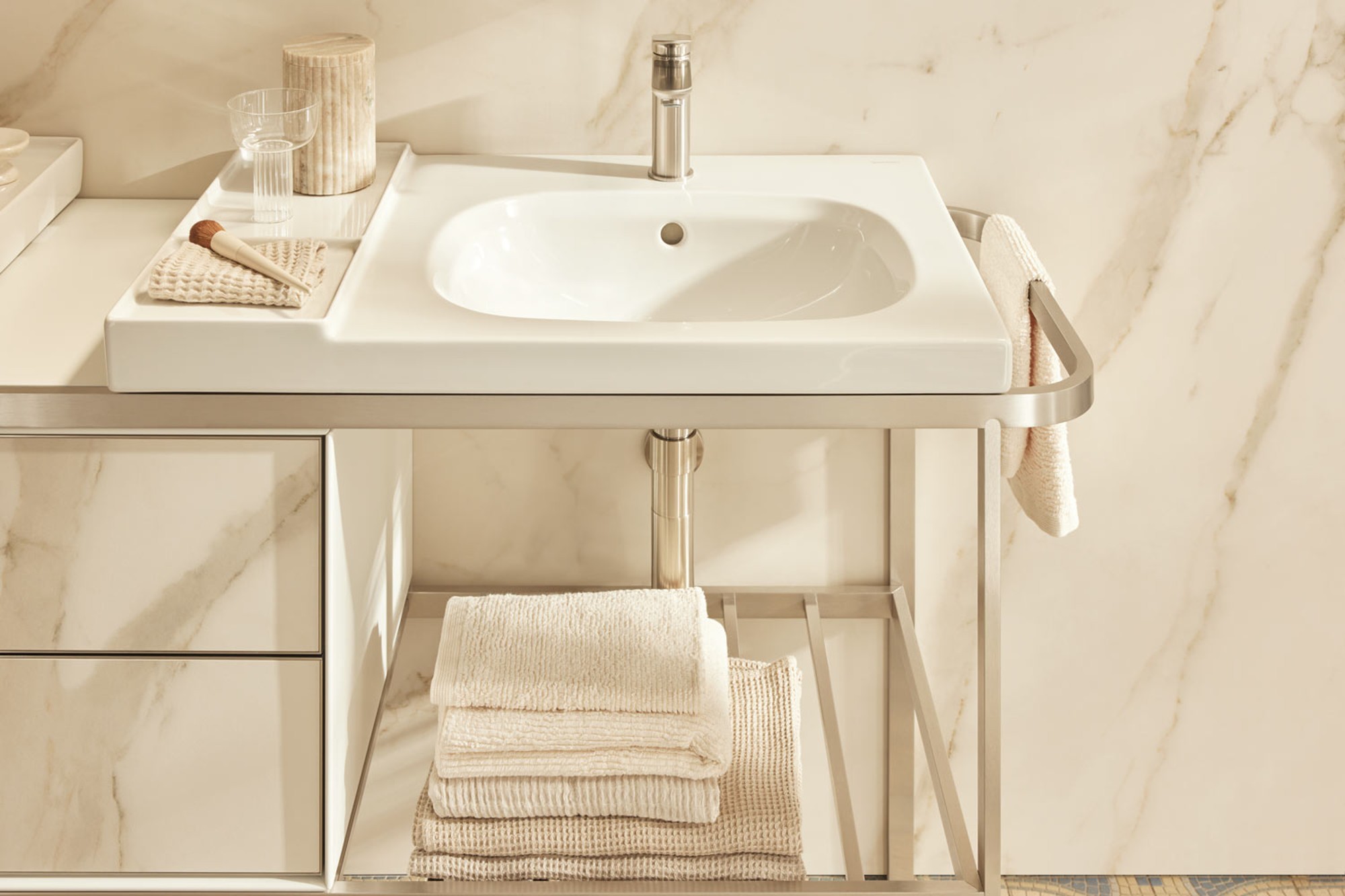
Anyone interested in a marble bathroom faces not only aesthetic but also practical decisions. Even though marble is an exceptionally high-quality material and a luxury bathroom with marble looks very authentic, there are certainly good reasons to consider alternatives with a marble look.
Genuine marble is expensive and also requires more maintenance than materials like porcelain tile. Marble is also relatively porous, but water-repellent materials are generally more practical for a bathroom. Marble tiles in the bathroom should therefore not be installed in areas where they are exposed to particularly high levels of water or standing water, such as in the shower. Unlike marble, the alternatives are generally much easier to maintain and more affordable.
However, there are also potential drawbacks compared to a “real” marble bathroom. For one thing, substitute materials are sometimes not as durable as natural marble. Additionally, depending on the material’s coloring method, real marble is often significantly more sustainable. And, of course, artificial marble does not offer the unique stone that comes with a resale value that should not be underestimated.
In summary, the following advantages result in each case:
Advantages: Genuine marble
Advantages: Marble look
Where can marble be used in the bathroom?
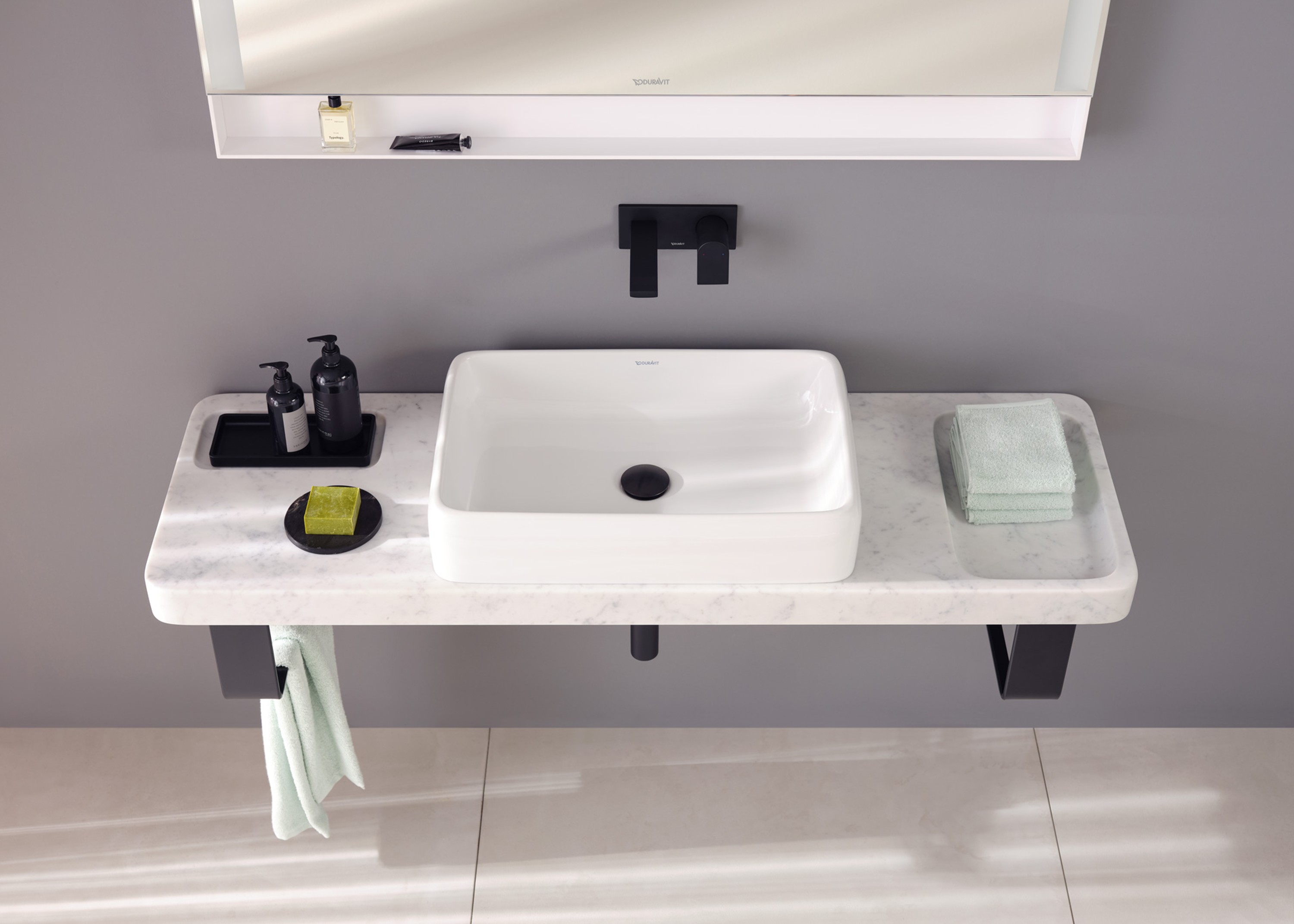
Marble tiles are certainly a viable option for the bathroom when used in appropriate areas. But a marble slab can also make a striking impression in the bathroom as a vanity console. If you want to keep the amount of marble in the bathroom to a minimum, however, we recommend accessories such as soap dispensers made from this high-quality stone. When combined correctly, even a small accent is enough to give your bathroom a stylish and high-quality touch with marble.
What types of finishes can be paired with marble?
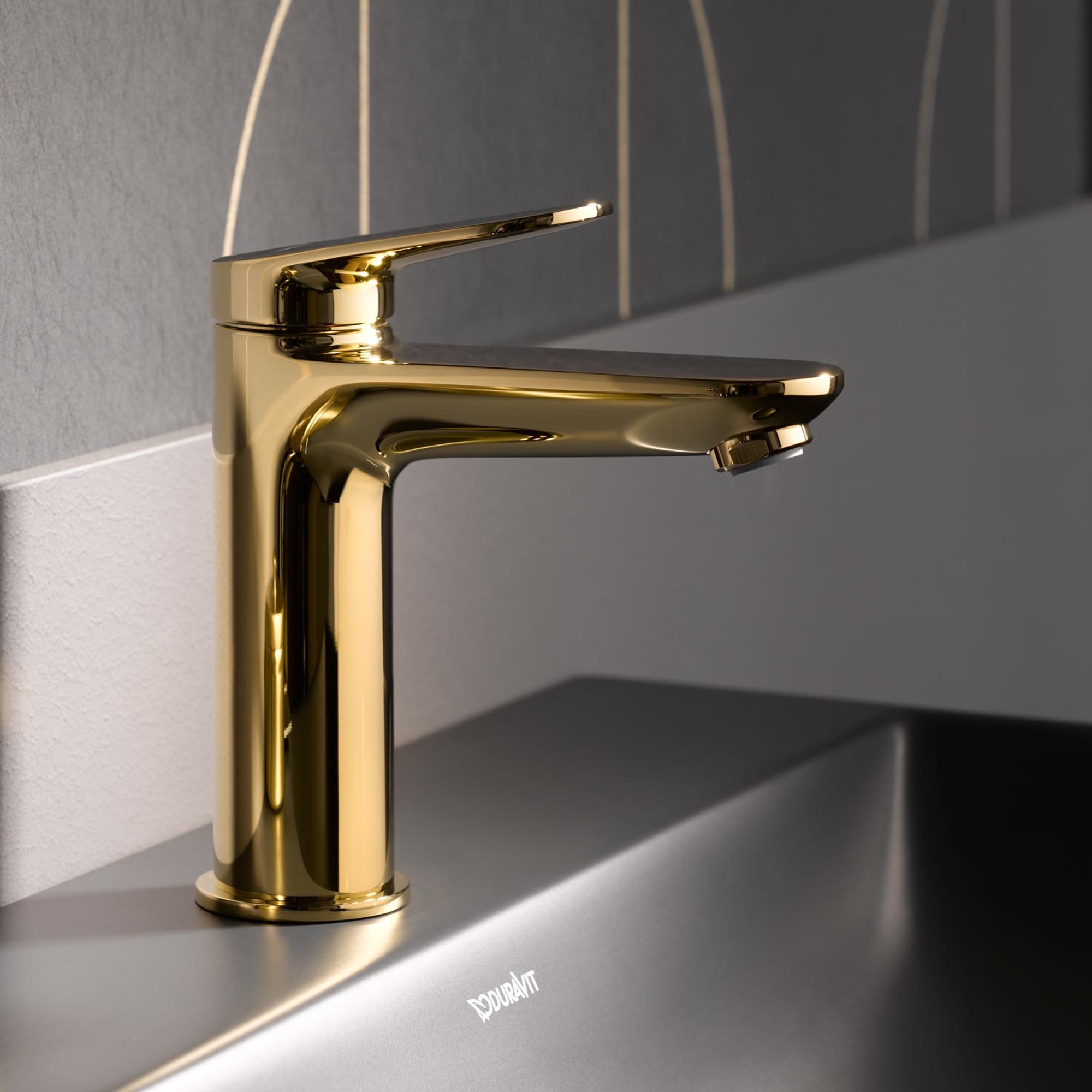
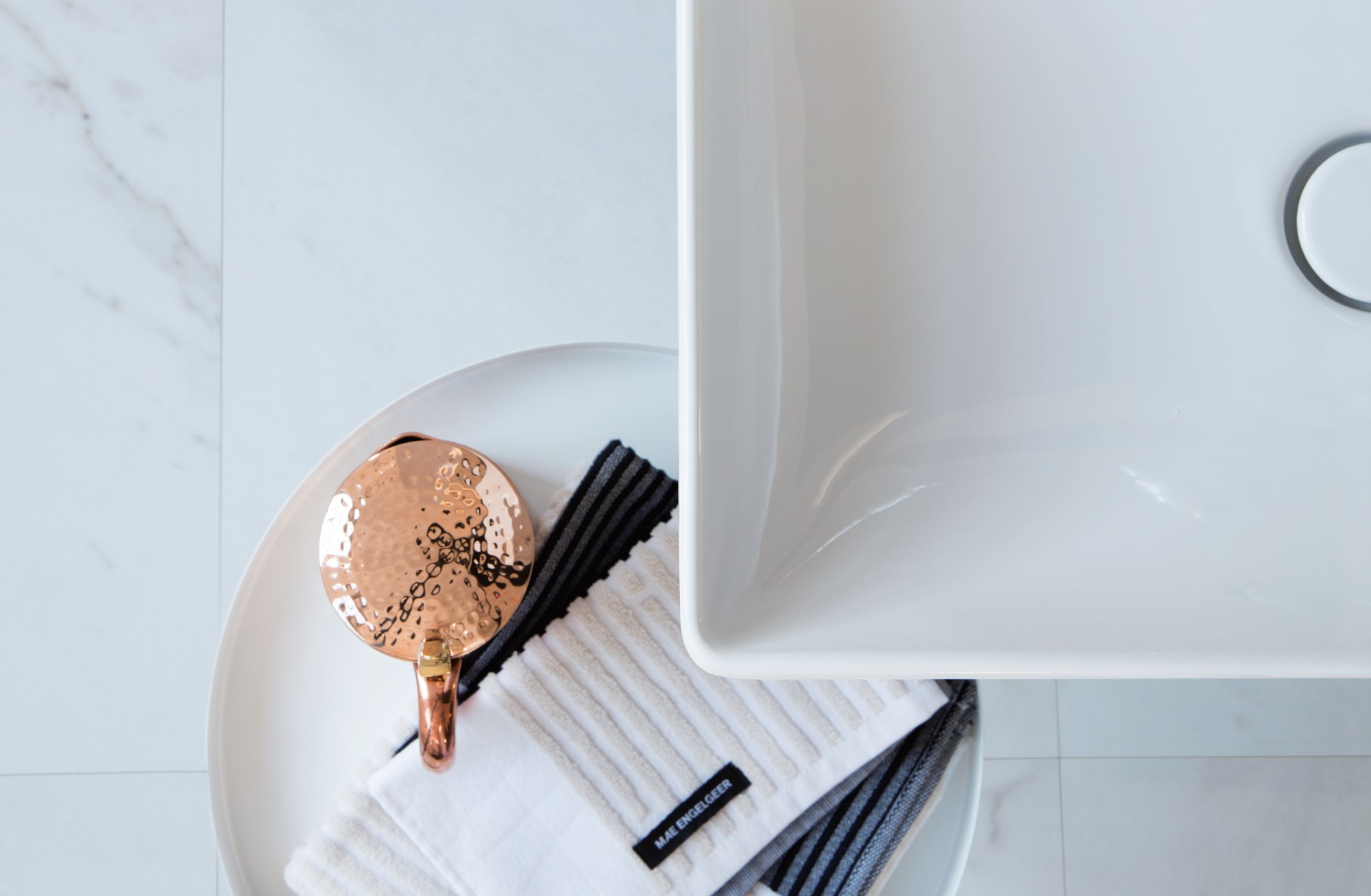
While an all-marble bathroom is certainly one option, it’s by no means the only one. Especially if you want to keep your bathroom looking modern with marble, we highly recommend combining it with other materials—a trend that’s very much in vogue right now. But how can marble be paired particularly well with other styles?
Metal
Ceramics
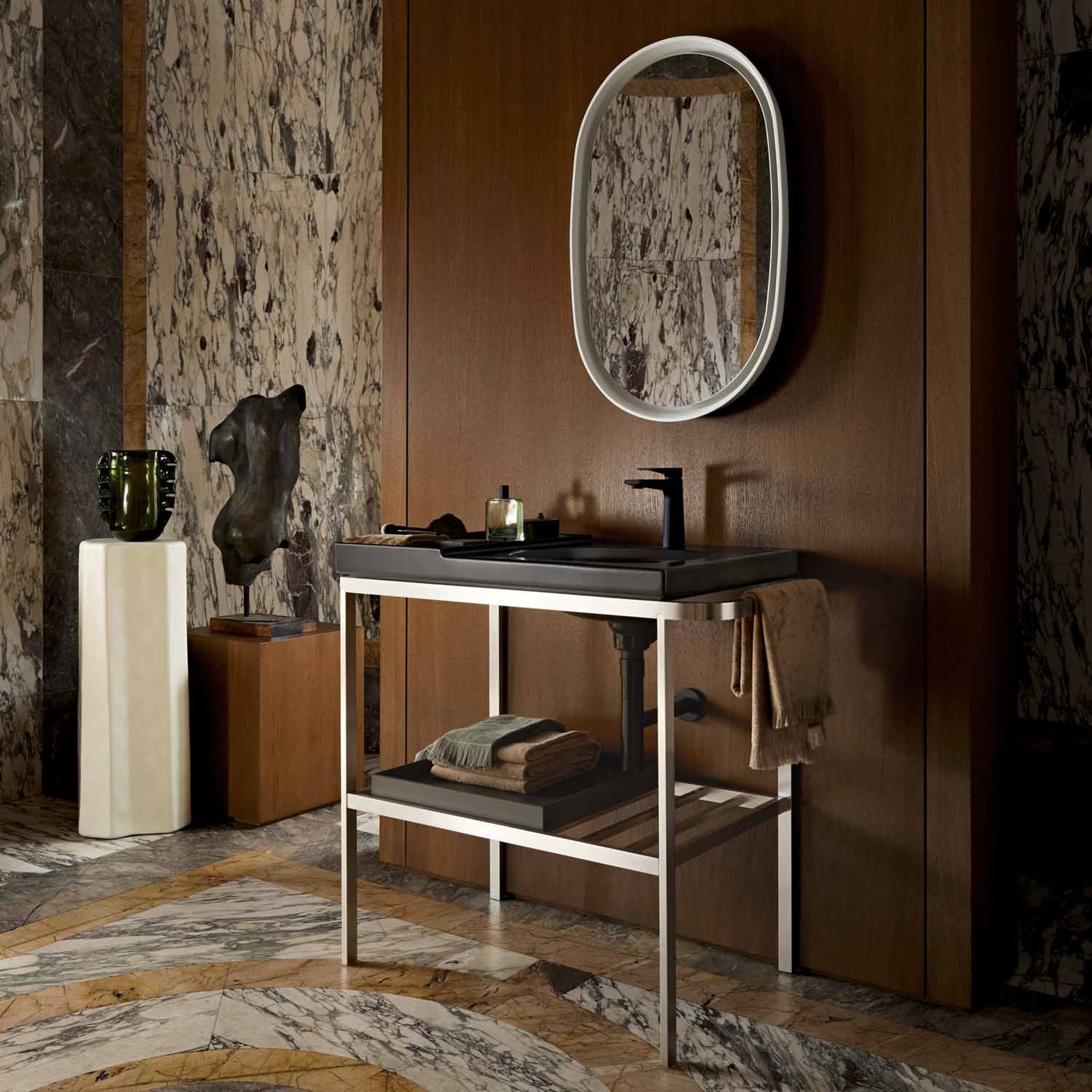
Wood