Production in the Black Forest
From the Black Forest to the world
For over 200 years, Duravit has been committed to quality and responsibility towards people and the environment. With the capercaillie in its logo, Duravit refers to its origins in the Black Forest. There, at its founding and headquarters in Hornberg, sanitary ceramics are still manufactured to the highest standards today. In addition to sanitary ceramics production in Hornberg, Duravit also manufactures bathroom furniture in Schenkenzell. Duravit has a total of eleven production sites worldwide: in Germany in Hornberg, Meissen, and Schenkenzell; in France in Bischwiller, Alsace; in Egypt at two locations; in China at three locations; in India; and soon in Canada.
Natural product: ceramic
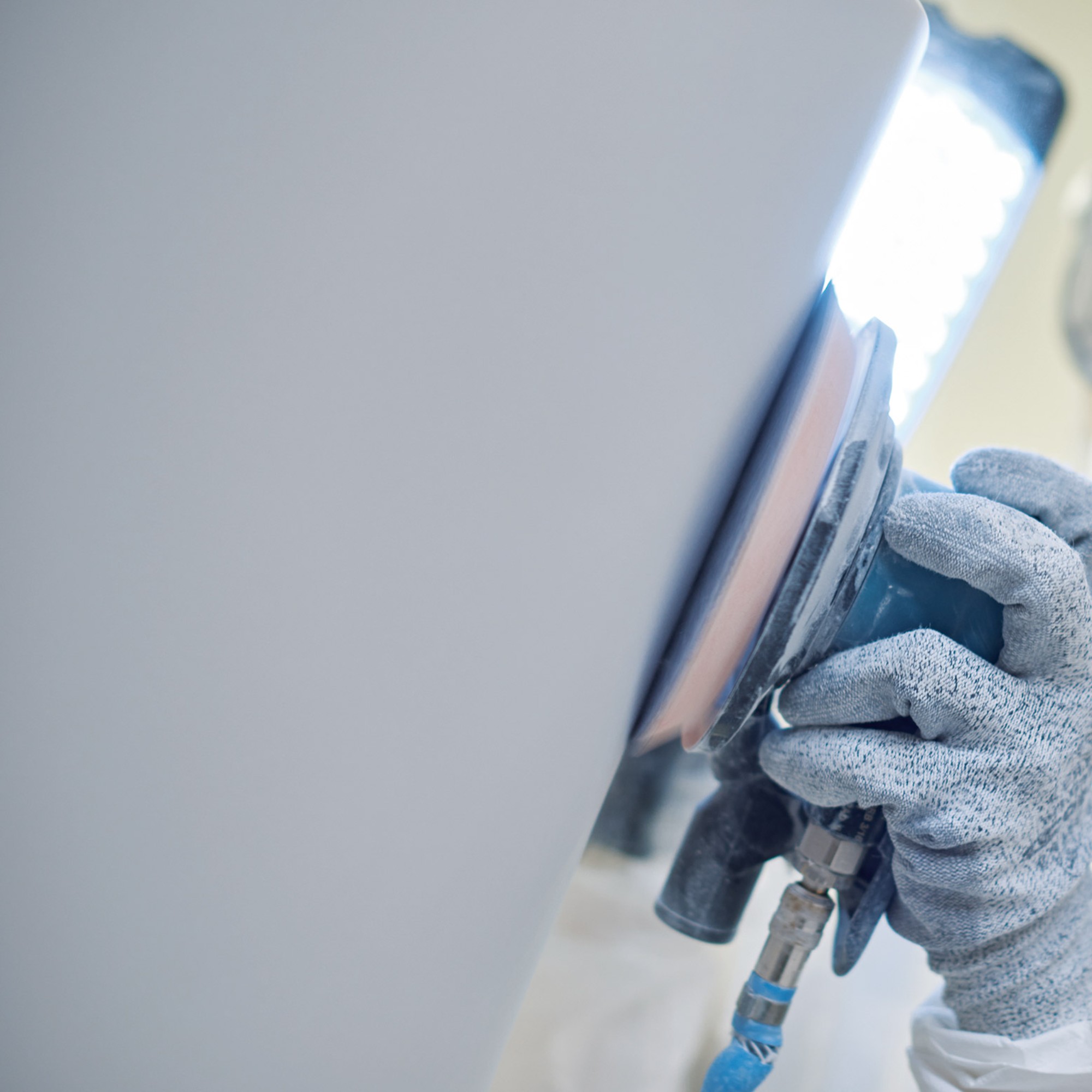
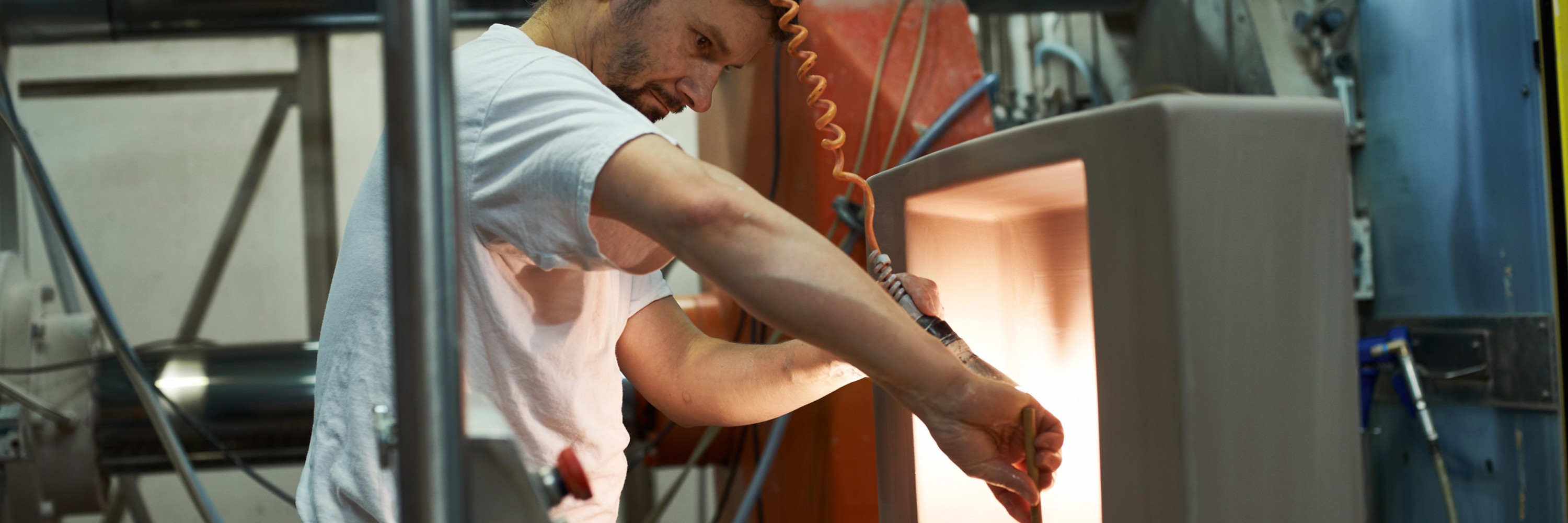
Ceramic production is one of the oldest material technologies in the world. The earliest finds are over 25,000 years old. Ceramics consist of the raw materials kaolin, quartz, feldspar, and clay, making them a natural product. They are extremely robust, easy to care for, and impermeable to water, making them perfect for use in sanitary ware. Today, many processes in Duravit's ceramic production are automated, but a great deal of manual work is still required. This fascinating process can be admired during a tour of the production facility in Hornberg, where development is also based. New raw materials are delivered to Duravit's production facility every day. Duravit keeps the recipe for mixing the components kaolin, clay, feldspar, and quartz a closely guarded secret. When mixed with water, the mixture forms a slip that is poured into plaster molds.

Developing the right mold is particularly challenging and time-consuming. At the Duravit Design Center in Hornberg, visitors can follow the creation process in an exhibition – it's well worth a visit. The challenge lies in the fact that the volume of ceramic material shrinks by 10 percent during the firing process – and not evenly. A great deal of experience on the part of industrial ceramists is required to develop this master mold from silicone, from which the subsequent plaster molds are developed.
Manufacturer for Artisan Lines
When the slip is poured into the plaster molds, it takes about a day for the slip to settle on the inner walls of the mold. This process is natural, as the plaster draws the water out of the mold, and can be done in various ways: manually, by pouring the slip into the plaster molds at specific points. Or in the battery, where the plaster molds are stacked one behind the other and the slip essentially runs through them. A third option is automated pressing with an industrial robot—the fastest method. The manual method is primarily used to manufacture artisan lines such as Aurena by Antonio Citterio, Zencha by Sebastian Herkner, and Bento Starck Box by Philipp Starck.
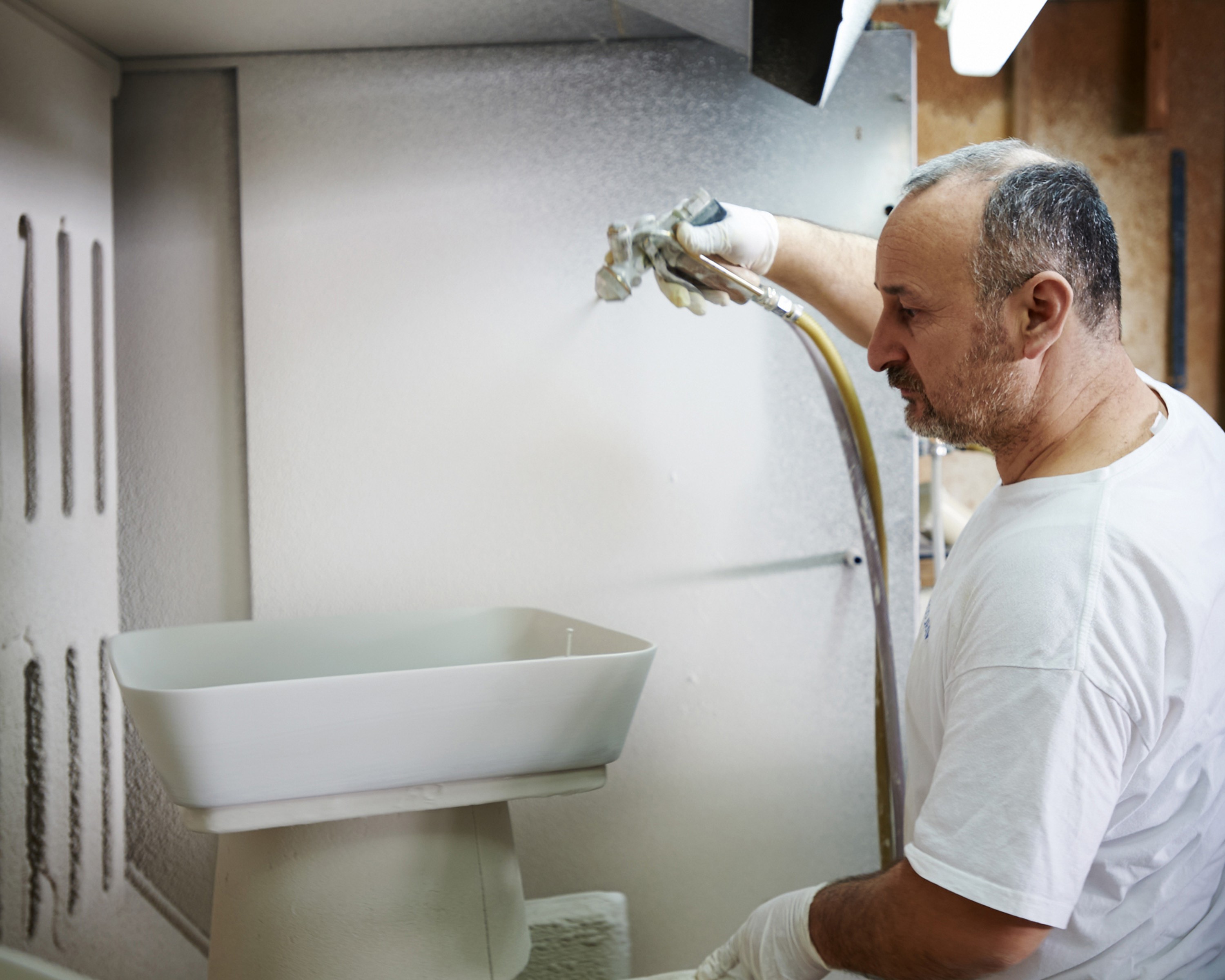
Drying the ceramics can take several days, requiring repeated manual intervention. This also calls for a delicate touch and experience. After drying, the ceramics are glazed by hand or machine. Toilets and urinals are also completely glazed by hand on the inside, a sign of the highest quality.
And now it gets exciting: the finished glazed products are collected and placed in a 60-meter-long kiln. For around 20 hours, the toilets, urinals, and sinks run along a conveyor belt and are fired at temperatures of up to 1,280 degrees Celsius. The kiln operates around the clock. Around 400 individual parts are manufactured in Hornberg every day. Those that show irregularities and defects and do not meet Duravit's high quality standards are sorted out.
Goal: climate-neutral production
This is an energy-intensive process that Duravit is considering with regard to sustainability. The new plant in Matane, Quebec, Canada, will be powered almost entirely by electricity generated from hydrogen. From the end of 2025, the 35,000-square-meter factory is expected to produce up to 450,000 ceramic parts per year. This represents another step toward climate neutrality for Duravit, which the designer bathroom manufacturer aims to achieve for its entire global production by 2045.