Japanese-style bathrooms
Relaxation and harmony
Focus on relaxation
The traditional bathroom
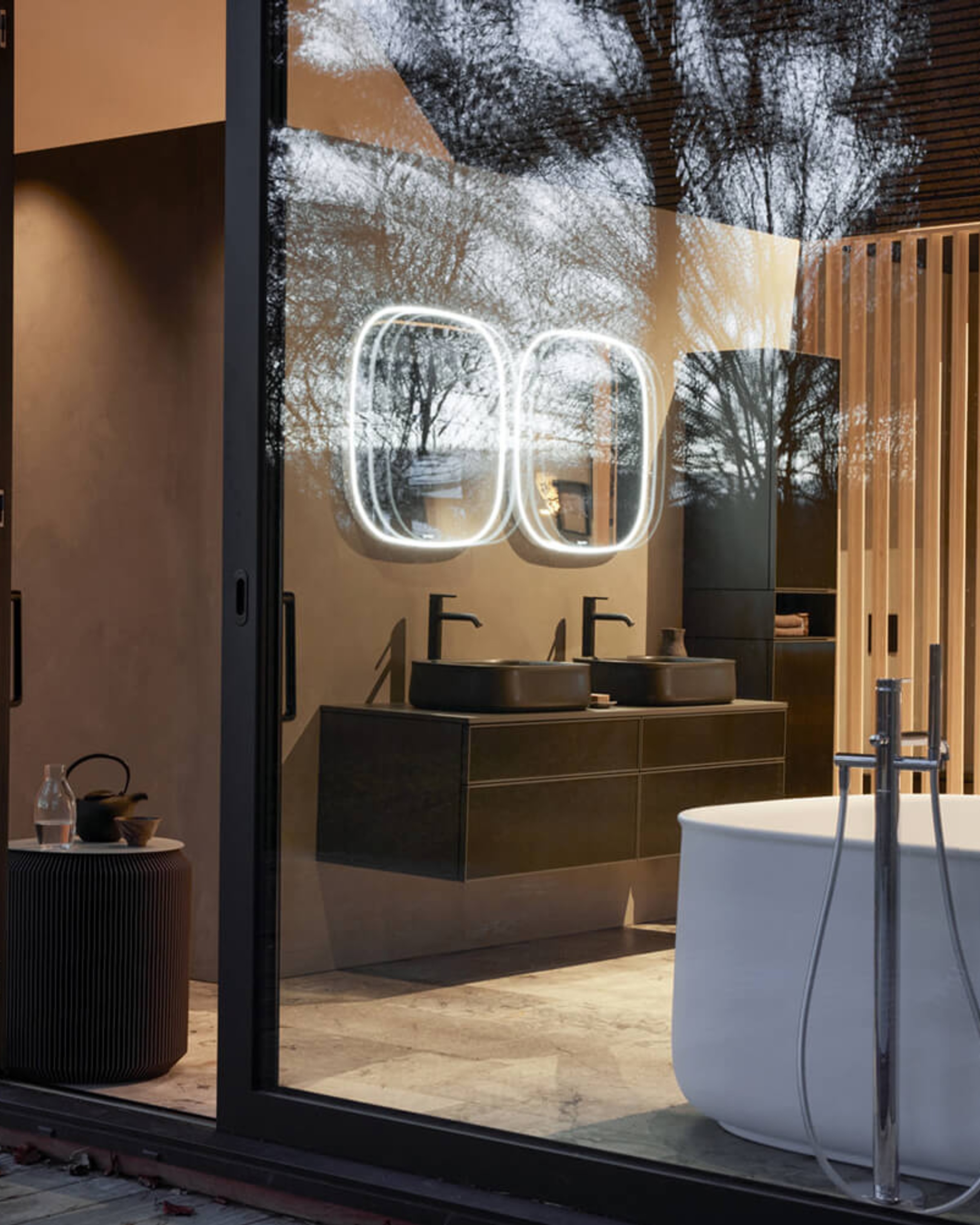
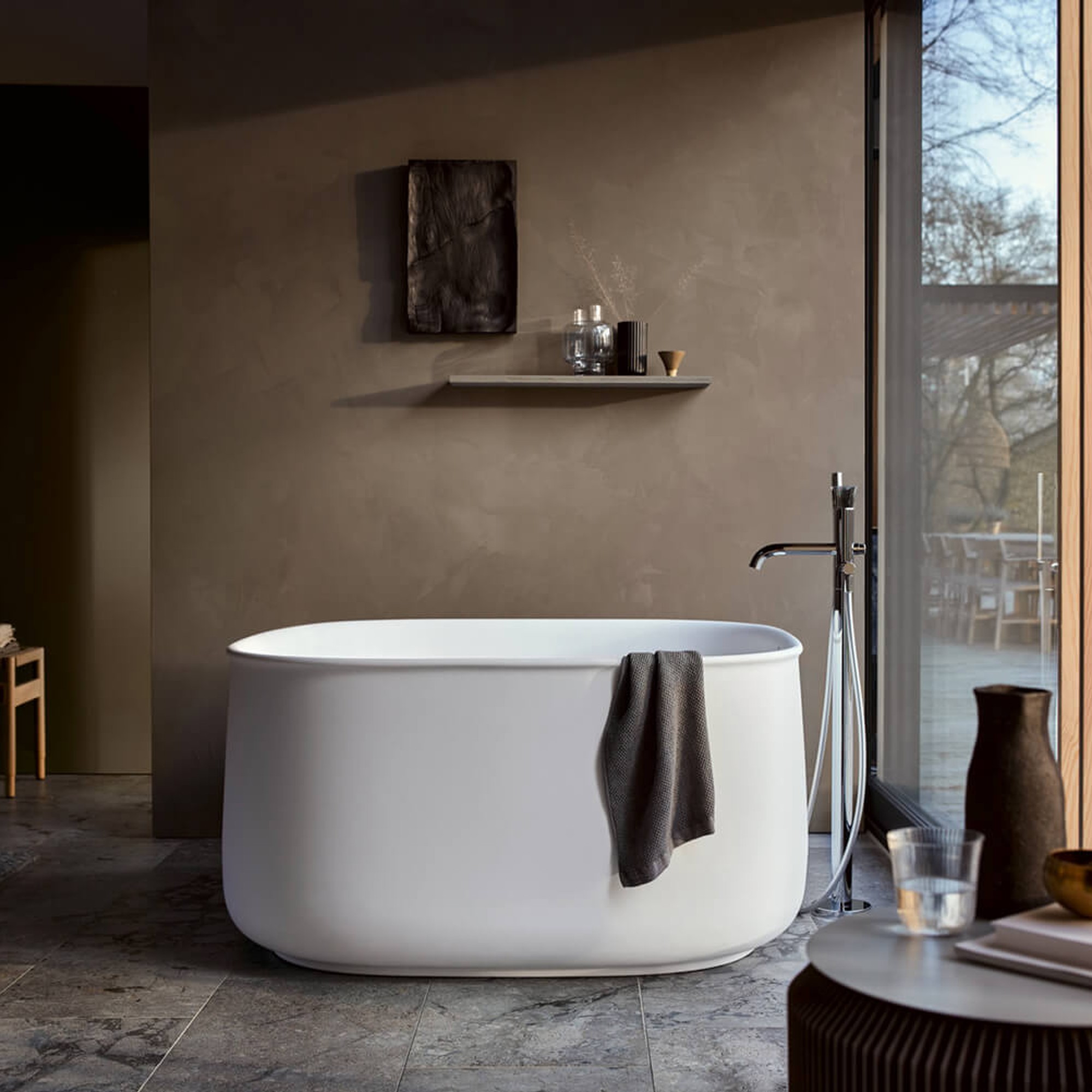
Relaxation has always been the main focus in the traditional Japanese bathroom. Beyond pure functionality, the space has always been designed to promote rejuvenation. Central to the design is the classic Japanese bathtub. The bathtub is solely for relaxation – the actual cleansing takes place beforehand in the shower.
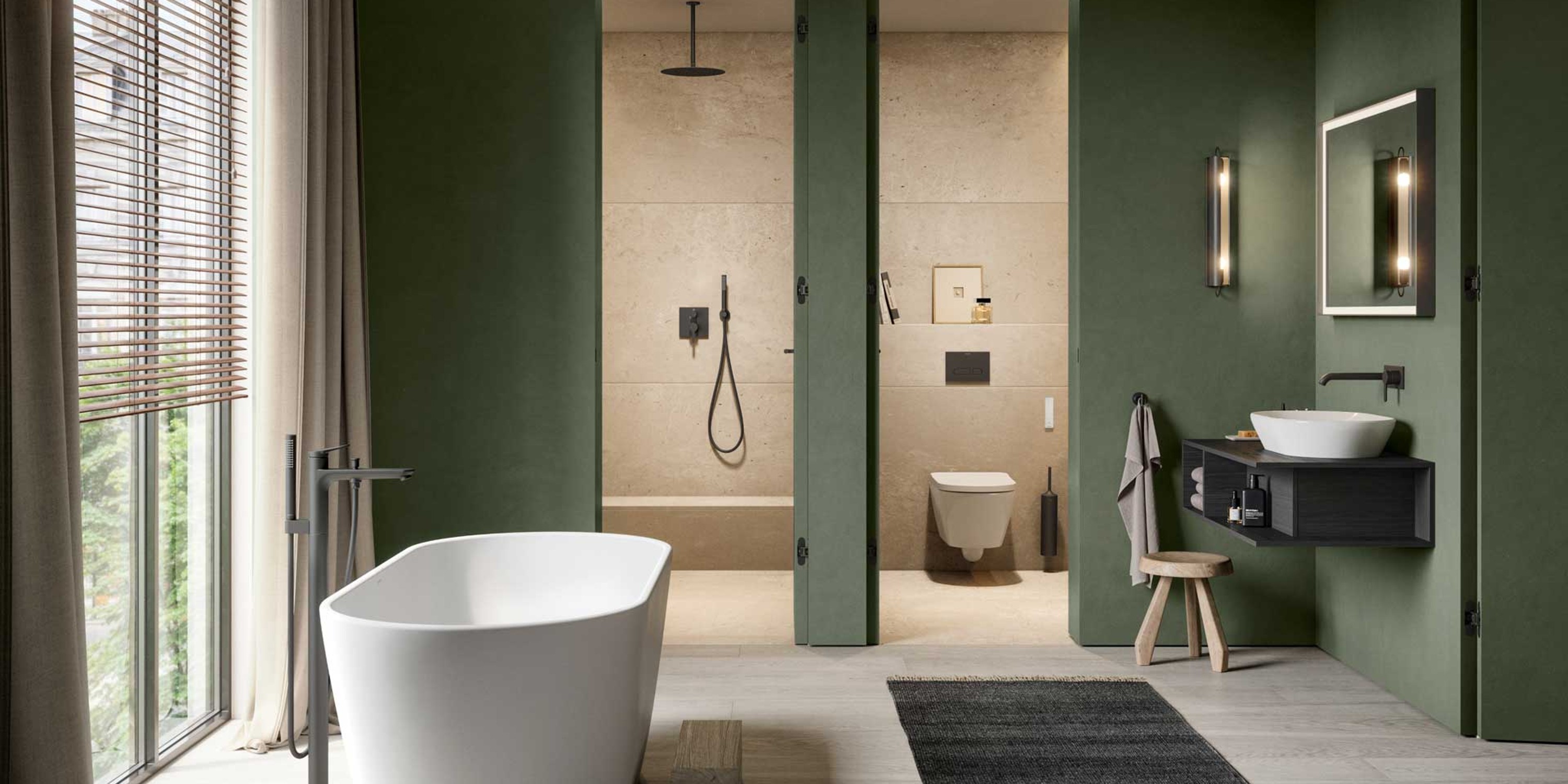
This is evident even in how things are arranged. The layout starts with an entry area featuring a sink, bathroom cabinets, and plenty of space for changing clothes. Beyond that lies a wet zone for bathing and showering. So there is no separate shower enclosure in the Japanese bathroom; instead, the shower and bathtub are in the same room. After getting thoroughly clean in the shower, you then move on to a relaxing hot bath. The toilet is located in a completely separate room with its own sink. This setup allows multiple people to use the Japanese bathroom at the same time, while still providing a calm and relaxing environment.
Decorating a Japanese bathroom
Of course, the opportunity to build a classic Japanese bathroom from scratch isn’t always an option. Unless you are building a new house based on your own designs, you probably won’t have the combination of a separate changing room and wet room, along with a separate toilet. But it’s still possible to design a Japanese-style bathroom:
The bathtub as the centerpiece
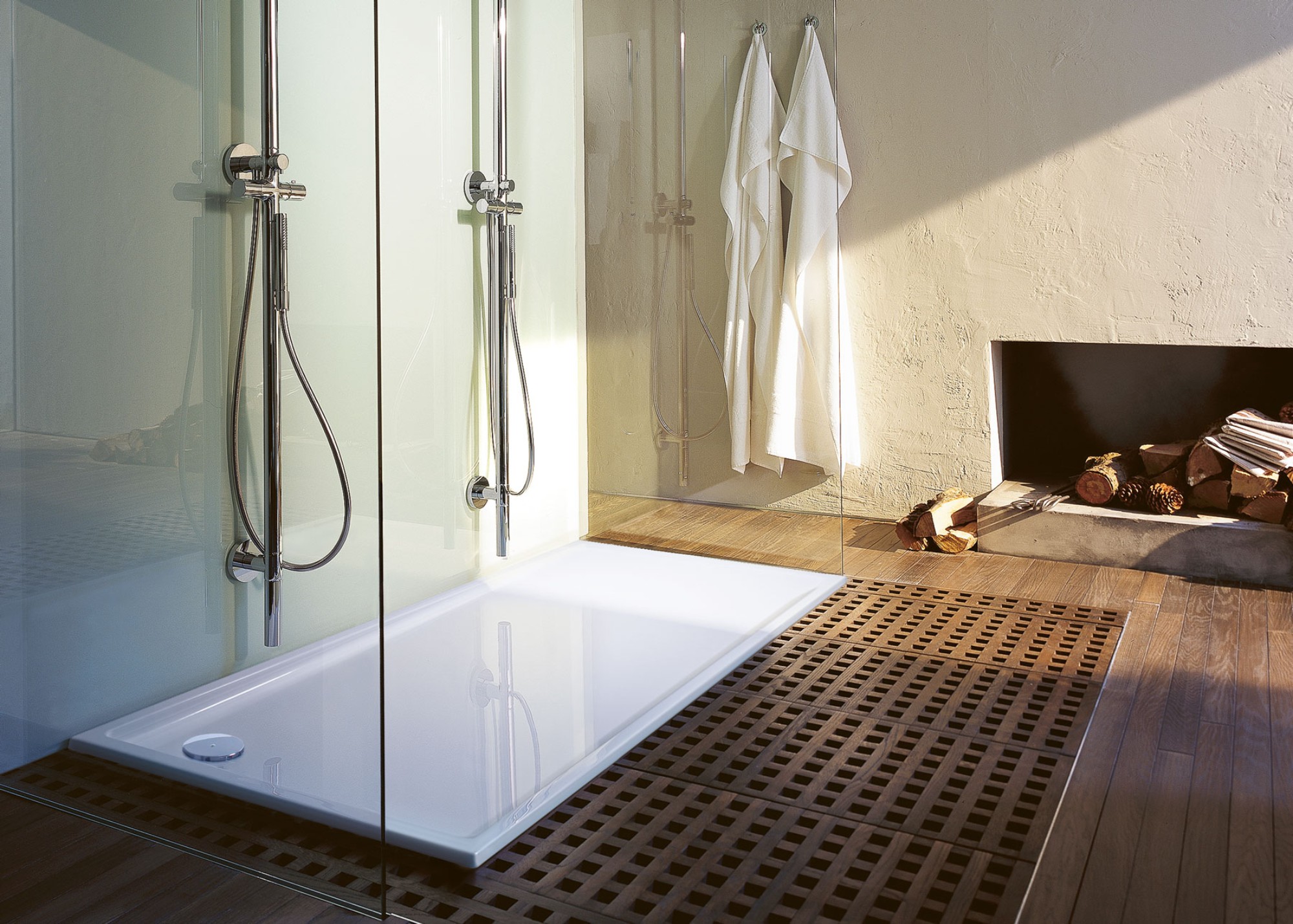
Walk-in shower
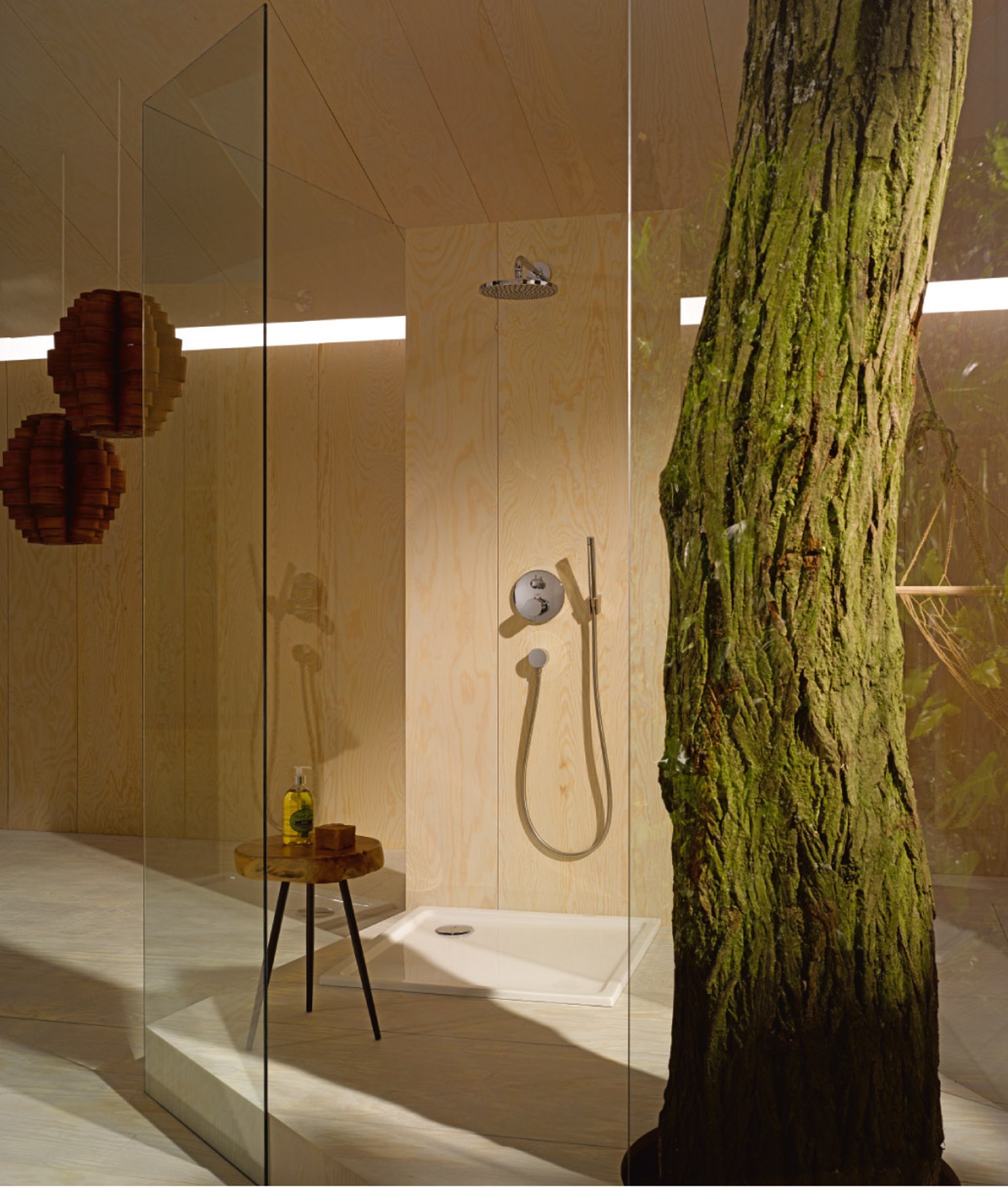
Wood and natural materials
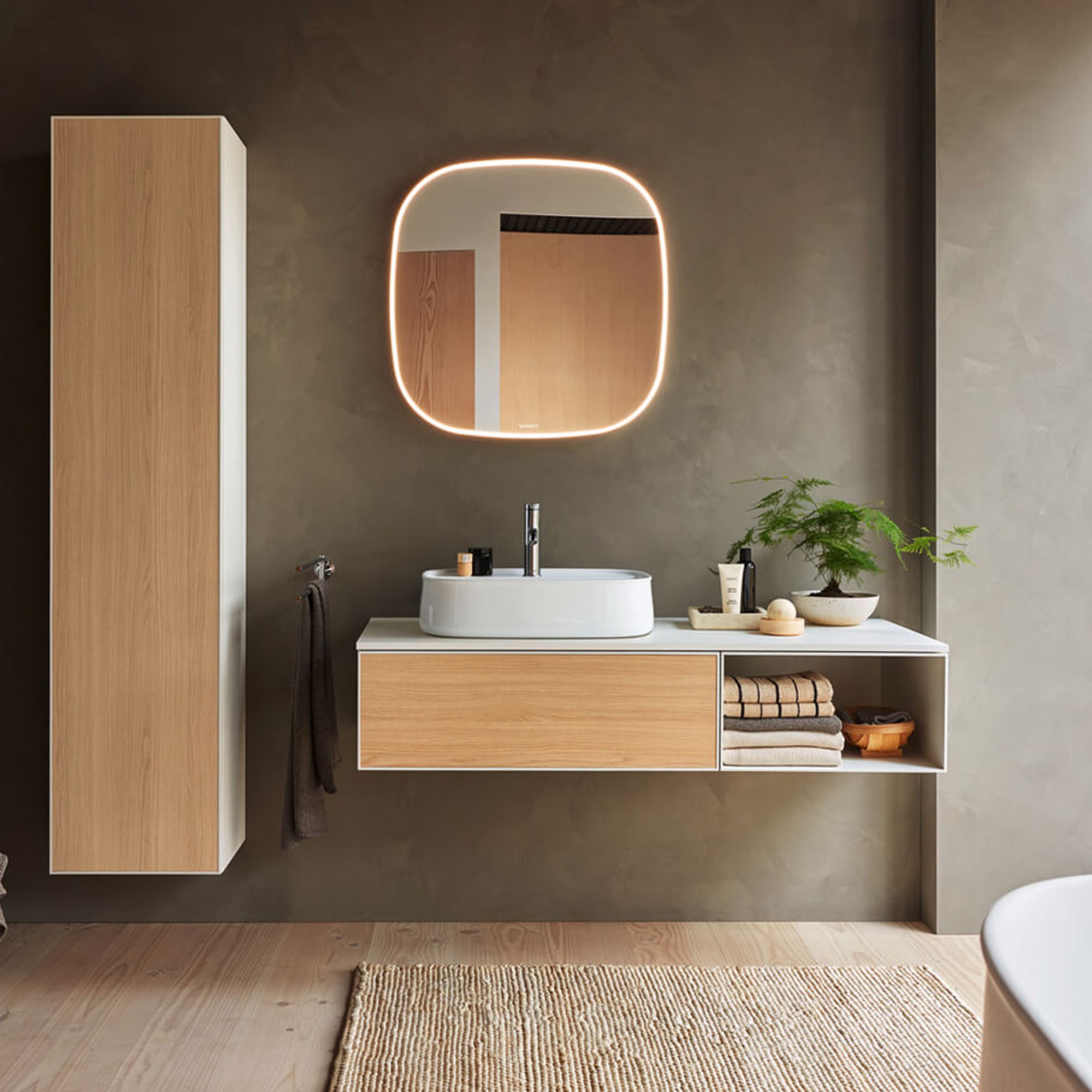
Shapes and colors
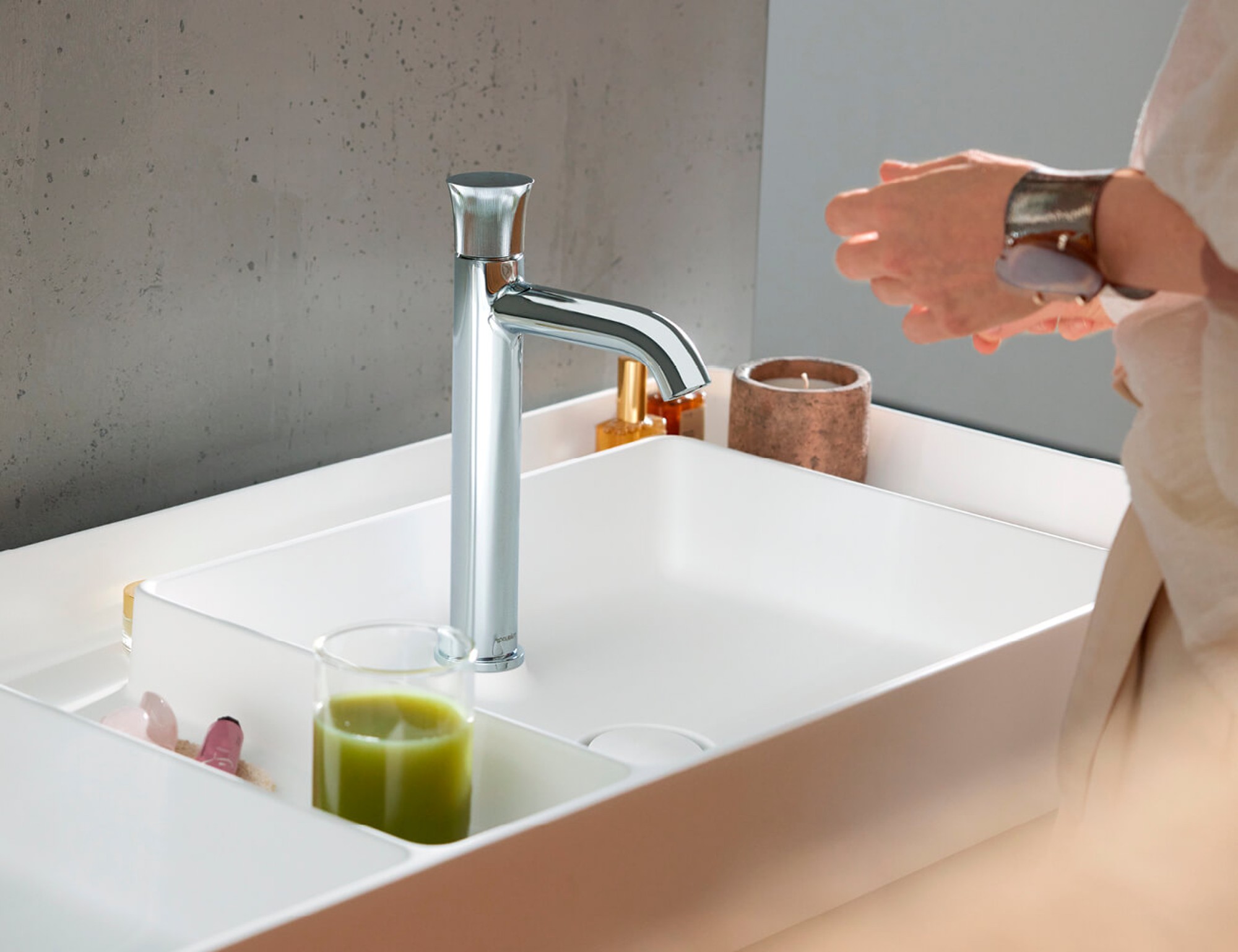
Less is more
Technical elements: shower-toilets, etc.
Around the world, the Japanese bathroom is better known for its advanced technology than for traditional bathing. And in fact, the latest technology and the classic bathing tradition can work perfectly together.
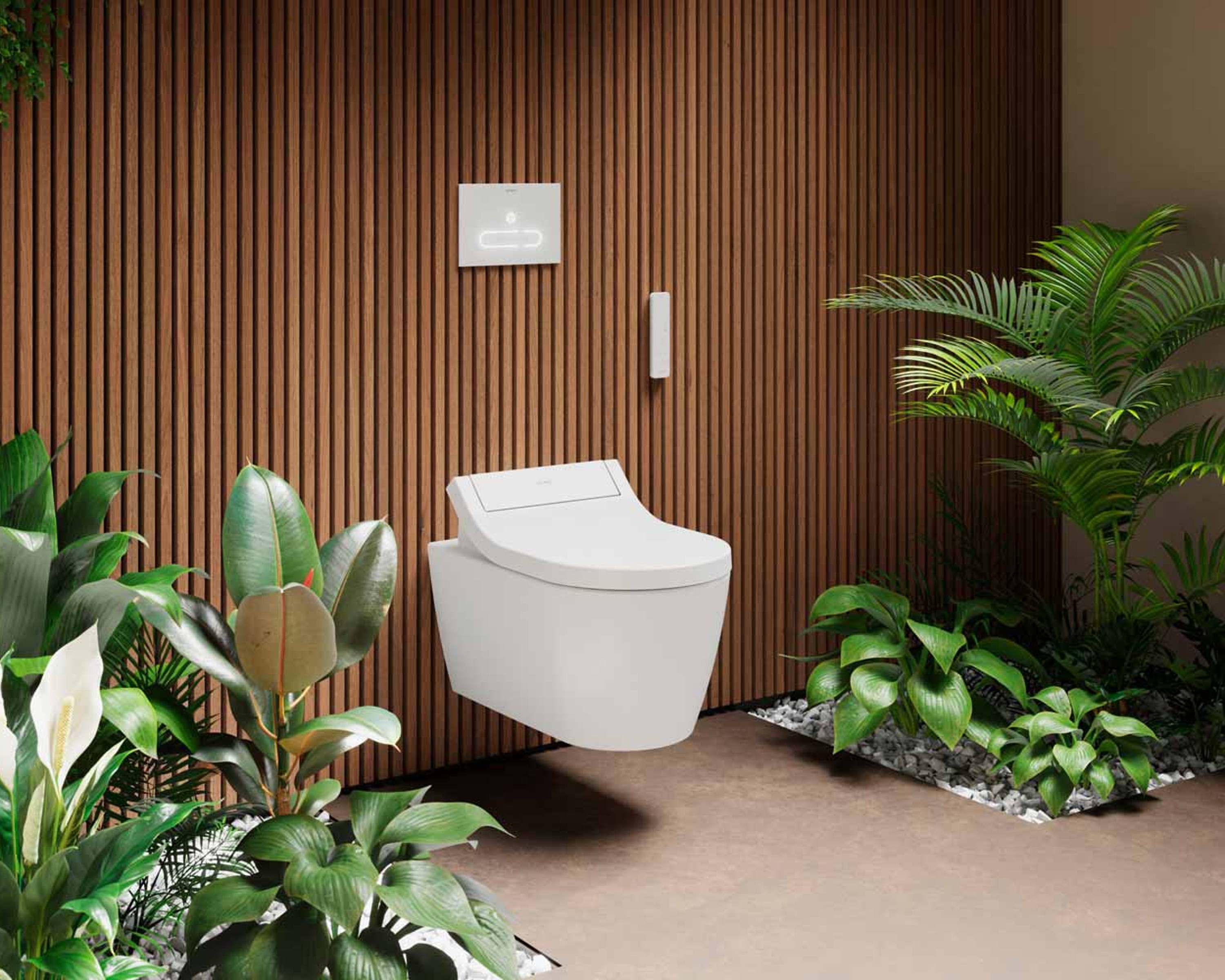
Shower toilets
Few things are probably as strongly associated with the Japanese bathroom as the shower toilet. And in fact, in Japan, these fixtures are often true technological marvels. Things are a bit less extravagant in Western bathrooms, but they don’t have to be any less comfortable and practical. While in the Japanese bathroom the shower toilet can save water through an integrated sink, which reuses the water from the sink later on as flush water, here it is mainly sophisticated technology like Duravit Rimless® that ensures the savings. In any case, comfort is combined with practicality here as well.
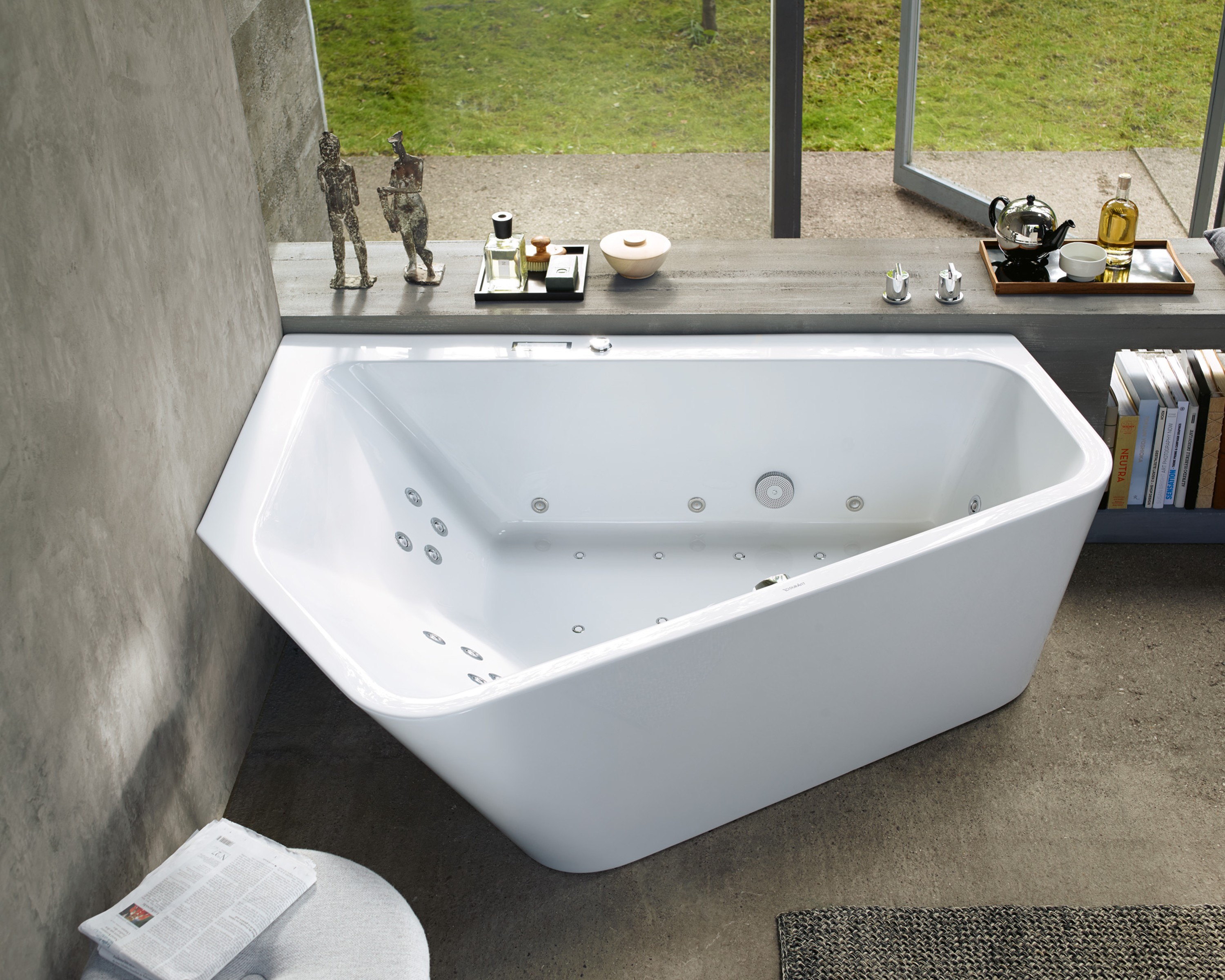
Jetted bathtubs
Although a jetted bathtub isn’t usually a component of the traditional Japanese bathroom, technically sophisticated tubs are definitely used. And after all, what better way to create a truly relaxing bathing experience than with an integrated massage feature?
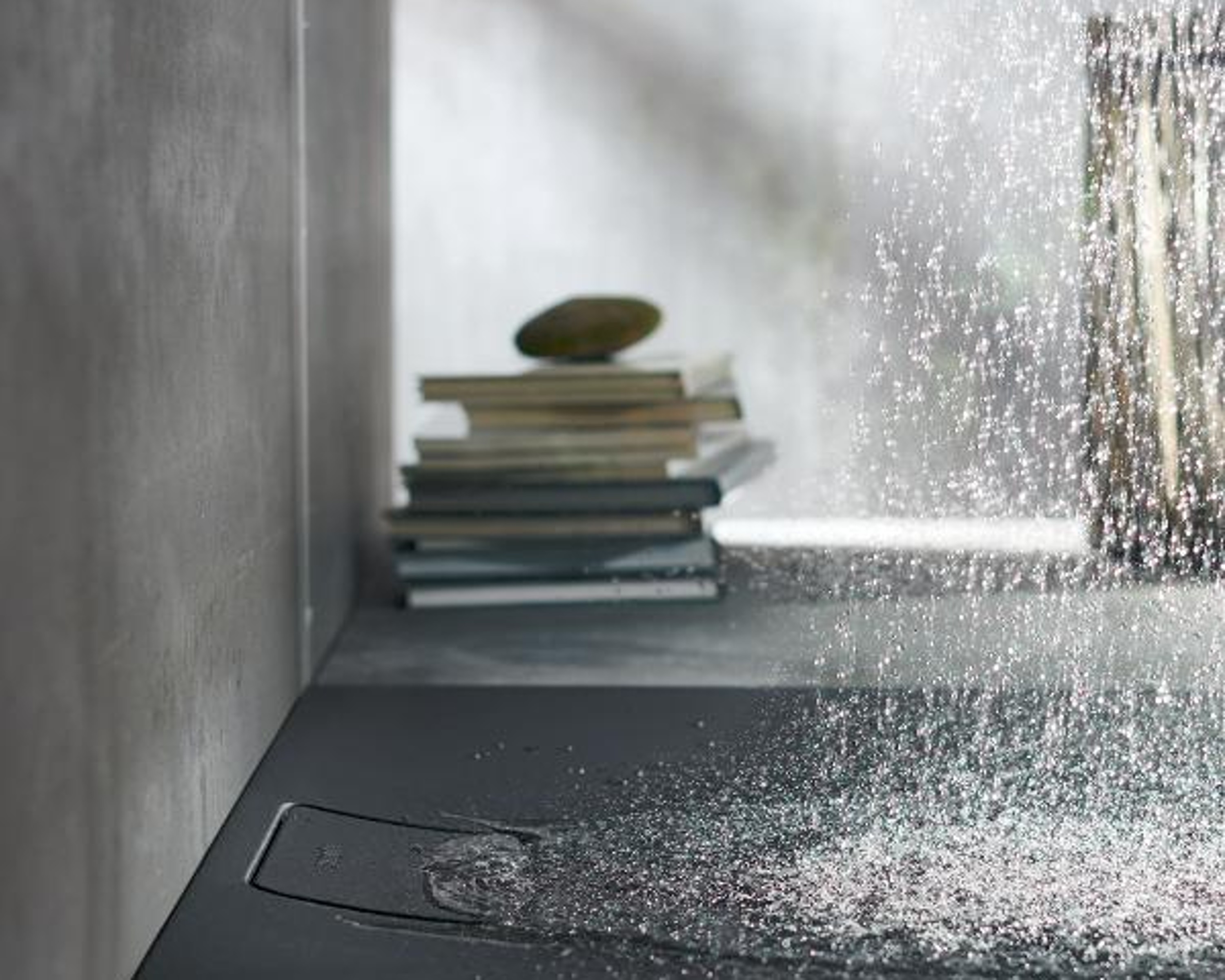
Rain showers
Here too, it’s less about faithfully recreating a traditional Japanese-style bathroom and more about capturing that same sense of relaxation in your bathroom. With a rain shower, you’ll slow down and unwind and enjoy that instant sense of well-being.
Compatible Duravit series
The ideal of harmony and precision, which defines Japanese design, is also reflected in the Duravit series. The following series consciously adopt traditional elements and integrate them perfectly into the context of the modern bathroom:
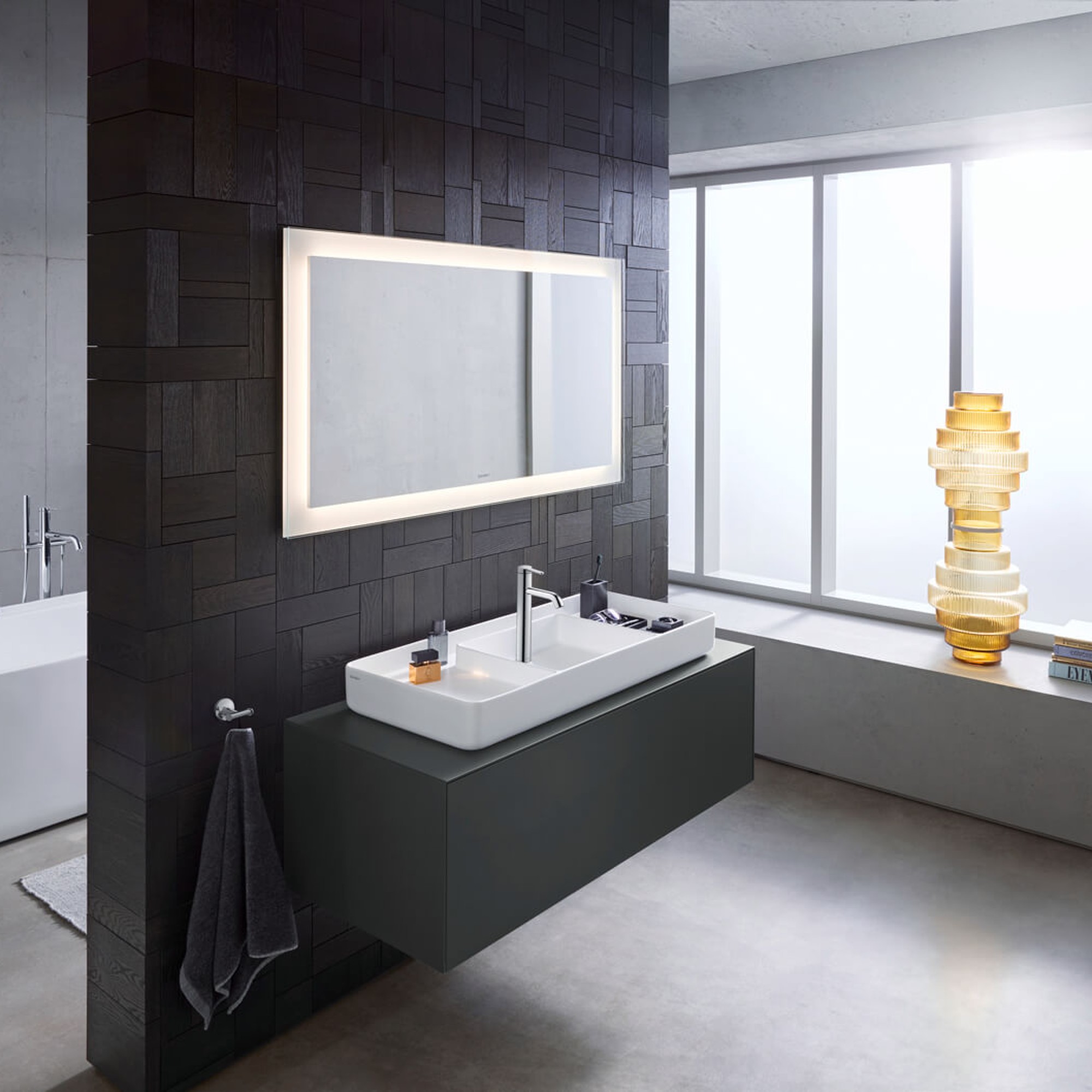
Bento Starck Box

Zencha