Descaling taps, showerheads, and other faucets
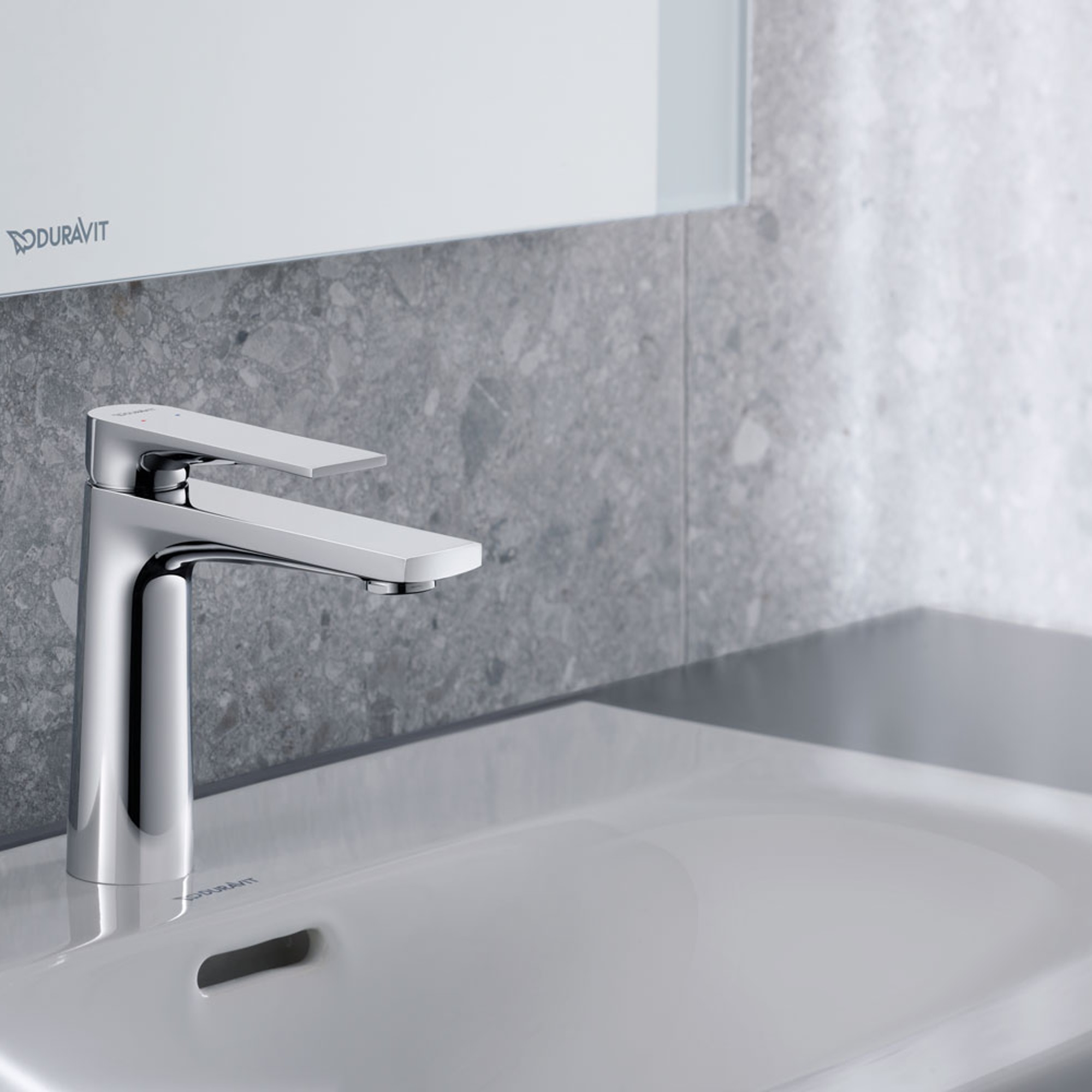
Descaling a faucet
The faucet is undoubtedly one of the most frequently used fixtures in the bathroom. Descaling it is therefore important and should be done regularly. Exactly how often depends on various factors, such as how often it is used. Water hardness also plays a role; particularly hard water leads to increased limescale buildup. In any case, you should descale the faucet as soon as white deposits are visible to the naked eye. Fortunately, cleaning can be done with little effort and a few household remedies.
Clean the faucet
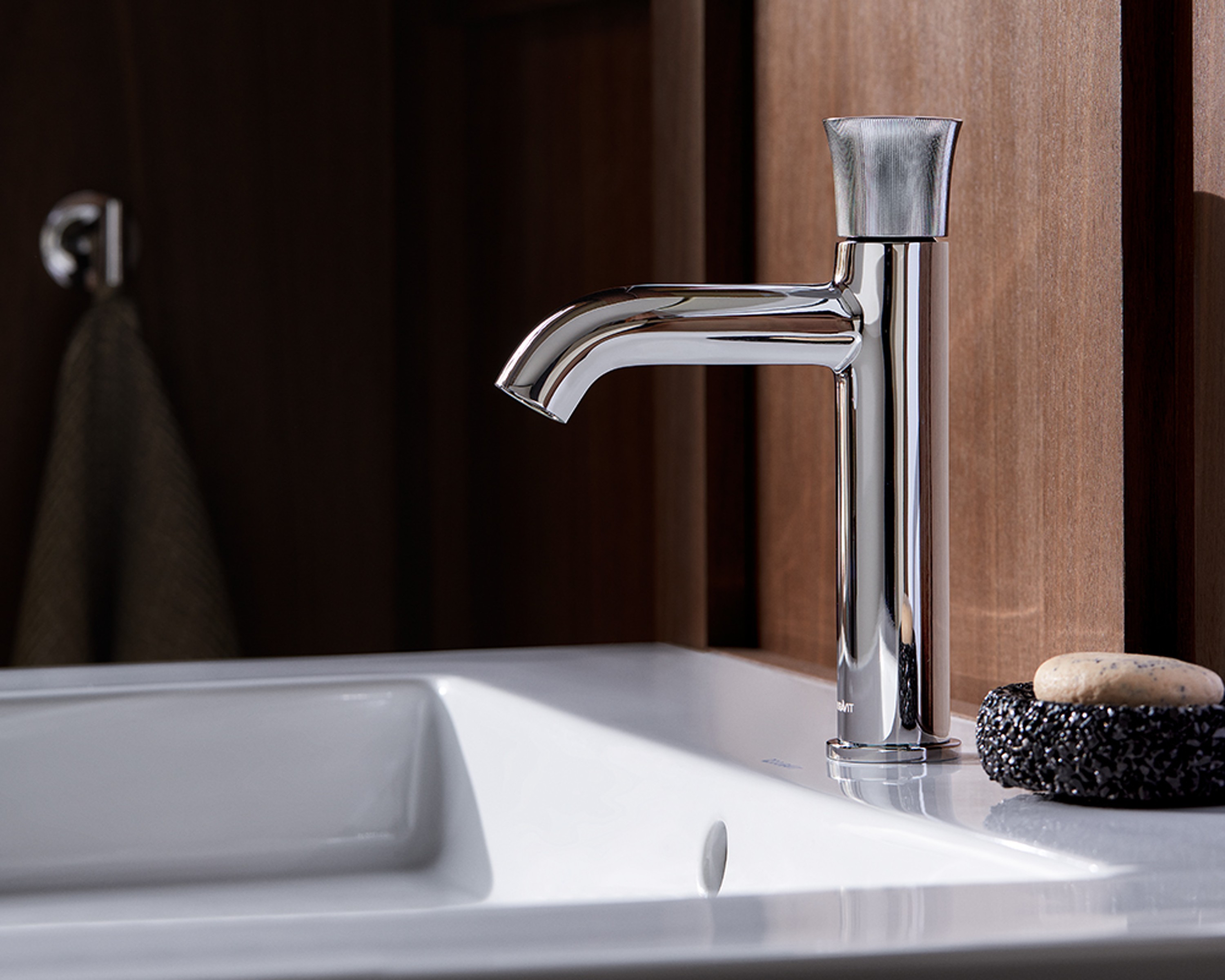
Before removing limescale from the faucet, you should clean it thoroughly. As usual, water and a mild citric acid-based cleaner will suffice. Afterward, the faucet should be dried off.
Descaling the jet nozzle
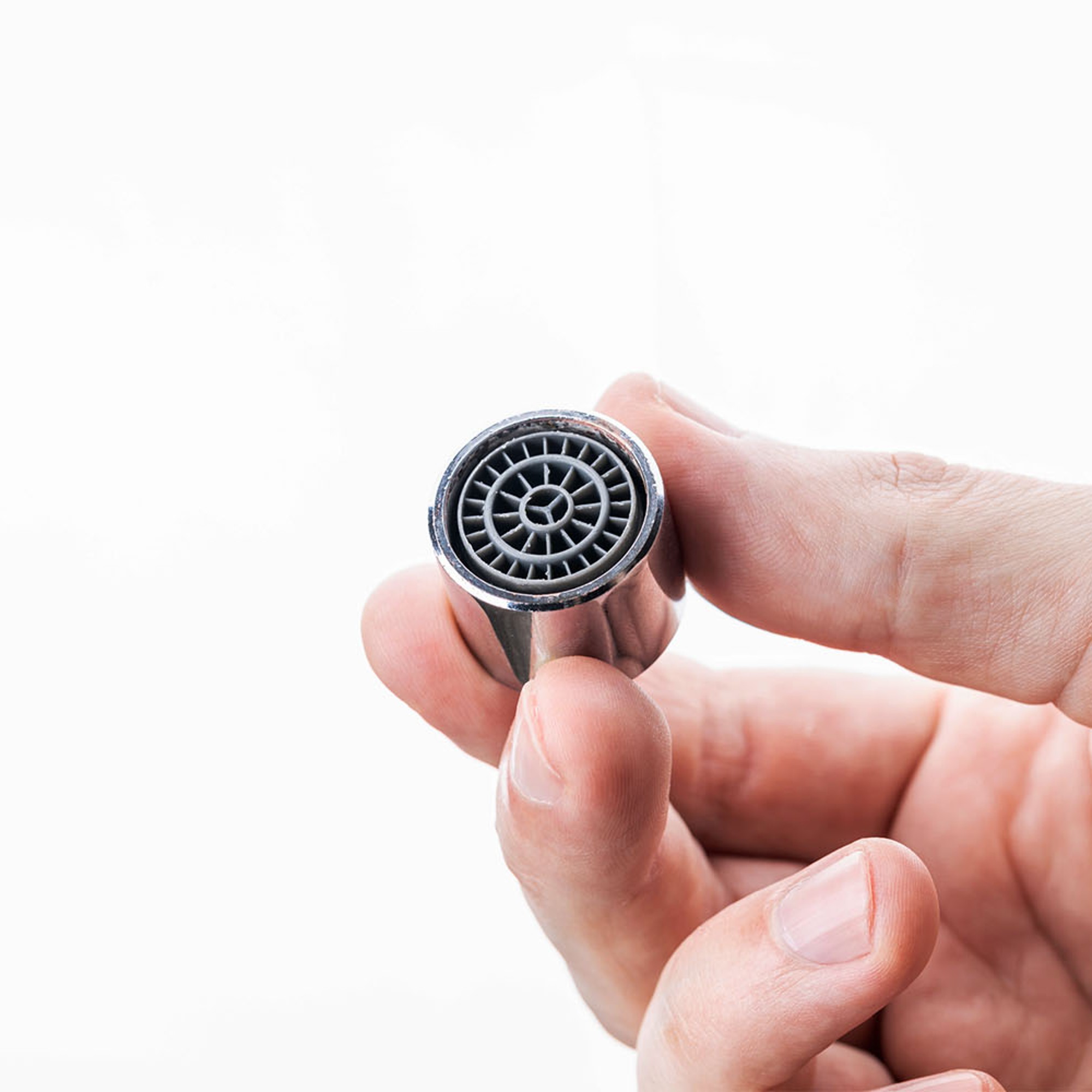
The jet nozzle can usually be easily unscrewed using either a suitable open-end wrench or the jet nozzle wrench provided. It is best to plug the sink drain beforehand to prevent anything from accidentally falling down the drain.
The spray nozzle can then be easily disassembled into its three parts—the screen, the threaded sleeve, and the sealing ring. Spray nozzles with an integrated thread do not have a threaded sleeve. To descale, simply add water and a mild cleaning agent (citric acid-based) to a suitable container and place the jet former and the screw sleeve in the cleaning solution for a few minutes. You should not place the sealing ring in the solution, as limescale can be easily wiped off it and the plastic may become porous due to the descaling agent.
After soaking, rinse all parts with water. This has the advantage of allowing you to clean the showerhead thoroughly and remove any other dirt or grime. The showerhead can then be reassembled and attached to the faucet.
Descaling a showerhead
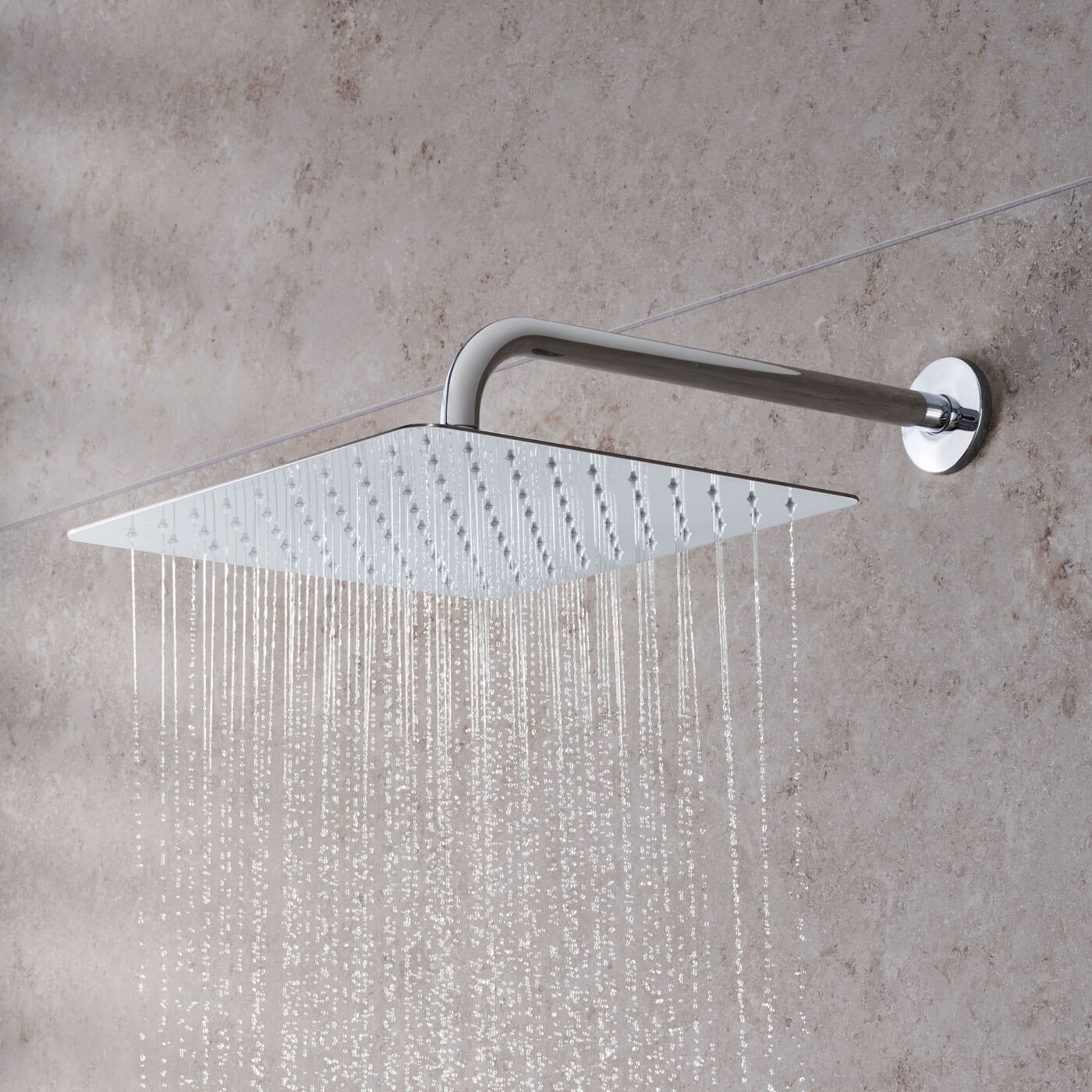
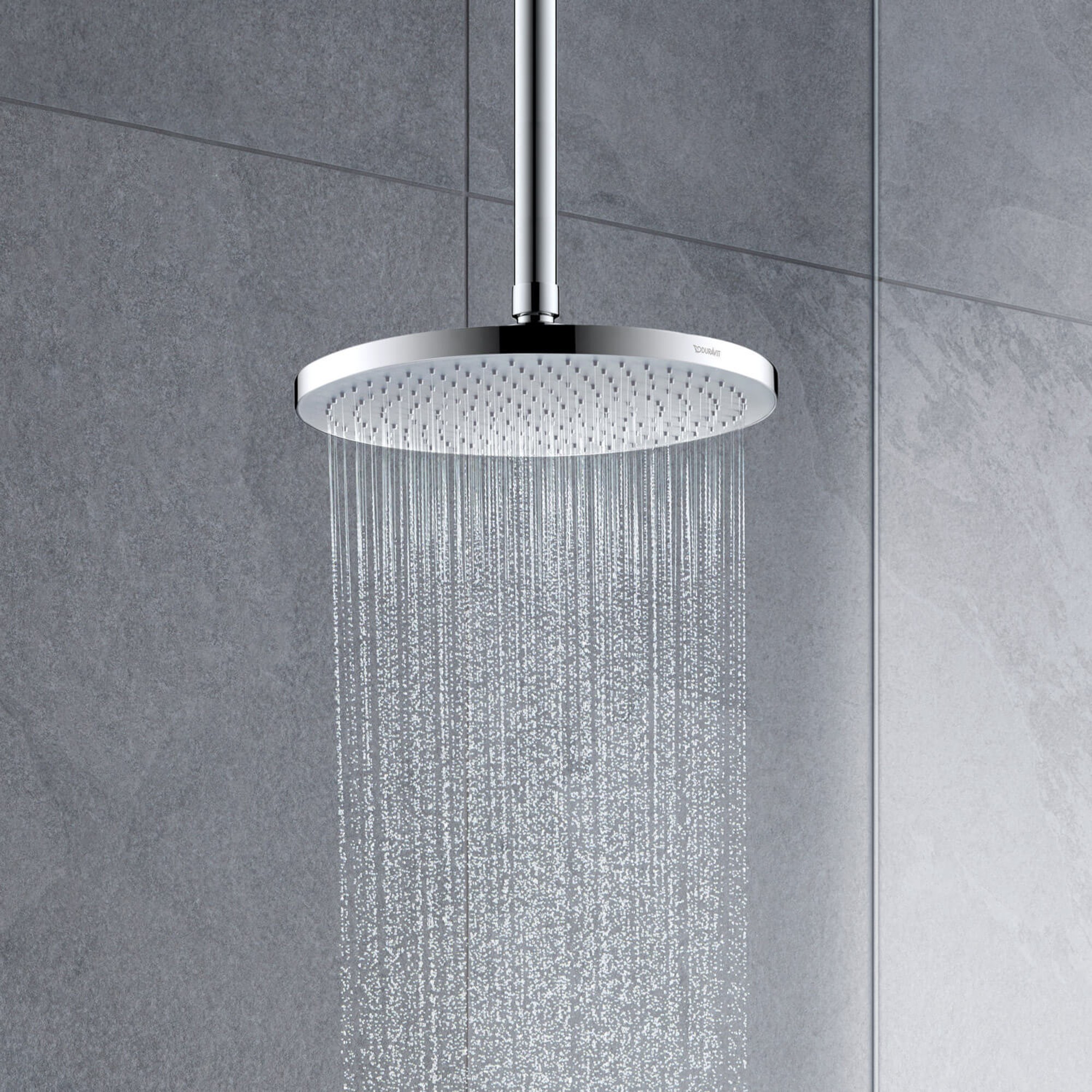
Most showerheads these days are made at least partly of plastic, such as silicone, around the spray disc. In these areas, limescale can usually be easily rubbed off by hand. Do not use a brush for this: doing so could damage the nozzles on modern showerheads. Limescale deposits on metal parts, on the other hand, can usually be wiped off with a cloth.
Always spray the cleaning solution onto the cleaning cloth, not directly onto the faucet. This will prevent the cleaning solution from getting inside the faucet.
If the shower head is very dirty, remove it and place it in a container filled with water and a small amount of mild citric acid-based cleaner, as described above.
By the way: With Duravit’s EasyClean feature, limescale and dirt buildup on the silicone nubs of the shower head or the spray pattern selector of the faucet can be easily wiped away with your finger. This makes it even easier and faster to descale the faucet or shower head.
Descaling other faucets
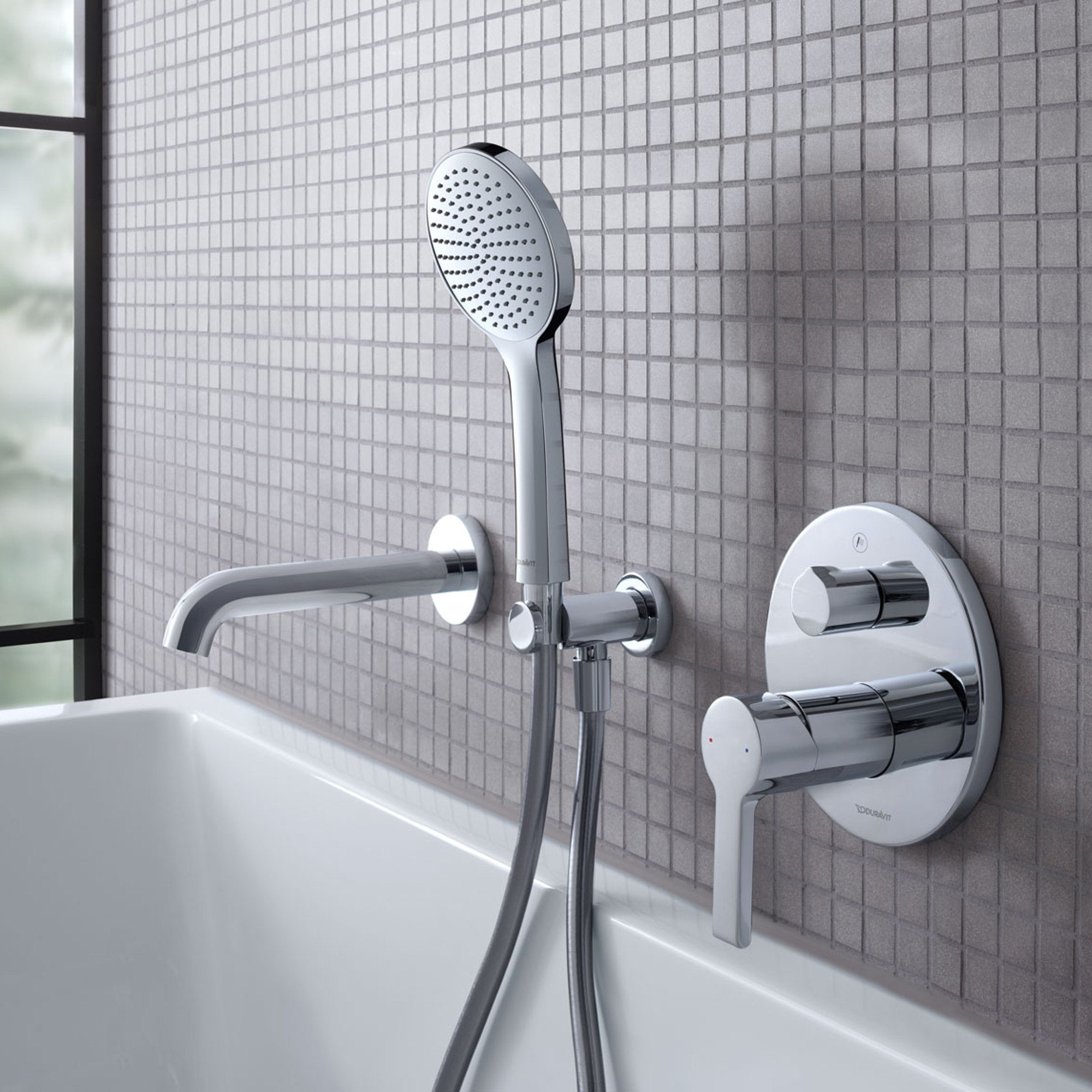
Any method that works for descaling a faucet or showerhead can also be used on other bathroom fixtures. For example, if you’re dealing with limescale on your bathtub or shower fixtures, you can follow the same steps described above. Bidet fixtures can also be descaled using this method.
How to Effectively Remove Limescale – Prevent Damage: Here’s How to Do It Right
Improper cleaning or harsh cleaning agents can spoil your shower experience and cause permanent damage to your showerhead. To ensure your showerhead works well and looks great for a long time, please follow these tips:
The right cleaning aid
Use a soft, clean cloth. You should definitely avoid abrasive cleaning tools such as scouring pads, microfiber cloths, or abrasive sponges.
Steam cleaners are not suitable, as the high temperatures and pressure can damage the shower head's material.
The right cleaning product
Use a mild cleaner—ideally one containing citric acid.
Avoid cleaning products containing harsh ingredients such as hydrochloric acid, formic acid, chlorine bleach, or acetic acid—they can cause significant damage. Products containing phosphoric acid are also only suitable to a limited extent.
Never mix different cleaning products together!
Do not spray cleaning products directly onto the shower head—the fine mist can seep inside and cause damage.
It is best to spray the cleaning solution onto a soft cloth and gently wipe down the finishes with it.
After cleaning, rinse the shower head thoroughly with clean water.
Regular maintenance pays off:
In addition to using the right cleaning method, consistency is also key. How often you should descale your appliance depends on the hardness of your tap water. In areas with hard water, more frequent cleaning is recommended. The first signs of limescale buildup are uneven or weak water streams coming from the nozzles—at that point, at the latest, descaling is necessary.