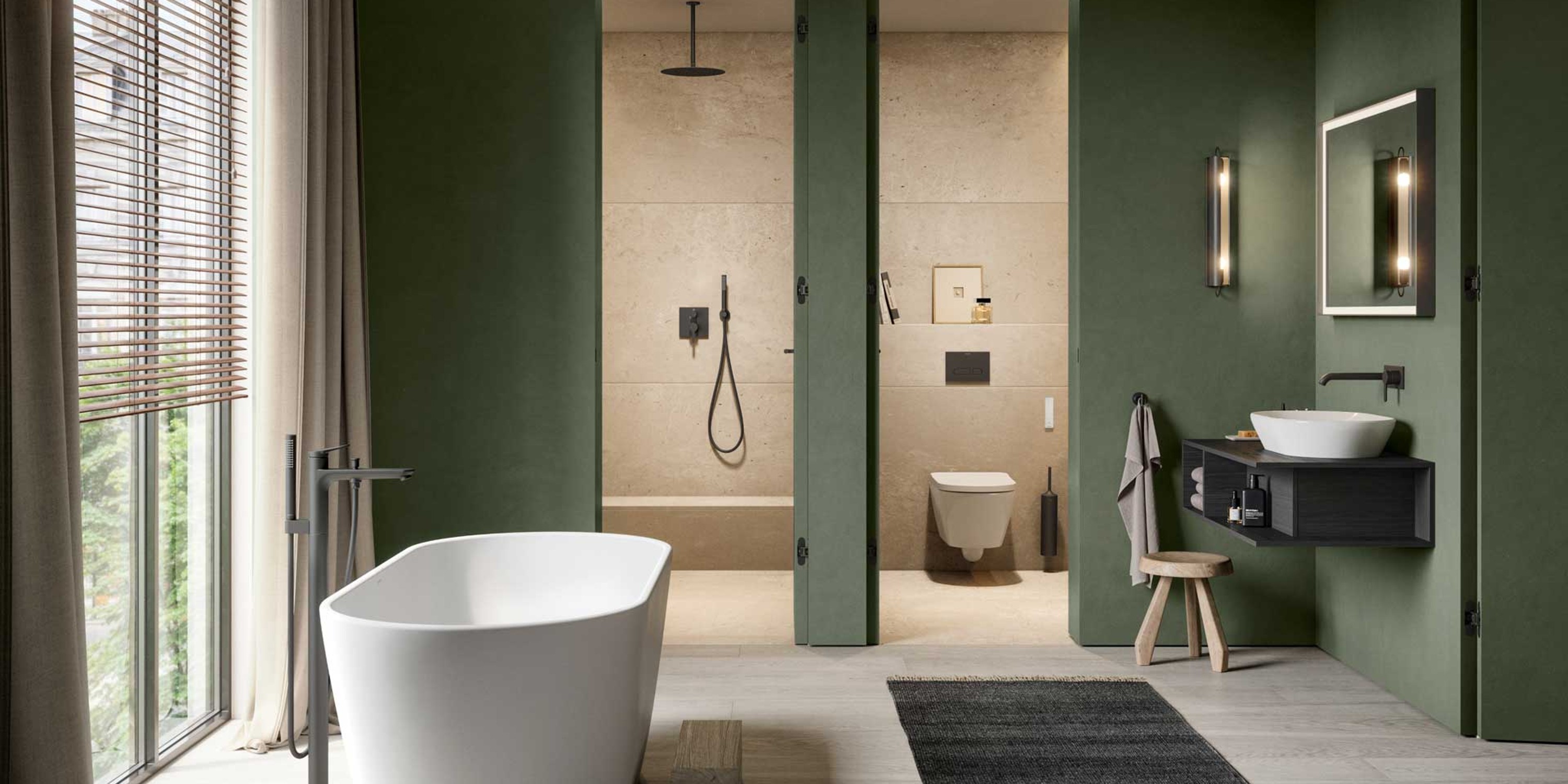
Wood in the bathroom
Natural and durable
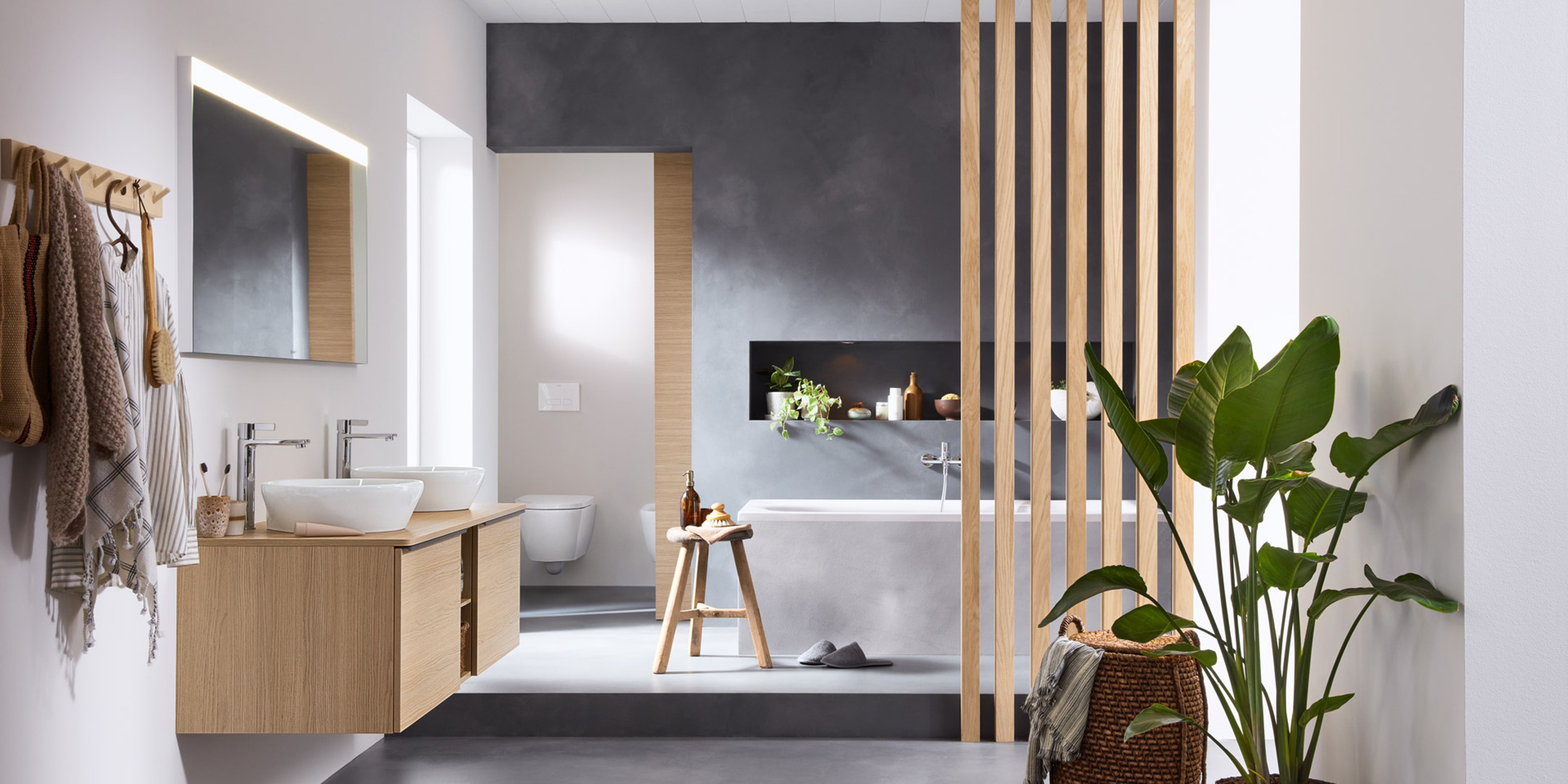
Which types of wood to use in the bathroom?
Being a dynamic material, wood naturally responds to its environment. In the bathroom, these factors are mainly moisture and heat. That’s why it's important to choose the right type of wood while also keeping key design aspects in mind, of course. Below is an overview of types of wood that work especially well in the bathroom.

Dark woods
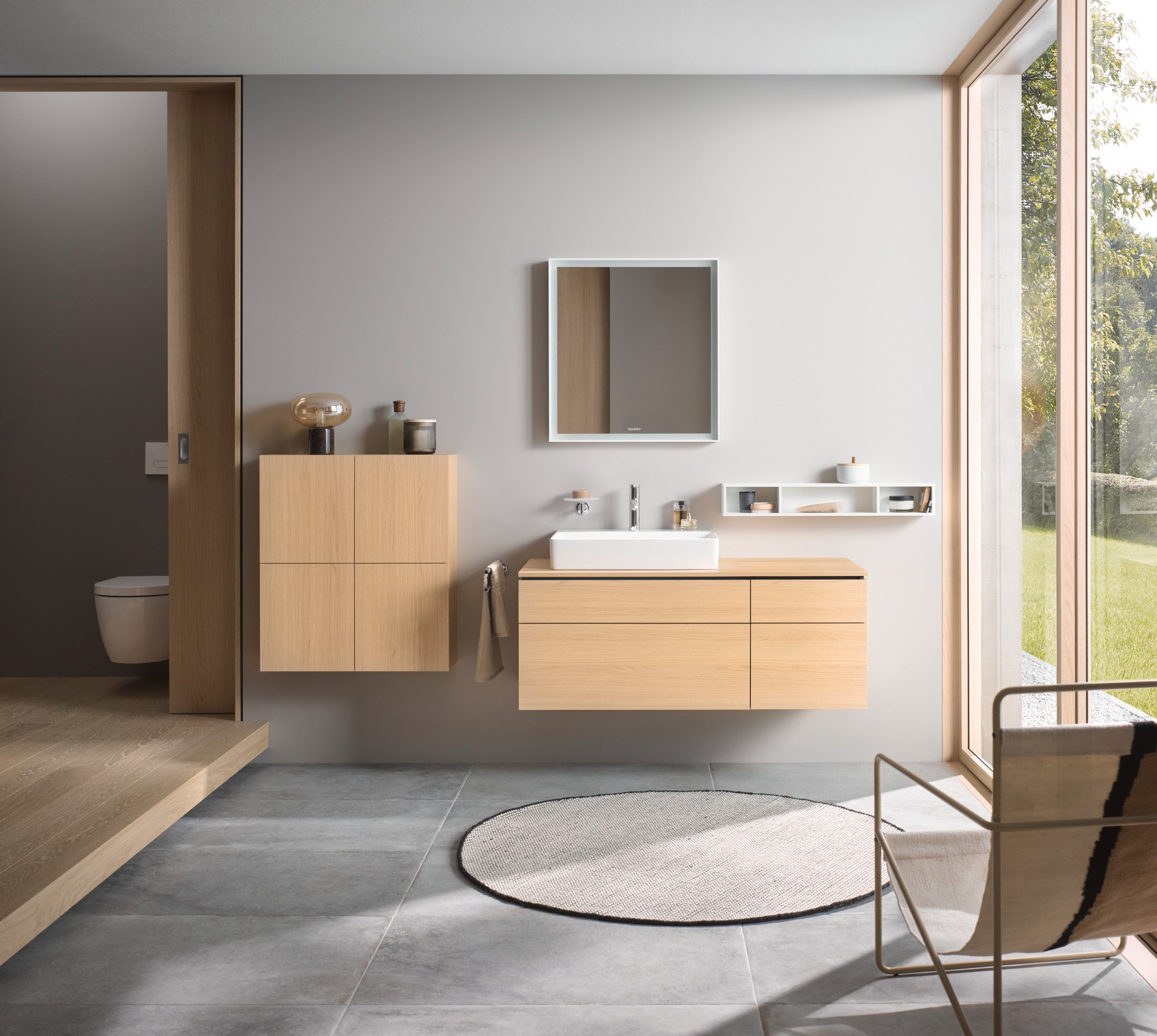
Light woods
Care and longevity
Untreated wood in the bathroom can pose challenges, but with proper installation and a good maintenance routine, it’s extremely durable and handles moisture without any issues. Keep the following in mind:
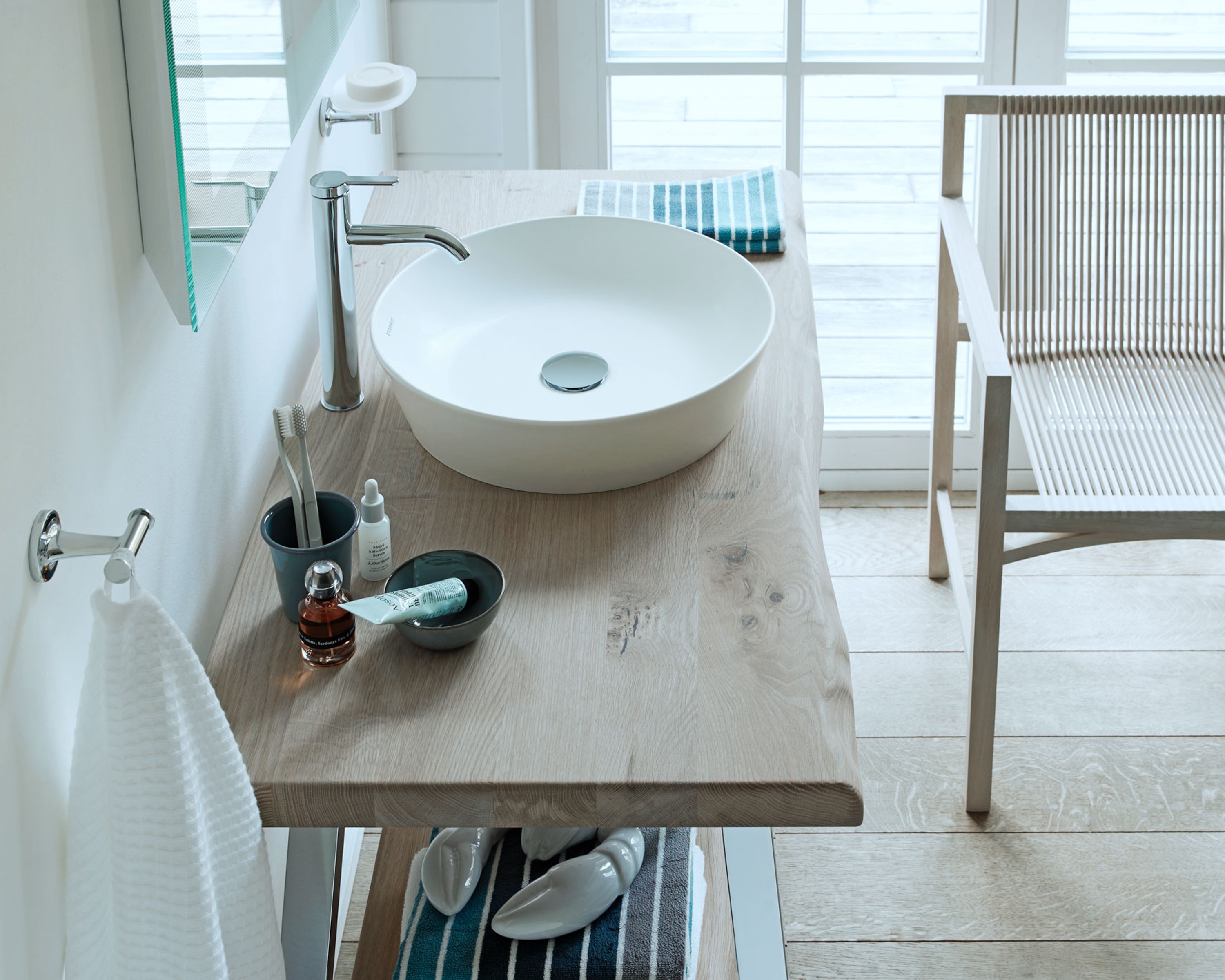
Applying oil or varnish
First of all, start by oiling or varnishing wood in the bathroom if it is untreated. Either method works well, but you shouldn’t switch back and forth between the two.
Hard wax oil is a great option for sealing wood in the bathroom. For lasting protection, this treatment will need to be repeated about two or three times per year. The more oil you apply, the less moisture the wood will absorb and release.
Using a varnish, on the other hand, prevents the wood from absorbing any moisture at all. It’s an especially good way to make wood in the bathroom waterproof. If you notice any minor cracks, they should be repaired right away to prevent moisture from penetrating into the wood.
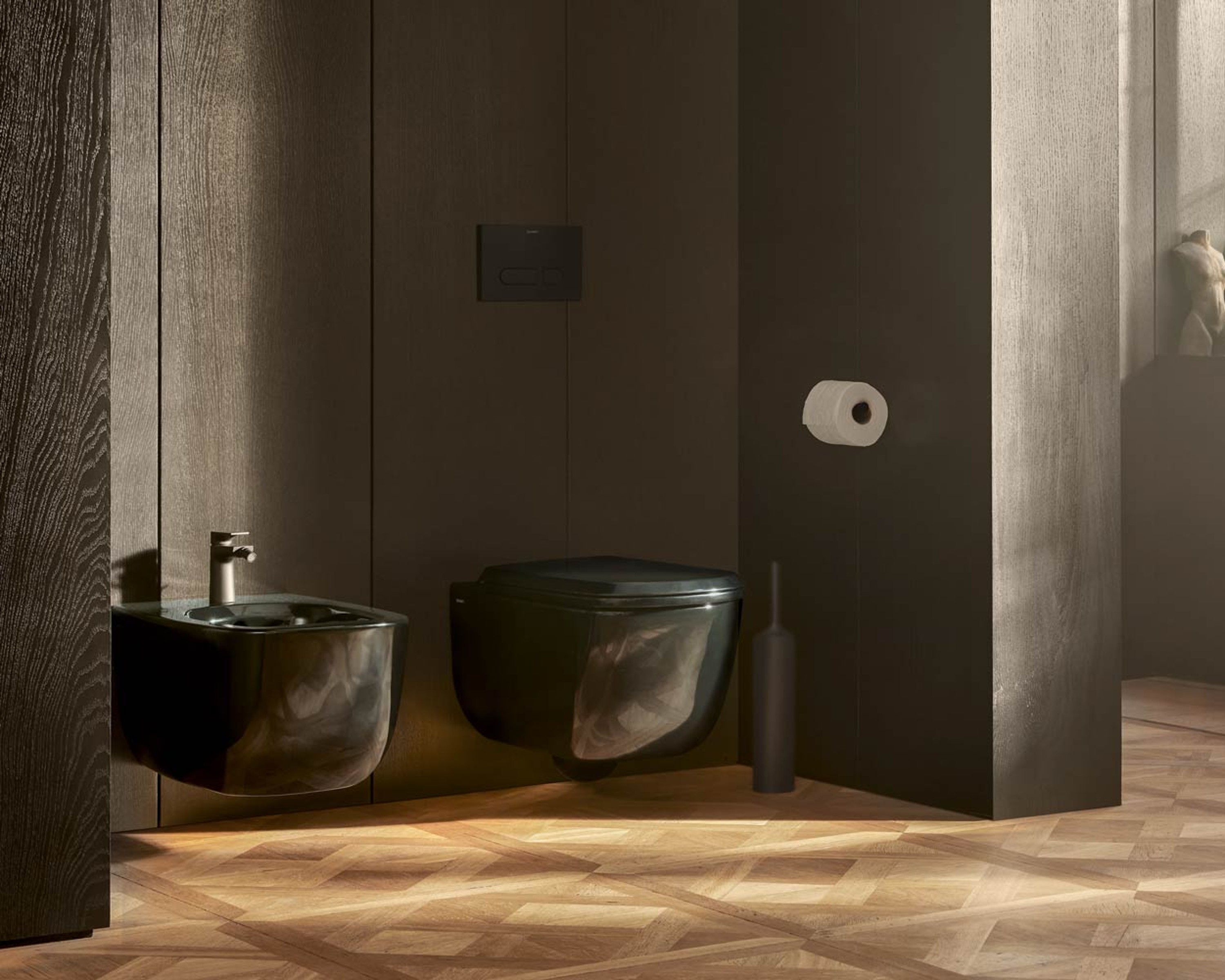
Underlying framework (walls and floors)
If you’re using either bathroom furniture made of wood or any wood tiles or wood paneling in the bathroom, make sure the wood isn’t installed directly on or against any concrete. A proper base framework with a vapor barrier is essential here. This prevents moisture from accumulating under or behind the wood, helping to prevent bathroom mold.
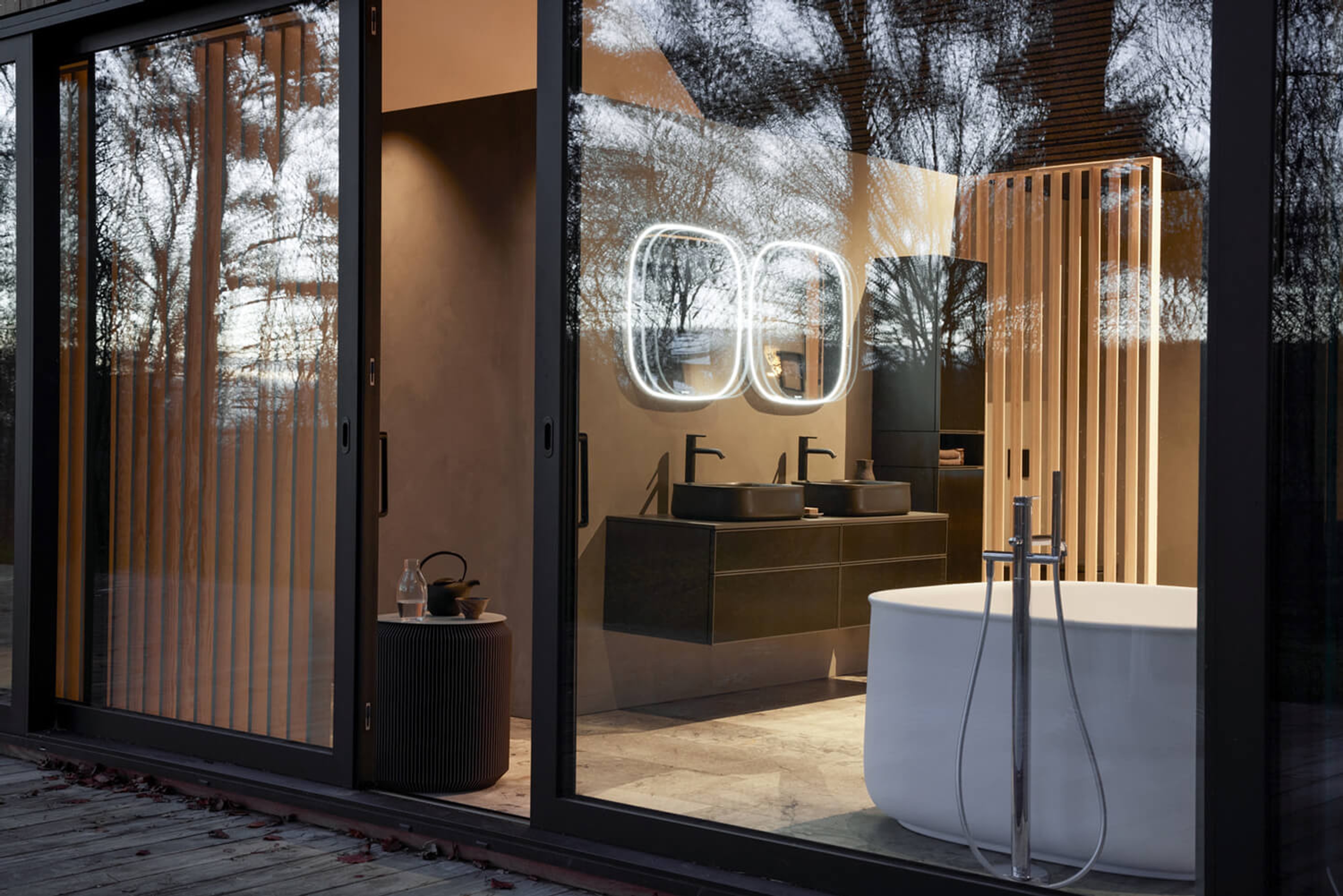
Proper ventilation and heating
Proper ventilation and heating are especially important for protecting wood in the bathroom. Warm, humid air shouldn’t be left in the room for too long. This is also true even for baths without any wood. Ventilate the space regularly to give the wood in your bathroom enough air to breathe.
Design ideas
With the right maintenance, creating a bathroom with wood is easy. But how can you make the most of this natural material?

Bathroom furniture
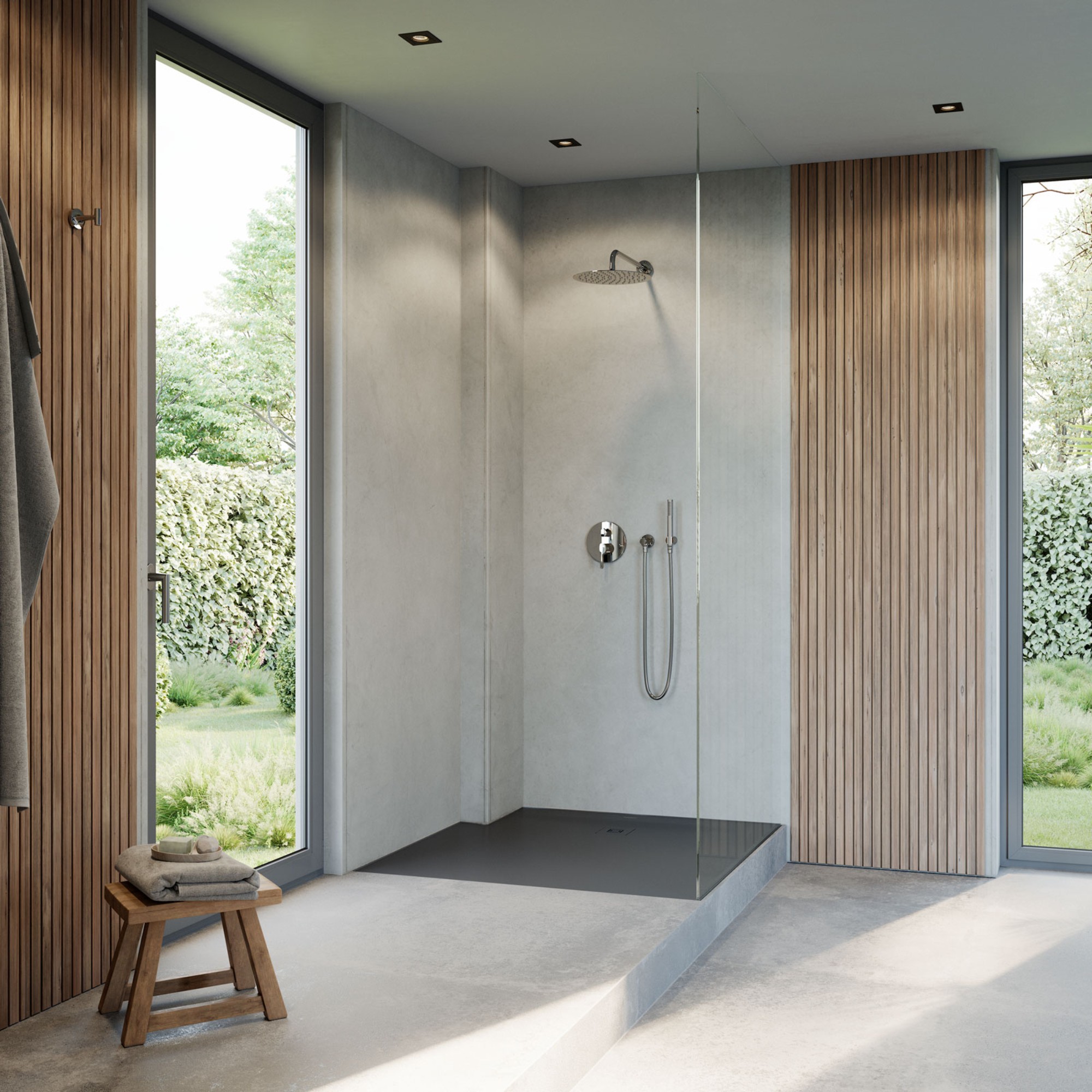
Wood paneling
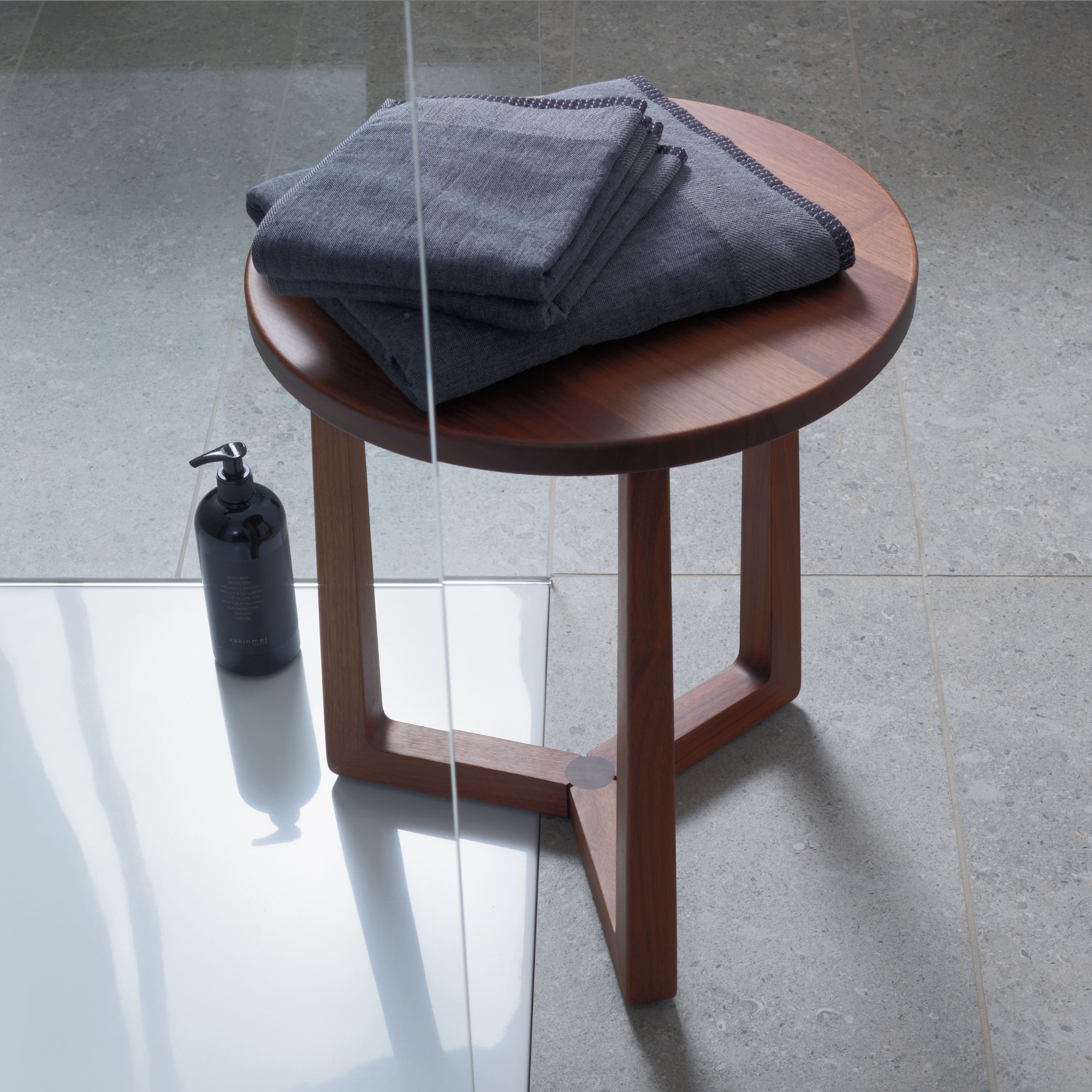
Accessories
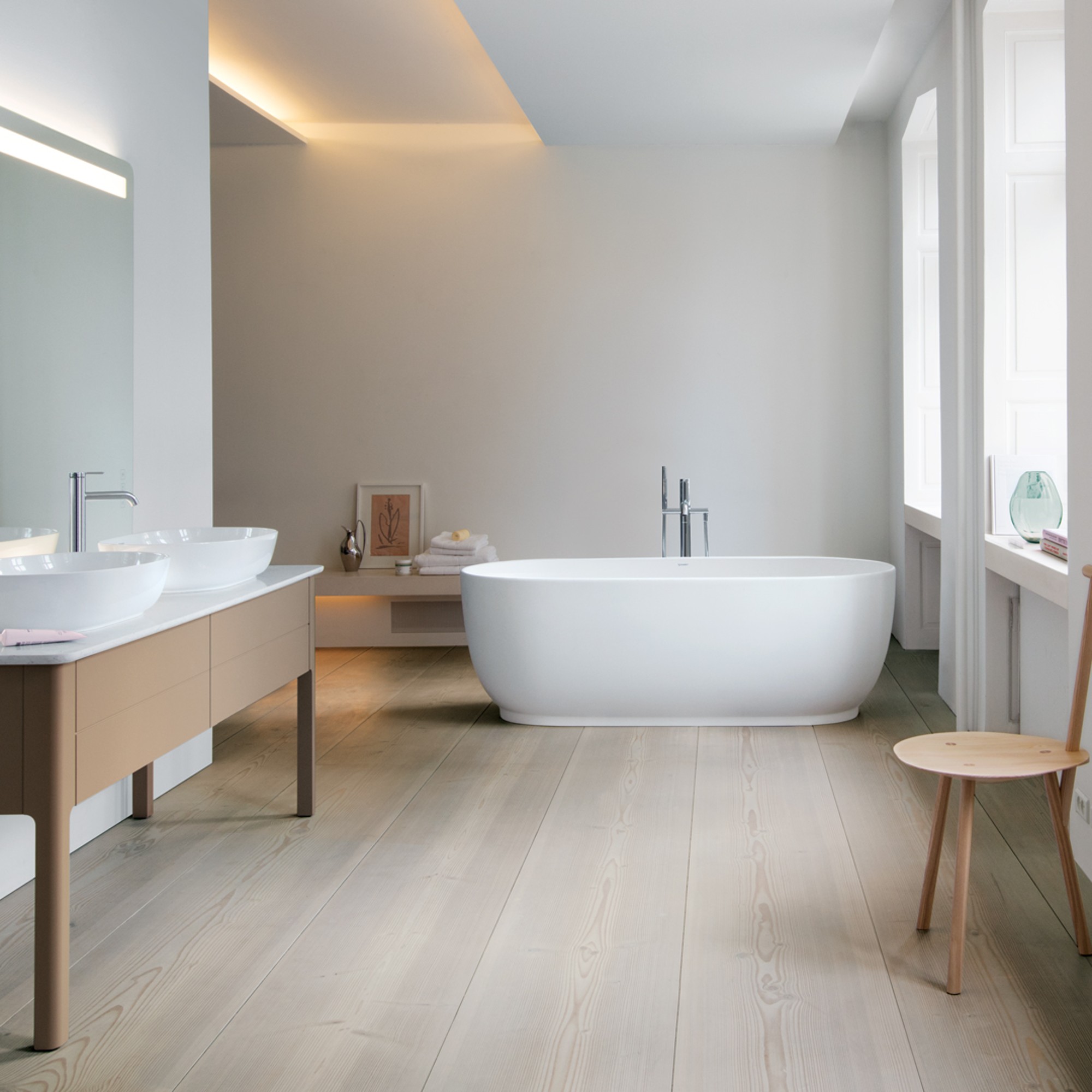
Elements with a wood look
Design styles with wood
Certain design styles also make extensive use of wood in the bathroom.
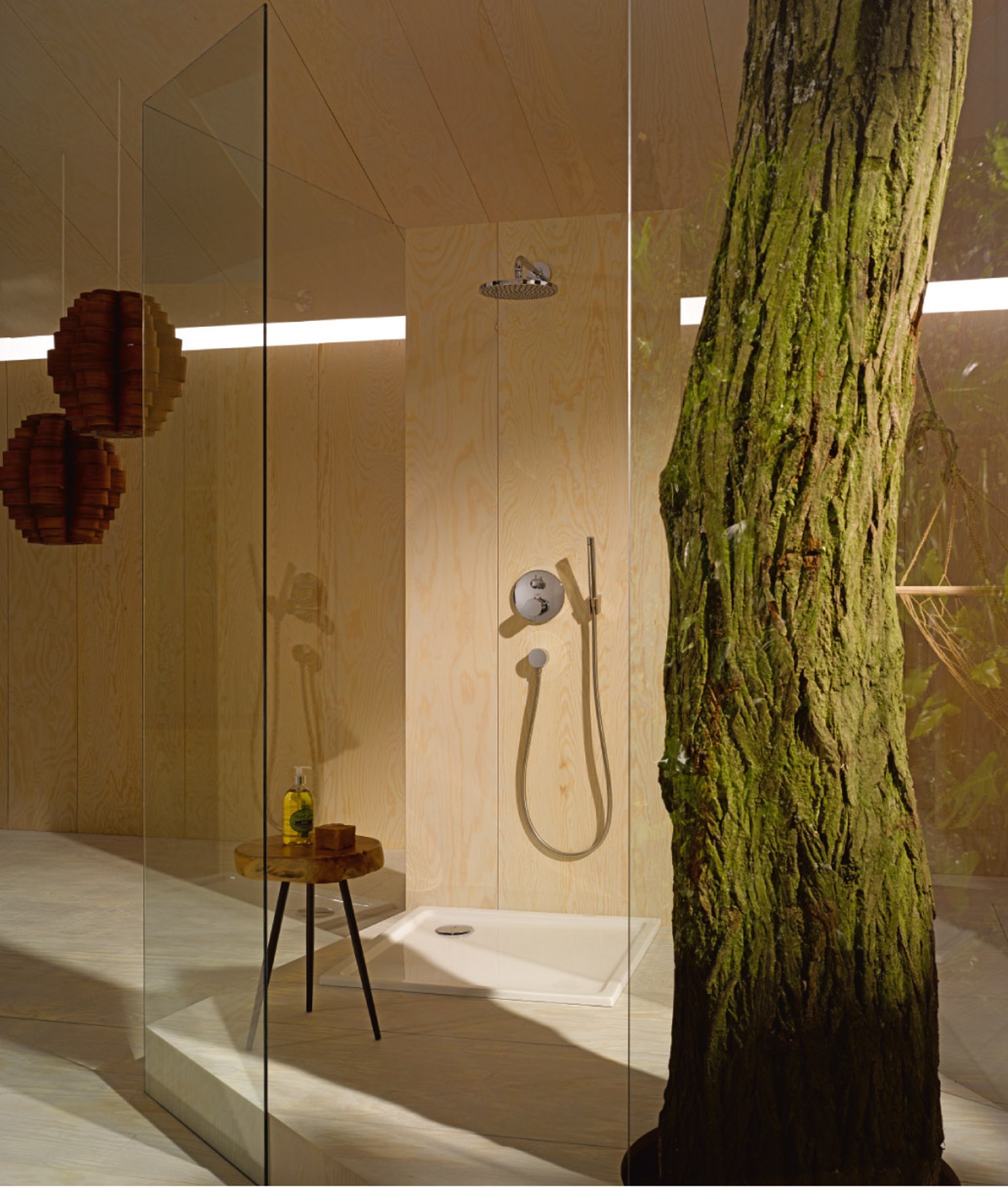
Natural bathrooms
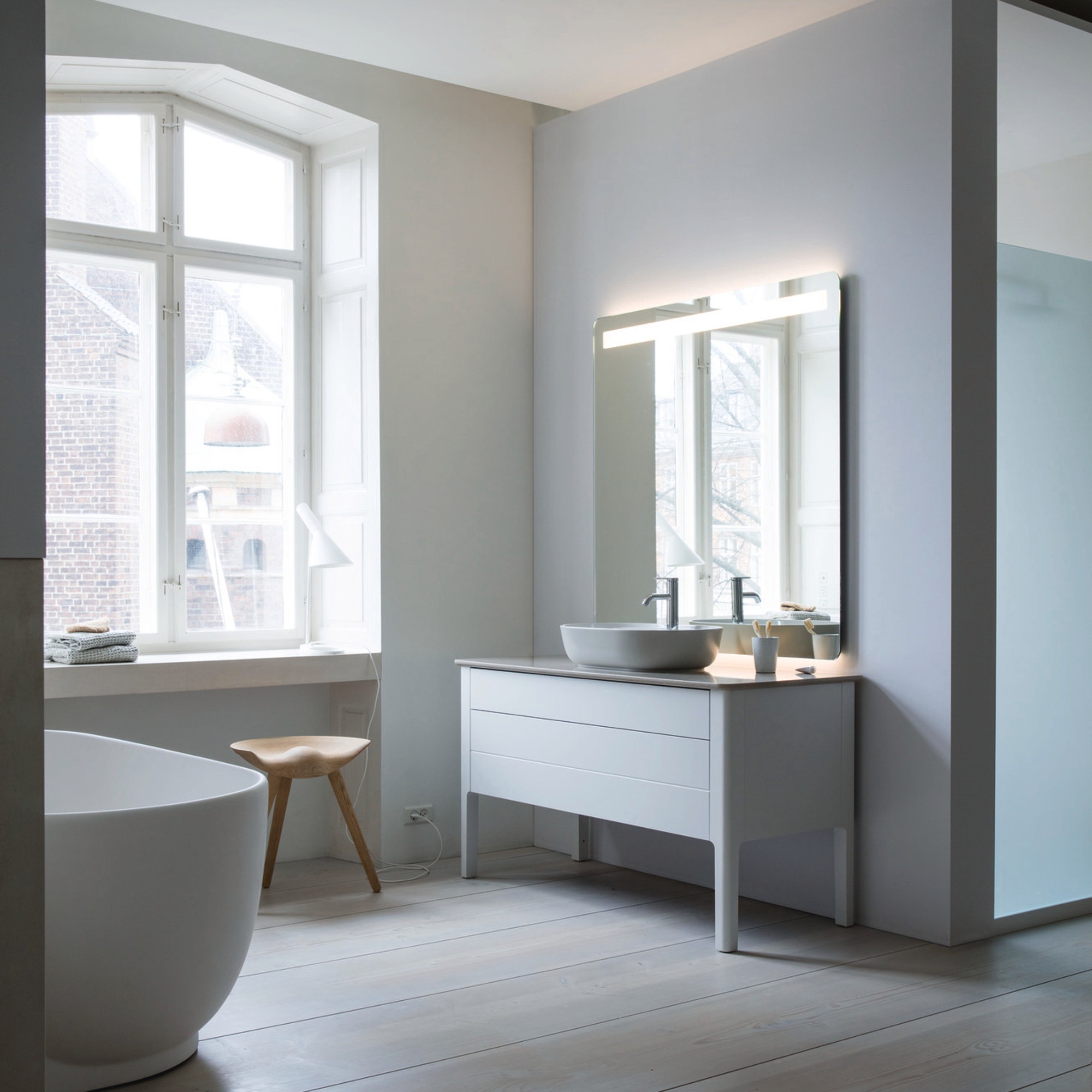
Scandinavian bathrooms

Japanese bathrooms
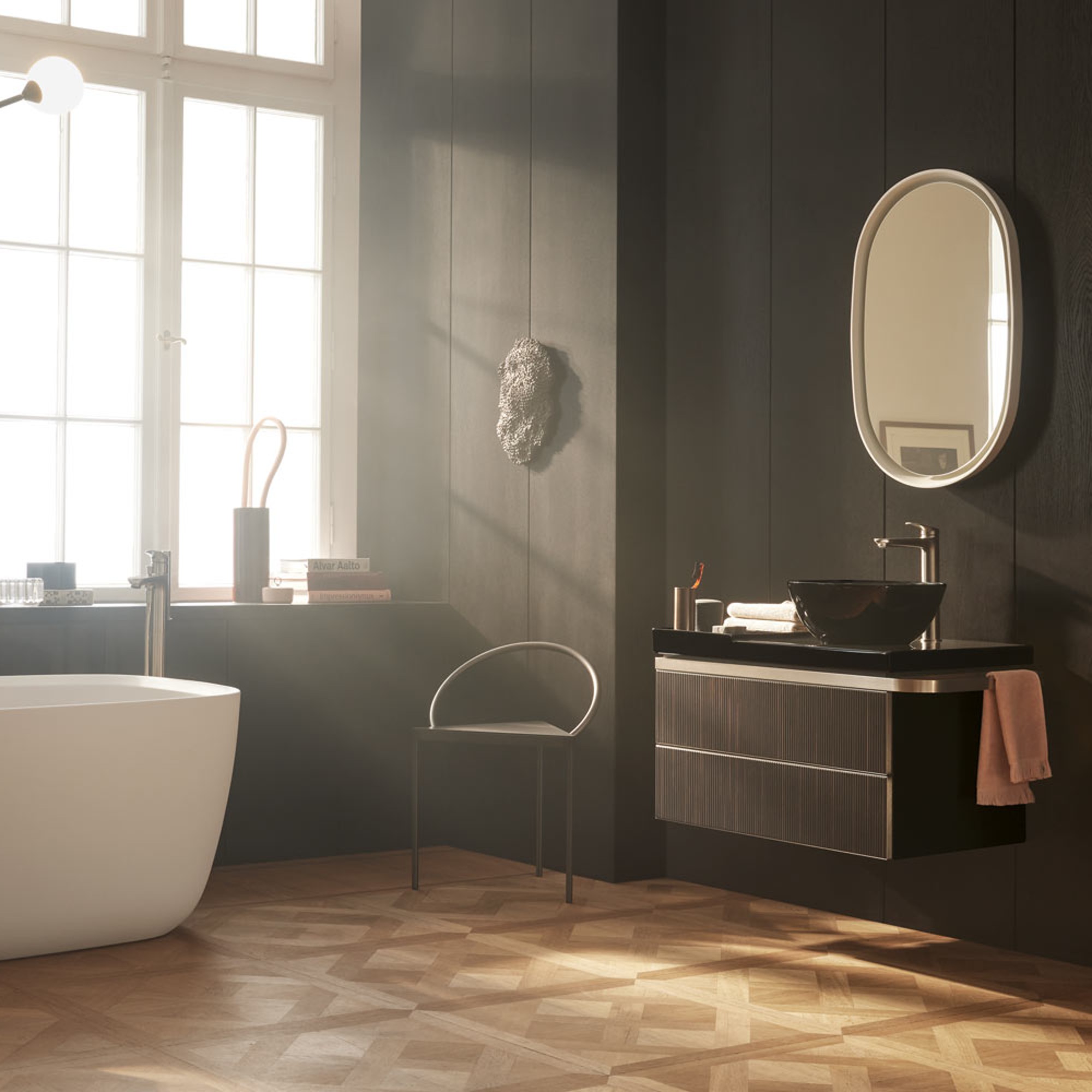
Country house style