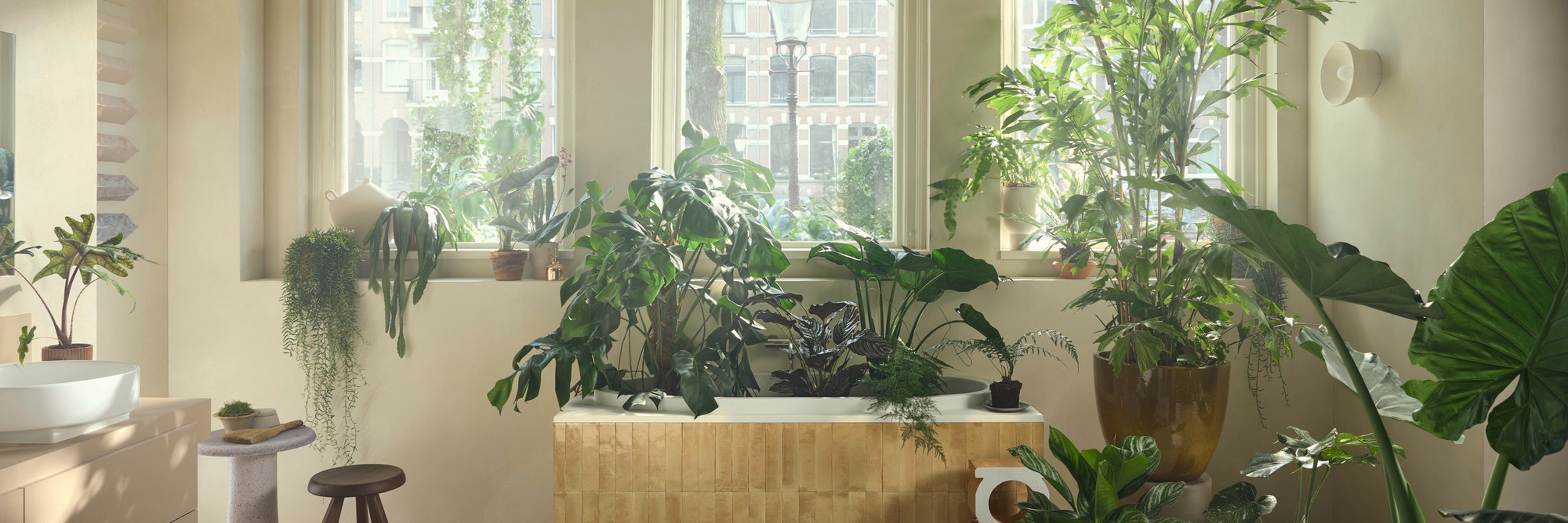
Plants in the Bathroom with Duravit D-Neo Elements

Plants for the bathroom

Plants in the bathroom are the perfect solution if you want to make the space feel especially cozy. Both relaxing and invigorating, they improve the indoor environment and add aesthetic appeal. But are there certain plants that thrive particularly well in the bathroom? Which ones can manage with little light in darker bathrooms? And are there suitable alternatives to natural plants? In the following article, we have the answers for you.

Key points at a glance:

  • Consider indoor conditions: High humidity, fluctuating light levels, and the risk of waterlogging make it important to choose plants based on their specific location and care requirements.
  • Choose the right types of light: While plants like the Monstera, aloe vera, or snake plant thrive in bright bathrooms, plants such as the mountain palm, pothos, or peace lily do well even in lower light conditions.
  • Alternatives for poor conditions: Artificial plants, dried plants, moss arrangements, or plant grow lights offer attractive alternatives.
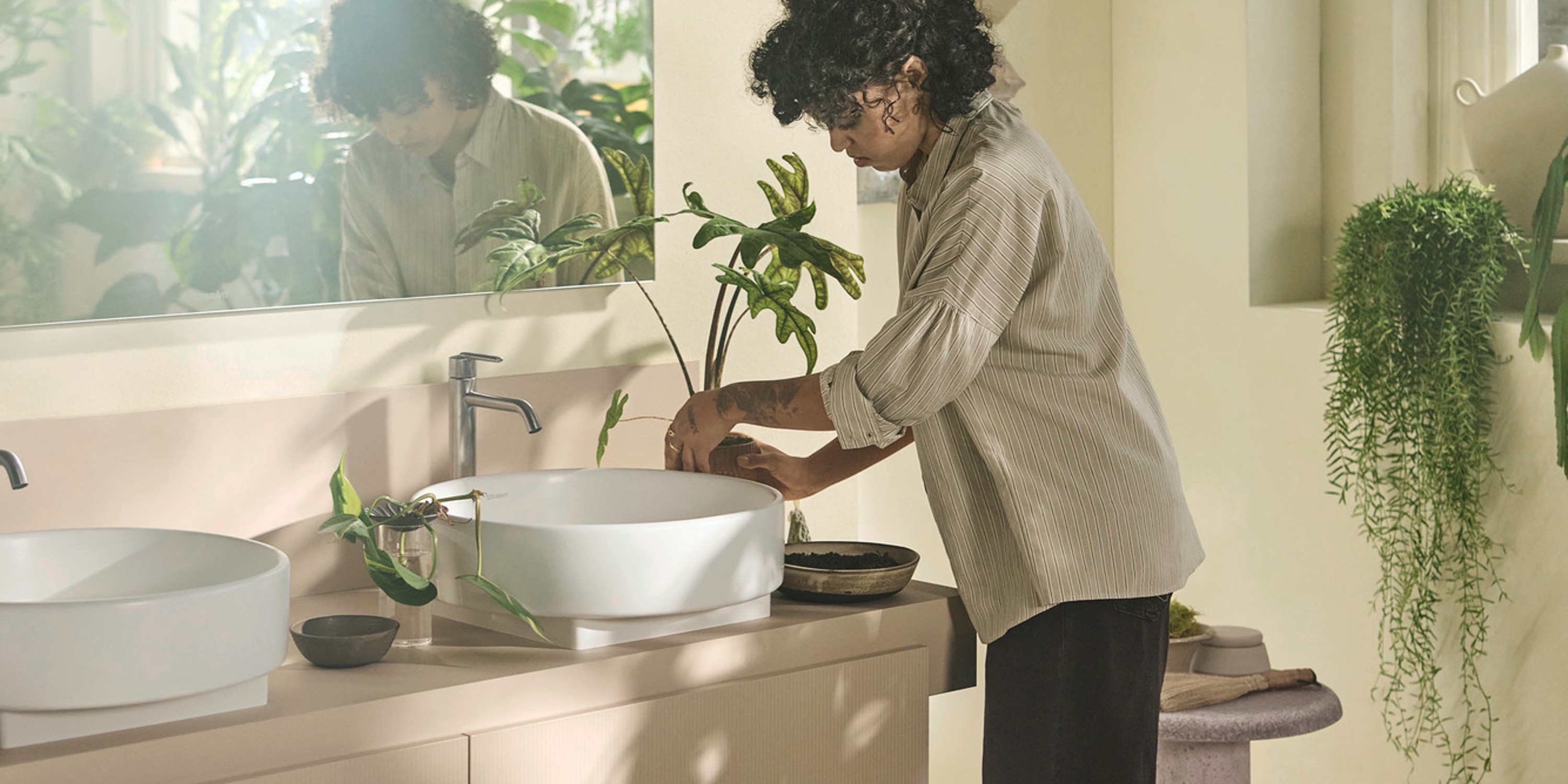
Several large plants and a women in front of a vanity

General tips for plants in the bathroom

Even though different types of plants require different conditions and care, there are still some general guidelines that apply to all plants in the bathroom.
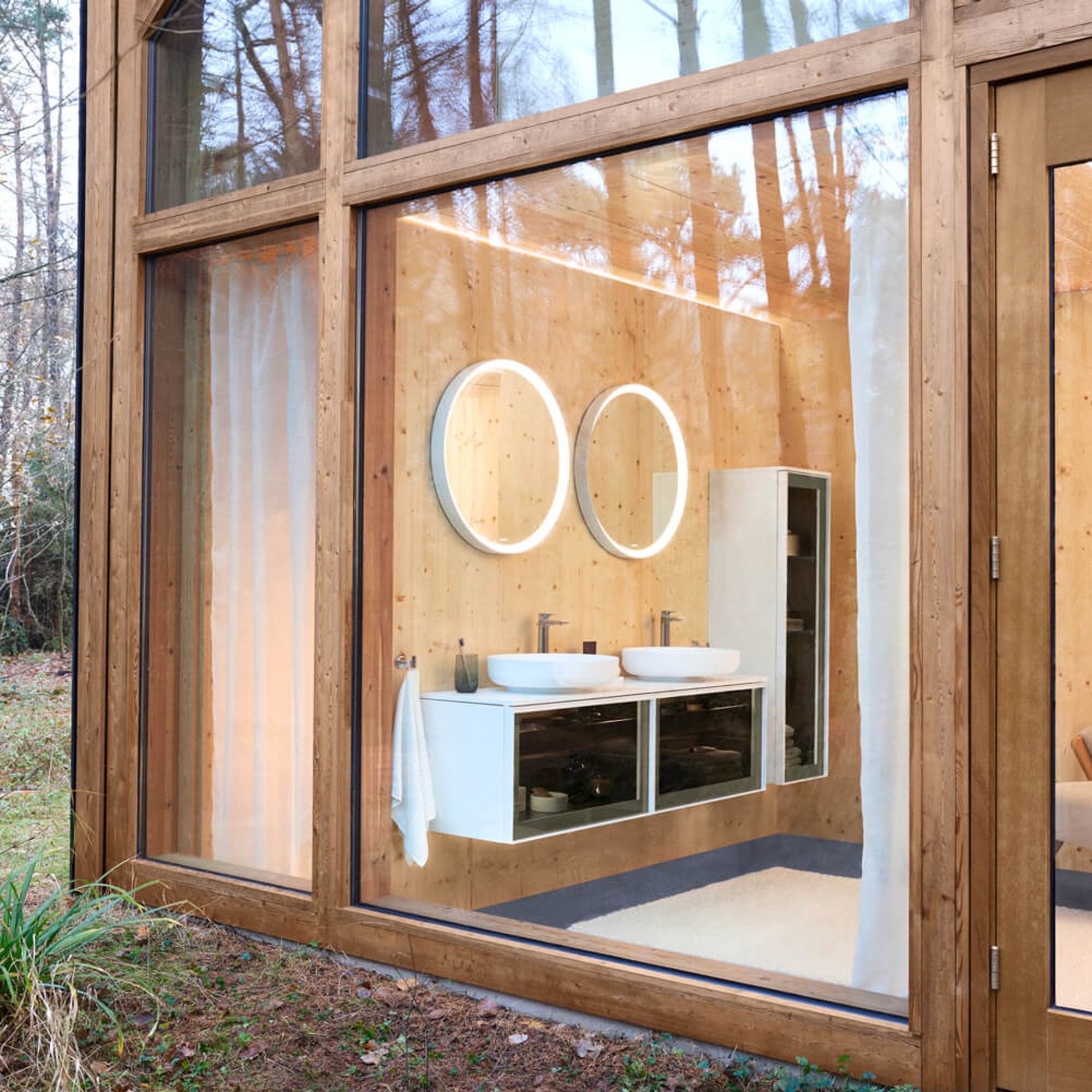
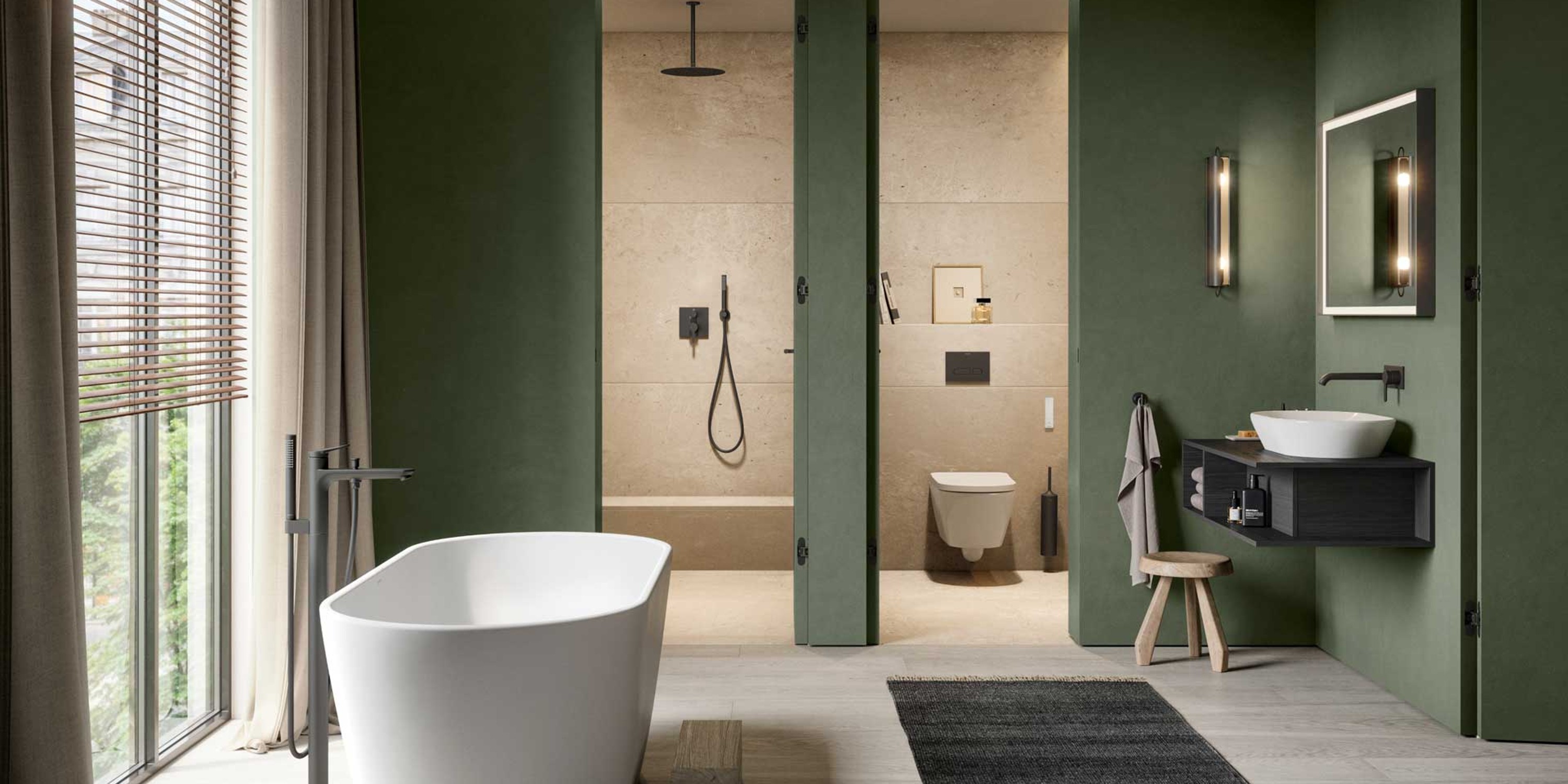
Luxurious design with a cozy atmosphere and Duravit Vitrium bathroom furniture

Light

Lighting conditions in bathrooms can vary greatly. Depending on the amount of light and whether it enters the room directly or indirectly, different plants are recommended for the bathroom. By the way, plants cannot survive without light. Even though certain plants are suitable for dark bathrooms, without any natural light—or special lamps—there is no way for photosynthesis to occur, which is essential for plant survival. Therefore, artificial alternatives are recommended for bathrooms without windows.

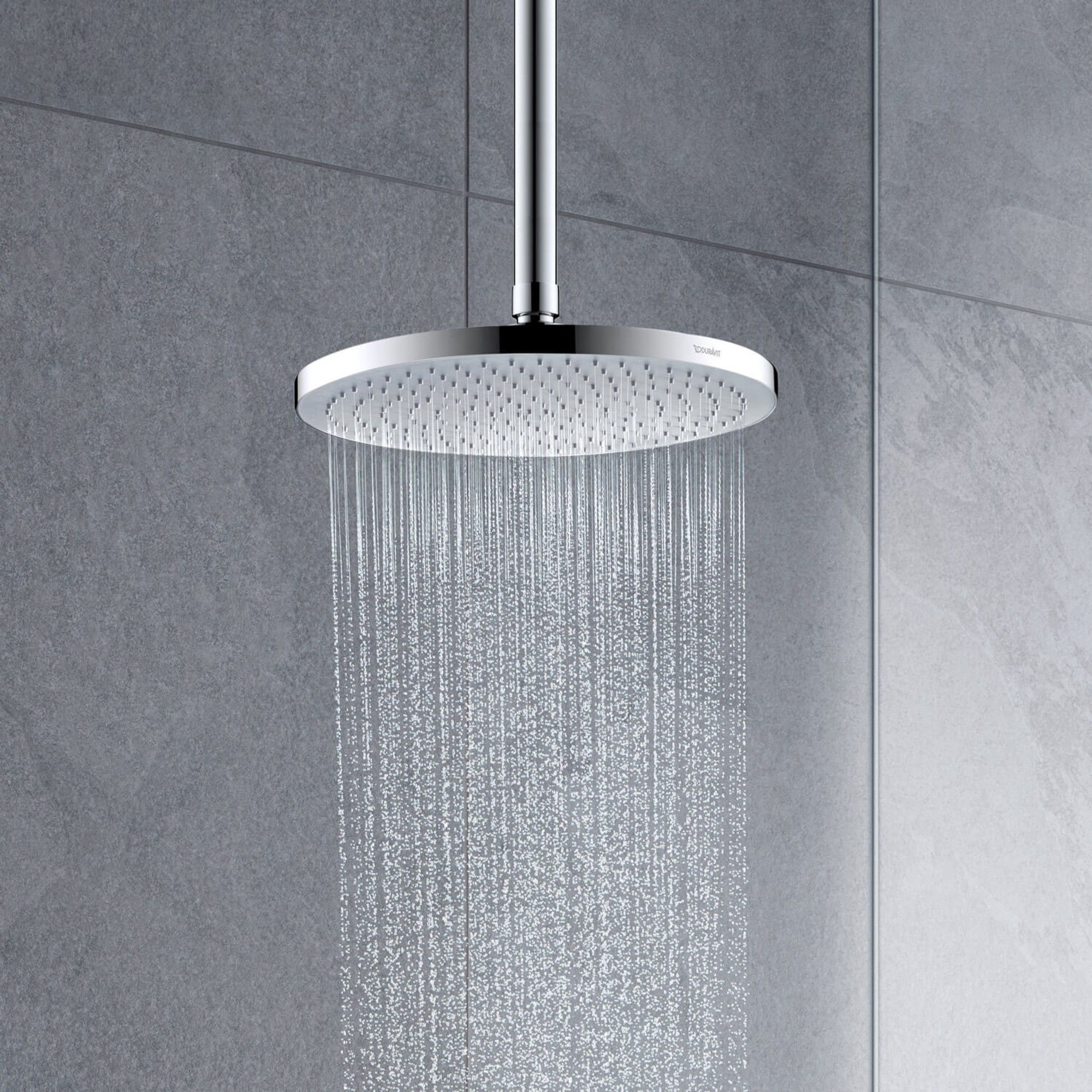
Duravit Circle showerhead with running water

Humidity

It goes without saying that plants in the bathroom should be able to tolerate humidity. Unlike the average humidity of 40–60% in most rooms, humidity in bathrooms can easily reach 80%. This generally makes desert plants like cacti less suitable. Even tropical plants need fresh air regularly—for example, to lower the humidity after showering and prevent mold from forming in the soil.

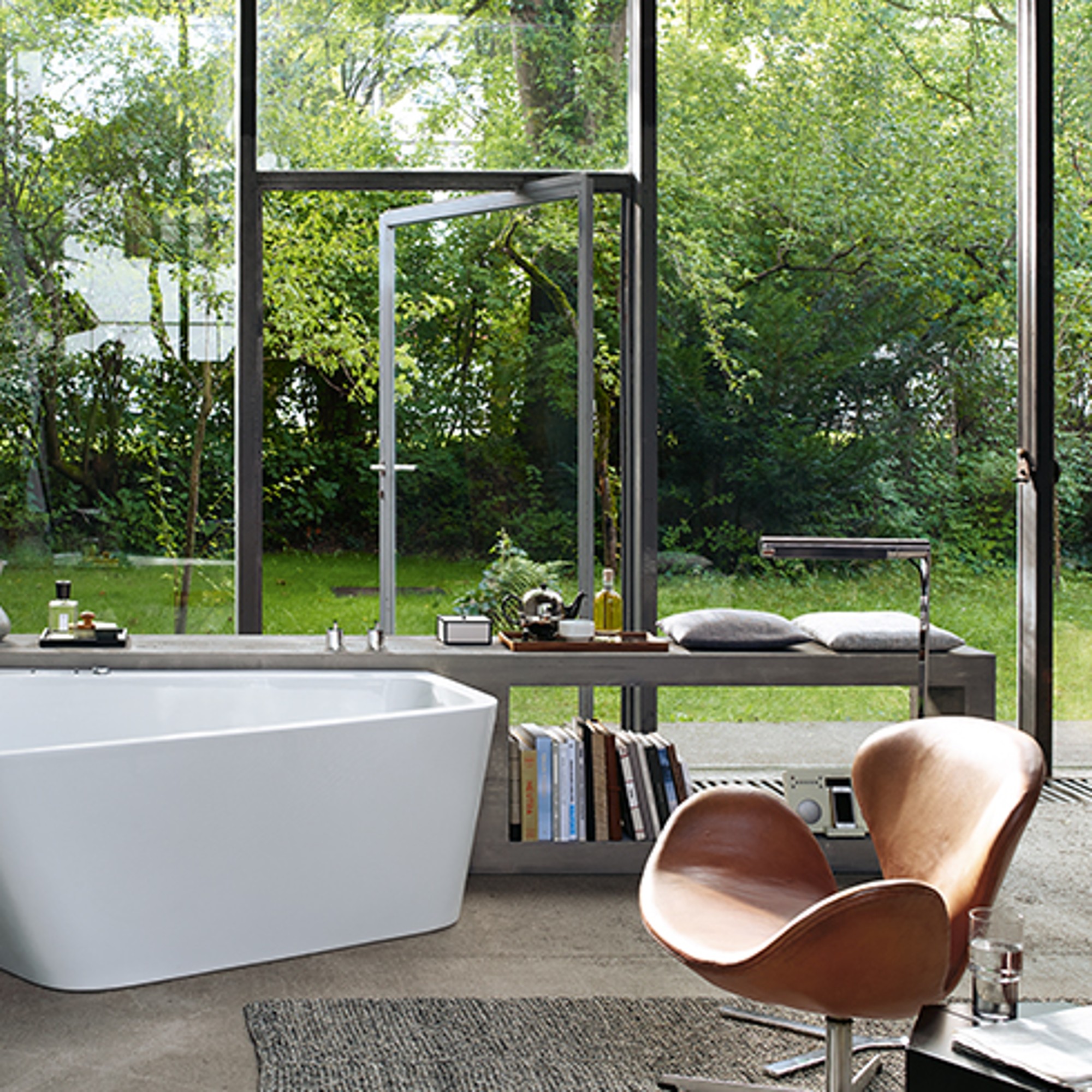
Duravit Paiova bathtub in front of panoramic windows overlooking the garden

Draft

However, caution is advised when ventilating the room. Tropical bathroom plants, in particular, do not tolerate cold drafts very well. Therefore, plants in the bathroom should be placed so that they are exposed to as little of it as possible. For larger plants, it is advisable to place them on rolling stands. Small plants can simply be moved quickly.

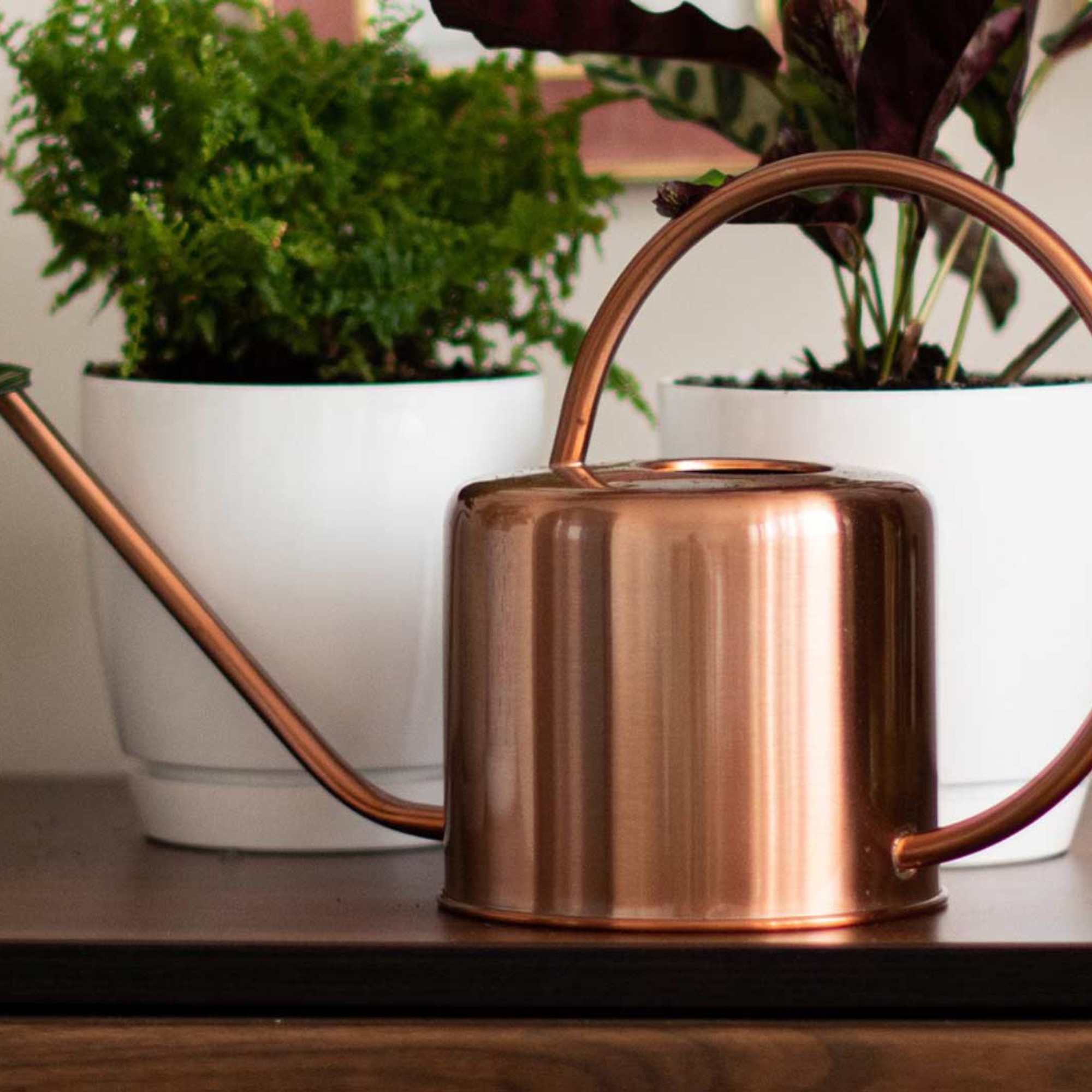
Brass-colored watering can

Watering

Of course, the plants in the bathroom need to be watered as well. The high humidity alone isn’t enough, especially since not all plants are able to make use of it equally effectively. However, it does make a noticeable difference. As a result, plants in the bathroom often need to be watered a little less than you might be used to in other rooms. Regularly checking the soil with your finger and/or using a moisture indicator can help you find the right balance.

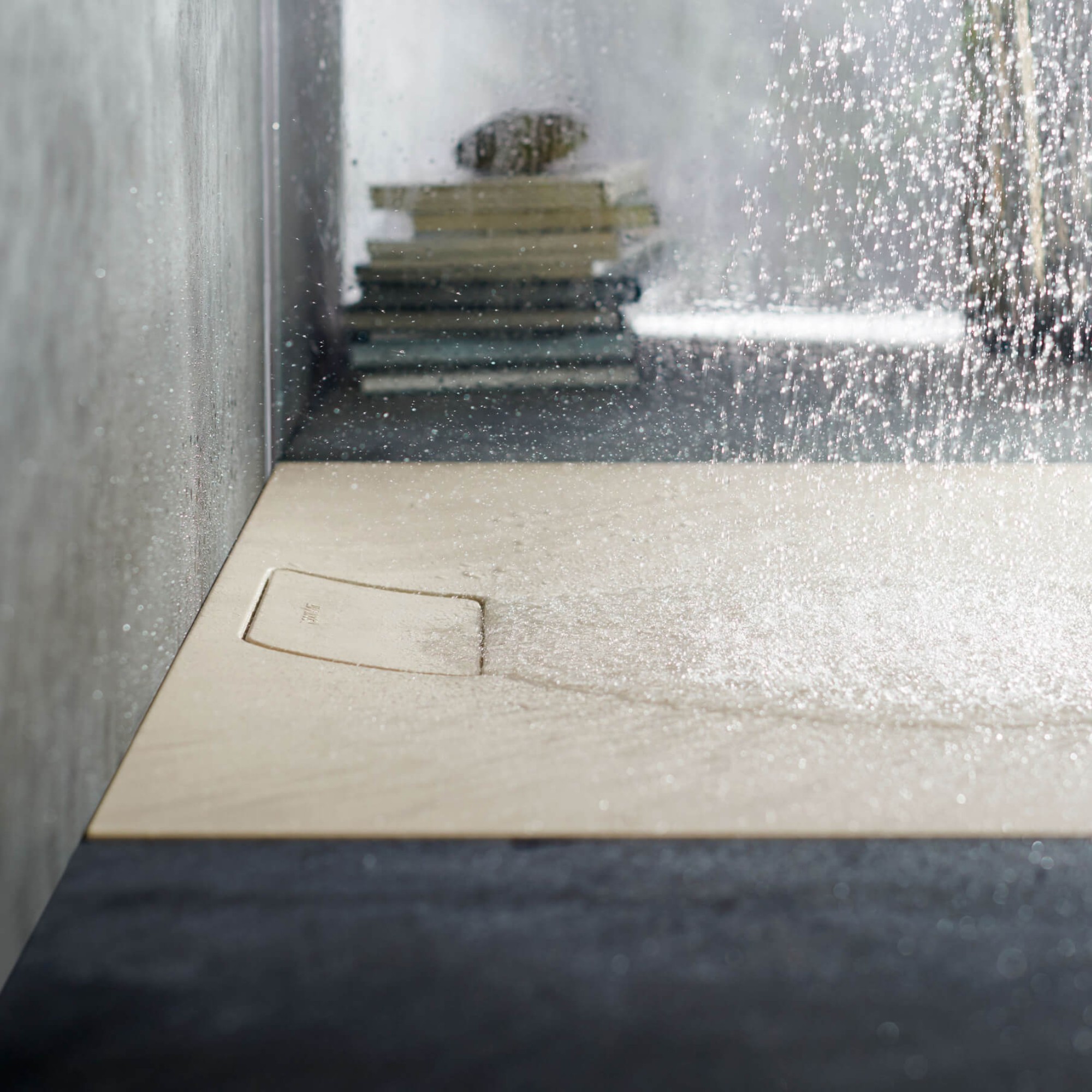
Duravit Stonetto shower tray with cascading water droplets

Waterlogging

Tip: Few plants tolerate waterlogged soil. To avoid this, it’s best to use smaller amounts of water and water more frequently.

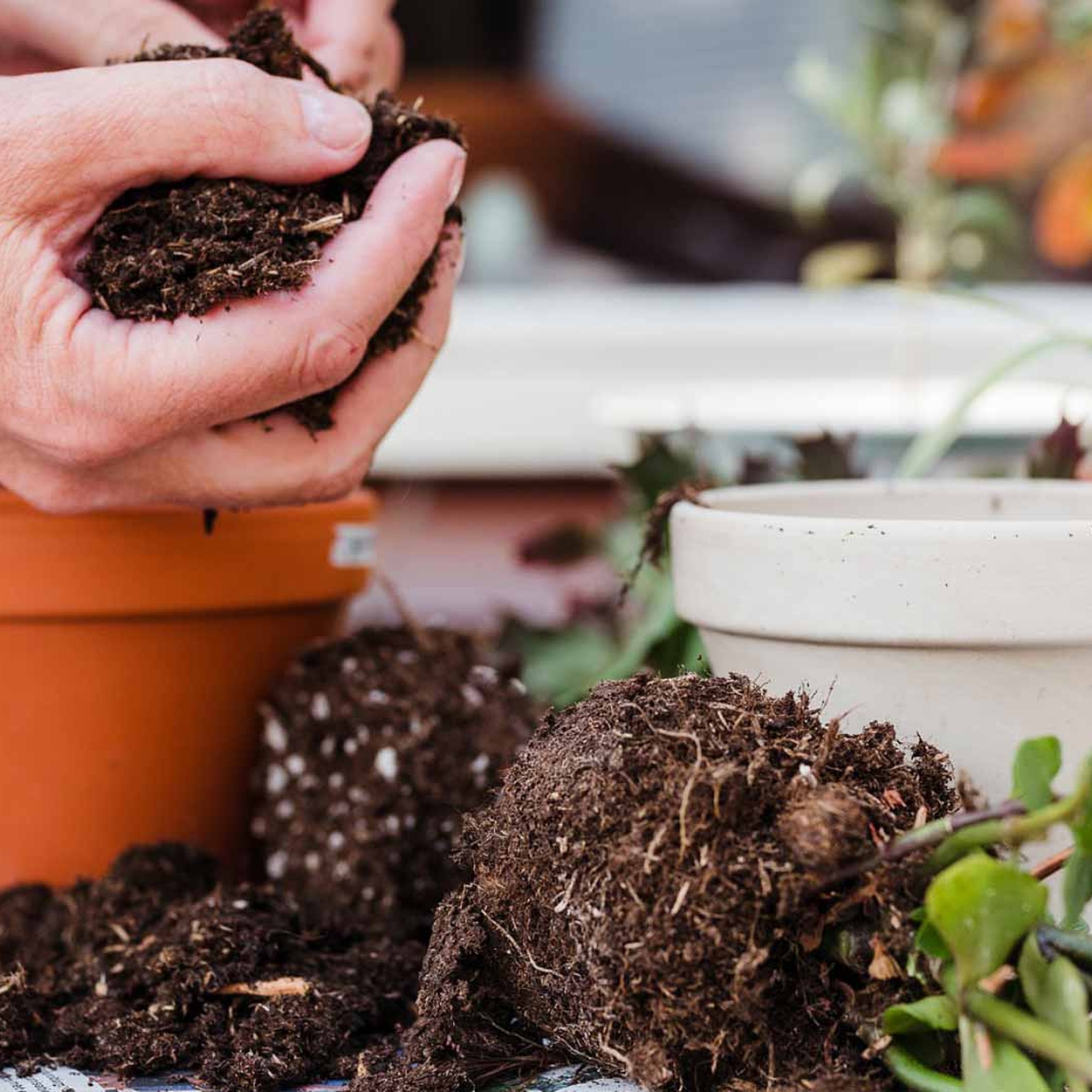
Hand checks the potting soil

Potting soil

As mentioned, high humidity promotes mold growth in potting soil. Therefore, whenever possible, you should use loose, well-draining soil or even a potting mix for plants in the bathroom. Mold has a much harder time growing there.

Plants for bright bathrooms

If you're looking for plants for bathrooms with windows that provide plenty of light, you'll find a wide selection to choose from. That's because many plants that are well-suited for bathrooms also thrive in sunny conditions. The following varieties work particularly well:
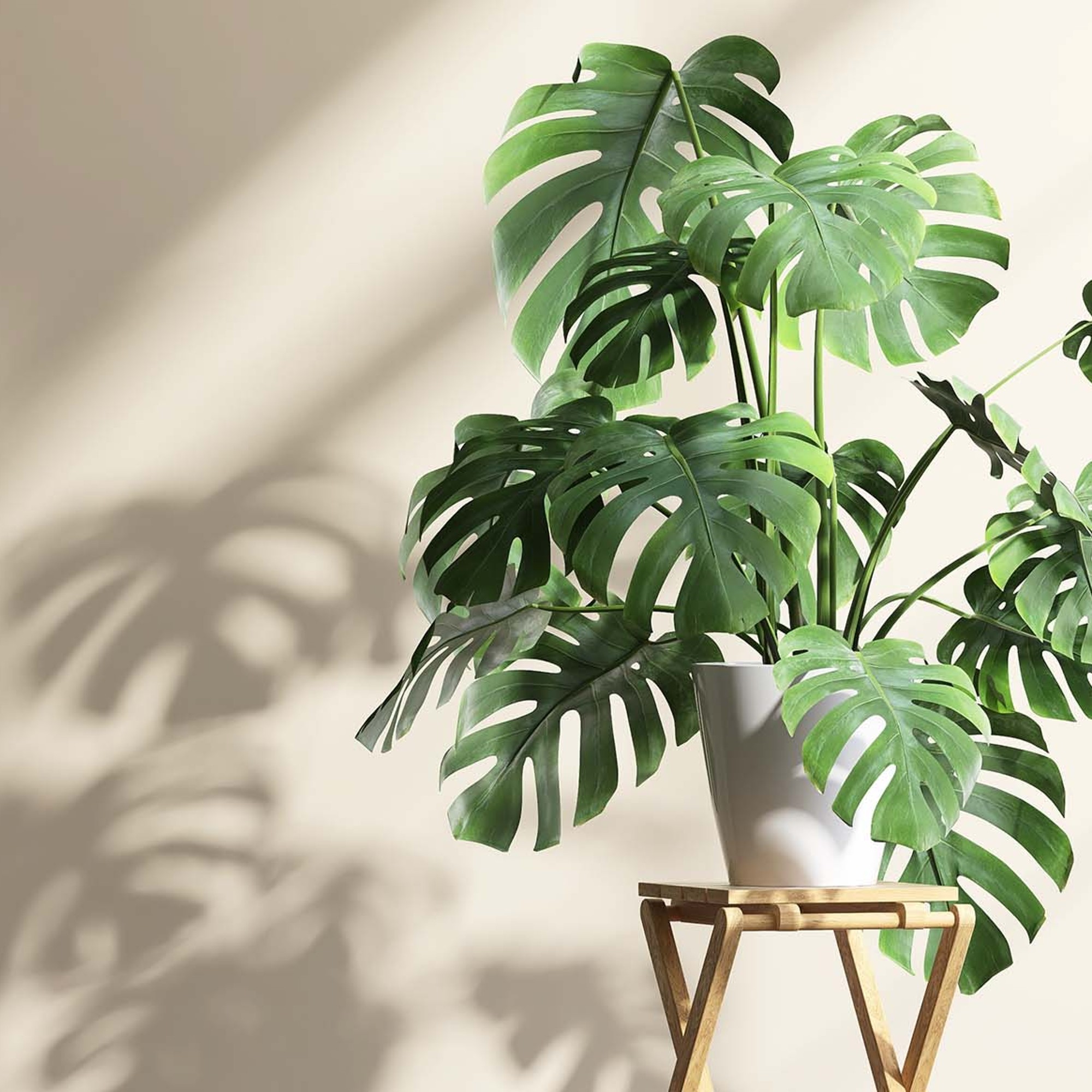
A window panel in the bathroom

Window sash

As the name suggests, this plant thrives in a spot in the bathroom with direct sunlight—ideally morning or evening sun, as the intense midday heat can sometimes be too much. The plant, sometimes simply referred to by its genus name as Monstera, enjoys great popularity due to its impressive leaves and vigorous growth. Accordingly, the Monstera should be given ample space. When watering, it’s important to avoid waterlogging; when in doubt, less is more.

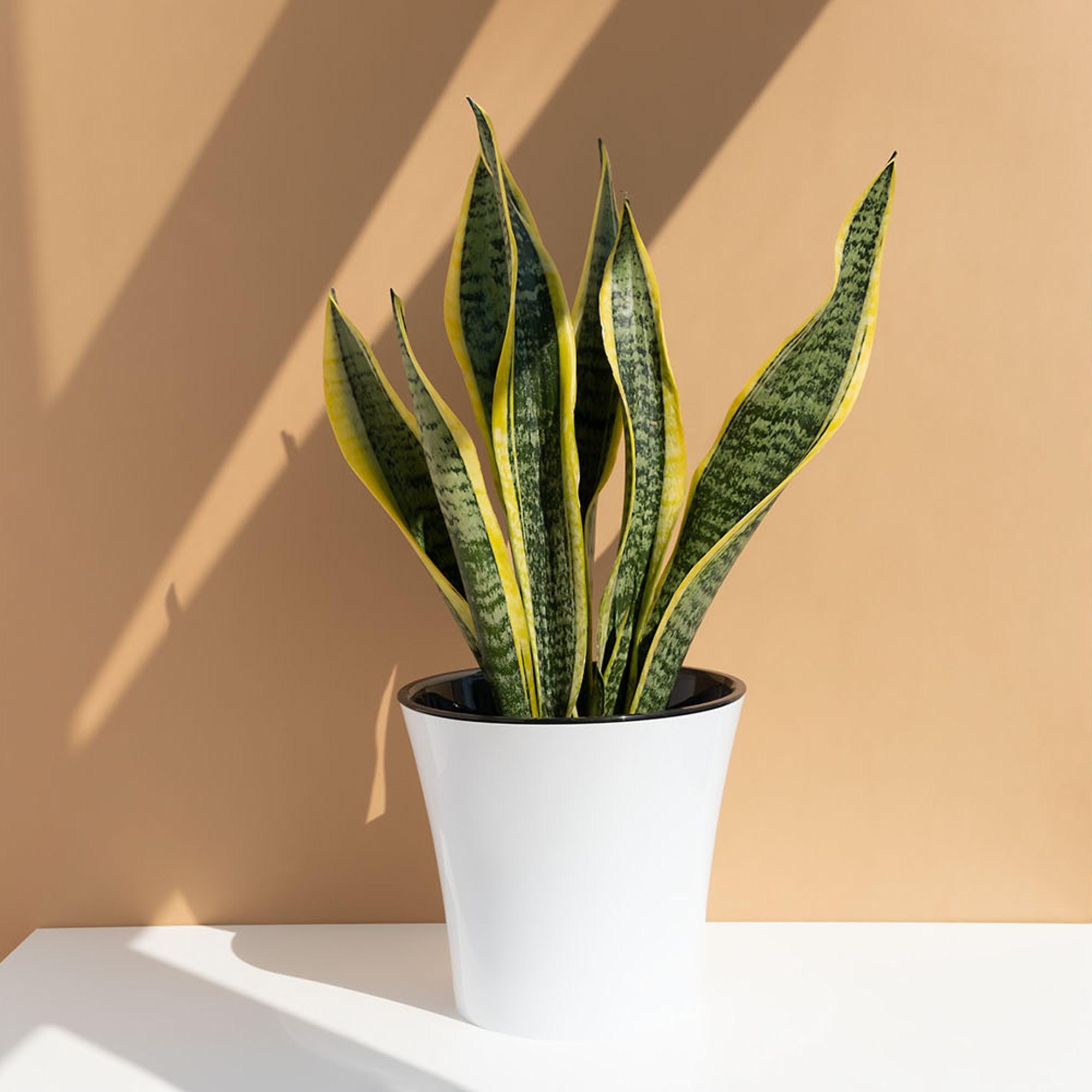
Snake Plant in the Bathroom

Snake plant

The snake plant is hardy and acts as a natural air purifier. The plant is easy to care for and looks great in both small and large flower pots. As a result, it fits harmoniously into bathrooms of any size. Since the snake plant prefers warmth, direct sunlight generally doesn’t harm it. In high humidity, it requires little water and is forgiving even if you forget to water it every now and then. Therefore, the snake plant is an excellent choice if you’re looking for low-maintenance care.

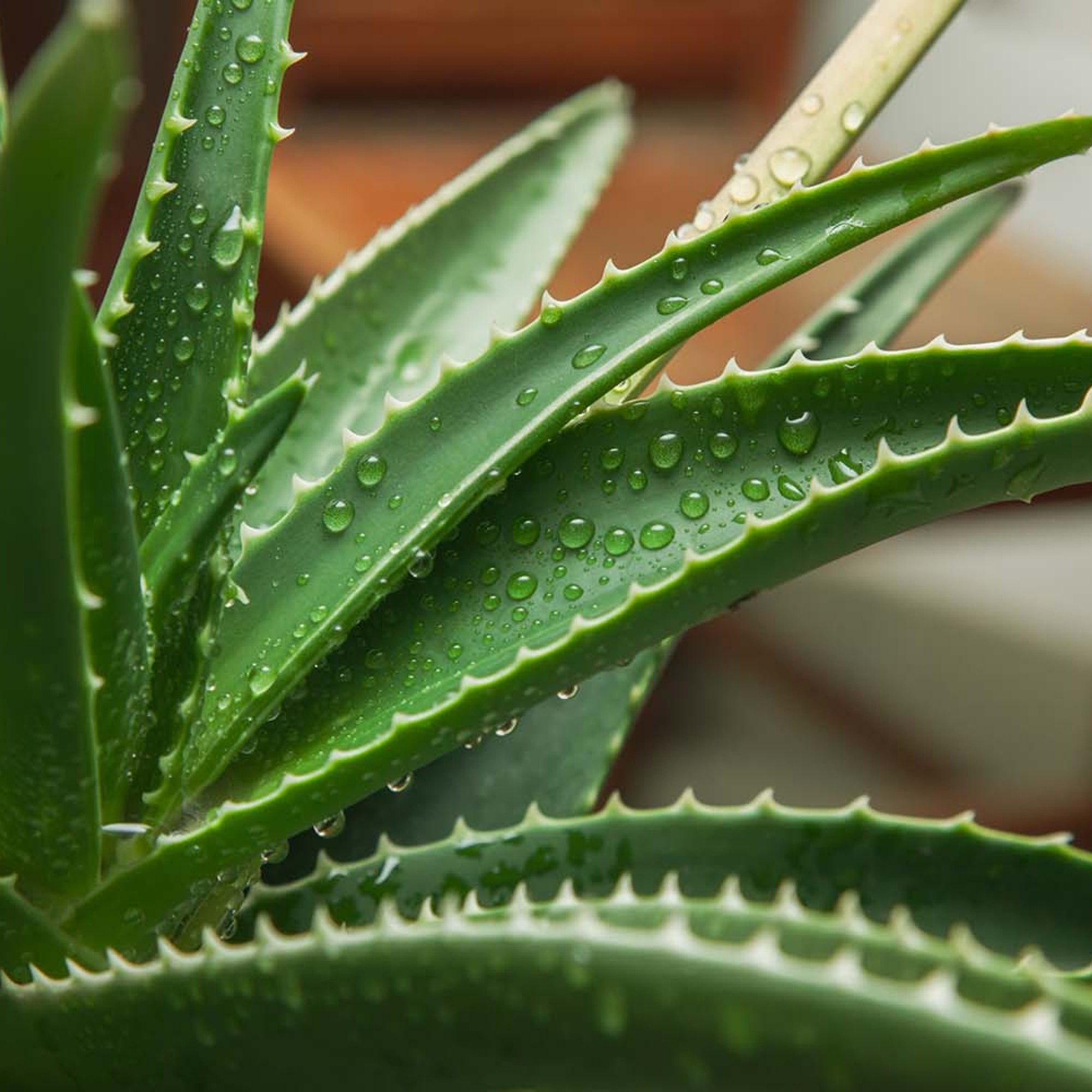
Close-up of aloe vera leaves with water droplets

Aloe Vera

This plant looks great in the bathroom, and not just as an ingredient in skincare products. Like the snake plant, aloe vera is easy to care for and thrives in sunlight without needing much water. The only thing to keep in mind is to avoid letting the soil become waterlogged.

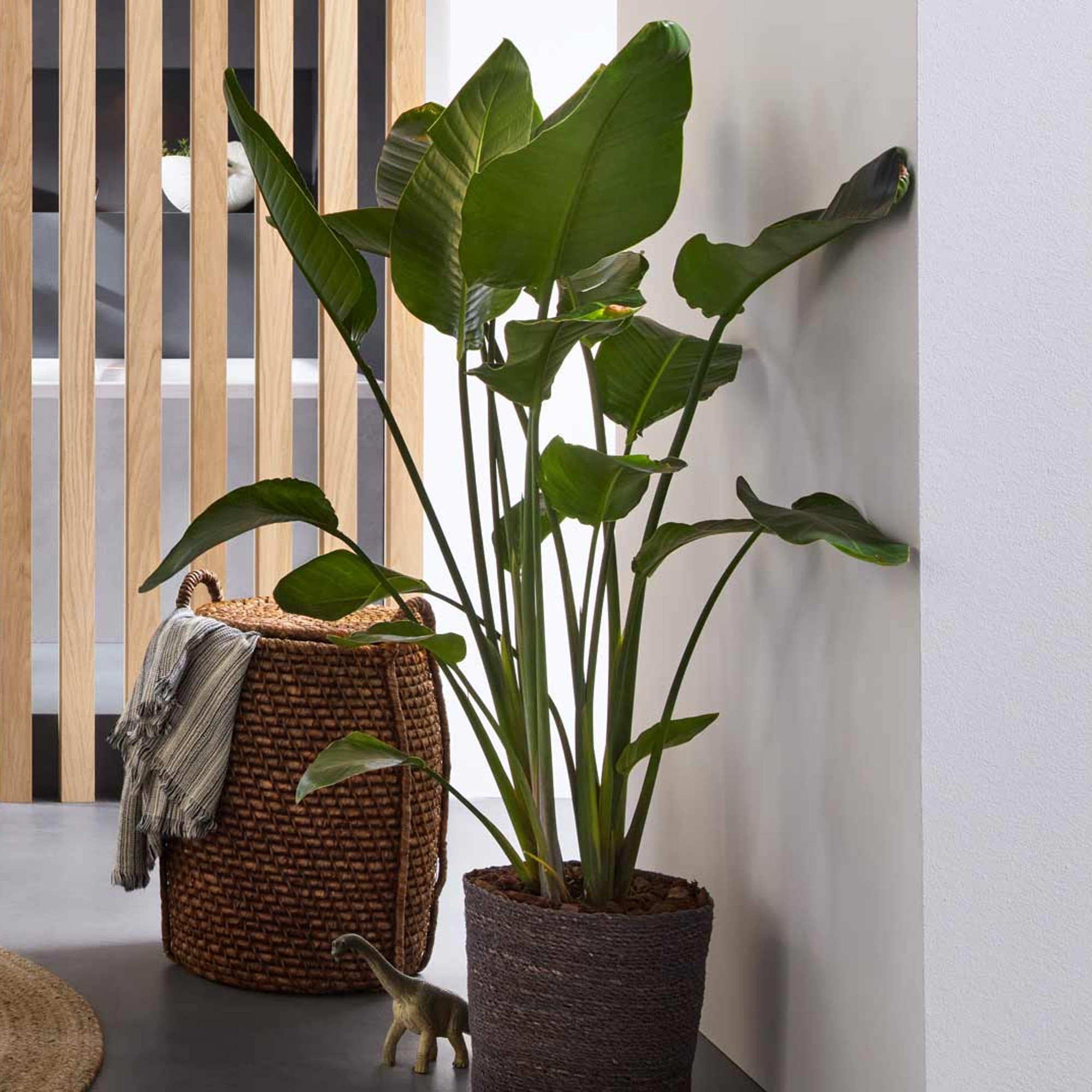
A banana plant in a modern bathroom

Banana plant

The banana plant requires significantly more care and space. In return, it offers a spectacular sight that can give large, natural-style bathrooms a real tropical feel. However, plenty of light and water are absolutely essential.

Plants for dark bathrooms

Even though large windows make the choice easier, there is still a wide selection of houseplants suitable for bathrooms with low light. This is because many plants thrive even in shady areas. Unfortunately, they can’t survive without any natural light at all. The following plants, however, can thrive in the bathroom even with minimal light.
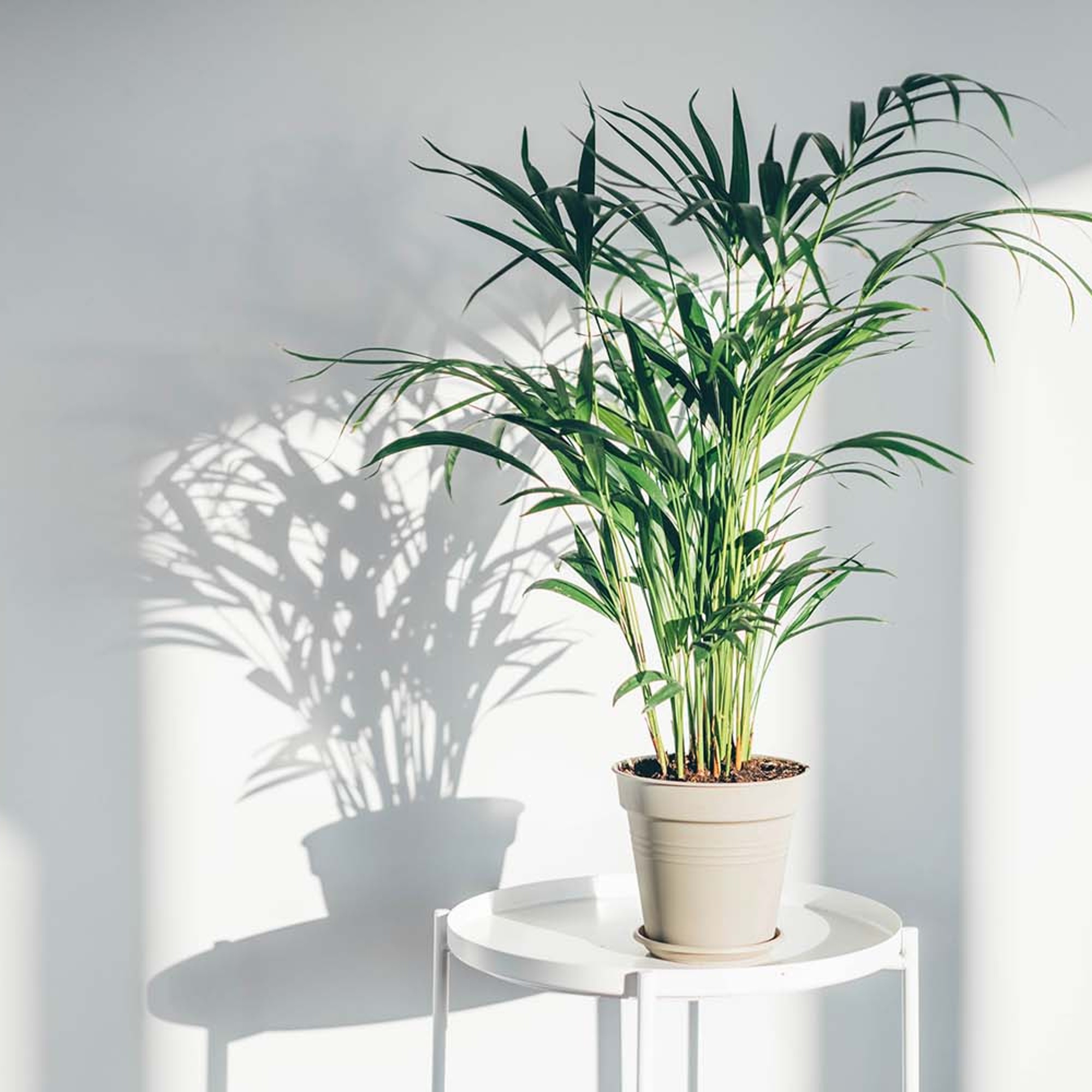
Mountain palm in partial shade

Mountain palm

This plant thrives in partial shade, and the humidity in the bathroom is no problem for it. Thanks to its origins in the rainforests of South America, the mountain palm is well-accustomed to such conditions. In fact, it should be watered generously—but, as is often the case, you should avoid letting the soil become waterlogged. With this plant in your bathroom, you can create a tropical atmosphere.

A hand is holding a young ivy plant

Ivy

Pothos also thrives in partial shade. It’s also a particularly practical choice when looking for plants for a bathroom with limited space. Its trailing growth makes it an excellent candidate for adding a unique aesthetic touch as a hanging plant in the bathroom. Be sure not to overwater it, as it cannot tolerate waterlogged soil.

Close-up of a single leaf

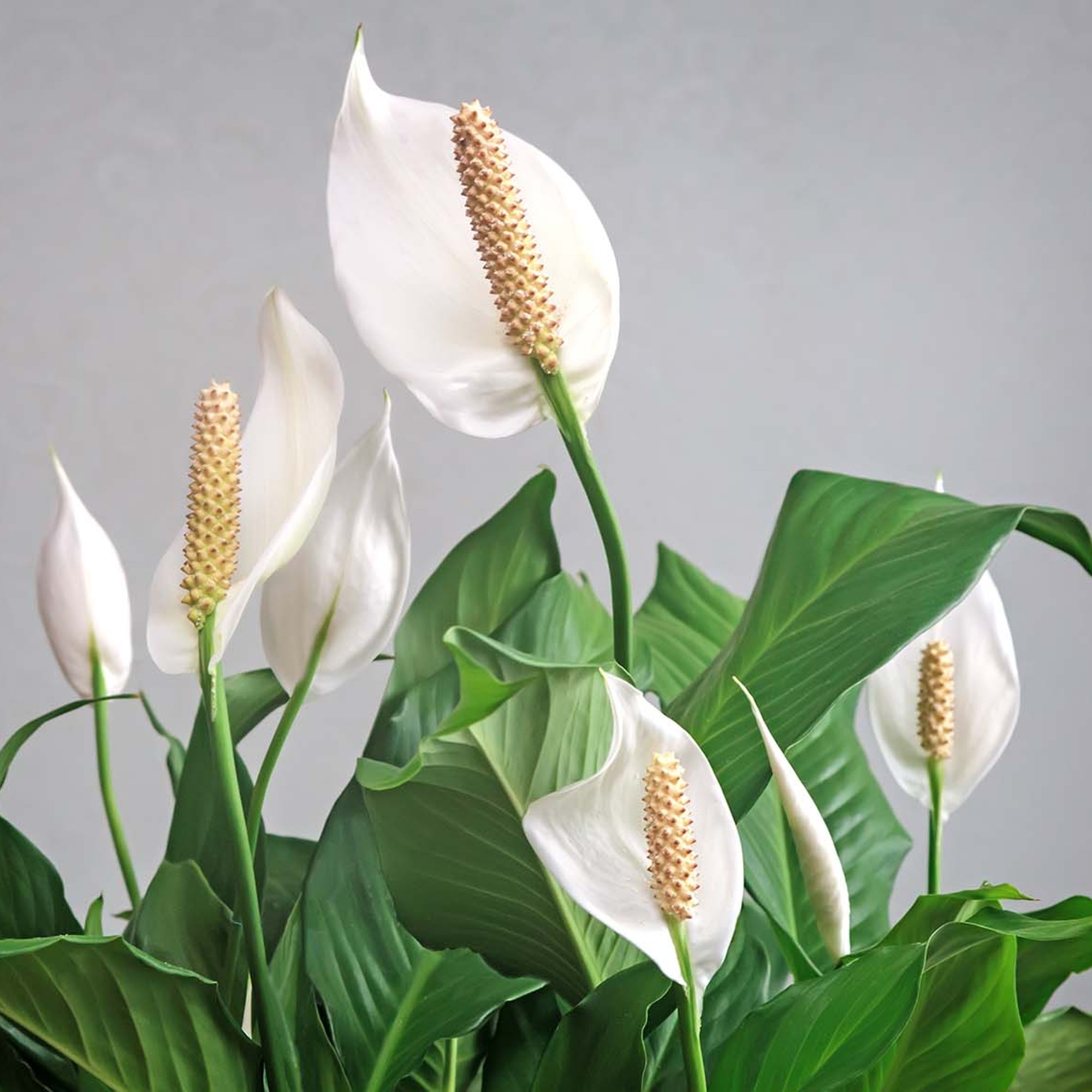
Spathiphyllum

Thanks to its white bracts, the spider plant adds a splash of color to the bathroom. It thus offers a good alternative to flowers that require more care or have a shorter lifespan. In addition, the spider plant thrives in both bright light and full shade and has little trouble with humidity—making it the perfect choice for the bathroom.

Alternatives to potted plants in the bathroom

Not every bathroom has enough space for potted plants. This means that alternatives to plants are especially needed for bathrooms without windows. However, there are still a few options available:
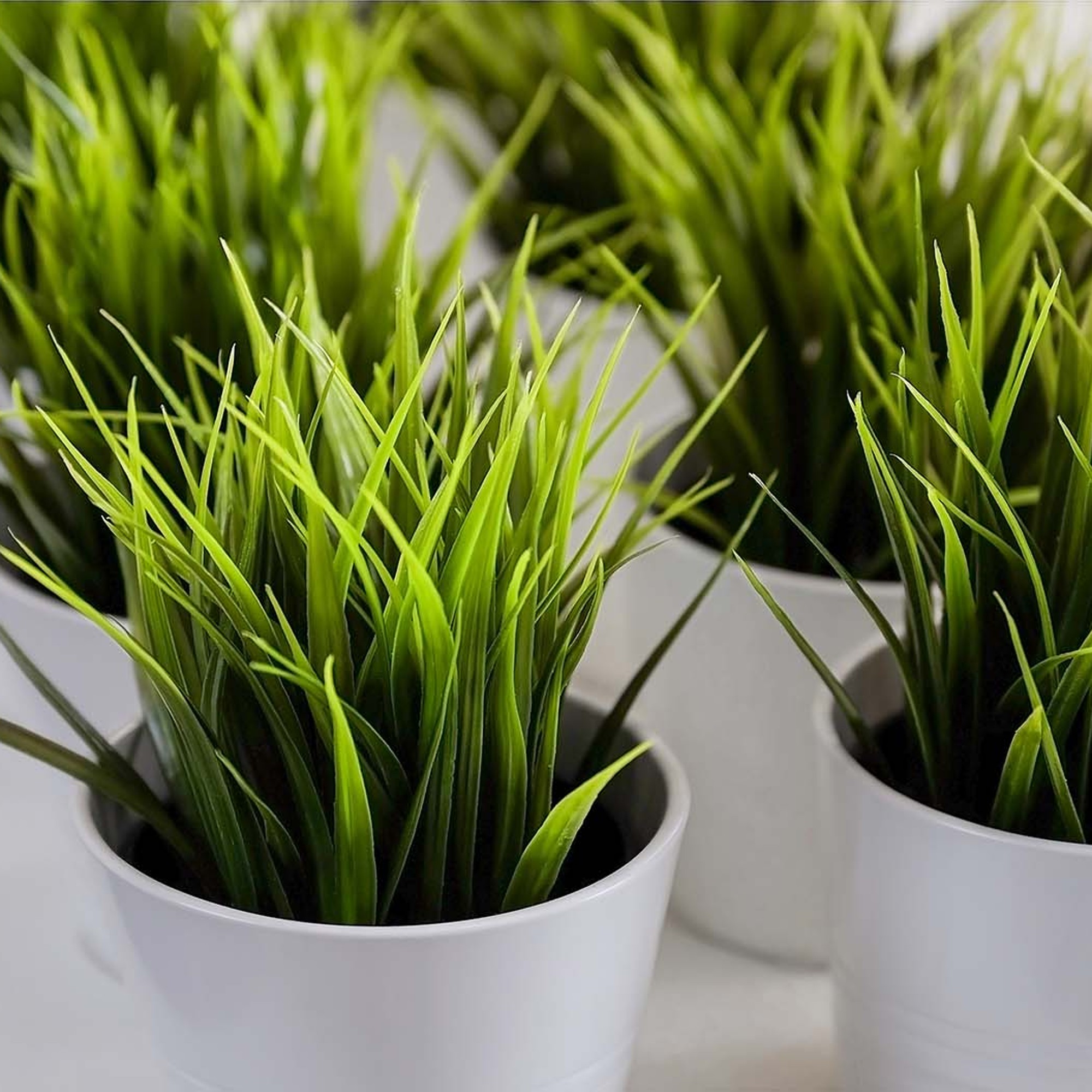
Several artificial plants placed side by side and in a row

Artificial plants in the bathroom

Artificial plants for the bathroom are the most obvious and least time-consuming solution. This is because they require no extra work, and you don’t have to worry about watering or humidity.

Dried plants in an elegant vase

Dried plants

Like artificial plants, dried plants require neither soil, water, nor light. Nevertheless, these are real plants that have been preserved through a gentle drying process. While this gives them a different aesthetic appeal, they offer excellent styling options, particularly in more minimalist bathrooms.

Cut flowers in a Duravit sink

Cut flowers

Of course, flowers for the bathroom are also an option. Cut flowers have a limited lifespan anyway, so the lack of light isn’t a major issue for them. However, they need to be replaced regularly, which means they aren’t a particularly sustainable alternative to other plants in the bathroom.

Close-up of a moss wall

Moss art

Moss wall art can create an authentic, natural look in the bathroom. One of the advantages is that moss doesn’t need light and doesn’t require watering. Plus, moss wall art is easy to hang on the wall, saving space in the process. This makes it the perfect solution for adding plants to even a small, windowless bathroom and providing a fresh, green touch.

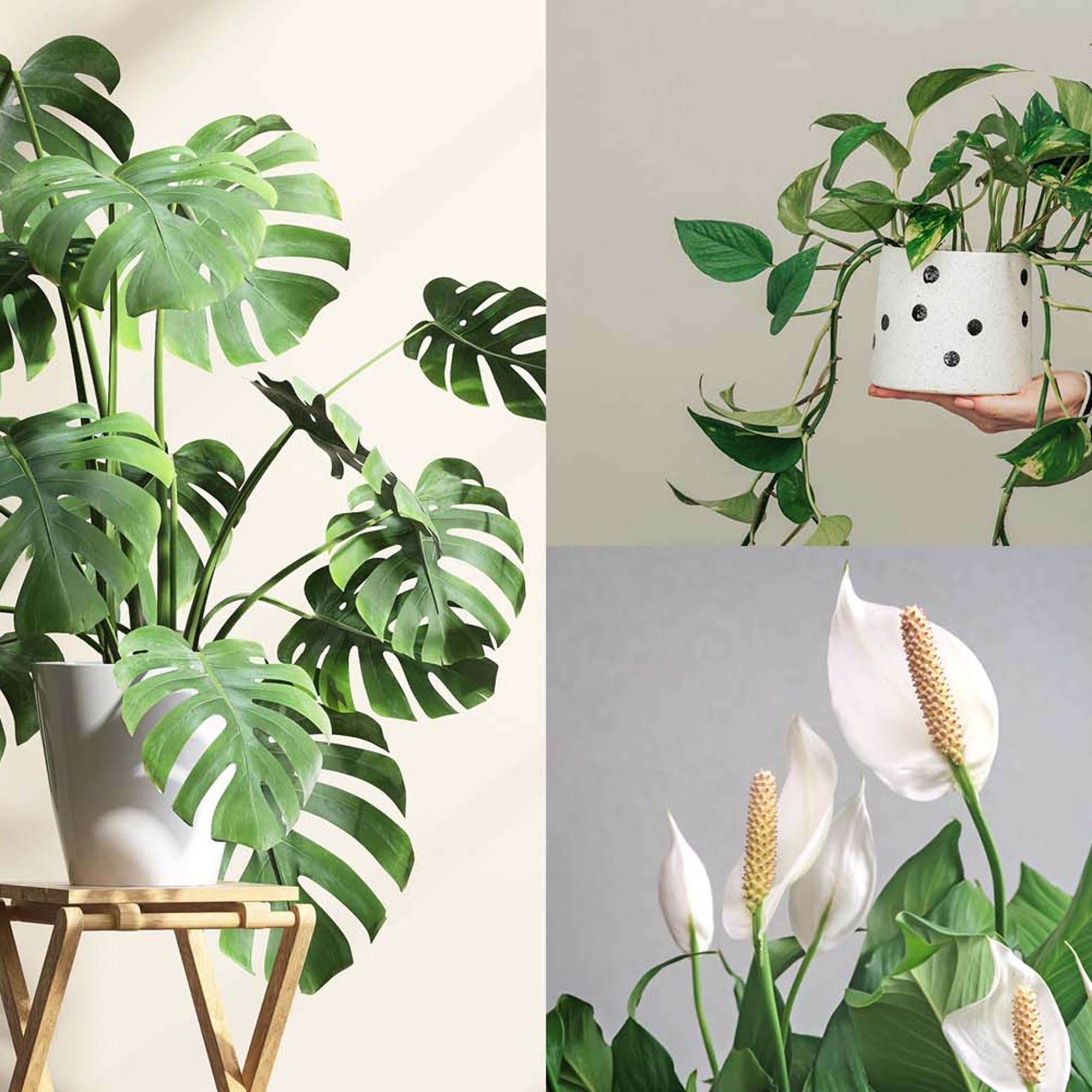
A collage of several plants

Rotate and Try

You can also try out a few small experiments with plants in a windowless bathroom. Some plants, such as succulents, can be left without light for a few days—afterward, they can be swapped out for plants in rooms with light. However, the plants should not be moved directly from the dark bathroom into direct sunlight. A shady spot is best at first. Some plants can potentially even survive without any direct light at all, for example, if enough light enters a windowless bathroom through an open door. With both approaches, you should check regularly to see if the plant is doing well. Even if some individual plants can handle this, it’s never true for all of them. So, if in doubt, you should always rescue plants from the dark if it’s not good for them.