Humidity in the bathroom
Key points at a glance:
- High humidity in the bathroom can cause mold and damage to materials.
- Regular ventilation, adequate heat, and dry finishes help reduce moisture.
- Controlling and reducing humidity is especially important in windowless bathrooms.
The consequences of a bathroom that is too damp
Excessive moisture in the bathroom can become a problem over time, both for the building structure and for your health. Mold often develops because damp, warm rooms provide ideal conditions for mold spores. It usually appears first in grout lines, corners, or poorly ventilated areas. In addition to unsightly discoloration, mold can also cause unpleasant odors and pose a health risk.
Persistent moisture in the bathroom can also damage materials such as wood, paint, plaster, or silicone caulking. Wallpaper in the bathroom can peel, and finishes can wear out more quickly. Metal parts such as faucets or radiators can also rust more easily due to the high humidity. At the same time, mirrors and finishes fog up more often, which can make the bathroom feel constantly damp. That is why it is important to take specific steps to reduce moisture in the bathroom.
Tip: A lacquer finish is a good way to prevent bathroom furniture from swelling in a humid bathroom. You can find more information on this topic, as well as some great ideas, on our bathroomfurniture page.
10 Tips for Reducing Humidity in the Bathroom

Tip 1: Ventilate the bathroom & create a draft
The most obvious way to reduce humidity is to ventilate the room. After taking a bath or shower, open the windows and doors and ventilate the room in short bursts.
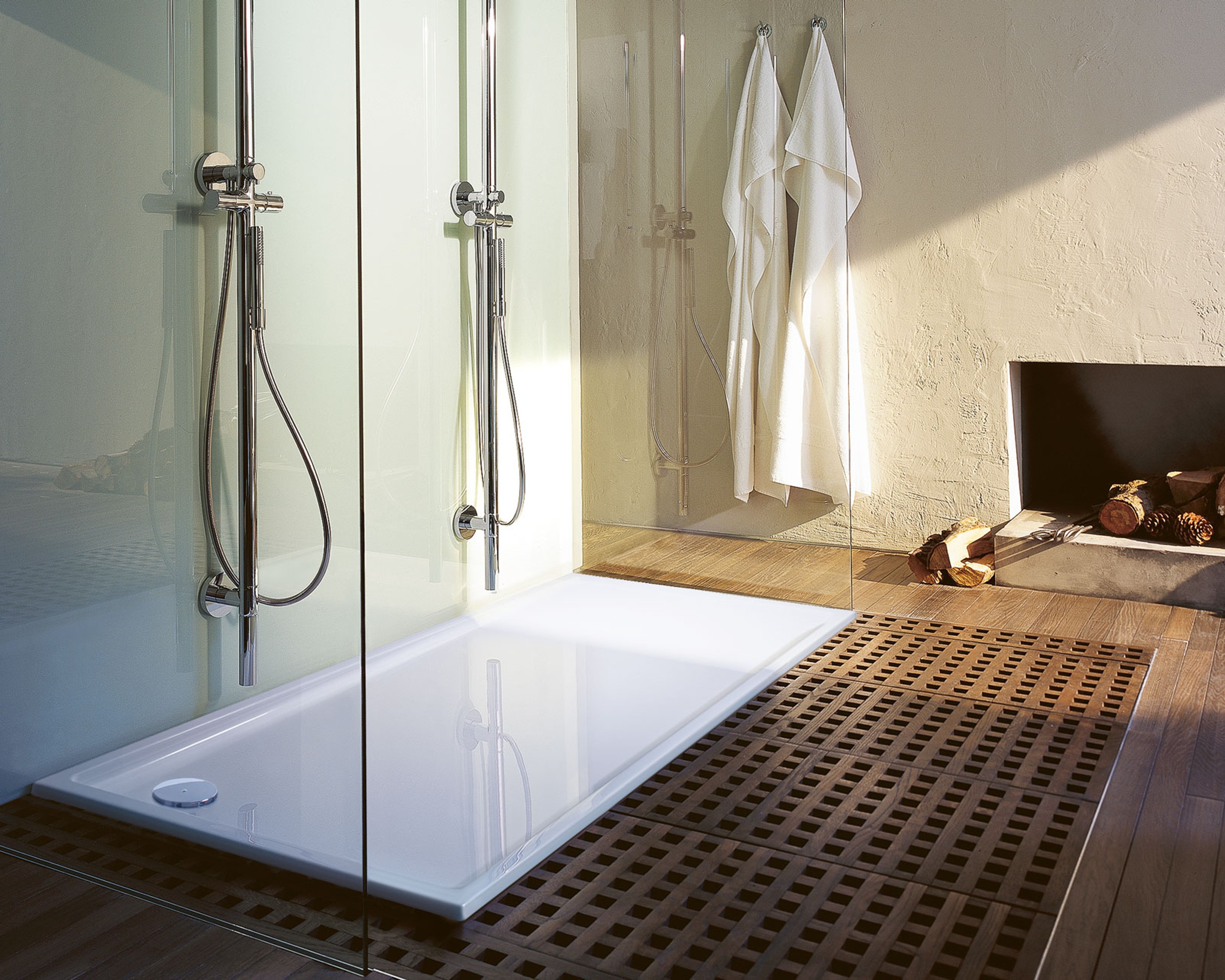
Tip 2: Turn up the heat
Before taking a long bath or shower, it’s a good idea to turn up the heat. This creates a comfortable indoor climate and warms the finishes, which helps prevent condensation from forming. In addition, warm air can hold more moisture.
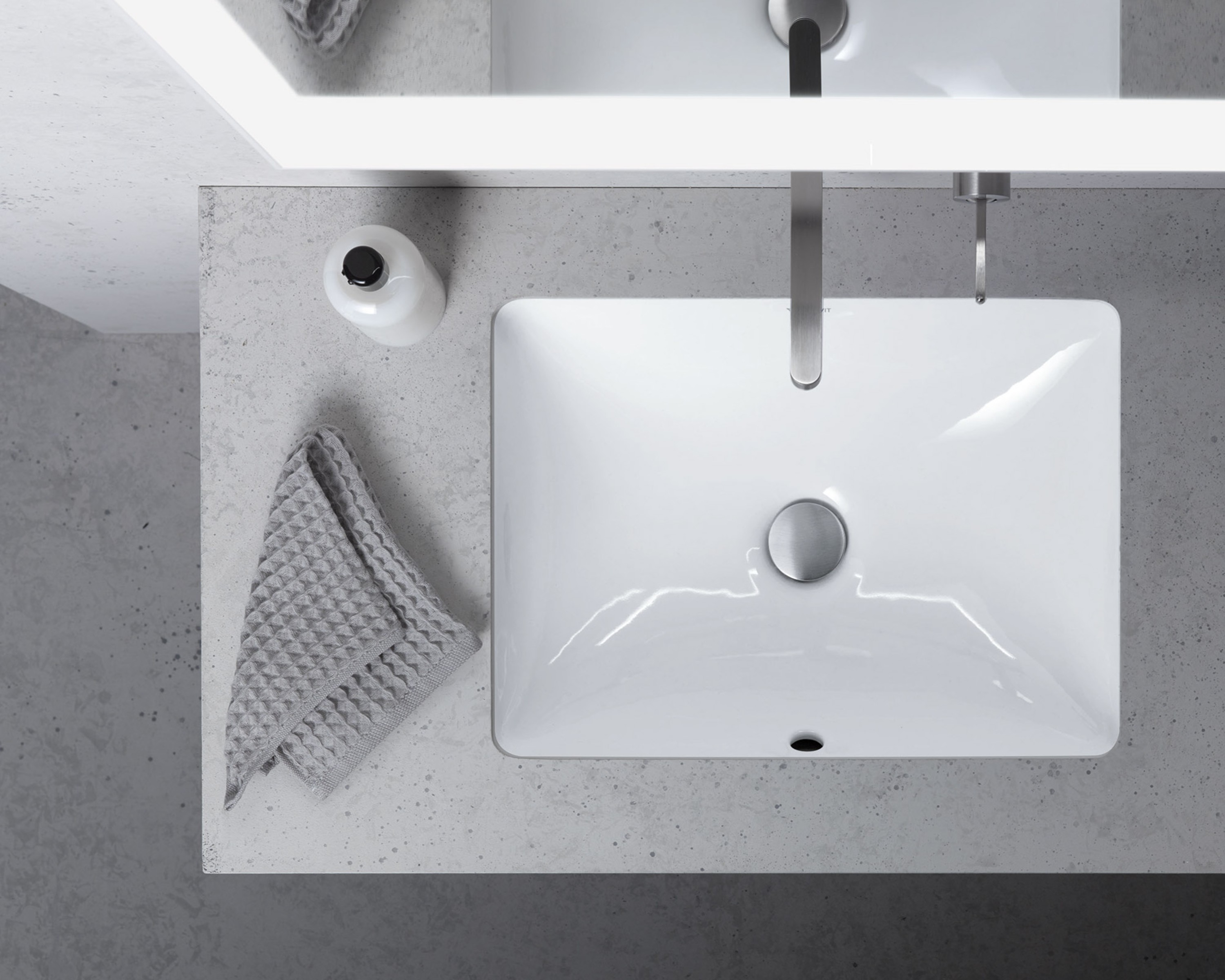
Tip 3: Wipe down damp finishes
Even in a warm room, it’s inevitable that water vapor will form and condensation will settle on shower walls, tiles, or the bathroom mirror. To remove it, you should wipe it off the affected finishes. The best way to do this is with a shower squeegee—but if you don’t have one, a dry towel or cloth will do.
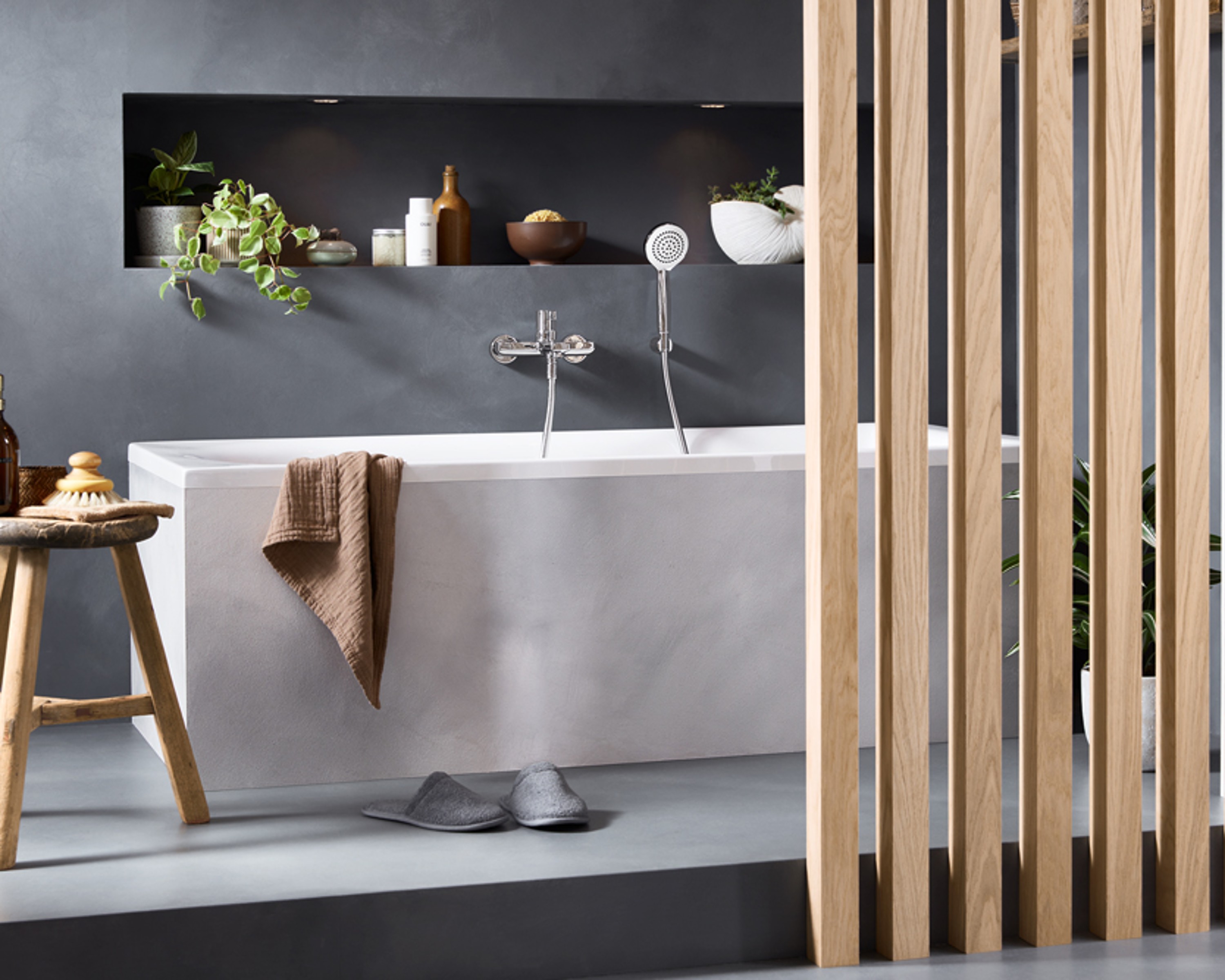
Tip 4: Drying wet towels properly
Make sure not to crumple up wet towels and rags or leave them lying on the floor. Hang wet towels on a drying rack so they have plenty of space to air out. When the weather is nice, dry the towels outdoors or in another room to prevent moisture from building up in the bathroom.
By the way: People often hang towels on or over the radiator. But that wastes energy. Read more about this in our article on saving energy.

Tip 5: Check the joints regularly
Grout joints are particularly problematic in bathrooms with high humidity. If moisture accumulates there for too long or too often, mold can develop. Dark discoloration, cracks, or areas where the material has come loose (such as with silicone) should be repaired by a professional.
By the way: If mold has formed despite these measures, you can find out here how to remove mold from your bathroom.
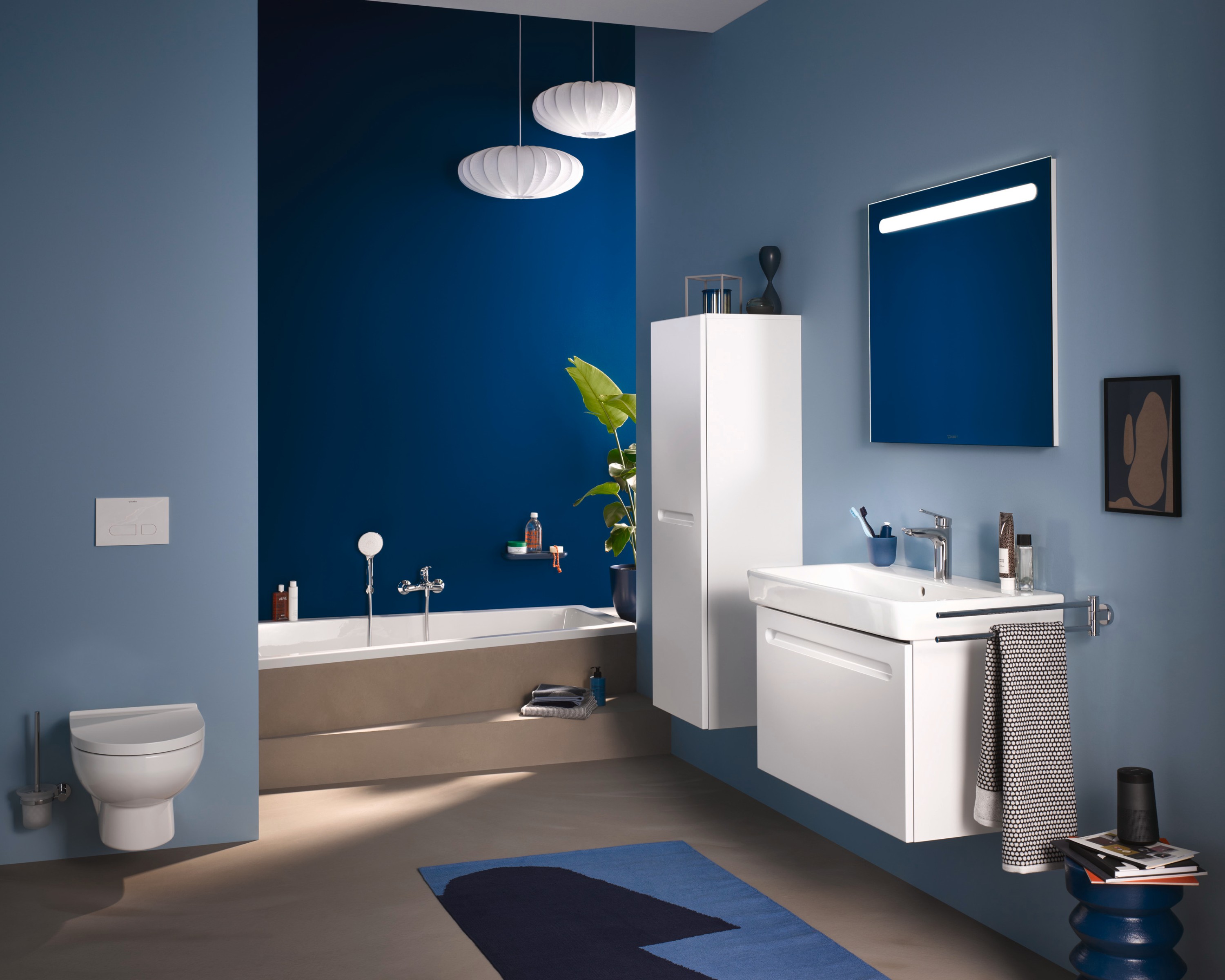
Tip 6: Actively measure humidity
If you know the exact humidity level in your bathroom, you can take more effective steps to address it. Place a hygrometer (humidity meter) in your bathroom. The ideal humidity level in the bathroom should be between 50% and 60%. If it’s above 70%, you should try to lower the humidity in the bathroom.
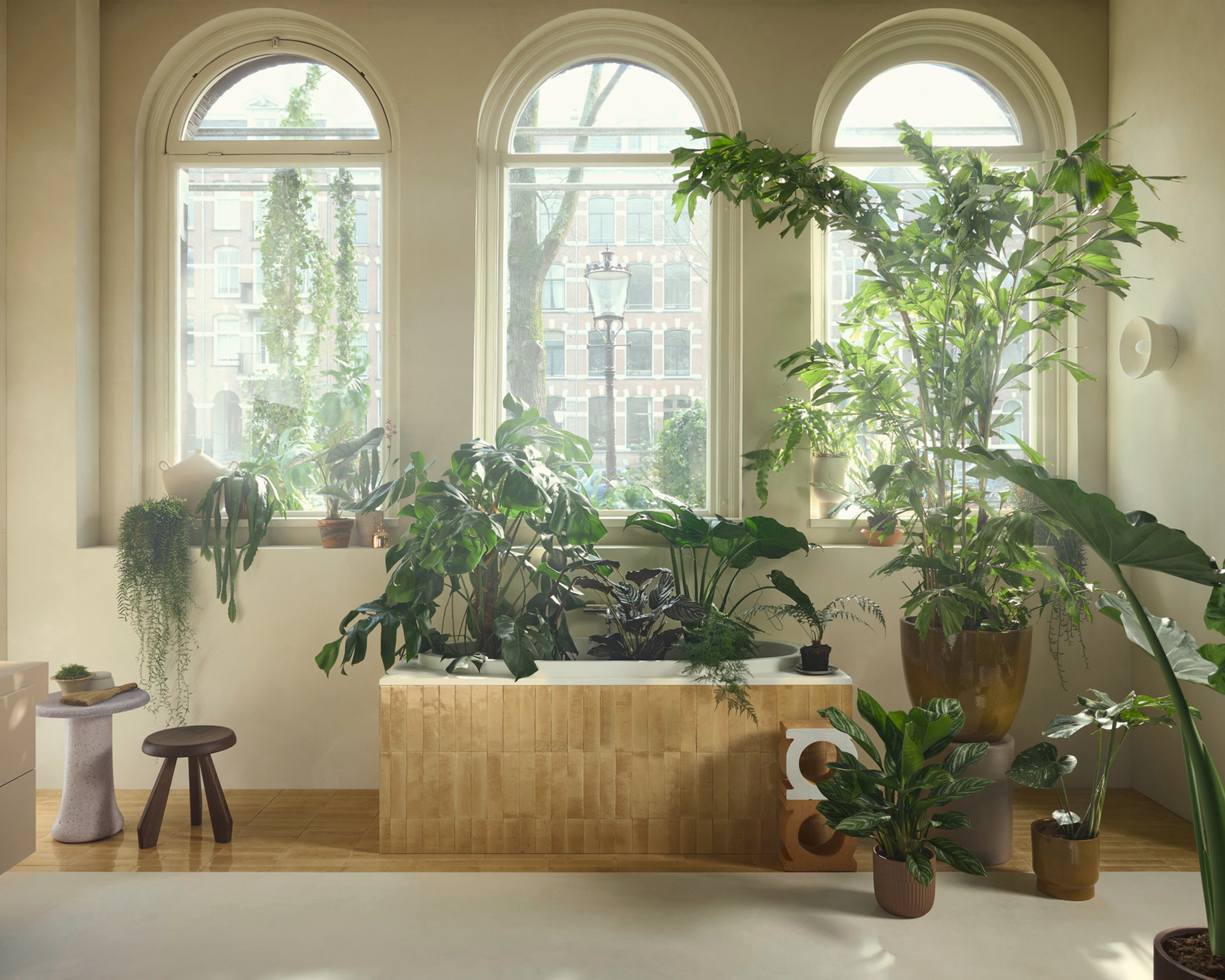
Tip 7: Place suitable plants in the bathroom
Plants are also a great way to reduce humidity in the bathroom and serve other purposes. Plants like the peace lily or the mountain palm can thrive even in high-humidity environments. They also add visual interest—read more about this in our article on bathroom plants.
_de-de_5_4.jpg)
Tip 8: Install an air vent
An exhaust fan in the bathroom is standard, but is sometimes missing in older bathrooms. If there isn’t one, it should be installed. If you live in a rental, talk to your landlord about this. As a temporary alternative, a fan can also help remove moist air from the bathroom more quickly.
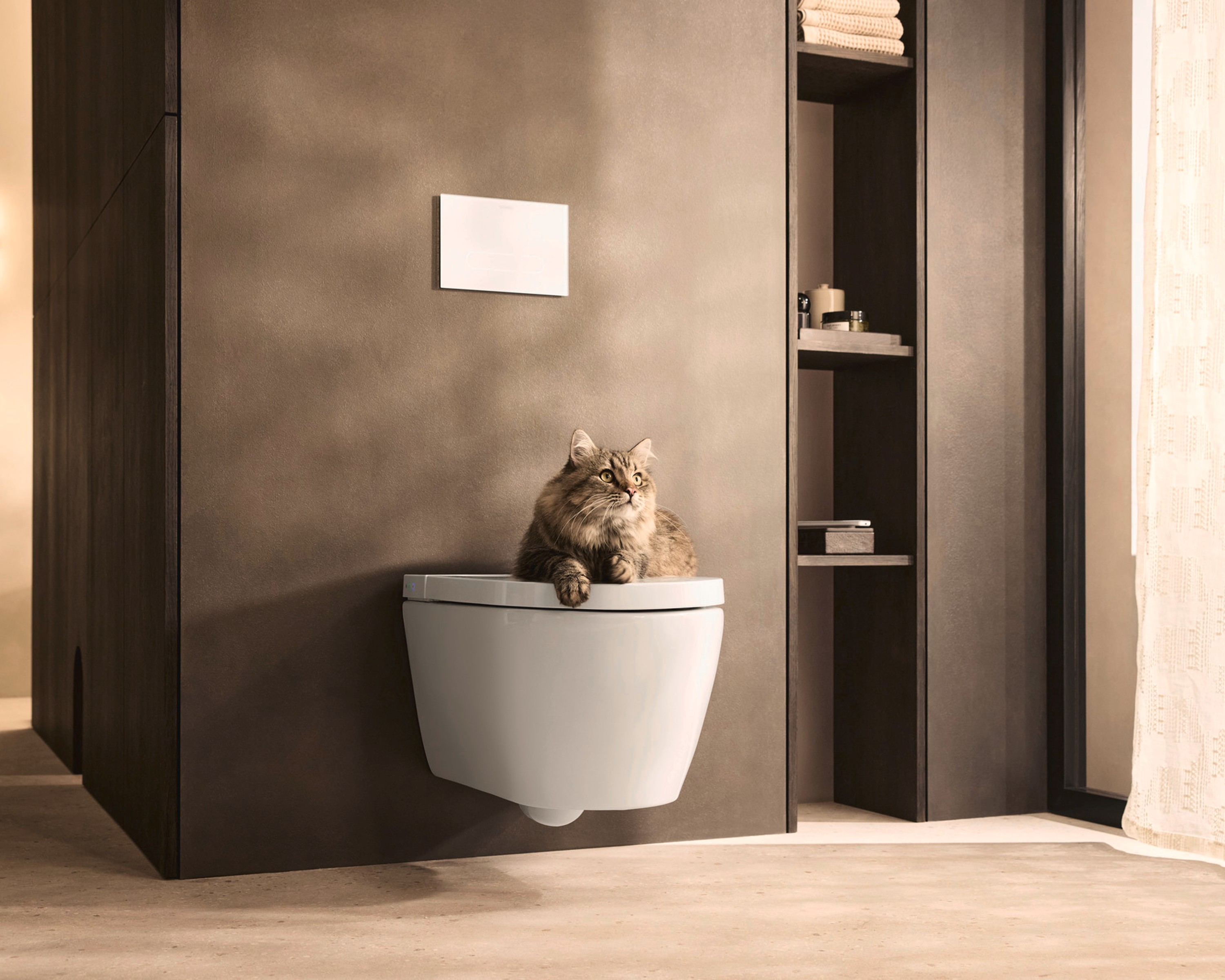
Tip 9: Salt or cat litter
It might sound a bit odd, but it works: cat litter or a bowl of salt. Both can help absorb moisture in the bathroom. Just place them in the bathroom and replace them when they’ve become saturated.
Tip 10: Use a dehumidifier
In addition to all these helpful tips and measures, a portable dehumidifier can be a solution in difficult cases. It can be either chemical or electric and helps reduce humidity in the bathroom. This is especially useful in bathrooms without windows.
What can you do about humidity in a bathroom without windows?
A windowless bathroom is particularly prone to high humidity, as it often has only a ventilation shaft or a basic exhaust system. If there isn’t enough air circulation, moist air lingers in the room longer, and condensation builds up more quickly on walls, mirrors, or grout lines. The options for controlling humidity are usually limited in this situation. That’s why you need to be especially thorough here.
To reduce humidity in a windowless bathroom, many of the tips mentioned above can help: good air circulation, adequate room temperature, and wiping down damp finishes after showering are a good start. It is also advisable, especially in a windowless bathroom, to measure the humidity regularly. In older bathrooms, an exhaust fan should be installed if possible. Otherwise, a portable dehumidifier can help reduce the risk of mold in a windowless bathroom.