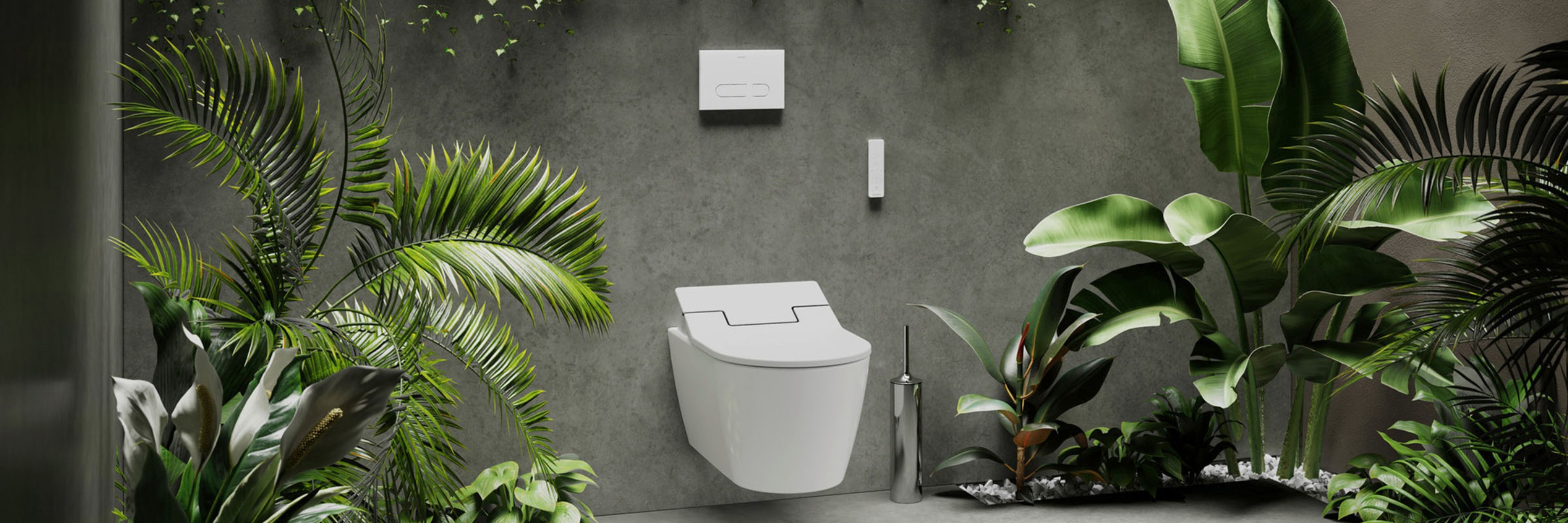
Duravit in green projects
Proper bathroom planning: Duravit in sustainable projects
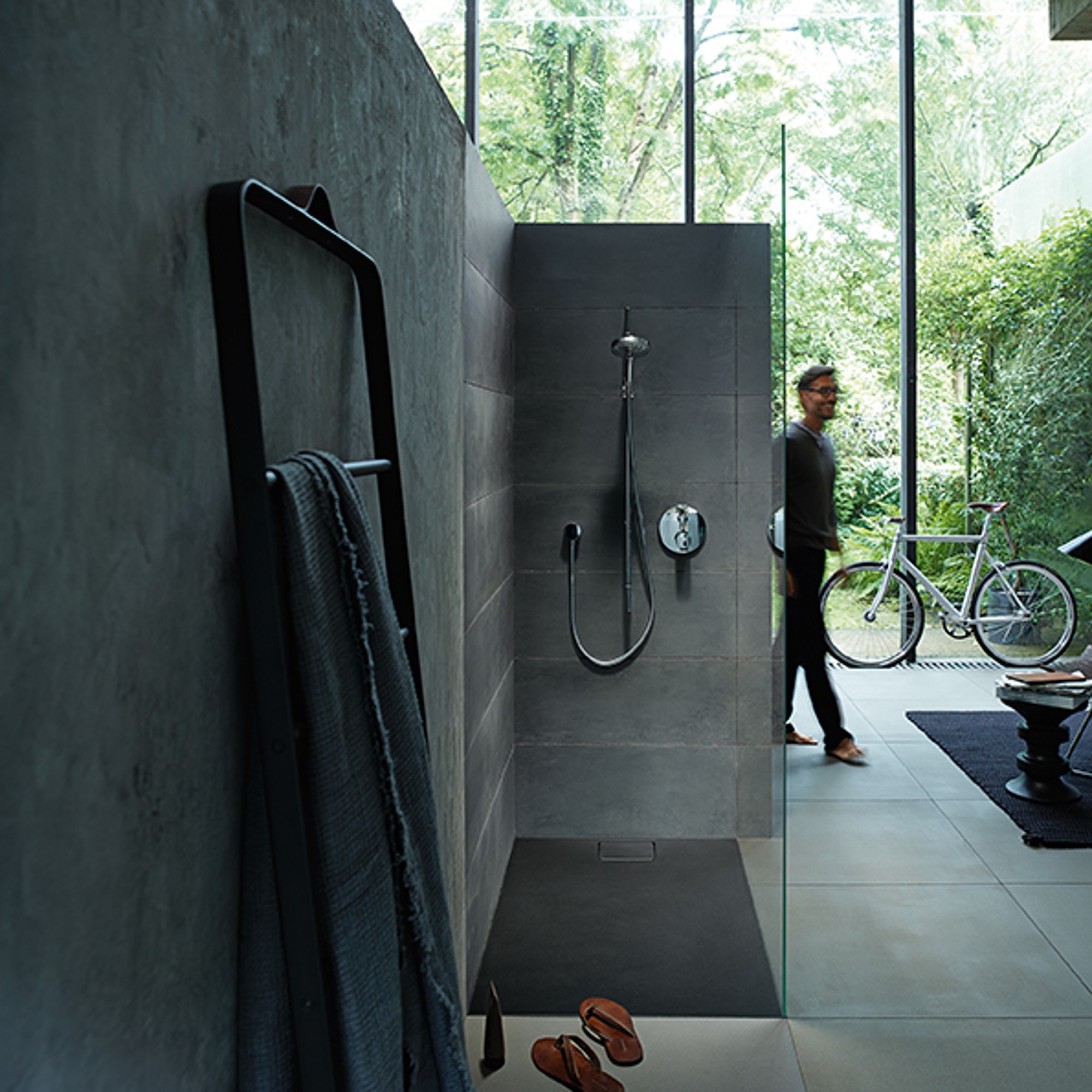

More and more people around the world are paying attention to a positive ecological balance and demanding sustainable solutions. This development encompasses not only resource conservation and energy management, but also innovative concepts such as the circular economy. The sustainable bathroom describes a fundamental change in the sanitary industry, which goes hand in hand with natural materials, durable design, and sustainable production methods. Duravit offers products and solutions that set new standards in the field of water and establish sustainability as a lifestyle element in the bathroom.
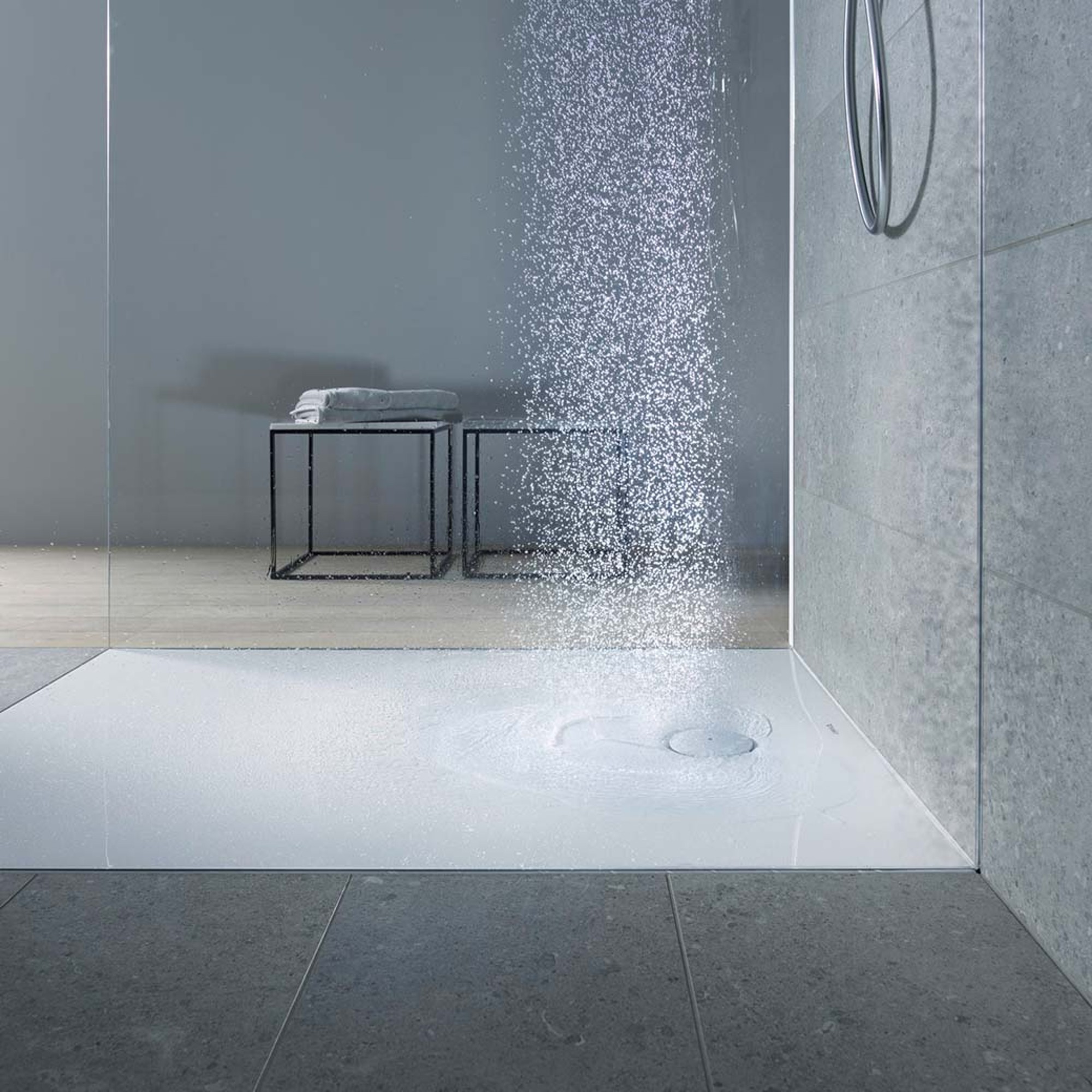
Conserving resources in the bathroom
One-third of daily drinking water consumption is used in the bathroom for showers, baths, and personal hygiene. Therefore, conscious use of water is crucial. Water consumption can be significantly reduced by using modern sanitary products that incorporate water-saving features. Duravit offers standard faucets that regulate water flow while providing a pleasant showering experience. Touchless faucets, such as those in the Duravit range, are further examples of technologies that reduce water consumption.
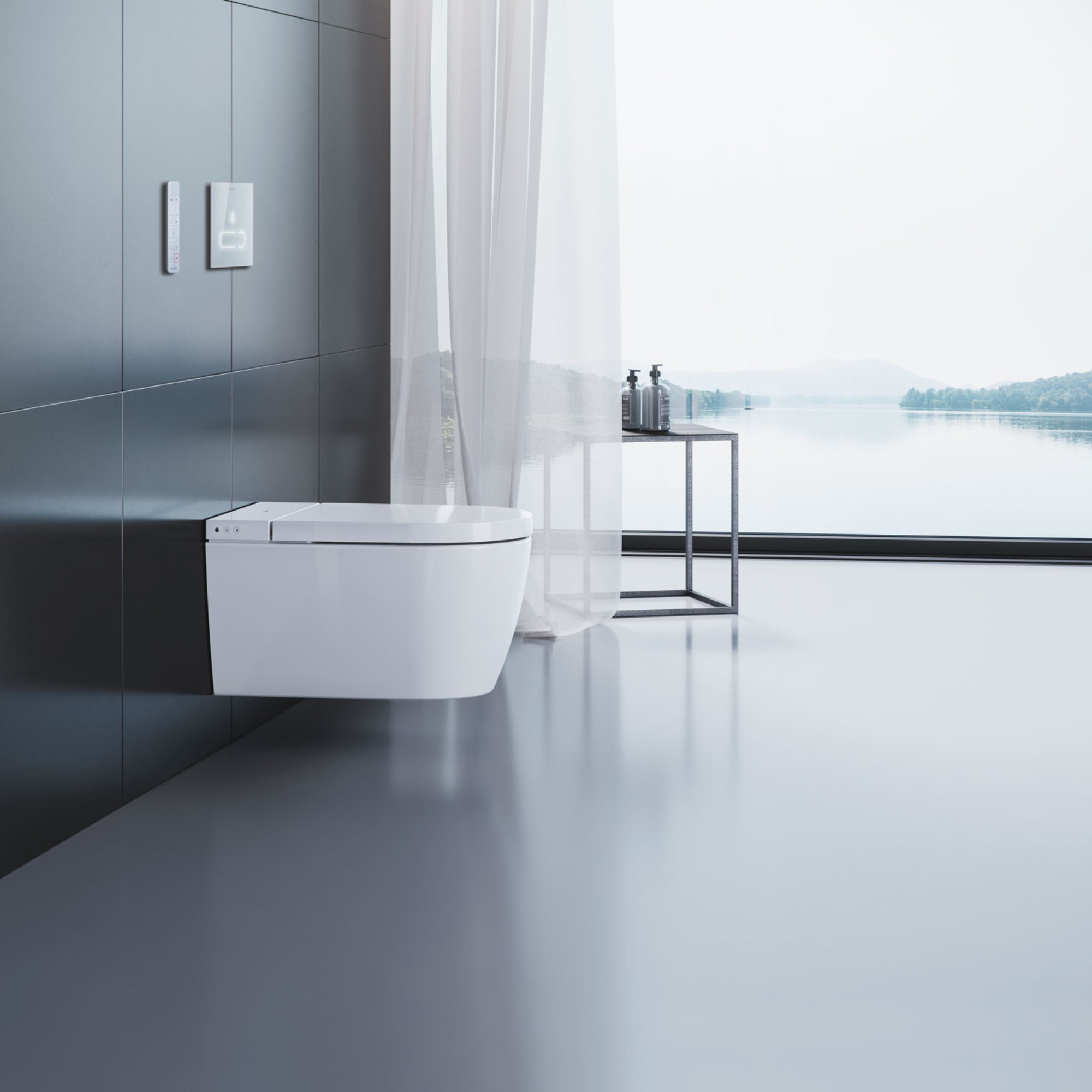
The Toilet as a water saver
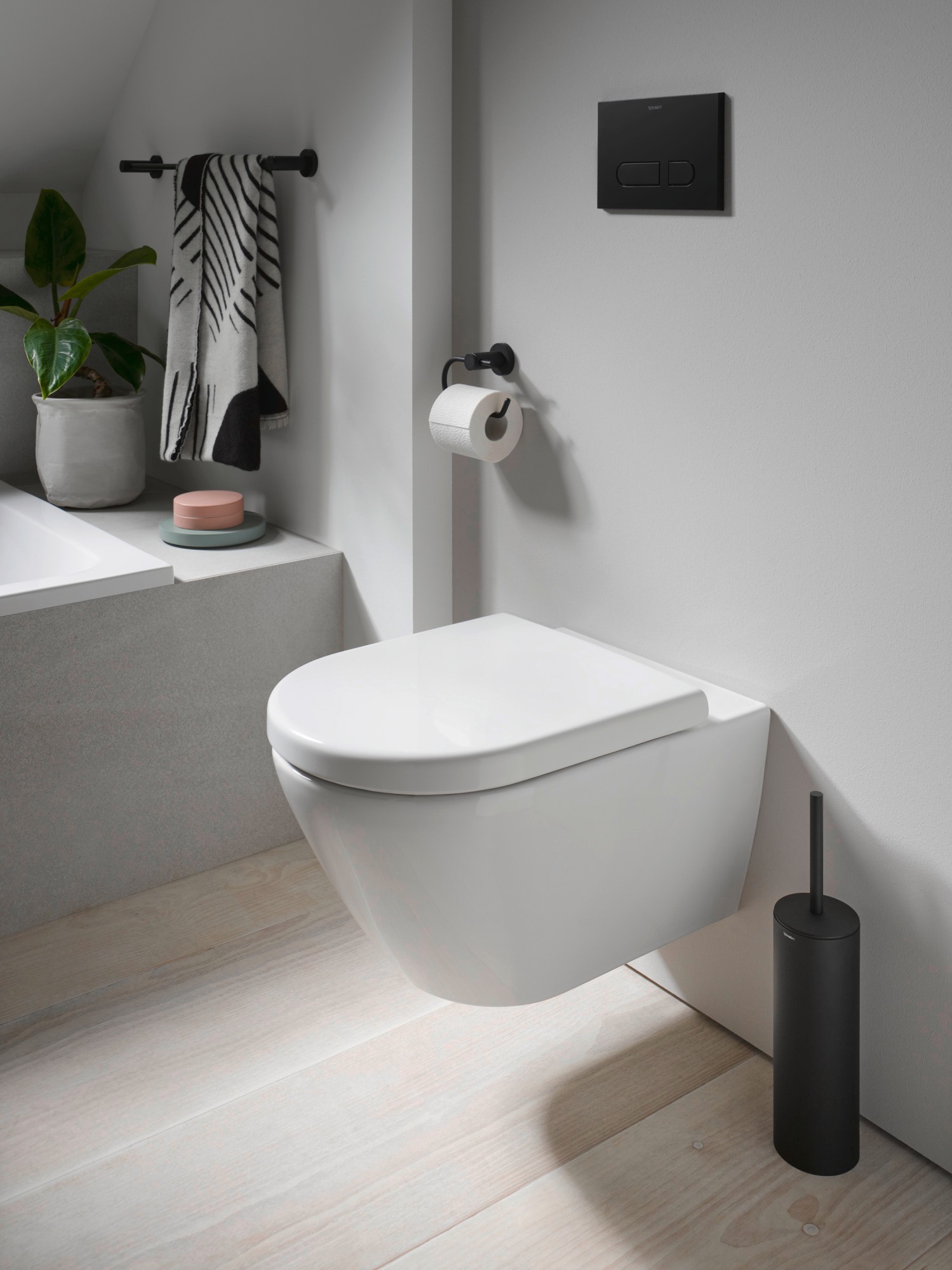
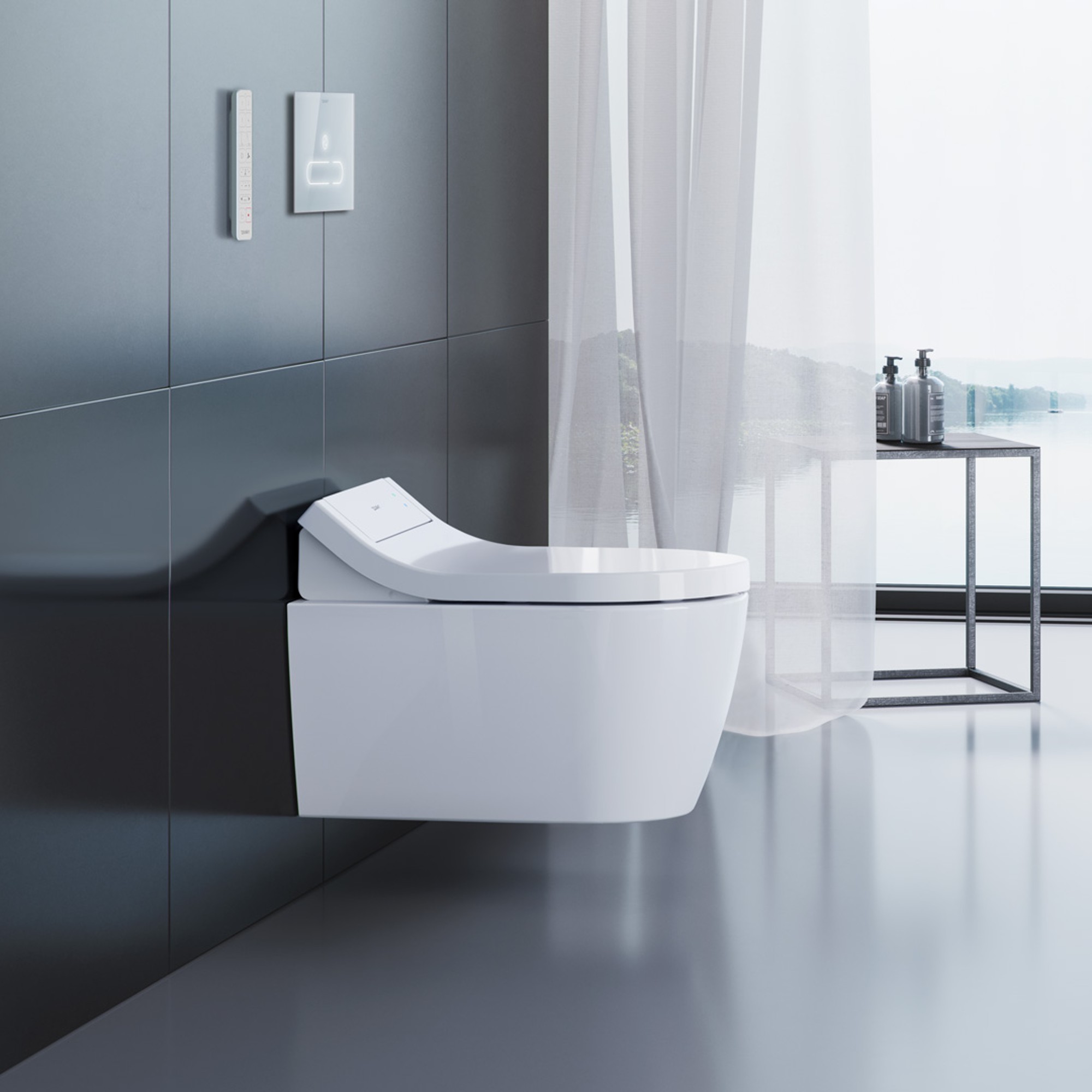
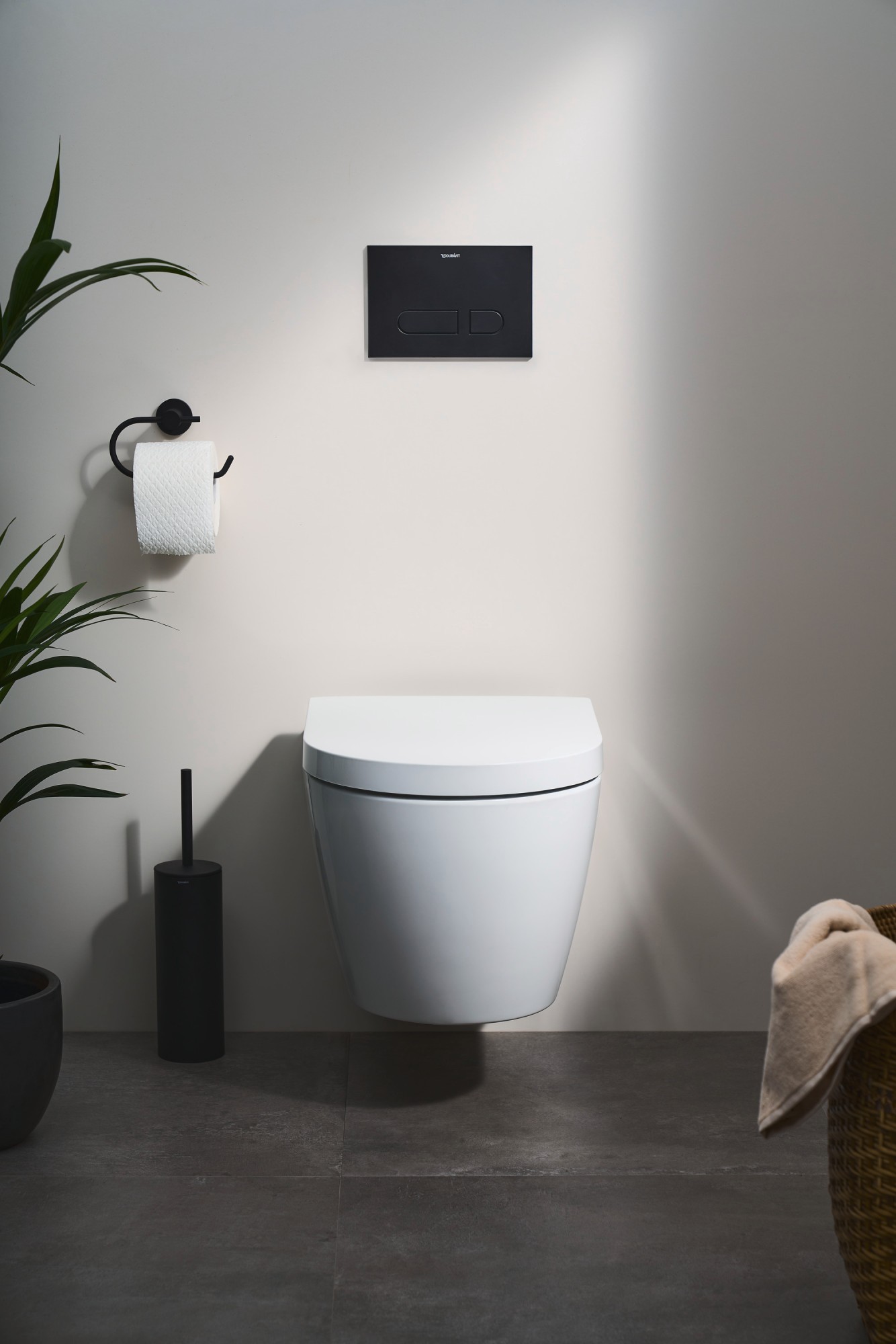
Modern toilets enable a significant reduction in water consumption. Duravit's rimless toilets guarantee perfect and hygienically impeccable flushing results even with small amounts of water, such as 4.5 liters. The innovative DuraShield® ceramic glaze also makes cleaning easier, as it has an antibacterial effect that prevents the growth of bacteria.

Recyclable materials
Sustainability in the bathroom also involves the use of environmentally friendly materials. Sanitaryware is made from natural raw materials, can be recycled, and is durable. The concept of a circular economy is becoming increasingly important. Duravit offers a lifetime warranty on its products and stocks replacement parts, which extends the service life of bathroom fixtures.

Forward planning
Forward planning is crucial for sustainability, as it allows the bathroom to adapt to the changing needs of its users. Smaller bathrooms require fewer resources, while intergenerational bathrooms integrate older or physically impaired people.
The most important aspects of bathroom planning in sustainable projects:
- Water and energy saving systems – efficient faucets and flushing systems are recommended here.
- Sustainable materials – environmentally friendly, recyclable products promote resource and climate protection
- Long-lasting quality – a long service life reduces resource consumption
- Low-maintenance and repair-friendly solutions – manage your building efficiently thanks to the modular design of the products and a comprehensive range of spare parts.
- Resource-efficient production – focusing on CO₂-reduced manufacturing and environmentally friendly processes
- Natural ventilation and humidity control – help prevent mold and create a pleasant indoor climate
- Environmentally friendly cleaning options – promoting biodiversity through low-chemical care
- Regional availability – reduced transport distances result in lower CO₂ emissions
- Healthy indoor climate – low-pollutantnullmaterials and finishes are essential here
- Certification options – officially declare the building sustainable through labels such as LEED, DGNB, and other sustainability standards