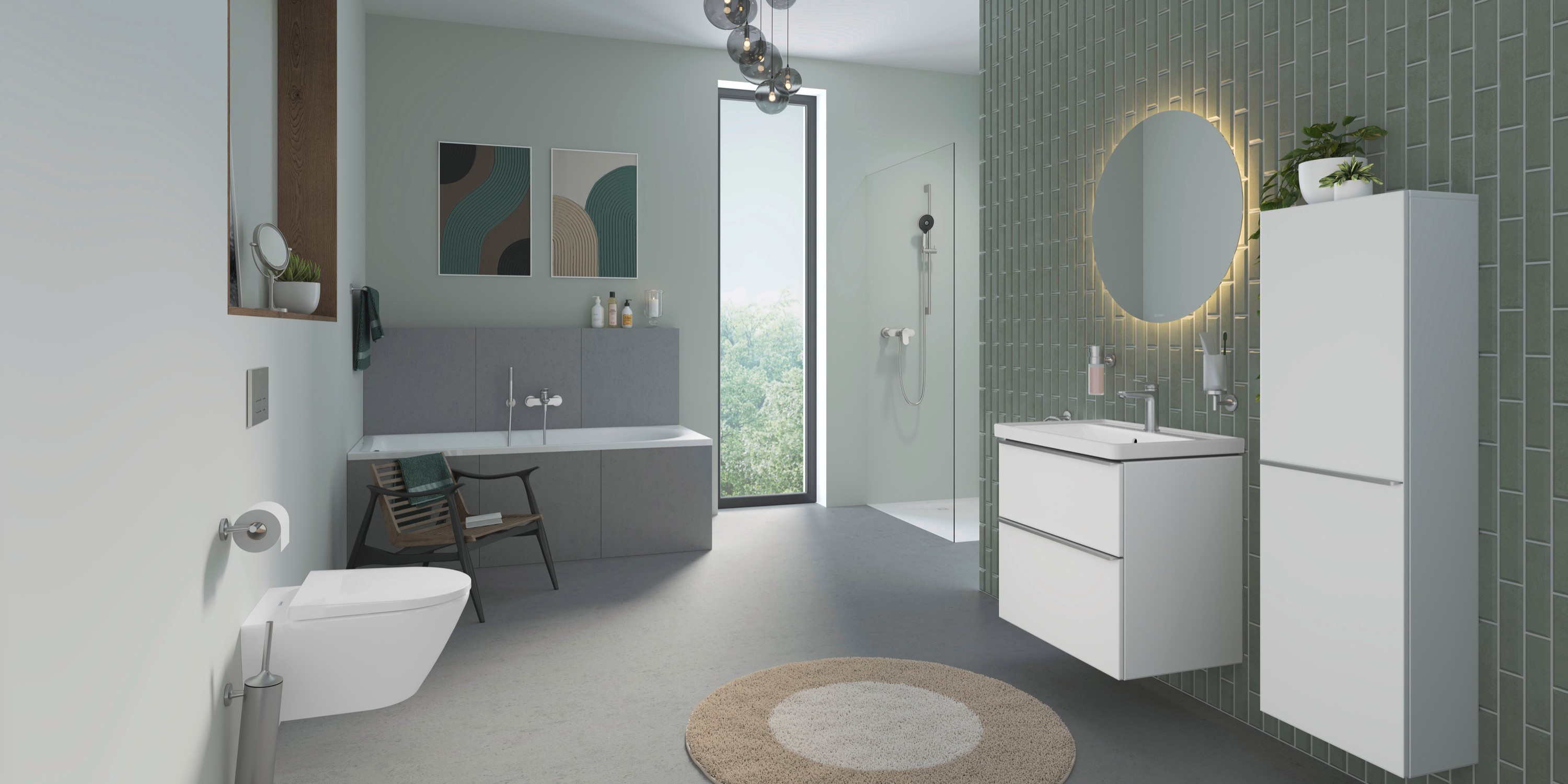
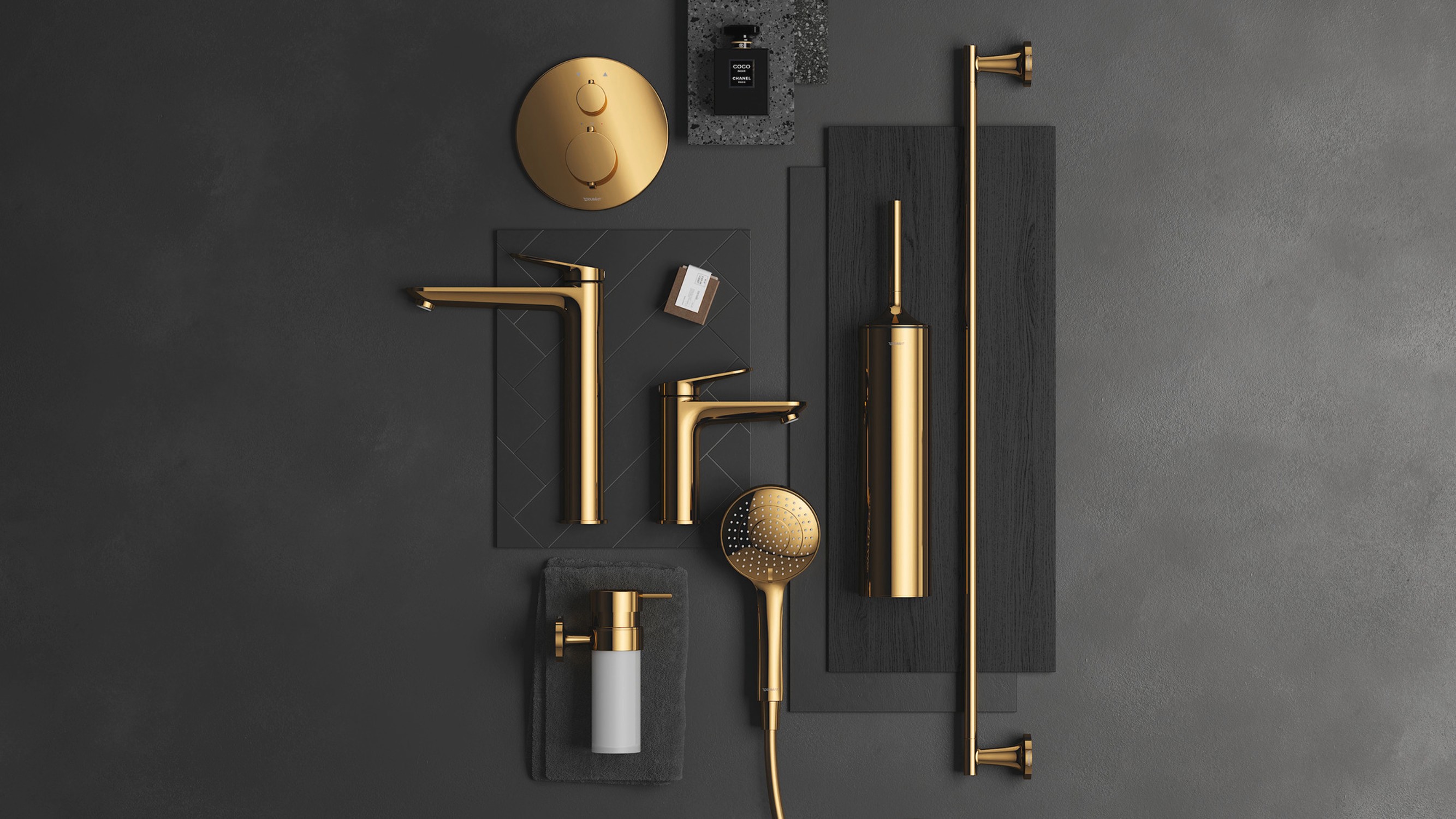
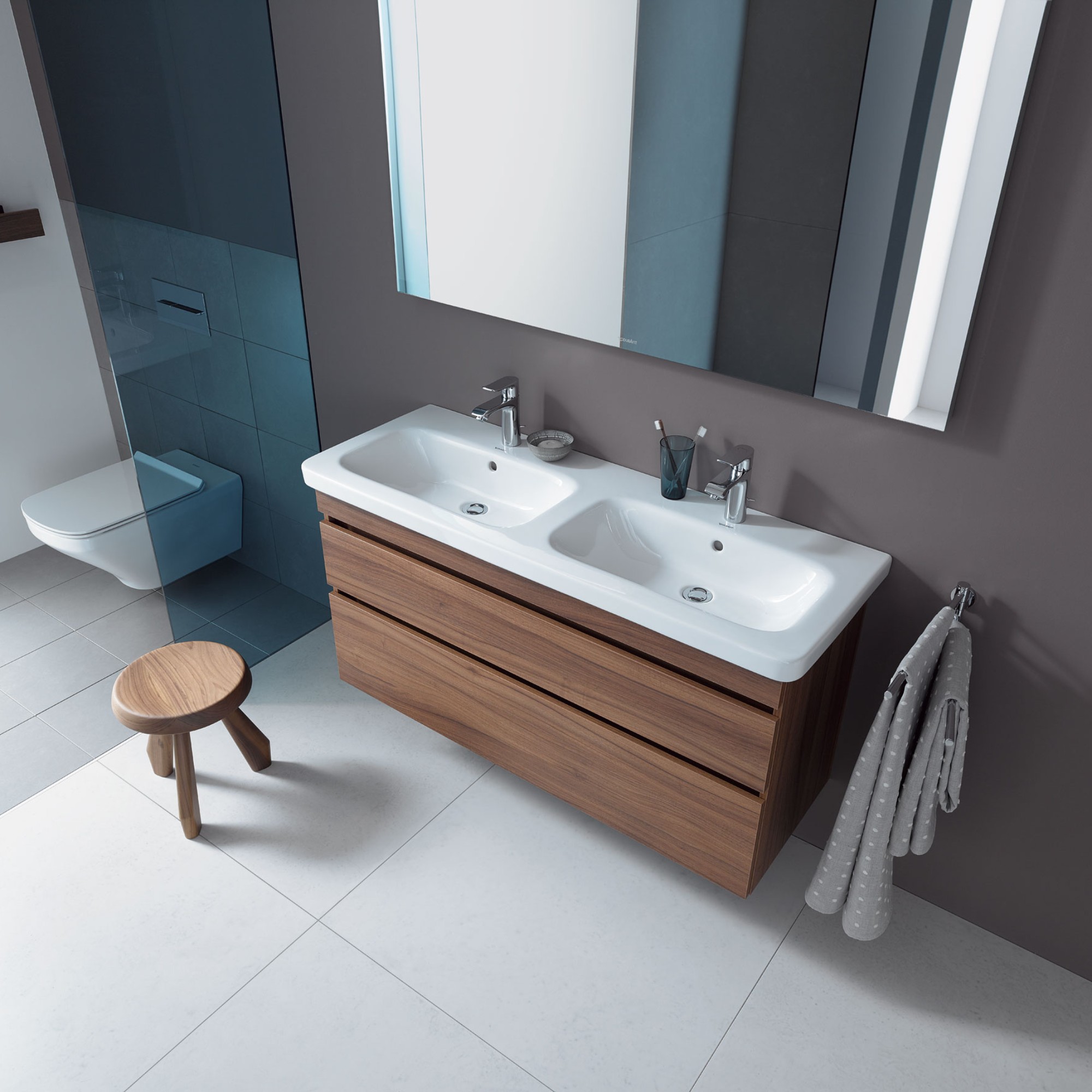
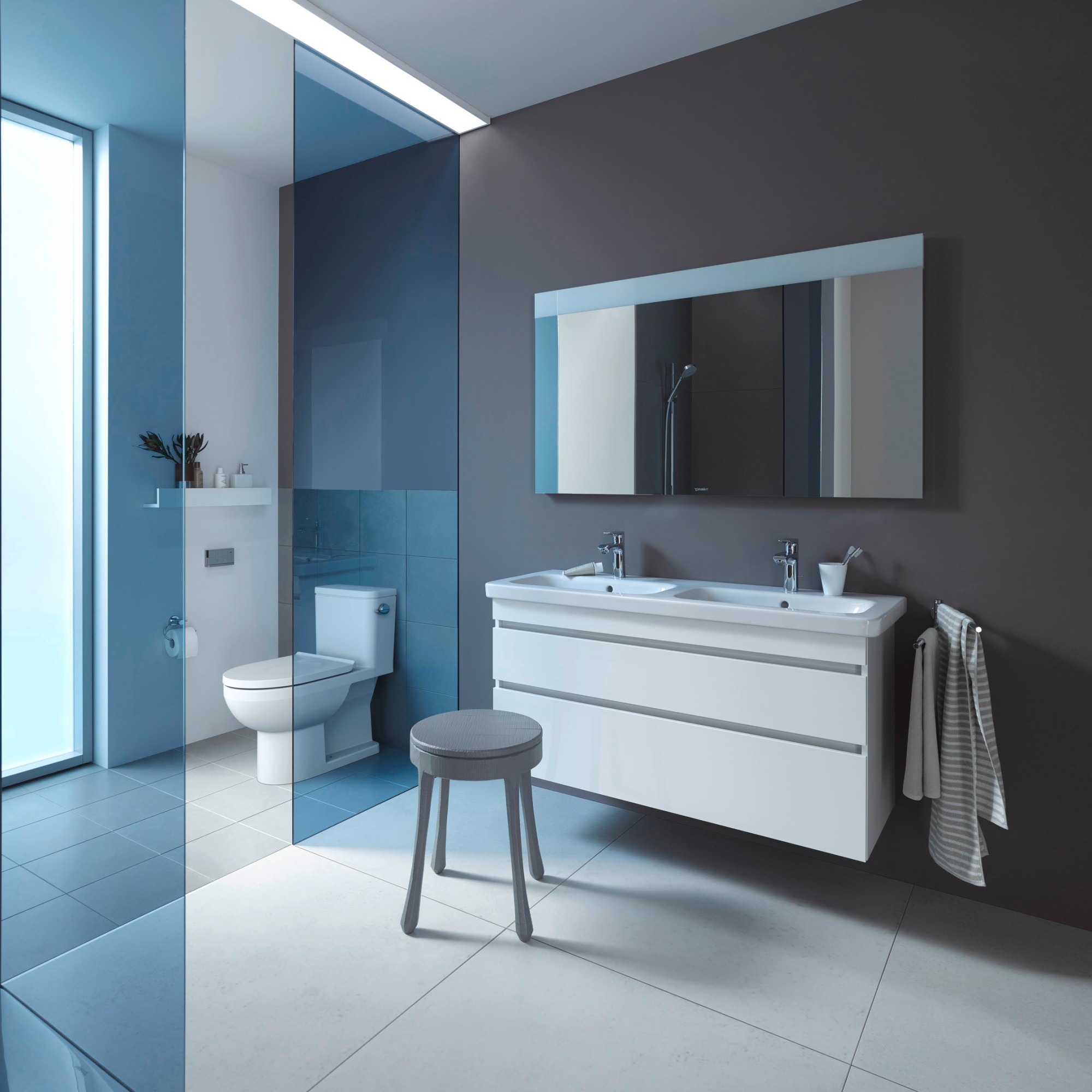
DuraStyle is suitable for every application: the complete range offers an equally extensive selection for both home and project use. With its comprehensive range, DuraStyle opens up even more options for individual bathroom design. The rectangular basic shape can be used to create numerous vanity variants – from hand sinks (500 mm) to vanity units (635 mm to 1300 mm). They offer generous storage space and a comfortable basin depth.
DuraStyle
Design by Matteo Thun & Antonio Rodriguez

DuraStyle – Individuality is vital
Individuality does not mean standing out at all costs. It is precisely an understated ambience that gives personality room to breathe and the freedom to express itself. Like DuraStyle: designed by Matteo Thun & Antonio Rodriguez, this bathroom series is deliberately understated – and for this very reason blends harmoniously into practically any ambience.
DuraStyle at a glance
Look and Feel

Price-conscious, versatile, for every setting

Narrow basin rim with distinctive ceramic edge

Exciting combination with light and dark finishes


Lightness and simplicity also dominate in the bathroom furniture sector. The trick lies in the mix of open and closed surfaces: this makes everything appear airy and open. The sophisticated 2/3 division of some tall cabinets can also be continued in the vanity units. There are numerous different colors to choose from for the finish. The two-tone design is particularly characteristic, allowing the body color to be combined with different front surfaces. The matching mirror is available in various widths, and the satin-finished LED panel provides optimal illumination with up to 300 lux.


The combination of simple design and high functionality is also evident in the DuraStyle toilet range. The flat lid/seat combination, available with or without a slow-close function, is strikingly elegant. Toilets and bidets are available in wall-mounted, floor-standing and back-to-wall versions, equipped with the innovative Duravit Rimless® flush technology, with concealed or exposed mounting and optionally also with the SensoWash® Slim shower toilet seat. A wide selection, suitable for practically every application and almost all architectural conditions.


Product highlights


£650.00
Prices exclude VAT and shipping costs
The mood of DuraStyle


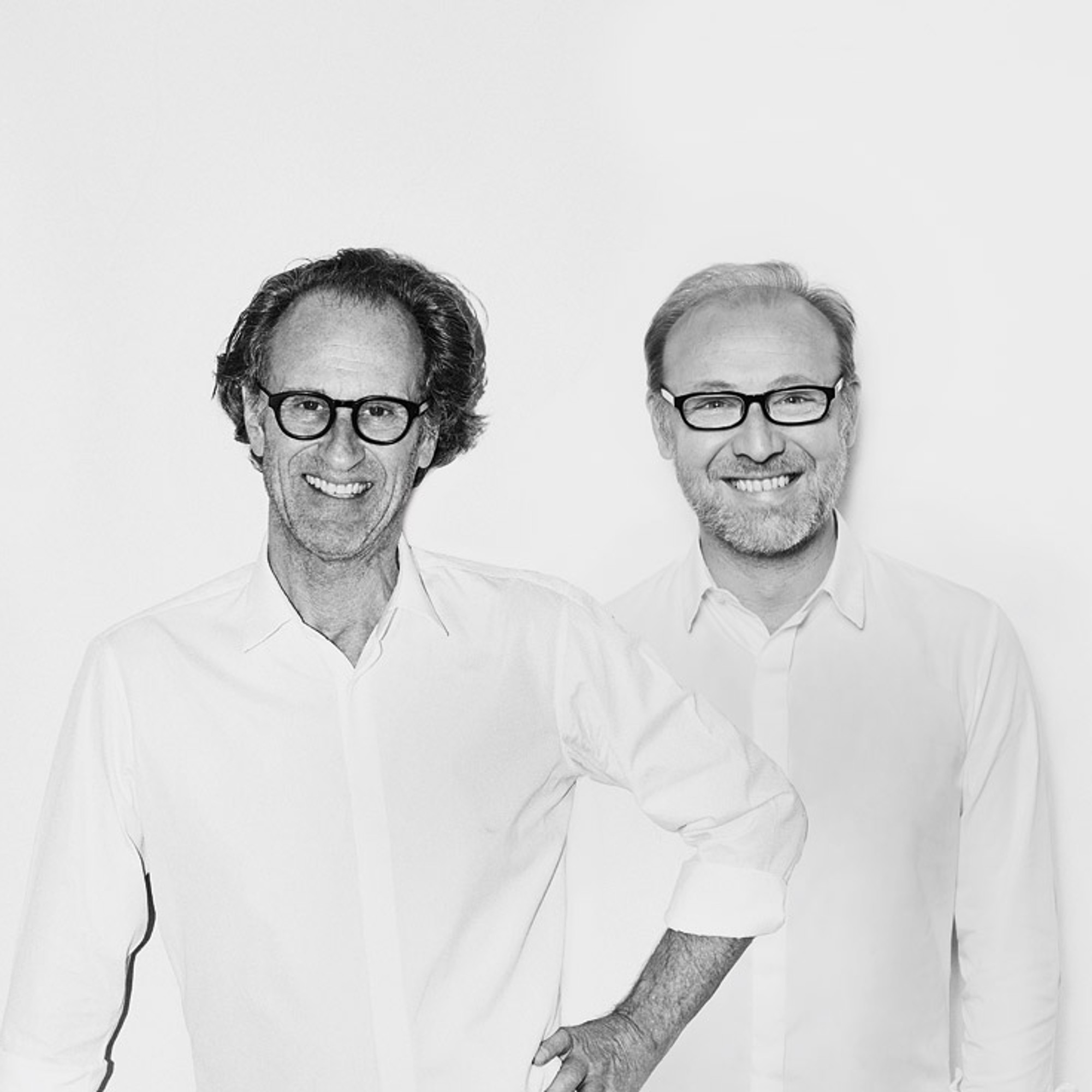
Design by
Matteo Thun & Antonio Rodriguez
Matteo Thun was born in 1952 in Bolzano (South Tyrol). After studying at the Oskar Kokoschka Academy in Salzburg and the Faculty of Architecture in Florence, he co-founded the legendary Memphis Group in 1981. Its members questioned the pure functionality of design objects.


Find a dealer near you