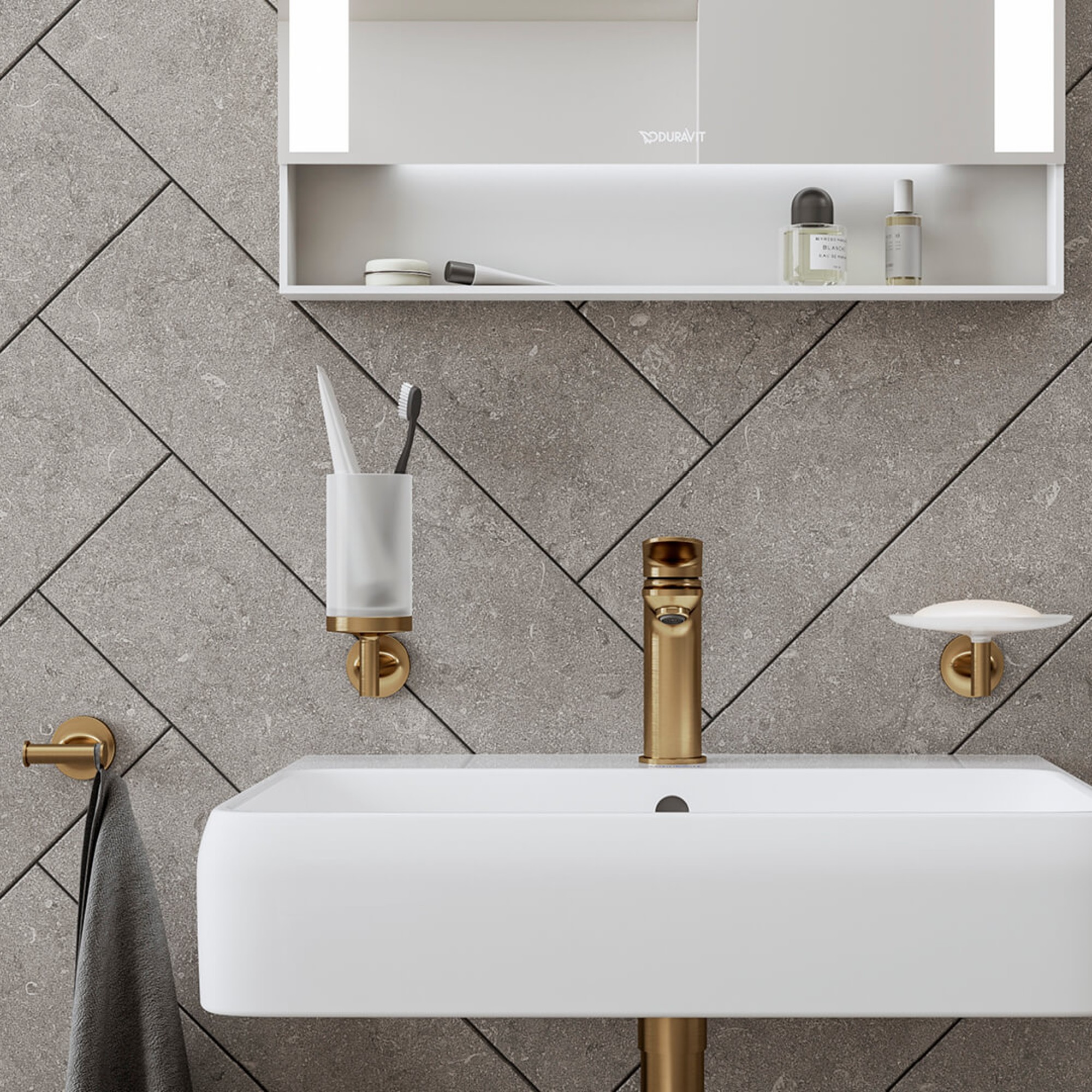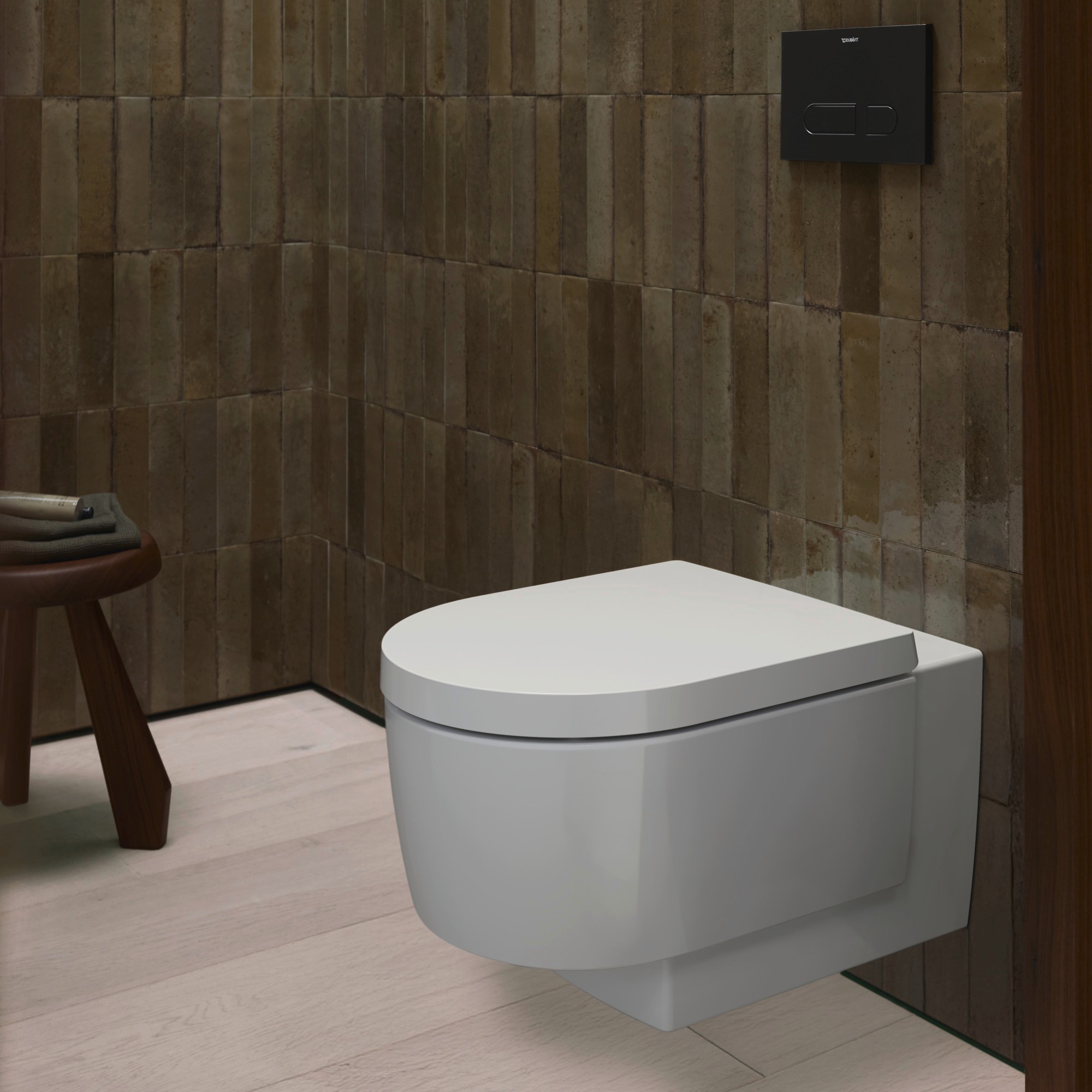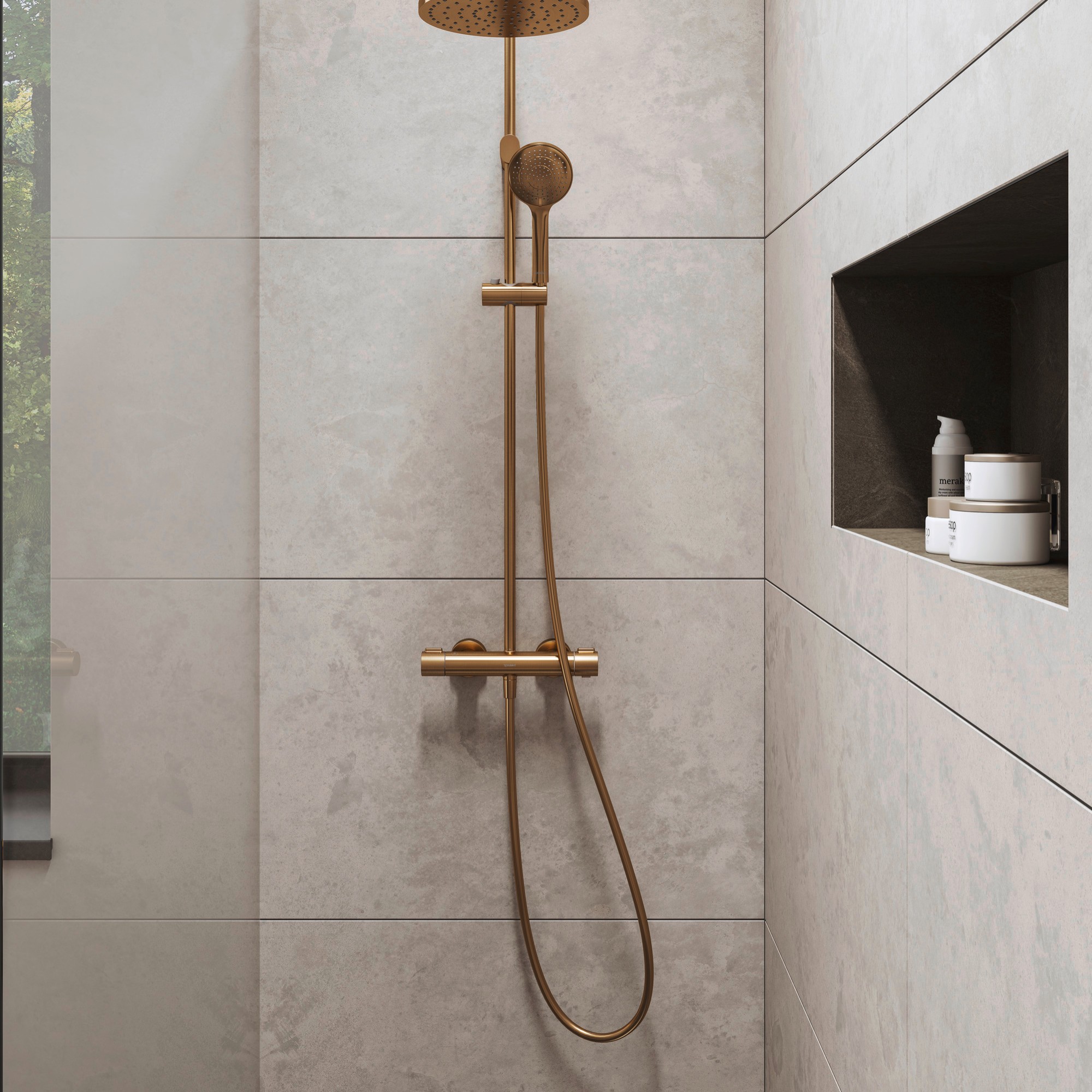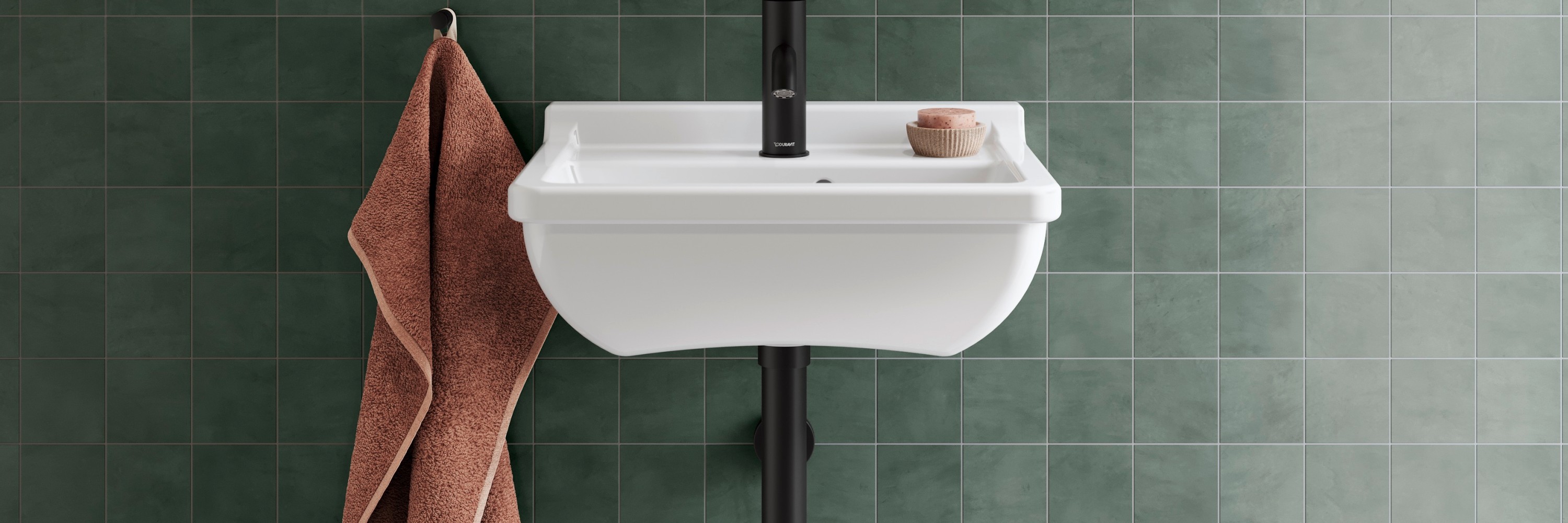
Duravit Starck 3 Series Hand sink

Painting grout

Most bathrooms thrive on clean lines, harmonious colors, and high-quality finishes. Tile grout is often essential to achieving this look—yet it’s frequently overlooked. However, painting grout is becoming increasingly popular and is an effective, low-effort way to add pops of color to your bathroom. Moreover, even the most beautiful tiles lose their appeal if the grout looks gray or stained. Here, you’ll learn how to paint tile grout and what to keep in mind when doing so.
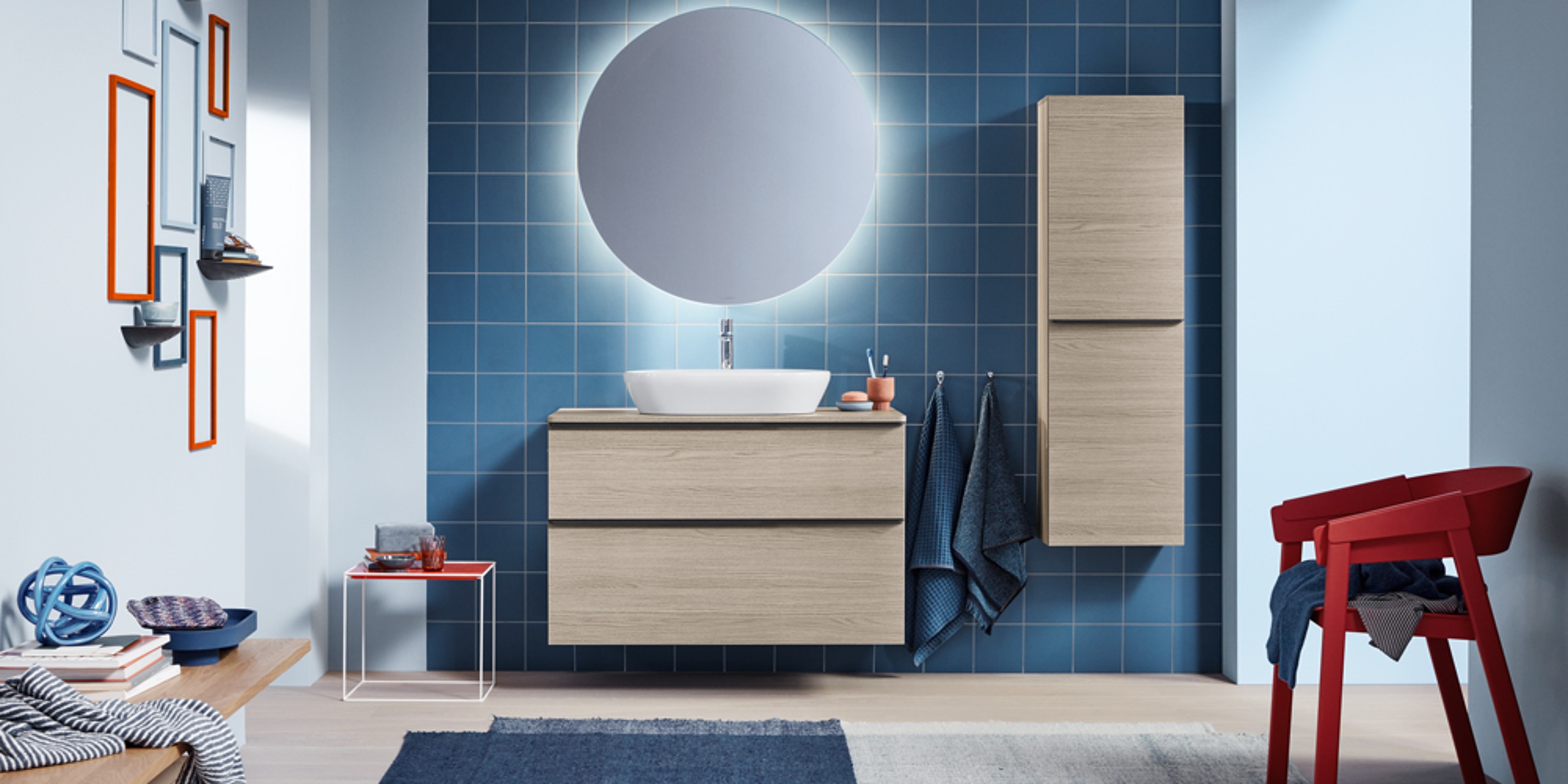
A modern, colorful bathroom featuring bathroom furniture and fixtures from the Duravit D-Neo series

Joints as a design element

Grout lines are much more than just a functional detail. Their colors can significantly influence how calm, spacious, or textured a bathroom appears. This is why they are increasingly becoming a focal point of design, especially in modern bathroom concepts.

Duravit Starck 3 Series Hand sink

Matching colors

When grout colors closely match those of the tiles, it creates a sense of visual calm. The surfaces appear more uniform, and the room feels more spacious and tidy. This approach is particularly well-suited for smaller bathrooms or minimalist styles like Scandi or Japandi, where restraint and clarity take center stage.

Wall-mounted toilet from the Duravit D-Code series

Contrast grout

Using contrasting colors to paint bathroom grout deliberately highlights the tile format. Dark grout paired with light-colored tiles creates graphic patterns and adds depth and character to the bathroom. This creates a modern, architectural look, especially with large-format tiles or geometric laying patterns. It’s important to have a cohesive overall design: too much contrast can quickly make the room feel cluttered.

Single-lever basin mixer from the Duravit Wave series in brushed bronze

Basic color selection

If you don’t want to go for a tone-on-tone scheme or overly strong contrasts, you should pay attention to the color temperature to find the design that works best for you. Warm grout colors such as sand, greige, or cream enhance a cozy atmosphere and harmonize well with wood, natural stone, or matte finishes. Cooler gray or anthracite tones, on the other hand, have a more neutral effect and are an excellent match for minimalist bathrooms with a concrete or stone look.

Materials for grouting

You should make sure you have the right materials on hand for painting over the joints.

Front view of a sink from the Duravit D-Code series with chrome faucet

Colors

For traditional mortar joints, you can use special joint paint or latex paint. Conventional emulsion paints, however, are unsuitable, so you cannot paint joints with wall paint. If you want to paint silicone joints, you should use paint specifically designed for this purpose, which you can find at home improvement stores or specialty retailers.

Duravit Balcoon Series Toilet

Tools

You should also have the right tools on hand. This includes everything you need to clean grout lines and tiles, so you can clean the treated areas both before applying the paint and in case of any spills. There are special grout pens available for painting, though these are better suited for smaller rooms. For larger areas, we recommend using small brushes or special grout rollers and masking off the adjacent tiles.

How to paint grout

Once you have gathered all the necessary materials, you can begin painting the grout lines in the bathroom. Here’s the best way to proceed:

Sink area with a Duravit Starck 3 vanity on an L-Cube vanity base in front of a mirror, with a tall cabinet next to it

1. Check the joints

Before painting the joints, you should check them for damage and mold. If you find any, do not paint the joints; they must be replaced first. A handy tip: For mortar joints, you can mix the paint directly into the mortar; for silicone joints, colored materials are sometimes available at specialty stores.

Tip: Check out our magazine to learn how to replace silicone caulking and what to do if you find mold in your bathroom.

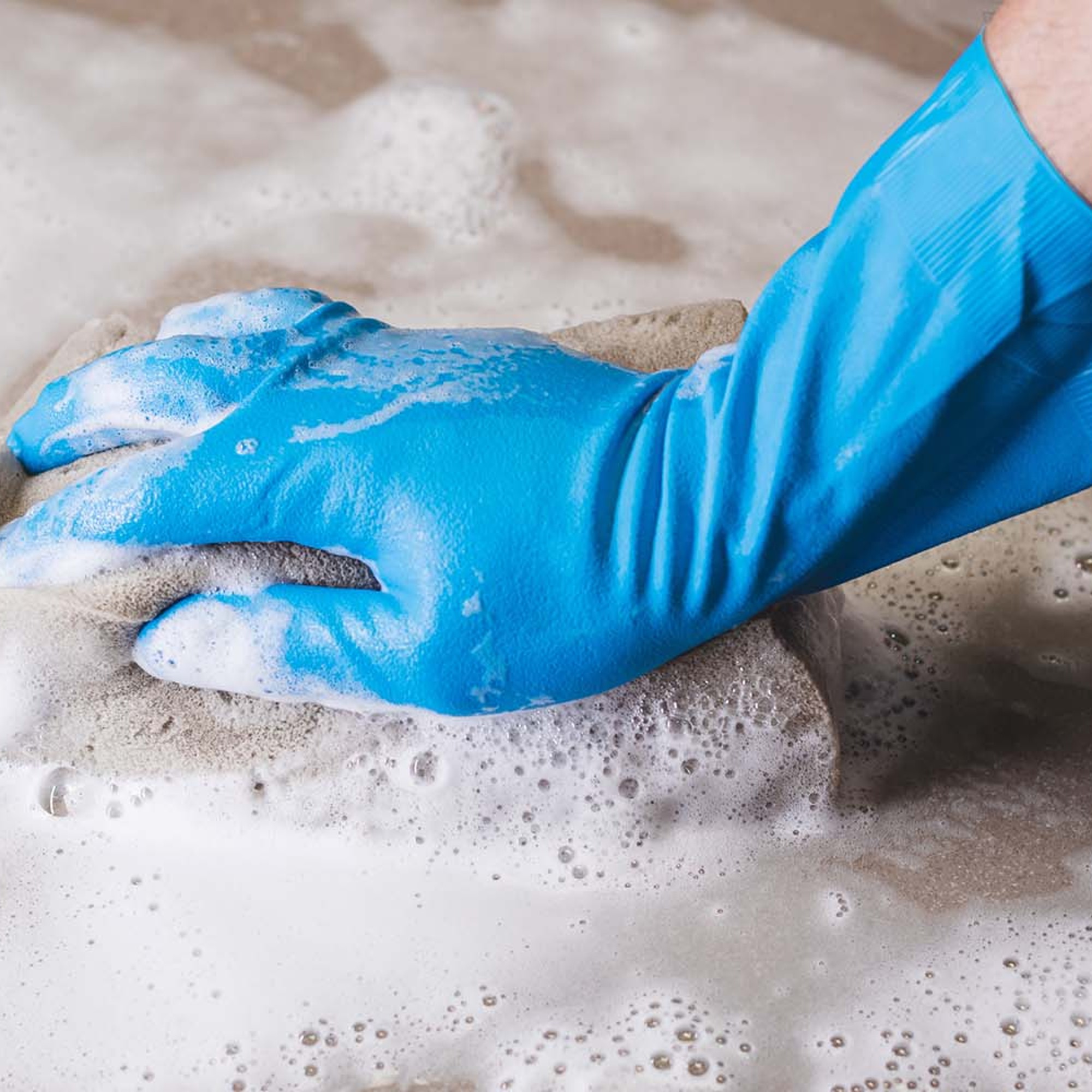
Cleaning Grout

2. Clean the grout

Before you start painting, you need to thoroughly clean the grout lines. Limescale, soap residue, and grease must be completely removed so that the paint adheres evenly. Then let the grout lines dry completely; otherwise, the finish won’t last as long.

Duravit Sustano shower system on a tiled wall

3. Masking

To avoid paint splatters and mistakes, it’s usually easiest to mask off adjacent surfaces. Plain adhesive tape is usually sufficient for this.

Duravit D-Code series sink with chrome faucet

4. Painting

The actual process of painting the joints is quite straightforward. Of course, you should apply the paint evenly; depending on the product, a second coat may be necessary. It is essential to follow the drying times to achieve an even and long-lasting result.