Colors in the bathroom

Where classic white used to be the norm, there is now a colorful selection – there are few limits to the colors you can use in your bathroom. Different colors can also have different effects, and not everything works well with everything else. Are certain colors particularly suitable for bathrooms? Which colors harmonize well with each other? And are there other points to consider? We provide you with all the answers.
Duravit Vitrium Color sink area and bathtub in front of floral and colorful wallpaper.

What should generally be considered when choosing colors for the bathroom?

Individual tastes vary, but a few general guidelines can still be established. After all, a bathroom is always a functional space, which is why the furnishings and color scheme should have a supportive effect. We therefore recommend the following guidelines:
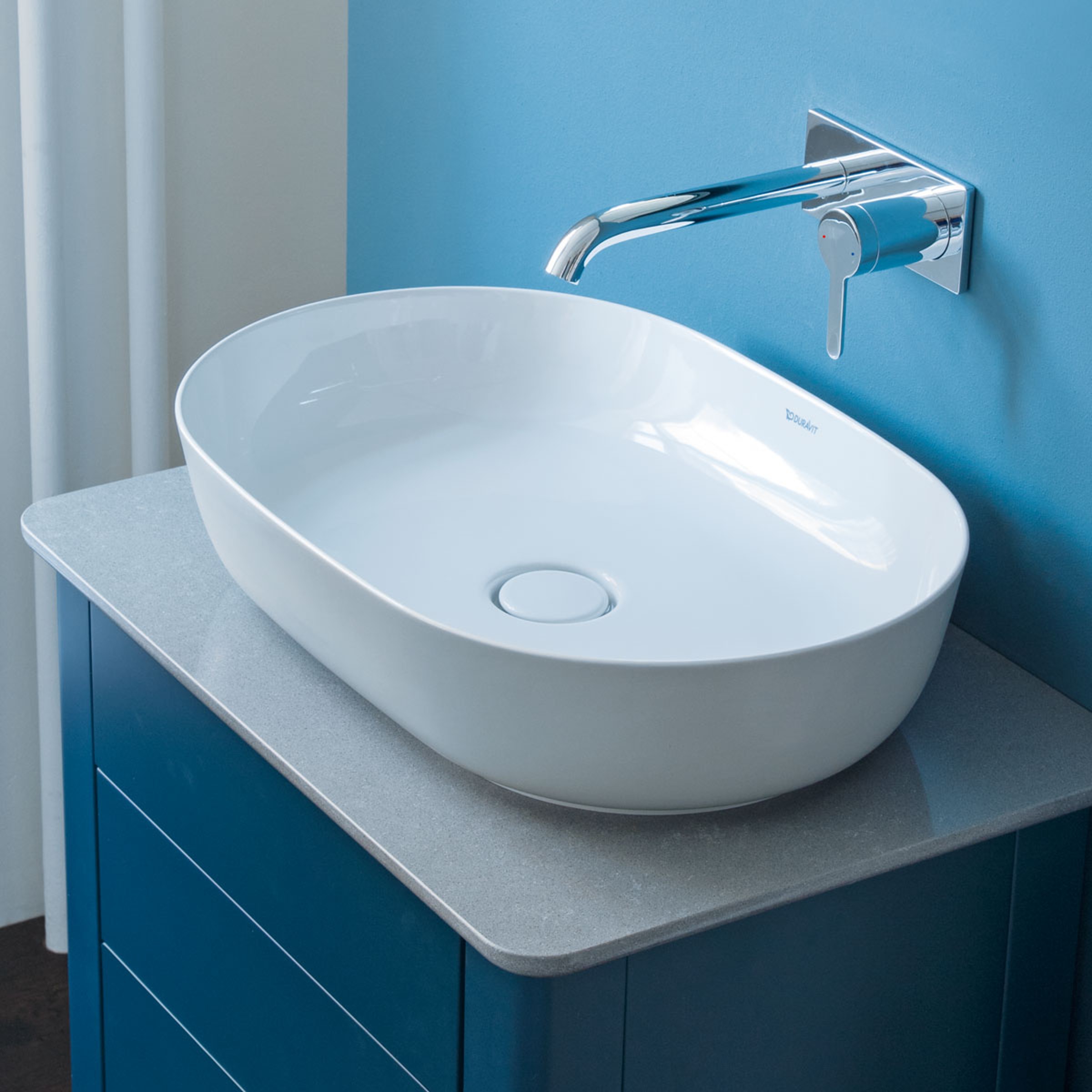
Luv countertop sink in oval shape

Don't go overboard

As tempting as the selection has become, it makes sense to focus on a reduced color scheme in the bathroom instead of mixing all colors together. The latter creates a restless atmosphere, which is something hardly anyone wants in their bathroom. Completely monochrome bathrooms are an easy way to settle on a design.

Tip: These can be perfectly realized with the Vitrium series, for example.
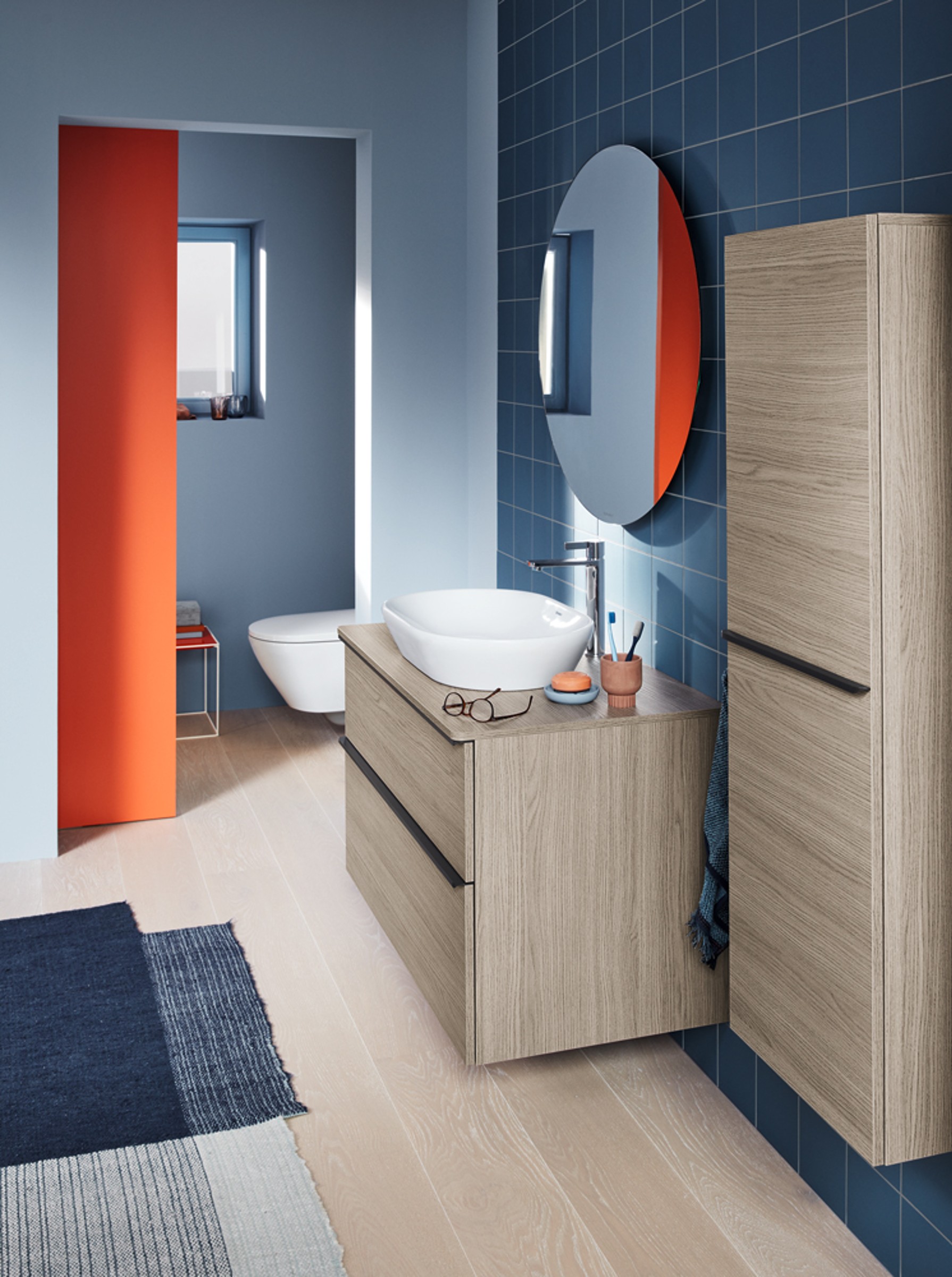
D-Neo countertop sink in front of colorful accent walls, toilet in the background

Set accents

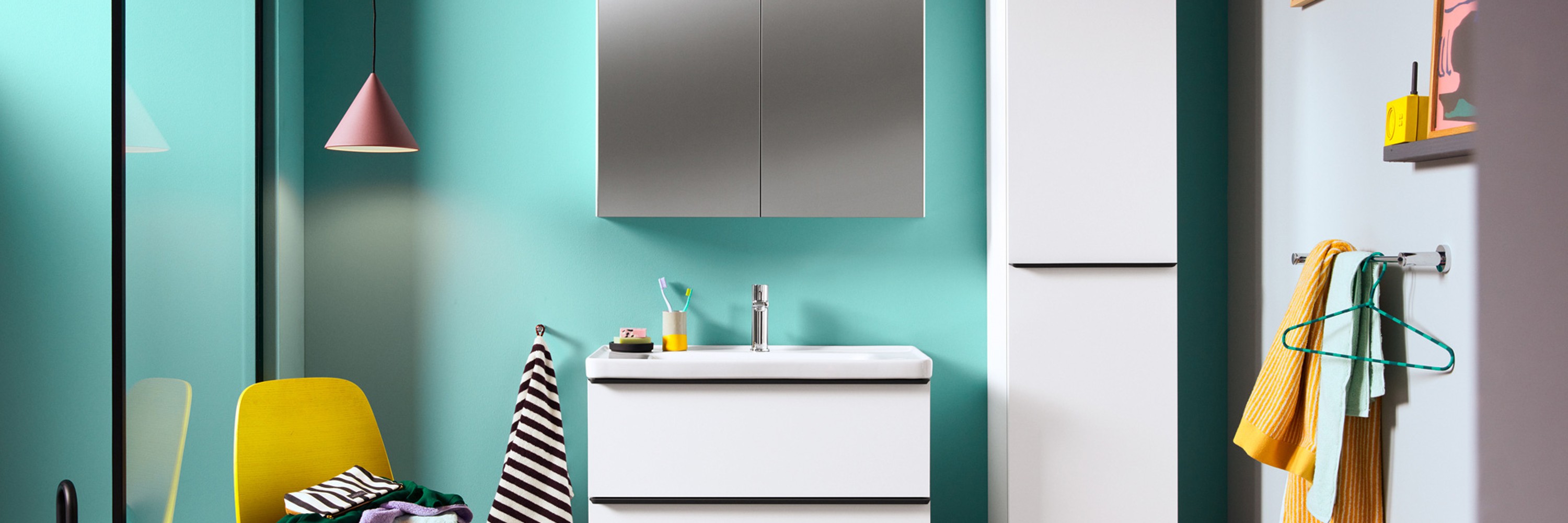
Not all colors are suitable for a completely monochrome bathroom. For example, a particularly bright and bold red can make a bathroom feel very restless and confining. The same applies to other very vibrant colors. In this case, it is better to rely on individual accents that you can combine with calmer pastel shades or neutral colors.

Where can colors be used effectively in the bathroom?

If you don't want to design your bathroom in a single color, the question arises as to where you can best use color accents. There are several options to choose from.
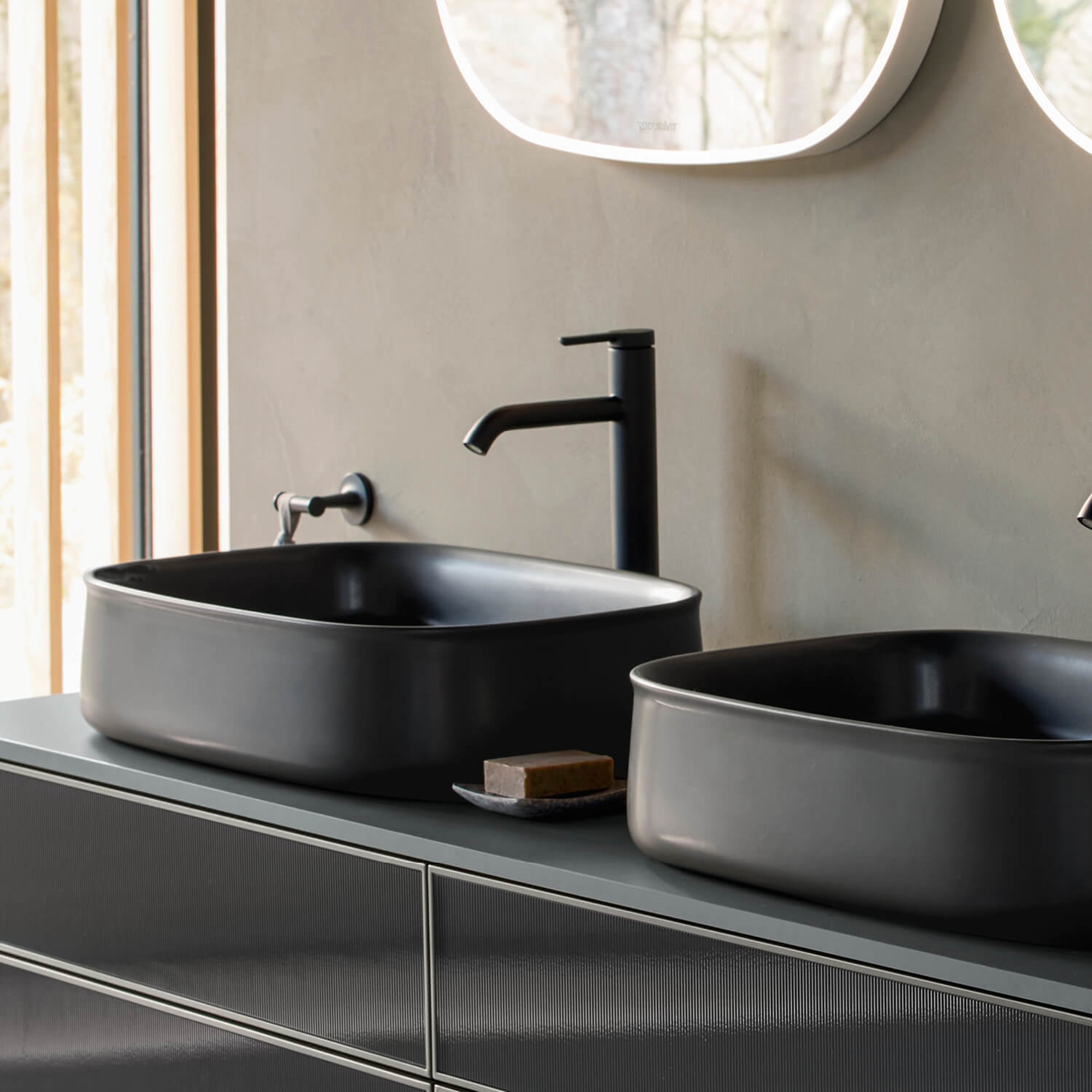
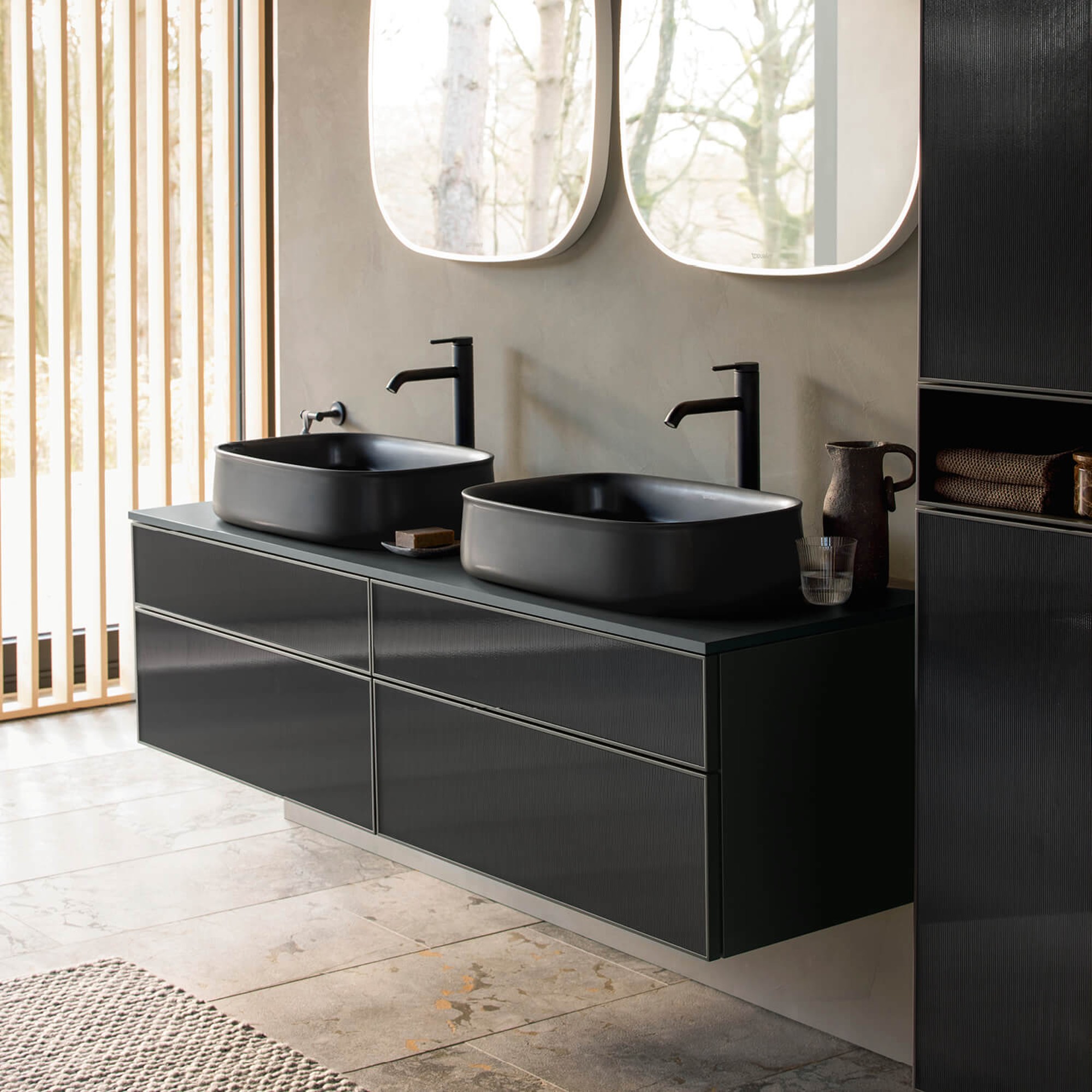
Zencha countertop sink in black with black faucets

Ceramics

Although white remains the standard color for bathroom ceramics, black or gray ceramics are no longer a rarity. The neutral nature of these colors means that they can be combined particularly well. Of course, you can also do the opposite and choose more striking colors for the ceramics and keep the rest of the colors in the bathroom neutral.

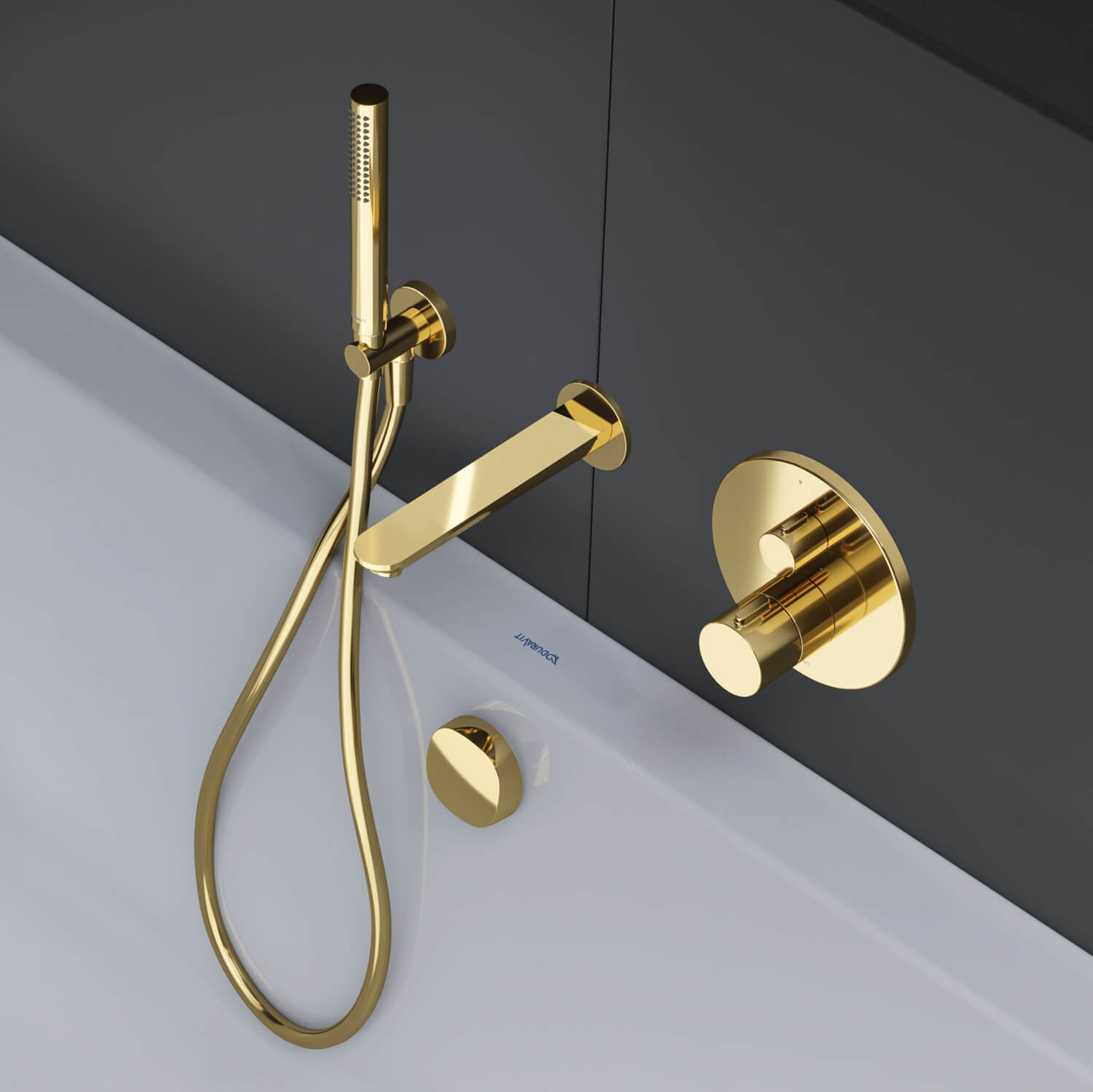
Golden faucets from the Duravit Wave series on a bathtub

Faucets

Faucets are particularly well suited for adding color accents. Here, you can also opt for higher quality. For example, gold faucets in your bathroom with white ceramics create an elegant impression. Gold or bronze tones also harmonize perfectly with black. Since the faucets only make up a small part of the room, this avoids any overload of metal tones.

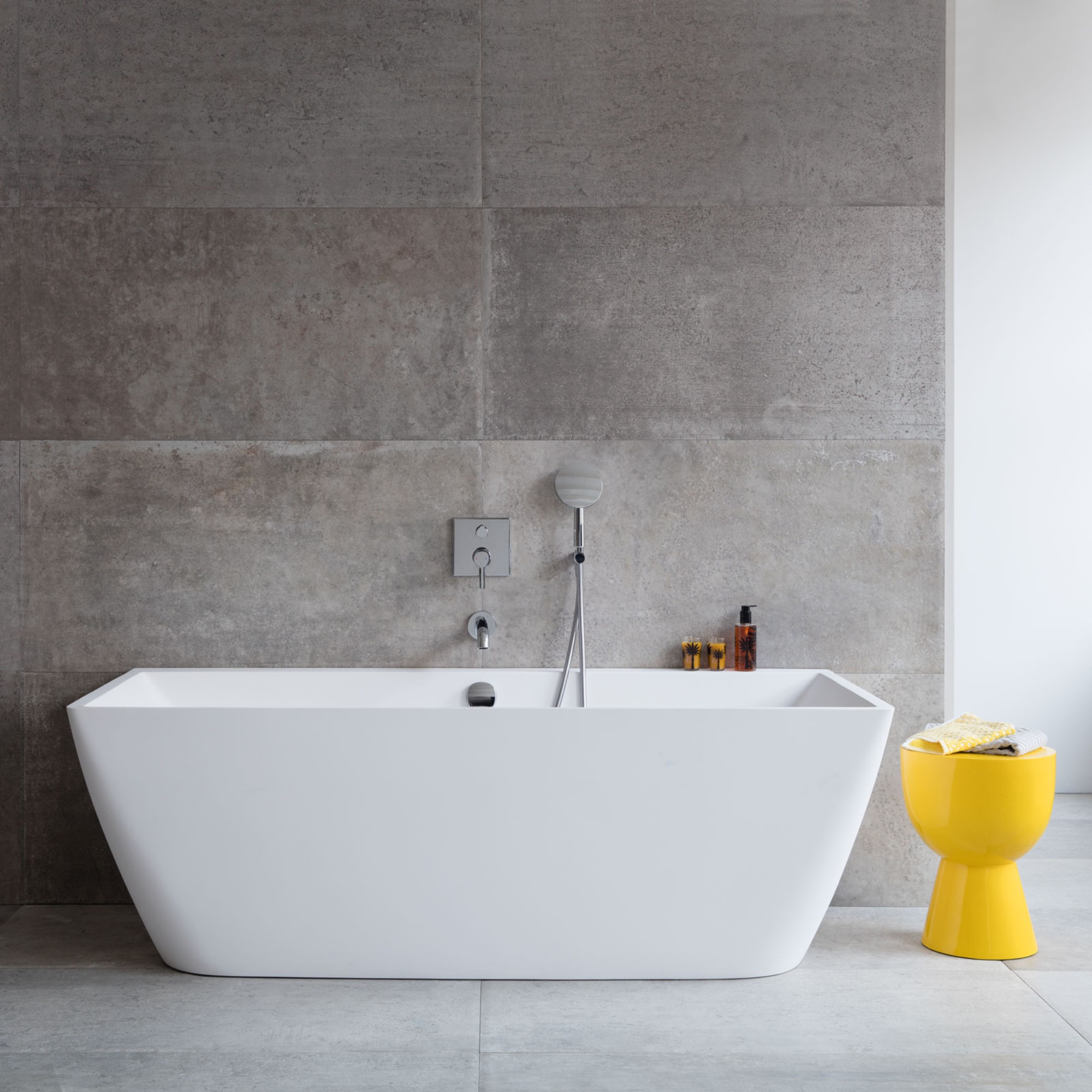
Duravit DuraSquare wall-mounted bathtub with colored accessories

Tiles

The color of bathroom tiles can be easily adapted to the rest of the color scheme—after all, tiles usually look best when they complement the overall look rather than dominating it. The color does not always have to be exactly the same as the rest of the bathroom. For example, a slightly darker shade of tile can often accentuate a lighter color in the ceramics or furniture, as long as the shades themselves are harmonious. Or you can choose a more subtle color here as well.

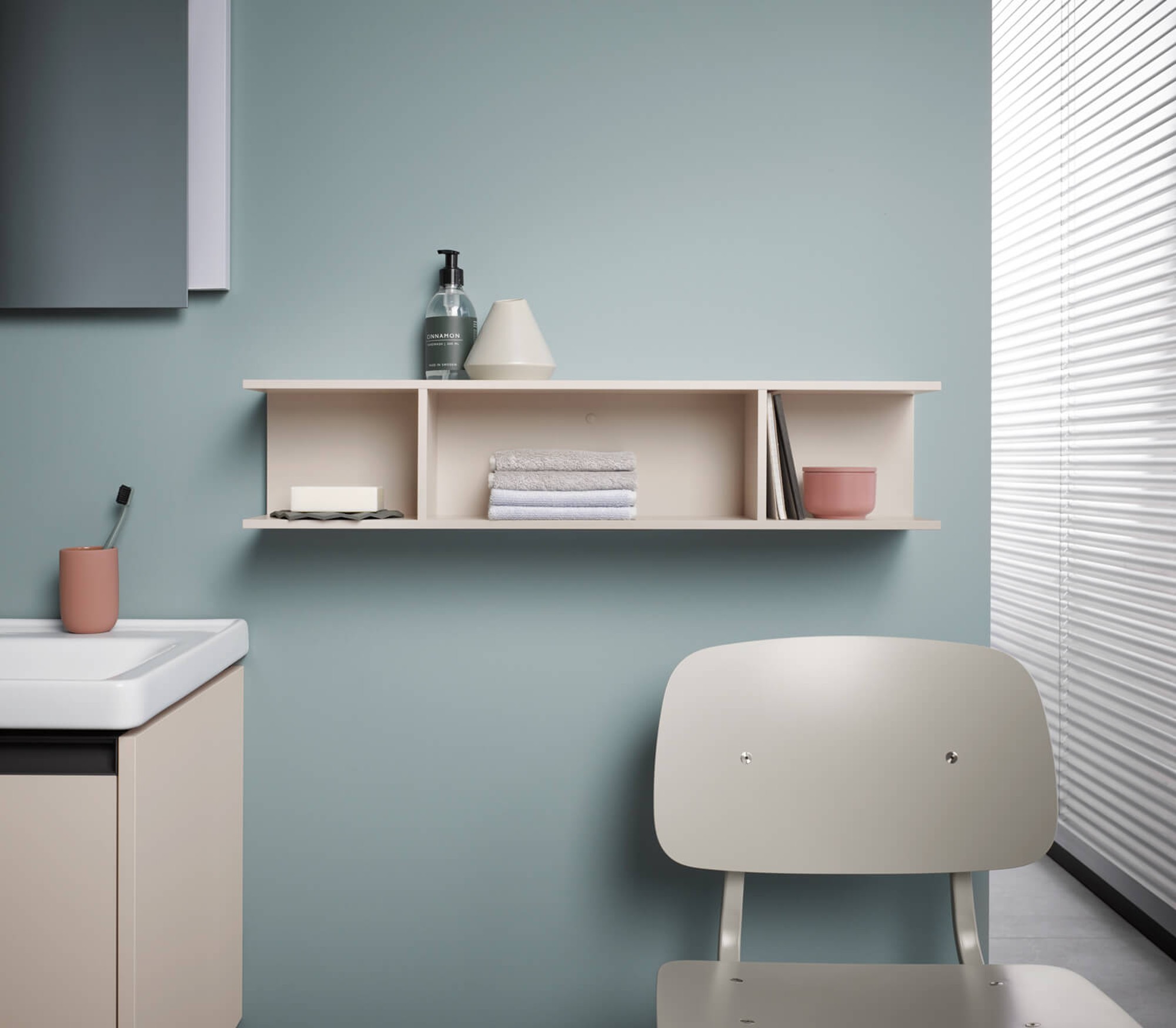
Duravit Ketho.2 wall shelf on a pastel-colored wall

Wall paint

Although similar rules apply to wall paint as to tile paint in the bathroom, the ongoing trend of one or two walls in a different color offers scope for accents. In this case, however, the wall paint in the bathroom should never stand alone, but should be reflected in other elements.

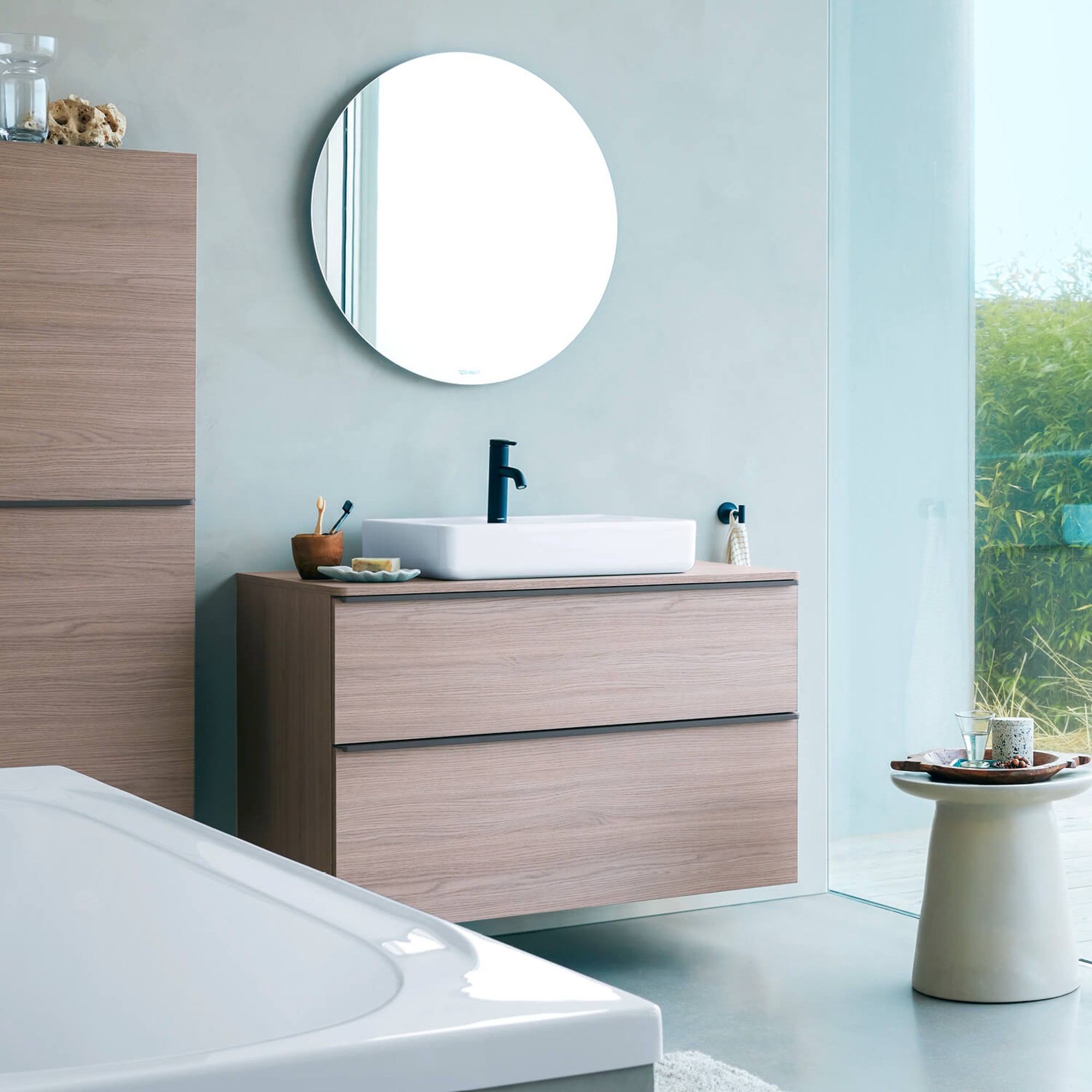
Duravit Soleil bathroom furniture in front of a pastel-colored wall

Bathroom furniture

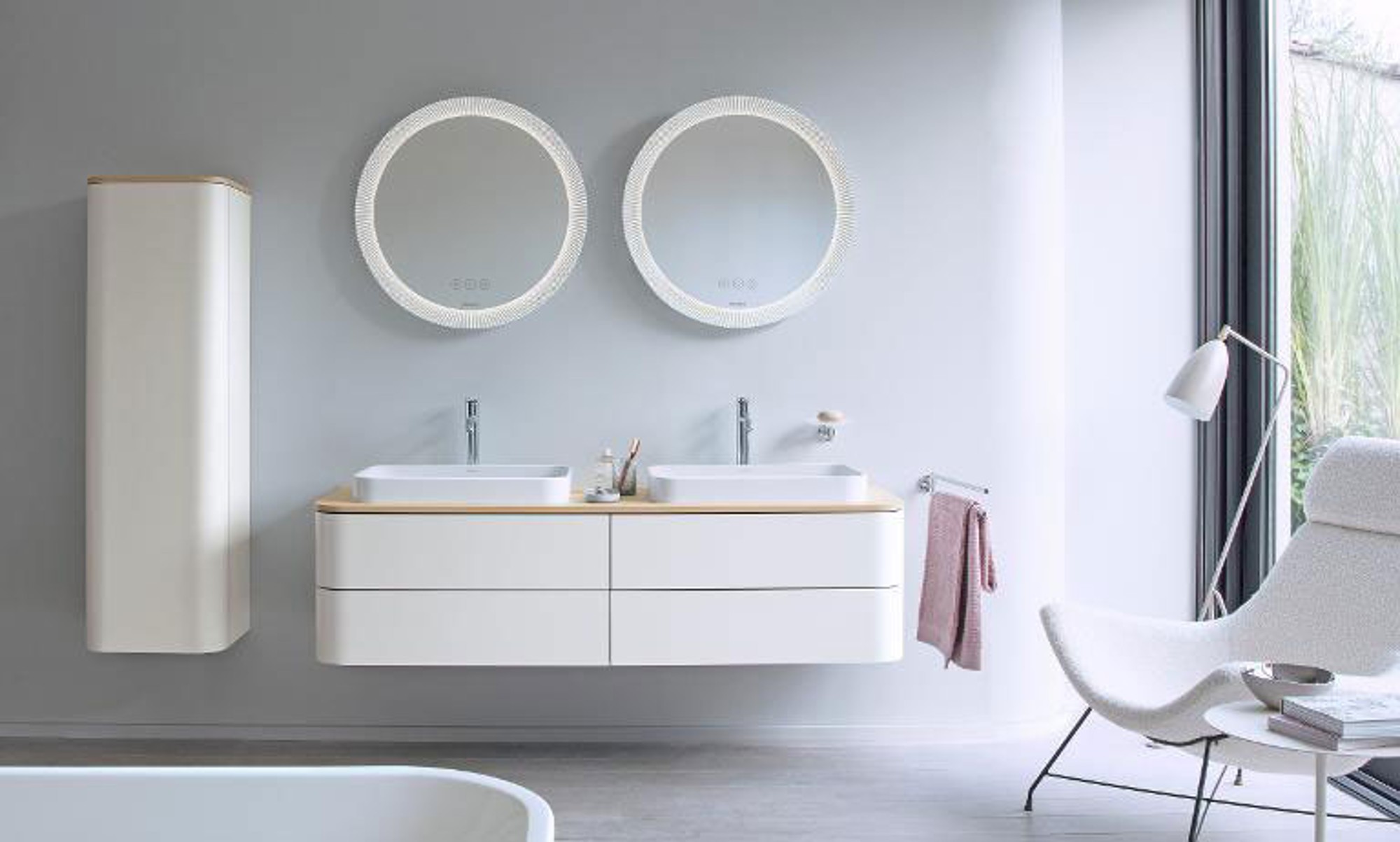
When it comes to bathroom furniture, harmony is key. In multi-colored bathrooms, it should ideally match the wall color or the color of the faucet. However, there is one major exception: the natural look of wood or stone goes well with all colors in the bathroom.

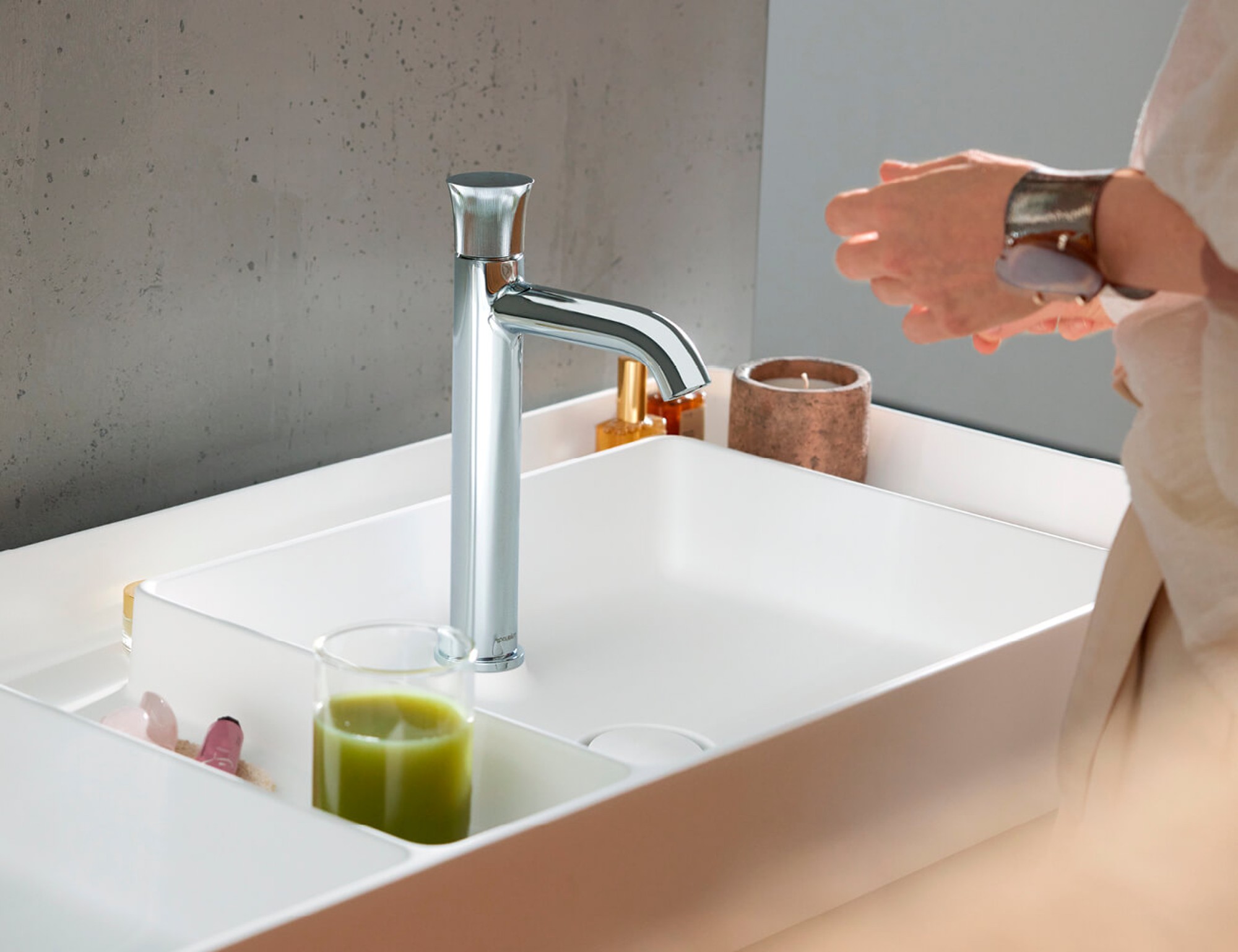
Duravit Bento Starck Box sink with colorful candles

Bathroom accessories

Similar to faucets, accessories are perfect for introducing bolder colors into the bathroom. They allow you to add attractive accents without visually overloading the bathroom. Another advantage is that it is relatively easy to make changes here. If you don't like the color of a towel, you can simply replace it with one that suits your taste. This allows you to constantly change accents and keep the aesthetics of your bathroom looking fresh.

Which colors in the bathroom create which impression?

Choosing the right color for your bathroom is always a question of style. What kind of atmosphere do you want to create in your bathroom? White bathrooms have a classic, clean look, while gray bathrooms have a subtle, understated charm. Combining several colors also requires careful consideration. Particularly trendy examples include black and white, green, blue, and beige bathrooms.

Of course, there are numerous other possibilities, such as bathrooms in yellow or red, which can convey a very lively feeling when used correctly. As with all colors in the bathroom, there is no "right" choice here, as perception varies from person to person. It is best to choose whatever you personally feel comfortable with.
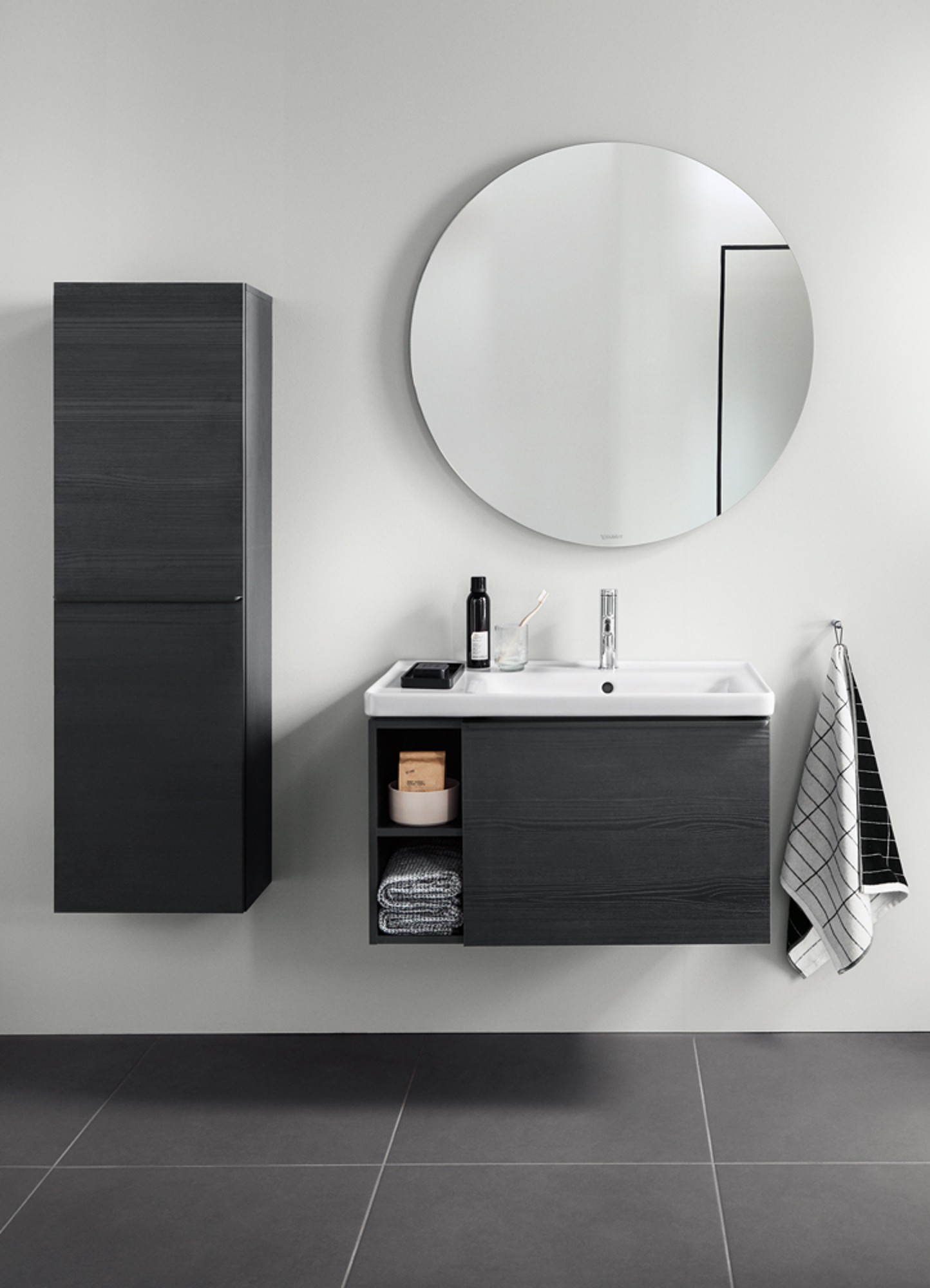
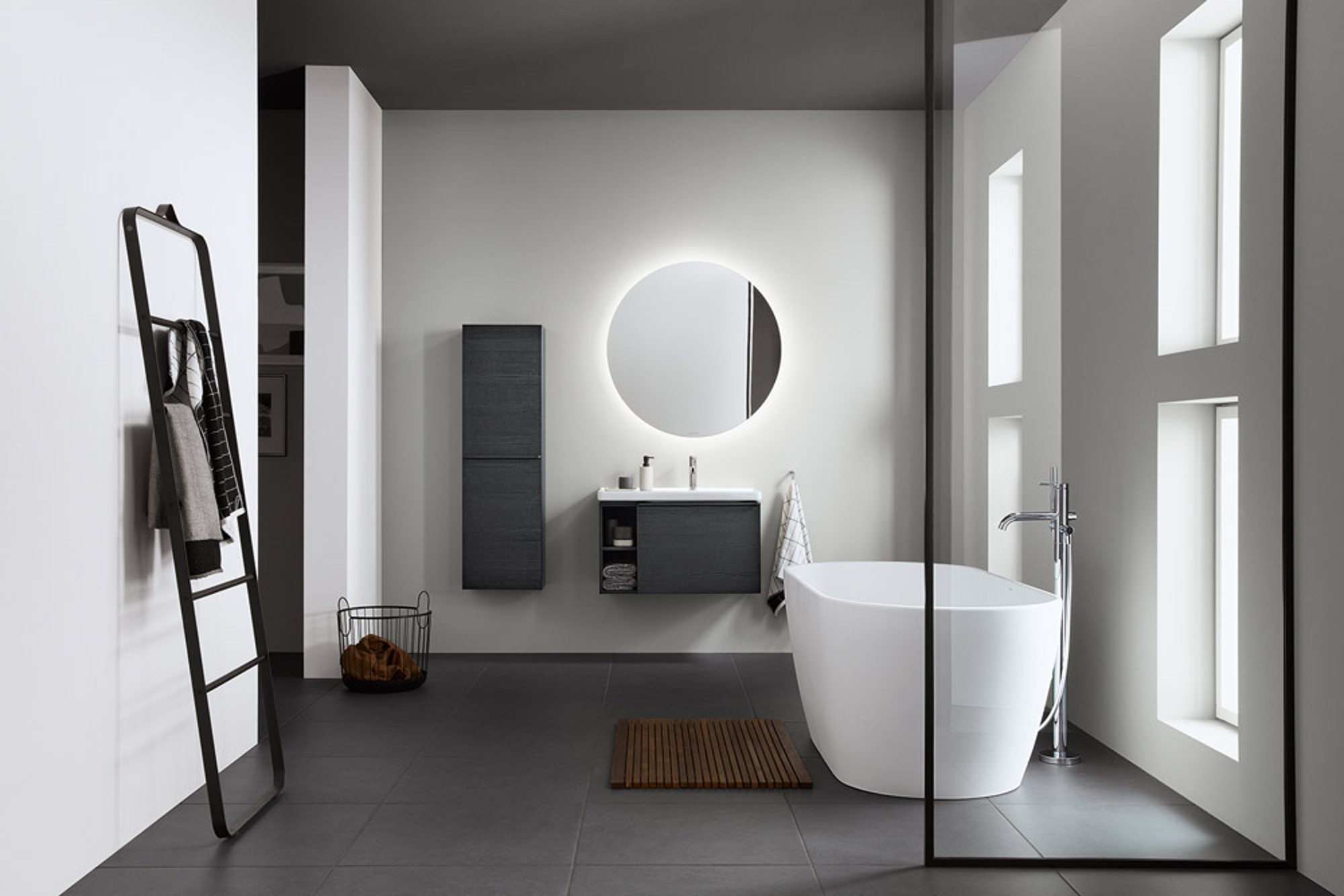
Black Duravit D-Neo bathroom furniture against a gray wall

Black and white

Solid black bathrooms are undoubtedly stylish, but they always depend on there being sufficient light sources. With a black and white bathroom, even darker rooms can be given a solution that allows this elegance to really come into its own. The combination of white ceramic and floor tiles with black faucets, furniture, and walls works particularly well.

Light-colored Duravit Zencha bathroom furniture against a dark wall

Green

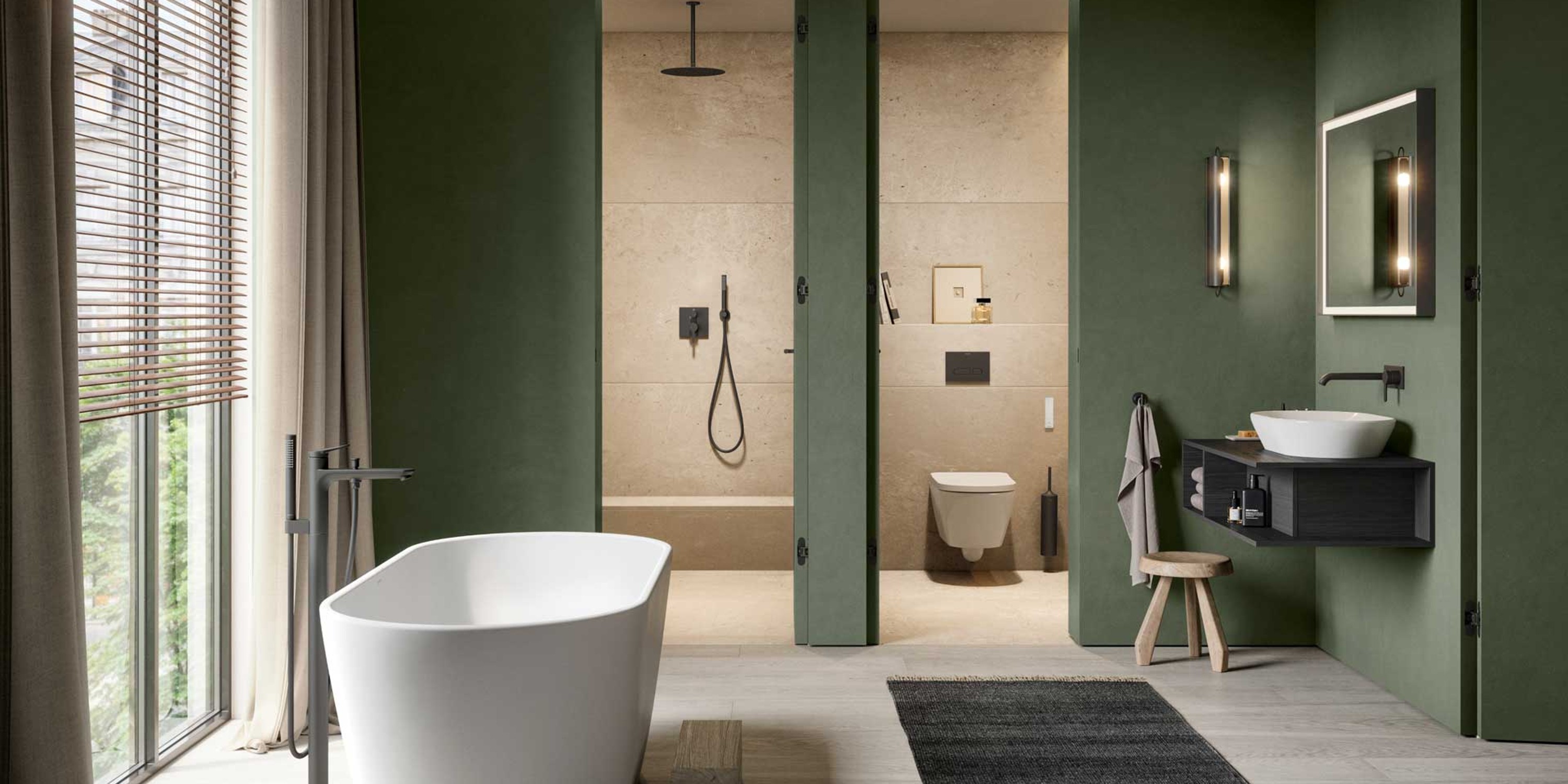
Not all greens are the same. Bright shades can quickly look unnatural and rarely work well. Natural green tones, on the other hand, create a perfect, calm harmony with stone or wood-look furniture. You can also accentuate your green bathroom with gray or white to emphasize the natural look. If you want metal colors for the faucets, darker gold or bronze tones make a particularly good impression.

Duravit sink area and wall cabinet in front of blue accent wall

Blue

Blue is a perfect color for the bathroom: whether it's a relaxing sky blue or a deep sea blue, the association with the bathroom is never far away. Not least, the calming effect of blue makes it an excellent choice. Whether it's blue walls, tiles, or bathroom furniture, if you want a relaxing bathroom, you can't go wrong with blue. Just make sure that the overall impression is not too cold if you tend towards more subdued shades of blue. If in doubt, warm accents in the faucets or accessories can help here.

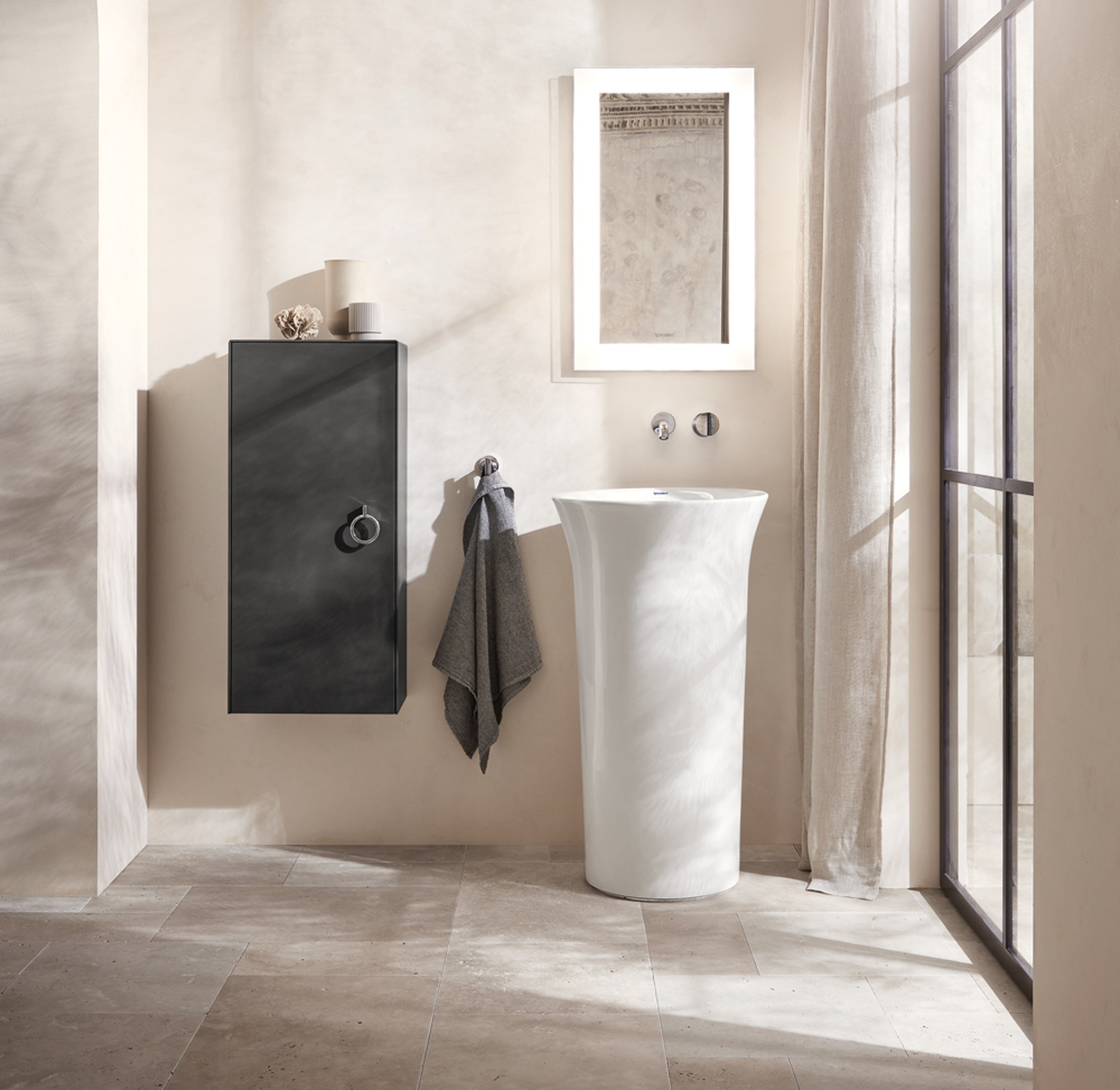
Duravit White Tulip sink and black wall cabinet in front of a sandstone-colored wall

Beige

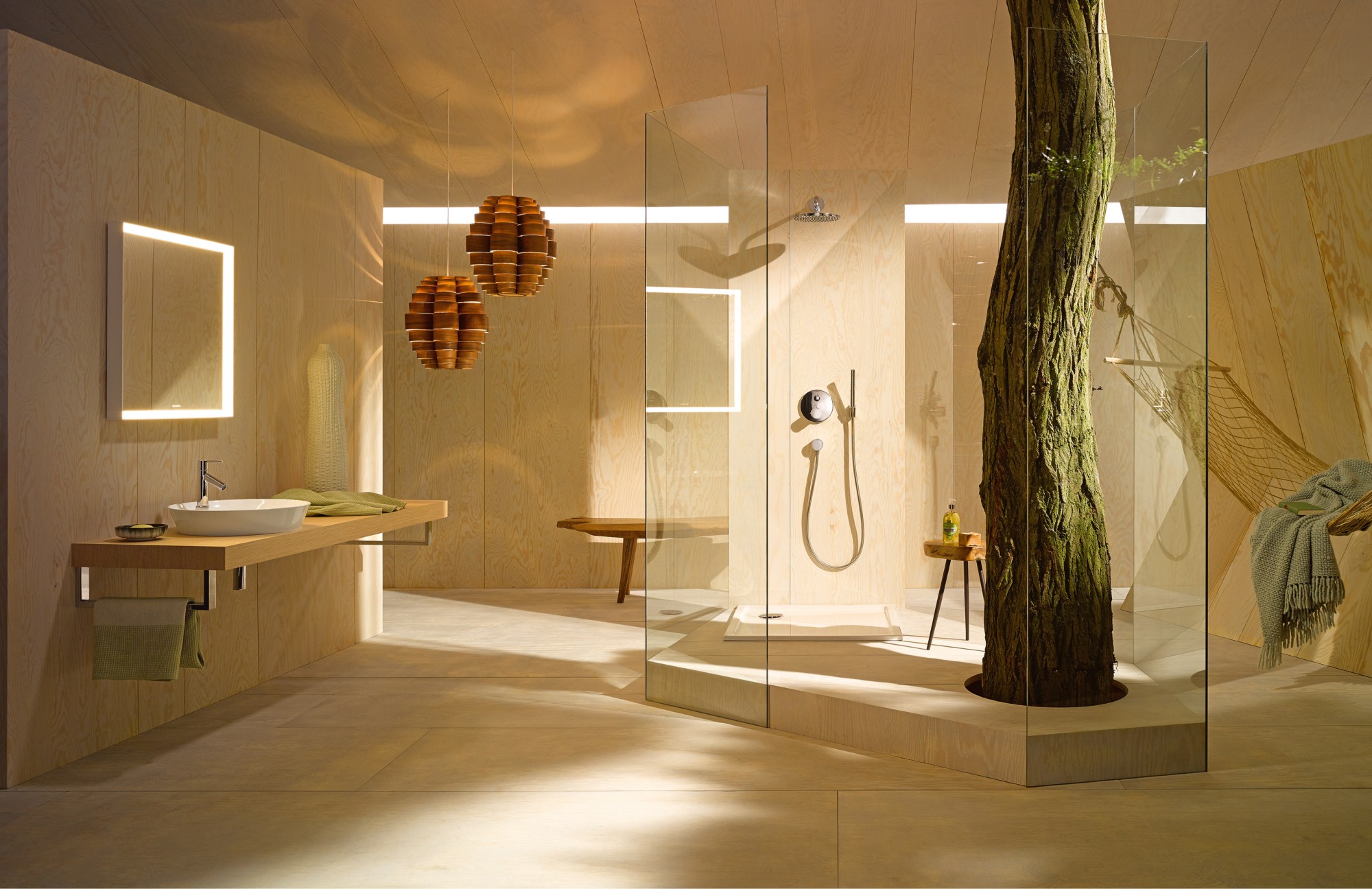
Choose beige as the color for your bathroom to give it a modern touch. Combining different light sand tones is one of the latest trends in bathroom design. A beige bathroom with white faucets also conveys a sense of calm, creating the perfect setting for relaxation. Beige bathroom furniture, like wood-colored furniture, can be combined beautifully with many other colors.

Discover material and color trends in the bathroom

Whether monochrome or combined, colors in the bathroom offer many options for customization. The materials used also have a decisive influence on which colors harmonize particularly well and what overall impression is created. Discover some particularly popular design options here.

Tip: You can also find useful advice on painting your bathroom in our magazine.