Painting the bathroom
How to get a great new coat of paint
Key points at a glance:
- Choosing the right paint: Special moisture-resistant paints, silicate paints, or lime paints provide reliable protection against moisture and mold—conventional wall paints are not suitable.
- Prepare carefully: Clean, dry, and primed surfaces, as well as covering ceramic tiles and faucets, are essential for a clean finish.
- Paint systematically: Work in the correct order (ceiling, trim, walls) and apply the paint evenly in several coats to achieve a durable and uniform finish.

Painting a bathroom: What paint should you use?
Standard emulsion paints—that is, wall paints for rooms like the living room—are not suitable for painting bathrooms. This is because the high humidity in the bathroom subjects the paint to special demands. Among other things, you’ll want to avoid mold growth and peeling paint. The following options are available to you:
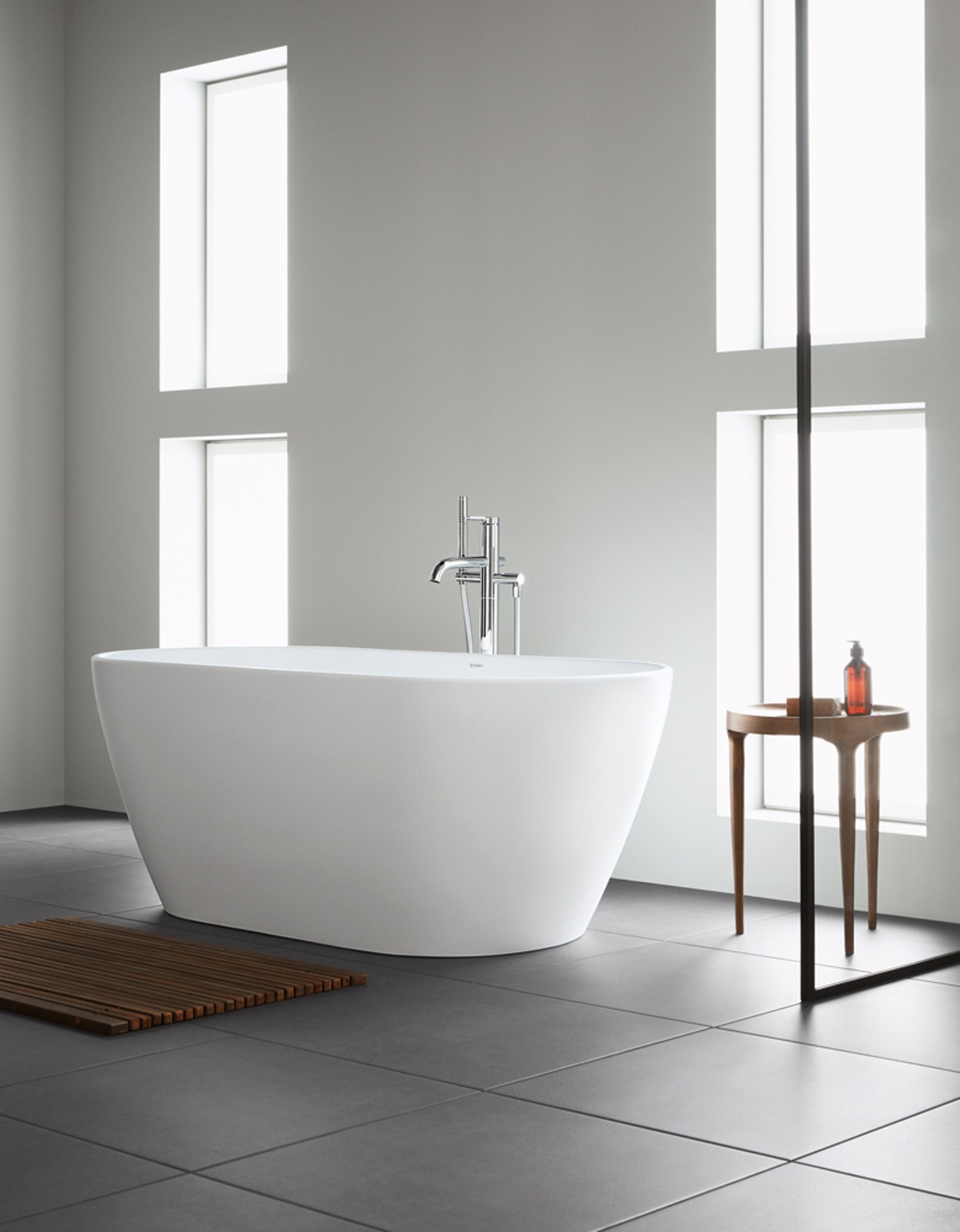
Silicate paint
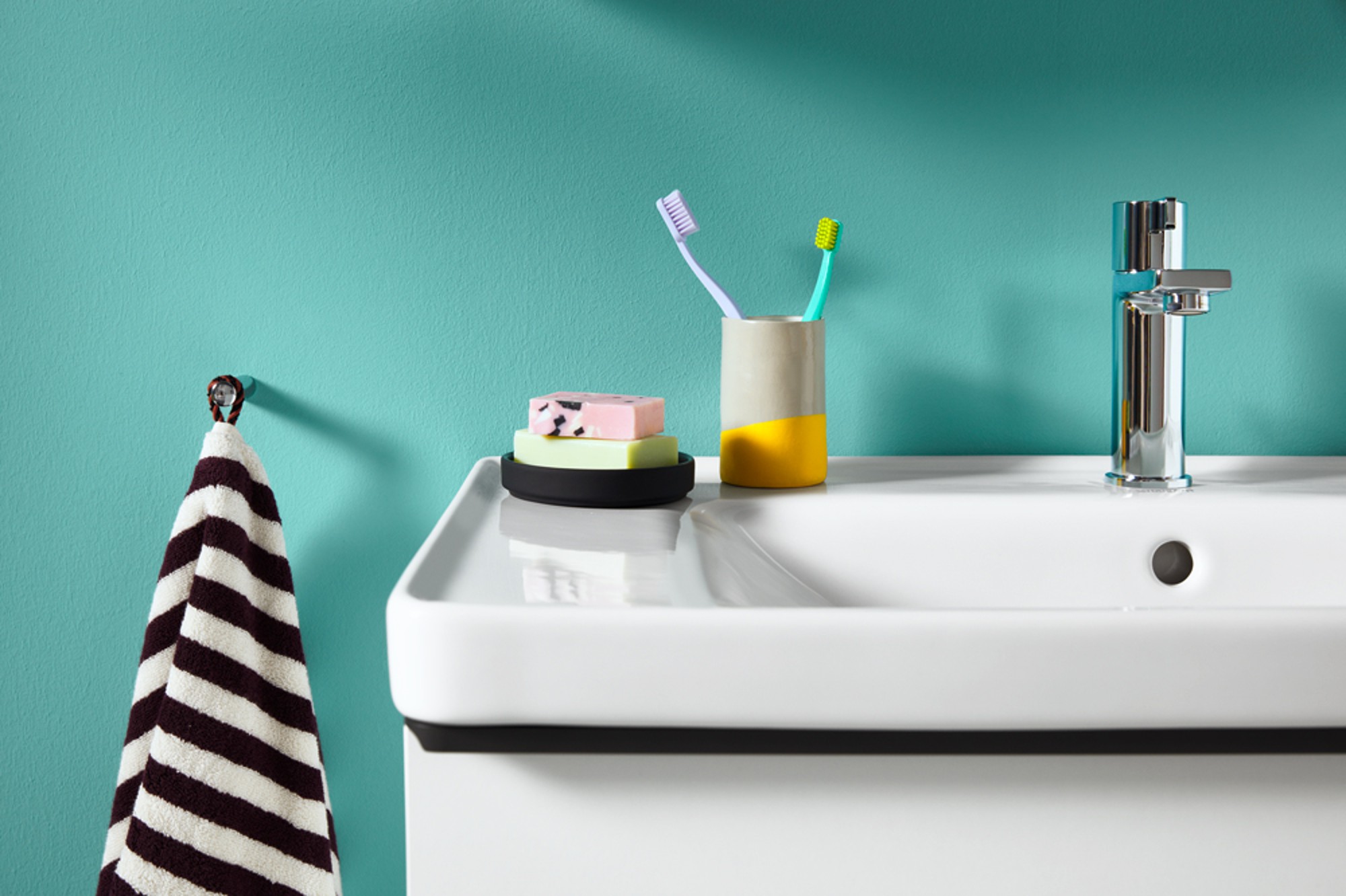
Moisture-resistant paint
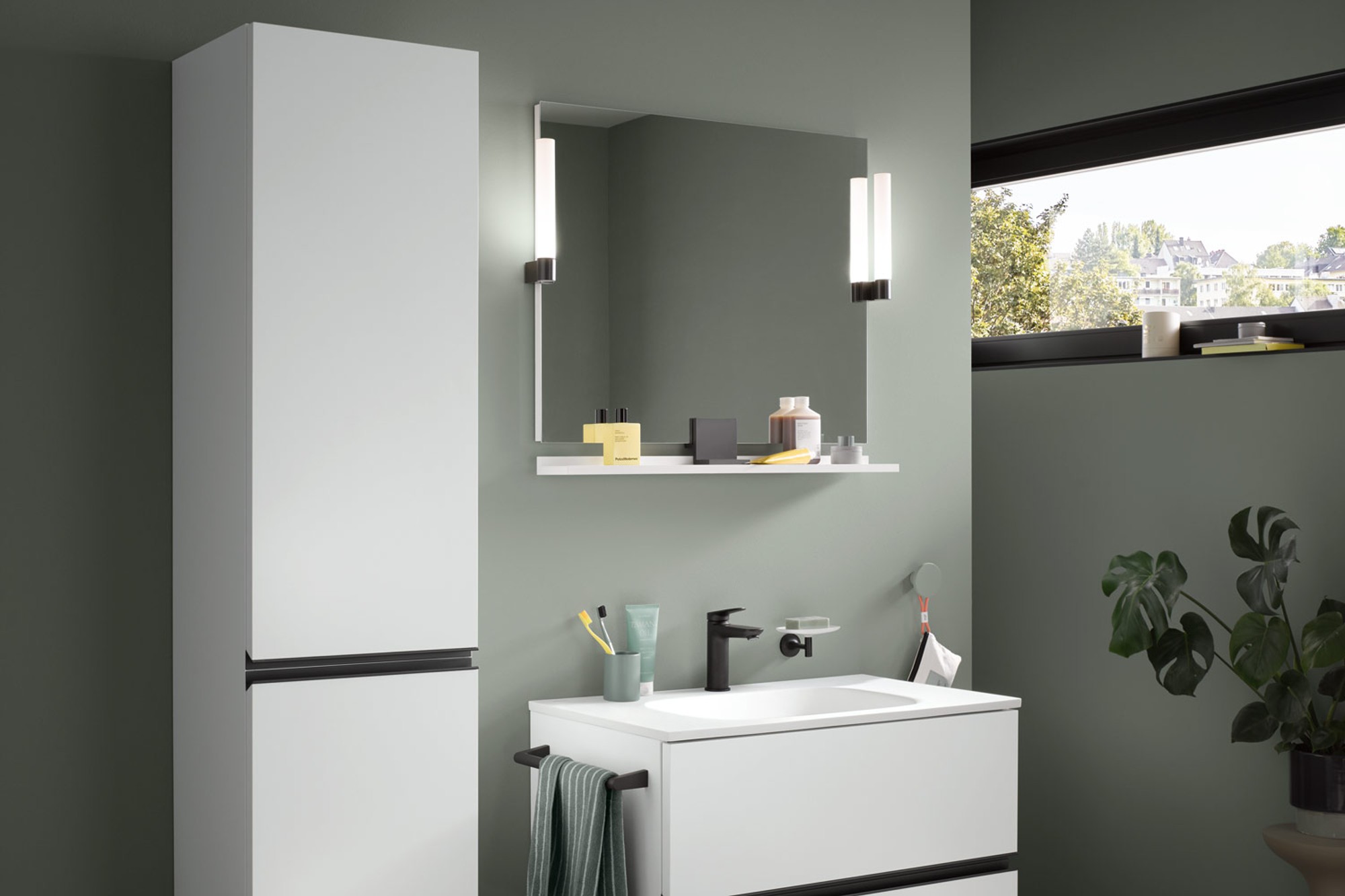
Lime paint
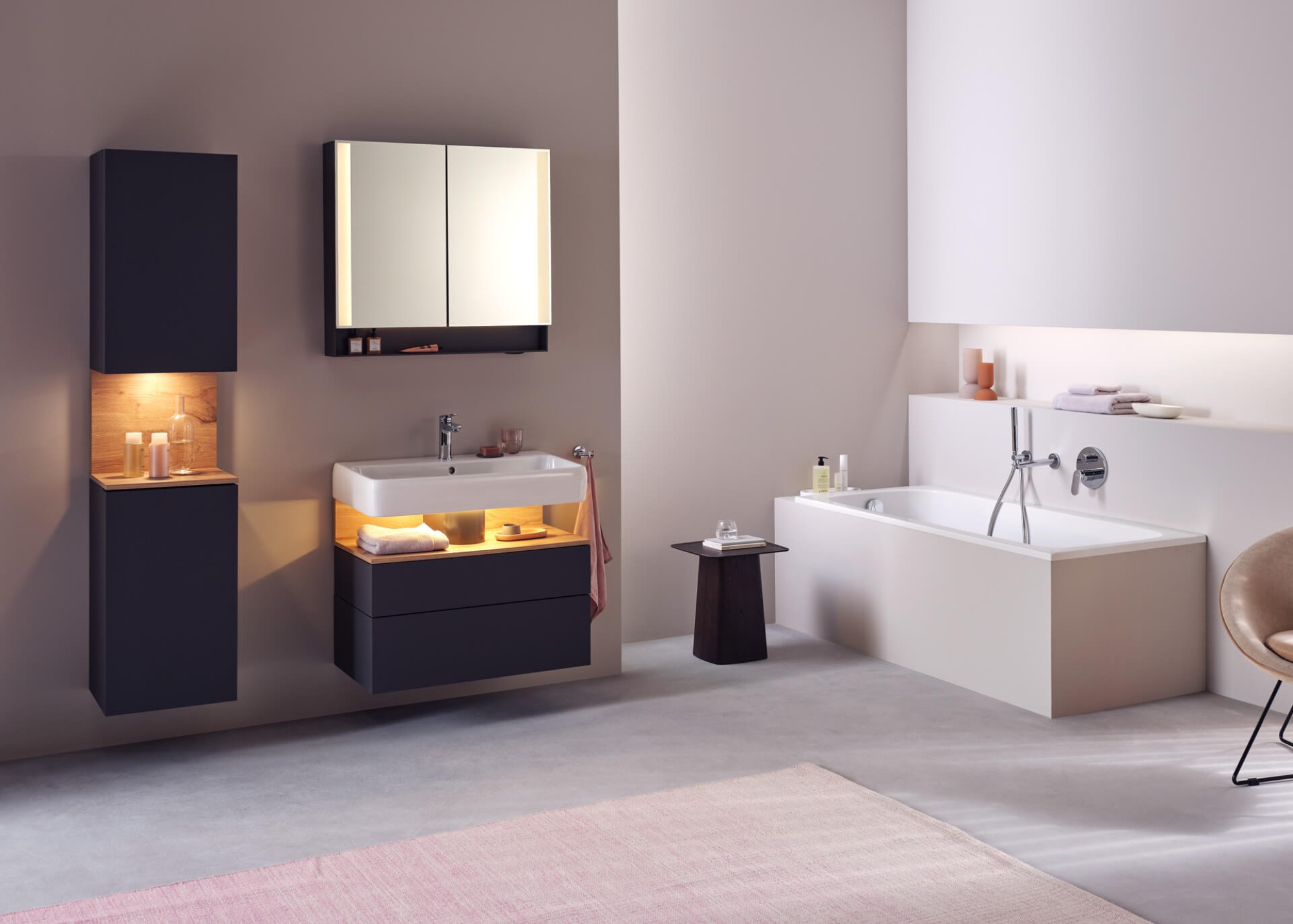
Latex paint
Painting a bathroom: proper preparation
Even once you’ve found the right color, you shouldn’t start painting the bathroom right away. Depending on the condition of the walls, certain preparations need to be made first.
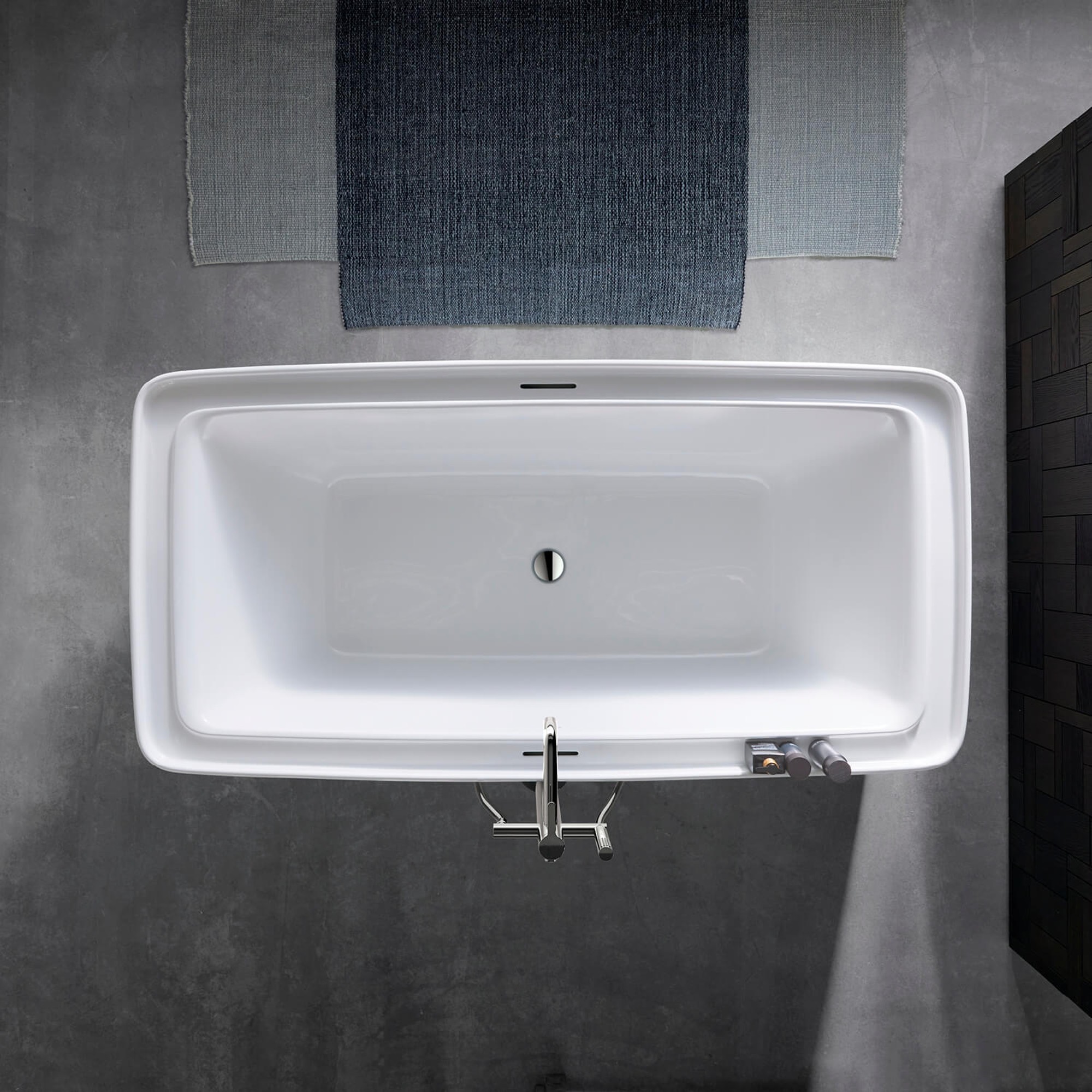
Clear out the area and cover the ceramics
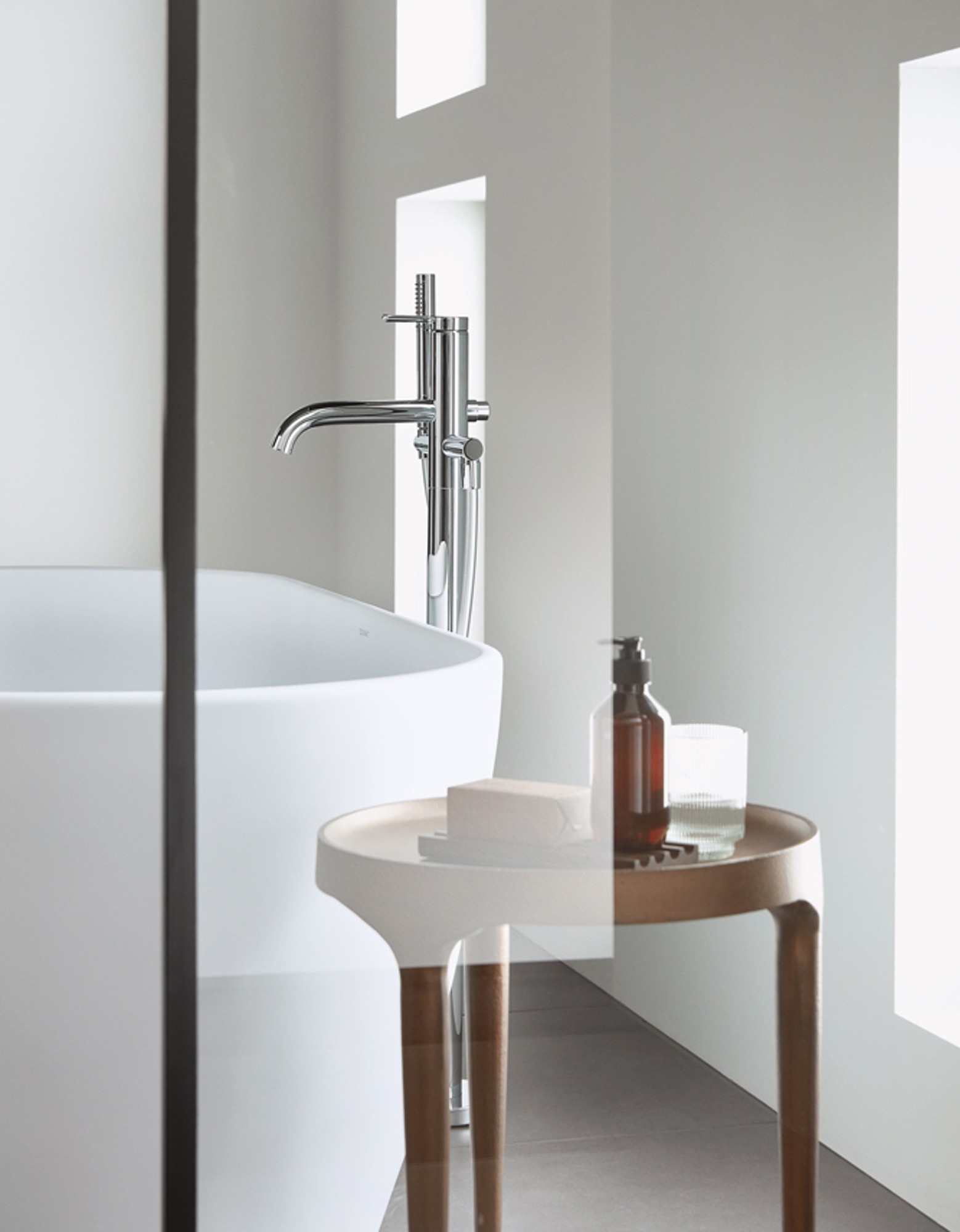
Clean the walls (and ceiling)
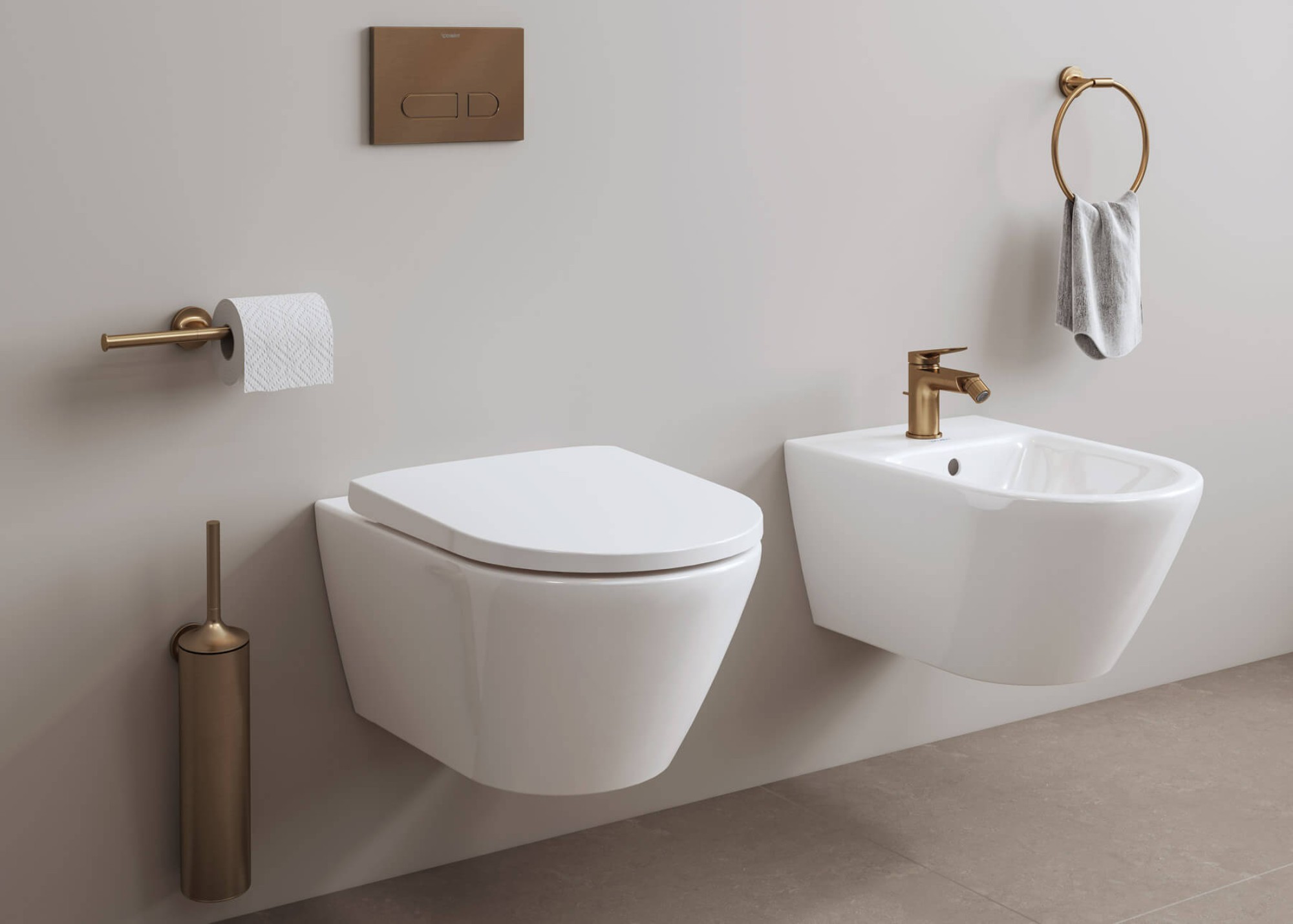
Primer
Painting a bathroom: How should you go about it?
When actually painting the bathroom, it’s best to follow a specific order. Here’s the recommended sequence:
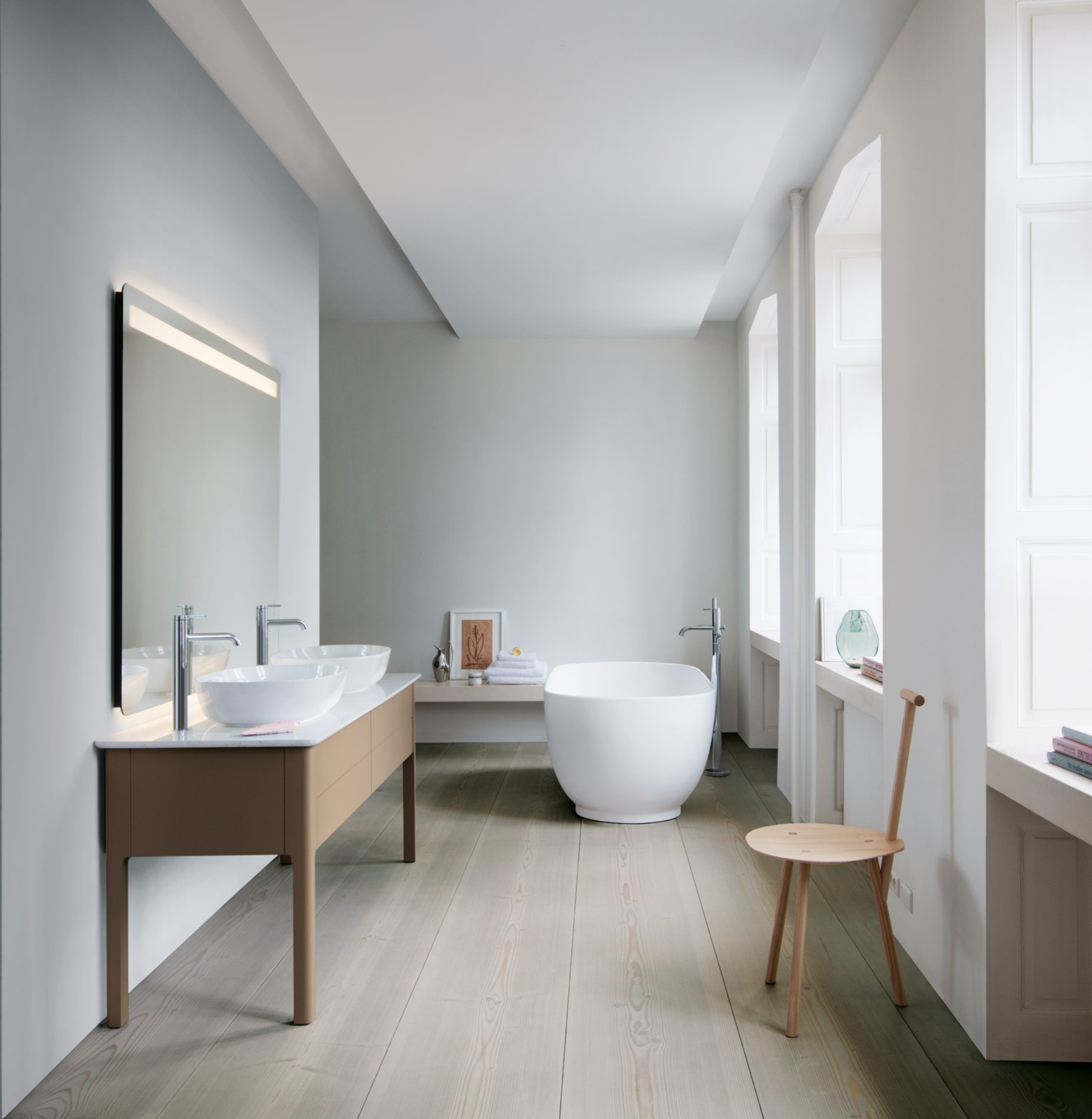
1. Paint the bathroom ceiling (if desired)
2. Paint the baseboard
3. Painting bathroom walls
4. Let it dry