Heating the bathroom
Key points at a glance:
- The ideal bathroom temperature is around 23 °C: To prevent the bathroom from getting too cold and moisture from condensing on cold finishes, the bathroom must be warm enough.
- The room temperature should never drop below 15 °C: If the room gets too cold, the increased humidity in the bathroom can lead to mold growth.
- Smart thermostats enhance comfort: With programmable radiator thermostats, you can heat your bathroom precisely and avoid unnecessary heating costs.
The ideal temperature in the bathroom
Warm indoor air can hold more moisture than cold air. To prevent moisture in the bathroom from condensing on cold finishes, you should heat the bathroom properly. This is because walls and finishes take a long time to warm up again once the bathroom has completely cooled down.
The bathroom should therefore generally be a little warmer than the rest of the living areas. Temperatures around 23 °C are considered comfortable in the bathroom, which corresponds to about setting 3.5 on the radiator thermostat.
At the same time, when heating the bathroom, you should make sure that the room temperature doesn’t drop too low, even outside of peak usage times. To prevent mold in the bathroom, the temperature should never fall below 15 °C.
10 tips for heating your bathroom
Tip 1: Don't turn the heat up any higher than necessary
Since every degree makes a difference in your heating costs, you shouldn’t turn the thermostat up any higher than necessary. In the bathroom, 23 °C is usually sufficient, which is about setting 3.5. You can also turn the heat down about ten minutes before leaving the bathroom and make use of the residual heat.
Tip 2: Bleed your radiators regularly
Over time, air can build up in the radiator, causing it to gurgle, bubble, crackle, or fail to heat up properly. Bleeding the radiator will restore its efficiency and help distribute heat more evenly throughout the bathroom.
Tip 3: Keep your radiators clean
You should also regularly remove dust from the bathroom radiator to ensure that heat output is not impaired. Therefore, clean the bathroom radiators regularly with a radiator brush or a feather duster.
Tip 4: Don't block radiators
Radiators should be able to give off heat into the room without obstruction. While you can hang wet towels on them to dry, you should remove them once they’re dry. It’s even better to dry wet towels on a drying rack instead. This way, you’ll not only heat your bathroom more effectively but also save energy.
Tip 5: Check for defective gaskets
Leaky window or door seals can cause significant heat loss in the bathroom and other rooms. Check them regularly and replace any damaged seals.
Tip 6: Air out the room thoroughly instead of keeping it ventilated constantly
Leaving windows open all the time causes the room to get too cold, so from an energy-efficiency standpoint, it’s much better to air out the room thoroughly. Thorough airing out quickly replaces stale air without letting the walls and furnishings get too cold.
Tip 7: Keep the bathroom door closed
A closed door prevents warm air from escaping into adjacent rooms and cold air from flowing in. So be sure to close the bathroom door again after you’ve finished ventilating.
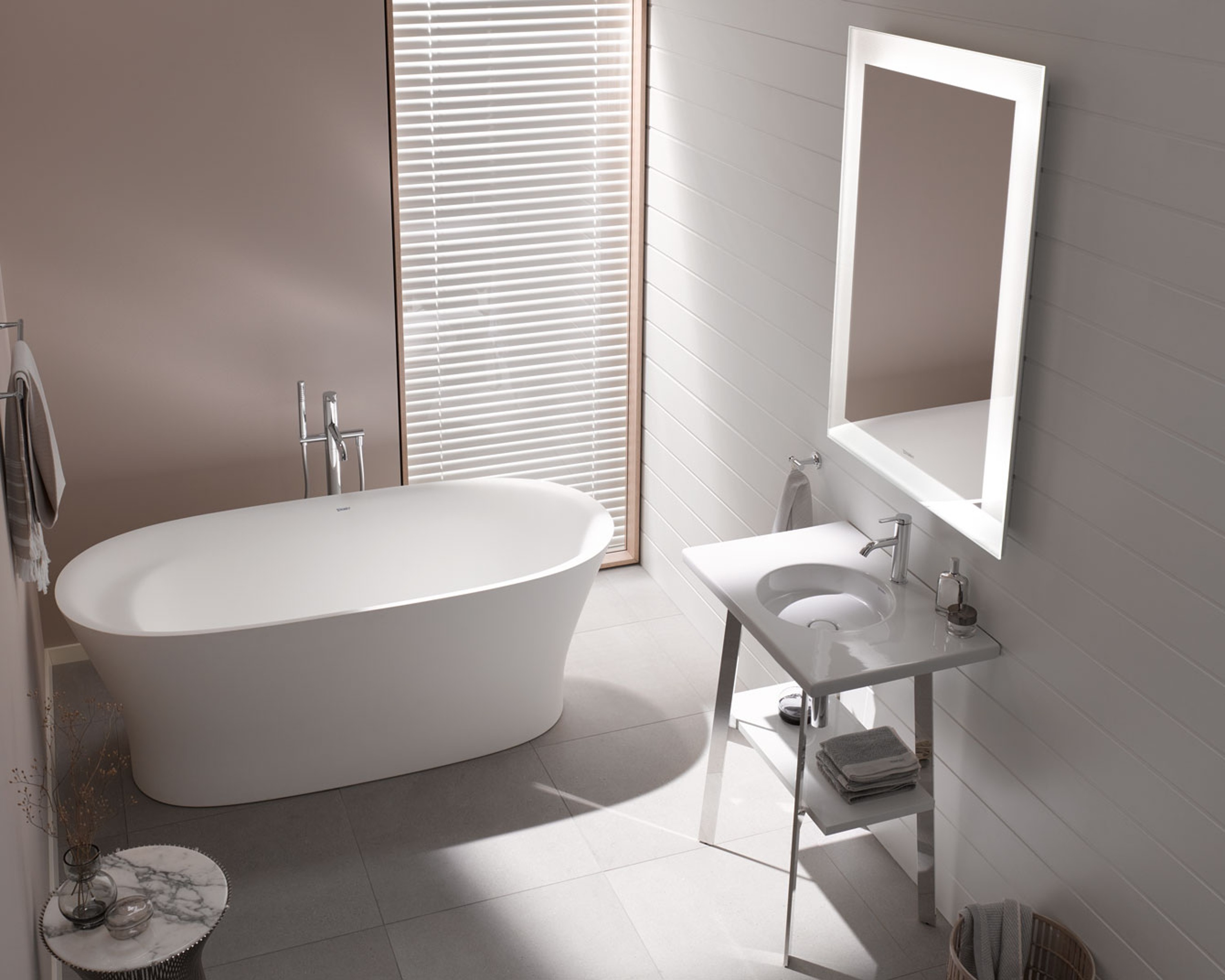
Tip 8: Close the shutters
In addition to the door, closed roller shades can also help reduce heat loss through the windows. This helps keep the room temperature in the bathroom constant for longer.
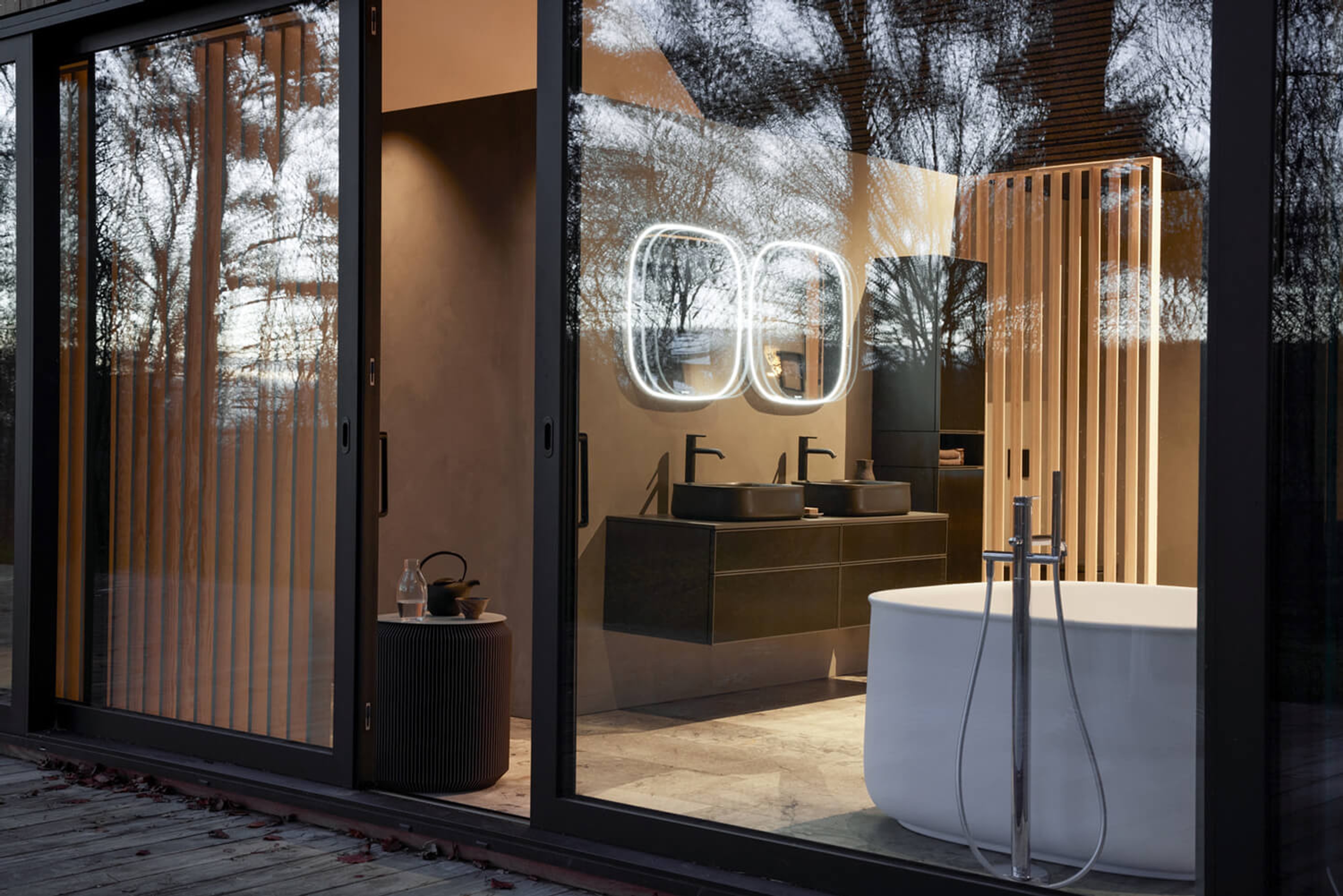
Tip 9: Try to avoid lowering the temperature at night
In the bathroom, it’s often not worth setting the temperature to drop significantly at night, since reheating the space the next day requires more energy. To ensure you have a warm bath in the morning, you should therefore avoid setting the temperature to drop at night. The only exception is if you have underfloor heating, in which case you can lower the temperature by a few degrees at night.
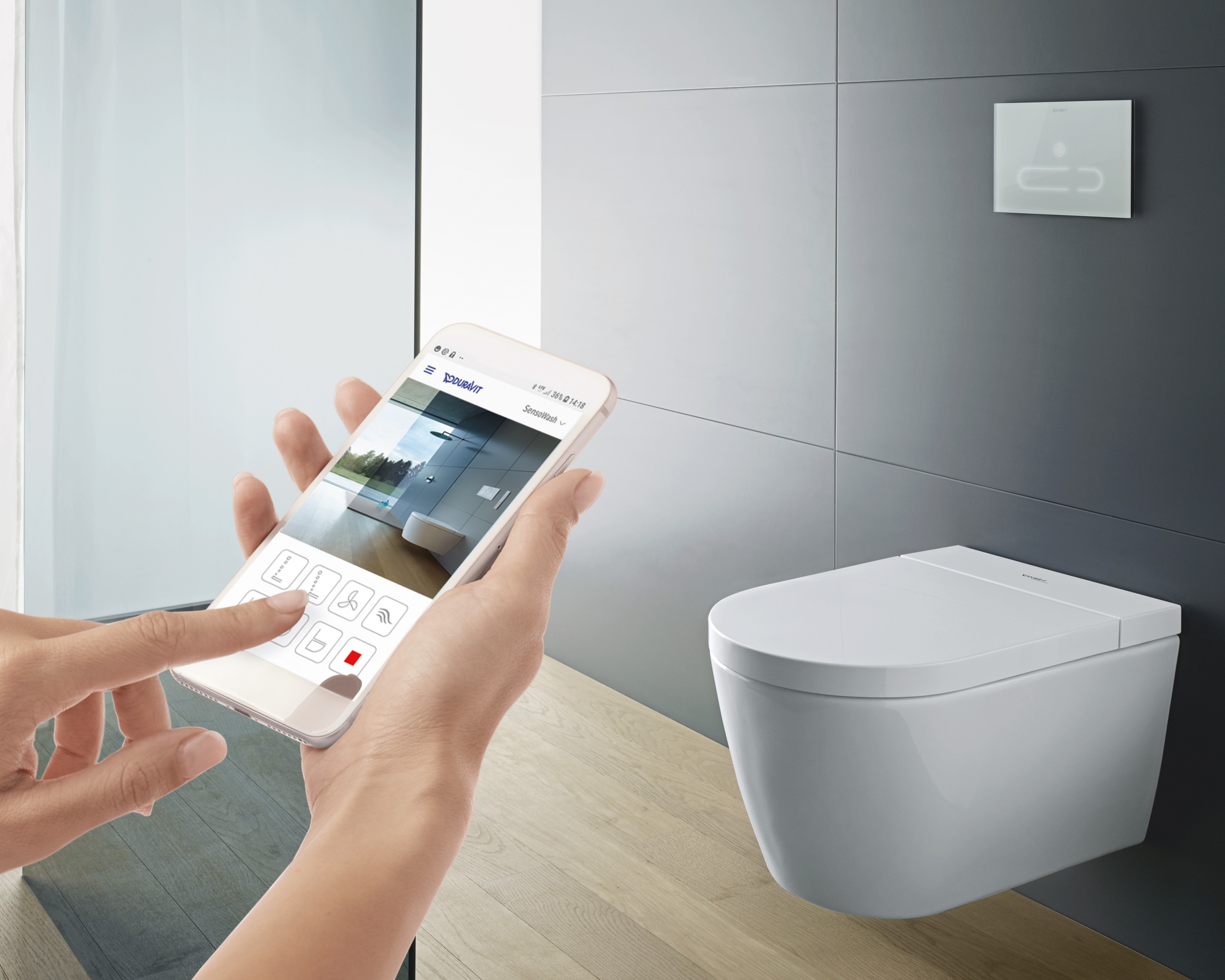
Tip 10: Use smart thermostats
Digital radiator thermostats are particularly convenient. They allow you to preheat the bathroom—for example, using an app—as needed and to tailor the heating schedule to fit your daily routine.
Bonus tip:
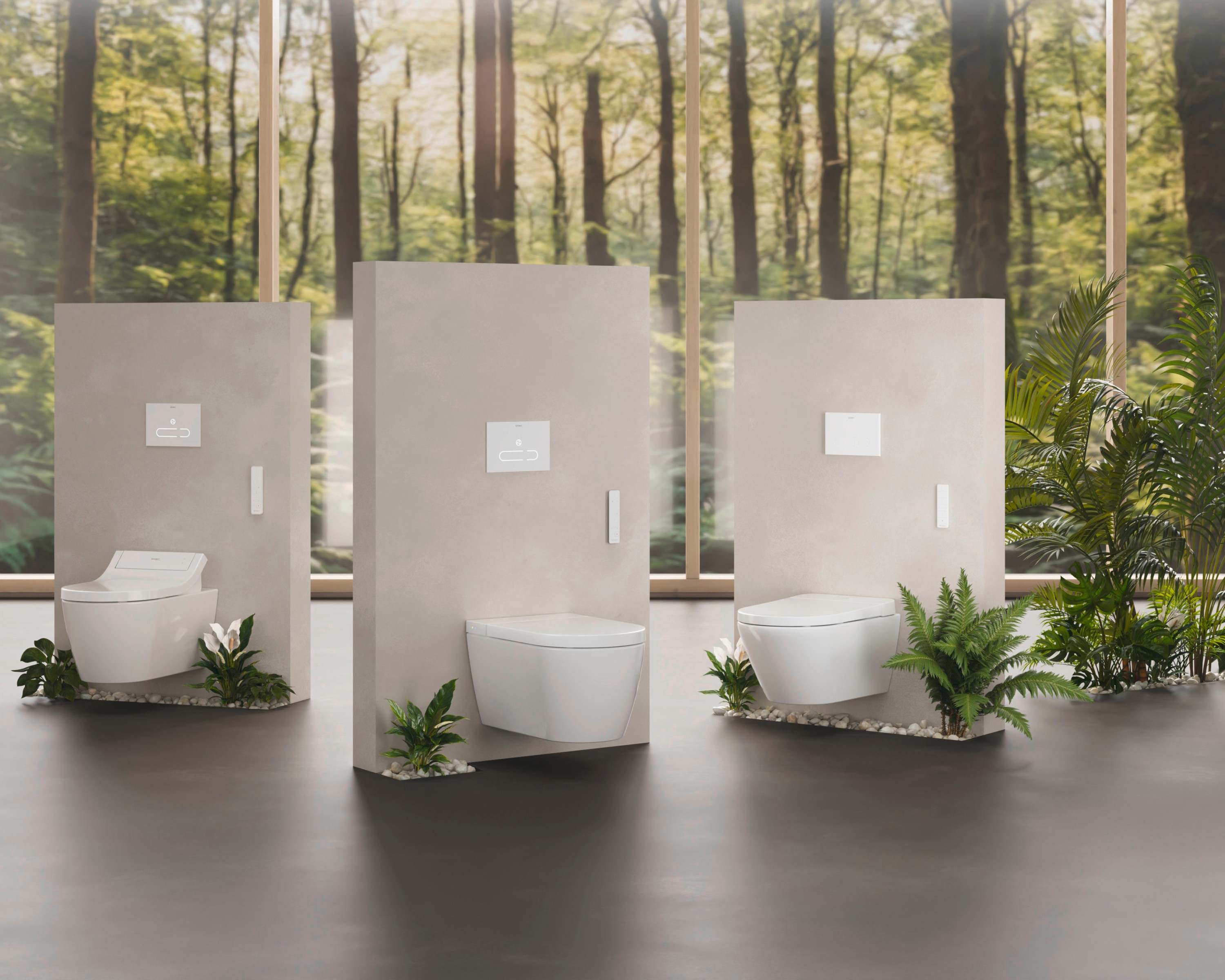
If you’d like to avoid feeling uncomfortably cold in the bathroom, a heated toilet seat can help. In addition to other great features, all three SensoWash® shower toilets come with a heated seat.
Heating the bathroom without a heater
A bathroom without heating is rare, but it can happen. In that case, you should use infrared panels, electric towel warmers, or portable space heaters to heat the bathroom. However, a space heater for the bathroom uses a lot of electricity. Heating the bathroom with electricity is therefore very expensive.
By the way: A bathroom without heating is rare, but a bathroom without windows isn’t all that uncommon. Find out what you need to consider regarding ventilation, lighting, and furnishings in our bathroom magazine.
Heating the guest toilet
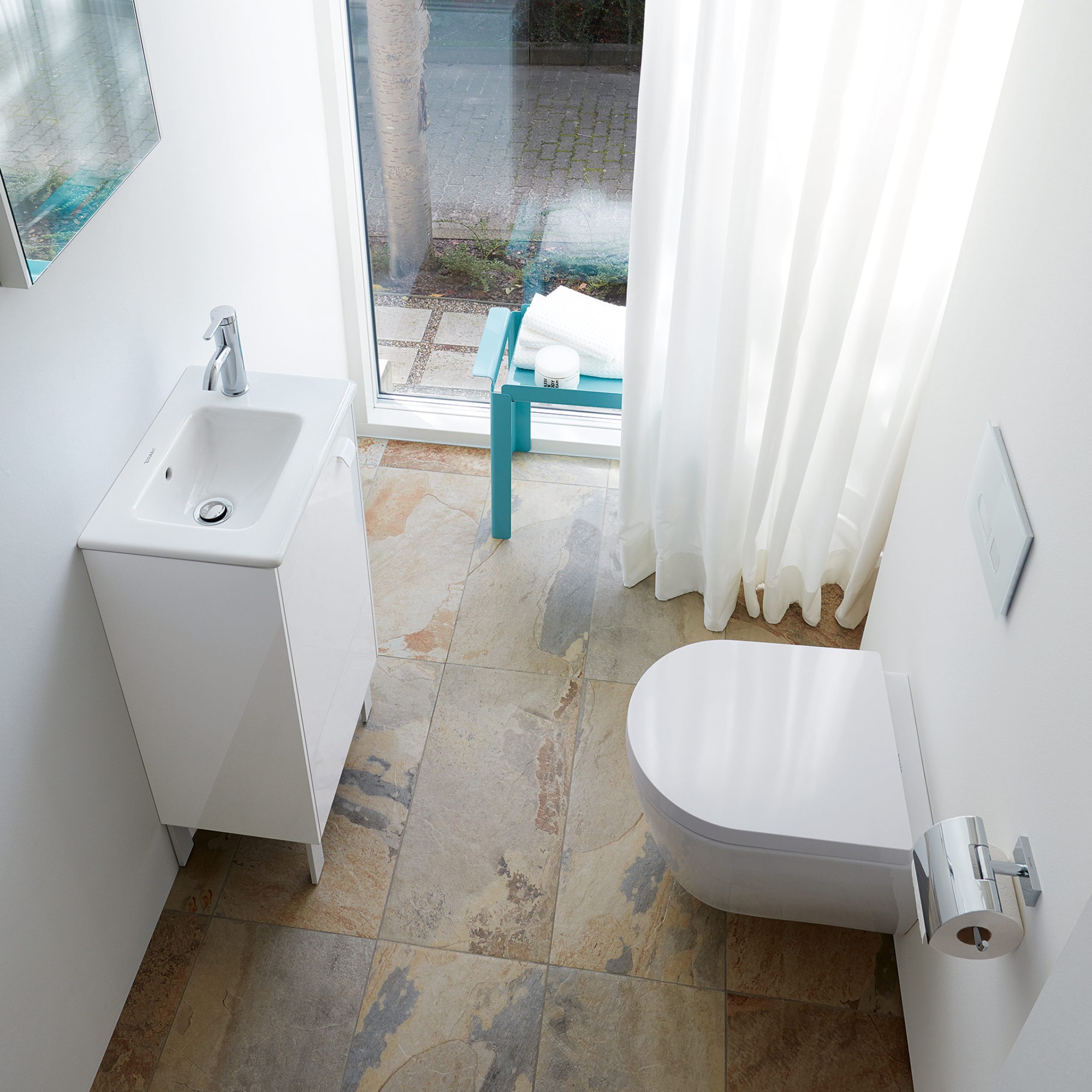
Since the guest toilet is used less frequently and usually only briefly, a slightly lower temperature than in the main bathroom is sufficient here. If you’re expecting guests, you can turn the temperature up in advance. Otherwise, you can keep the temperature low here. However, the room should not cool down completely.
Heating a small bathroom
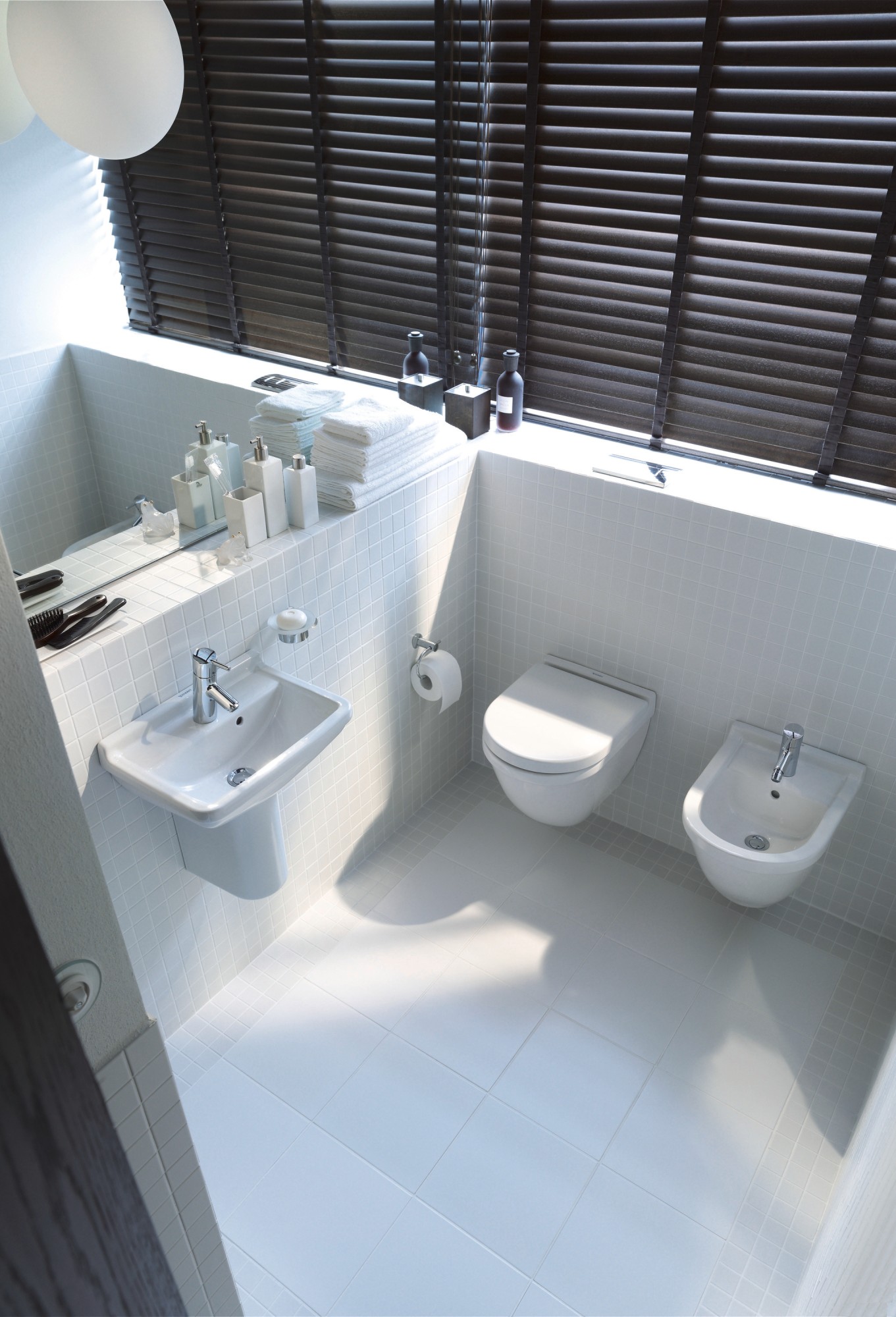
Small bathrooms generally heat up faster than larger rooms. For this reason, a lower heating output is often sufficient in small bathrooms. However, make sure the room stays at a sufficiently warm temperature and is properly ventilated so that moisture can be effectively removed.