Accessible bathroom
A bathroom for everyone: functional and aesthetic
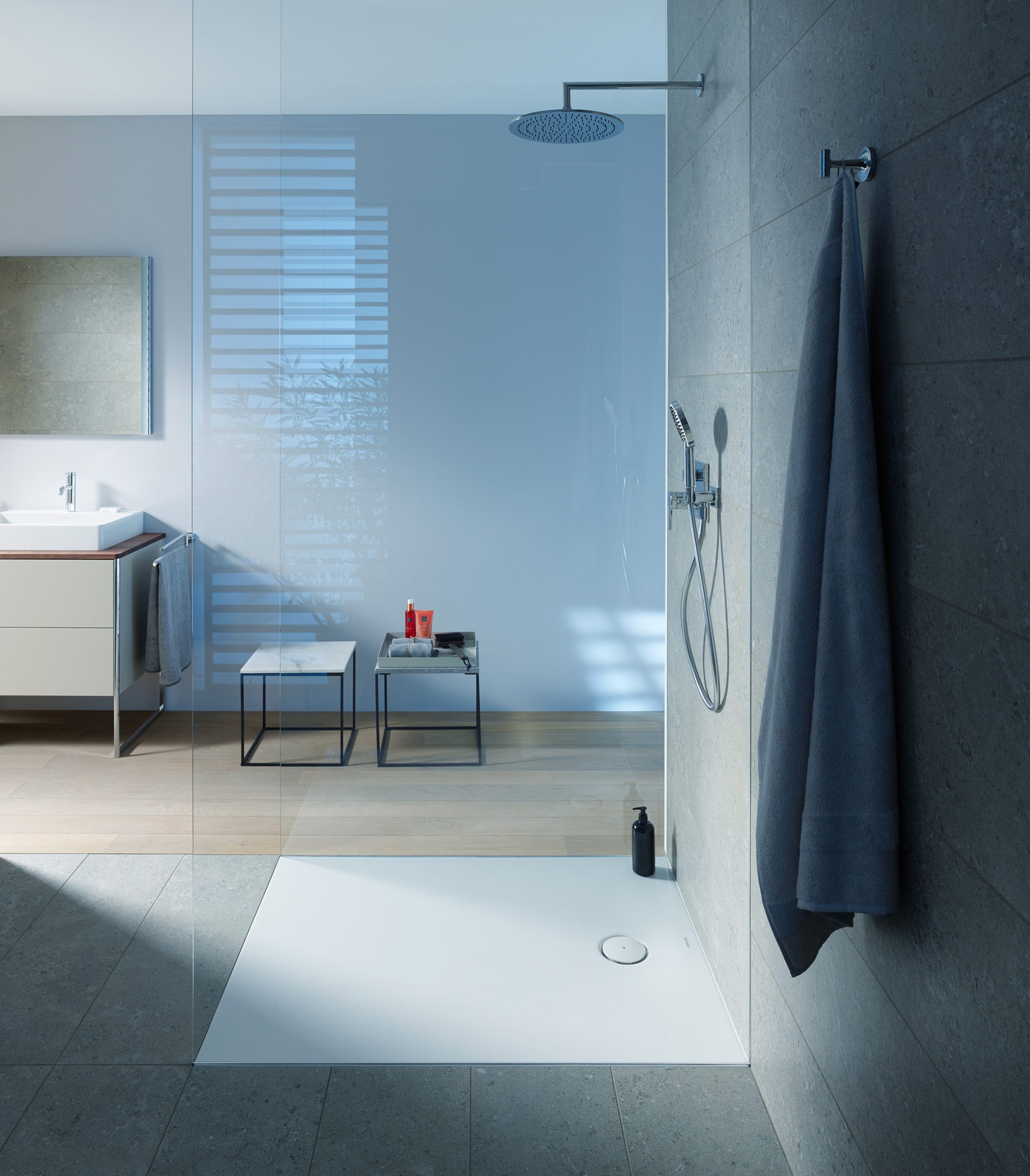

More and more people want to continue living at home and lead an independent life in later life or when they have disabilities. The bathroom is a particular focus here, as surveys show that it is the most important room in the home when it comes to age-appropriate or disability-friendly facilities. More and more apartments, private homes, hotels, and public buildings are being equipped with "easy bathrooms" that facilitate access for older and disabled people. The challenges of implementation are particularly complex in existing buildings. It is essential to raise awareness of this issue—and not just when it becomes relevant. To make this easier, barrier-free bathrooms should be designed to be both functional and aesthetically appealing.
Country-specific requirements
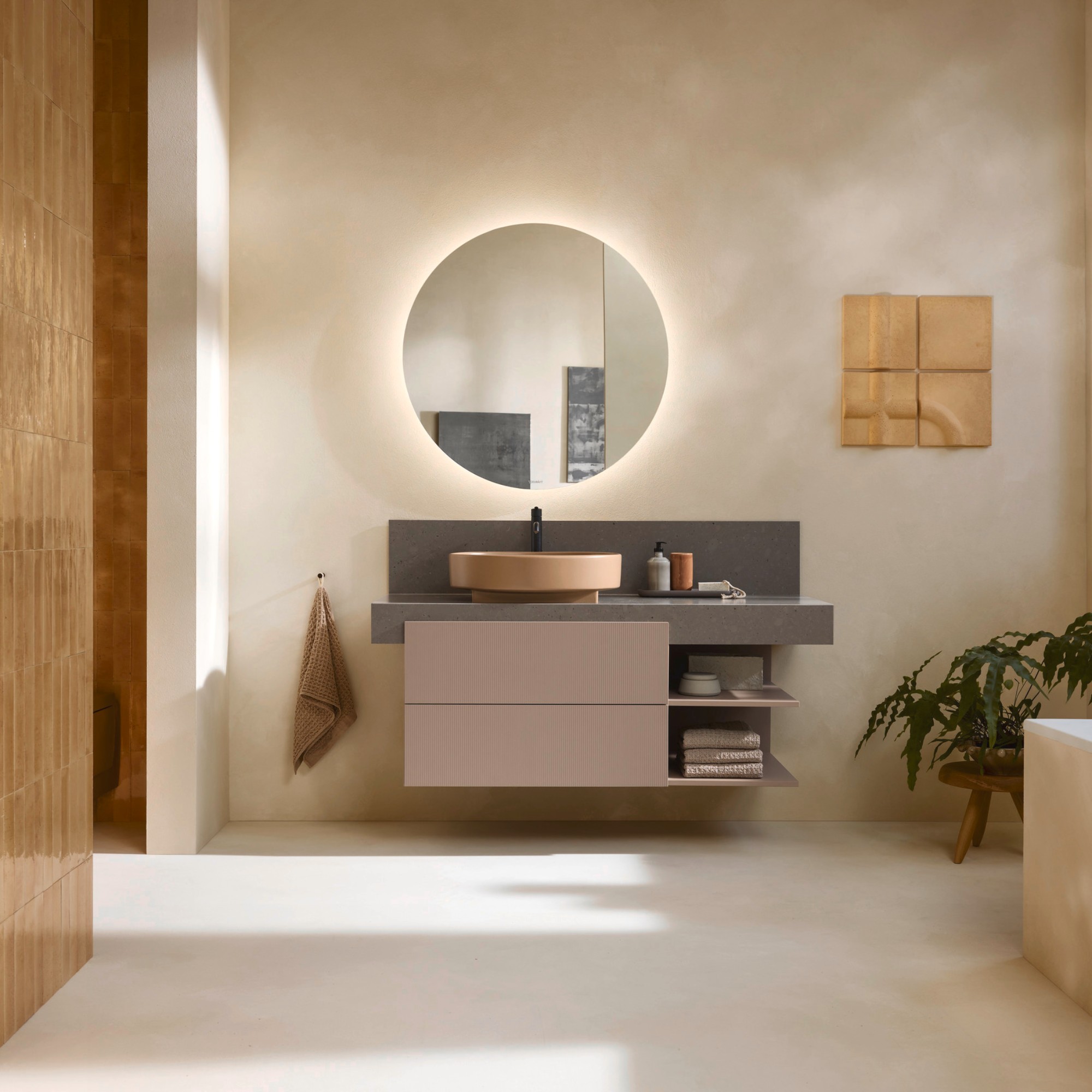
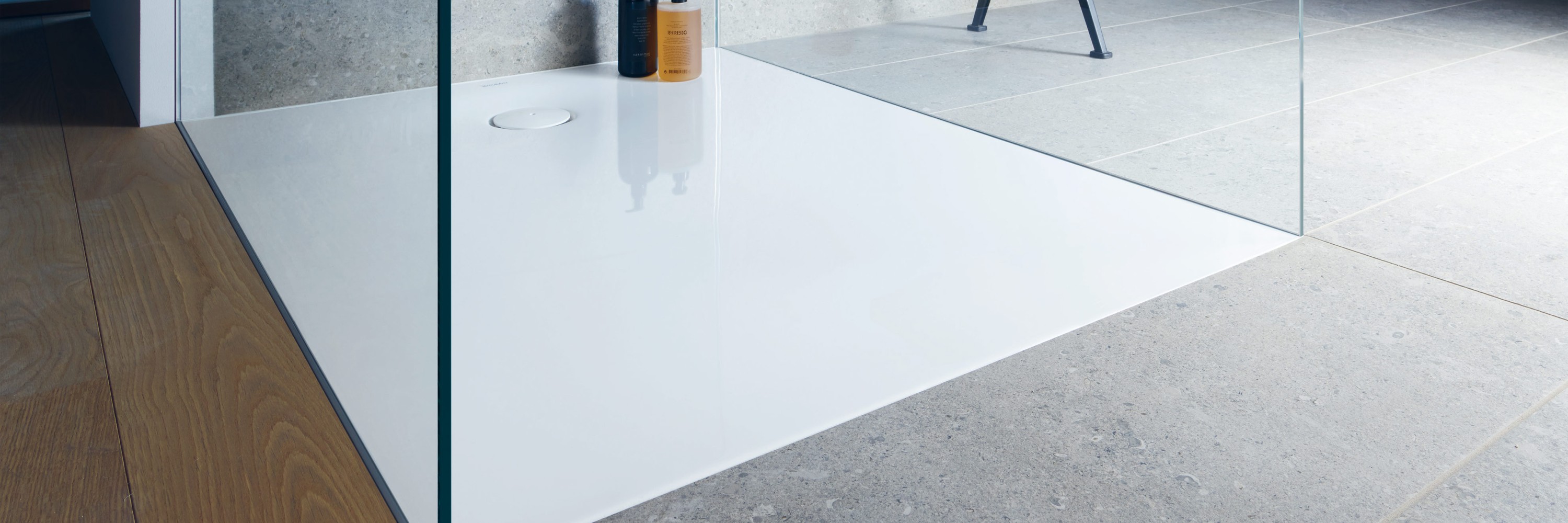
In many countries, guidelines specify how a barrier-free bathroom should be designed. In order to receive subsidies and declare a bathroom in public buildings as barrier-free, you must comply with DIN 18040 in Germany, for example. At the top of the list is sufficient space to move around freely or maneuver with a walker or wheelchair. It is also important to remove and reduce thresholds and steps. Floor-level showers, such as those offered by Duravit with Sustano or Tempano, are particularly important. Vanities in a barrier-free bathroom should be wheelchair accessible and, ideally, height-adjustable – such as Duravit D-Code Vital, DuraStyle Vital, or Starck 3 Vital. Shower toilets from Duravit's SensoWash® series offer people with limited mobility added hygiene and comfort.
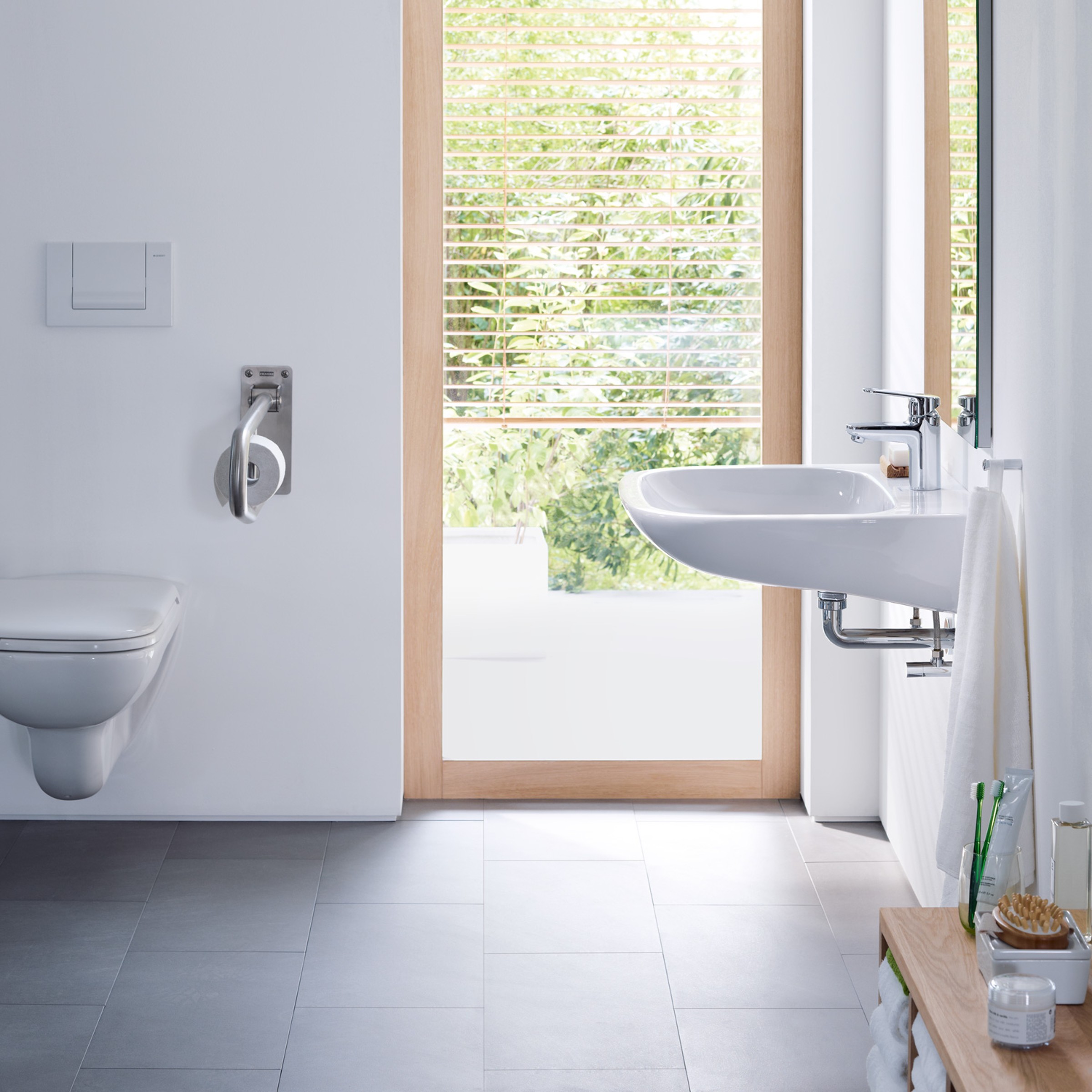
Other important elements for a barrier-free bathroom include grab rails and support handles, as well as non-slip flooring for people with limited mobility and to prevent falls. Doors should be wide enough—especially for wheelchair users—and open outwards. Bright lighting makes it easier to find your way around, and touch-free faucets, such as those from Duravit in the range with Sensor 1, make them easier to use.
Intergenerational design
However, approaching this complex topic solely with standards is not enough. Architects, designers, and planners would be well advised to first develop an individual needs analysis in consultation with users. It is advantageous to carry out future-oriented planning. A cross-generational bathroom with barrier-free elements can also be adapted to the needs of users in later stages of life. For example, the necessary electrical connections, such as for a shower toilet, can be pre-installed. Multi-generational bathrooms should be aesthetically appealing, with barrier-free access integrated as inconspicuously as possible. As a complete bathroom supplier, Duravit offers a whole range of design products to make bathrooms inclusive and equally attractive.
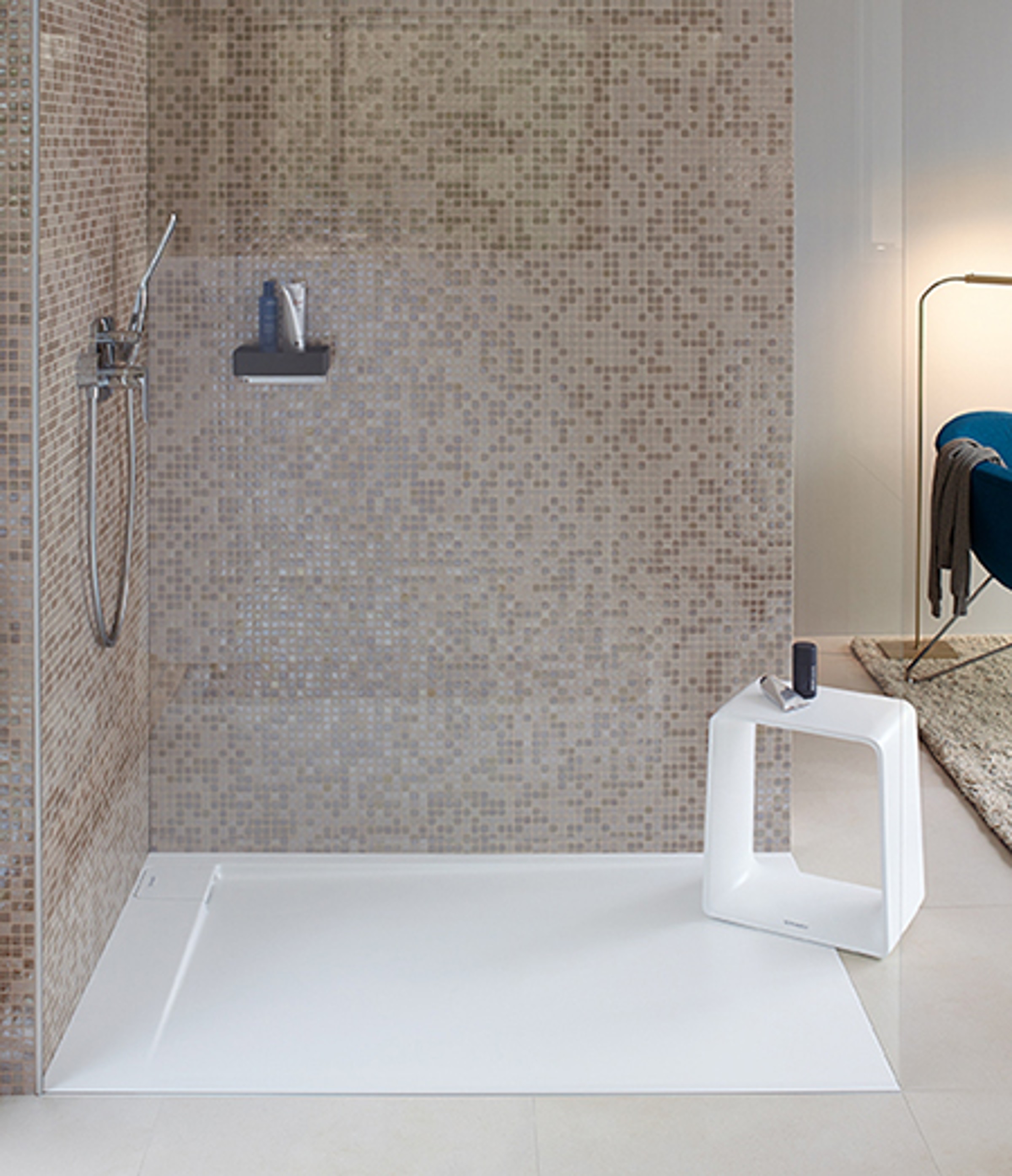
Aesthetics and emotionality
Many experts agree that accessibility is not just a legal requirement, but also an opportunity to improve the user experience for everyone. In technical jargon, this is referred to as "universal design": the concept, which was coined by US architect Ronald L. Mace in the 1980s, goes beyond pure functionality and promotes social inclusion by making design attractive and usable for everyone. Simplicity of function and intuitive, clear processes are essential. However, people must also feel that they are being addressed, which can be achieved through aesthetics and emotionality. Only accessible bathrooms in which people feel comfortable and can use things easily and naturally will be positively accepted – by everyone.
-Mark-Seelen_1_1.jpg)