Saving Energy in the Bathroom
The most important points at a glance
Reduce hot water usage in specific areas
Using less hot water during everyday routines like brushing your teeth or washing your hands saves a significant amount of energy.
Use simple measures in the bathroom
LED lighting, turning off devices completely, and using heating more efficiently can significantly reduce electricity consumption.
Using efficient technology
Modern household appliances, well-insulated pipes, and a properly adjusted instantaneous water heater help prevent unnecessary energy loss.
Our 10 Energy-Saving Tips for the Bathroom
A large portion of energy consumption in the bathroom comes from water heating, lighting, electrical appliances, and heating. But there are other ways to save energy in the bathroom as well.
1. Use less hot water
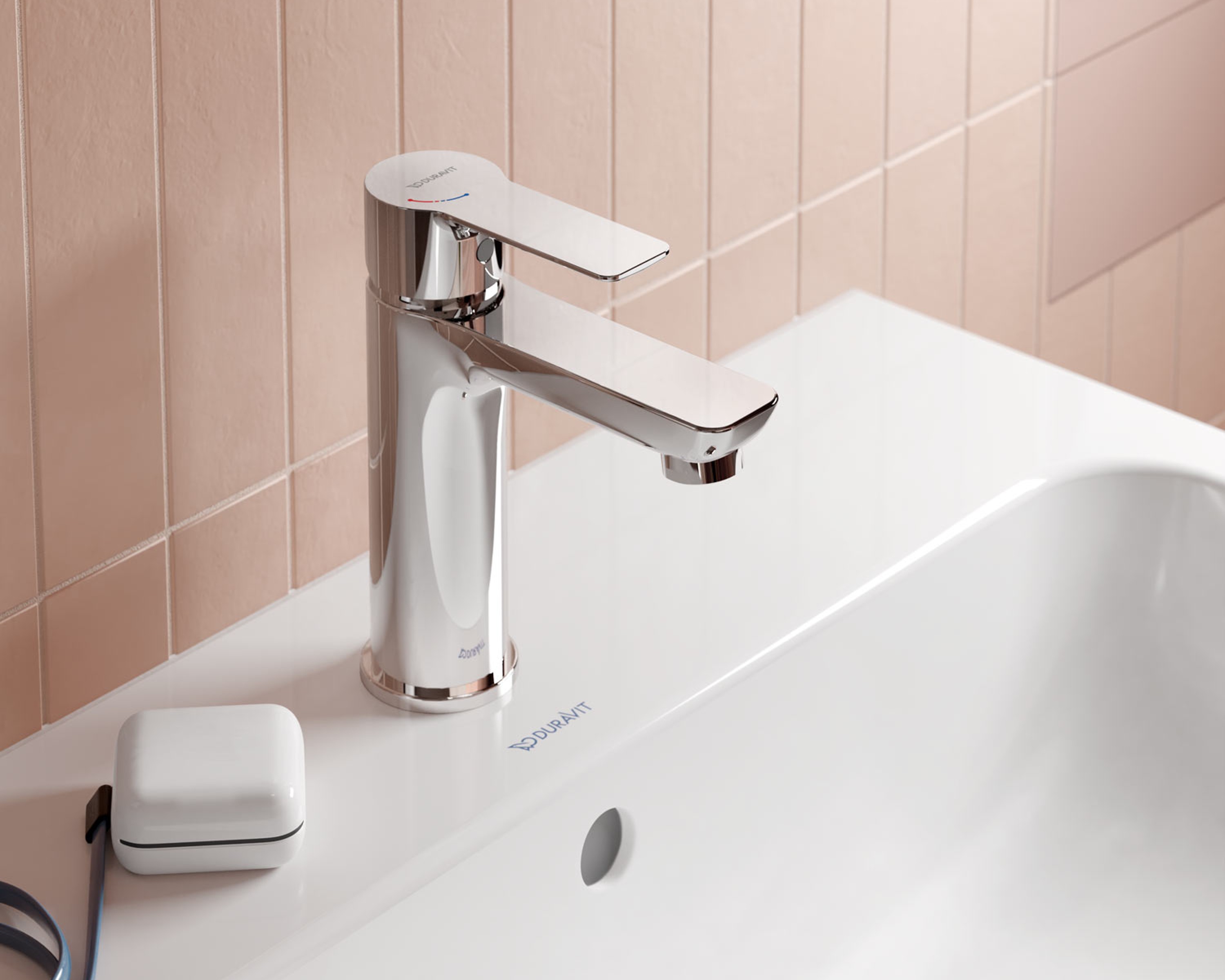
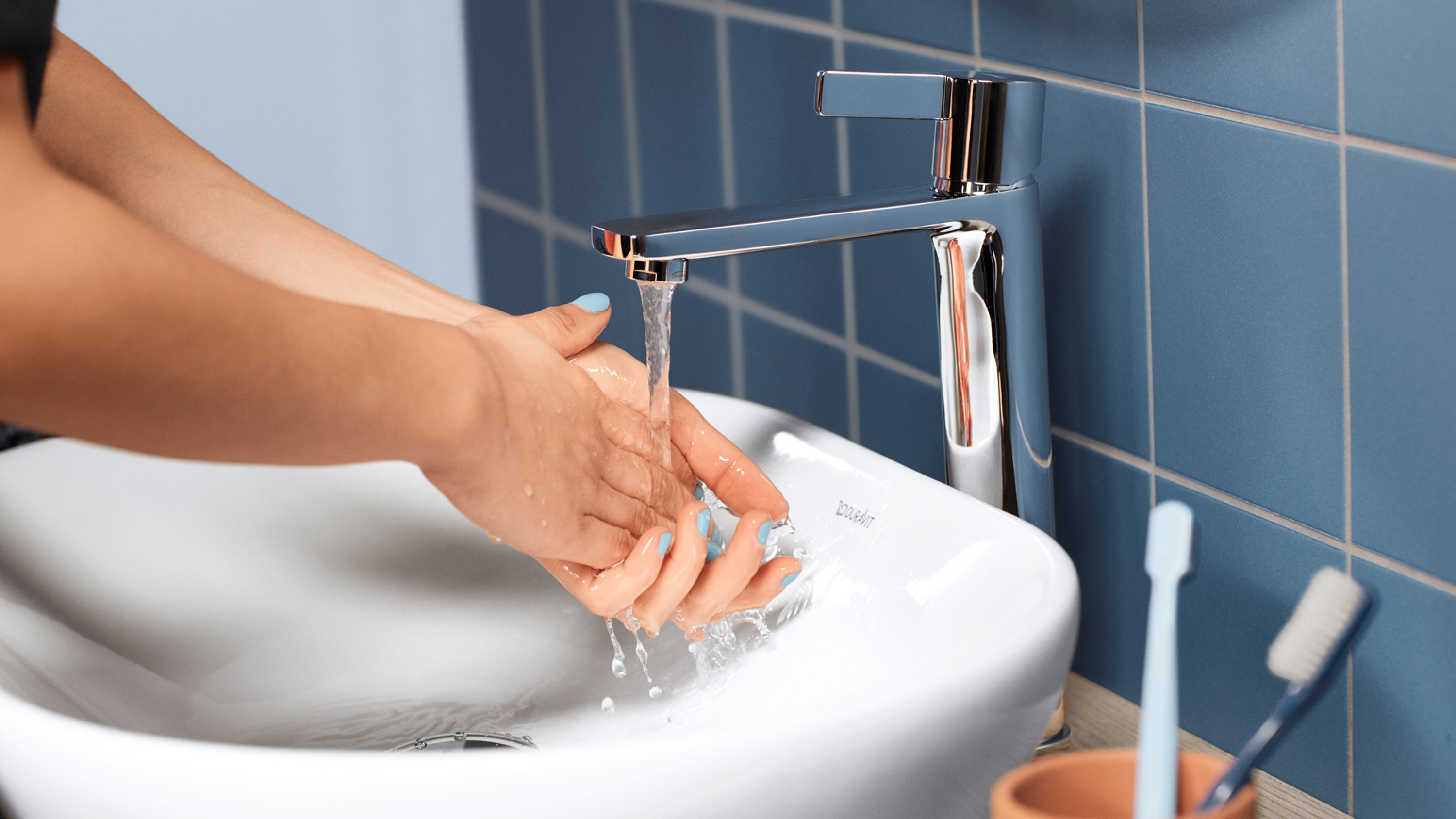
Heating cold water to hot water is one of the biggest sources of energy consumption in the bathroom. Of course, hot water is more comfortable, but it isn’t necessary for every activity in the bathroom. Therefore, use cold water when brushing your teeth, shaving, and washing your hair or hands to effectively save energy.
Tip: Modern Duravit faucets also help you save energy in the bathroom. For example, thanks to the FreshStart feature, single-lever mixers are set to cold water by default. You can find more features on our bathroomfaucets page.

2. Switch to LED bulbs & turn off the lights
Bathroom lighting also uses energy. One of the simplest and most effective steps you can take is to switch to energy-efficient LED bulbs. They use less electricity and last longer. Even with energy-efficient LED bulbs, you should always turn off the lights when you don’t need them.
3. Unplug the charging stations
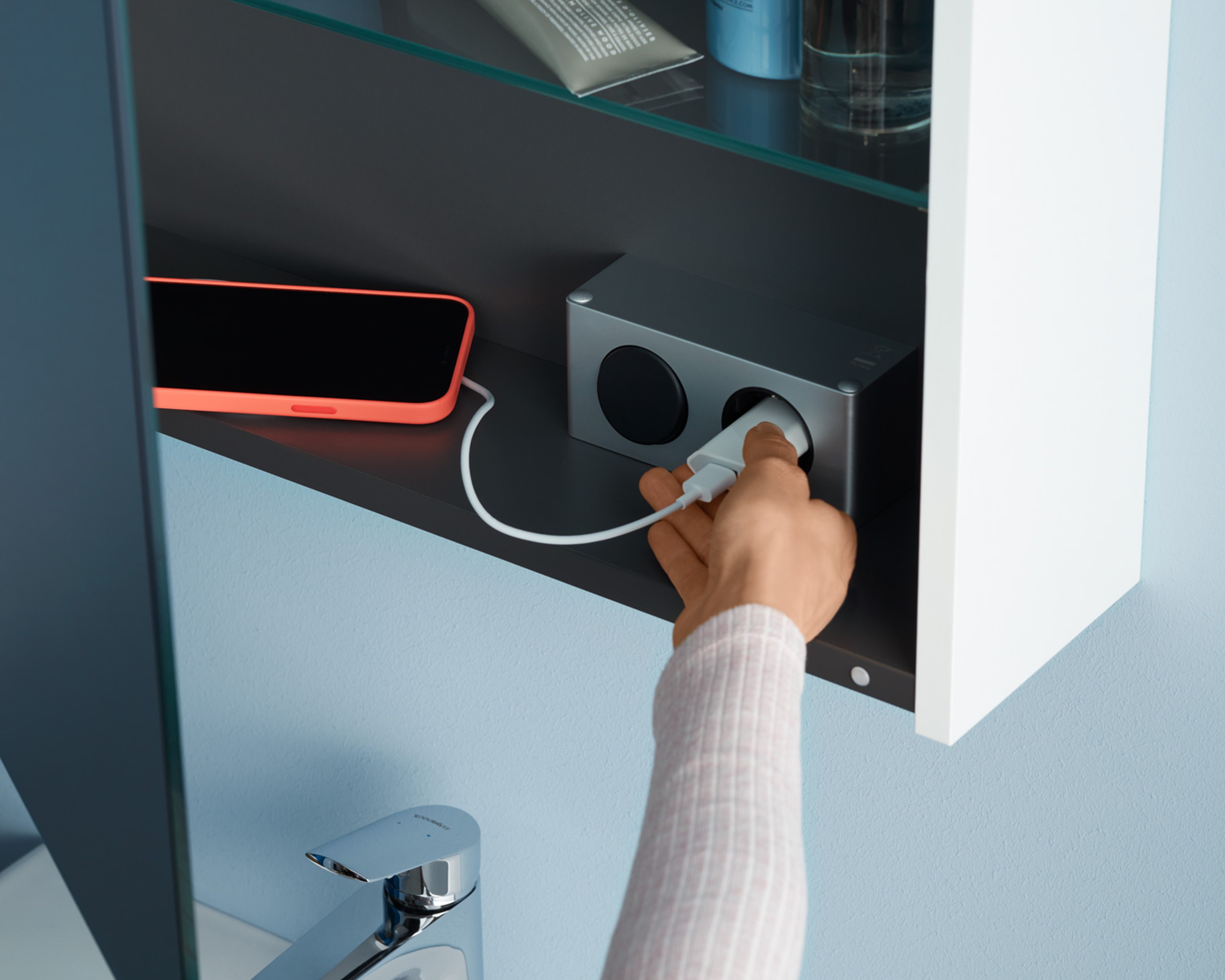
Whether it’s an electric razor or an electric toothbrush—there are numerous small appliances in the bathroom, many of which need to be charged regularly. To save energy, however, leaving them plugged in shouldn’t be a permanent solution. Unplug the devices or charging stations when they’re not in use.
4. Use the hair dryer on the lowest setting
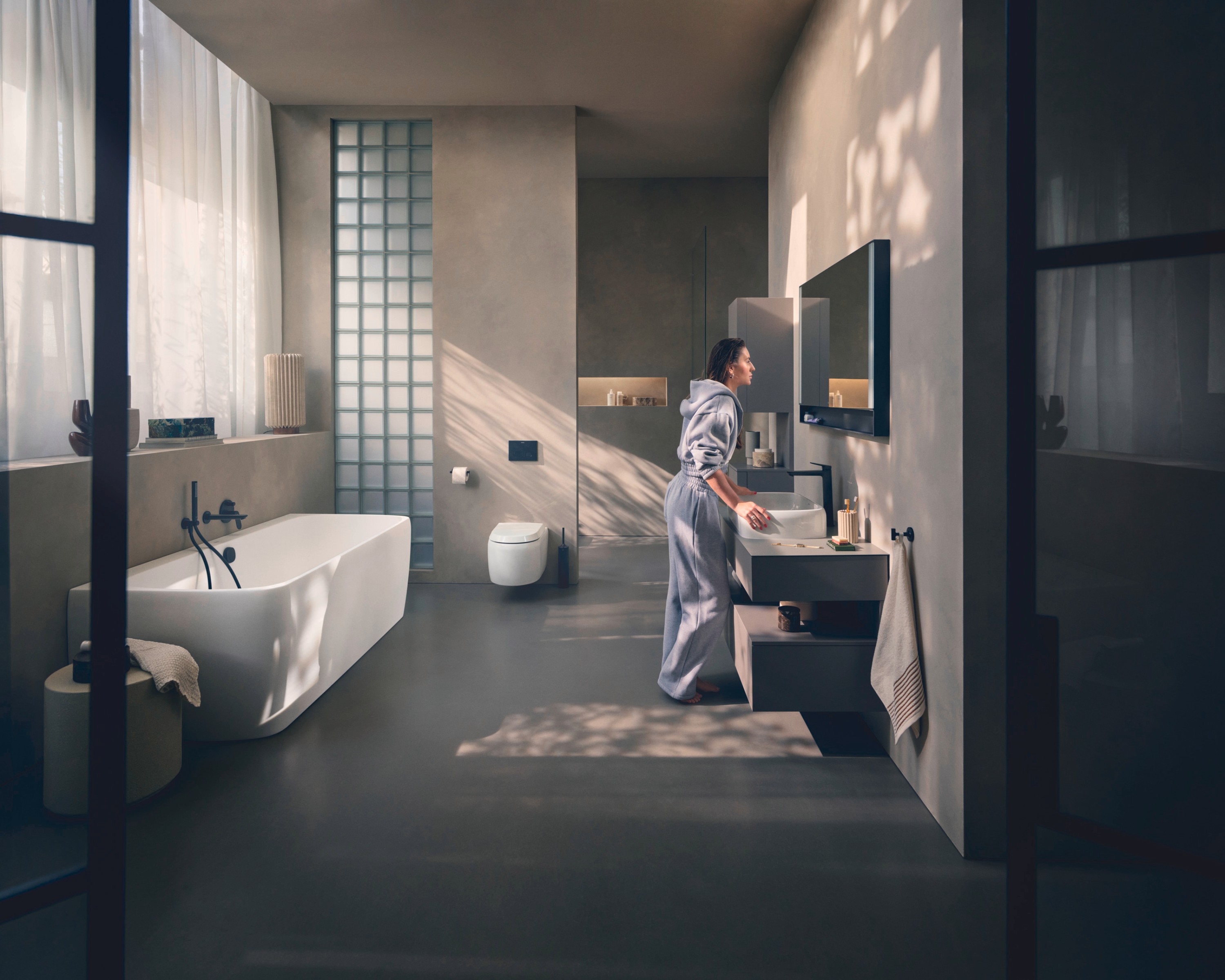
Blow-drying your hair every day can use a lot of electricity over the course of a year. In most cases, using the hair dryer on the lowest setting is enough to dry your hair. Alternatively, you can let your hair air dry to save electricity.
5. Proper ventilation & heating
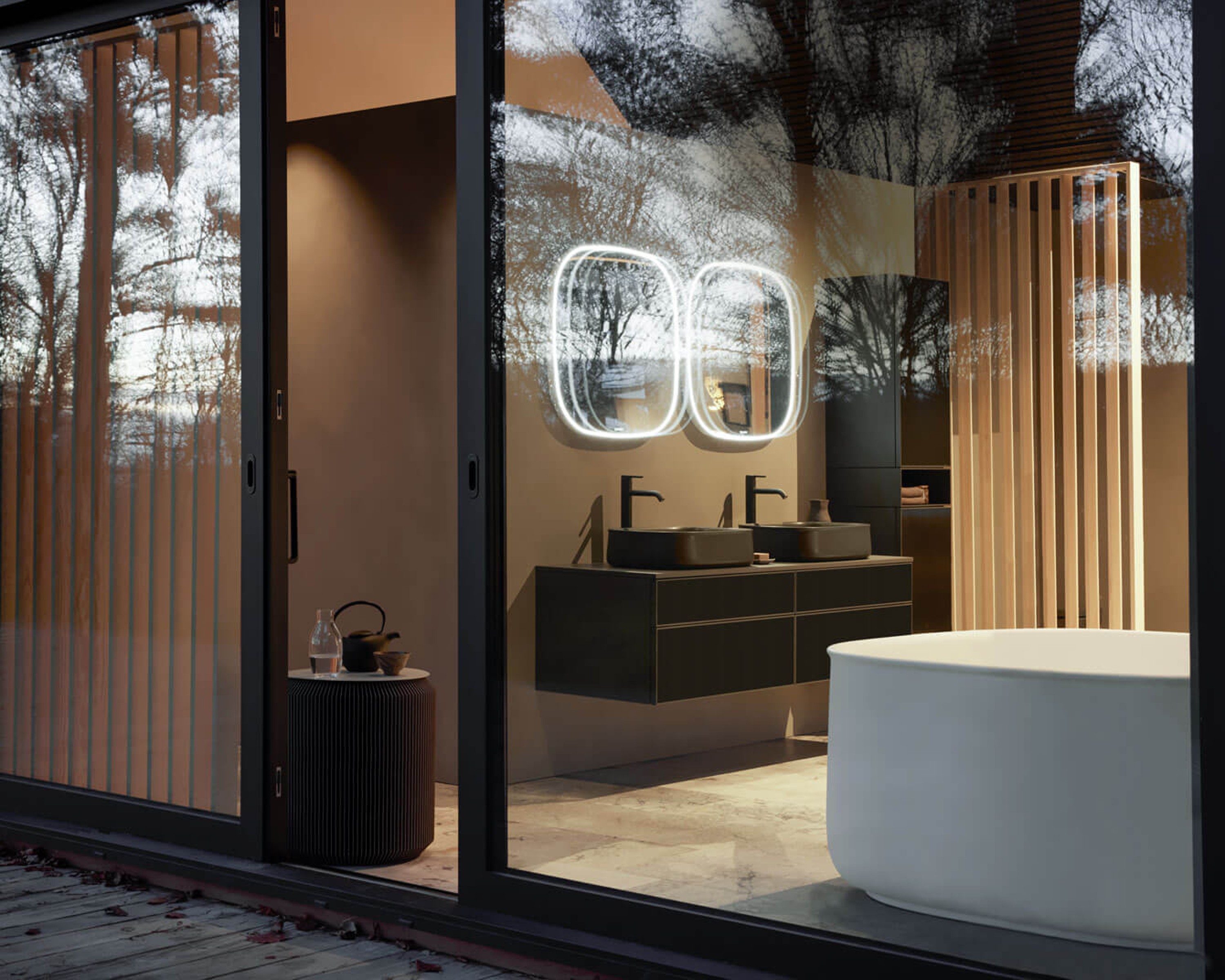
You can effectively save energy in the bathroom by ventilating and heating it properly. When ventilating, it’s better to open the windows wide for about 10 minutes than to leave them slightly ajar. The most energy-efficient way to ventilate is to open the windows wide after a shower or bath, since the bathroom is very humid afterward. Be sure to turn off the heat while doing so.
You also don’t need to keep the bathroom constantly heated—only turn up the temperature when you really need to, such as just before you take a shower or a bath. In addition, regularly bleeding your radiators can help reduce heating costs.
6. Do not block radiators
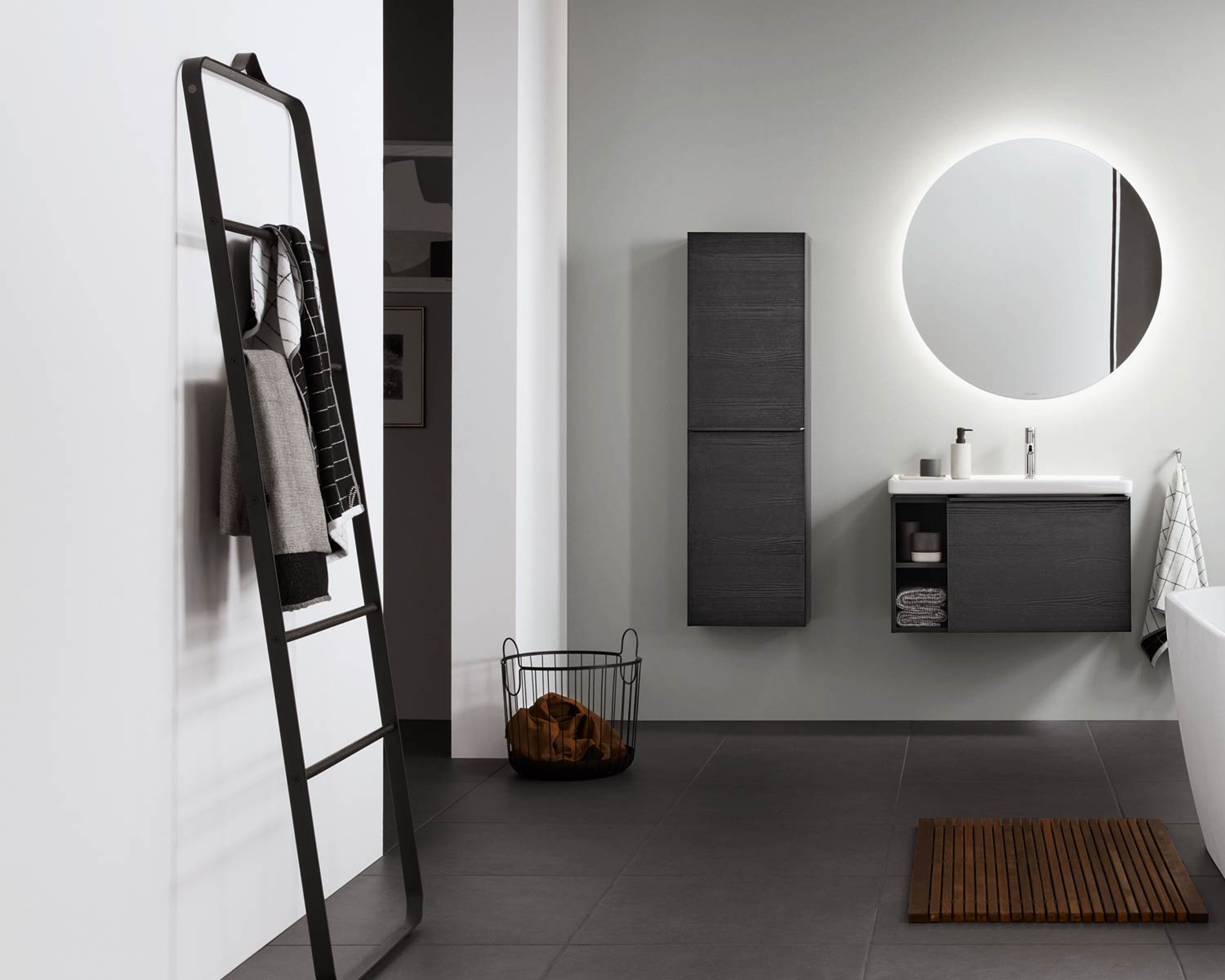
If you want to save energy in the bathroom, you shouldn't cover the radiators. If towels cover the radiators, they absorb most of the heat, and the radiators can't heat the room properly.
7. Upgrade your washing machine and dryer
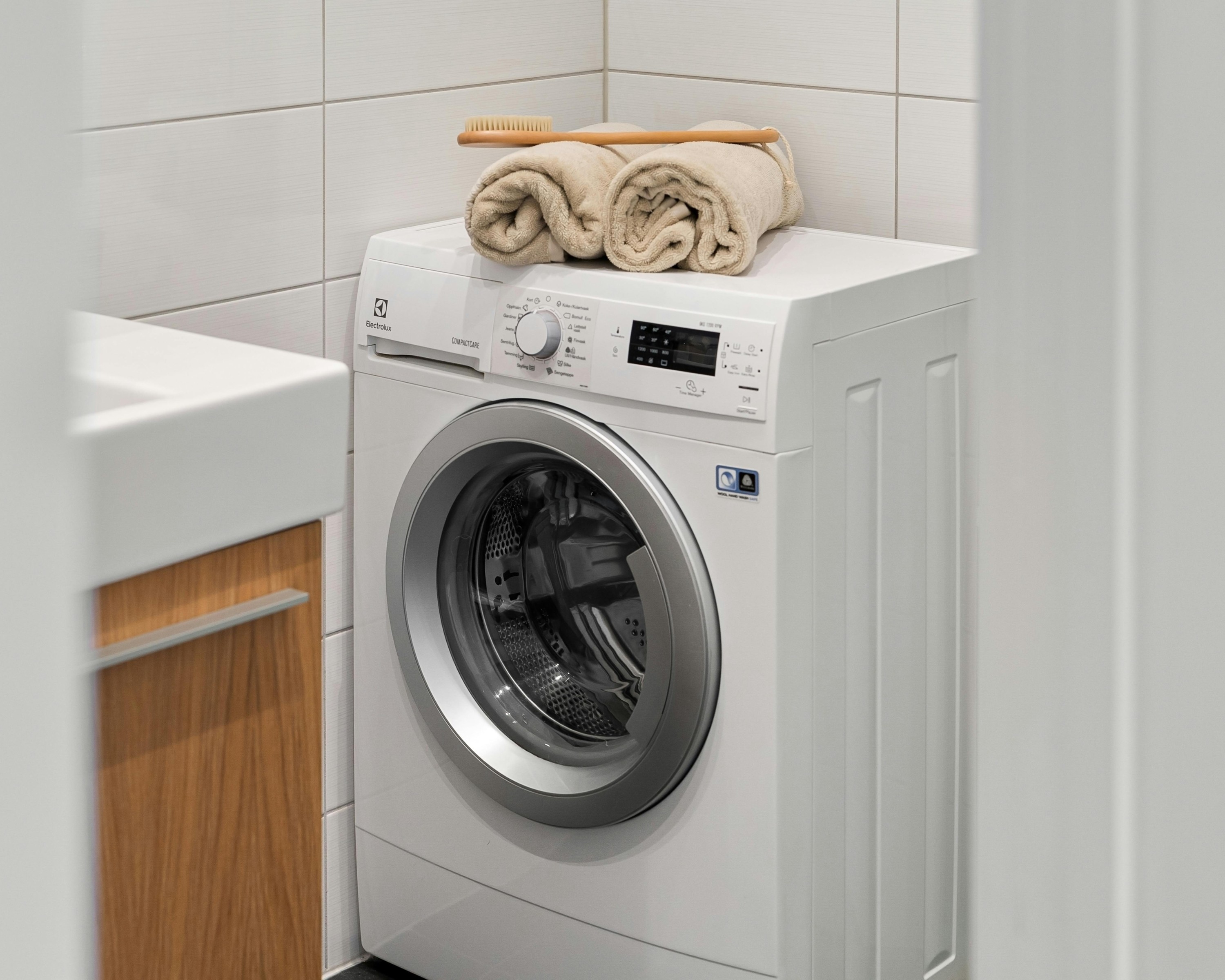
Inefficient or old washing machines and dryers use more energy per wash or dry cycle than modern appliances. It may be worth checking the energy efficiency of your appliances and replacing them.
Likewise, they don’t always need to be run at high temperatures, since even at low temperatures of 30° or 40°, normally soiled clothes usually come out clean. In addition, eco-wash cycles ensure energy-efficient washing. Wet laundry doesn’t have to be dried in the dryer; instead, it can be hung on the clothesline—especially in the summer.
8. Insulate hot water pipes
As mentioned earlier, hot water heating is a major source of energy consumption in the bathroom. One reason for this is that the pipes between the water heater and the faucets are inadequately insulated. As a result, the hot water cools down more quickly and must be reheated.
Simple insulation can save you a lot of energy. Standard PE foam insulation should be exactly as thick as the diameter of the pipes. It usually costs no more than 10 euros per meter and pays for itself very quickly.
9. Install a circulation pump with a timer
If you have to wait a long time for hot water after turning on the faucet, a circulation pump might be worth considering. This ensures that the water in the pipes is heated evenly, so that hot water is available immediately at the tap. A timer can be used to limit the operating hours of this function, so that it doesn’t consume energy at night, for example.
10. Save water
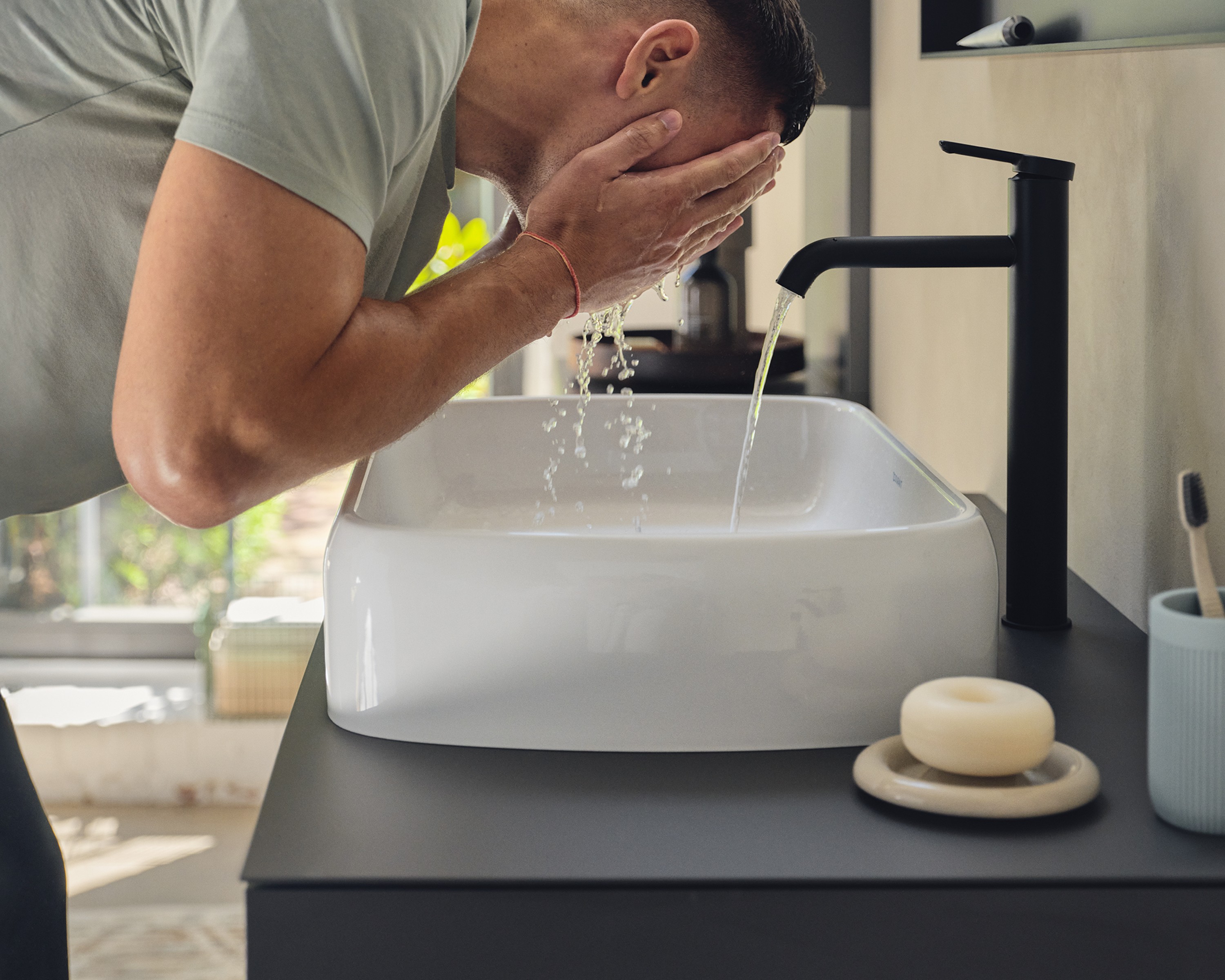
Probably the best way to save energy in the bathroom is to conserve water. As several previous tips have shown, hot water usage in particular is a major energy drain. So the less water you use, the less energy you’ll consume. Water-saving faucets can help with this—you can learn more in our article: Saving Water in the Bathroom.
Save electricity with a tankless water heater
A tankless water heater is a permanently installed device for heating water and one of the key factors to consider if you want to specifically save electricity in the bathroom. You can optimize your unit’s efficiency by following these three steps.
Set the optimal temperature
For everyday use in the bathroom, 39 °C is usually more than enough. Precise temperature control directly on the unit prevents the water from being heated unnecessarily high and then cooled down again with cold water. Alternatively, modern instantaneous water heaters often feature an Eco mode that automatically regulates energy consumption.
Regular descaling for better efficiency
In areas with hard water, limescale builds up in the instantaneous water heater over time. These deposits reduce heating efficiency, meaning more energy is required to heat the water to the desired temperature. Regular descaling ensures that the appliance operates efficiently.
Opt for modern, energy-efficient appliances
A key factor in energy consumption is the technology used. Older, hydraulically controlled instantaneous water heaters are often significantly less efficient because they require a certain amount of water before they start working and cannot regulate the temperature precisely. Modern, electronically controlled units, on the other hand, adjust their output precisely and can reduce energy consumption by up to 30%.
FAQs: Saving Energy in the Bathroom
What is the best way to save energy in the bathroom?
The biggest opportunity for savings lies in hot water usage. If you use less hot water—for example, by taking shorter showers or using cold water when washing your hands—you can significantly reduce your energy consumption.
How can I save energy when heating the bathroom?
Be sure not to block the radiator and to bleed it regularly. Airing out the room briefly rather than leaving windows slightly open all the time also helps minimize heat loss and maintain a comfortable indoor climate.
Can modern faucets help save energy?
Yes, modern mixer faucets can actively reduce energy consumption by limiting the flow of hot water or by defaulting to cold water (Duravit FreshStart). In addition, many shower faucets feature HeatLock, which limits the water temperature to no more than 38 °C to save energy even while showering.
Is showering really more economical than taking a bath?
Yes, at least in most cases. When you take a shower, you generally use significantly less water and therefore less energy to heat it. However, this is only true if you keep an eye on how long you shower and don’t use more water than necessary.
Why does using less water also save energy?
Since a large portion of energy consumption in the bathroom is used to heat water, using less water automatically leads to lower energy consumption. Be mindful of your water usage to save energy in the bathroom.