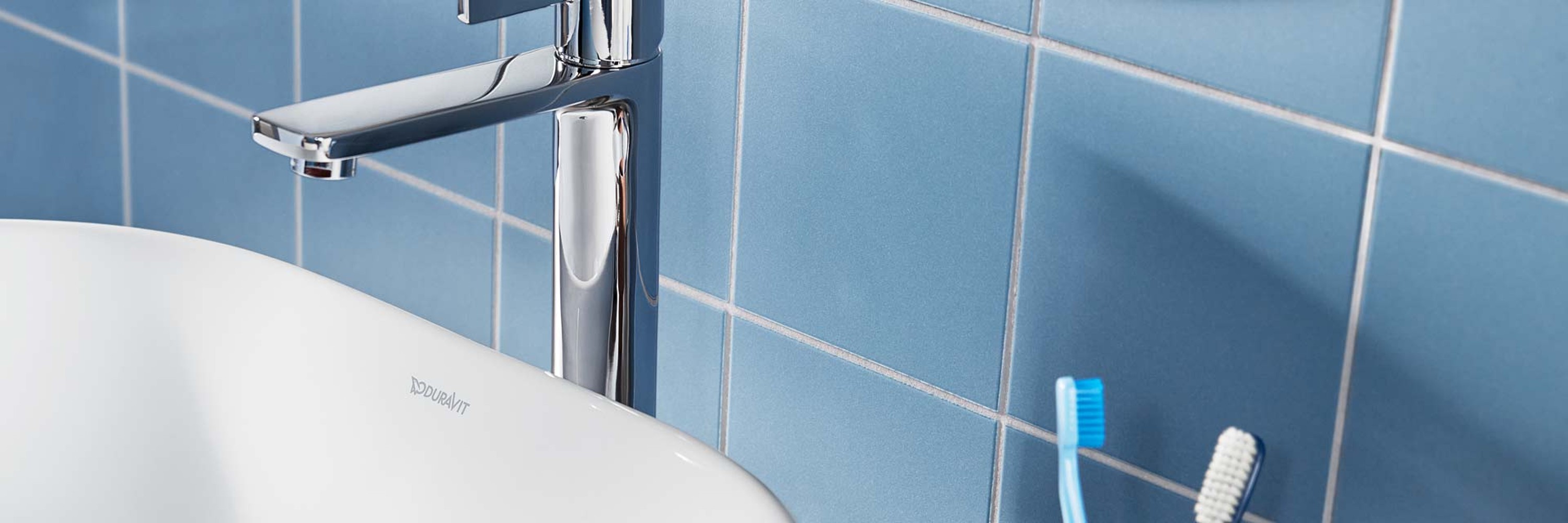
Cleaning grout in the bathroom
Here's how to do it right
Key points at a glance:
- Gentle & effective cleaning: Household remedies like baking powder or baking soda reliably remove dirt from tile grout while being gentle on both the material and the environment.
- Note the differences: While standard grout can be cleaned with mild cleaners, delicate silicone grout requires special cleaners and, if necessary, replacement.
- The right supplies: toothbrushes, gloves, cleaning products, and soft cloths make it easy to clean the grout.

Cleaning agents for standard grout
If you want to clean the grout in your bathroom, the first step is to choose the right cleaning product. For standard tile grout—not silicone grout!—you can rely on tried-and-true household remedies. Chemical cleaners can and should generally be avoided. The following list includes grout cleaners that are particularly useful in the bathroom—and explains which ones you should steer clear of:
Recommended: Clean grout with baking soda
Baking soda is indeed a tried-and-true method for cleaning bathroom grout. First, mix it with water to create a thick paste. Apply this paste to the grout and let it sit for about an hour. It can then be rinsed off with water, and any remaining dirt can be wiped away with a cloth. Baking soda is thus an affordable, sustainable, and readily available option for cleaning tile grout in the bathroom.
Recommended: Clean grout with baking soda
Just like baking powder, baking soda can also be used to clean tile grout in the bathroom. The process is the same: First, mix the powder with water to form a paste (a ratio of three parts water to one part baking soda is generally recommended), then apply it to the grout and rinse it off after letting it sit. By the way: Just like baking soda and baking powder, soda can also be used to clean grout.
Recommended: Steam cleaner
If you don’t want to scrub, it’s best to use a steam cleaner to clean the grout in the bathroom. The hot steam penetrates the gaps and effectively loosens dirt. You can then simply wipe it away with a cloth. Steam cleaners are also environmentally friendly, as they can kill bacteria and mold without the use of chemicals.
Neutral: Chemical cleaning agents
Most specialty stores also sell chemical grout cleaners for the bathroom. While these products generally do the job, they aren’t strictly necessary. The household products listed above are perfectly adequate for normal dirt and grime; for tougher stains, it’s easier to clean the bathroom grout with a steam cleaner. These products are also all more environmentally friendly.
Not recommended: vinegar or citric acid
These household remedies aren’t really suitable for cleaning grout in the bathroom. That’s because vinegar and citric acid, due to their corrosive properties, attack the grout and can make it porous over time. If the grime has already penetrated so deeply that the recommended cleaning products aren’t enough, it’s time to regrout the tiles.
Not recommended: alcohol or nail polish remover
Although they are often recommended, alcohol and nail polish remover are not suitable household products for cleaning bathroom grout. Unlike baking soda, they generally don’t sit on the grout long enough to effectively loosen the dirt.
Cleaning agent for silicone caulks
In addition to traditional grout, bathrooms often feature silicone caulking, particularly around the sink or shower. These require a slightly different cleaning approach, as household remedies sometimes fail to produce the desired results. Instead, you can use diluted vinegar or a special chemical cleaner. As a general rule, silicone grout is somewhat more vulnerable—once dirt or even mold has penetrated it, the only solution is often to remove and replace it. Silicone grout should be completely replaced every few years, even if it isn’t heavily soiled.
Tip: Under no circumstances should you use a steam cleaner to clean silicone caulking in the bathroom. The hot steam can damage the silicone.
The right cleaning supplies
Once you’ve chosen a cleaning product, you’ll still need the right cleaning tools. And here, too, household items are an excellent choice for cleaning grout in the bathroom. Unless you’re using a steam cleaner, the following items will suffice:
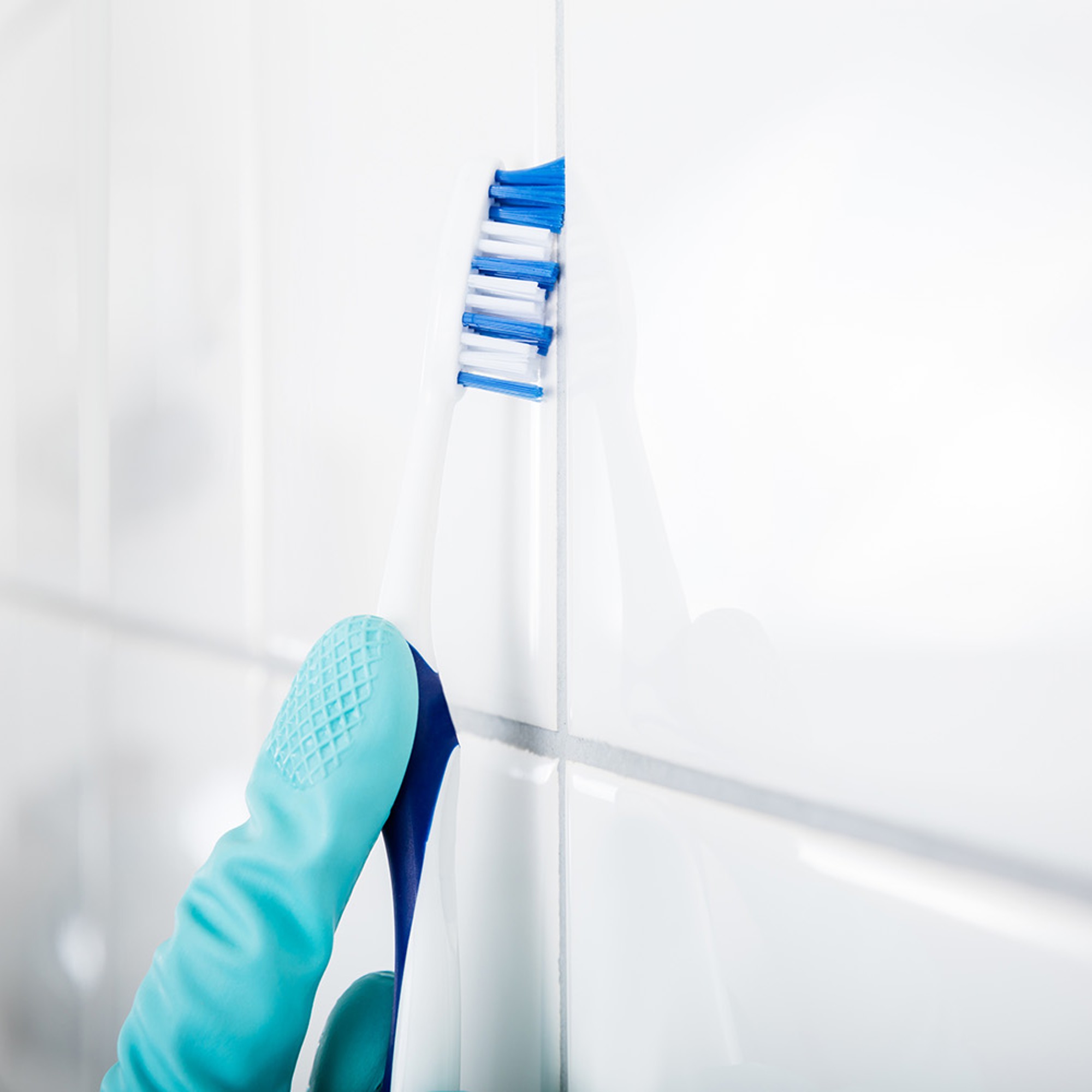
Toothbrush
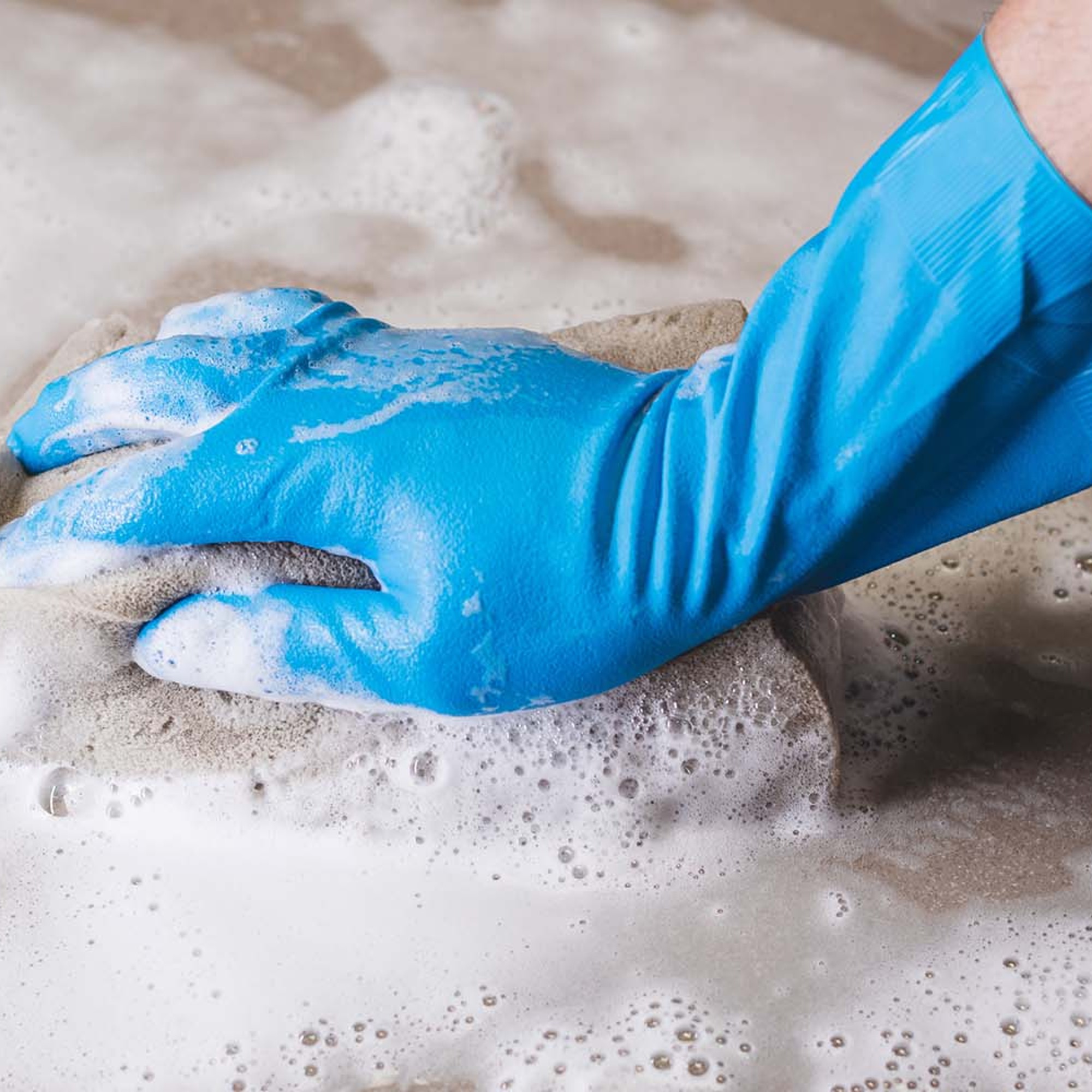
Gloves

Soft towels
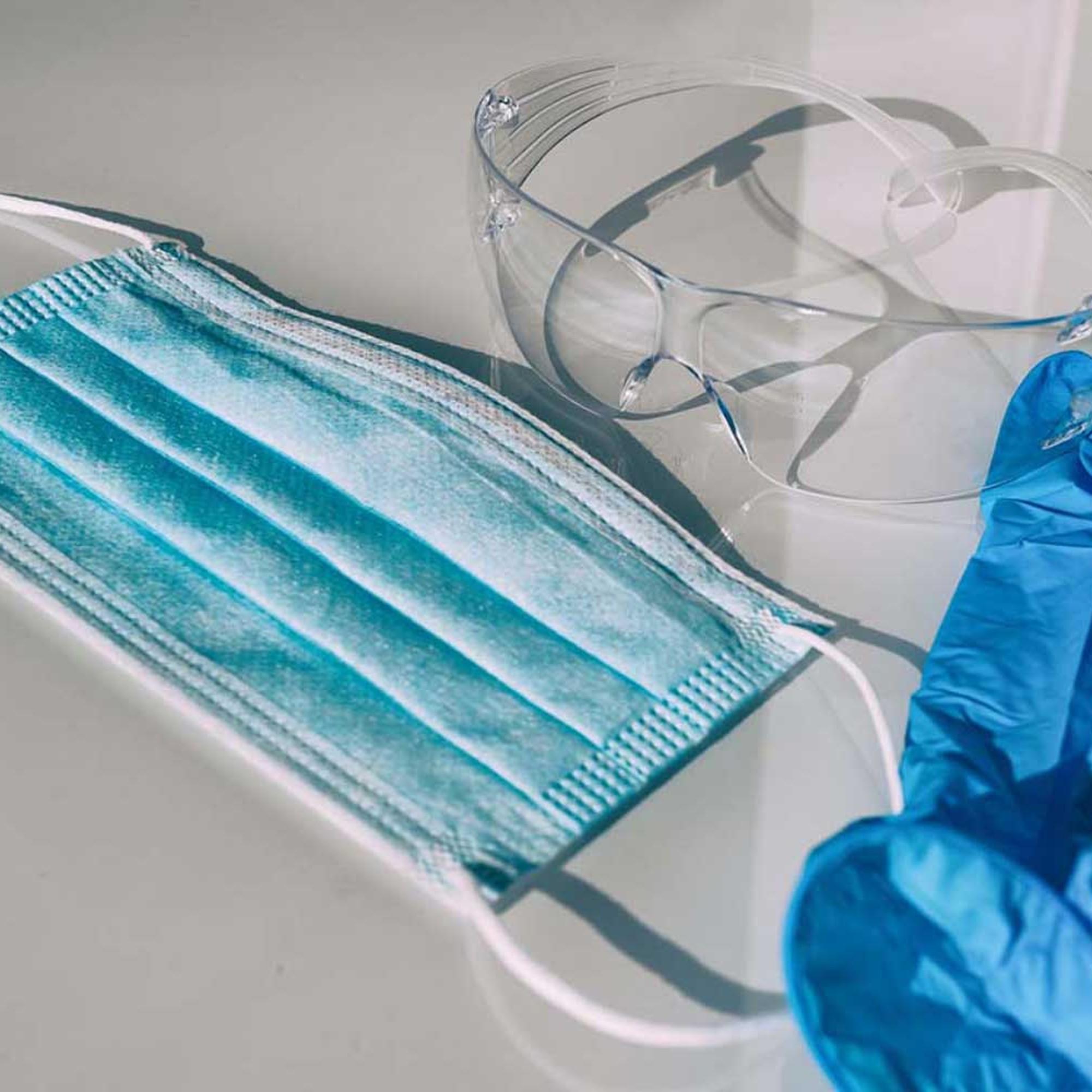
Protection for the eyes and mouth