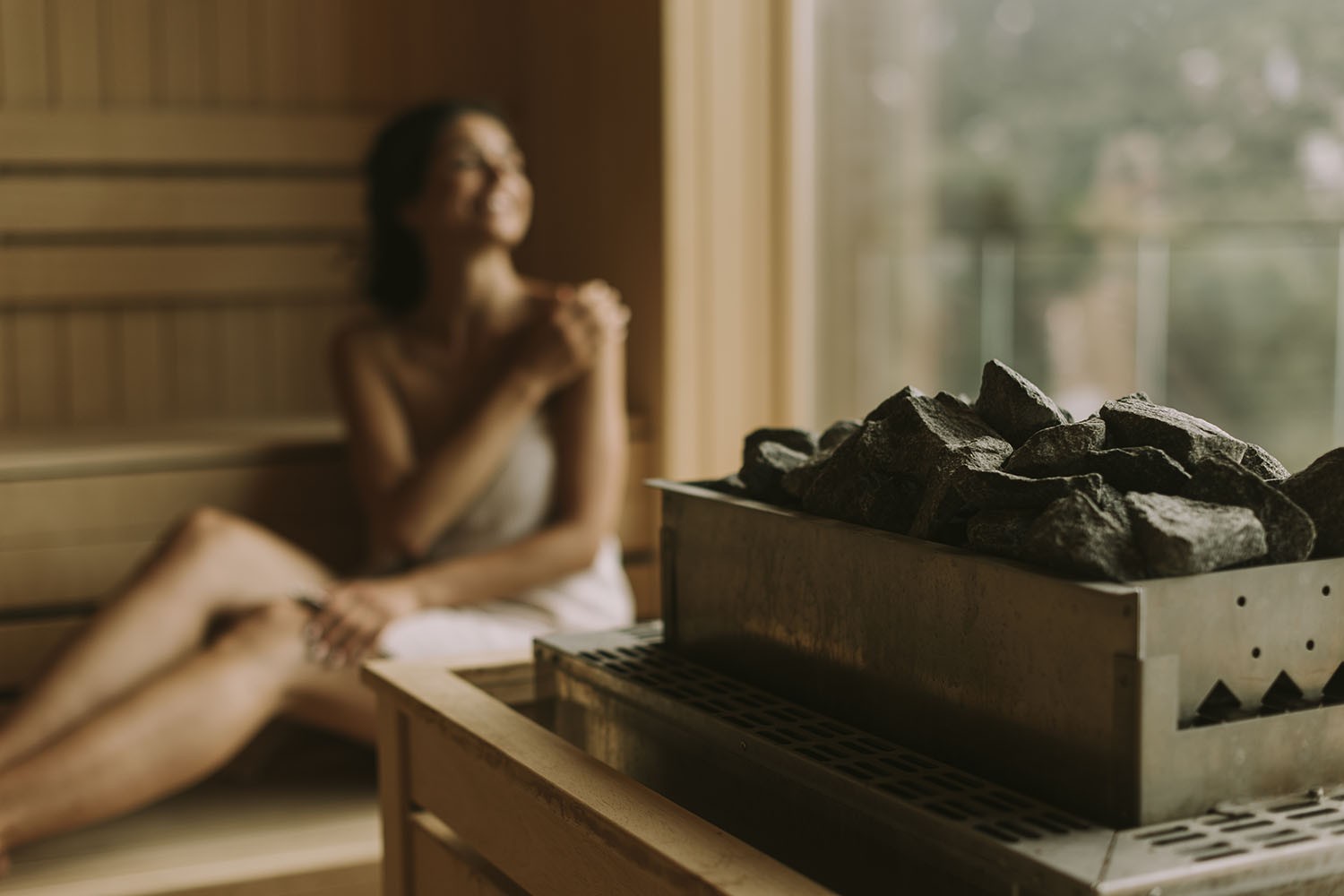
Sauna in the bathroom
Pure relaxation
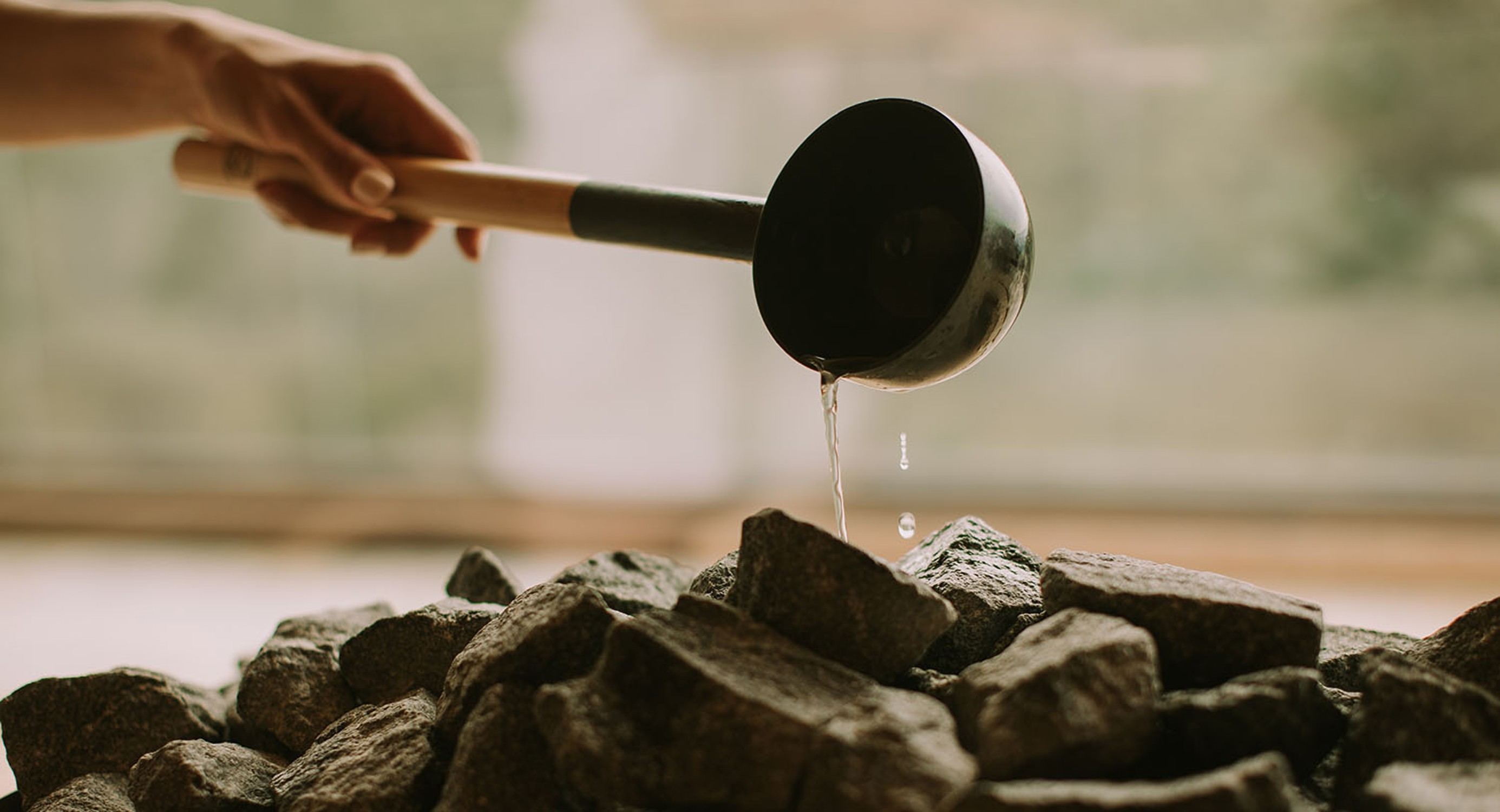
What types are there?
Saunas in bathrooms can take many different forms. This is because the practice, which probably originated in Asia thousands of years ago, has developed differently in different cultures over time. The differences can basically be determined by temperature and humidity and roughly divided into the following categories:
High heat with low humidity
This corresponds to the Finnish sauna and is therefore the "classic" version – the word "sauna" actually comes from Finnish. With temperatures above 100 °C and humidity around 10%, this sauna really heats up the bathroom.
Moderate temperature with high humidity
In addition to the Finnish bath variant, the so-called Turkish sauna—or hammam—is also well known. This type of sauna focuses primarily on hot steam and the associated humidity of almost 100% to relax the body.
Average temperature with normal humidity
The most modern version of the sauna in the bathroom is made possible by newer technologies. With an infrared cabin in the bathroom, temperatures of up to 50 °C can be reached, promoting both skin health and circulation.
What types of stoves are available?
The choice of the right sauna heater or heating option is also directly related to the type. The following variants are common:
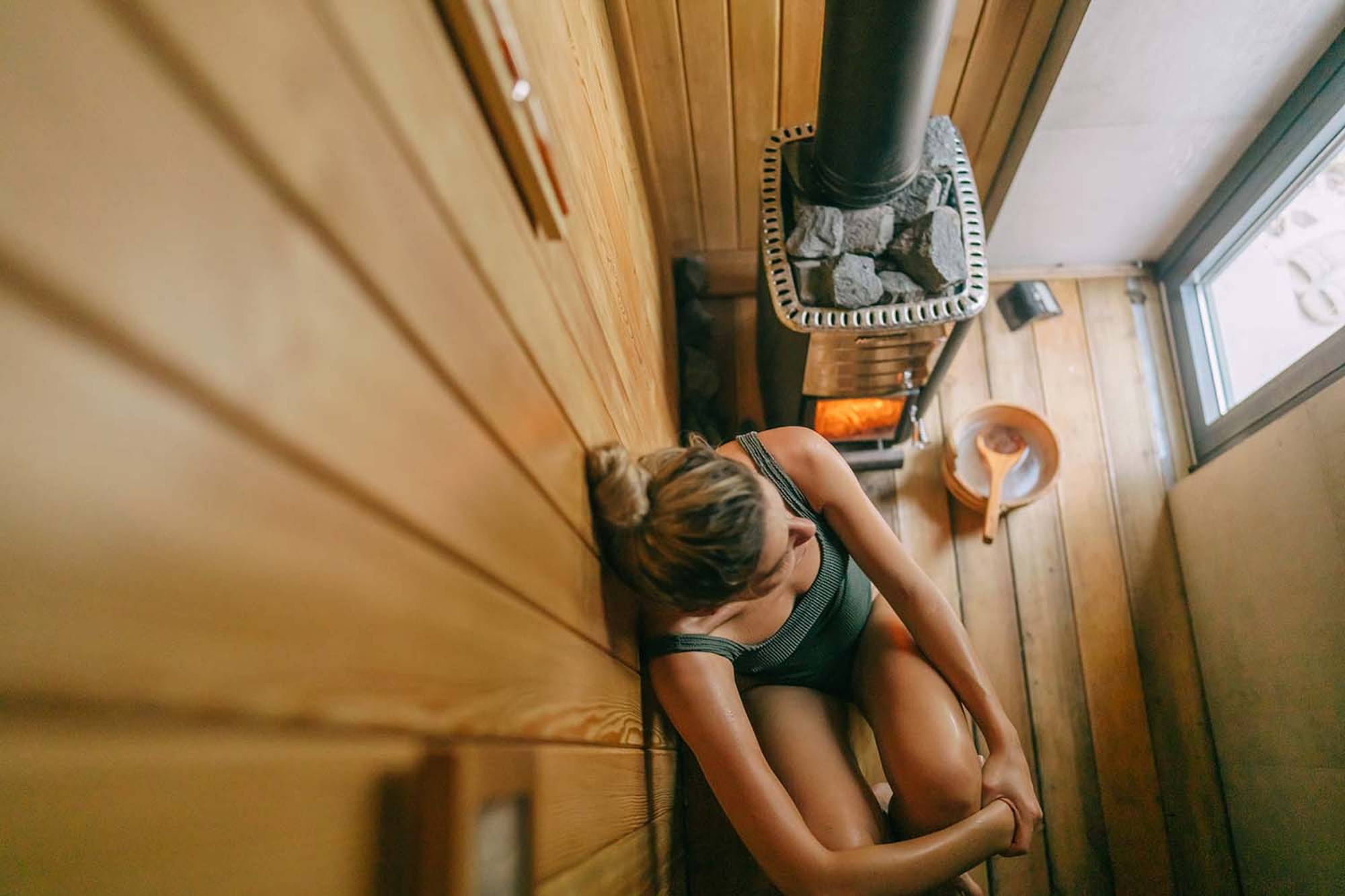
Wood stove
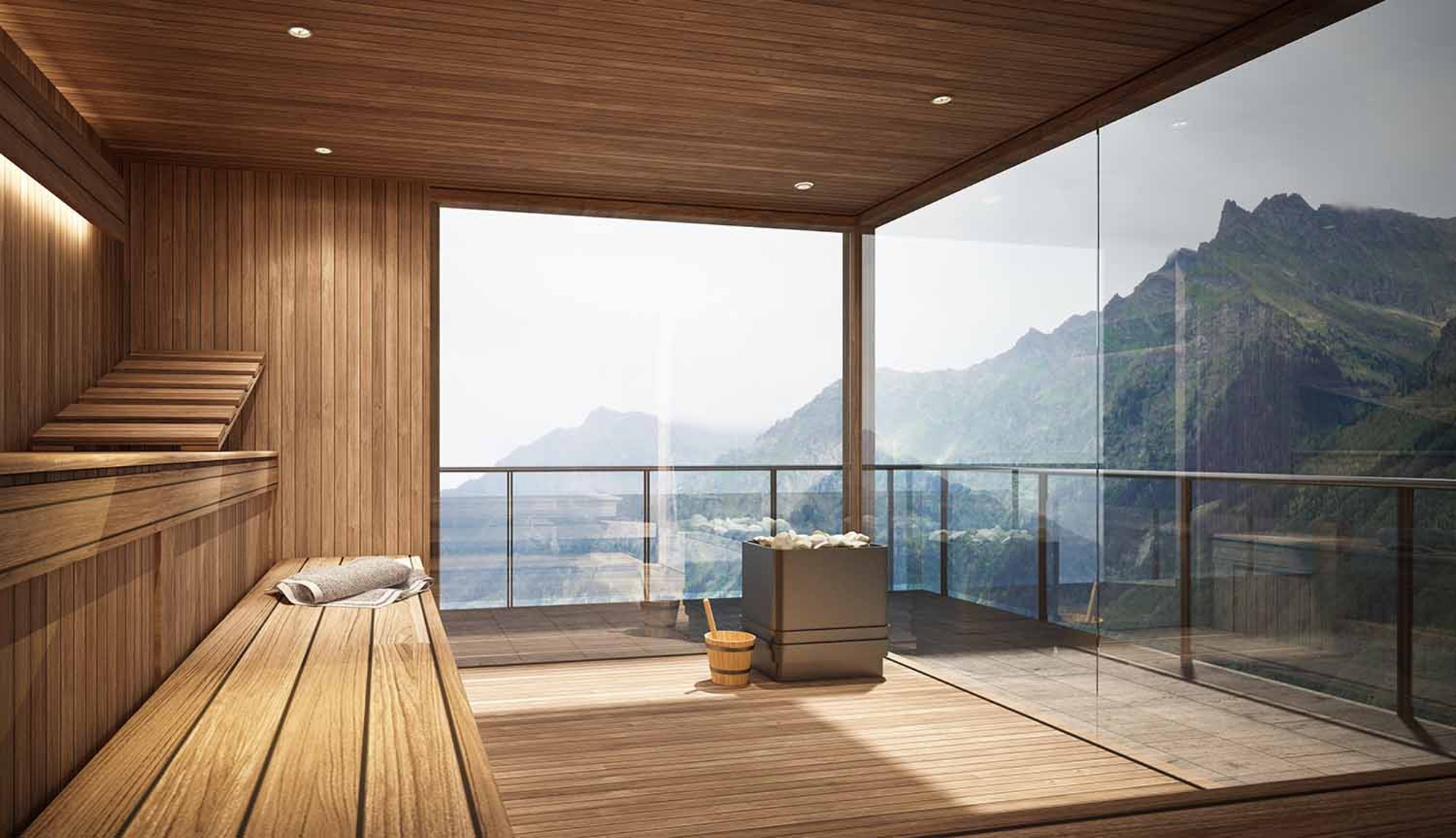
Gas oven
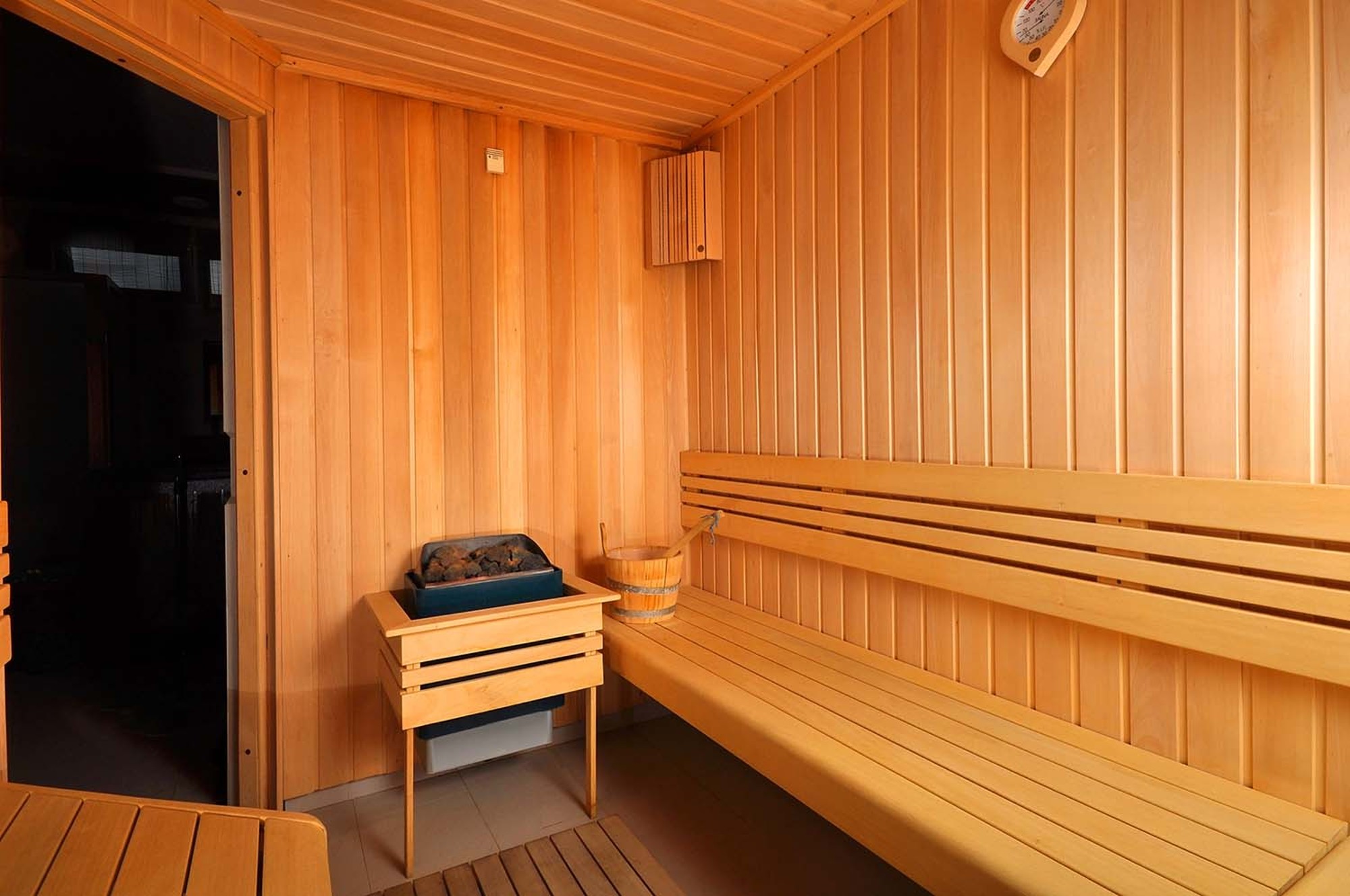
Electric oven
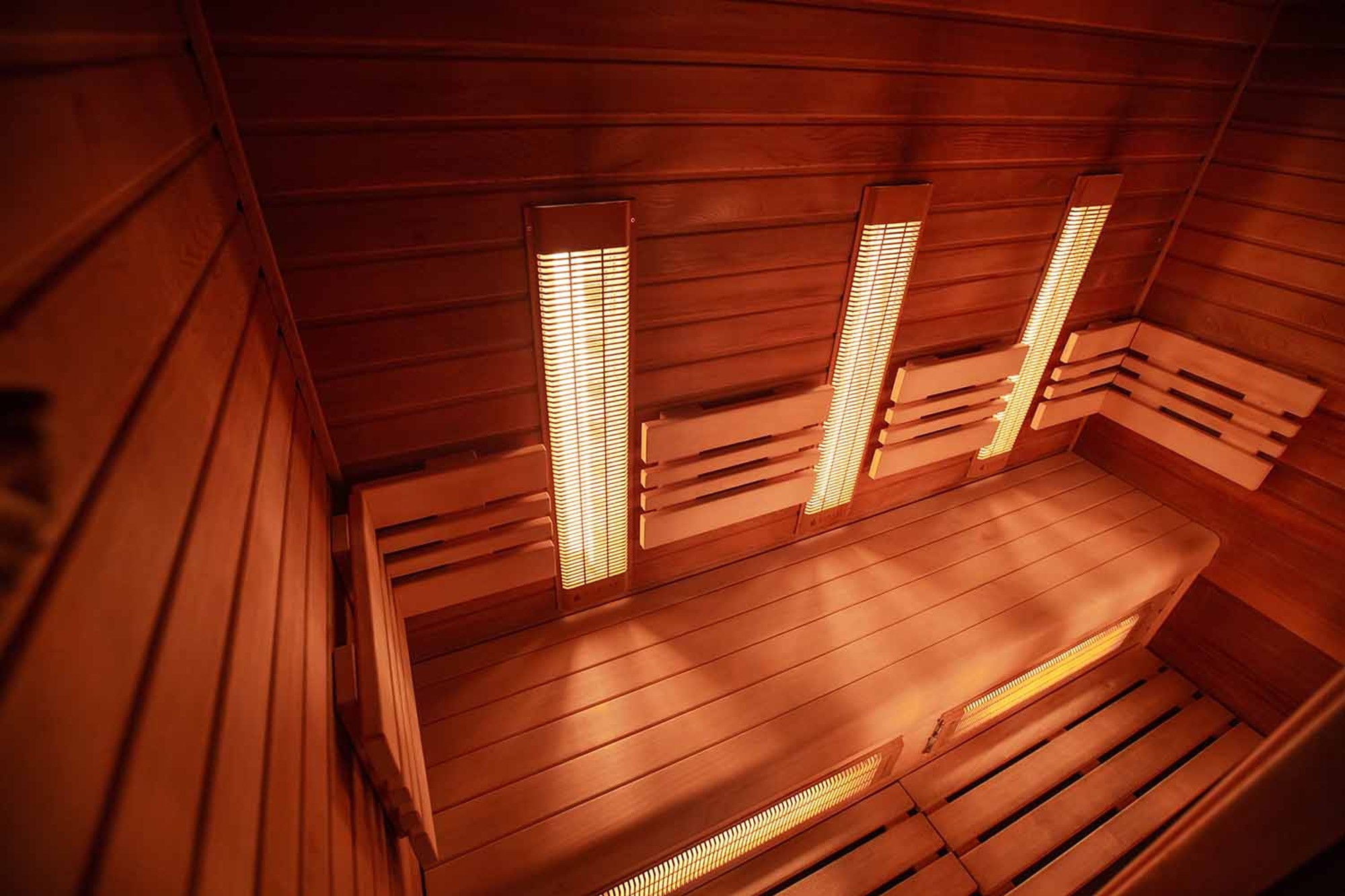
Infrared cabin
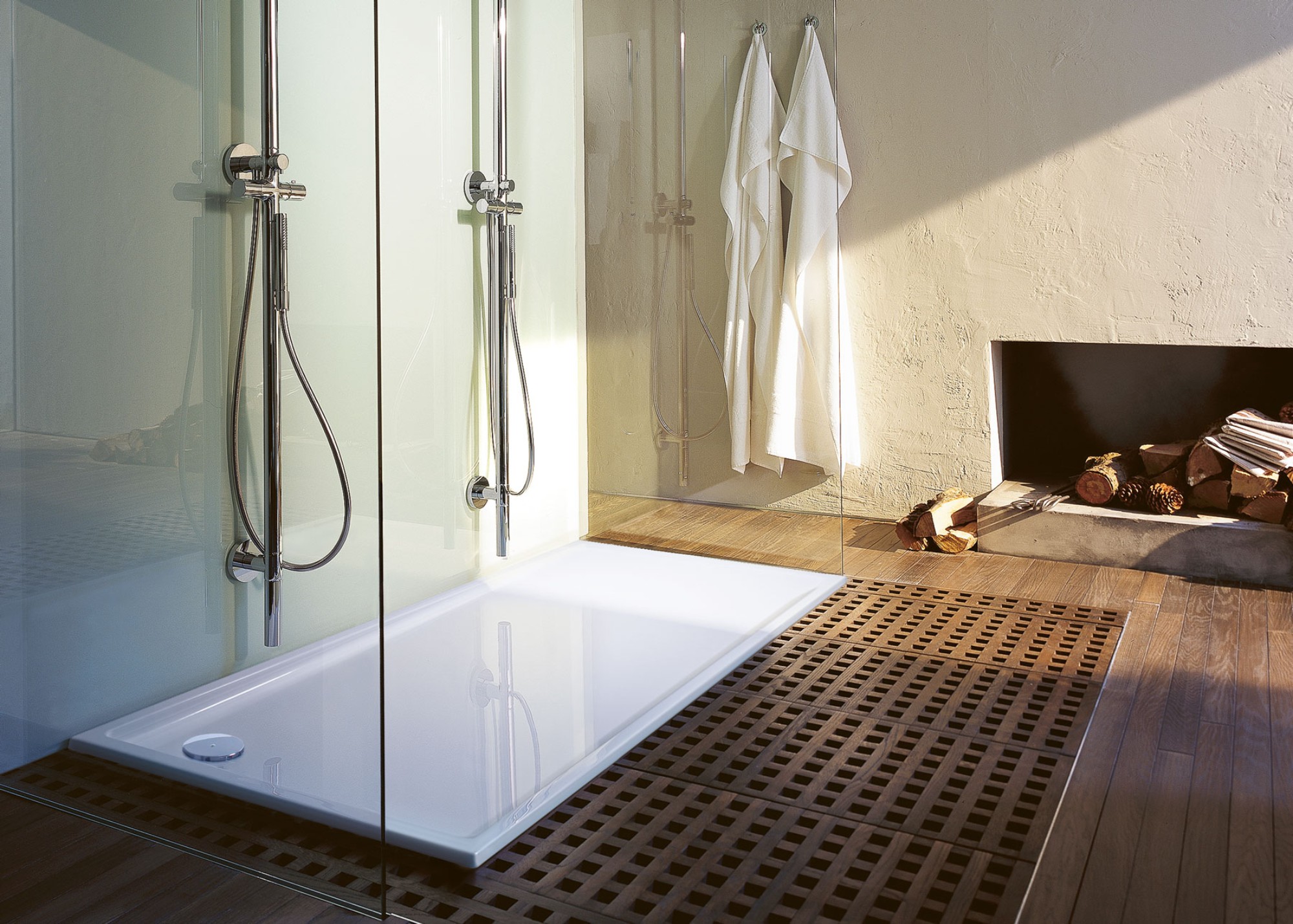
Shower sauna
What are the advantages?
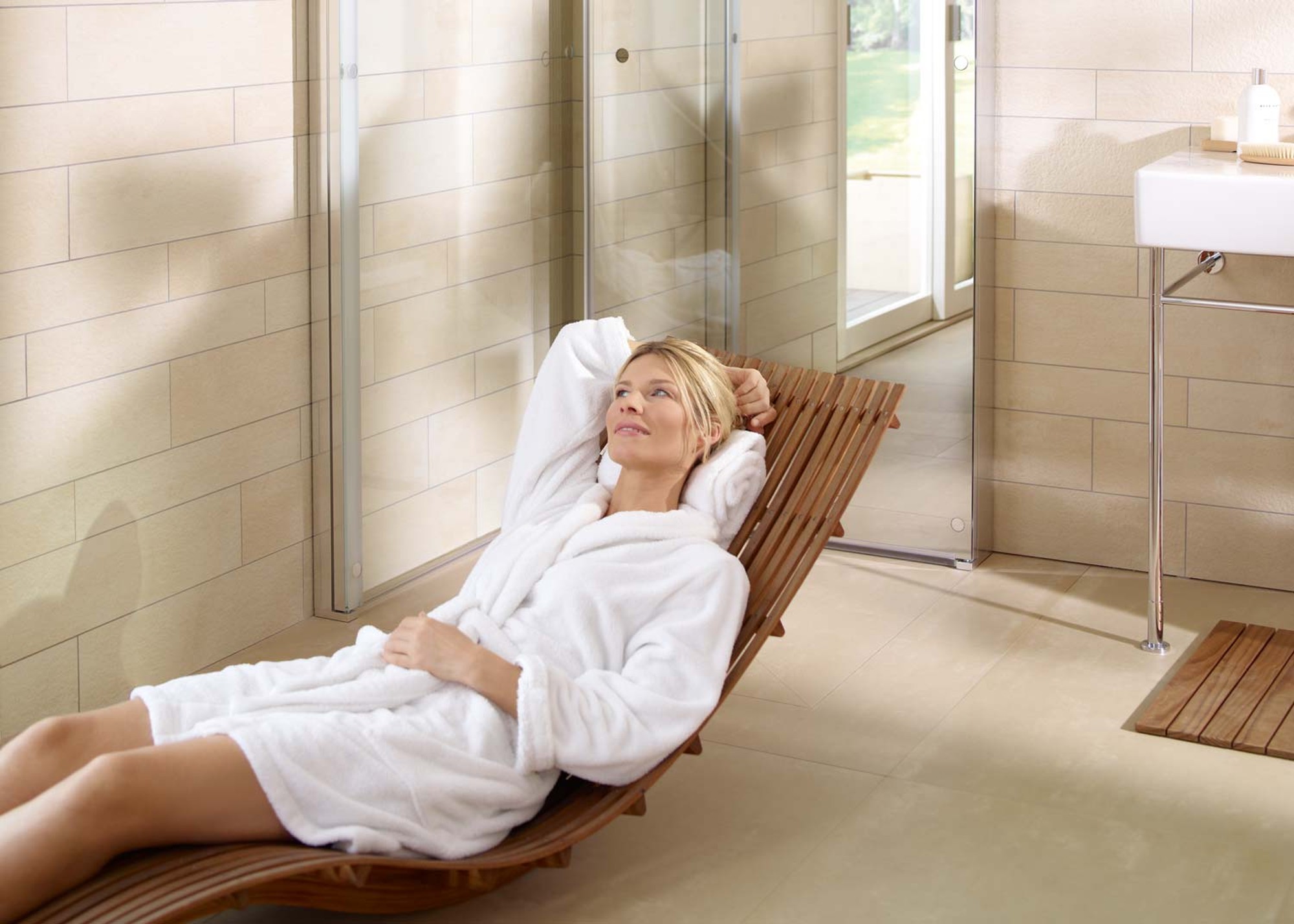
A sauna in the bathroom creates a cozy and relaxing atmosphere. A sauna can also be beneficial to your health. Regular sauna sessions can strengthen the immune system and cleanse the skin. The circulation and heart can also benefit from sauna sessions in general.
However, it should be noted that a sauna alone does not work miracles. Even longer sauna sessions do not necessarily have positive effects, as they can lead to dehydration. Likewise, people with infections or pre-existing conditions should refrain from using the sauna.

What requirements must be met?
The requirements that must be met if you want to install a sauna in your bathroom also depend on the type you choose. Basically, you need to make sure you have the right connections, enough space, and sufficient power.
Connections
The connections required for a sauna in the bathroom depend on the heating method chosen. Classic saunas in particular require connections to flues such as a chimney. A sauna with an electric heater, on the other hand, requires a high-voltage connection, for example. It is therefore important to find out about the necessary connections in advance.
Place
Even though a sauna in the bathroom is often associated with a lot of space, this is not necessarily the case. A mini sauna in the bathroom is also entirely possible. A little more than one square meter is sufficient for use by a single person. For each additional person who is to use the sauna in the bathroom at the same time, an additional square meter should be planned. It should also be noted that, depending on the type of sauna, a minimum distance from the walls must be maintained.
Power
While you can simply add more logs to a wood-burning stove if in doubt, the performance of the stove must be taken into account, especially with electronic models. For a small sauna in the bathroom that measures no more than 6 m², a power output of 4.5 kilowatts is sufficient. For larger saunas, you should choose models with a higher power output.
Tips and tricks for setup
Whether you have a classic or modern bathroom with a sauna, the goal is definitely relaxation. To ensure this, you should not forget the furnishings around the sauna. After all, the right aesthetics and atmosphere also contribute significantly to your well-being.