"Healing Architecture" in the Bathroom
The field of evidence-based design as the foundation for health-promoting interior design
In this context, researchers are asking the key question of how our environment measurably affects the body and mind. Also under consideration: the bathroom. Here, too, the core principles of evidence-based design ensure a positive impact on users, whether in private homes or in healthcare facilities. Also under consideration: the bathroom. Here, too, the core characteristics of evidence-based design ensure a positive impact on users, whether in private settings or in healthcare facilities.
What does “Healing Architecture” mean?
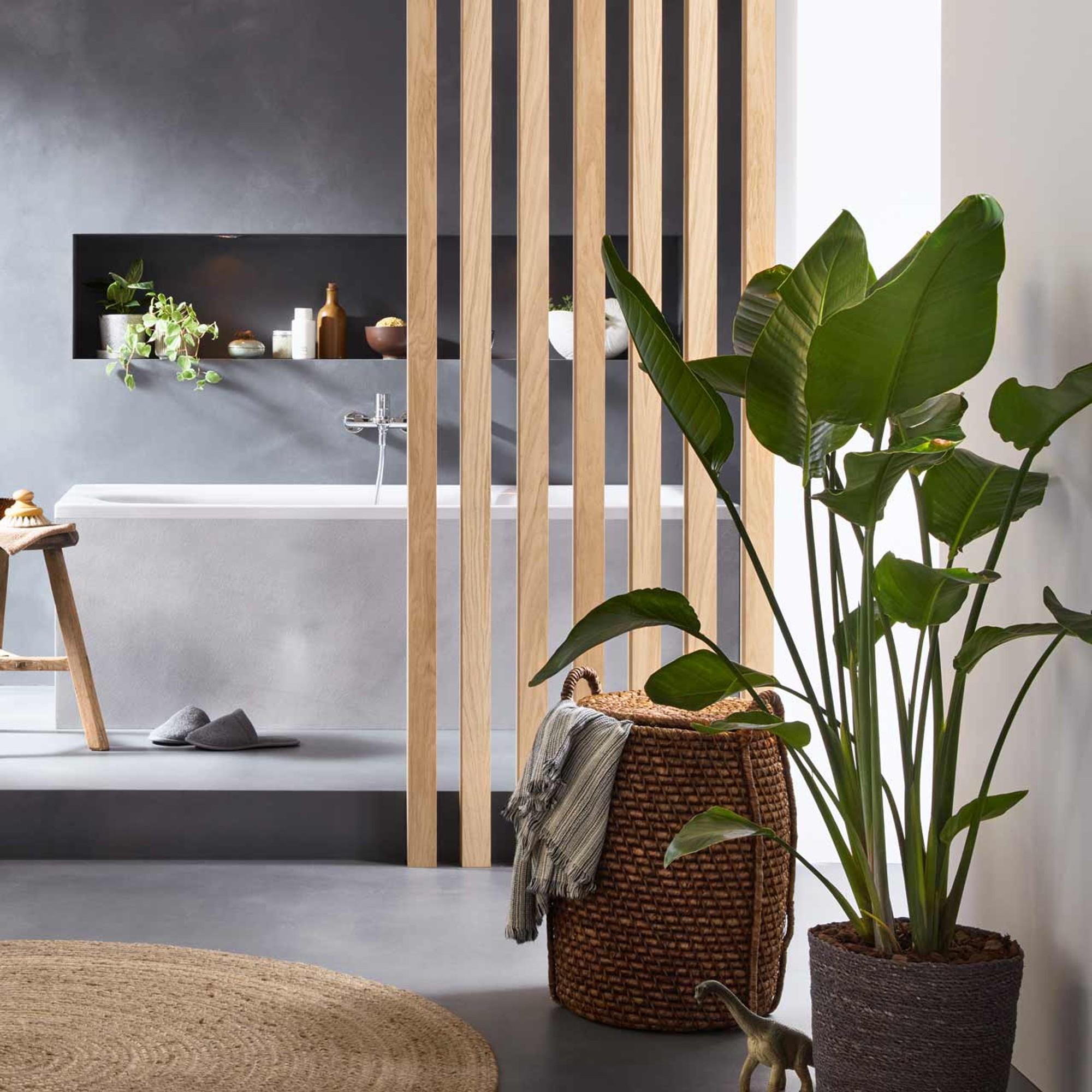
Healing Architecture describes a design approach that consciously focuses spaces on physical and mental well-being. Architecture and interior design serve as a formative framework for regeneration, recovery, and self-care.
Overarching goals include stress reduction, safety, and orientation. To achieve this, lighting, acoustics, and materials are selected to have a calming effect rather than being overwhelming.

Evidence-Based Design: Planning Based on Research
Evidence-based design adds a scientific foundation to this planning approach. The term originally comes from the field of medicine, where it refers to treatment decisions based on verifiable scientific findings. Applied to architecture, this means that planning decisions are based on demonstrable correlations between the quality of a space and human behavior or health outcomes.
Key Characteristics and Spatial Qualities of “Healing Architecture”
- Light: Natural light supports your body's internal rhythm. Glare-free lighting reduces eye strain. Individually adjustable artificial lighting enhances your sense of control.
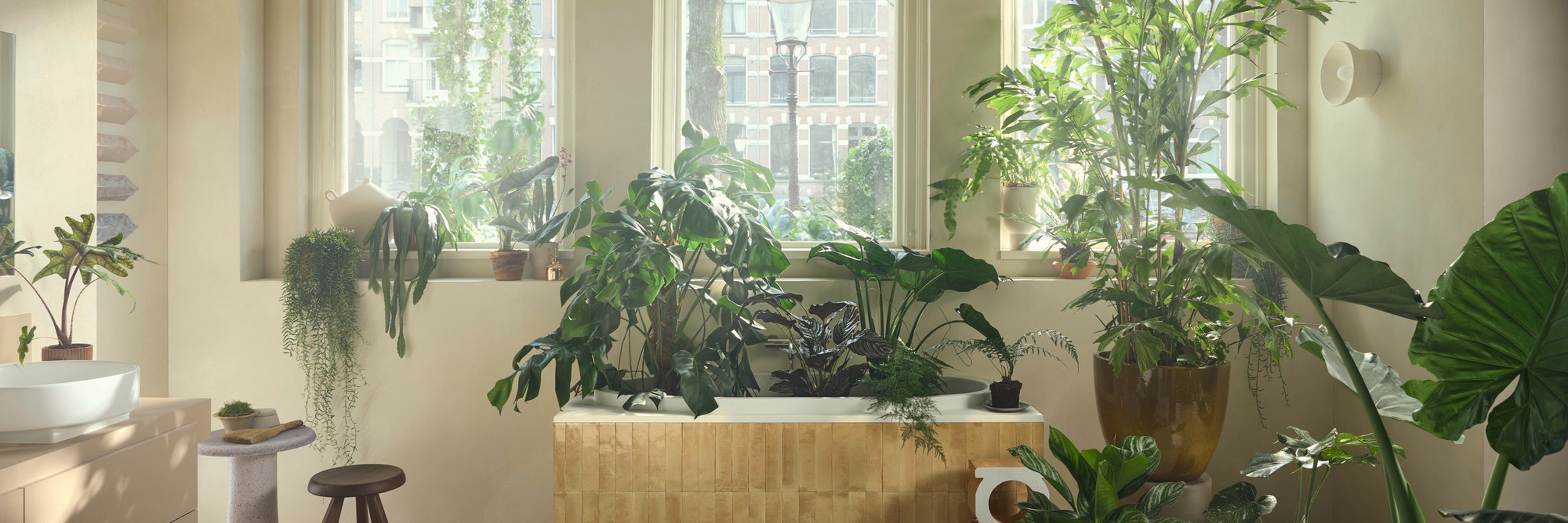
- Connection to nature: Views, courtyards, materials with a natural texture, or plants in the room have a calming effect.
- Acoustics: Sound-absorbing finishes help reduce stress. A quieter environment improves concentration and sleep quality.
- Orientation and clarity: Easy-to-understand floor plans, logical pathways, visual landmarks, and clearly defined zones make it easier to find your way around and provide a sense of security.
- Materials and texture: Warm, tactile finishes create a sense of comfort. Slip-resistant flooring enhances safety.
- Privacy and autonomy: Spaces for privacy and individually adjustable room features promote self-determination and dignity.

Spaces must support people’s needs and provide them with the best possible experience, whether at home, in the office, or at school. Design carries a great responsibility: lighting, acoustics, the atmosphere of a space, its layout, and its proportions. All of these factors influence people in both positive and negative ways.
Focus on the Bathroom
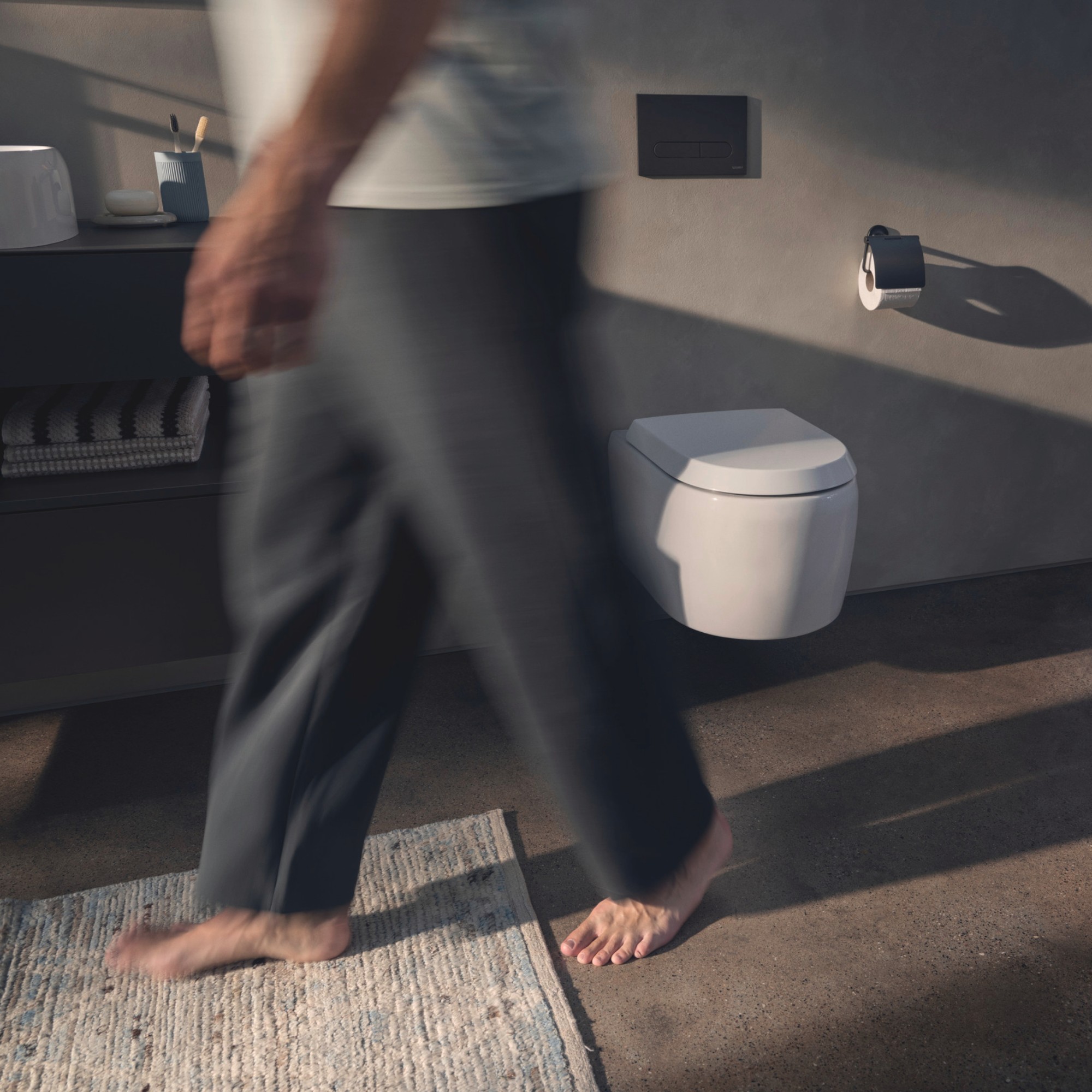
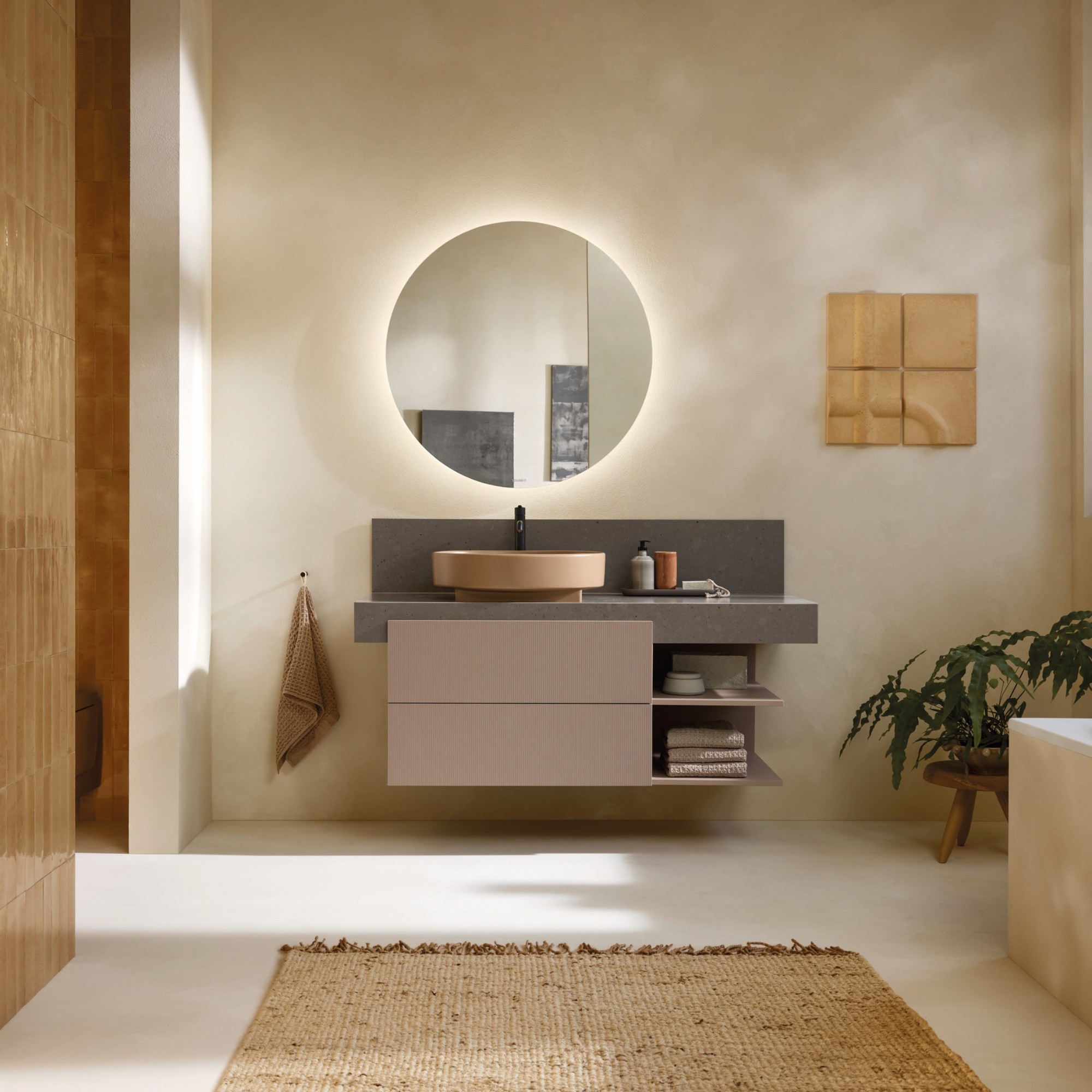
Healing Architecture has an impact on both a large and a small scale. Few spaces make this more evident than the bathroom—a place where issues such as intimacy, body awareness, safety, and self-determination converge within a few square meters. This holds true regardless of whether it is a private bathroom, a hotel bathroom, a bathroom in a care facility, or a hospital patient room.
A bathroom that isn't driven by fleeting trends but is based on the principles of evidence-based design has a stabilizing effect over the long term. It isn't overwhelming. It provides a sense of direction. It is timeless.
When the principles of “Healing Architecture” are applied to the bathroom, the following qualities take center stage:
- A clear layout and freedom of movement for better orientation and independence.
- Glare-free, nuanced lighting for stimulation and relaxation.
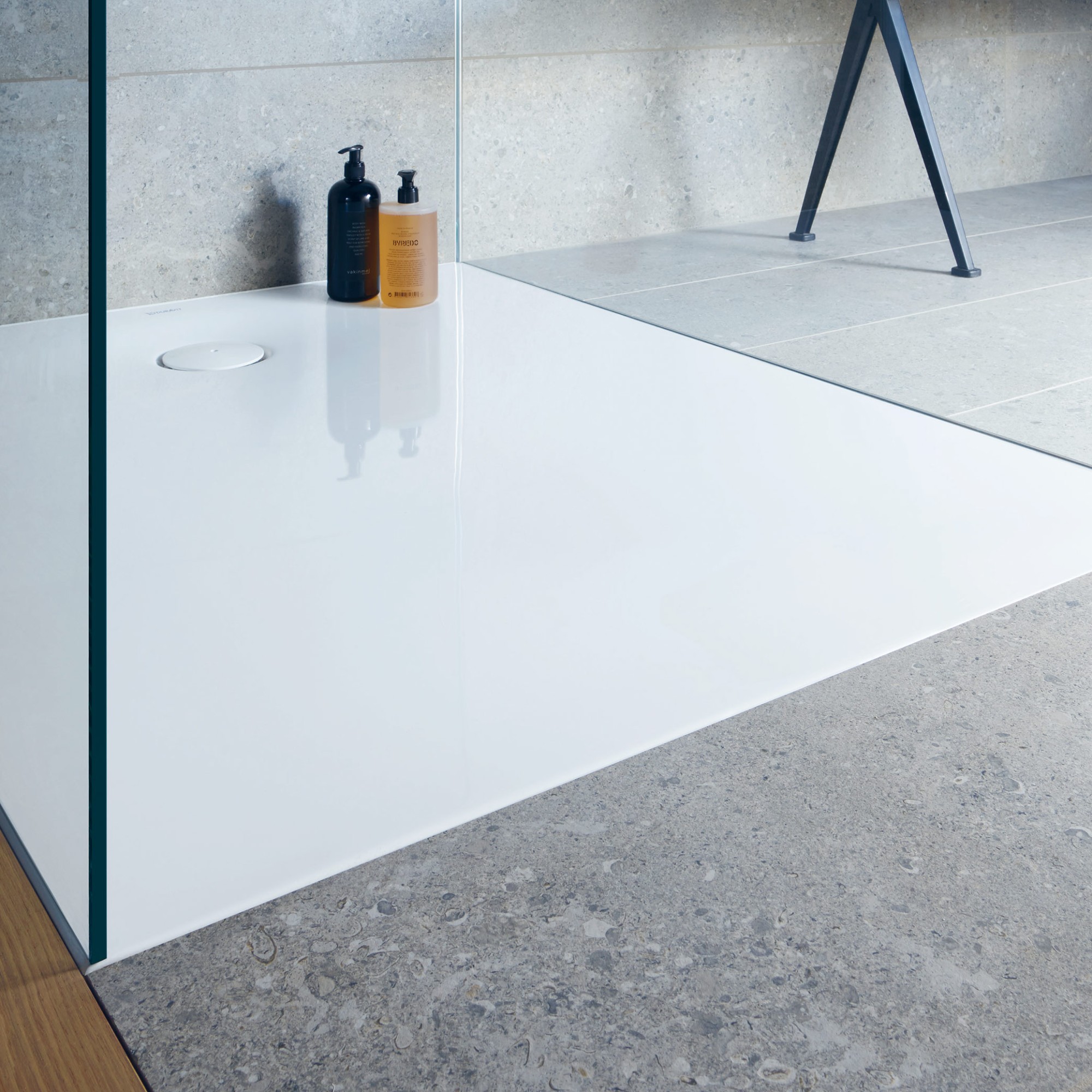
- Non-slip, comfortable finishes for safety and comfort.
- A quiet environment thanks to low-noise plumbing fixtures.
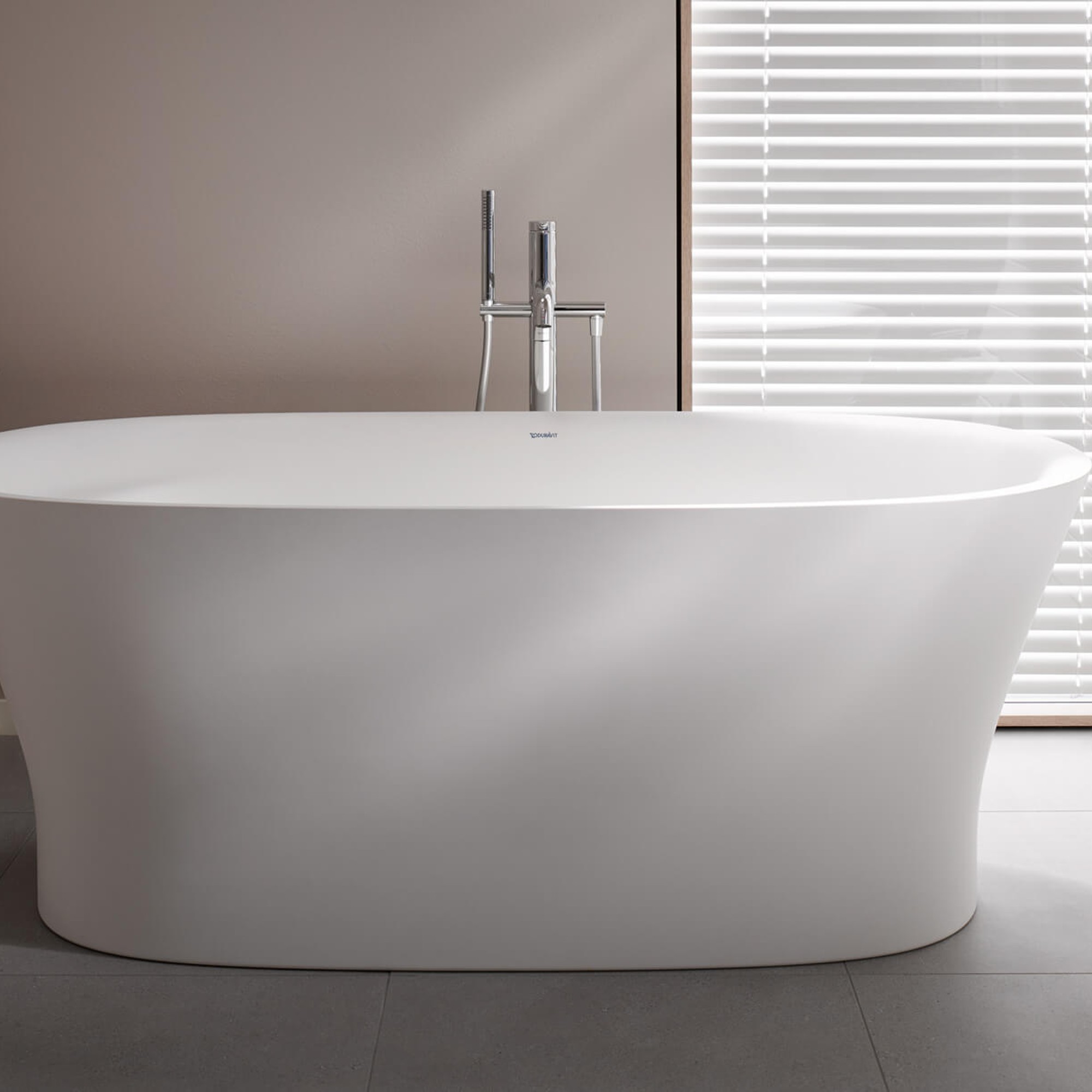
- Timeless materials and minimalist forms for visual comfort.
- A harmonious color scheme to create a soothing atmosphere in the room.
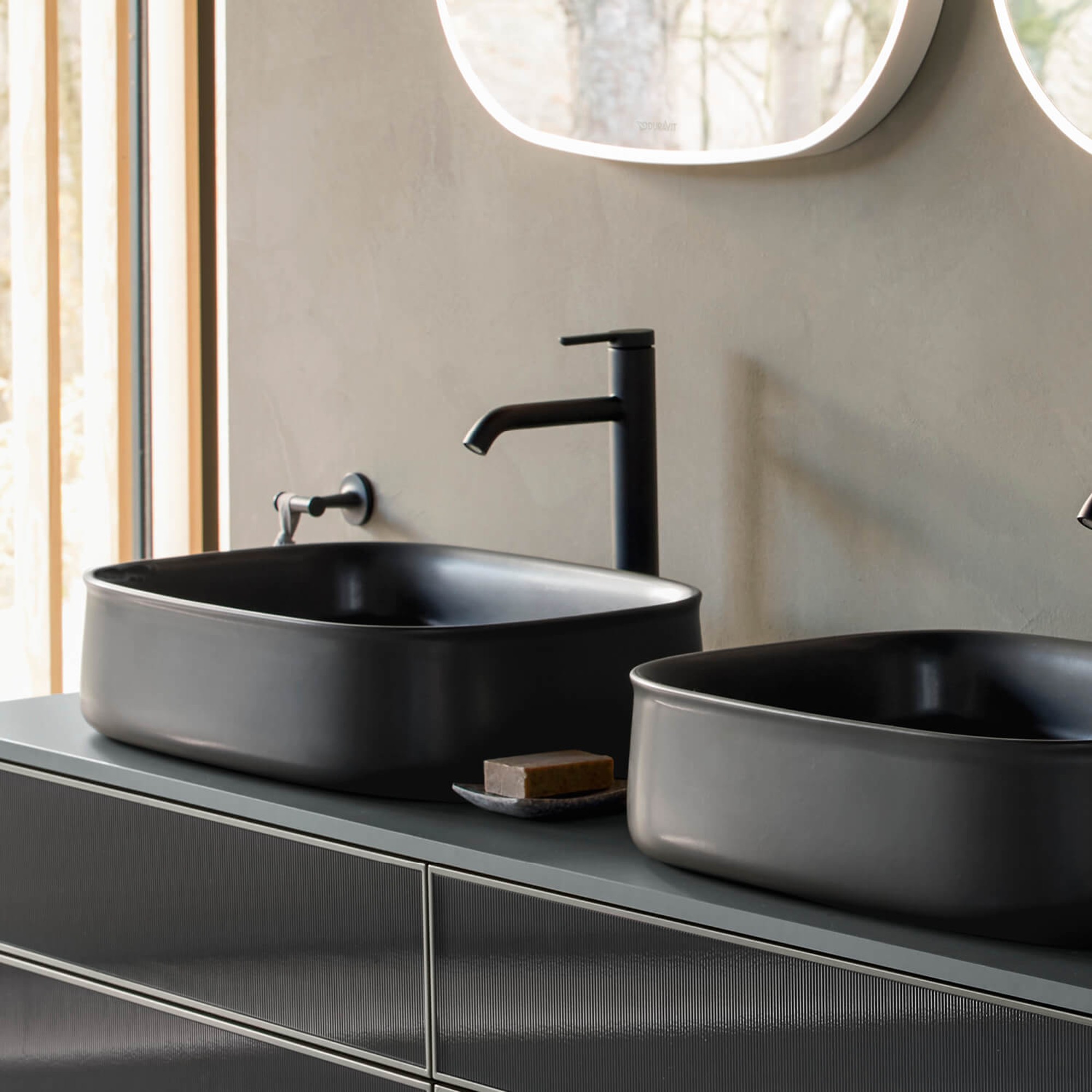
Healing Architecture, then, is not limited to grand architectural gestures. It begins with the details: a secure footing in the shower, a well-proportioned vanity unit, and bathroom fixtures that convey a sense of calm and quality through their precise craftsmanship and pleasant texture.


-Mark-Seelen_1_1.jpg)