Duravit in public spaces
Proper bathroom planning: In public buildings


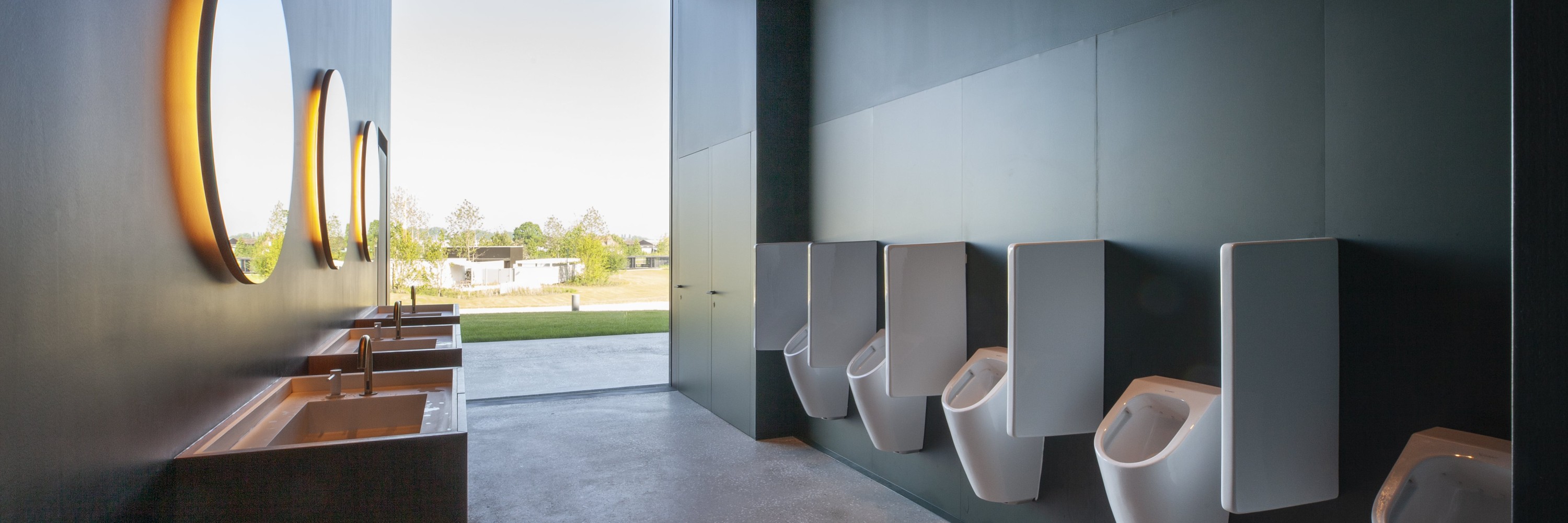
The design of bathrooms and toilets in public buildings such as schools, administrative offices, and museums requires a holistic approach that combines functionality, hygiene, safety, aesthetics, and sustainability. With solutions from Duravit, public institutions can not only meet the needs of their users, but also create a positive and inviting environment. At a time when hygiene and comfort are more important than ever, innovative approaches are setting new standards for public sanitary facilities.

Focus on hygiene and cleanliness
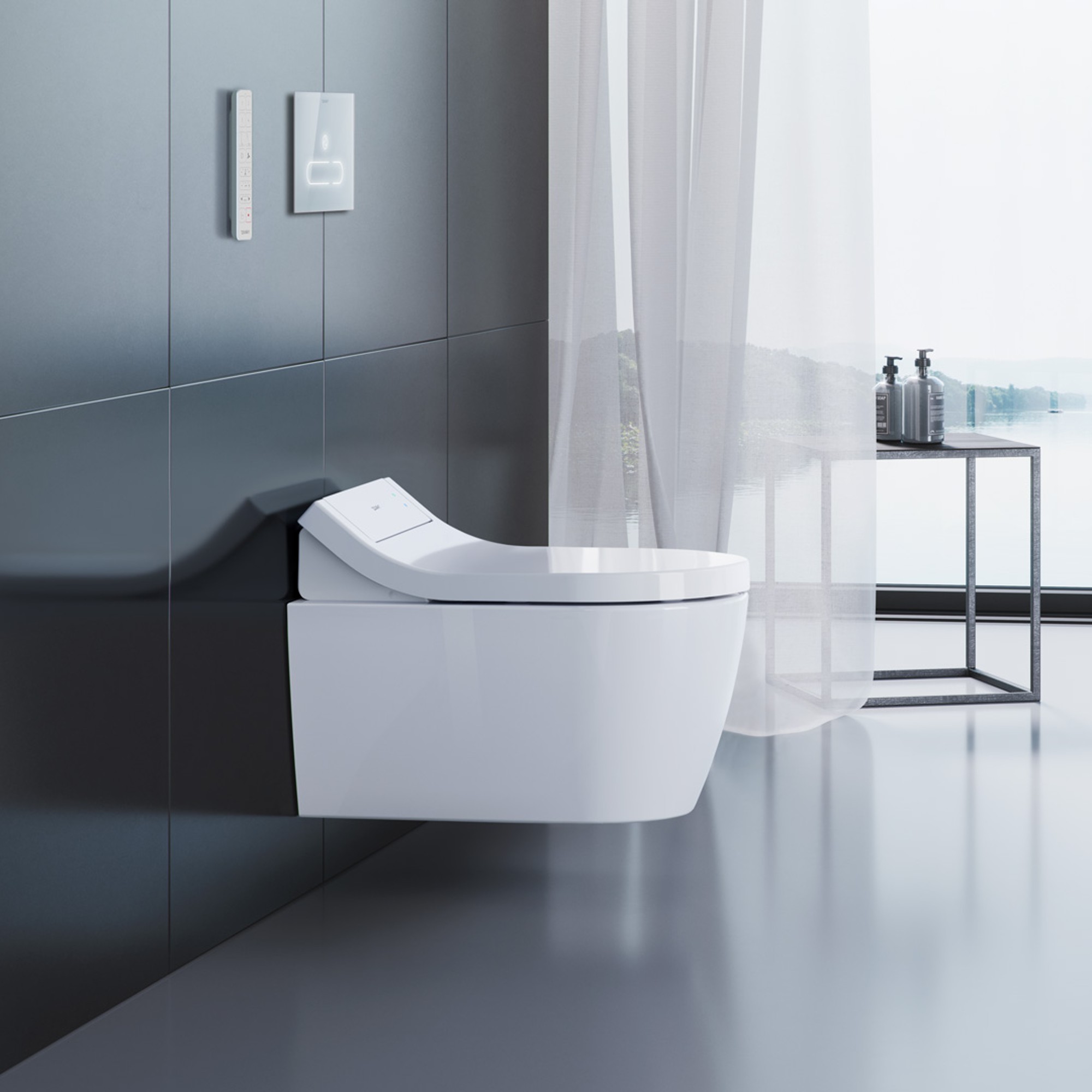
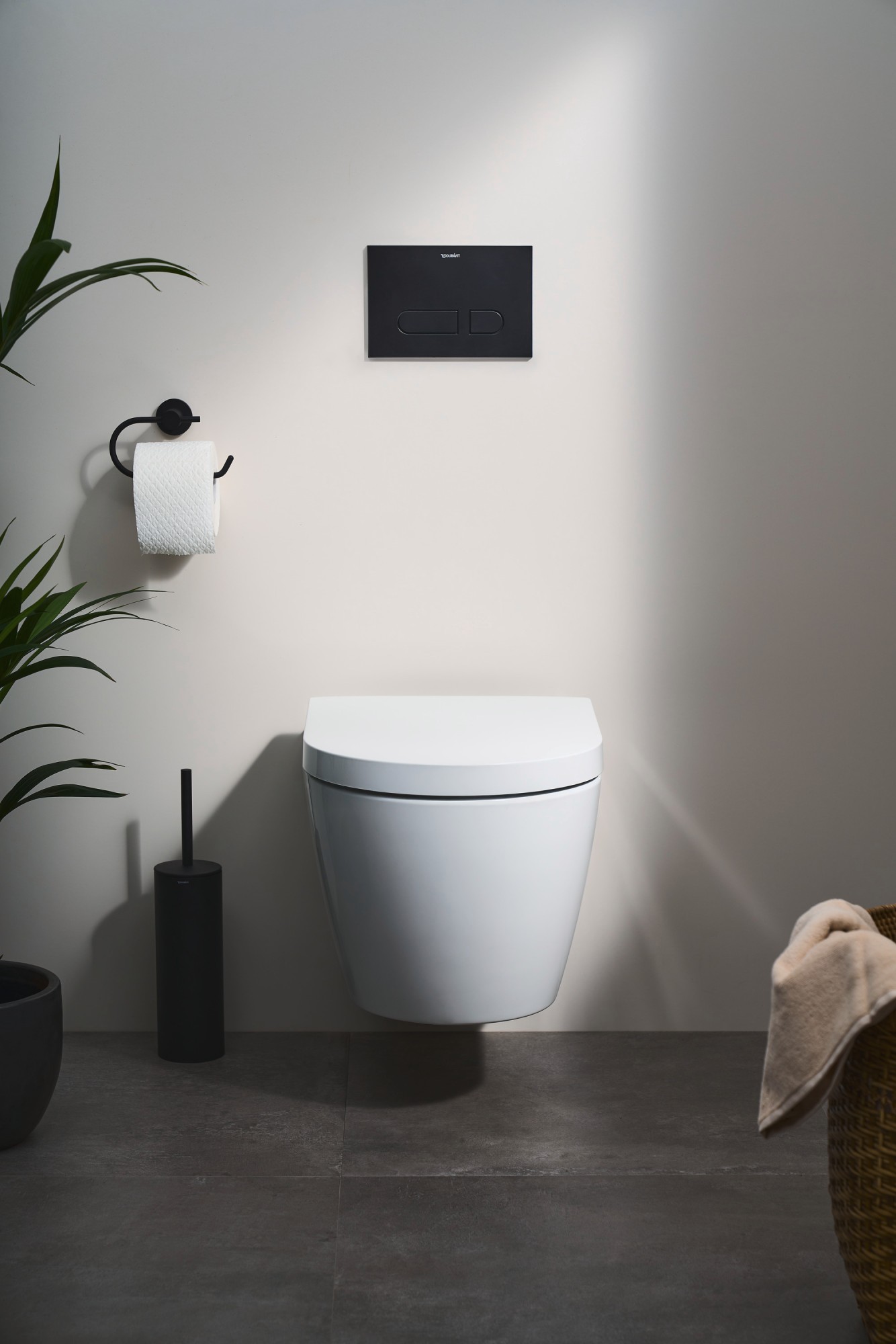
Hygiene is of utmost importance in public toilets. Experiences in recent years have made this issue a particular focus of attention in public spaces. Duravit uses materials and finishes that make cleaning easier, such as the antibacterial DuraShield® glaze, which minimizes germs and bacteria. Touch-free faucets and soap dispensers also contribute to hygiene. The materials and finishes should also be robust, as they are used by multiple users and at a fairly high frequency.

Accessibility as a cornerstone
Accessibility is a key concern. Facilities must be accessible to all users, including people with disabilities. Duravit offers accessible bathroom solutions such as wheelchair-accessible sinks that provide sufficient space for wheelchairs. These designs promote independence and comfort for all users. User safety is another important aspect. Non-slip floors and shower trays, as well as adequate lighting, are essential to prevent accidents. In addition, the layout of the toilets should be designed in such a way that the privacy of users is maintained. Closed cubicles and well-designed partitions are of great importance here.
Aesthetics and sustainability
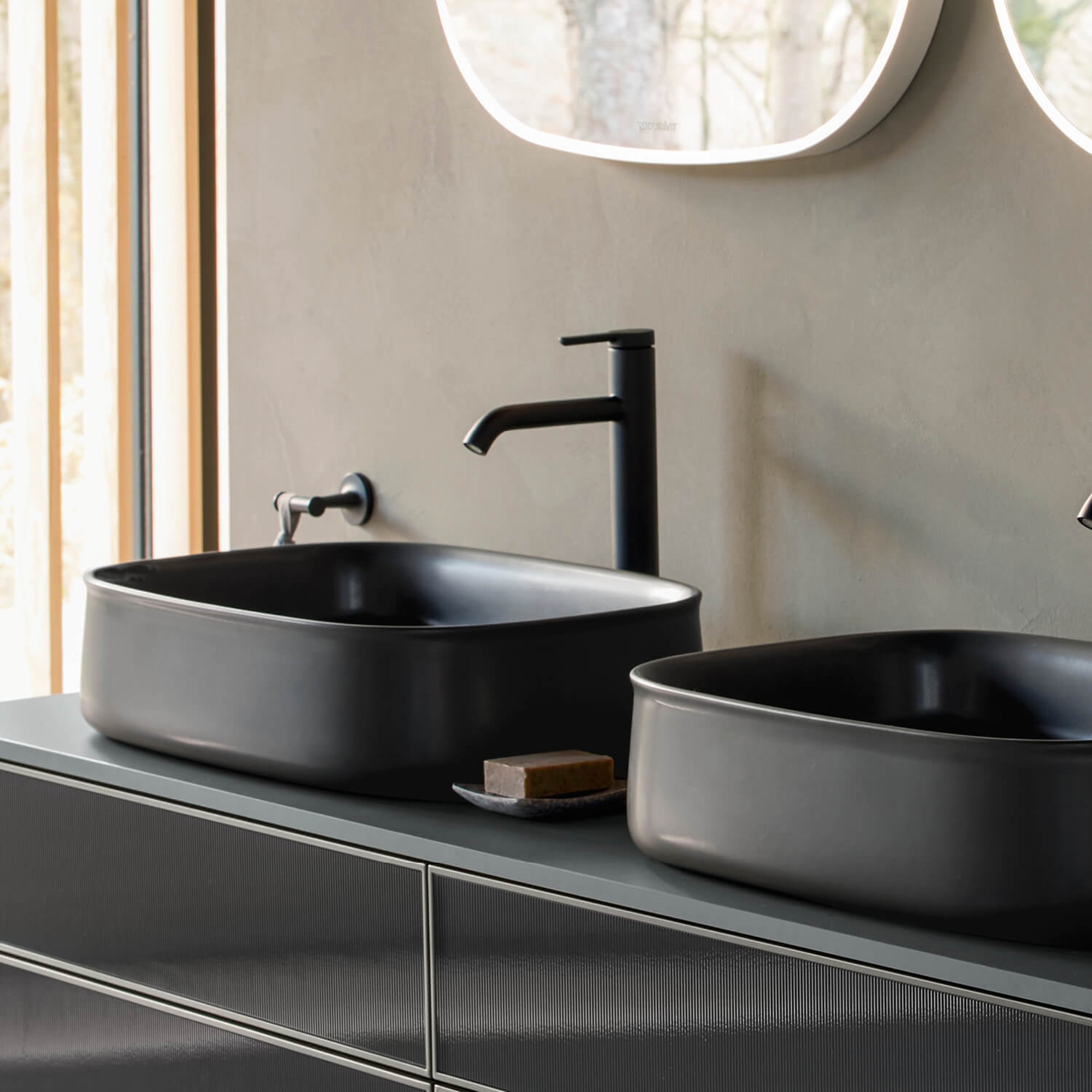
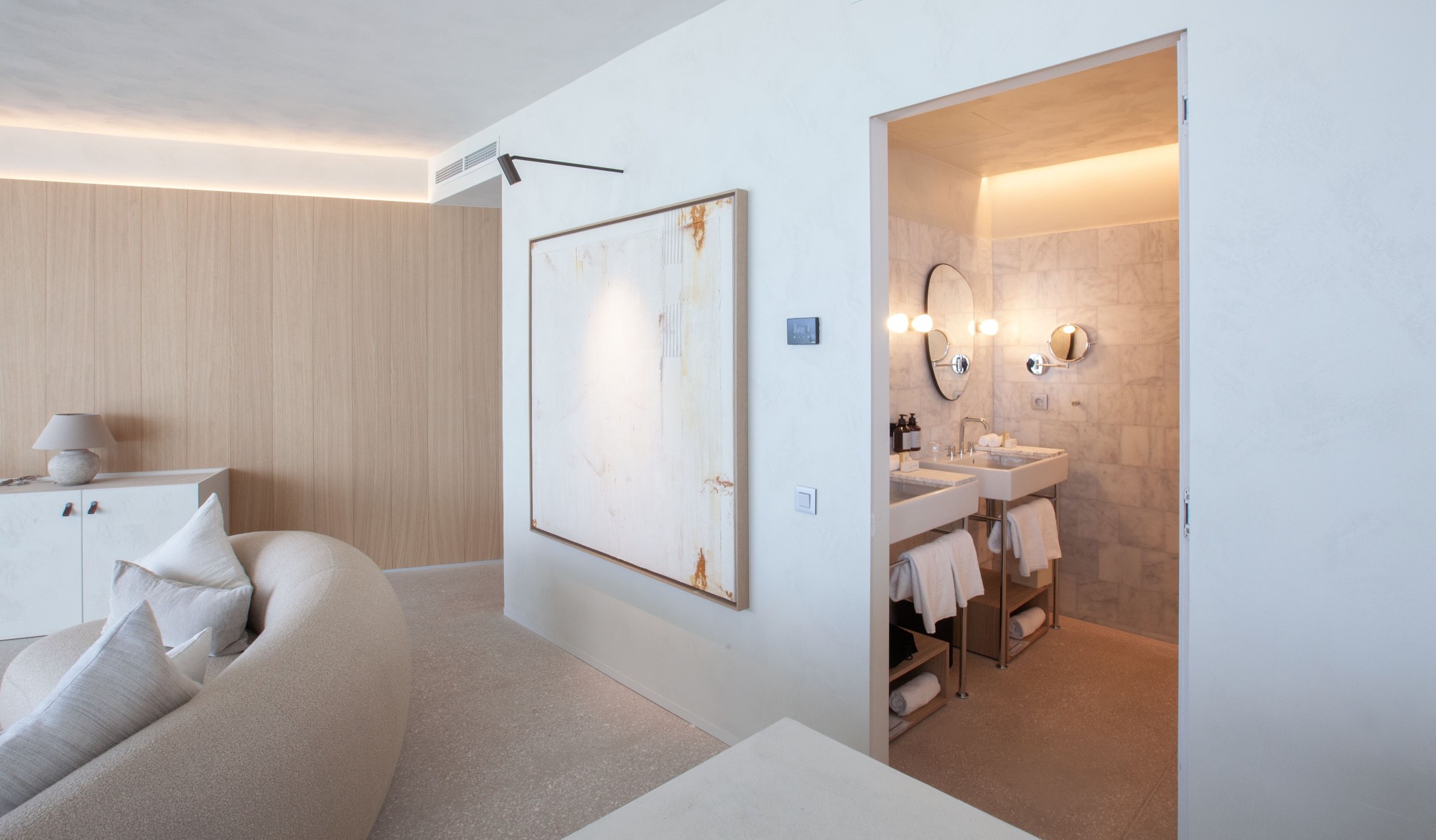
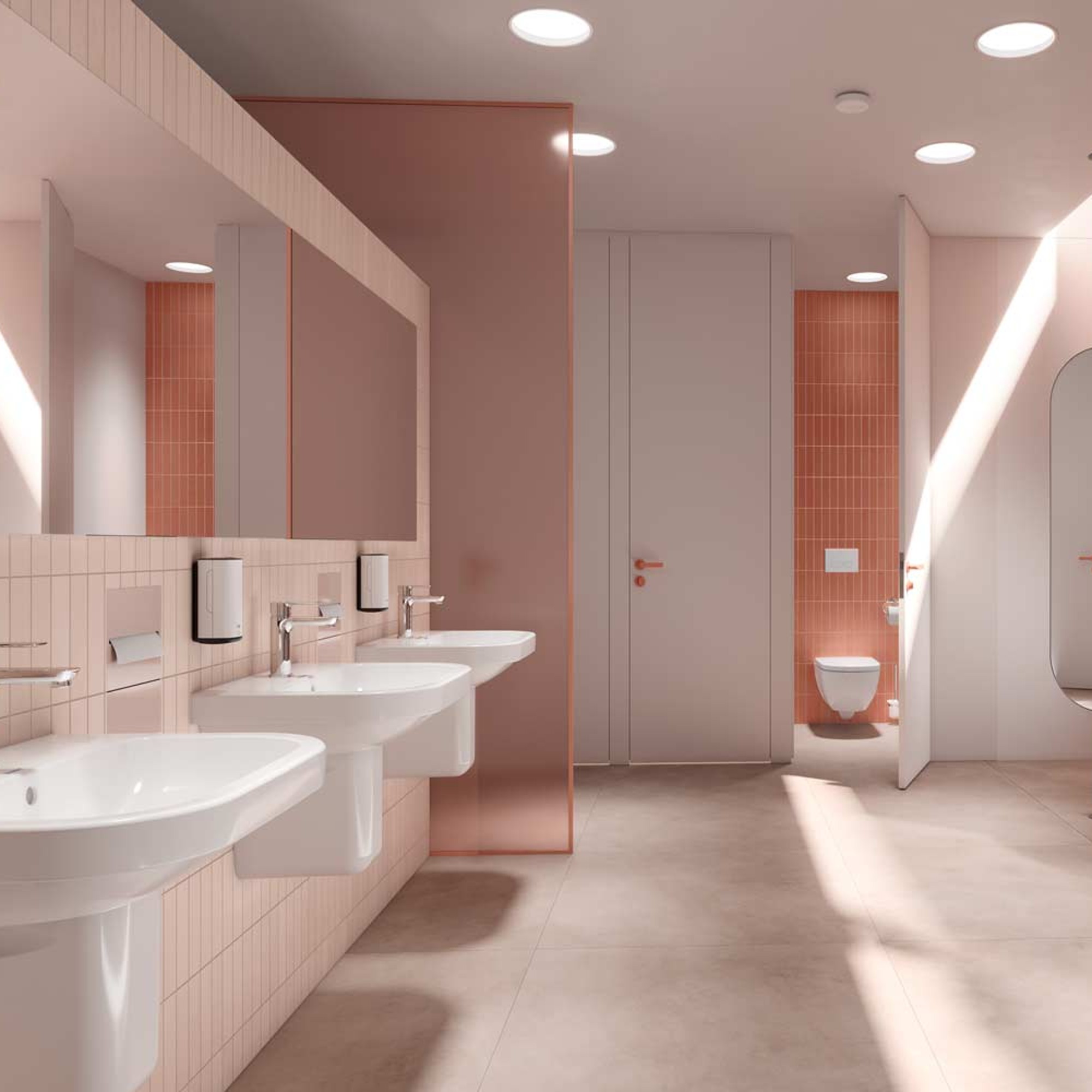
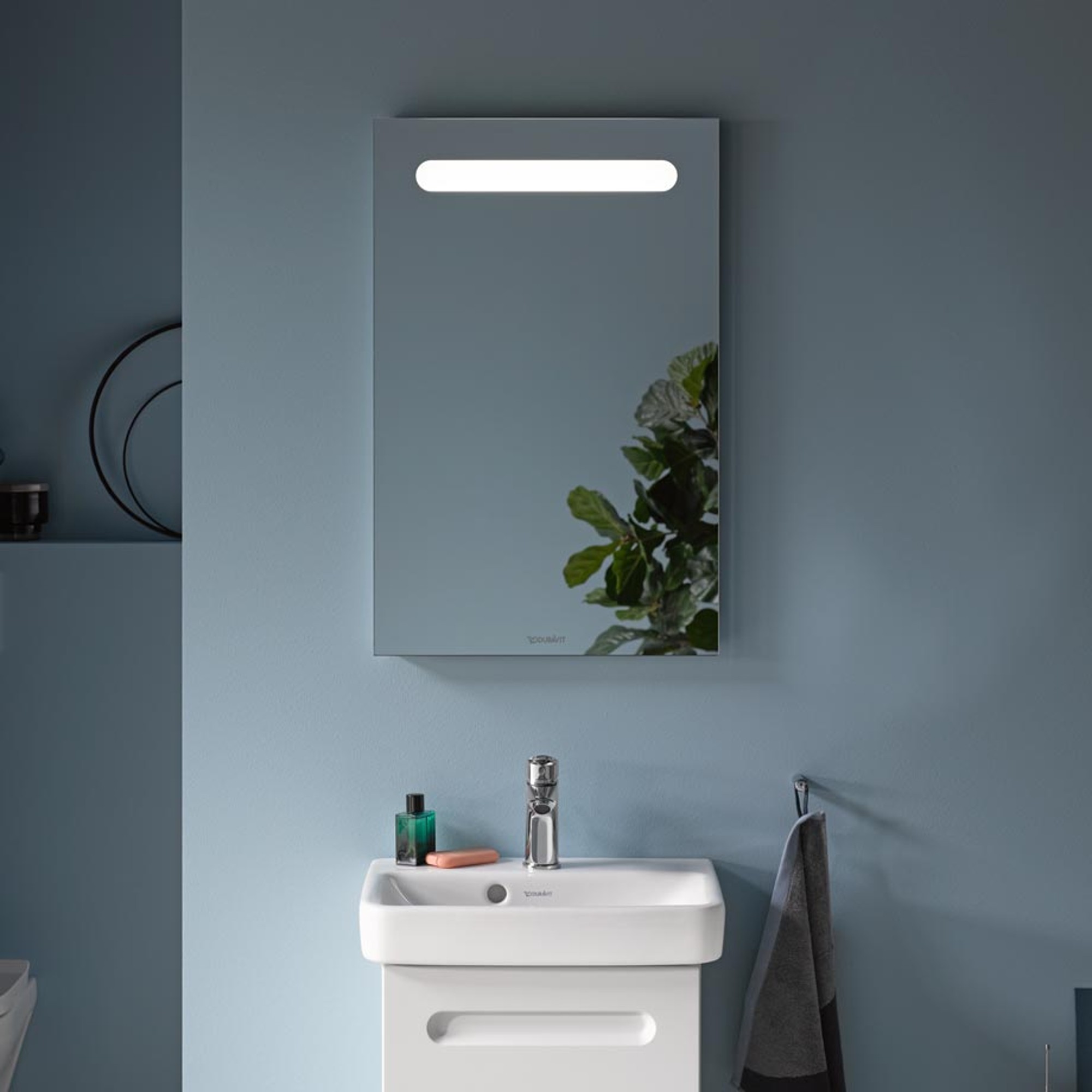
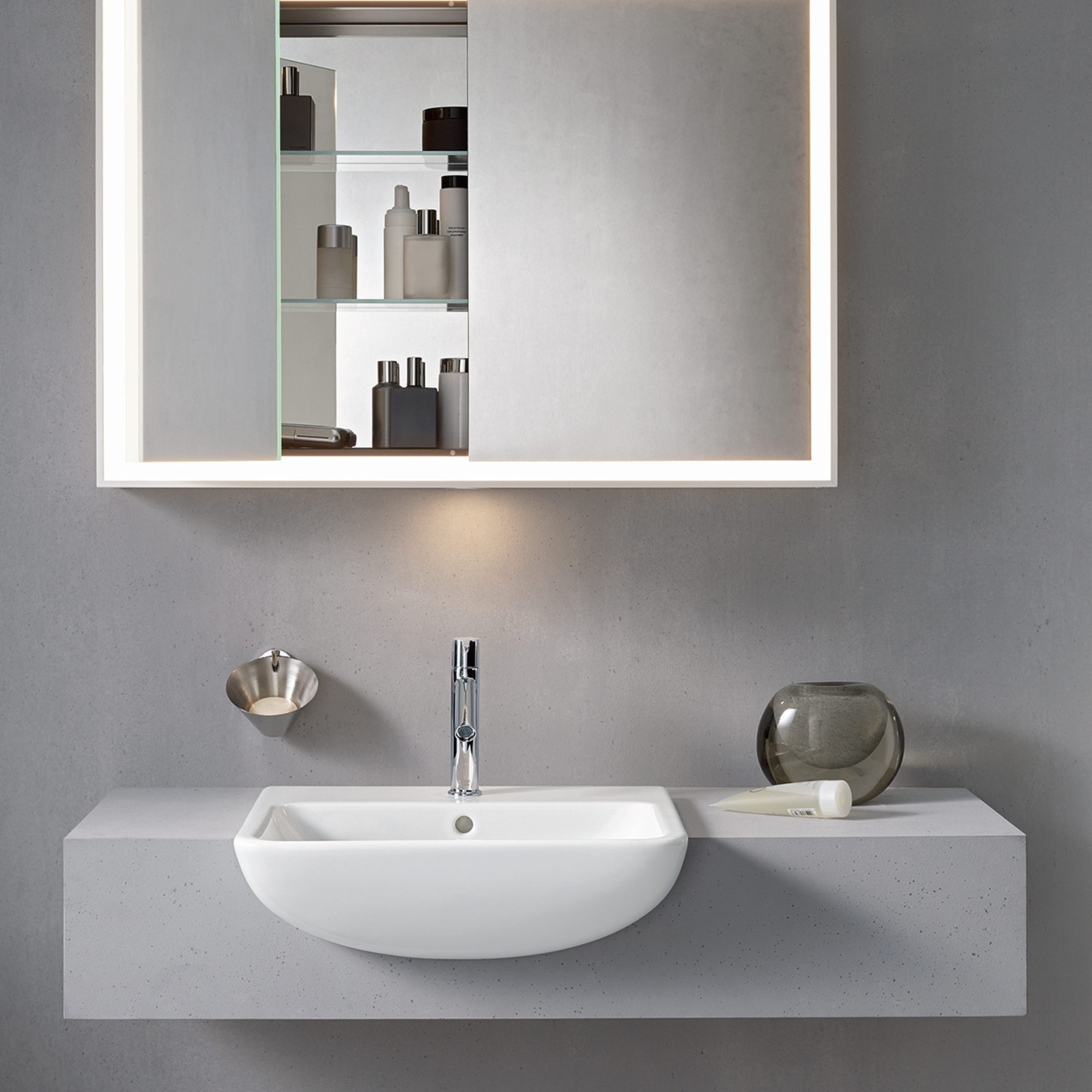
The design of sanitary facilities should be appealing and inviting. Increasingly, it is the sanitary facilities that make the subtle difference in the overall interior design. Duravit offers a wide range of designs by renowned designers that blend harmoniously into the overall appearance of a building – from pragmatic designs to unusual models from the manufactory. Sustainability also plays a central role. Duravit focuses on water-saving faucets and energy-efficient production to minimize its ecological footprint.
The most important aspects of bathroom planning in public buildings:
- High durability – robust, vandal-proof materials should be used for high frequency of use.
- Hygienic fittings – touch-free faucets and antibacterial finishes promote cleanliness
- Barrier-free concept – inclusive planning for all users is crucial here
- Energy and water efficiency – sustainable technology achieves low operating costs
- Easy maintenance and cleaning – thanks to standardized, easy-care products for quick results
- Intuitiveuse – clear operation and easily understandable systems are the benchmark here.
- Privacy and sound insulation – acoustically optimized sanitary rooms provide a pleasant background noise level
- Flexibility for different uses – products and systems can be adapted to various public facilities
- Safety standards – non-slip floors and adequate lighting are mandatory here.
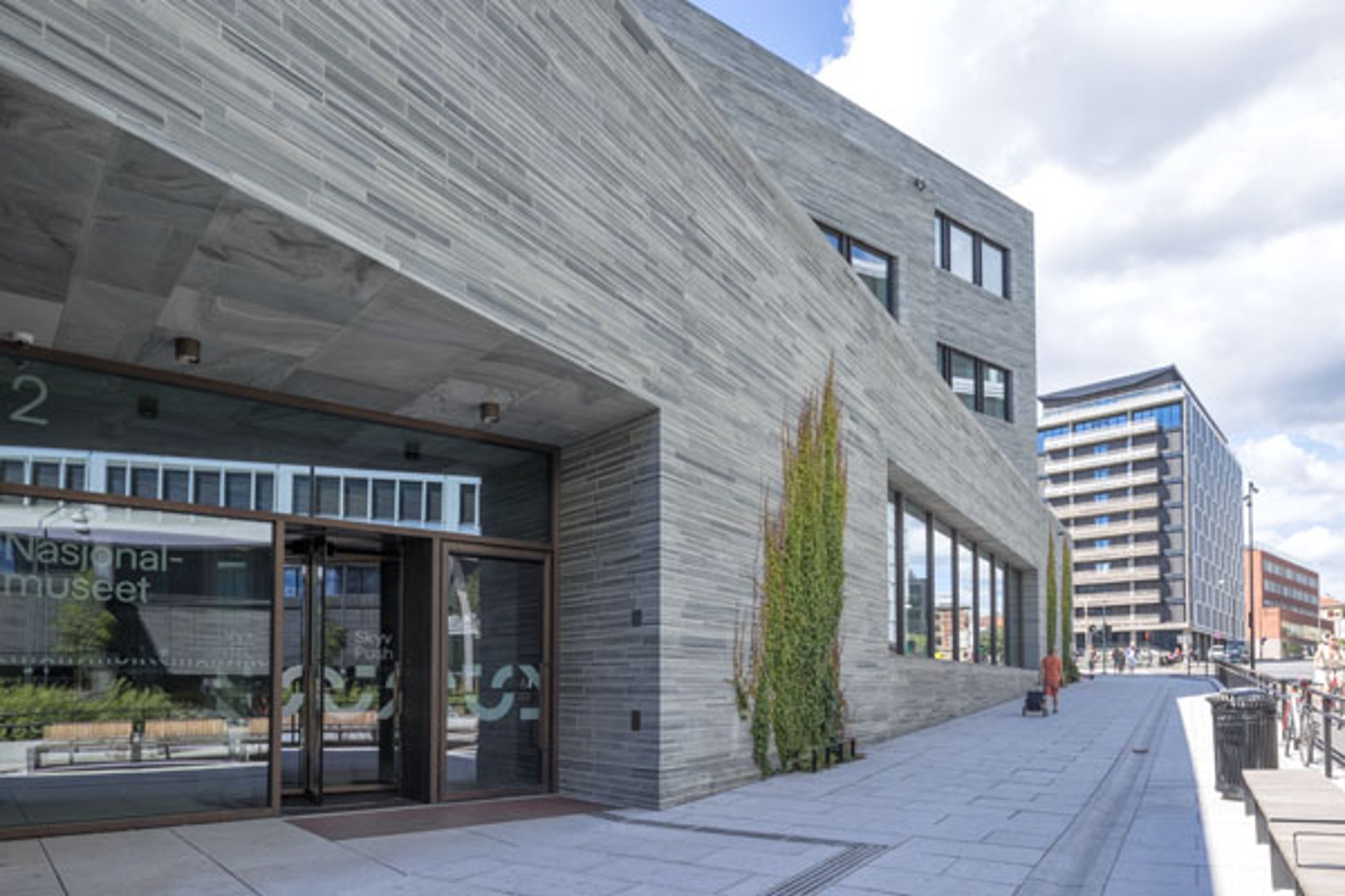
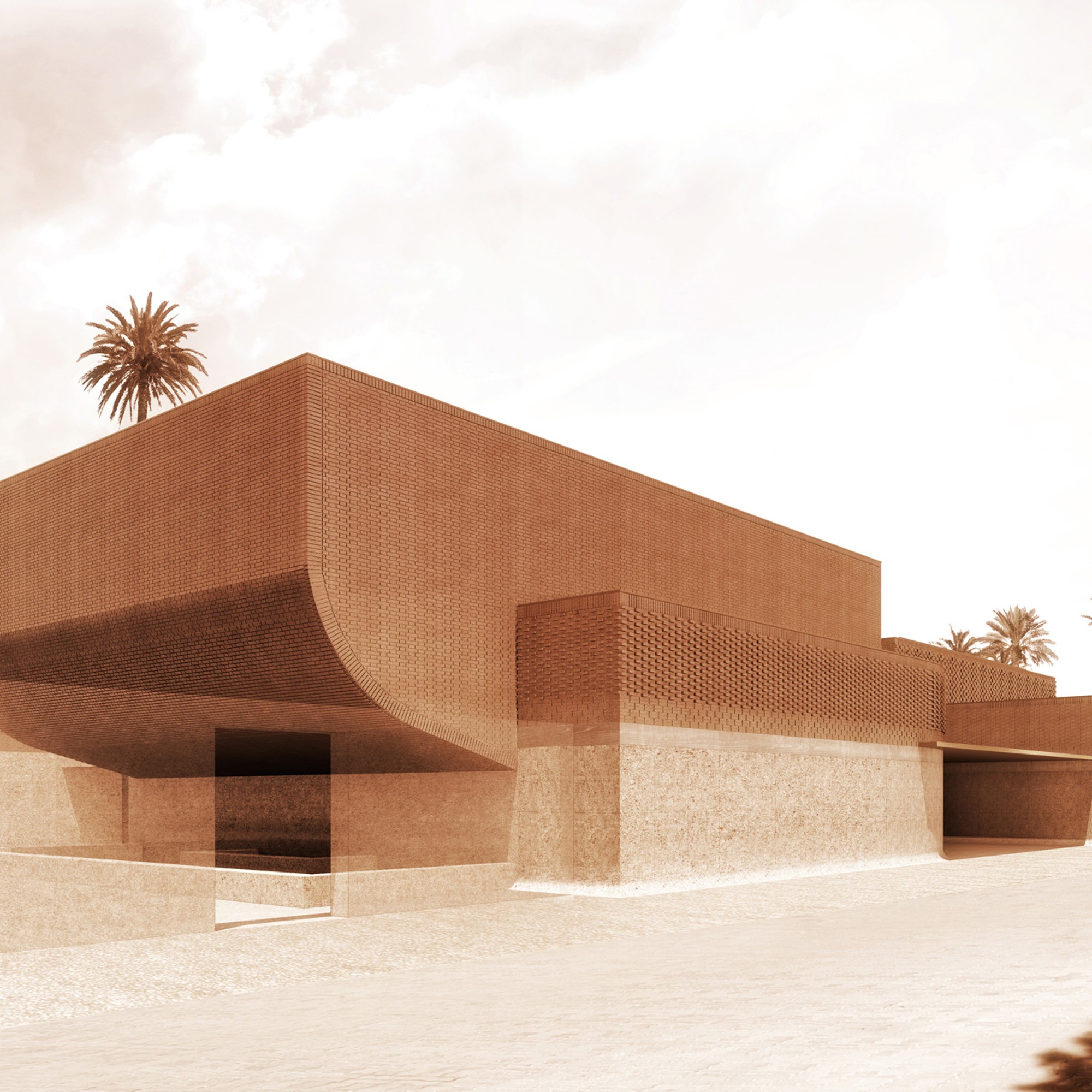
- Aesthetic integration – the bathroom concept and products should match the architecture of the building


_1_1.jpg)