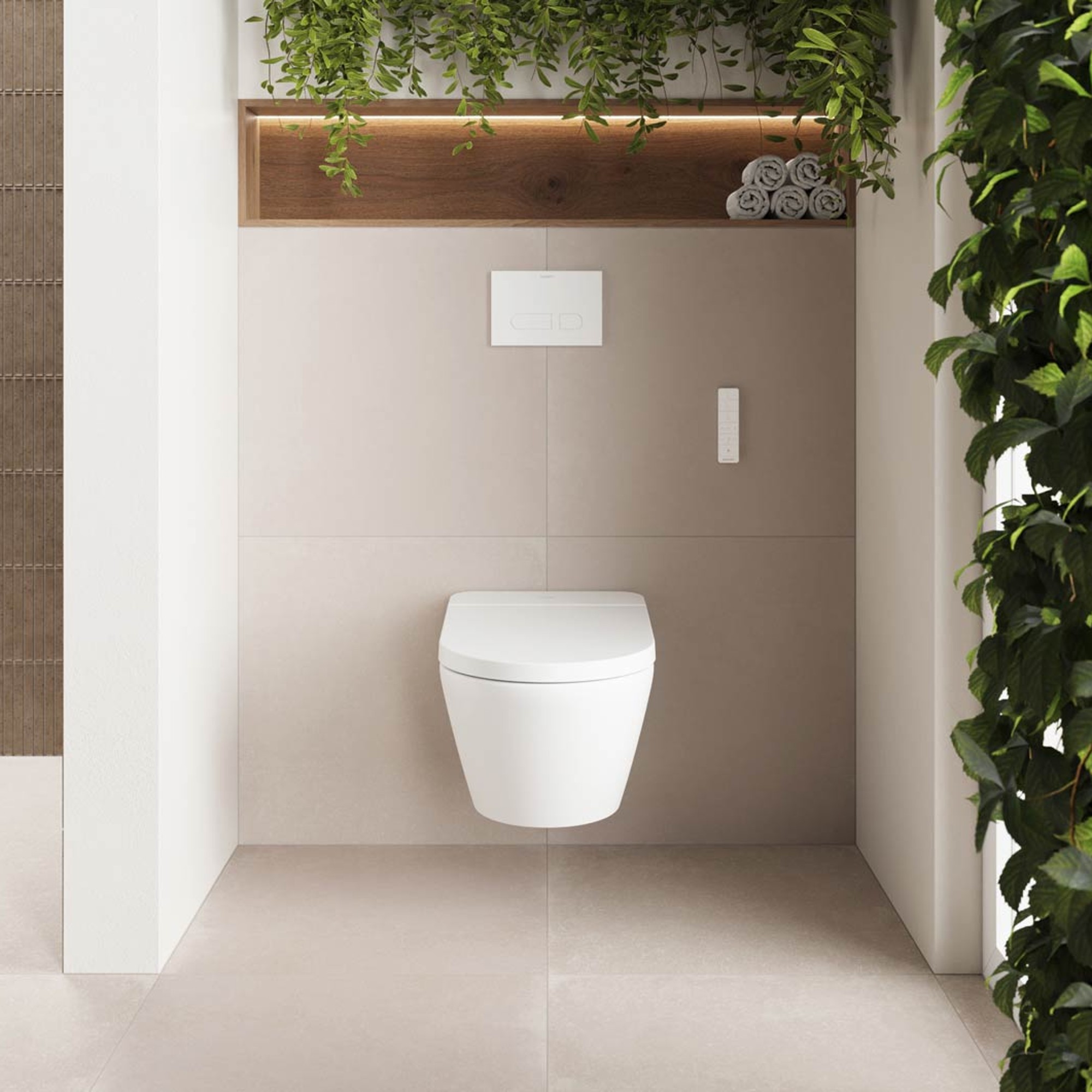
Wall-mounted toilet from the Duravit ME by Starck series in the Hero Edition

Clogged toilet – what should I do?

A clogged toilet is unpleasant in many ways, but it’s usually quite easy to fix on your own. Often, all you need are common household items or a plunger. We’ll show you how to unclog a toilet drain and what not to flush down the toilet to prevent future clogs.
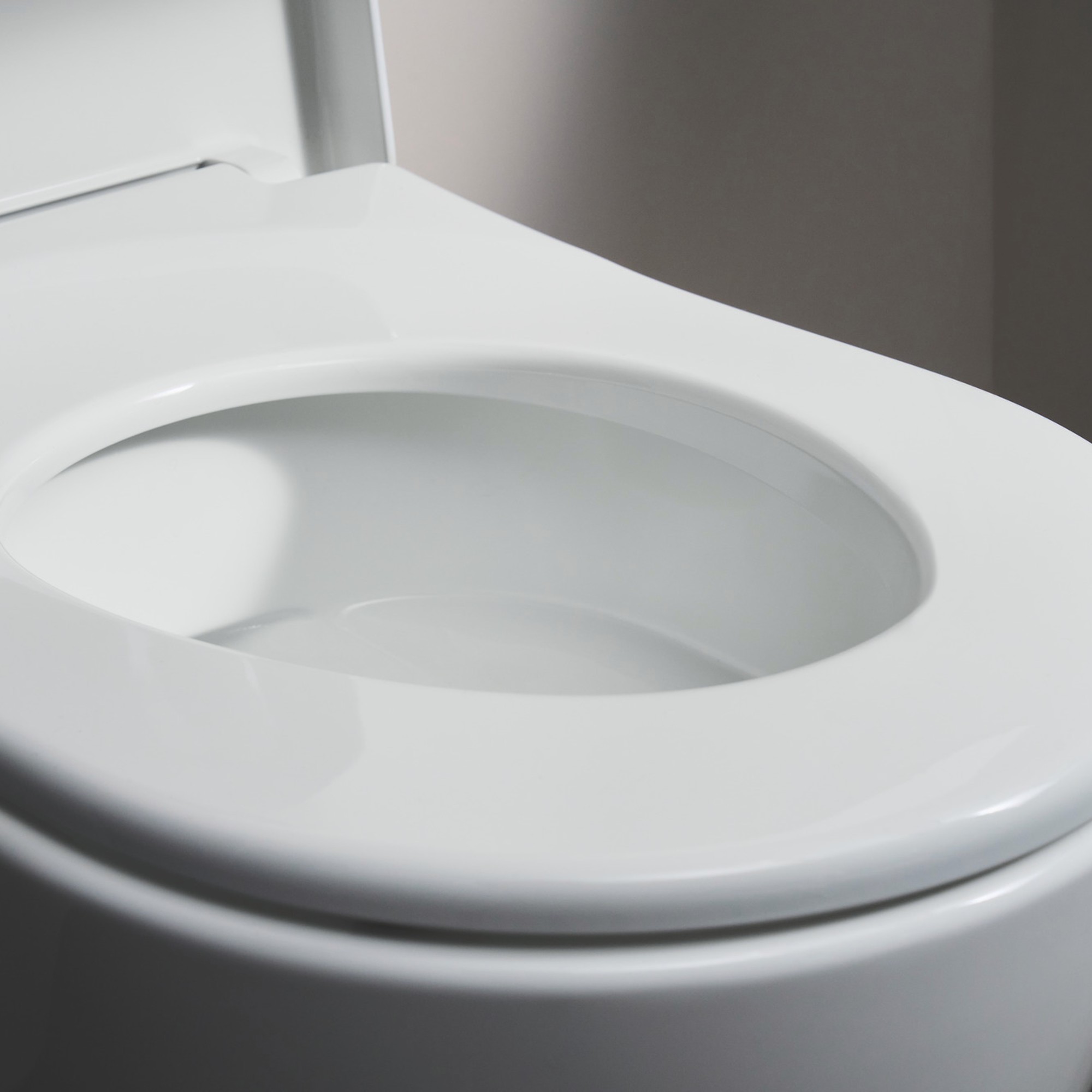
Top view of the open toilet from the Duravit ME by Starck series in the Hero Edition

Here's how to tell if your toilet is clogged

Most of the time, a clogged toilet is obvious at first glance, but sometimes the clog isn’t immediately apparent because the toilet is only partially clogged. The following symptoms are clear signs of a clogged toilet:

  • The water isn't draining.
  • The water drains very slowly.
  • The toilets make gurgling noises when flushed.
  • The toilets smell bad.

Our 6 Tips for unclogging a Toilet

If the toilet is clogged, you shouldn’t just flush it repeatedly, as this could cause it to overflow. Instead, wait until the water level returns to normal, or use a bucket to scoop some water out of the toilet. For safety, put on gloves and, if necessary, safety goggles before trying the following tips.
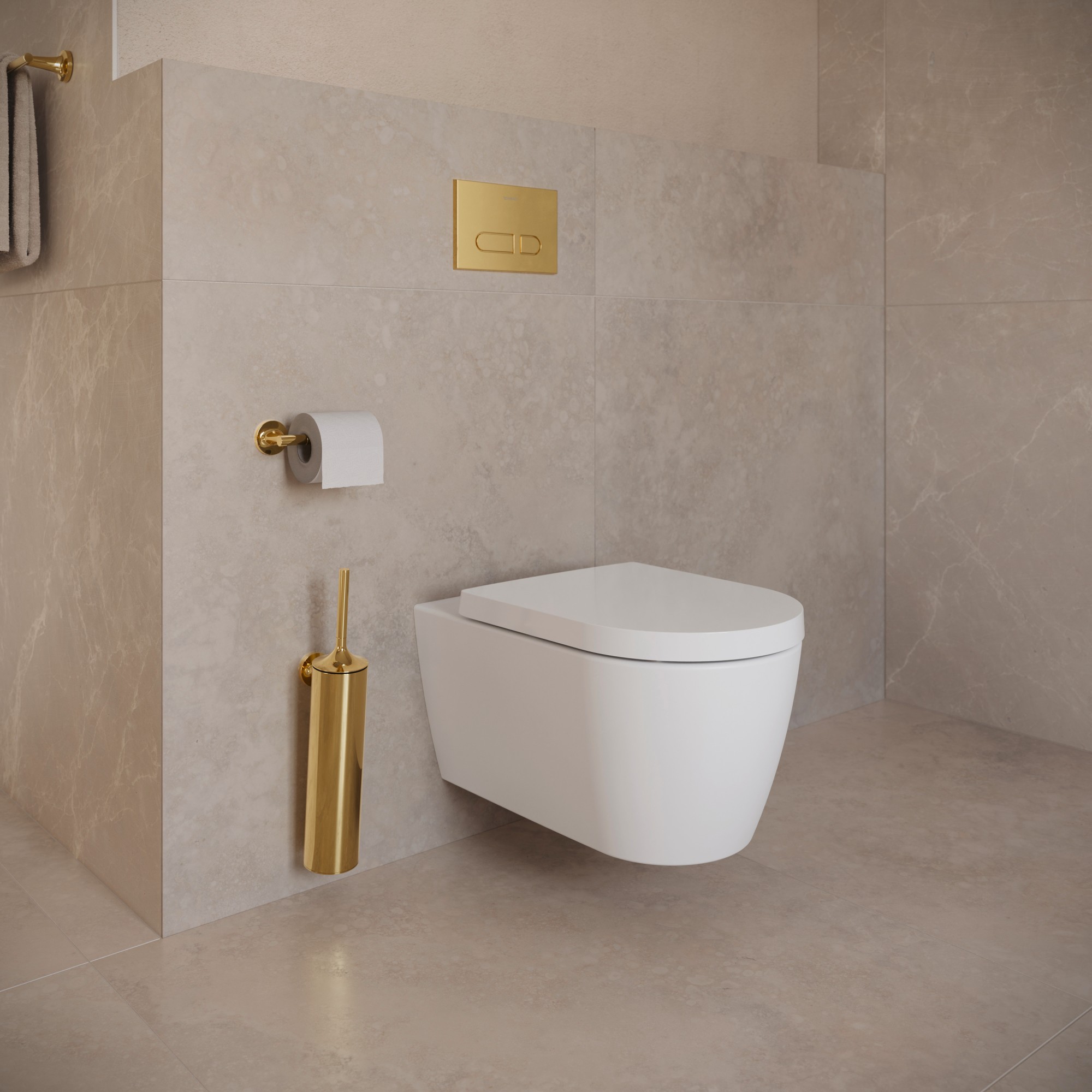
Duravit toilet with gold-plated faucets, control panels, and accessories

1. Remove excess toilet paper using a trash bag

If the toilet is clogged because too much toilet paper was used and some of it is still visible in the bowl, you should try to remove as much of it as possible. Do not try to flush it down. Instead, slip a trash bag over your hand and use it to remove as much toilet paper as possible. Dispose of the toilet paper along with the bag in the general waste.

By the way: In this article, you’ll learn some interesting facts about toilet paper.

Duravit Starck 3 series toilet, viewed from above

2. Soak it in dish soap and pour hot water over it
If your toilet is only slightly clogged, dish soap and hot water may be enough. Pour a generous amount of dish soap onto the clog, let it sit for about 15 minutes, and then pour hot water over it from a little higher up. The height of the water creates additional pressure on the clog. Make sure the water isn’t boiling to avoid damaging the porcelain.

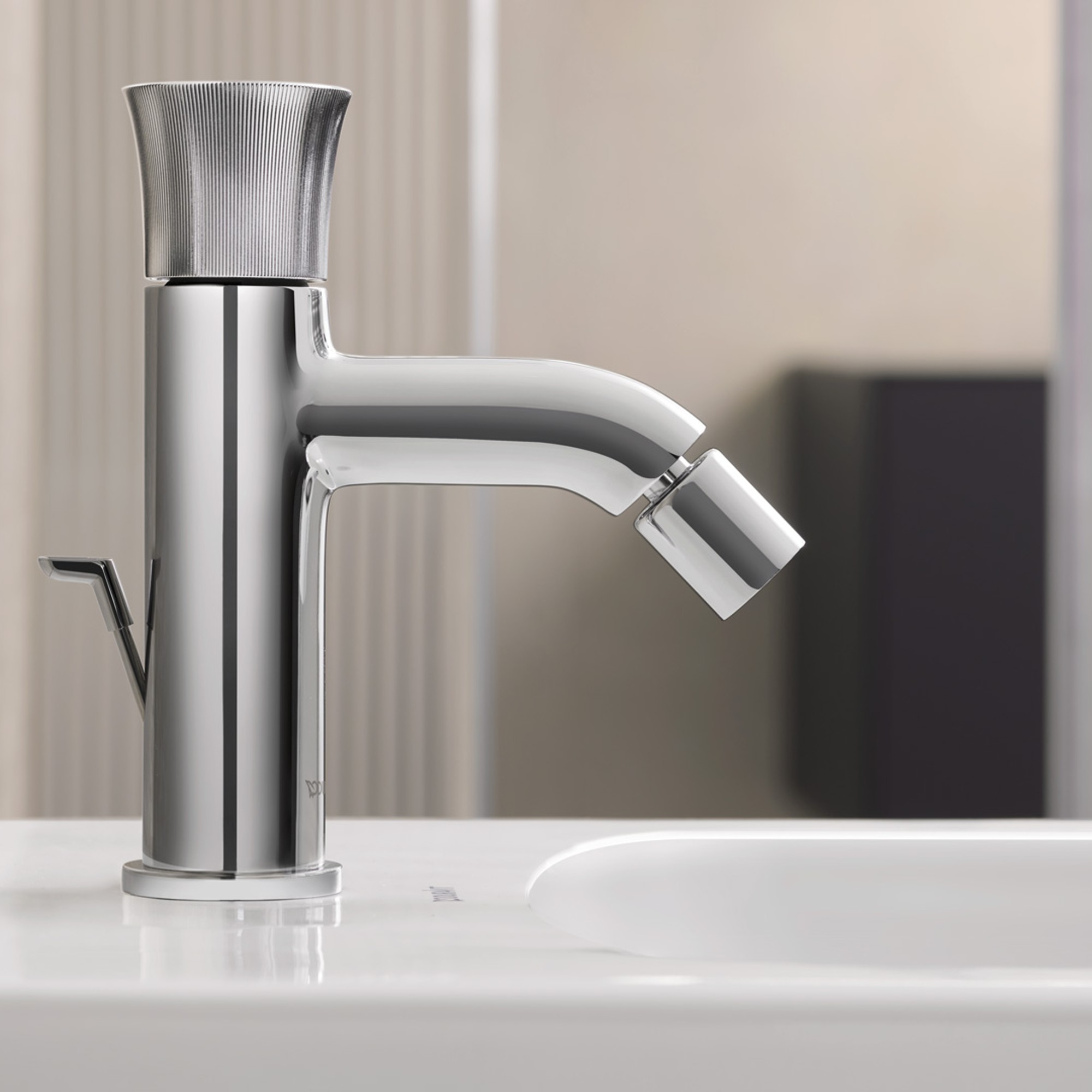
Wall-mounted bidet and toilet from the Duravit Aurena series

3. Mix baking powder with vinegar or cola

If the toilet is severely clogged, you should avoid using harsh drain cleaners at first. Baking soda and vinegar or cola are often enough to clear the blockage and can also clean the toilet drain at the same time.

Pour one or two packets of baking soda into the toilet and follow up with a generous amount of vinegar or cola. The combination of baking soda and vinegar (or phosphoric acid) creates a chemical reaction that releases carbon dioxide. This reaction builds up pressure, causes a vigorous fizzing, and can clear the clog in the toilet. Let the mixture sit for a while, then flush with hot water. Only if this doesn’t clear the clog in the toilet should you try using a drain cleaner.

Tip: Baking soda and vinegar are also an effective way to clean other drains.

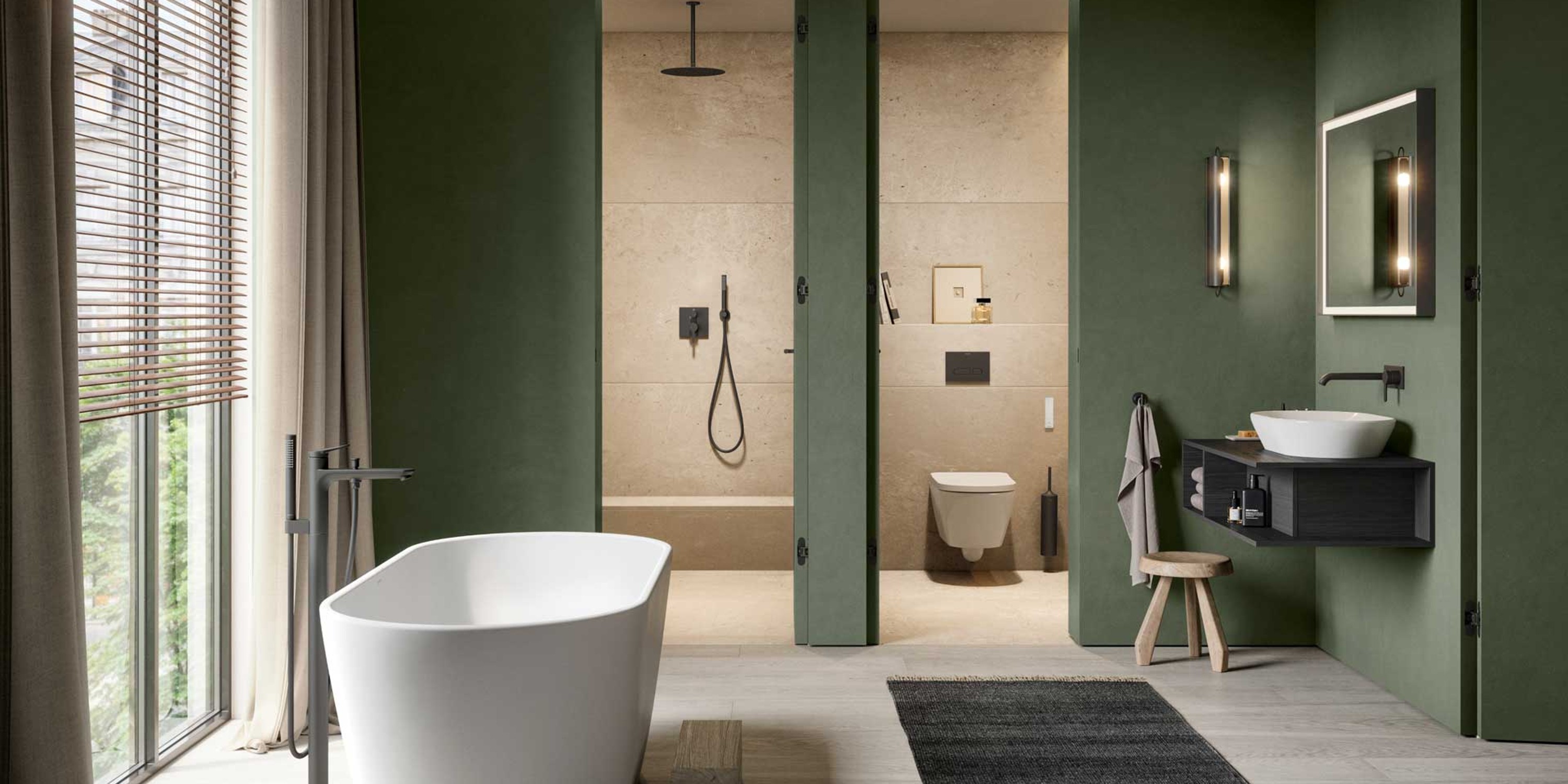
Toilet and bidet from the Duravit Balcoon series in earth tones with black faucets

4. Clear a clog with a toilet brush

If the clog in the toilet isn't visible on the surface, a toilet brush can help in mild cases. Push the toilet brush into the drain and rotate it back and forth several times. Then try flushing while pushing the brush into the drain.

Wall-mounted shower toilet from the SensoWash D-Neo series, viewed from the front

5. Create positive and negative pressure using the suction cup
To clear a hidden clog in the toilet, you’ll need the right tools. Usually, a plunger is used to remove the clog. To do this, place the plunger over the drain so that it forms an airtight seal, and then pump it several times. The pushing and pulling creates positive or negative pressure in the drain, which ideally dislodges the clog.

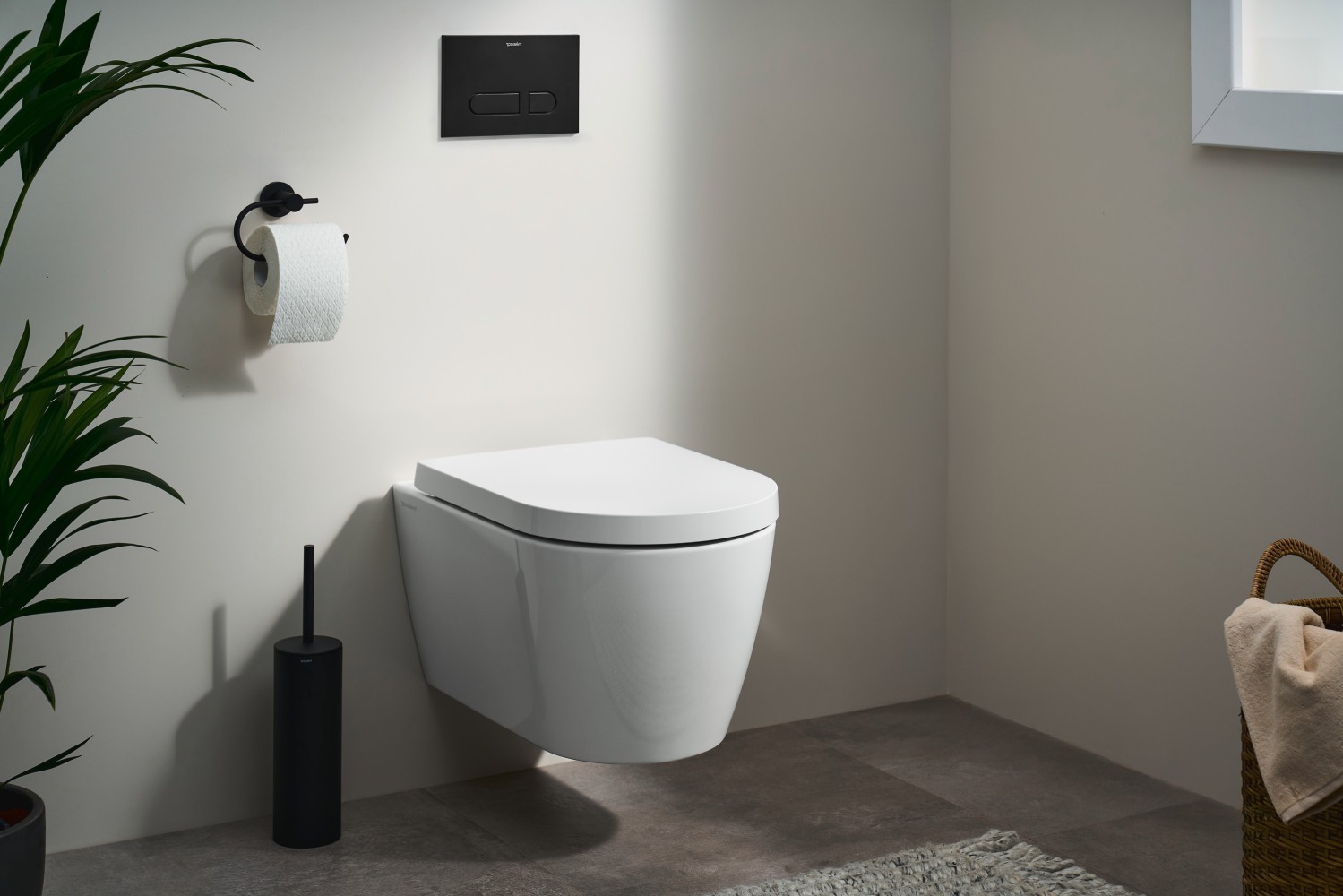
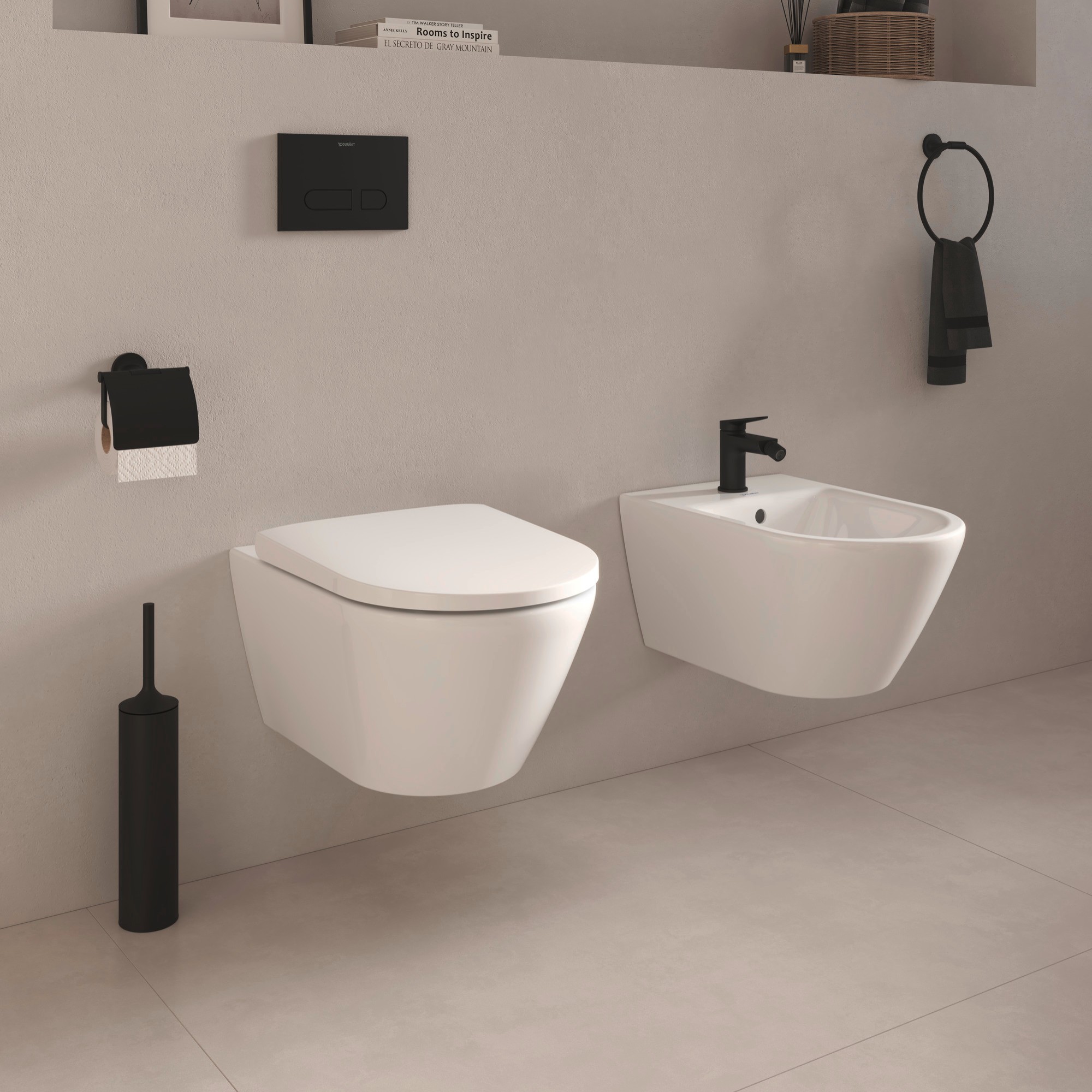
Duravit toilet with matte black faucets, control panels, and accessories

6. Use a drain snake when nothing else works
If nothing else has worked, you should use a drain snake for deep blockages in the toilets. Insert it gradually into the drain until you reach the blockage. Turn the snake slightly in a circular motion, then try to dislodge the blockage by applying gentle pressure or pulling.

As an alternative to a drain snake, you can use a wire coat hanger that has been bent to fit into the drain. But be careful: a coat hanger can scratch the porcelain, so this is really just a last-resort solution.

By the way: Once you’ve cleared the clog from the toilet, you should flush it a few more times to make sure all traces of the clog are removed. If you were unable to unclog the toilet, you should call a professional plumber. In rental apartments, this is the landlord’s responsibility.

ME by Starck Hero WC Edition toilet seat

Don't flush this down the toilet

Toilet clogs are often caused by improper use of the toilet, and from time to time, people flush items down the toilet that should not be disposed of that way.

The following items should not be flushed down the toilet:

  • Large amounts of toilet paper – it’s better to flush it down once in a while
  • Toilet paper that isn't suitable, such as many wet wipes
  • Pads, tampons, or other hygiene products
  • Paper towels, napkins, or tissues
  • Large clumps of hair
  • food waste
  • Medications

By the way: To effectively prevent clogs in the toilet, it helps if you no longer need toilet paper. Switching to a paperless Shower toilet makes this possible.