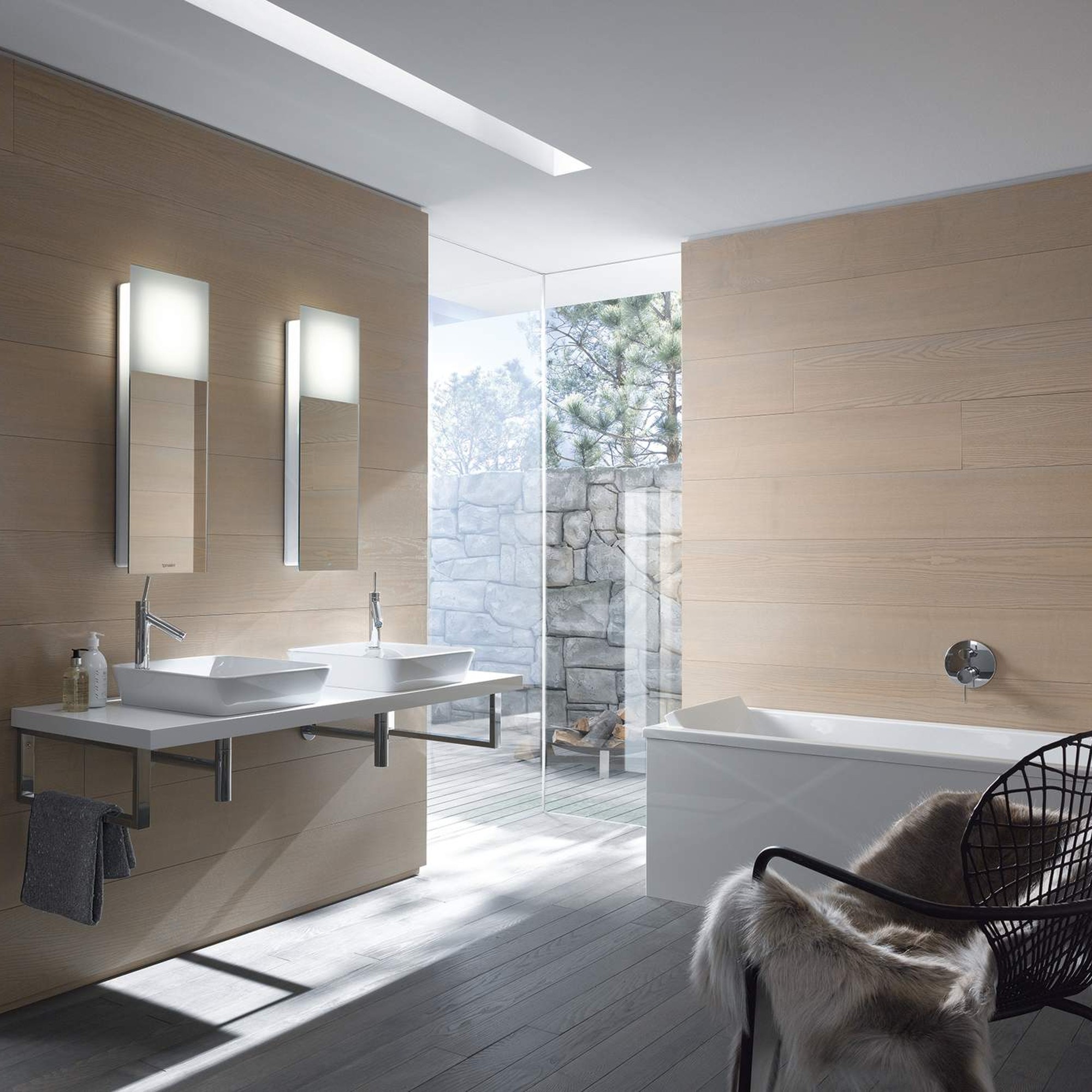
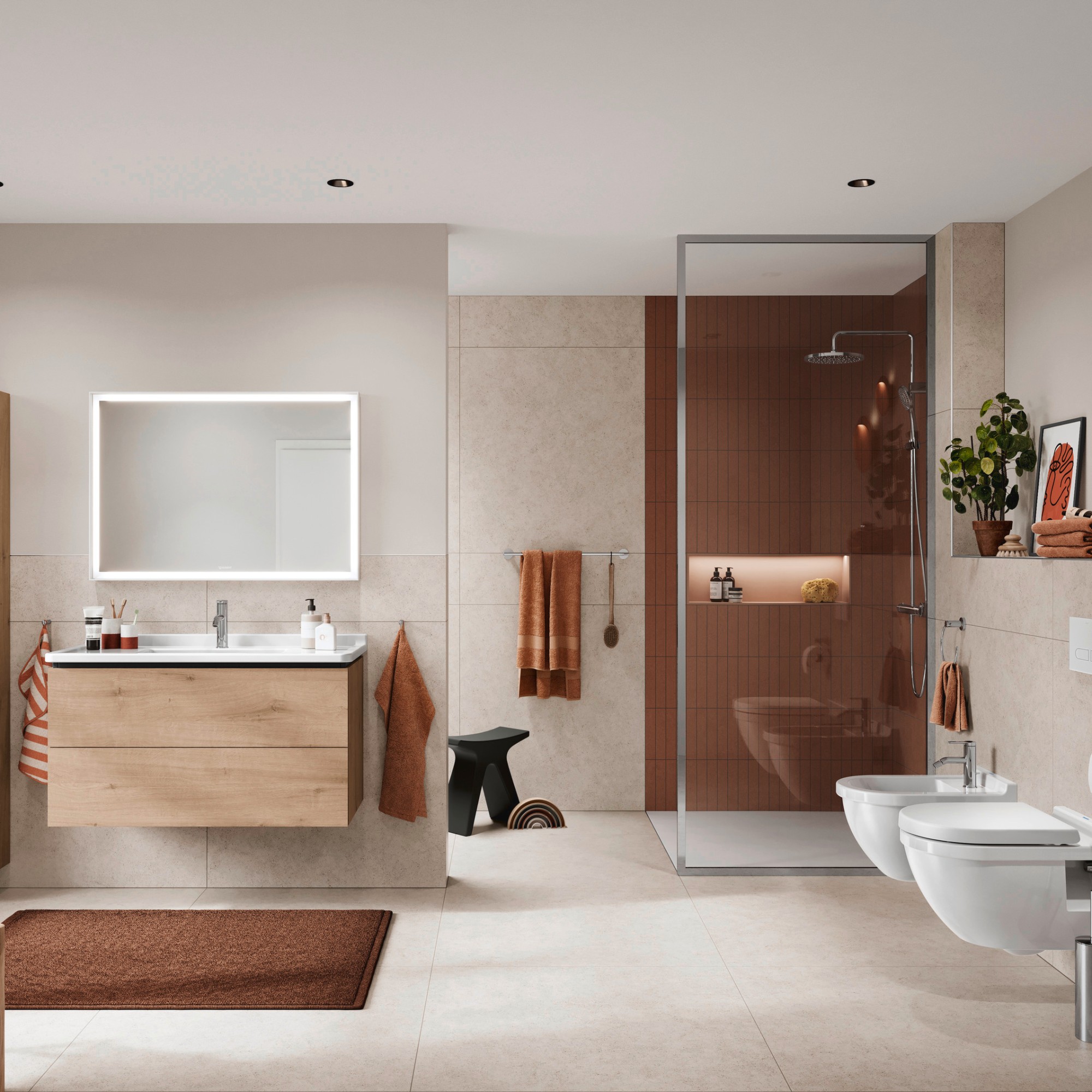
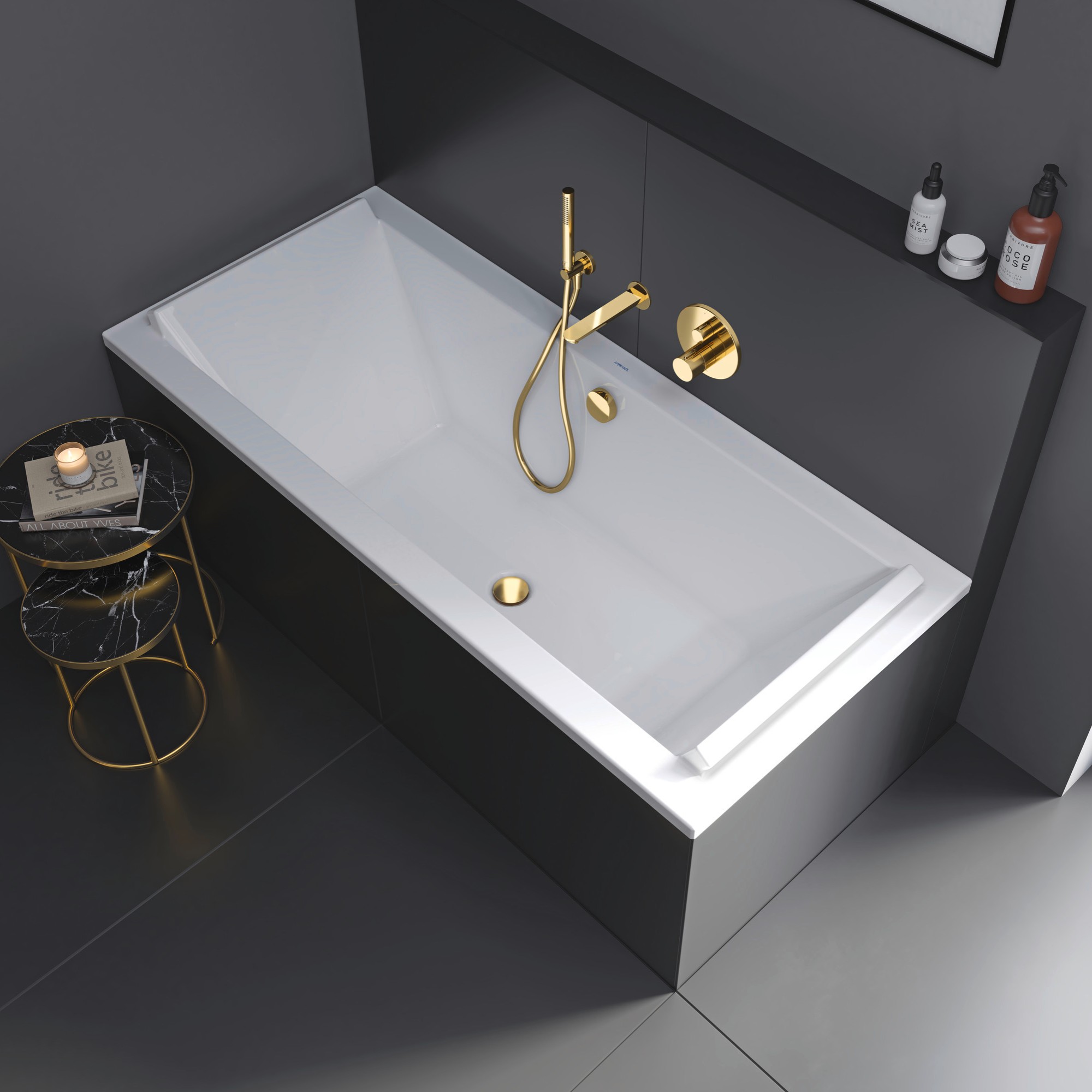
Philippe Starck
The enfant terrible of design
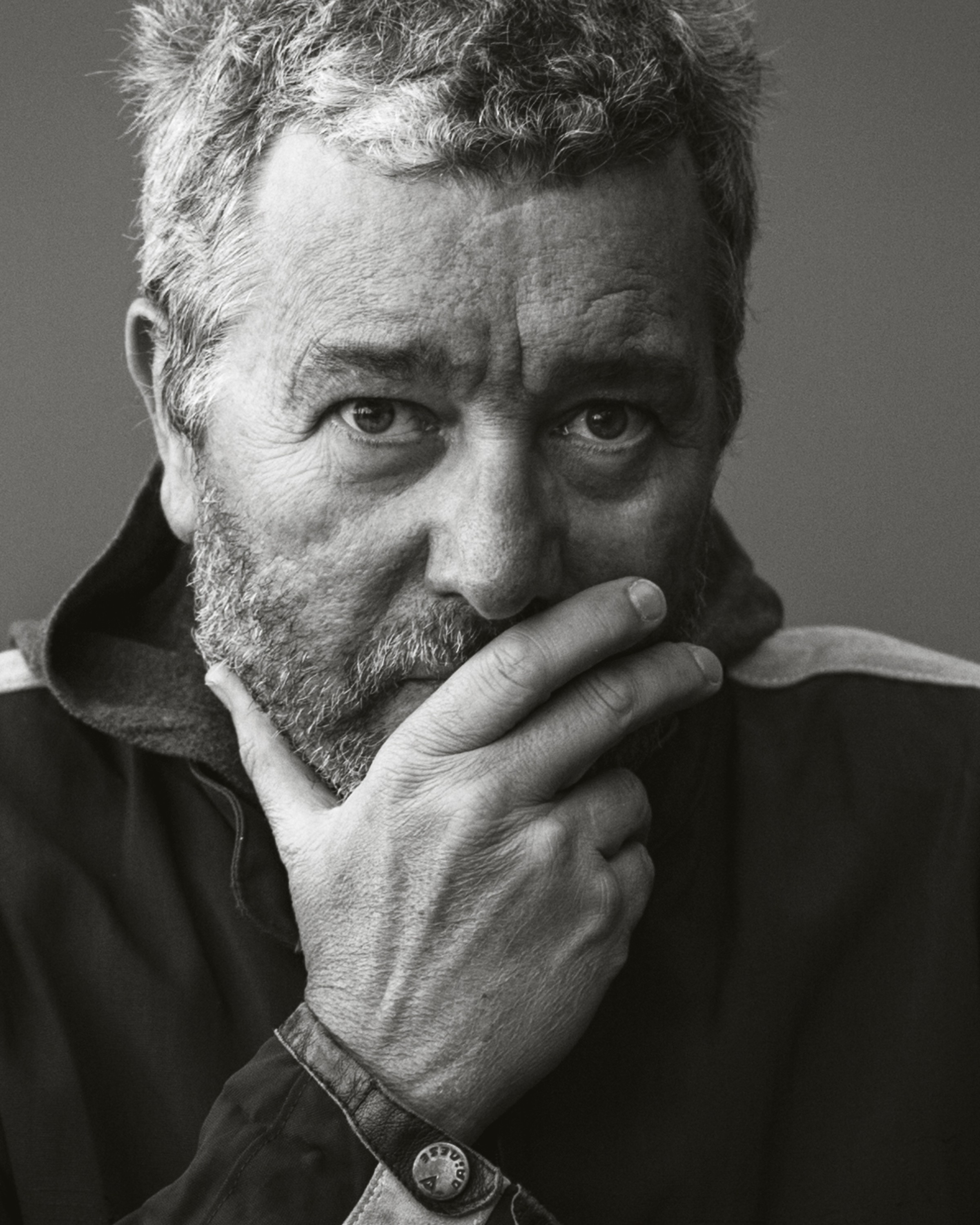
Philippe Starck
Philippe Starck was born on January 18, 1949, in Paris, the son of aircraft designer André Starck and his wife Jacqueline. Starck spent his childhood under his father's drawing table, where he spent hours sawing, cutting, gluing, and sanding. Philippe Starck inherited his inventive spirit from his father and his poetic view of the world and elegant lifestyle from his mother. It was also his mother who advised him to study design at the Ecole Nissim de Camondo in Paris. He took his first steps as a designer with inflatable objects, among other things, before Starck became known for furnishing the private rooms of French President François Mitterrand in the Élysée Palace in 1983. The interior design of the Café Costes in Paris made him an international star shortly thereafter. Today, he creates "intelligent" objects full of humanity: televisions (Thomson), luggage (Samsonite), kettles, knives, vases, clocks, motor scooters, motorcycles (Aprilia), strollers (Maclaren), computer mice (Microsoft), even ships and houses—ultimately objects for all areas of life.
Image: ©James Bort
Q&A with Philippe Starck
How did you develop your initial basic ideas for Duravit designs?
Throughout Duravit's history, I have mainly used iconic shapes. Some say they are archaic, but they are not. Archaic means being connected to the past, whereas icons are timeless. I take a step back and try to place all symbols in a broader context. All symbols are shaped by time and history, which gives them a meaning that is understandable in all world cultures. On the one hand, we want the highest quality, acceptable prices, and mass production, but on the other hand, we also want unique pieces for ourselves. That's human nature. This makes it all the more important not to question the sustainability of high-quality products. Sustainability is fundamental. After all, you don't replace a sink every three months; it's part of your home and can last for generations.
What role does the bathroom play in your home?
For me, the bathroom is an extension of the living room. On the one hand, it serves as a place to freshen up and revitalize, and on the other hand, it is also a quiet place to relax. We enjoy spending time here. A bathtub, for example, has three functions for me: visually, it is a sculpture that catches the eye in the bathroom; intuitively, it is a sofa on which we can settle down; and functionally, it is a tub for washing ourselves.
How much design does a bathroom series need these days?
Design marks an important moment. Nowadays, it is integrated into society – almost something normal. Apart from design, it ultimately comes down to the honesty and usefulness of a product. First, you look for completely honest partners and reliable industrial companies such as Duravit. Then you design a product that is truly useful. Design will never save lives, but it can make life easier. We design objects for real use.
What advantages do your design products offer?
I asked myself: What do we really need? Because everything we don't really need is useless. And everything that is useless is dangerous in our society and will sooner or later become obsolete. The ME by Starck collection, for example, is mainly about our true needs, about you and me. Without a defined style, without the influence of trends, without advertising effects. It's simply about what we really need. Together with the product developers at Duravit, we have focused on true ergonomics and true gestures: it's about how water flows best, how to make the least mess and how to clean most easily.
Why do you work with a company like Duravit?
My credo is "If you are lucky enough to have a good idea, then you have a duty to share it." It's easy to design a beautiful object, but if no one buys it, it's uninteresting. That's why it's worth working with a partner like Duravit. We've been doing this for almost 30 years now, so you could say we've written a unique story together.
Series highlights by Philippe Starck
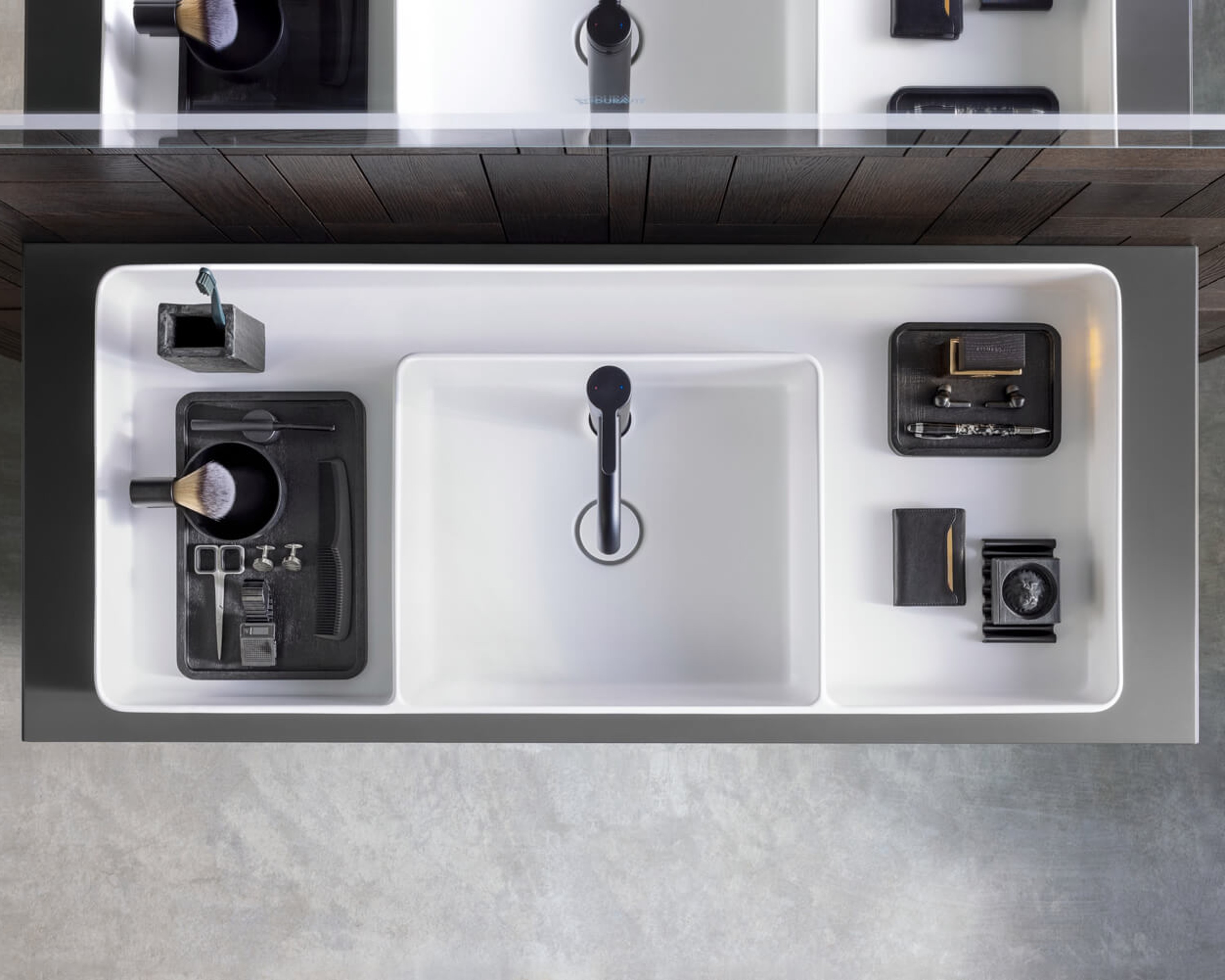
Designed by Philippe Starck
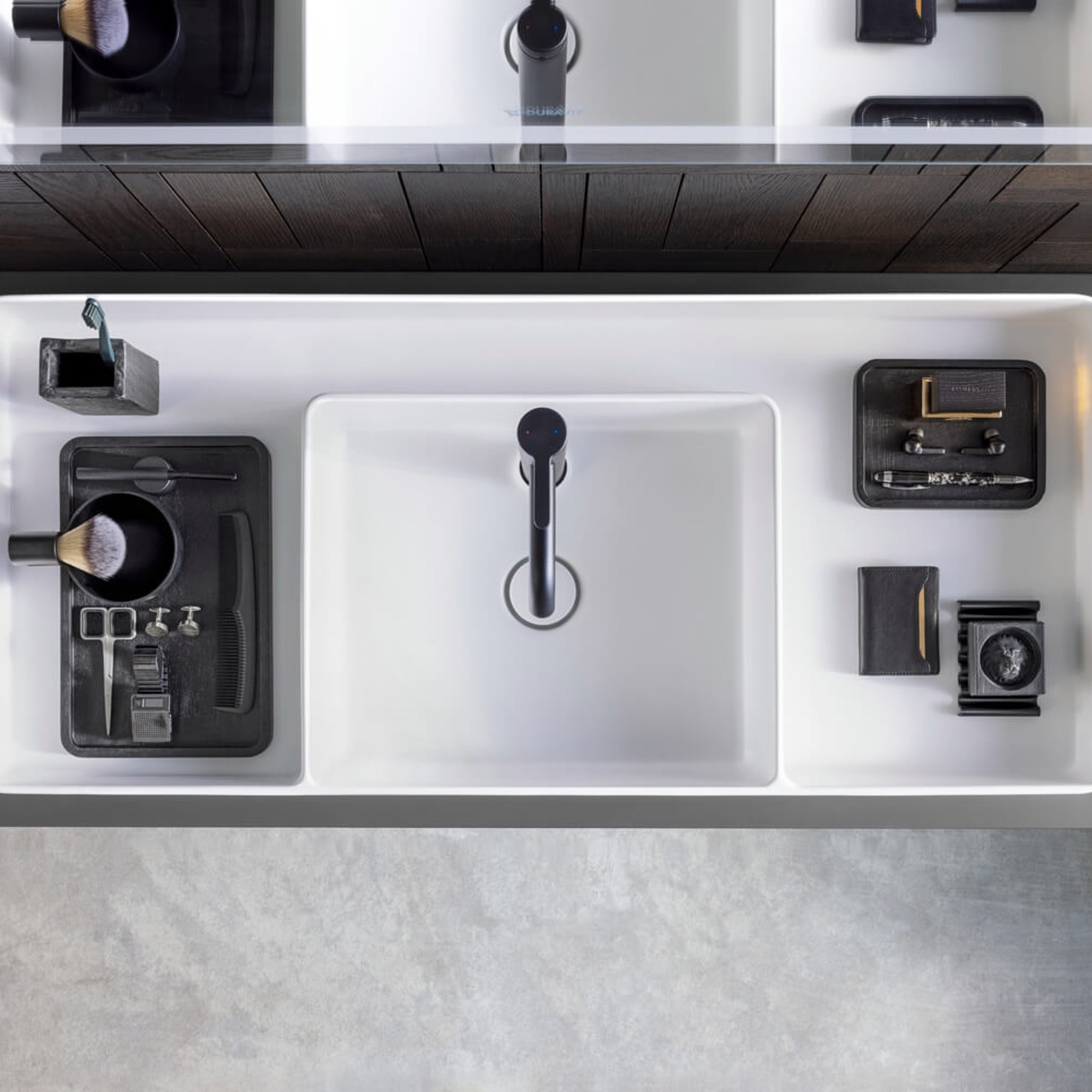
Bento Starck Box
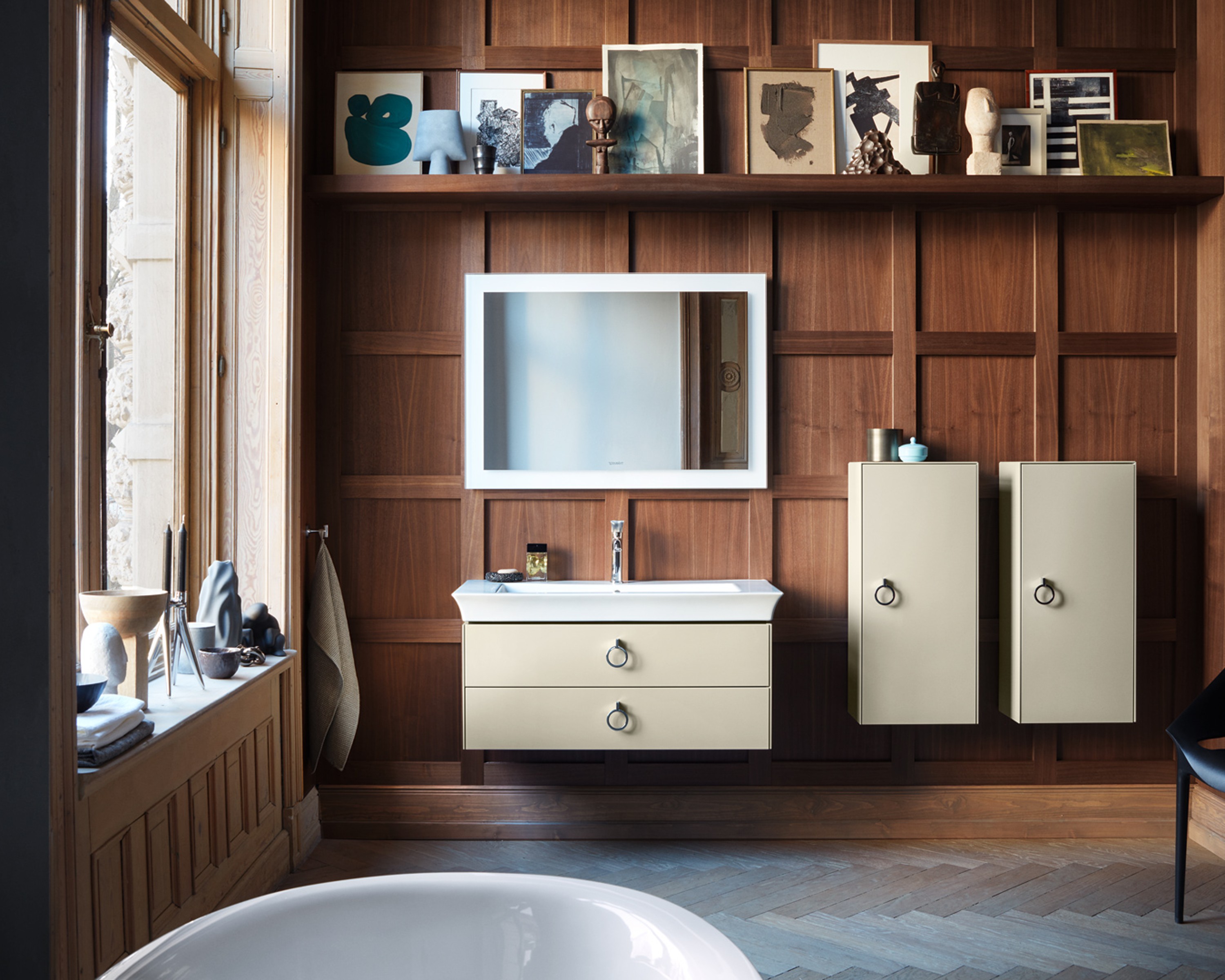
Designed by Philippe Starck
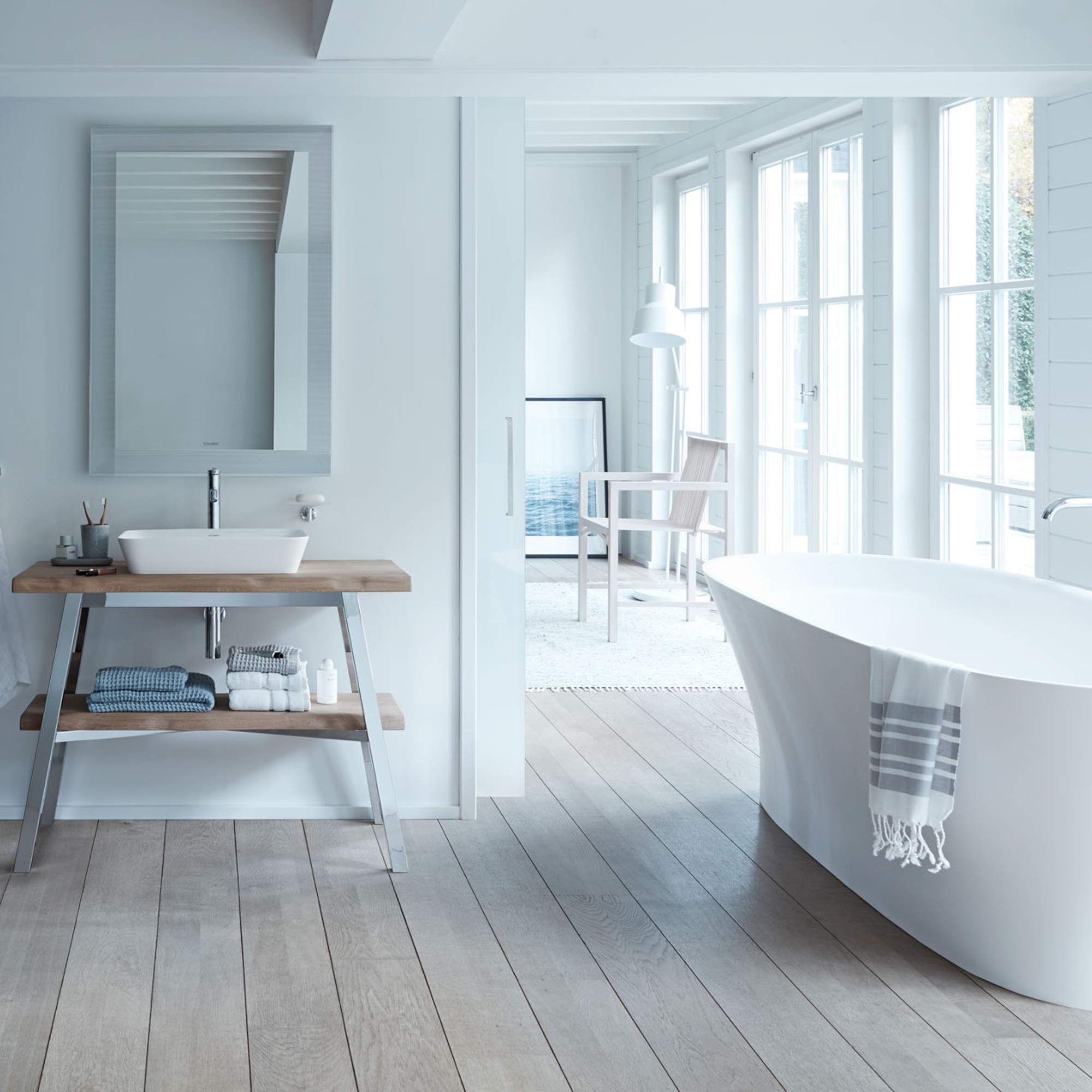
White Tulip
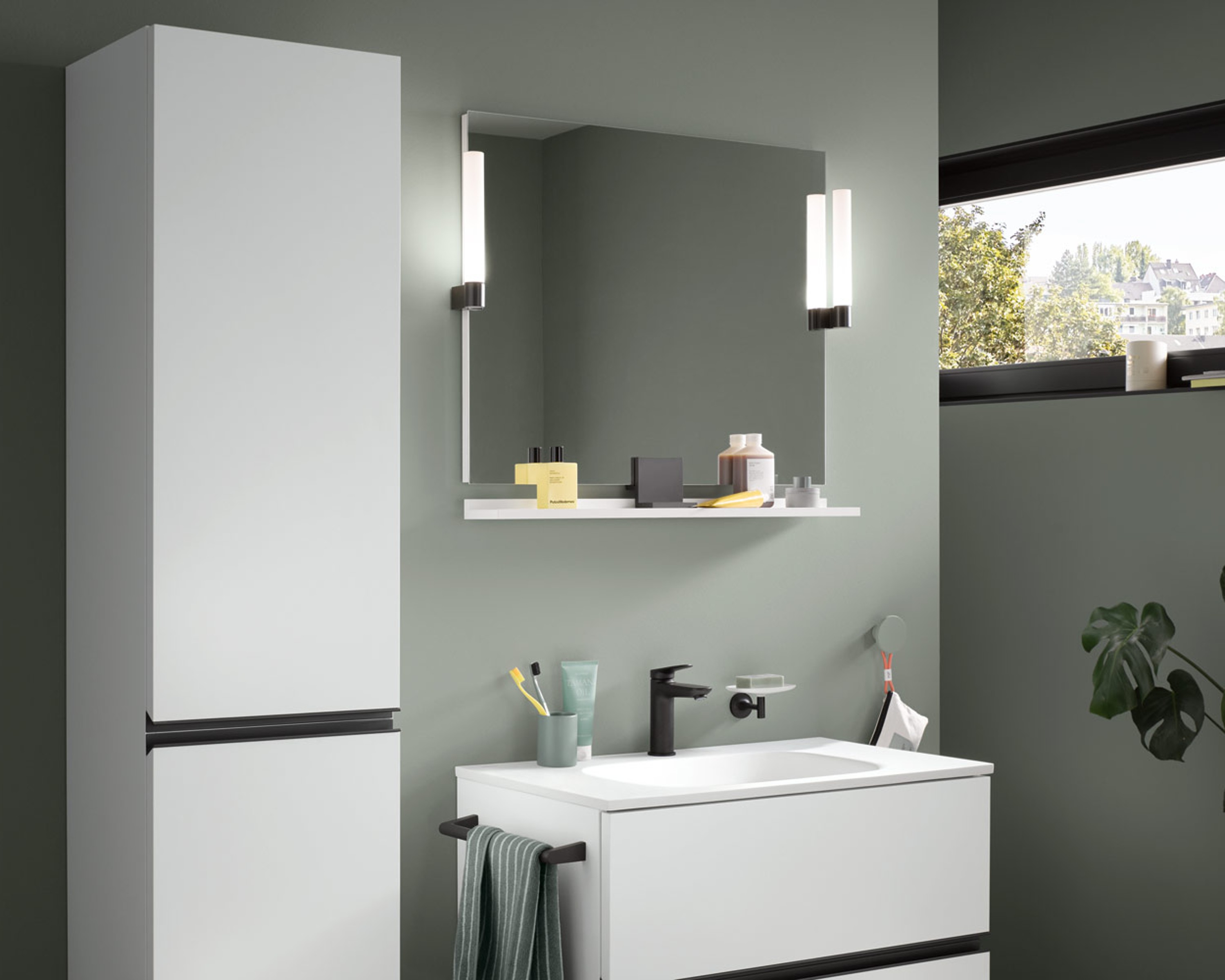
Designed by Philippe Starck
Sivida

Designed by Philippe Starck
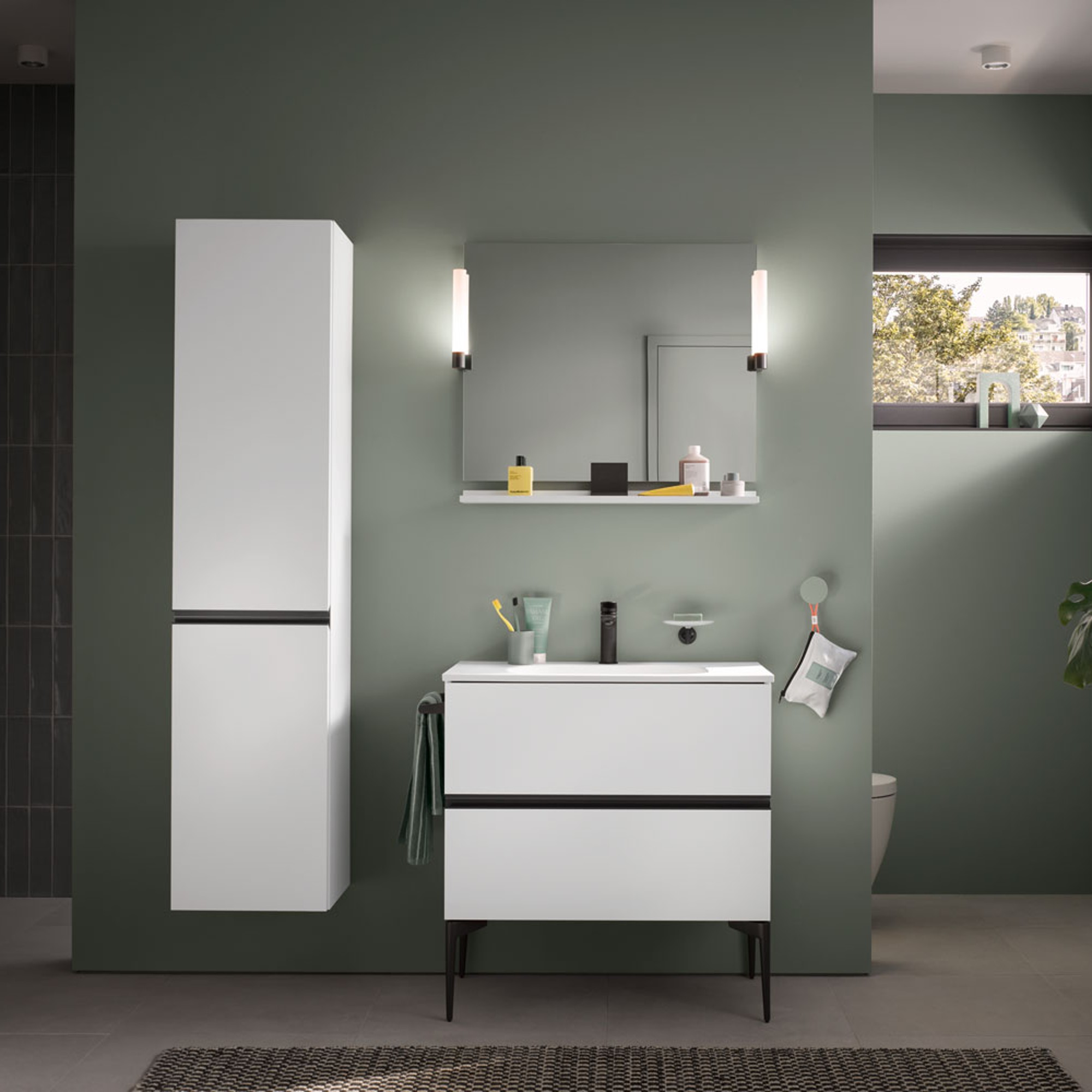
ME by Starck
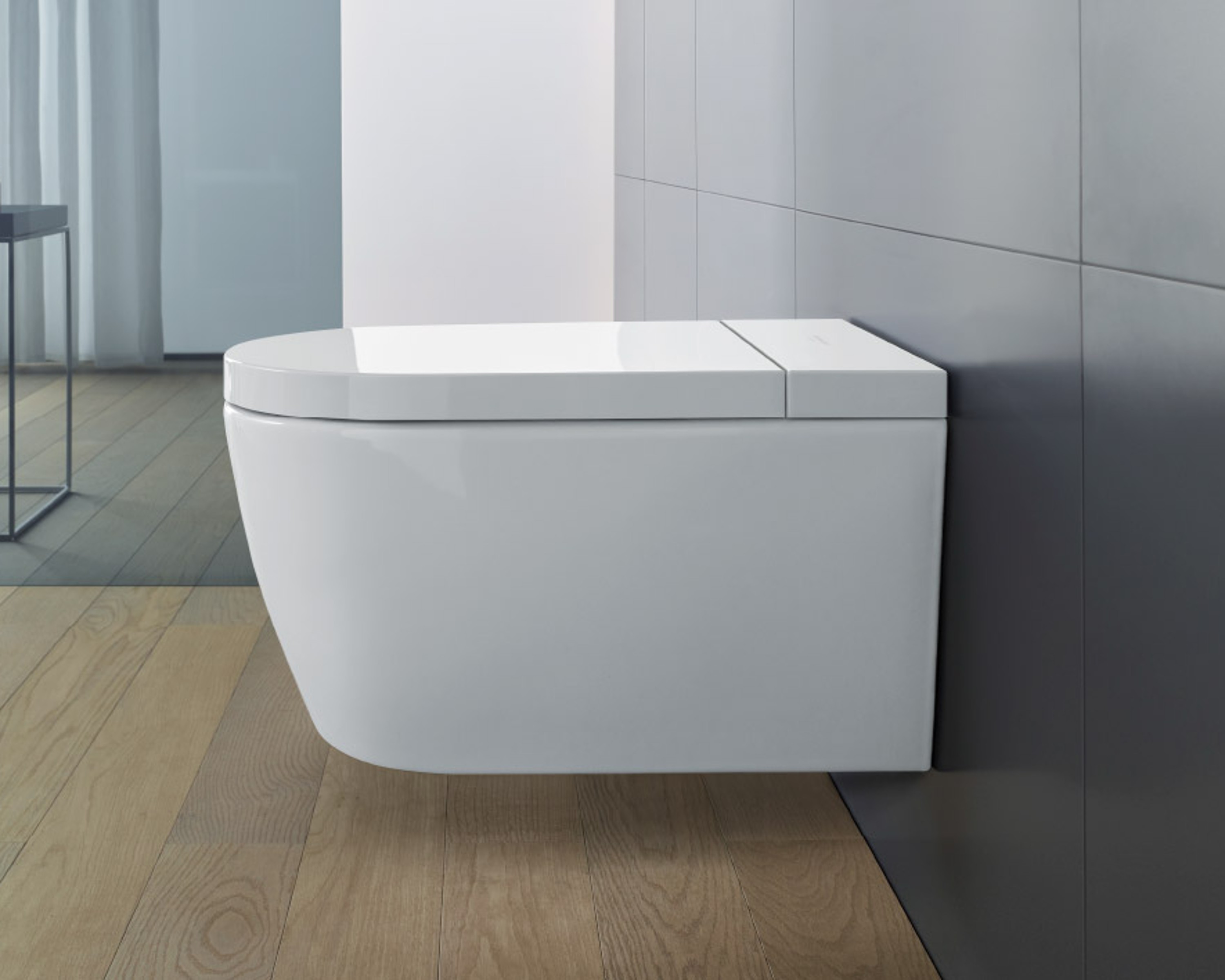
Designed by Philippe Starck
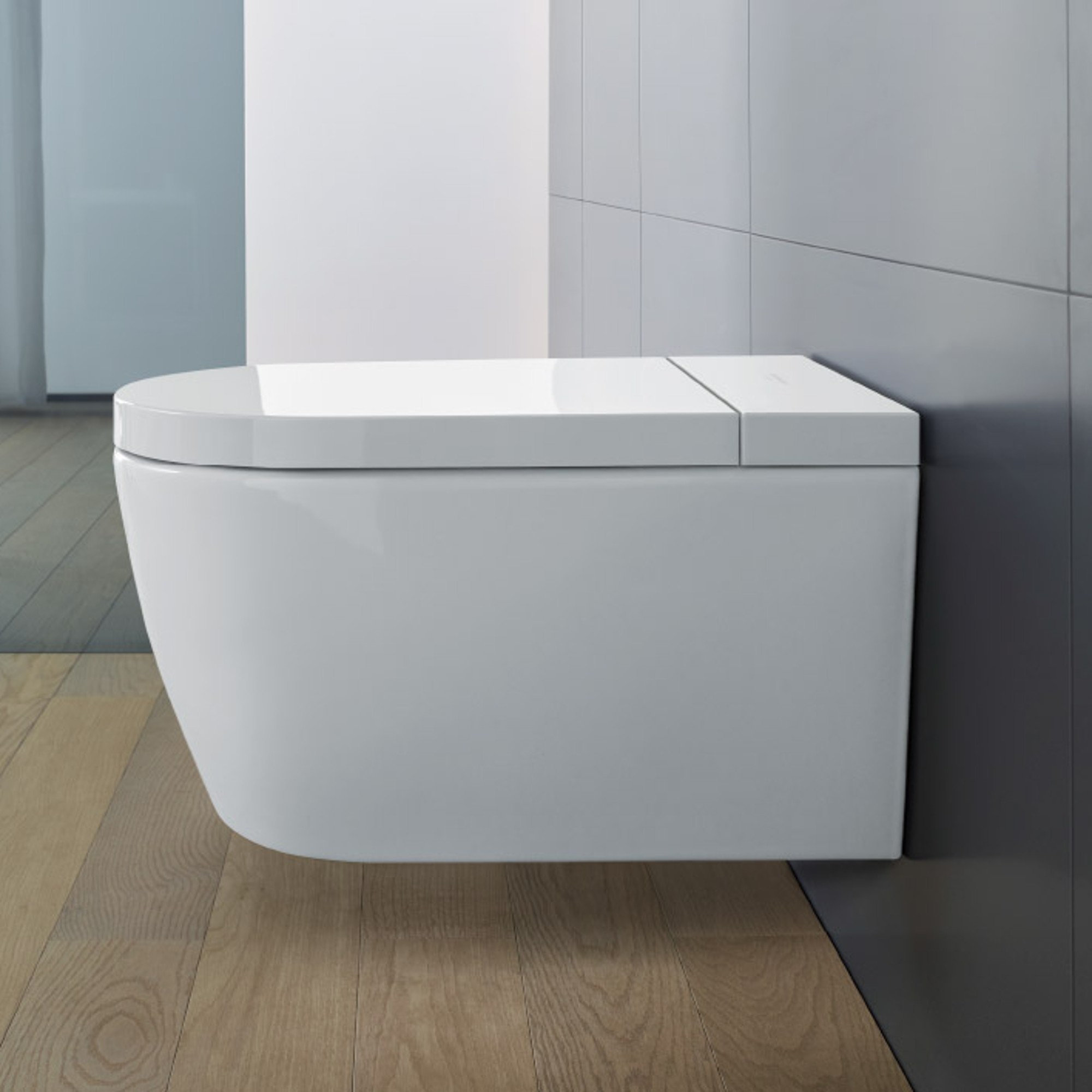
SensoWash® Starck f
All awards
- 1995Red Dot Award – Starck 1
- 1995Design Plus – Starck 1
- 1995Good Design Award – Starck 1
- 1995Design Award (Switzerland) – Starck 1
- 1995Industry Forum Design – Starck 1
- 1995Batimat – Starck 1
- 1998Red Dot Award - Starck 1
- 1998iF Product Design – Starck 1
- 1998Good Design Award – Starck 1
- 1999Red Dot Award – Starck 1
- 1999Red Dot Award – Starck 2
- 1999Design Plus – Starck 1
- 2002Red Dot Award – Starck
- 2003Red Dot Award – Starck 3
- 2003Design Plus – Starck 3
- 2004Dood Design – Starck 3
- 2005Red Dot Award – Starck X
- 2005Focus Open – Starck X
- 2009Good Design Award – Starck K
- 2011iF Product Design – SensoWash® Starck 3
- 2011Interior Innovation Award – Starck K
- 2012Red Dot Award – St. Trop
- 2013iF Product Design – St. Trop
- 2013Iconic Award – SensoWash® i
- 2013German Design Award – Starck K
- 2013iF Product Design – Starck bathtub
- 2014Red Dot Award – SensoWash® i
- 2014iF Product Design – SensoWash® i
- 2015German Design Award – SensoWash® i
- 2015Iconic Award – ME by Starck
- 2015Red Dot Award – Cape Cod
- 2015Iconic Award (Winner) – Cape Cod
- 2016Red Dot Award – ME by Starck
- 2016iF Product Design – ME by Starck
- 2016Home Style Award – SensoWash® i
- 2016iF Product Design – Cape Cod
- 2016German Design Award – Cape Cod
- 2019Iconic Award – SensoWash® Starck f
- 2019Iconic Award – Starck T
- 2019German Design Award – SensoWash® Starck f
- 2019German Design Award – Starck T
- 2020Red Dot Award – SensoWash® Starck f
- 2020Red Dot Award – Starck T
- 2020iF Product Design – SensoWash® Starck f
- 2020iF Product Design – Starck T
- 2021German Design Award – White Tulip
- 2021German Design Award – White Tulip Faucets
- 2022Red Dot Award – White Tulip
- 2022Red Dot Award – White Tulip Faucets
- 2022iF Product Design – White Tulip
- 2022METROPOLIS NYCxDESIGN - White Tulip
- 2023German Design Award Winner – Tulum