
The optimizer and problem solver
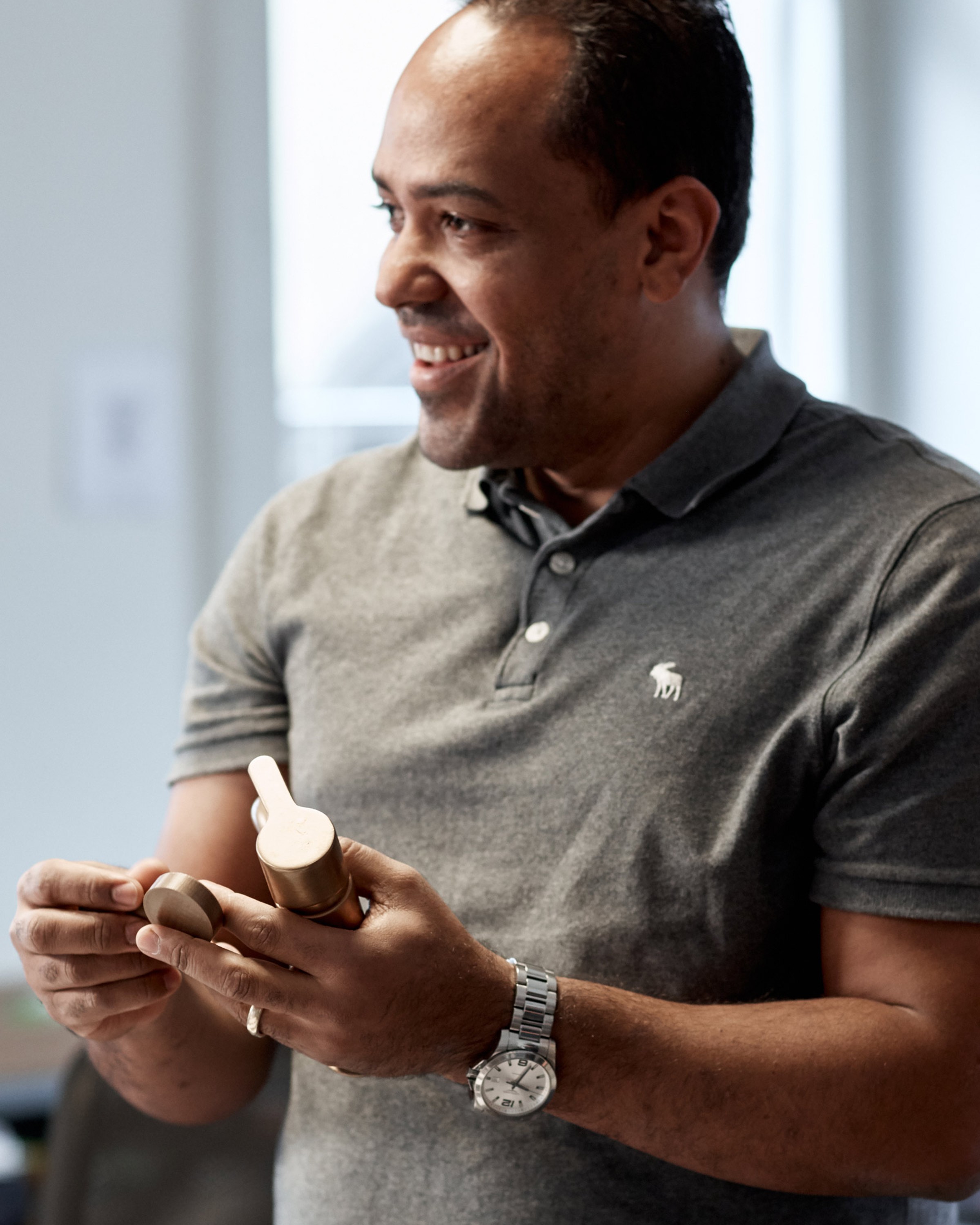
Kurt Merki Jr.
Kurt Merki Jr. was born in Accra, Ghana, in 1978, the eldest son of Kurt Merki Sr., a Swiss master carpenter, and his Ghanaian wife, a fashion designer who had studied in London in the 1960s. He completed his training as a carpenter in his father's furniture factory. In 1997, he moved to Switzerland, where he passed his master's examination as a cabinetmaker in Lucerne in 1999. From 2001 to 2008, he worked as an interior designer for various architectural firms in Zurich. He then went to Milan to deepen his design knowledge at the Scuola Politecnica di Design. He also completed his master's degree in interior and product design there. In 2009, he worked at the Antonio Citterio studio in Milan before moving back to Zurich a short time later to open his own design studio in 2010. He designed the Vero ceramics series and the C.1 series faucets for Duravit.
Interview with Kurt Merki Jr.
Who is Kurt Merki as a person and as a designer?
I don't see myself as a designer. I see myself as a person who creates new things and turns dreams into reality. As a person, I am also an optimizer and problem solver and I try to think laterally. That's why I don't just look at the end product at the beginning, but at the entire development process and consider which materials or technologies I can use to achieve the best possible result. My bi-national origin helps me in this.
To what extent does this influence your work?
Both cultures were and are very present in my life. I went to a Swiss school in Ghana that was very international. My experiences with these two cultures have made it clear to me that there is no single culture that can encompass everything. The big challenge is to find solutions for different ways of life through versatile products. For this reason, I always try to find a good balance that combines the best of different worlds.
Is there a guiding principle that inspires you as a designer and optimizer?
When I start a project, three approaches are particularly important to me: culture, destiny and life. Depending on the type of project, these approaches provide different answers. As I begin to develop answers, I work like a little boy running, throwing his arms in the air and shouting, "I can fly!" On the one hand, my feet stay on the ground, but my mind is completely free. In this phase, between reality and euphoria, the most creative ideas arise. But for inspiration to bear fruit in the end, it must be nurtured. Otherwise it remains just a dream or a thought.
You were born in 1978. What characterizes the new generation of designers today?
It takes great dedication, hard work, and time to create something truly great. What sets apart a good designer in my generation is that they invest time in the entire creative process, starting with an idea that adds real value, and ultimately end up with something truly great. There is an apt quote from Beverly Sills on this: "There is no shortcut to anything worth achieving."
As a young designer, what is it like to work with Duravit, a company that is 200 years old?
For me, Duravit is like coming home. The communication in my mother tongue meant that I quickly felt at home. Every time, I am thrilled by the friendly cooperation, which is why I always look forward to being a guest in the Black Forest. Despite the 200th anniversary of Duravit, we are jointly adapting to the constantly changing requirements of the market. The best example of this is our latest development in the C1 tap range. In terms of form and function, it is perfectly suited to all modern, linear and architectural series and is therefore ideal for individual bathroom design.
All series by Kurt Merki Jr.
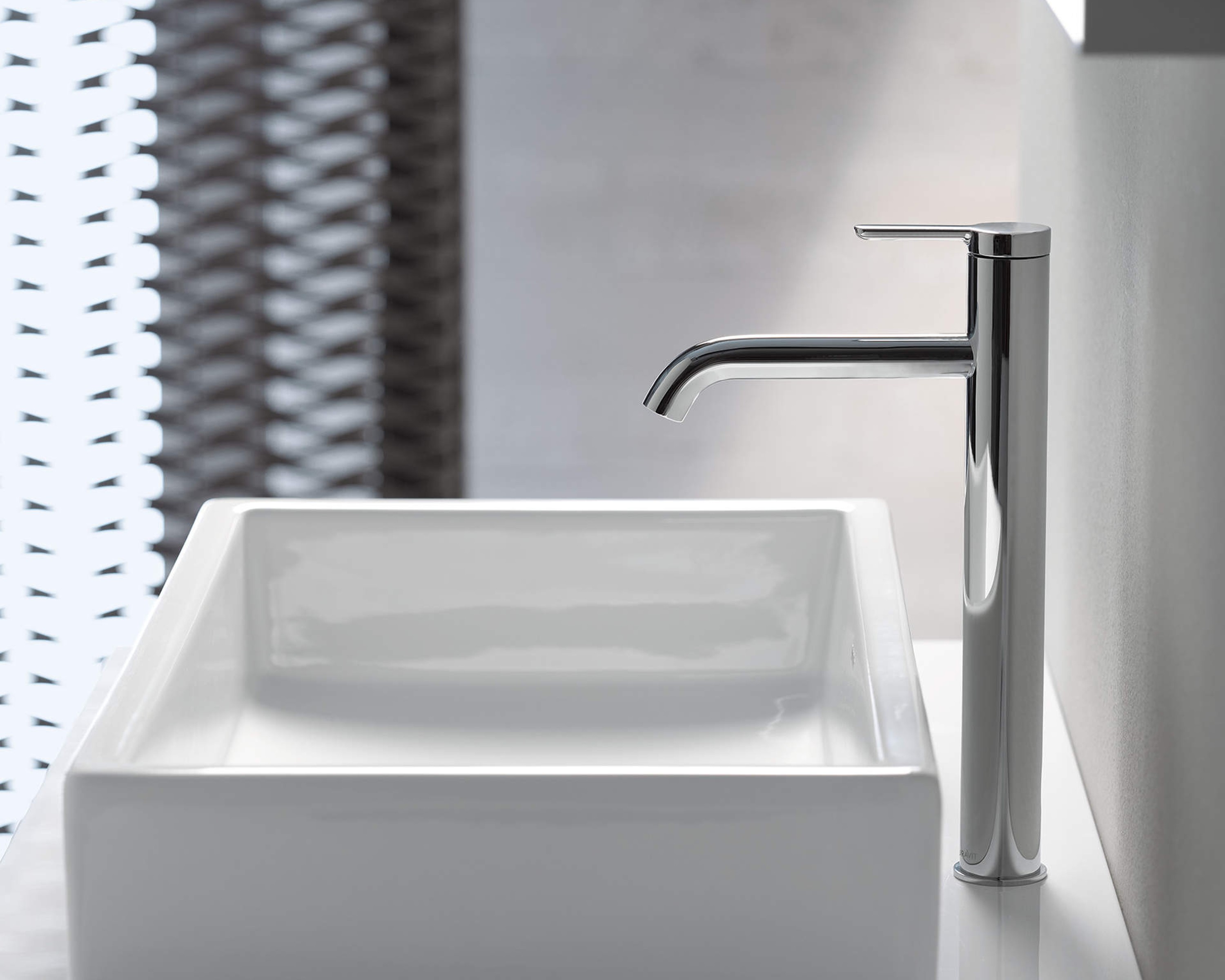
Design by Kurt Merki Jr.
C.1
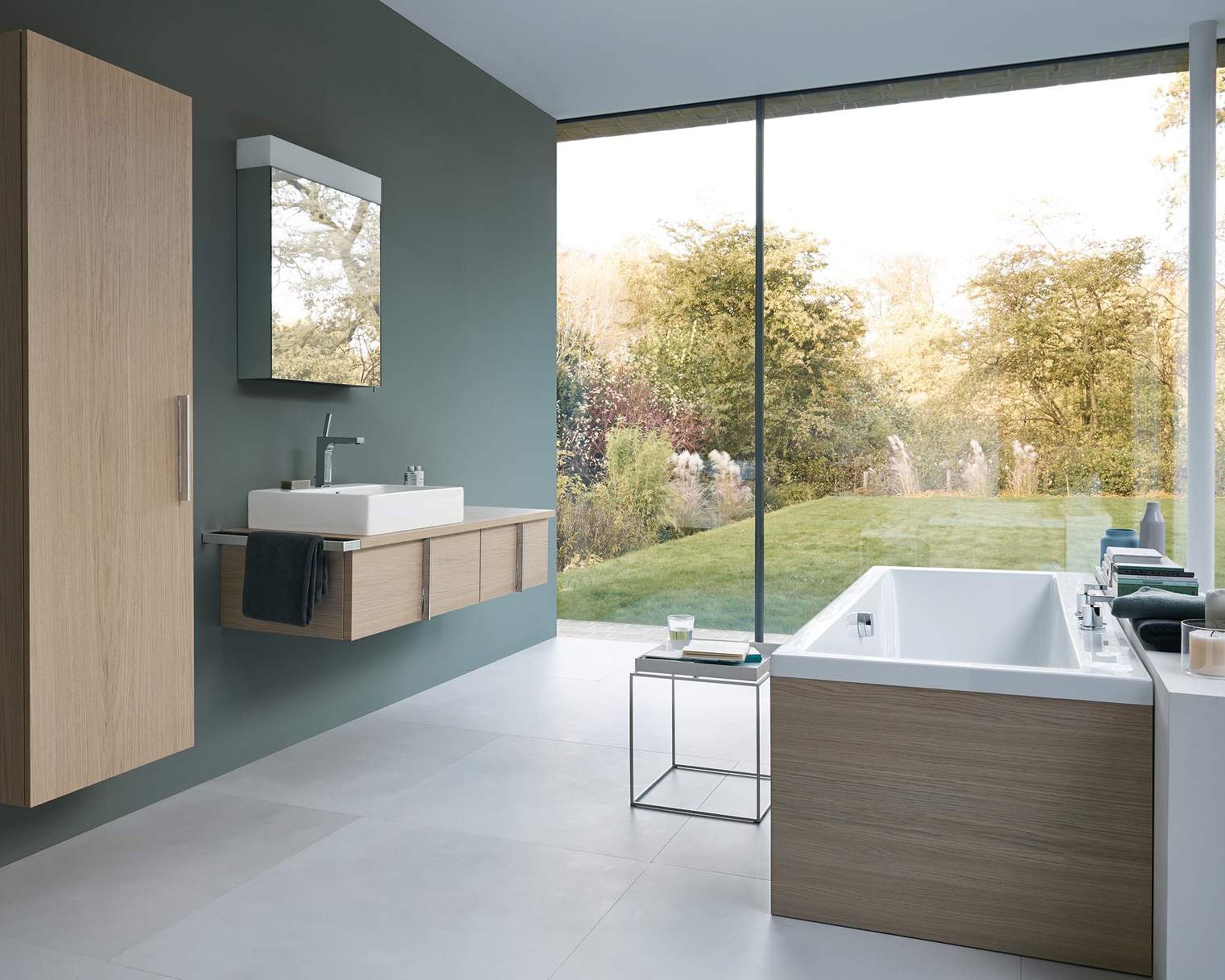
Design by Kurt Merki Jr.
Vero
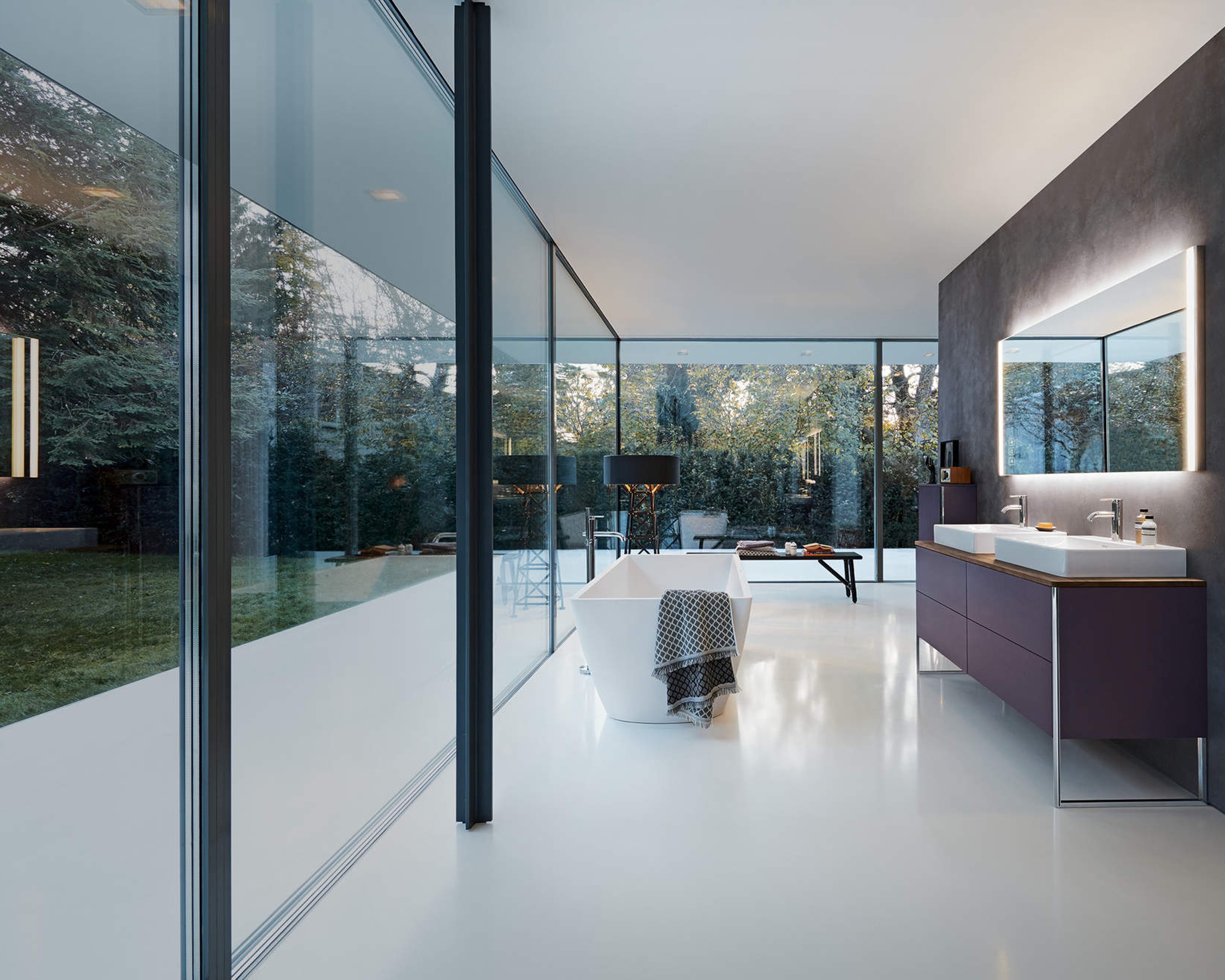
Design by Kurt Merki Jr.
XSquare
awards
- 2013Iconic Awards – Vero
- 2014Reddot best of the best – Vero
- 2015iF Product Design Award – Vero
- 2018Red Dot Award – C.1