
EOOS
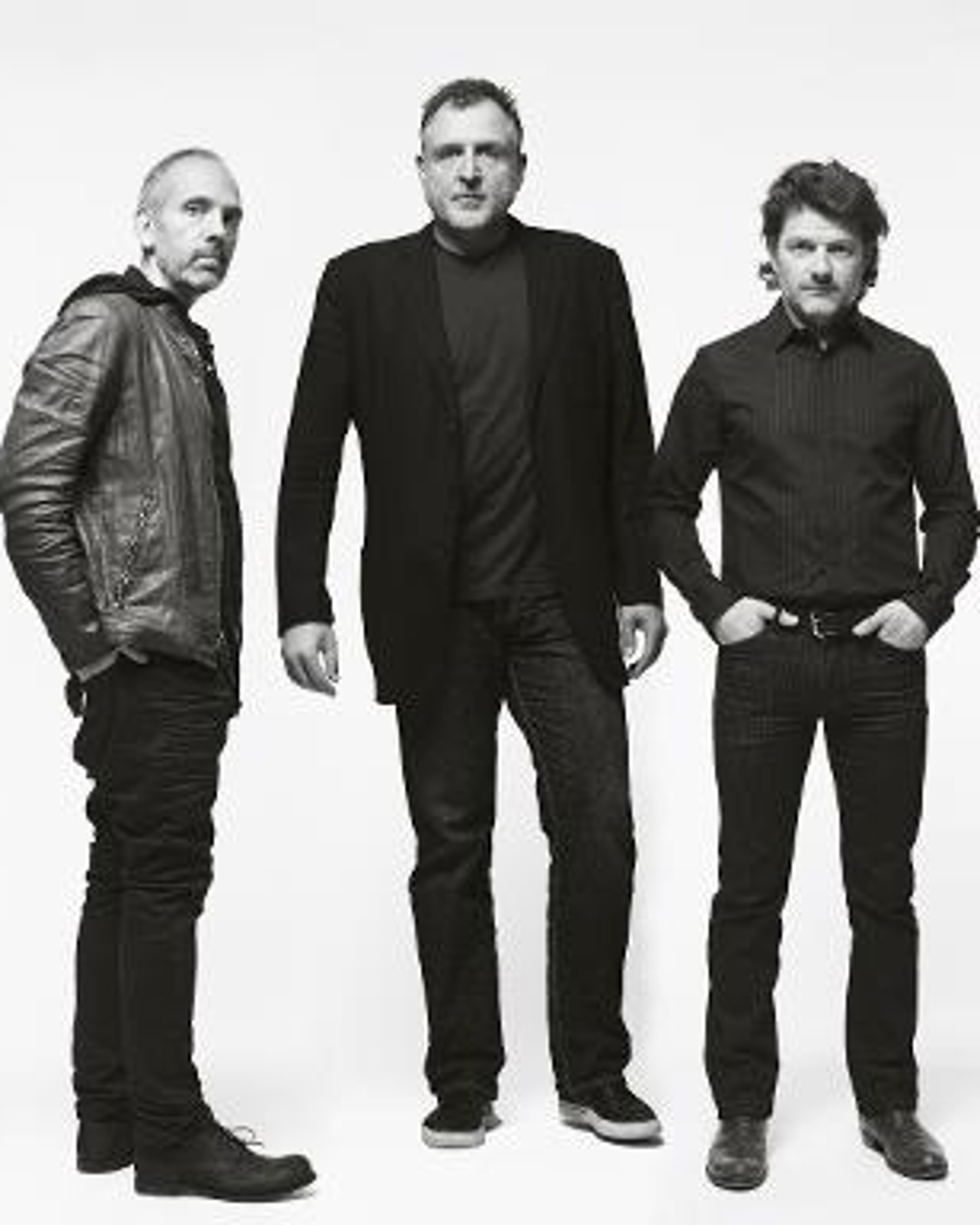
The Viennese trio
Martin Bergmann, Gernot Bohmann and Harald Gründl met while studying at the University of Applied Arts in Vienna, where they graduated from the master class in design under Paolo Piva. In 1995, the trio founded the EOOS studio together, taking its name from Ovid's "Metamorphoses". With every piece of furniture or product they design, the three designers question meaning and function. They call this approach poetic analysis and see their work as a cultural service to society.
The collaboration with Duravit has resulted in products such as the multi-award-winning OpenSpace shower enclosure and the stone-like shower tray Stonetto, as well as a range of well-known wellness products such as the Paiova couple's bathtub, the Nahho floating tub, the Inipi sauna and the Sundeck pool. EOOS has received more than 60 international awards for its work. These include the German Design Award, the Red Dot Design Award and the famous Italian design prize Compasso d'Oro.
Image: ©Elfie Semotan
Interview
Interview with EOOS
You set up your design agency together back in 1995. What else do you have in common?
It all started with our shared vision of a new, poetic design. This idea still connects us today. Something surprising always arises from our joint work, but above all from the exciting interaction between the three of us. That is why, despite our different characters and diverse responsibilities, the results of our collaboration always remain somewhat unpredictable even after all these years. Our collective challenges us and keeps us curious.
They say designers need a lot of creative freedom. Now, three designers are working together in your office. How do you deal with that?
Design is one big communication process in which all the partners involved bring their different observations, ideas, innovations and technologies on a collaborative, evolutionary path from the designer to the product. In this structure, we have no sense of limited freedom or external control. However, it must also be said that such positive partnership developments only work if the partner has a strong artistic sense of design. That is why we have deliberately chosen to take on only selected clients like Duravit, with whom we work very closely.
How does the unmistakable EOOS design come about and what characterizes you in your daily work?
For us, design is a matter of walking the line between being lost and being forgotten. On the one hand, if you are too far removed from society and the present, you will be forgotten. On the other hand, if you are too close to the world, you will be lost. Design must be exactly in between, in this state of suspension. To bridge this field of tension, we use Poetic Analysis®. This helps us to find images and tell stories that result in designs and, in the best case, objects.
What has changed in the design concept of EOOS in recent years?
In the mid-to-late 1990s, our work focused on objects that allowed for a transformation from one state to another. Today, we are trying to create tolerant objects. By this we mean objects with which the user can engage in an open, playful relationship. The product should not give the consumer strict instructions on what the "right" way to use it is, but should instead leave room for maneuver. An example of this is "Sundeck", the pool with a hinged cover that we developed for Duravit.
Suddenly, users started to put the pool on the terrace or to store various utensils under the cover. This is how functions emerged that we hadn't even thought of during the design process. We like that.
Your company is strongly committed to sustainability. You have now created many projects that are not only aimed at aesthetics, but also at functionality, but above all at improving a living space.
What are the reasons for this?
This positive change is an important topic in our design collective. Our way of life in developed countries is no longer a model for the future. If the whole world lived like us, it would be an environmental disaster.
It's an exciting time for design. We don't need new fashions, but sustainable alternative ways of life. Our food, our mobility behavior, our energy generation, our dwellings – everything must be redesigned. One of EOOS's main topics is "alternative production". Here, the focus is on alternatives to industrial production that empower us to manufacture objects locally and independently. What we need are products that go hand in hand with sustainable materials and lifecycle design. Simply improving a product is not enough. We also have to redesign systems. In the bathroom, for example, the sewage system plays a role. The situation is similar for energy and many other aspects.
Is there something you miss or would even like to change in today's bathroom planning? And what does the bathroom of the future look like for you?
Everyone should plan and furnish their bathroom to meet their own personal needs. You should think about which functions you really need. Le Corbusier, for example, extended the place of cleansing to the entrance area of his house by placing a sink there – simply because he felt that it made sense right there.
For us, the bathroom of the future is a bathroom for all generations, where everyone feels comfortable – from babies to great-grandmothers. In addition, the increasing density of cities will certainly provide an exciting brainteaser for designers in the future. How we can create spaces for relaxation and cleansing in the midst of skyscrapers and megacities and what a contemporary bathroom might look like in such an environment are important issues that need to be considered.
All series by EOOS
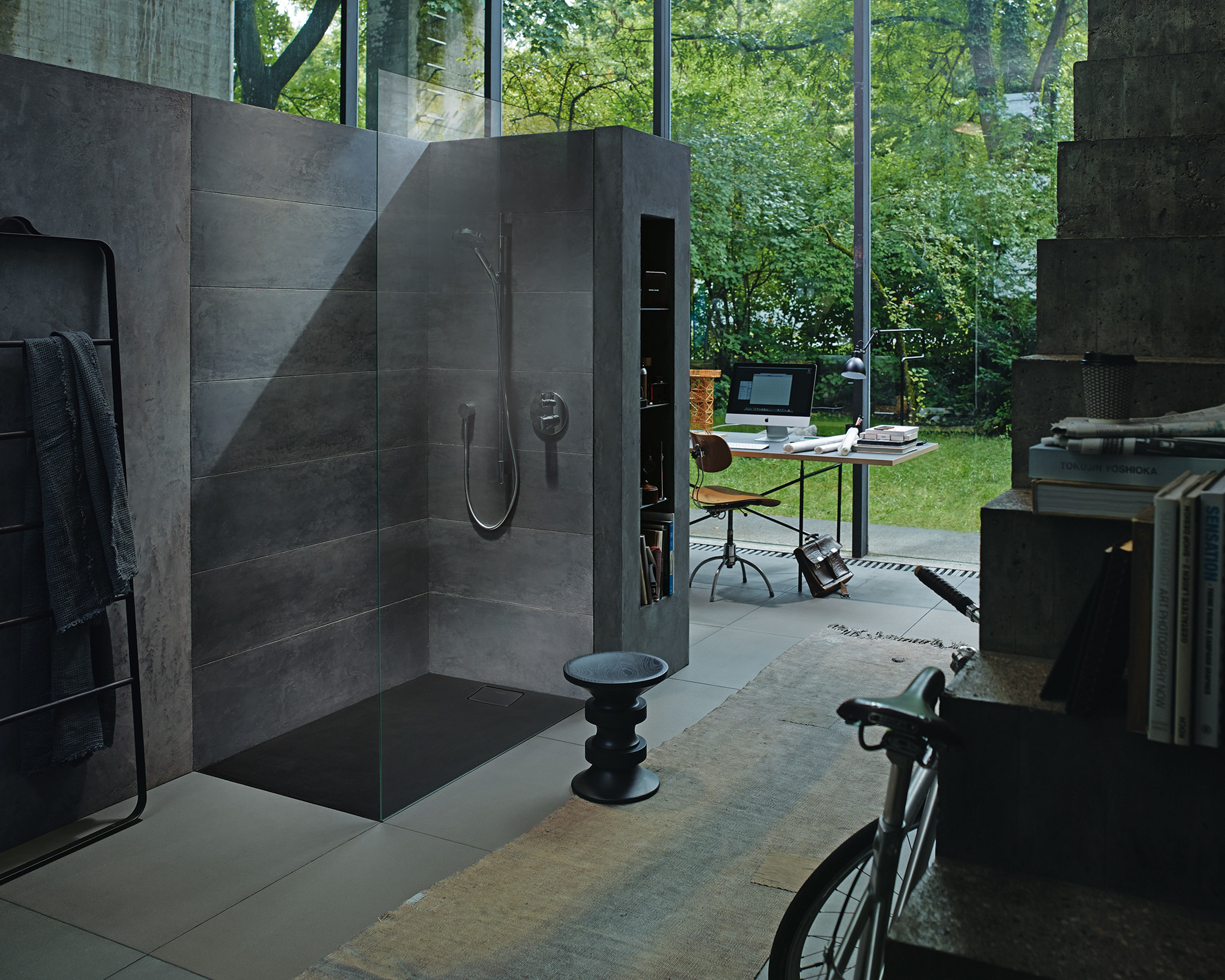
Design by EOOS
Stonetto
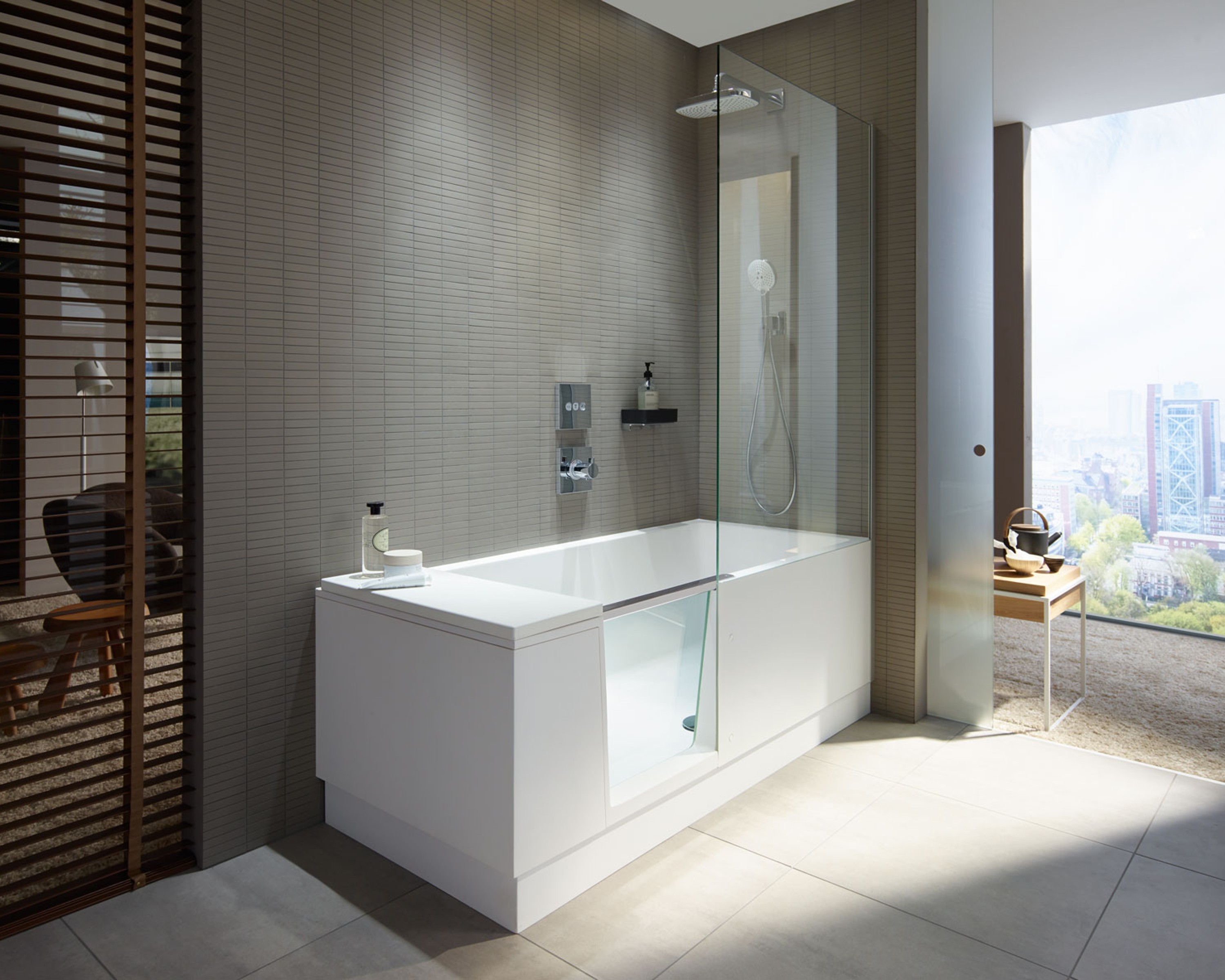
Design by EOOS
Shower + Bath
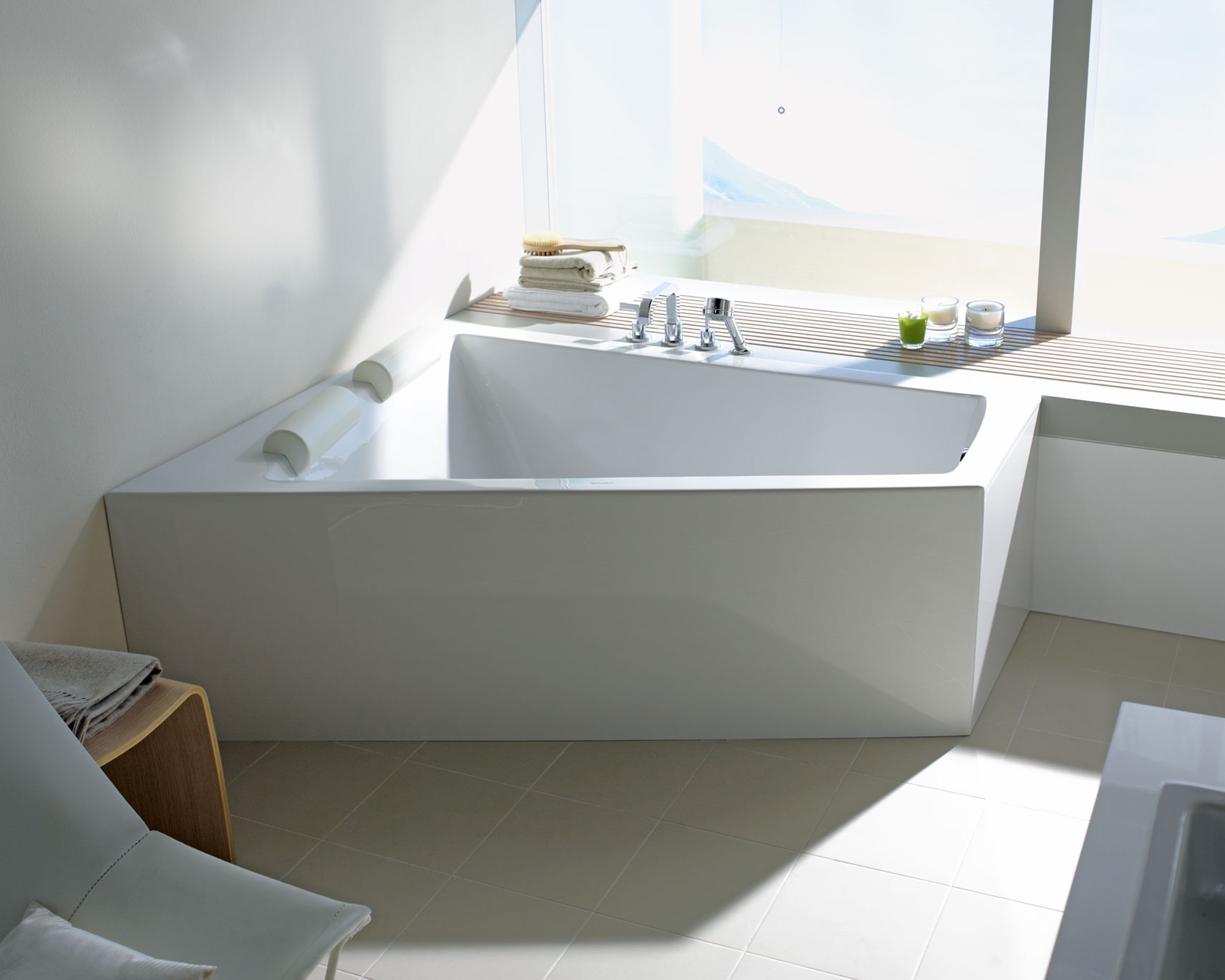
Design by EOOS