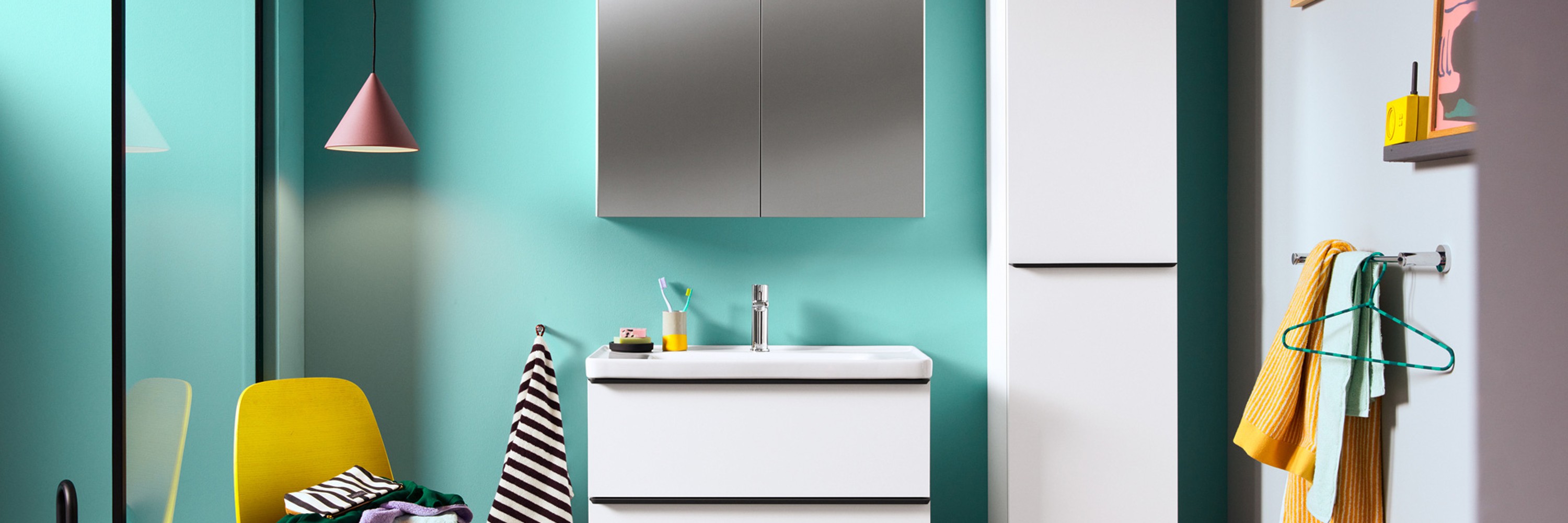
Colors in the bathroom
Key points at a glance:
- Keep the color scheme simple: A few harmoniously coordinated colors create a sense of calm and a cohesive look in the bathroom.
- Use accents strategically: Faucets, accessories, or individual walls are ideal for incorporating pops of color in a stylish way.
- Choose the desired effect: Blue, green, or beige create different atmospheres—ranging from soothing and natural to modern and elegant.
What general considerations should be kept in mind when choosing colors for the bathroom?
While personal tastes vary, there are still a few general guidelines that can be established. After all, a bathroom is always a functional space, which is why the design and color scheme should be supportive. We therefore recommend the following guidelines:
Don't go overboard
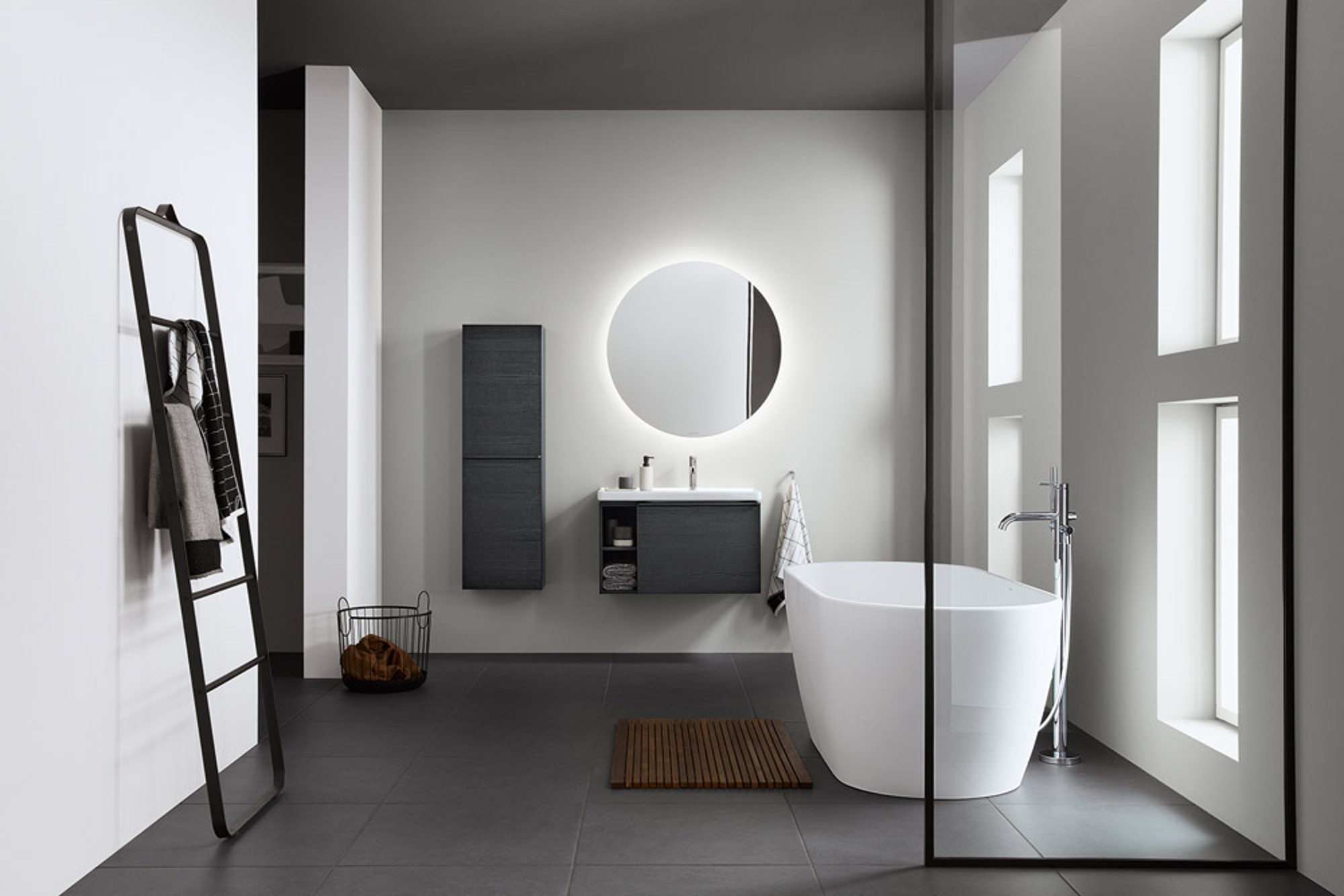
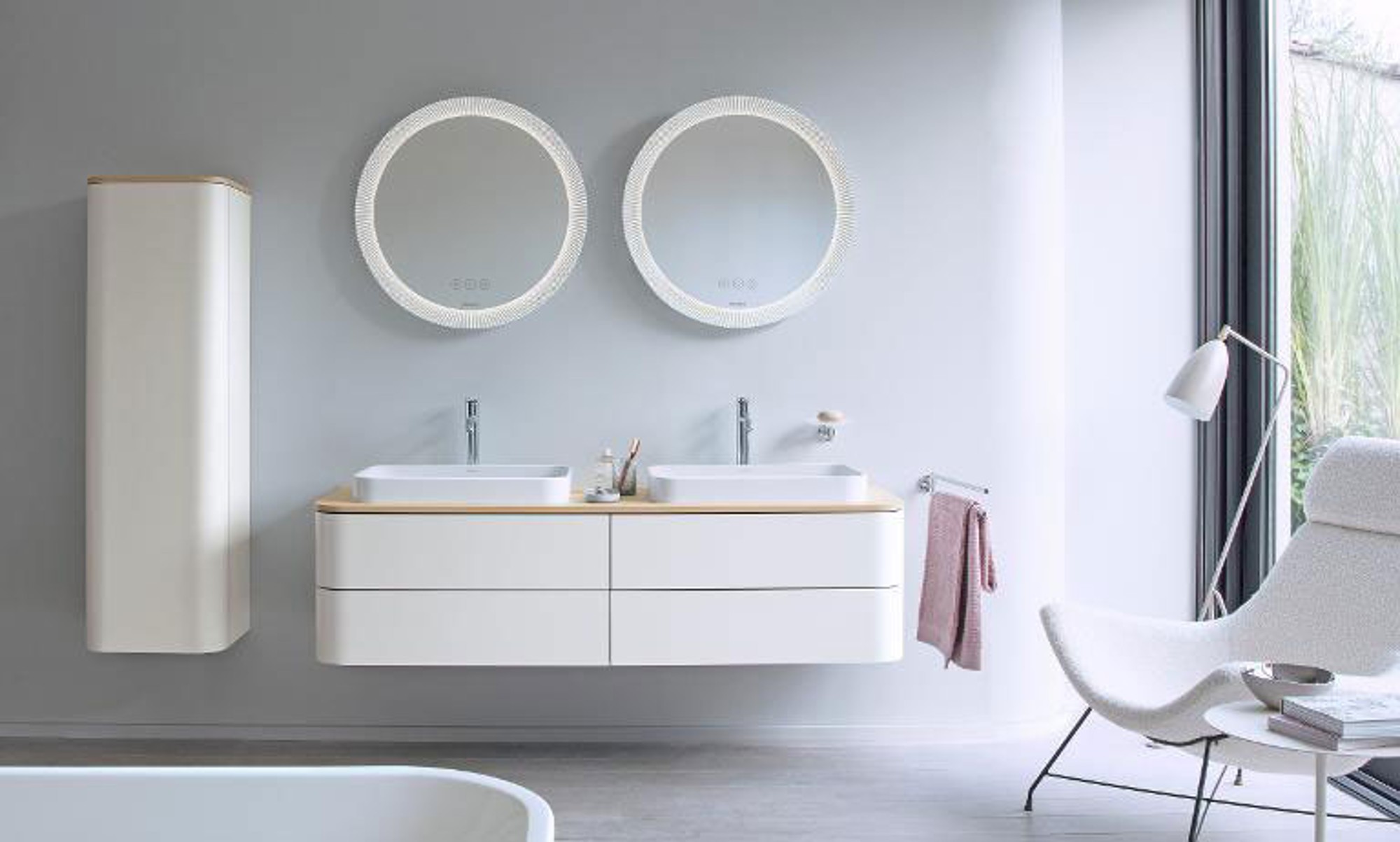
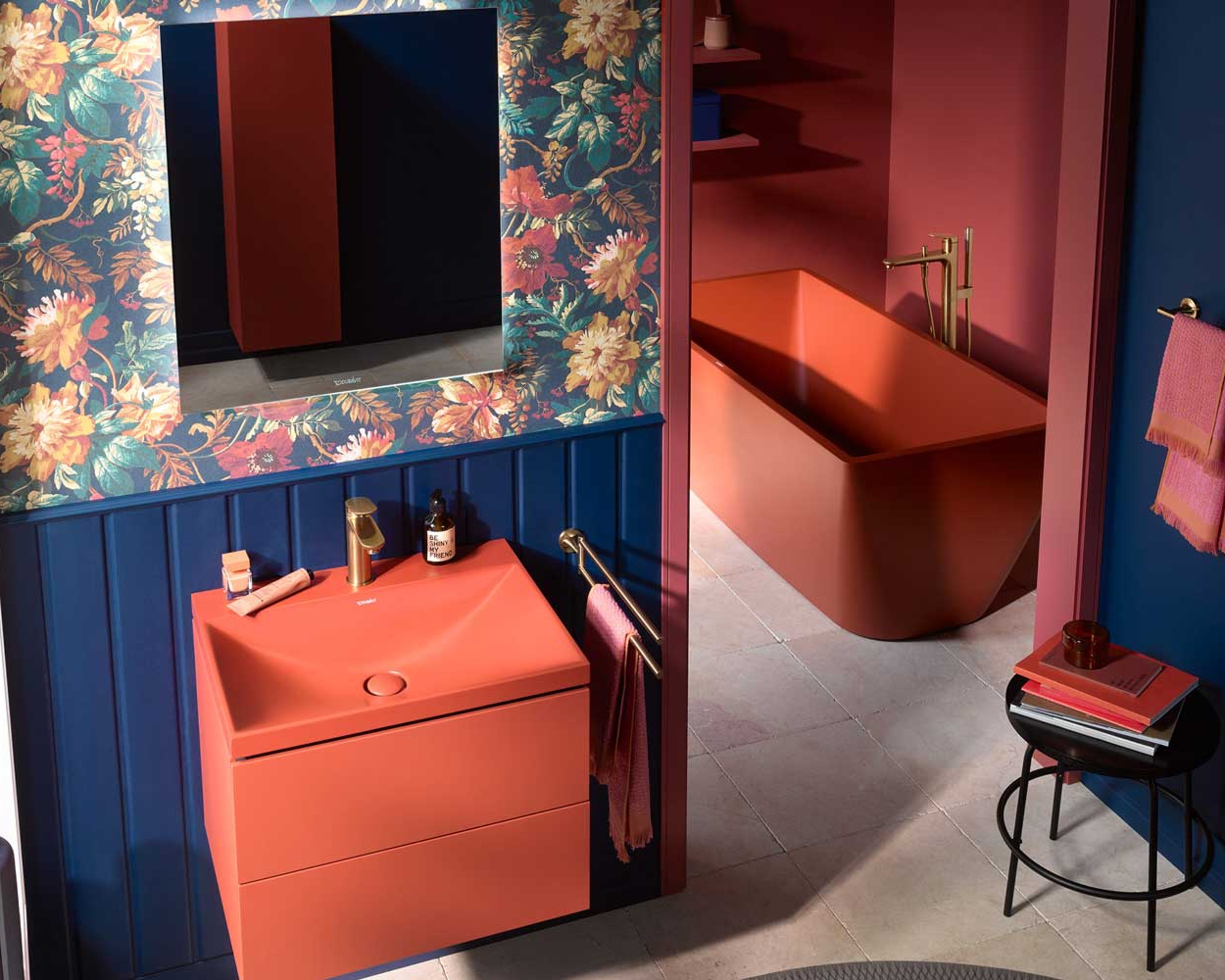
As tempting as the range of options has become, it makes sense to stick to a minimalist color scheme in the bathroom rather than mixing all sorts of colors together. After all, the latter creates a chaotic atmosphere—and that’s something hardly anyone wants in their bathroom. All-white bathrooms are an easy way to commit to a single design.
Tip: These can be perfectly achieved with the Vitrium series, for example.
Make a statement
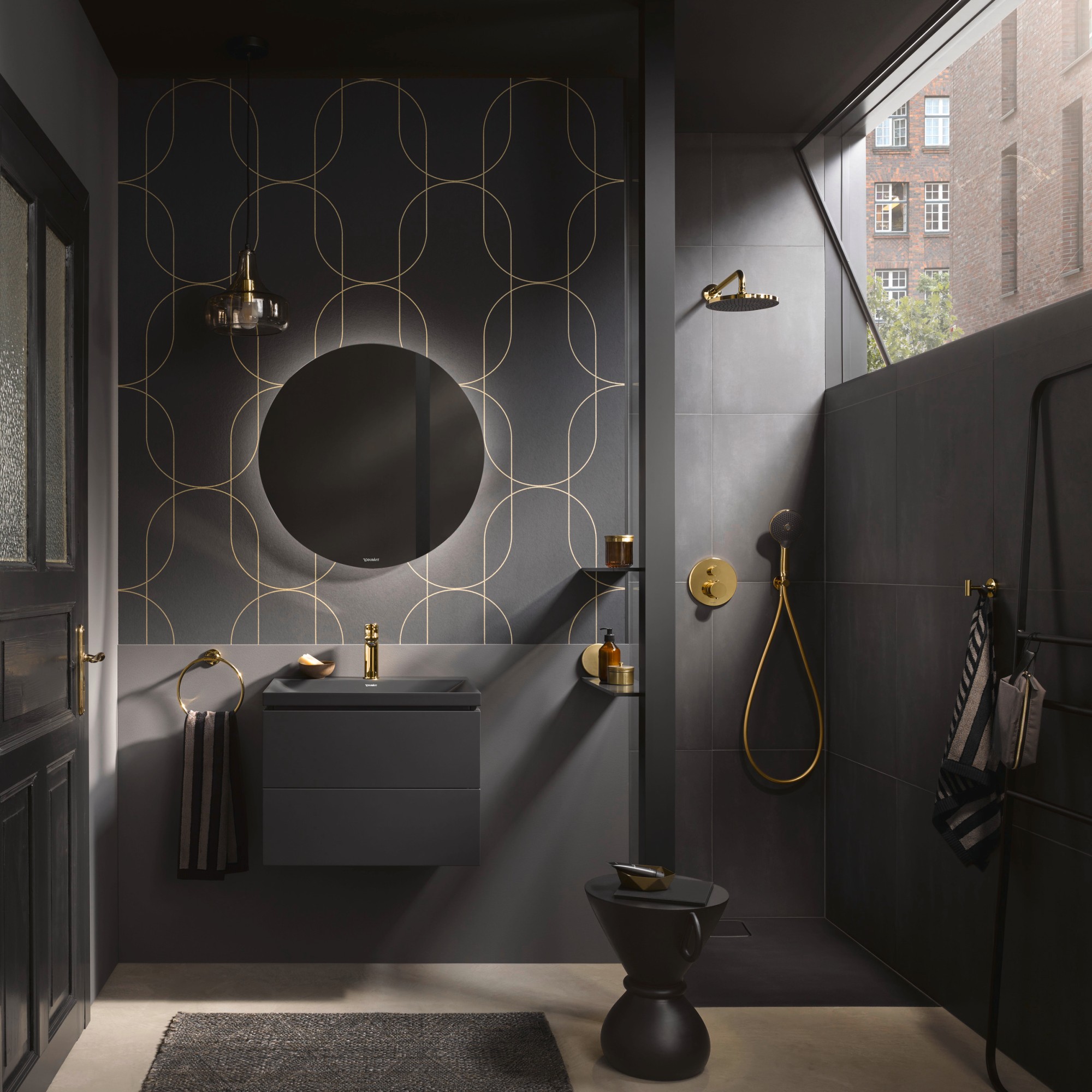
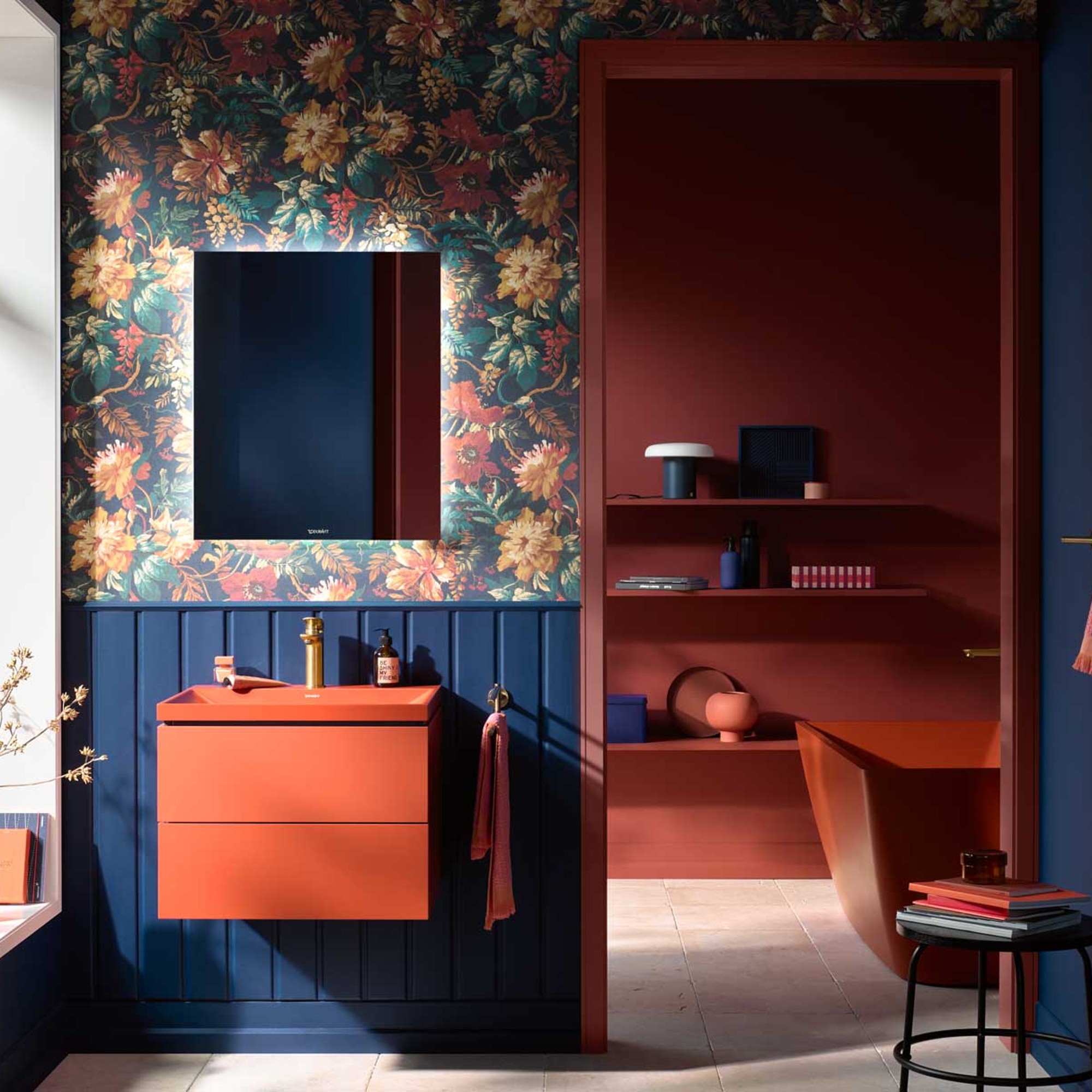
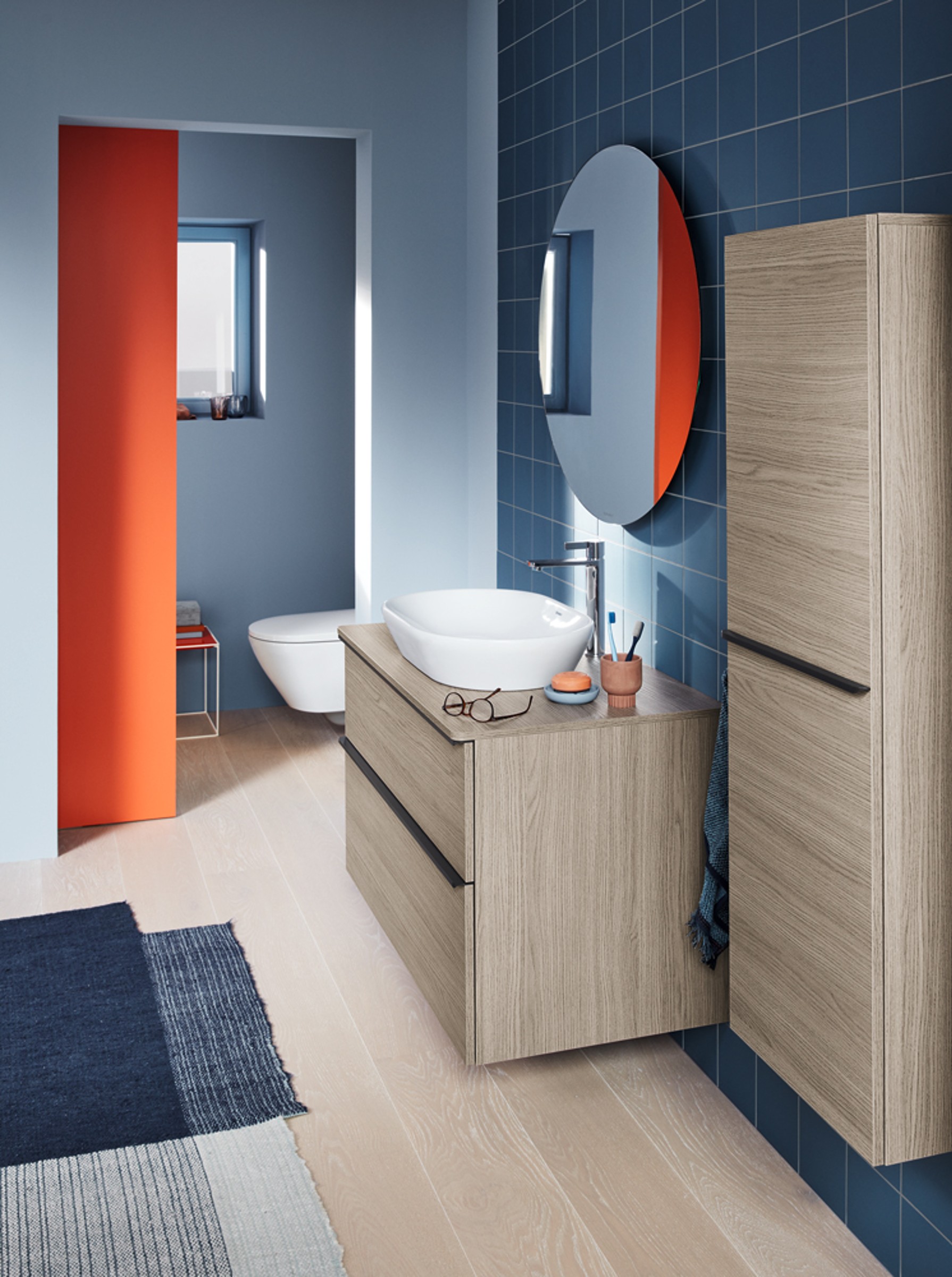
Not all colors are suitable for a completely monochromatic bathroom. For example, a particularly bright and bold shade of red can, under certain circumstances, feel very chaotic and oppressive in a bathroom. The same applies to other very vibrant colors. In this case, it’s better to stick to individual accents that you can pair with calmer pastel shades or neutral colors.
Where can color be used effectively in the bathroom?
Unless you want to design your bathroom entirely in a single color, the question arises as to where you can best use pops of color. There are several options to choose from.
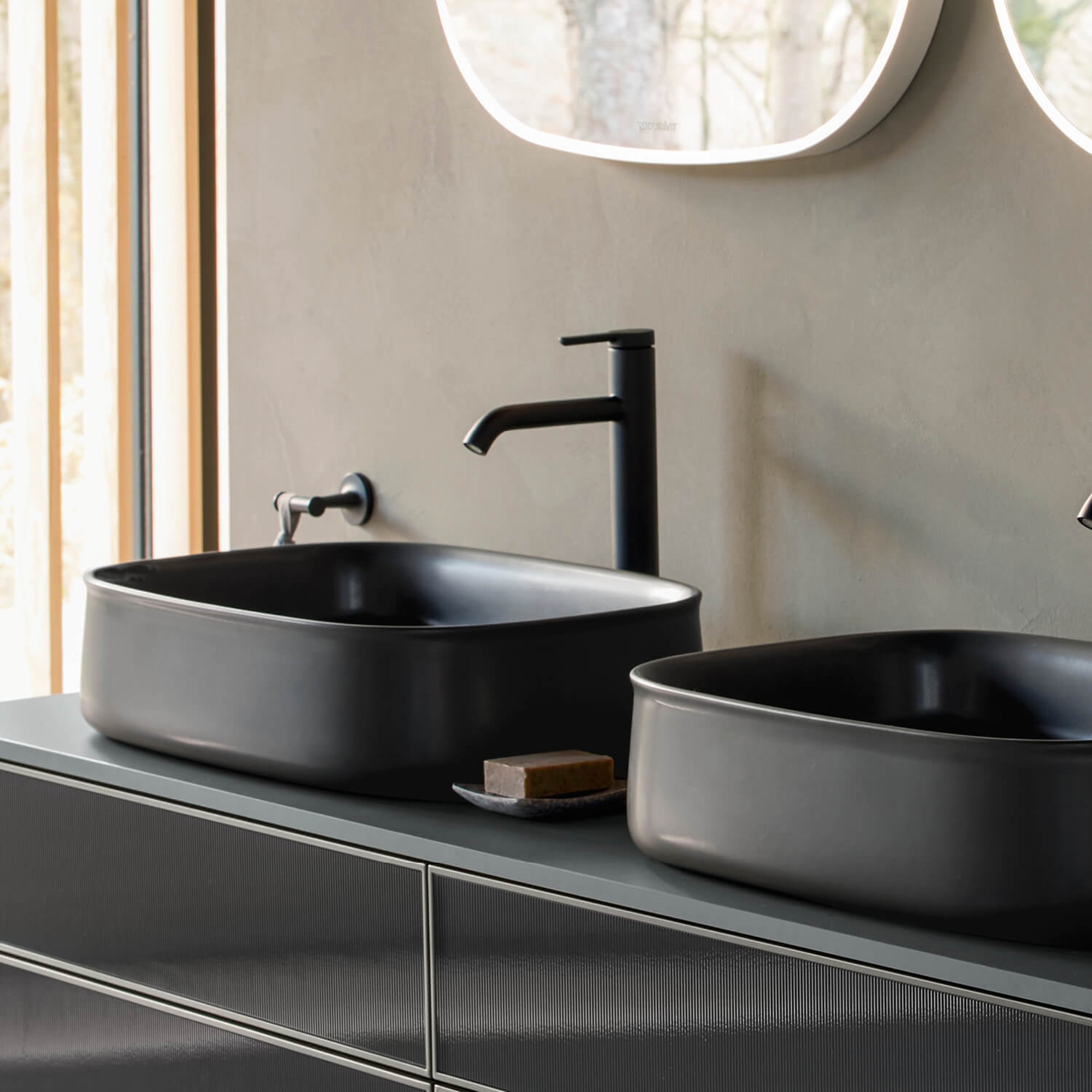
Ceramics
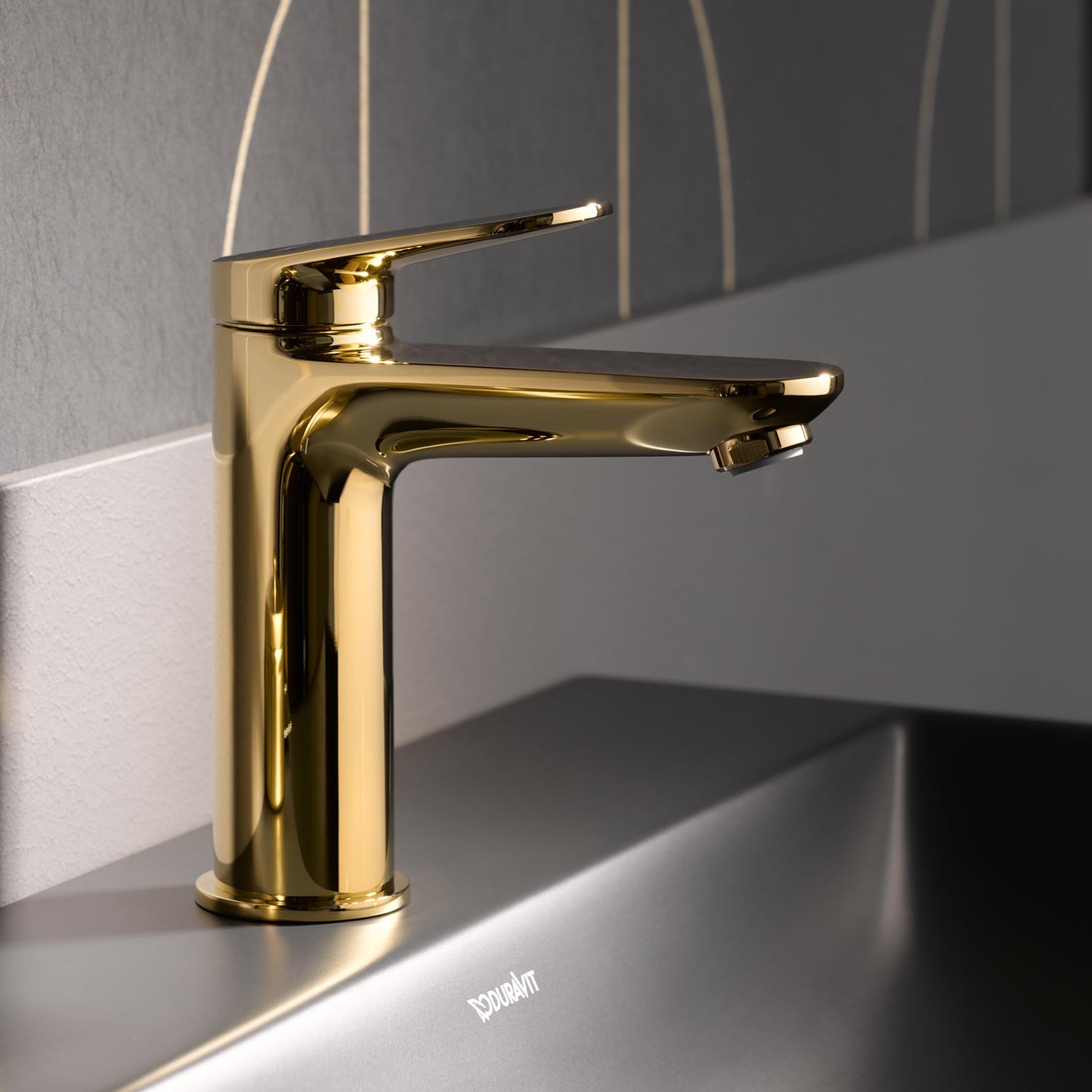
Faucets

Tiles
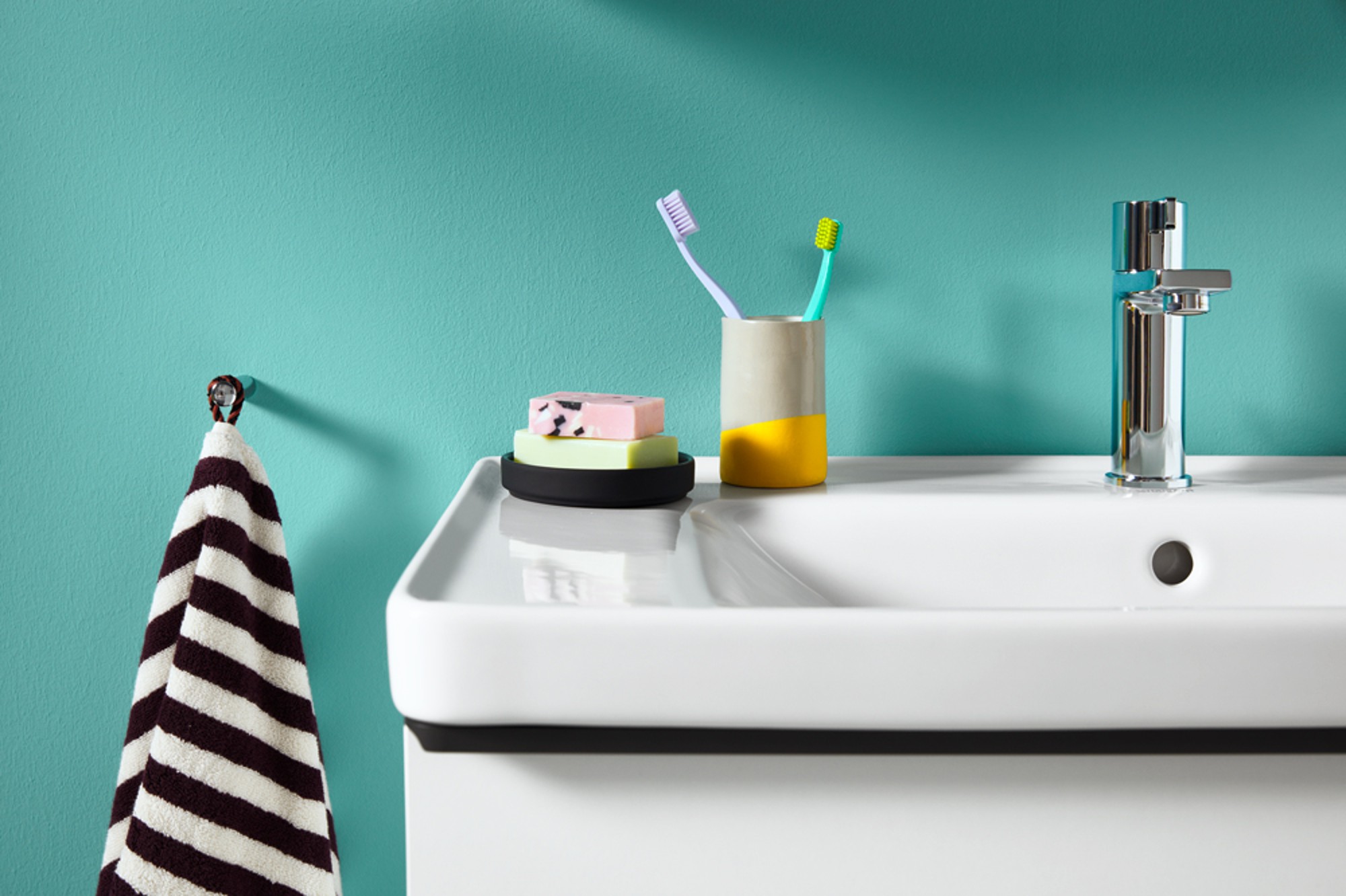
Wall paint

Bathroom furniture
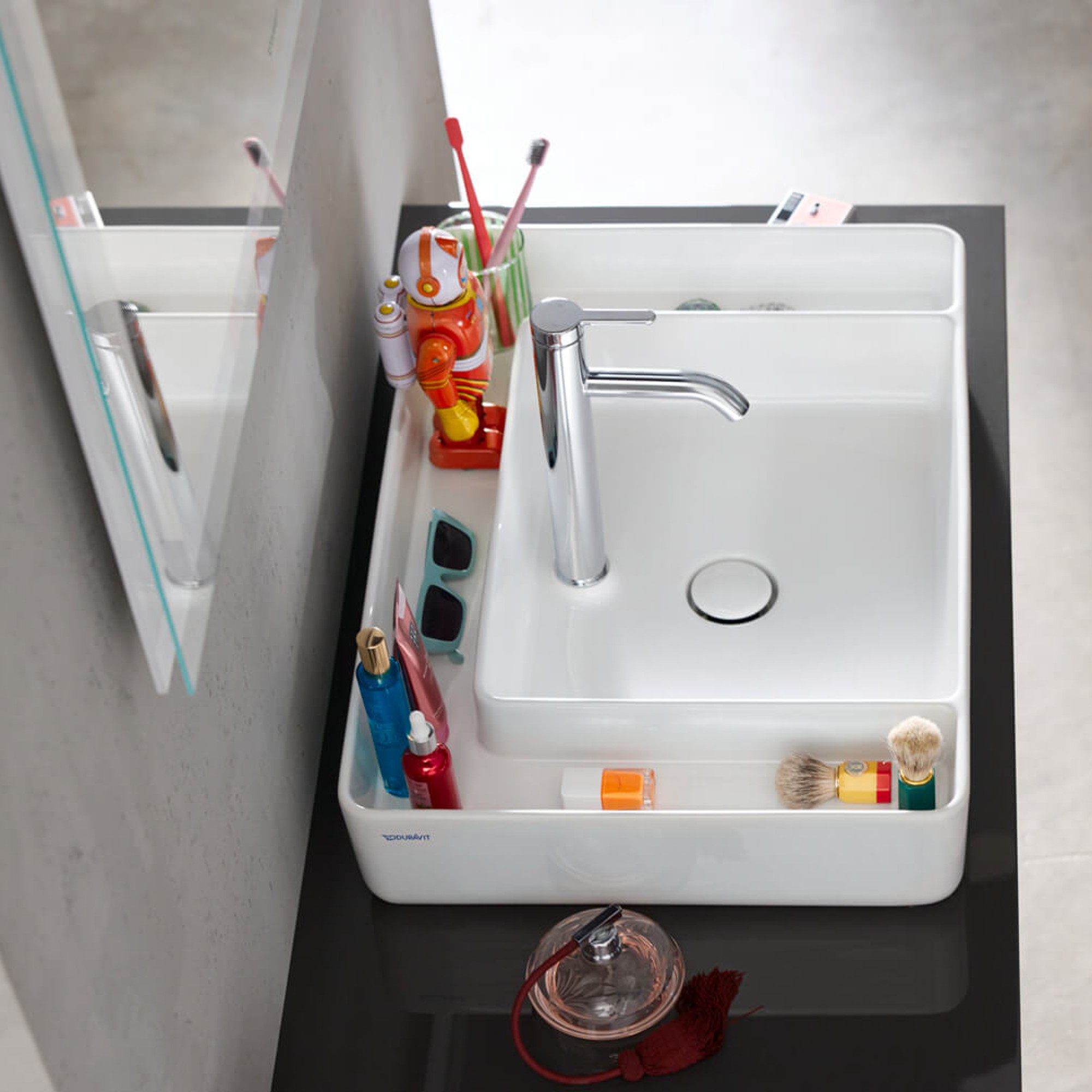
Bathroom accessories
What impression do different colors create in the bathroom?
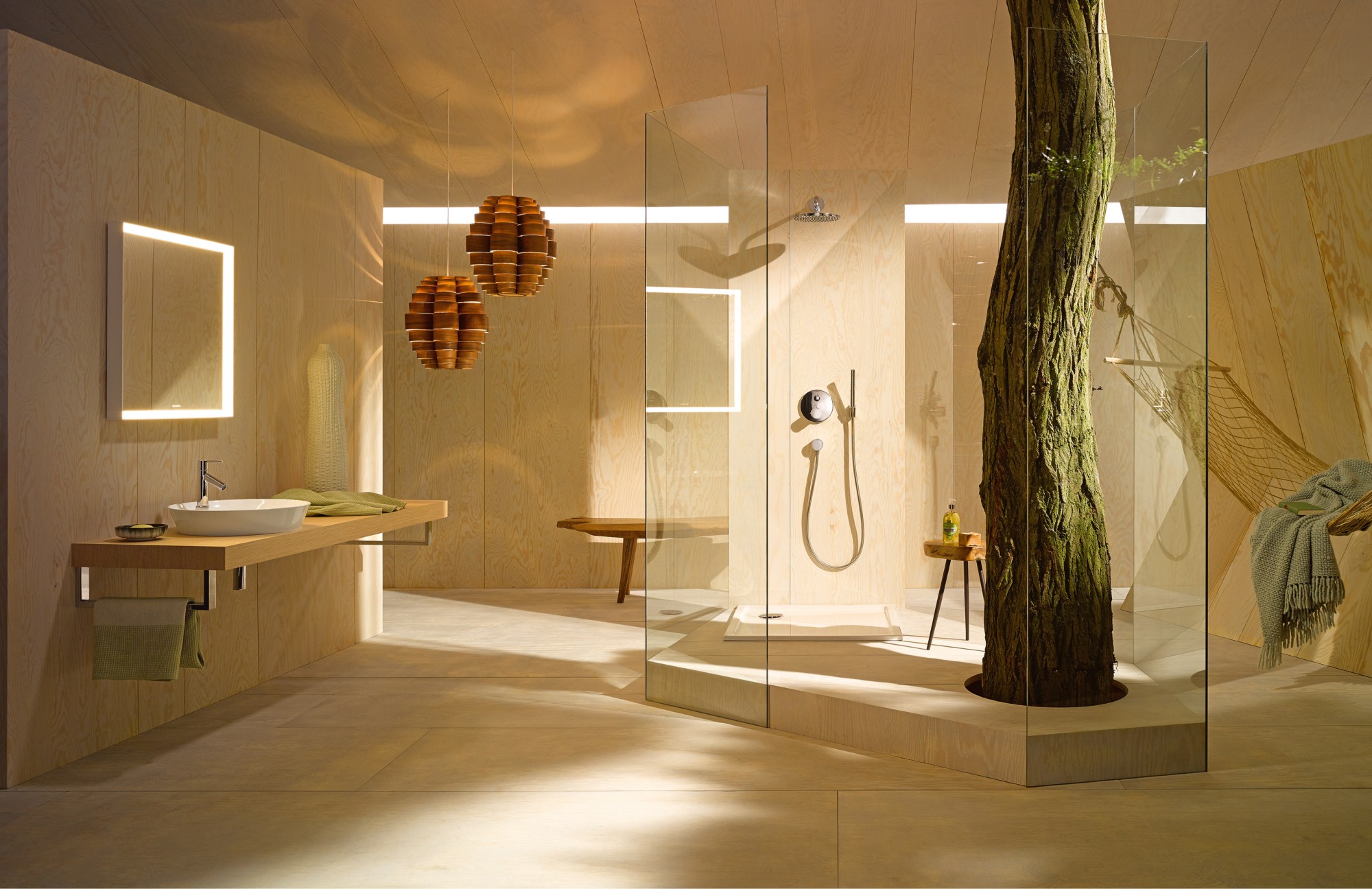
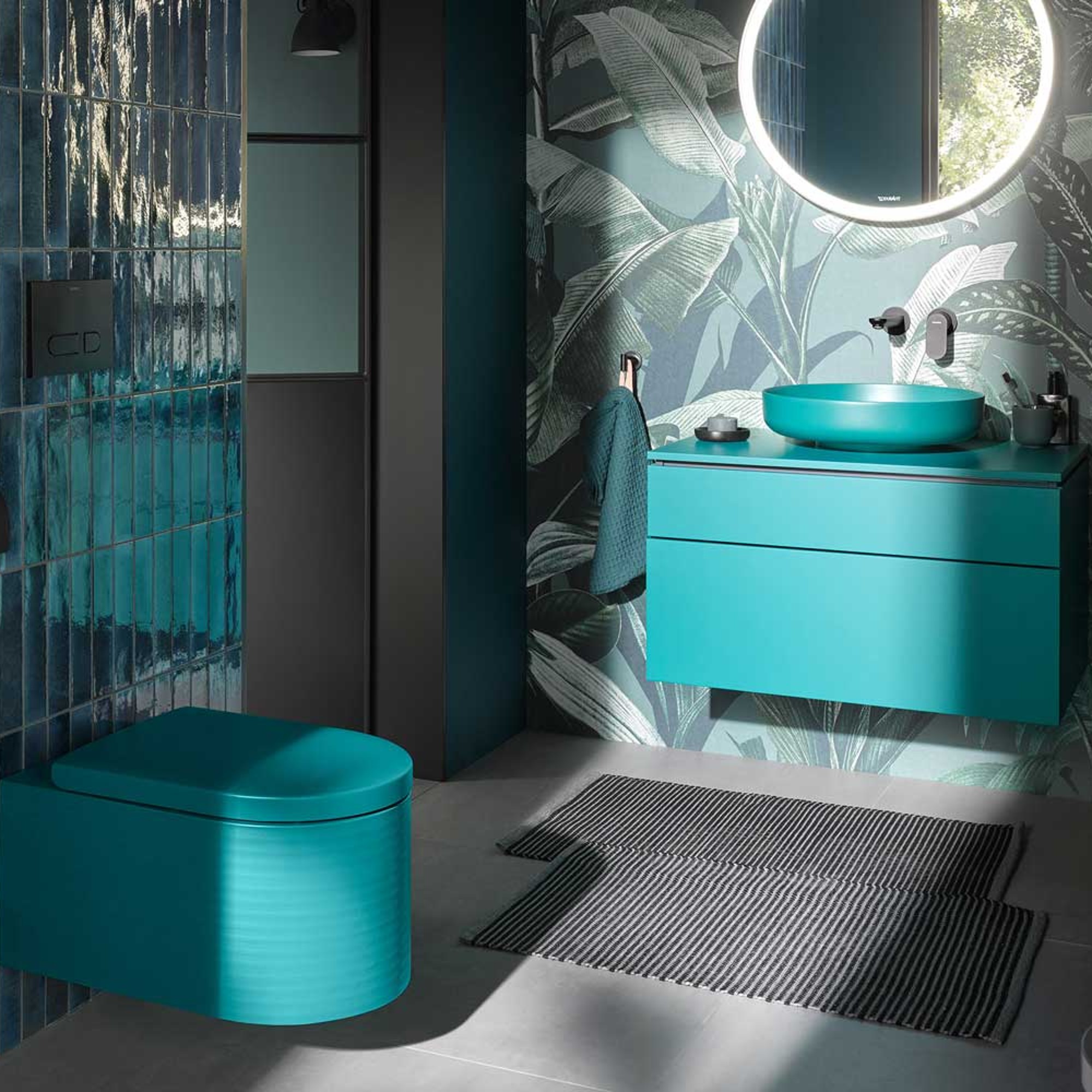
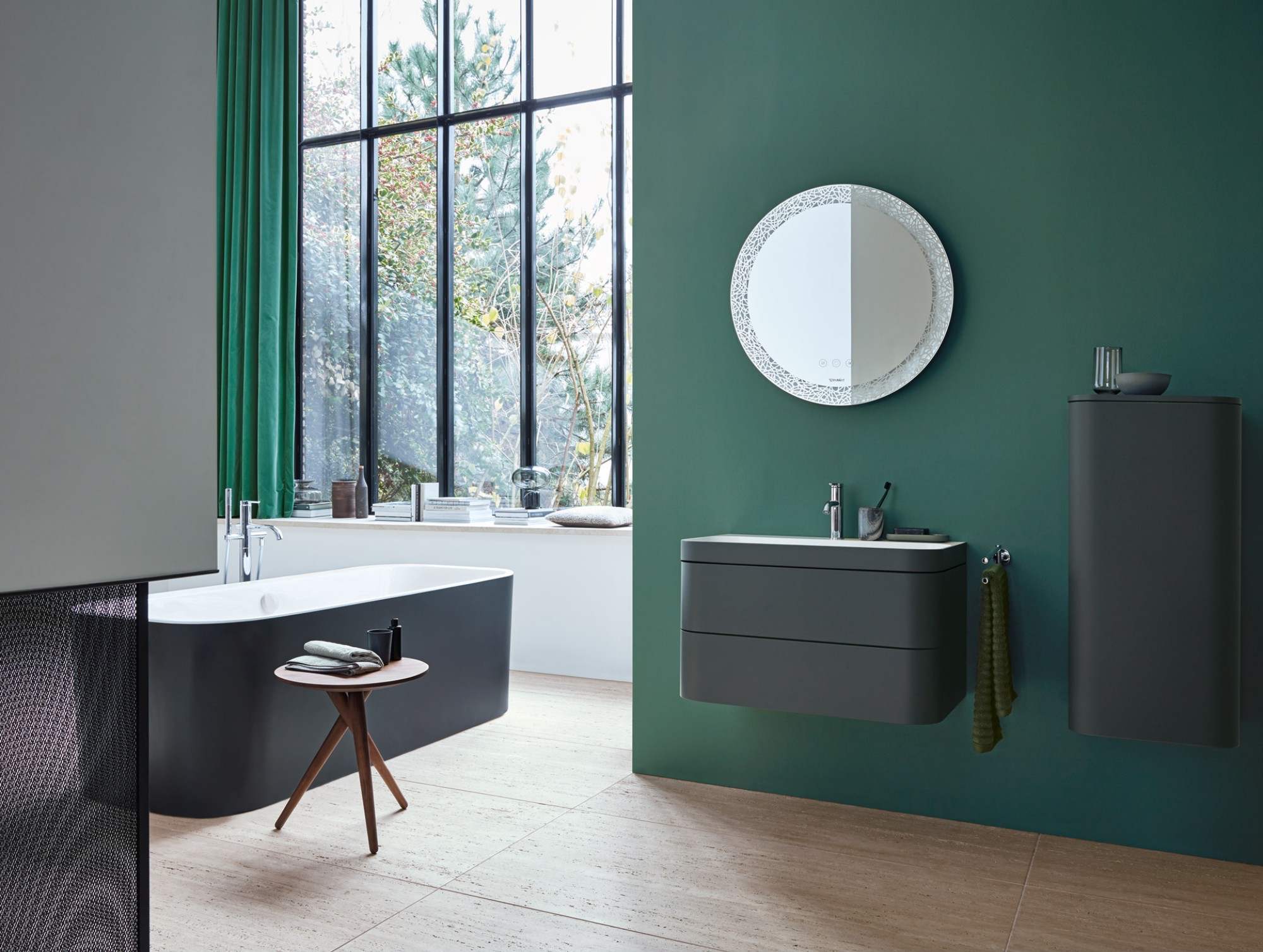
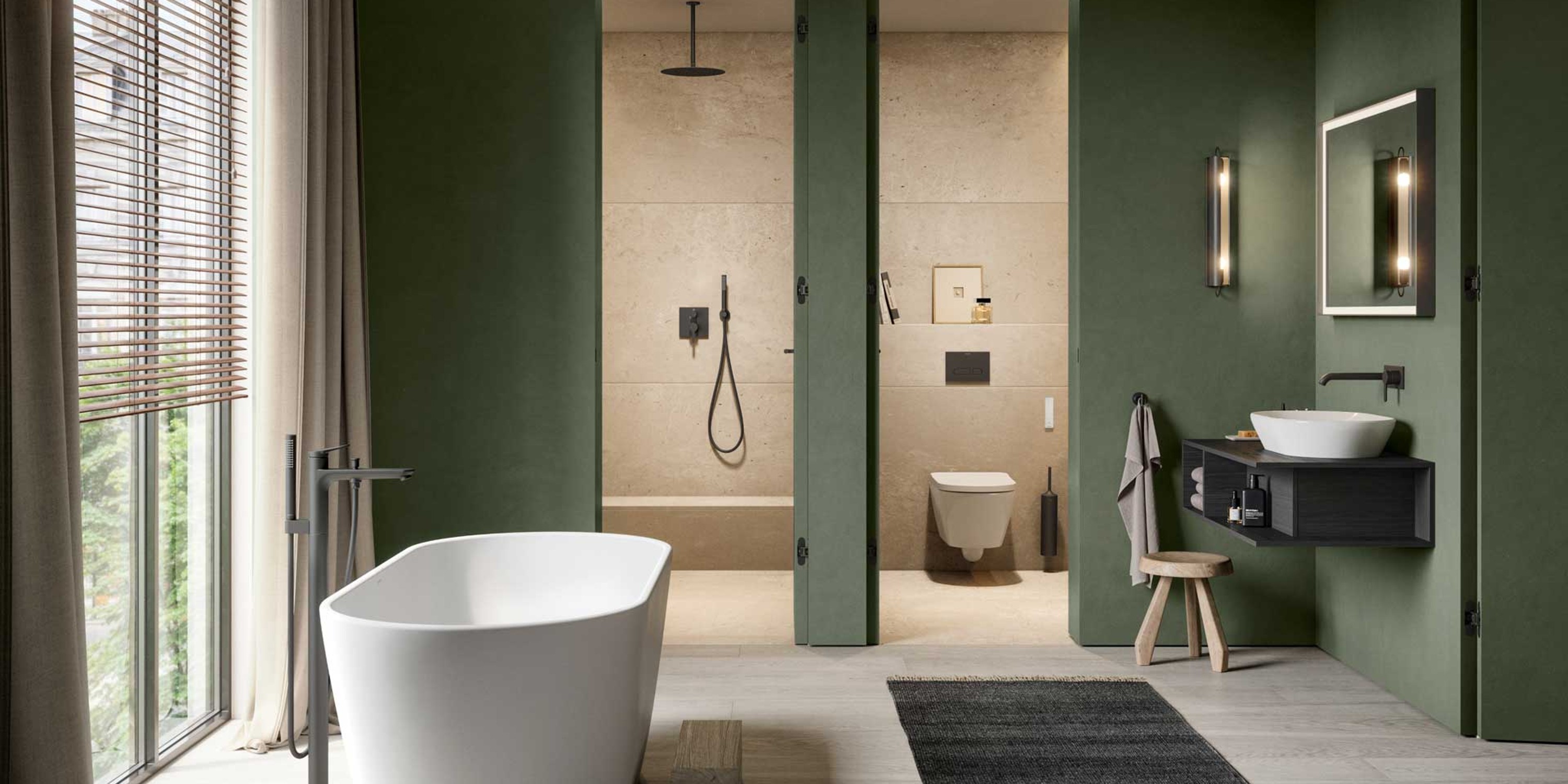
Choosing the right color for your bathroom is always a matter of style. What kind of atmosphere do you want to create in your bathroom? White bathrooms have a classic, clean look, while gray bathrooms exude a subtle, understated charm. Combining multiple colors also requires careful consideration. Particularly trendy options include black-and-white, green, blue, and beige bathrooms.
Of course, there are many other options, such as bathrooms in yellow or red, which, when used effectively, can create a very lively atmosphere. As with all bathroom colors, there is no “right” choice here, since everyone’s perception is different. So it’s best to choose whatever makes you feel comfortable.
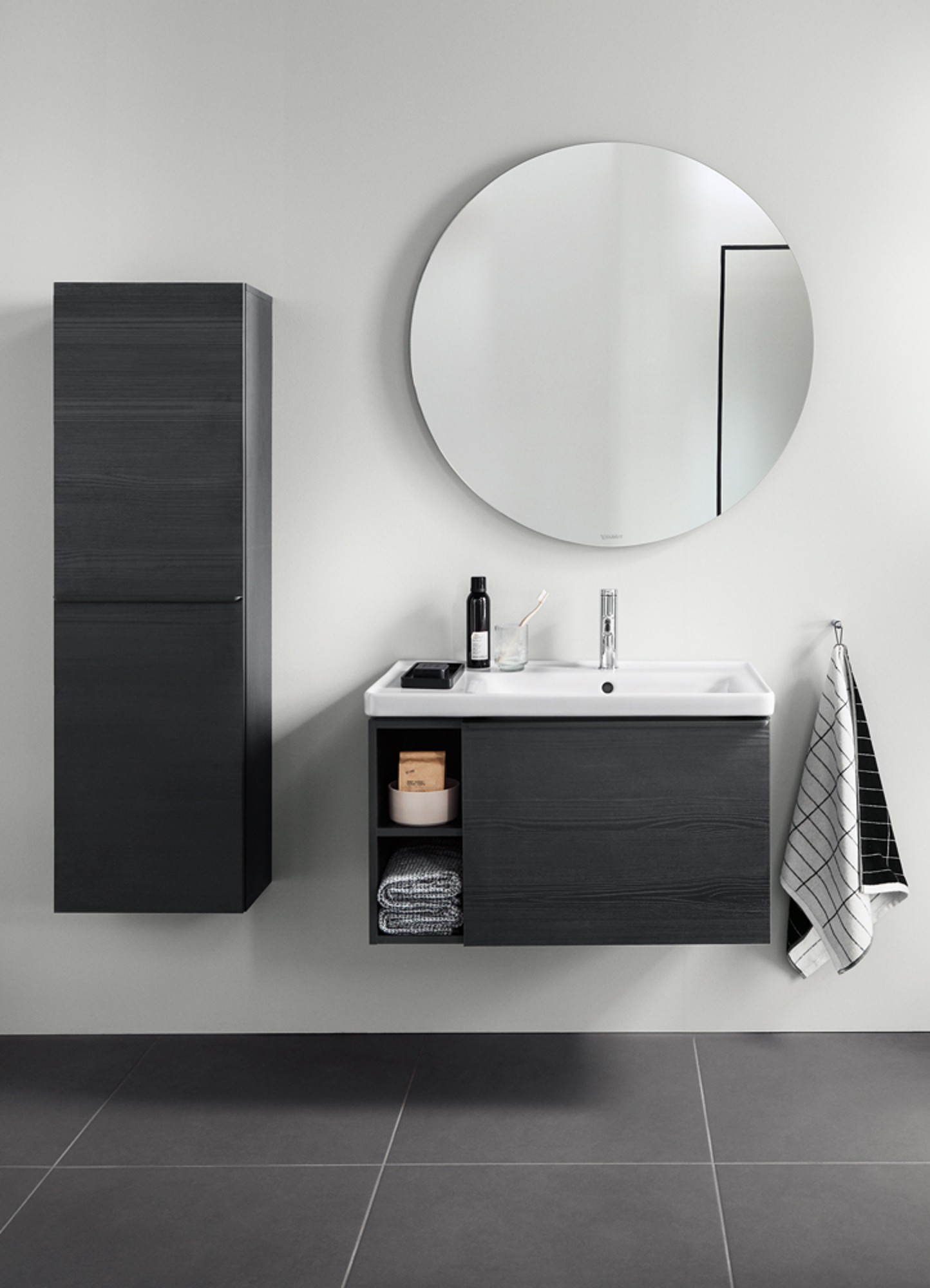
Black and white
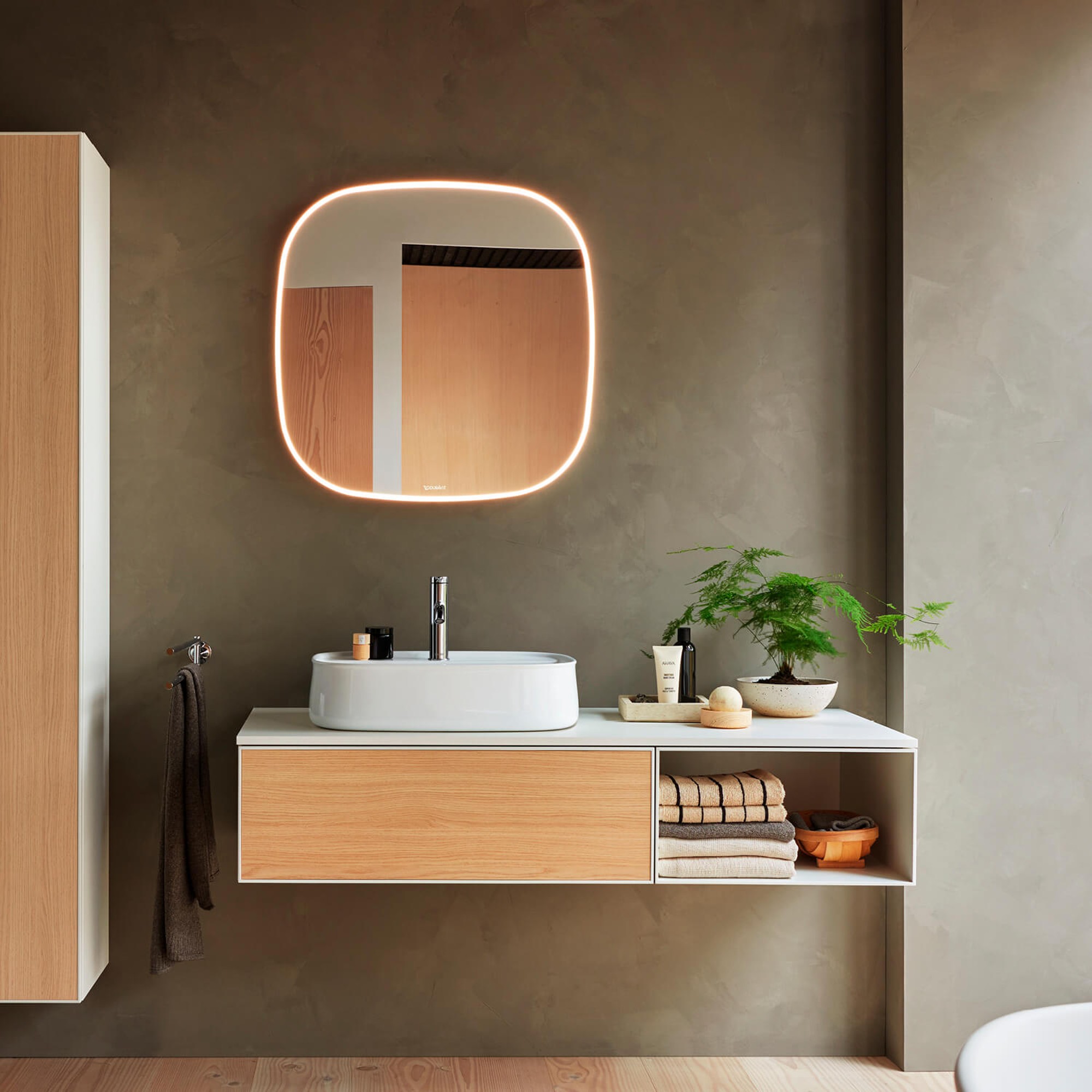
Green

Blue
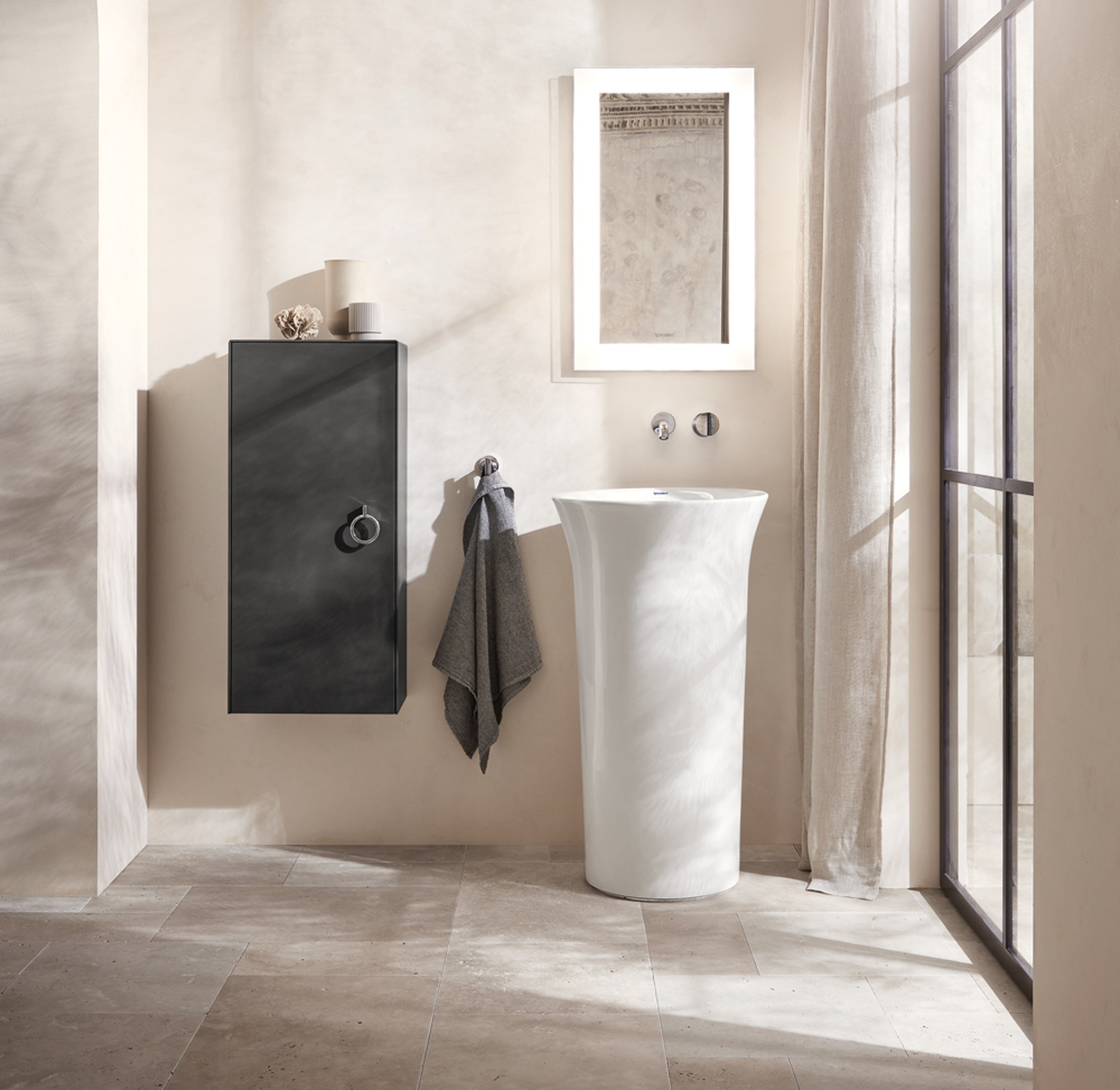
Beige
Discover Material and Color Trends for the Bathroom
Whether monochromatic or mixed, colors in the bathroom offer many options for personalization. The materials used also play a key role in determining which colors work particularly well together and what overall impression is created. Discover some of the most popular design options here.
Tip: You'll also find useful tips on painting your bathroom in our magazine.